Why Does My Cat Hit Me? Understanding Cat Aggression and How to Manage It

Your cat’s soft paws can feel like a warm hug one moment and a sharp swat the next. If you’ve ever wondered, “Why does my cat hit me?” you’re not alone. Cat aggression is a complex behavior rooted in instinct, environment, and communication.
At Cat Bloom Haven, we’re here to decode feline behavior and help you build a stronger bond with your furry friend. This comprehensive guide dives deep into the causes of cat aggression, how to recognize warning signs, and practical strategies to manage and prevent it. By the end, you’ll understand your cat’s body language, know how to respond to aggressive behavior, and feel confident in creating a calmer, happier home for both of you.
Key Takeaways: What You’ll Learn
- Why cats display aggressive behaviors like hitting or swatting.
- Common types of cat aggression, including petting-induced, territorial, and fear-induced.
- How to read your cat’s body language to spot aggression early.
- Actionable tips to manage and prevent aggressive behavior.
- When to seek help from a vet or behaviorist for persistent issues.
- Trending solutions like pheromone diffusers and interactive toys to calm your cat.
What Is Cat Aggression? Decoding Feline Behavior
Cat aggression refers to hostile or defensive behaviors like hitting, swatting, biting, hissing, or scratching. Unlike dogs, cats are solitary hunters by nature, and their aggression often stems from instinctual drives or environmental triggers. Understanding feline aggression starts with recognizing that your cat isn’t “being bad”—they’re communicating something important. Whether it’s discomfort, fear, or overstimulation, their actions are a window into their emotional state.
Feline behavior experts note that aggression can vary in intensity, from a playful swat to a full-on attack. By learning the causes and signs, you can address the root of the problem and prevent escalation. Let’s explore why your cat might be hitting you and how to respond.
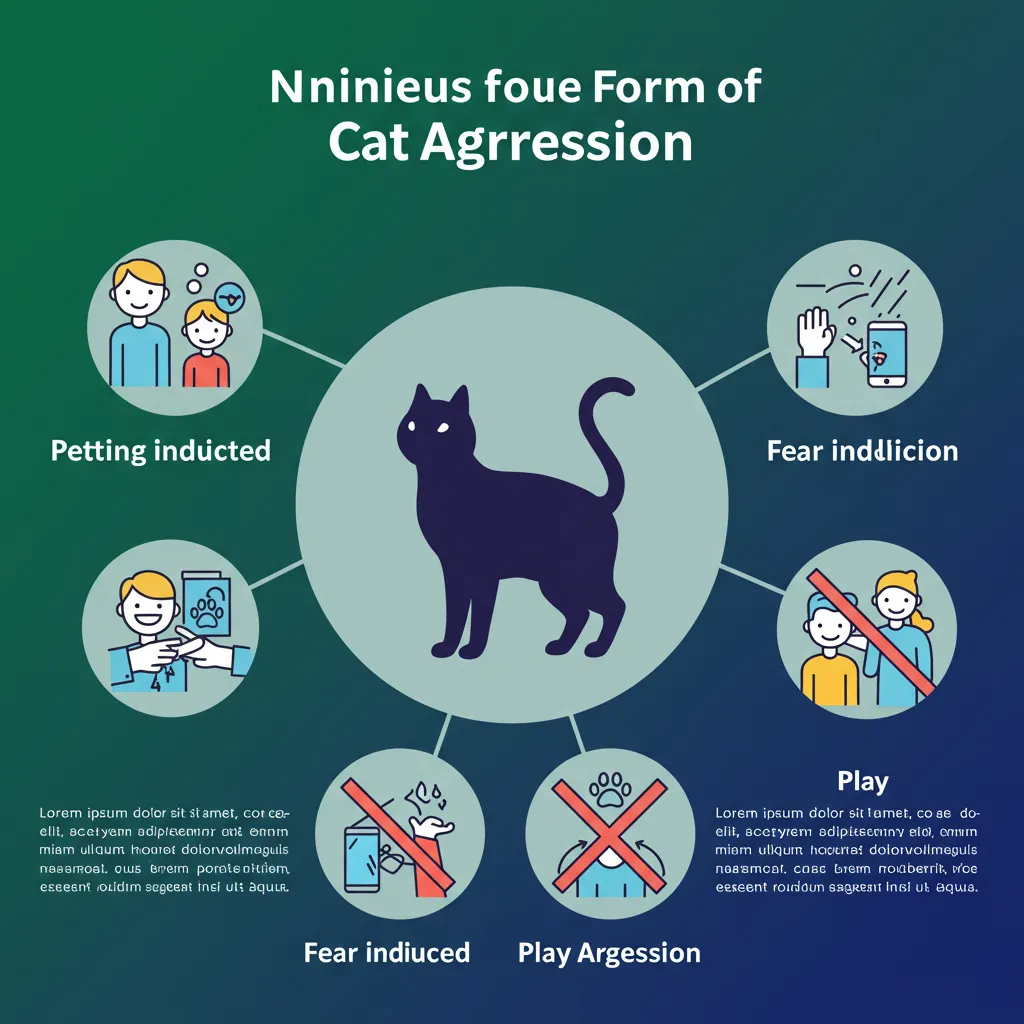
Common Causes of Cat Aggression
Cats hit or act aggressively for various reasons, each tied to their instincts, health, or environment. Below, we break down the main types of aggression and their triggers to help you identify what’s driving your cat’s behavior.
Petting-Induced Aggression
Ever pet your cat only to get a sudden swat? Petting-induced aggression occurs when a cat becomes overstimulated by touch. Their sensitive nervous systems can only handle so much petting before it feels overwhelming.
- Signs: Tail flicking, skin twitching, or sudden biting after petting.
- Causes: Overstimulation, sensitive areas (like the belly), or past negative experiences.
- Solution: Learn your cat’s limits. Stop petting at the first sign of discomfort, like flattened ears or a tense body. Discover more tips in our guide to understanding cat body language.
Redirected Aggression
Redirected aggression happens when a cat can’t reach the source of their frustration and lashes out at you instead. For example, seeing another cat outside might trigger a swat at you.
- Signs: Sudden aggression after staring out a window or hearing a loud noise.
- Causes: External stimuli like other animals, loud sounds, or unfamiliar smells.
- Solution: Remove the trigger (e.g., close blinds) and give your cat space to calm down. Redirect their energy with interactive toys for aggressive cats.
Territorial Aggression
Cats are territorial creatures, and they may hit or hiss to defend their space, especially when new pets, people, or objects enter their domain.
- Signs: Hissing or swatting near specific areas like their bed or litter box.
- Causes: New pets, visitors, or rearranged furniture disrupting their territory.
- Solution: Gradual introductions and scent swapping can ease tension. Check out our tips for introducing new cats.
Fear-Induced Aggression
When a cat feels threatened, they may lash out to protect themselves. Fear-induced aggression is common in new environments or around unfamiliar people.
- Signs: Crouched posture, dilated pupils, or hissing when approached.
- Causes: Loud noises, strangers, or sudden movements.
- Solution: Create a safe space with hiding spots and avoid forcing interaction. Learn more in our guide to cat stress signs.
Pain-Induced Aggression
A cat in pain may hit or bite to avoid being touched. Health issues like arthritis, dental problems, or injuries can make your cat more irritable.
- Signs: Aggression when touched in specific areas, limping, or reduced grooming.
- Causes: Undiagnosed medical conditions or chronic pain.
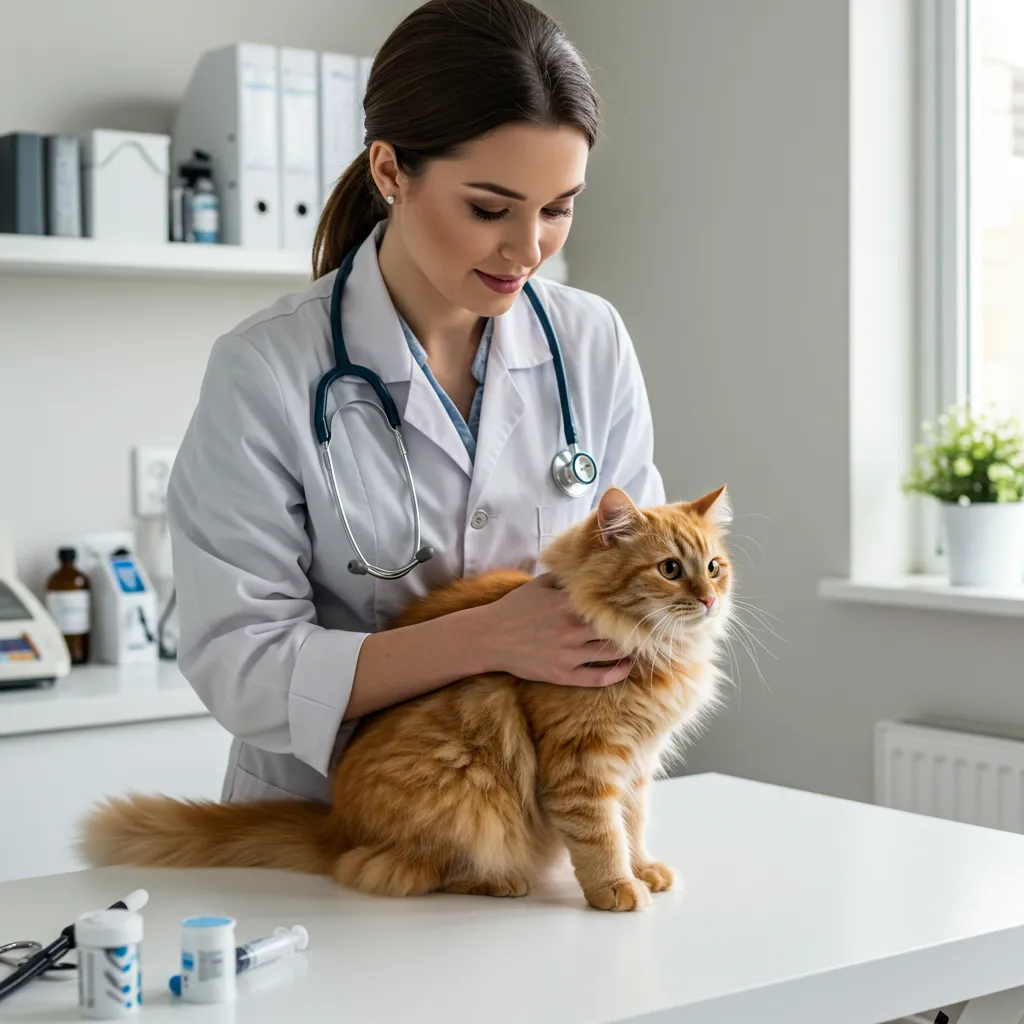
- Solution: Schedule a vet visit to rule out health issues. Explore our cat health care guide for more insights.
Play Aggression
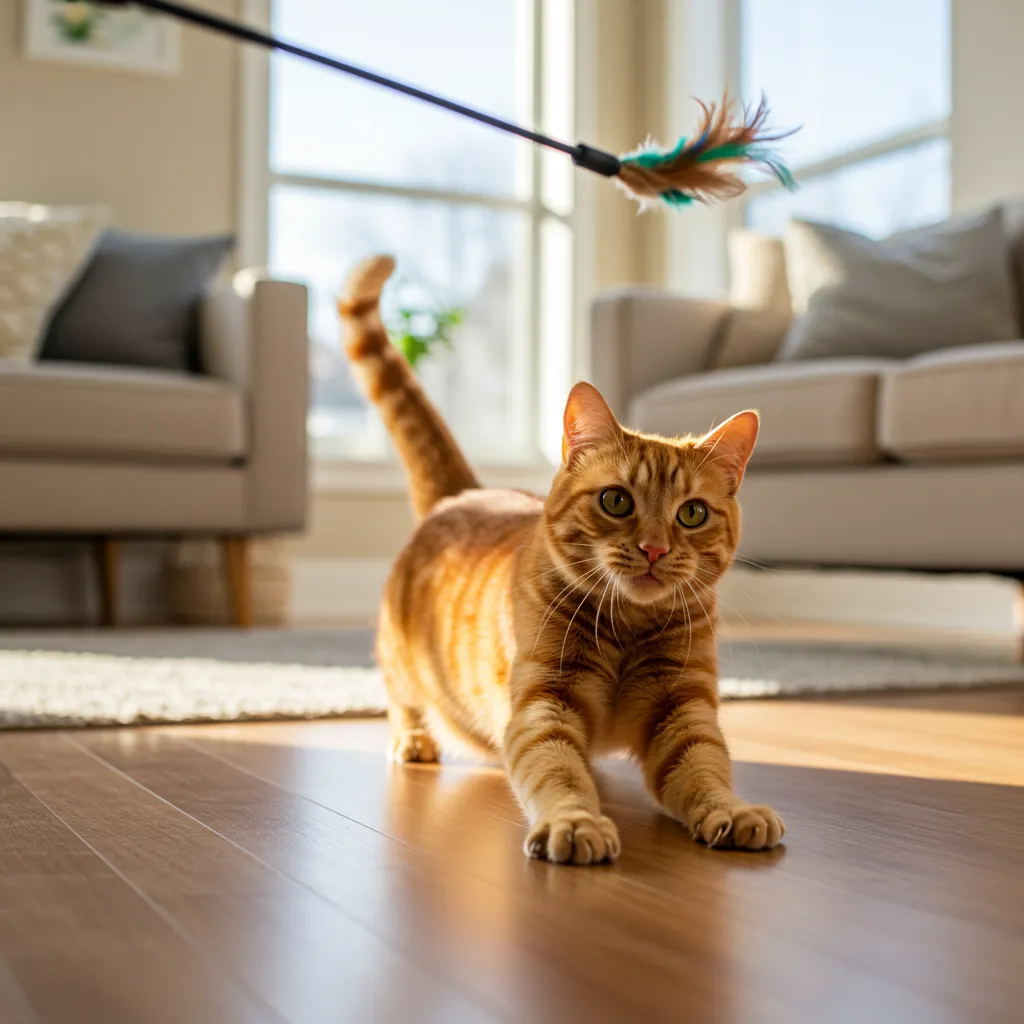
Kittens and young cats often exhibit play aggression, mistaking your hands or feet for toys. This is normal but can become problematic if not redirected.
- Signs: Pouncing, biting, or chasing moving objects (like your ankles).
- Causes: Excess energy or lack of appropriate outlets for play.
- Solution: Use toys like feather wands to redirect energy. See our guide to keeping cats entertained.
Maternal Aggression
Mother cats may become aggressive to protect their kittens, even swatting trusted owners who get too close.
- Signs: Hissing or swatting when approaching kittens.
- Causes: Protective instincts during nursing.
- Solution: Give the mother cat space and avoid handling kittens too early. Learn more in our cat milk production guide.
Idiopathic Aggression
In rare cases, aggression has no clear cause, known as idiopathic aggression. This is often linked to neurological or behavioral issues and requires professional evaluation.
- Signs: Unpredictable attacks without obvious triggers.
- Causes: Potential neurological or psychological disorders.
- Solution: Consult a veterinary behaviorist for a tailored plan.
Recognizing Aggressive Cat Behavior Signs
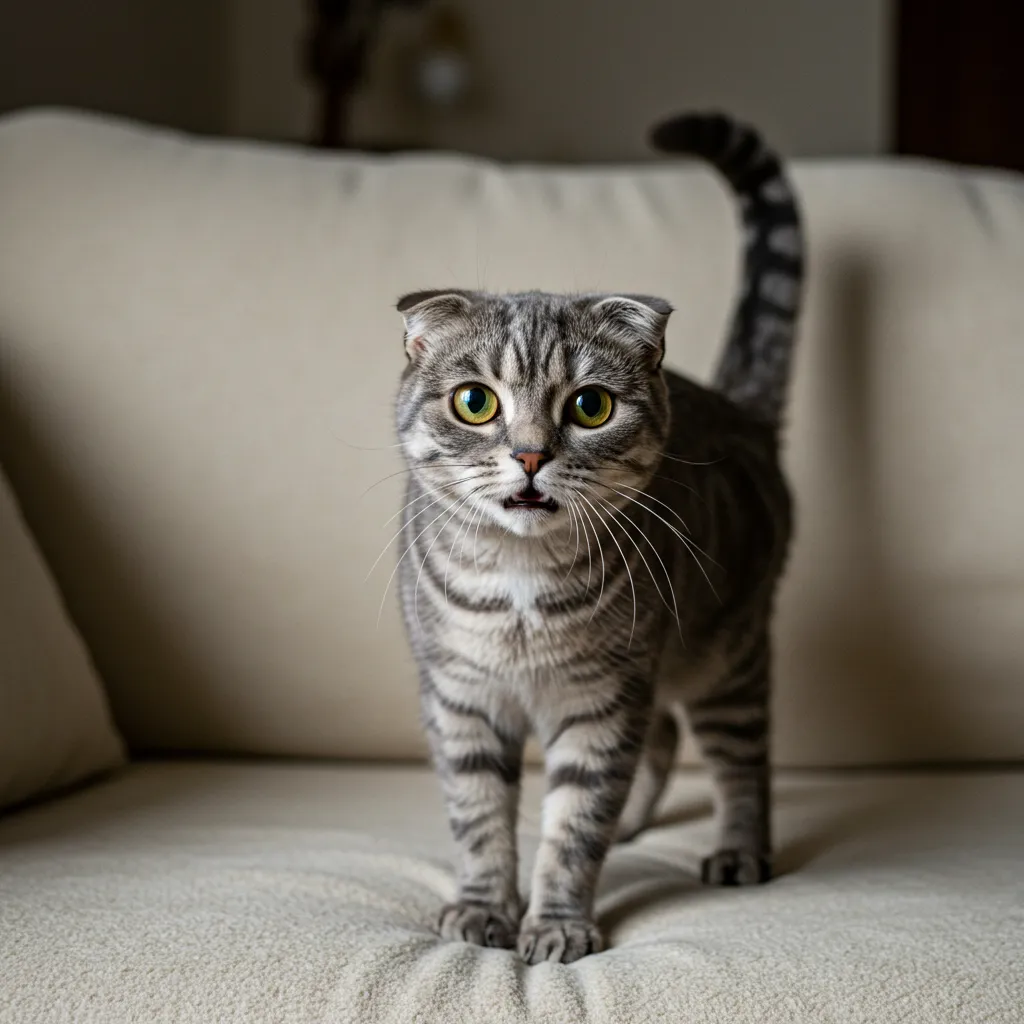
Understanding your cat’s body language is key to spotting aggression before it escalates. Here are common signs to watch for:
| Behavior | What It Means | Action to Take |
|---|---|---|
| Tail flicking or thrashing | Irritation or agitation | Stop petting and give space |
| Flattened ears | Fear or anger | Avoid sudden movements |
| Dilated pupils | High arousal (fear, excitement, or anger) | Identify and remove the trigger |
| Hissing or growling | Warning to back off | Respect their boundaries |
| Arched back, puffed fur | Defensive posture to appear larger | Stay calm and avoid confrontation |
| Stiff body, staring | Preparing to attack or defend | Redirect with a toy or leave the area |
For a deeper dive into feline communication, explore our guide to cat body language.
How to Handle Cat Aggression: Practical Strategies
Managing cat aggression requires patience, observation, and a proactive approach. Here are vet-backed strategies to calm your cat and prevent future incidents.
1. Identify and Remove Triggers
Observe when and where your cat becomes aggressive. Is it during petting, near the litter box, or when another pet is around? Identifying triggers helps you avoid or mitigate them.
- Tip: Keep a journal of aggressive incidents to spot patterns.
- Example: If your cat swats when you pet their back, try shorter petting sessions focused on their head or chin.
2. Redirect Energy with Play
Aggressive cats often have pent-up energy. Interactive toys can channel their instincts into positive outlets.
- Best Tools: Feather wands, laser pointers, or puzzle feeders.
- Why It Works: Play mimics hunting, reducing stress and aggression.
- Resource: Check out our guide to interactive toys for cats.
3. Create a Safe Environment
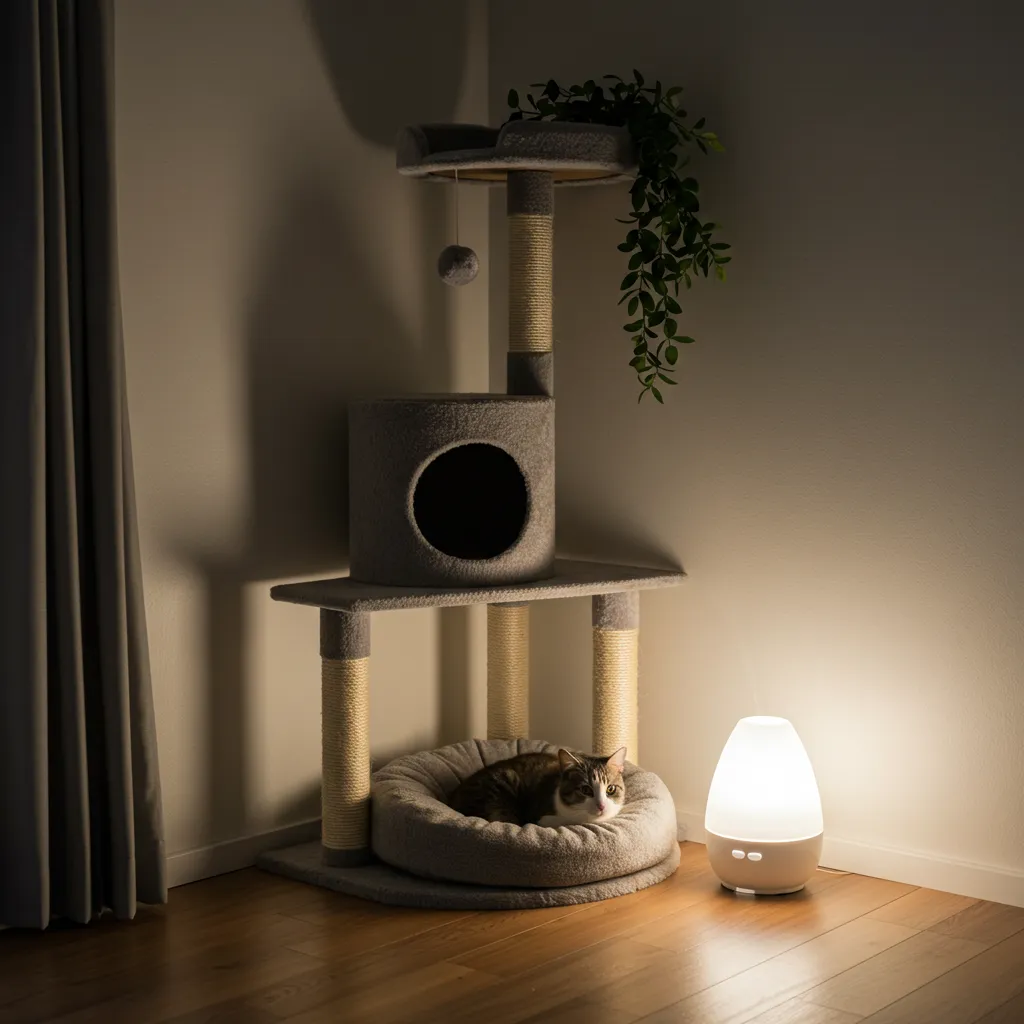
A calm environment reduces stress and territorial disputes. Provide:
- Hiding spots: Cat trees or cozy beds for retreat.
- Vertical space: Shelves or perches for confidence.
- Separate resources: Multiple litter boxes and feeding stations in multi-cat homes.
Learn more in our guide to cat stress signs.
4. Use Calming Products
Trending calming solutions can help soothe aggressive cats:
- Pheromone Diffusers: Products like Feliway mimic natural feline pheromones to reduce stress.
- CBD Oil for Cat Anxiety: Consult your vet for safe options and dosages.
- Catnip or Silvervine: Can relax some cats, but test small amounts first.
Explore our cat health care guide for more on calming products.
5. Train with Positive Reinforcement
Reward calm behavior with treats or praise to encourage non-aggressive responses.
- Example: If your cat stays relaxed during petting, offer a treat to reinforce the behavior.
- Resource: Learn training tips in our cat training guide.
6. Consult a Professional
If aggression persists, seek help from a vet or certified feline behaviorist. They can assess for underlying medical issues or recommend behavioral therapy.
- Trending Option: Veterinary telehealth for pet behavior issues is gaining popularity in 2025. Learn more in our guide to finding the best vet.
Trending Topics in Cat Aggression (2025)
Cat behavior research is evolving, and new tools and techniques are helping owners manage aggression more effectively. Here’s what’s trending:
Feline Hyperesthesia Syndrome
This condition causes heightened sensitivity, leading to sudden aggression or skin twitching. It’s often mistaken for play aggression but requires veterinary attention.
- Signs: Excessive grooming, tail chasing, or sudden outbursts.
- Solution: Vet-prescribed medications or environmental changes.
Cat Anxiety and Aggression
Anxiety is a growing focus in feline behavior, often linked to aggression. Stressors like moving or new pets can trigger defensive behaviors.
- Solution: Calming products, routine consistency, and stress-reducing environments.
Holistic Approaches
Holistic remedies, like acupuncture or herbal supplements, are gaining traction. Always consult a vet before trying these.
- Example: Some owners report success with pheromone diffusers and calming chews.
Pet Behavior Apps
Apps like MeowSpace or PetCoach offer behavior tracking and expert advice, helping owners monitor aggression patterns.
Breed-Specific Aggression Tendencies
Certain breeds may show unique aggression patterns due to their personalities:
- Bengal Cats: High-energy and prone to play aggression. See our Bengal cat personality guide.
- Siamese Cats: Vocal and sensitive, they may show redirected aggression. Explore our Siamese cat behavior guide.
- Maine Coon: Generally gentle but territorial in multi-cat homes.
- Ragdoll: Docile but may swat if overstimulated. Learn more in our Ragdoll cat care guide.
When to Seek Veterinary Help
If your cat’s aggression is sudden, severe, or accompanied by physical symptoms (e.g., lethargy, appetite changes), see a vet immediately. Conditions like hyperthyroidism, dental disease, or feline hyperesthesia syndrome could be the cause. Our cat health care guide offers tips on spotting health issues early.
FAQ: Quick Answers to Common Questions
Why does my cat hit me?
Your cat may hit due to overstimulation, fear, pain, or territorial instincts. Observe their body language and environment to identify the cause.
What are the warning signs of cat aggression?
Look for tail flicking, flattened ears, hissing, or dilated pupils. These signal discomfort or agitation.
What causes cat aggression?
Common causes include petting-induced overstimulation, redirected frustration, territorial disputes, fear, pain, or play instincts.
How can I calm an aggressive cat?
Use calming products like pheromone diffusers, redirect energy with toys, and create a stress-free environment. Avoid punishment, as it worsens aggression.
When should I consult a vet for cat aggression?
See a vet if aggression is sudden, severe, or paired with physical symptoms like limping or appetite loss.
Can interactive toys help with cat aggression?
Yes, toys like feather wands or puzzle feeders channel energy and reduce stress-related aggression.
Conclusion: Building a Happier Bond with Your Cat
Cat aggression can feel confusing, but it’s your cat’s way of communicating. By understanding the causes—like petting-induced overstimulation, territorial instincts, or pain—you can address the root issue and create a calmer environment. Use the strategies above, from redirecting energy with play to consulting a vet for persistent issues, to manage your cat’s behavior effectively. At Cat Bloom Haven, we’re dedicated to helping you and your feline thrive. Explore more expert cat care and behavior guides on Cat Bloom Haven to deepen your bond and keep your cat purring happily.