Boosting Cat Milk Production Naturally: The Ultimate Guide to Supporting Lactating Cats in 2025
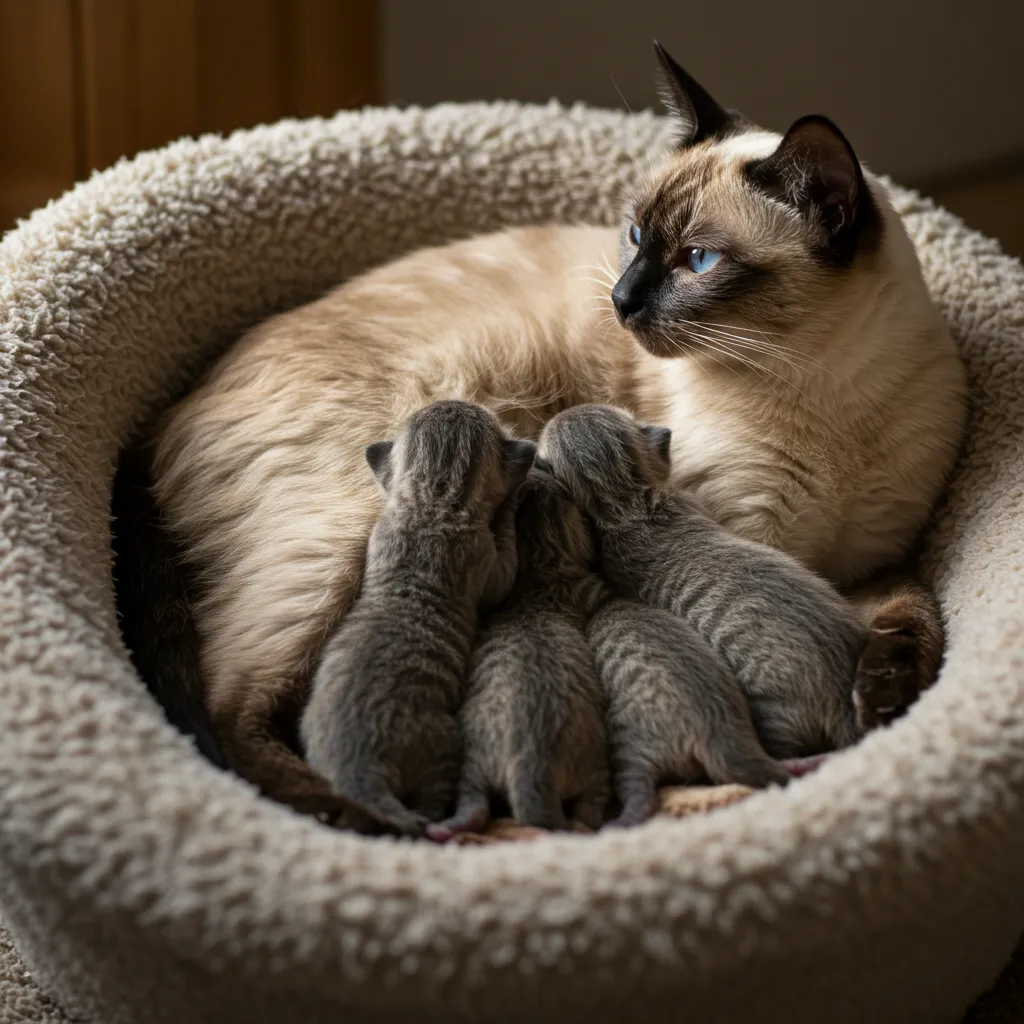
Hey there, fellow cat lover—picture this: It’s the middle of the night, and you hear those tiny, heartbreaking mews from a litter of kittens who just aren’t getting enough milk from their exhausted mom. Your heart sinks as you watch her try so hard, but her belly looks a little too flat, and the kittens are starting to look a bit scrawny. If you’re dealing with cat milk production woes right now, you’re not alone.
Low lactation is a common hiccup for new cat moms, often triggered by stress, poor nutrition, or even sneaky health issues. But here’s the good news: You don’t need fancy vet bills or synthetic boosters to turn things around. This guide is your one-stop, no-fluff resource for stimulating cat milk production the natural way packed with vet-backed tips, real-life stories from cat parents like you, and step-by-step strategies that have helped countless felines thrive.
By the end, you’ll have a rock-solid plan to increase milk in lactating cats, keep those kittens plump and purring, and get your queen back to her sassy self. Let’s dive in and make some milky magic happen.
Understanding the Basics of Cat Milk Production: What Every Cat Parent Needs to Know
Before we roll up our sleeves and start tweaking diets or whipping up remedies, let’s get real about how cat milk production actually works. It’s not just about “more food equals more milk”—there’s a delicate hormonal dance happening behind the scenes.
Cat lactation kicks off around the last two weeks of pregnancy, thanks to a surge in prolactin (the milk-making hormone) and oxytocin (the let-down trigger). Peak production hits about week two postpartum, when a queen might need up to three times her normal calories to fuel that milky flow—think 600-800 calories a day for a 10-pound cat, versus her usual 200-300. But here’s where it gets tricky: If she’s stressed, dehydrated, or skimping on key nutrients, her body hits the brakes. Signs of trouble? Kittens nursing frantically but staying hungry, mom rejecting them (yikes), or even engorged but unproductive glands.
I remember my first foster queen, Luna—a tabby who birthed five fluffballs but seemed tapped out by day three. Her kittens were crying non-stop, and she was pacing like she knew something was off. Turns out, it was a combo of inadequate calories and a noisy household. Once we dialed in the basics, her supply bounced back in 48 hours. Pro tip: Monitor kitten weights daily (aim for 10-15 grams gain per day) and check mom’s mammary glands for firmness and warmth. If they’re hot, hard, or she’s feverish, it’s vet time—more on that later.
This foundation sets the stage for everything else. Now, let’s talk fuel: A killer cat lactation diet is your first line of defense.
Optimizing Your Cat’s Diet for Maximum Milk Production: Fuel the Flow with Feline Nutrition
Listen, if you want to increase milk in lactating cats, food isn’t optional—it’s the engine. Nursing queens burn through energy like a Ferrari on a racetrack, converting nearly everything they eat into kitten chow. Skimp here, and her milk dries up faster than a desert stream.
The Nutrient Powerhouses: What Your Cat’s Body Craves for Milk-Making
At the core, focus on high-protein, high-fat foods that mimic kitten formulas—think 30-40% protein and 20% fat minimum. Why? Protein builds the milk proteins (casein and whey), while fats provide the dense calories for volume. Don’t forget:
- Taurine: Essential for heart health and vision—cats can’t make it themselves, so load up on fish-based proteins.
- Calcium and Phosphorus: For strong kitten bones, but balance is key to avoid eclampsia (more on that in a sec).
- Omega-3s: From fish oils, these reduce inflammation and support brain development in kittens.
- Vitamins A, D, E: Boost immunity and milk quality.
Skip the adult maintenance kibble; switch to kitten or “all life stages” formulas like Hill’s Science Diet Kitten or Royal Canin Mother & Babycat. And for the diet for nursing cats, aim for free-choice feeding—let her graze to match her demand, which can spike unpredictably.
Foods That Supercharge Milk: Your Go-To List for Cat Milk Booster Foods
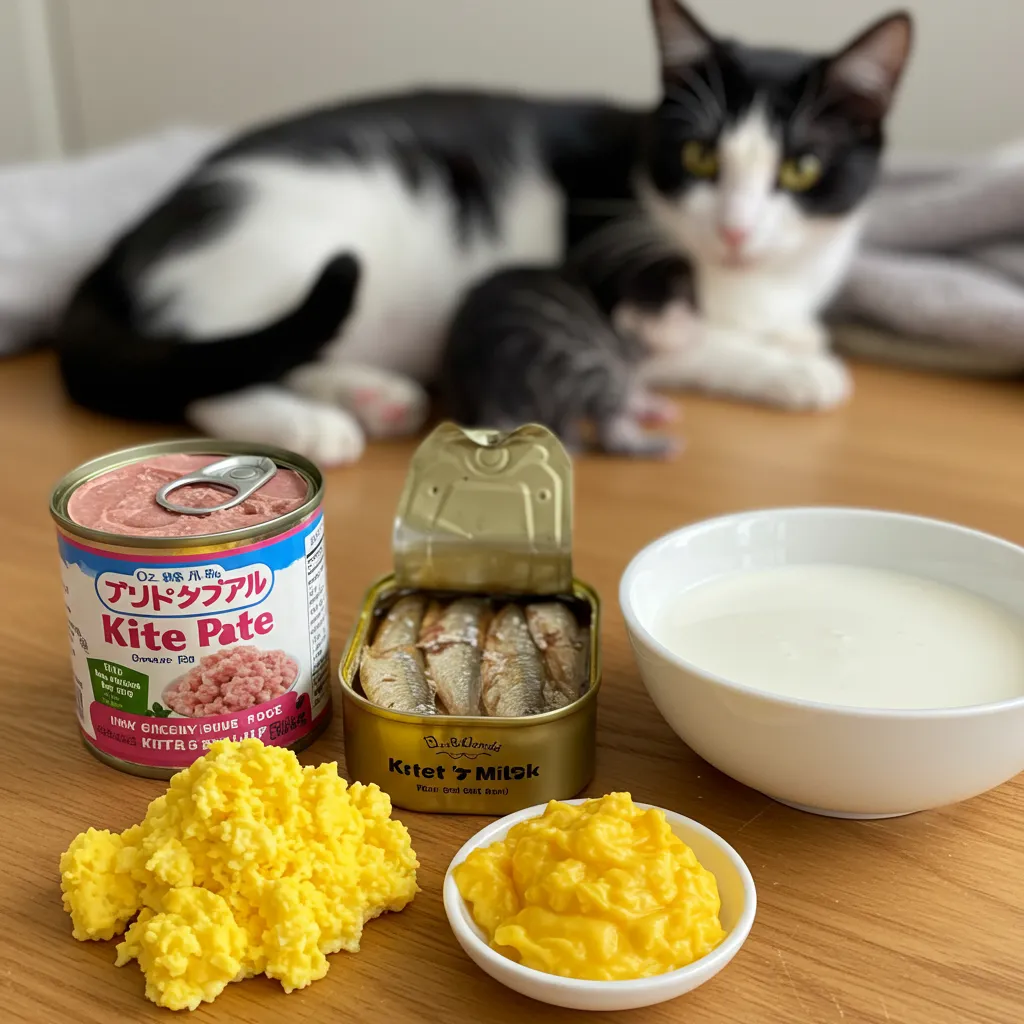
Ready to shop? Here’s a curated list of best foods for lactating cats, based on what vets rave about and what worked for my fosters:
| Food Type | Examples | Why It Rocks for Milk Production | Serving Tip |
|---|---|---|---|
| High-Protein Wet Foods | Wellness CORE Kitten Turkey & Chicken Pate, Tiki Cat Baby Mousse | 50%+ moisture for hydration; easy digestion means more energy to milk. | 3-4 small meals/day; warm slightly to entice. |
| Kitten Dry Kibble | Purina Pro Plan Kitten Shredded Blend, Blue Buffalo Wilderness Kitten | Calorie-dense (400+ kcal/cup); taurine-packed for sustained supply. | Free-choice, but monitor weight to avoid obesity post-weaning. |
| Fish-Based Add-Ins | Canned sardines in water (low-sodium), salmon treats | Omega-3 boost for richer milk; natural taurine hit. | 1-2 tsp/day mixed into meals—fresh, not fried! |
| Eggs & Dairy Alternatives | Scrambled egg yolks, plain goat yogurt | Yolks for fats/vitamins; yogurt for probiotics without lactose overload. | Weekly treat; start small to test tummy tolerance. |
Pro Tip: For picky eaters, mix in goat milk for cats (more on its superstar status below) or a dash of low-sodium tuna juice. Real-life win: One of my readers swapped her queen’s dry food for a wet/dry combo, and milk output doubled in a week kittens went from frantic to fat in days.
Sample 7-Day Diet Plan: Step-by-Step Feeding Schedule for Nursing Cats
To make it idiot-proof (hey, we’ve all been there), here’s a customizable sample diet plan for a lactating cat weighing 8-10 lbs. Adjust portions based on litter size—bigger broods mean bigger eats.
- Morning (6-8 AM): 1/2 can wet kitten food + 1/4 cup dry kibble soaked in warm water. Add 1 tsp fish oil.
- Mid-Morning Snack (10 AM): Handful of kitten kibble + scrambled egg yolk.
- Lunch (Noon): Full can wet food, topped with sardines.
- Afternoon Graze: Unlimited dry kibble access.
- Dinner (6 PM): Repeat morning meal, but sub in goat milk instead of water for soaking.
- Evening Treat (9 PM): Plain goat yogurt or a high-calorie gel (like Nutri-Cal, 100 kcal/tube).
Total: ~700 calories, scalable up. Track her intake—if she’s losing weight, bump it 20%. And how to feed nursing cats? Quiet spot, elevated bowls to ease her full belly, and always fresh water nearby.
Foods to Avoid: Don’t Sabotage Your Efforts
Not all “treats” are friendly. Steer clear of raw fish (thiaminase destroys thiamine), cow’s milk (lactose intolerance city), and high-carb fillers like corn-heavy kibble—they spike blood sugar without milk benefits. Oh, and chocolate? Obvious no-go, but worth the reminder.
Nailing the cat lactation diet sets a strong base, but water is the unsung hero. Let’s hydrate those glands.
Hydration Hacks: Keeping Your Nursing Cat Thirsty for Success in Milk Production
Dehydration is a milk killer—did you know a queen can lose up to 200ml of fluid daily through nursing alone? Her body pulls from her own reserves if she’s not guzzling, leading to thick, low-volume milk or total shutdown.
Why Hydration is Non-Negotiable for Lactating Cats
Milk is 87% water, so skimping means skimpy supply. Plus, wet food (70-80% moisture) doubles as hydration gold. Aim for 100-150ml per kg body weight daily, plus extra for nursing—test by pinching her skin; if it tents, she’s dry.
Practical Tips to Boost Water Intake
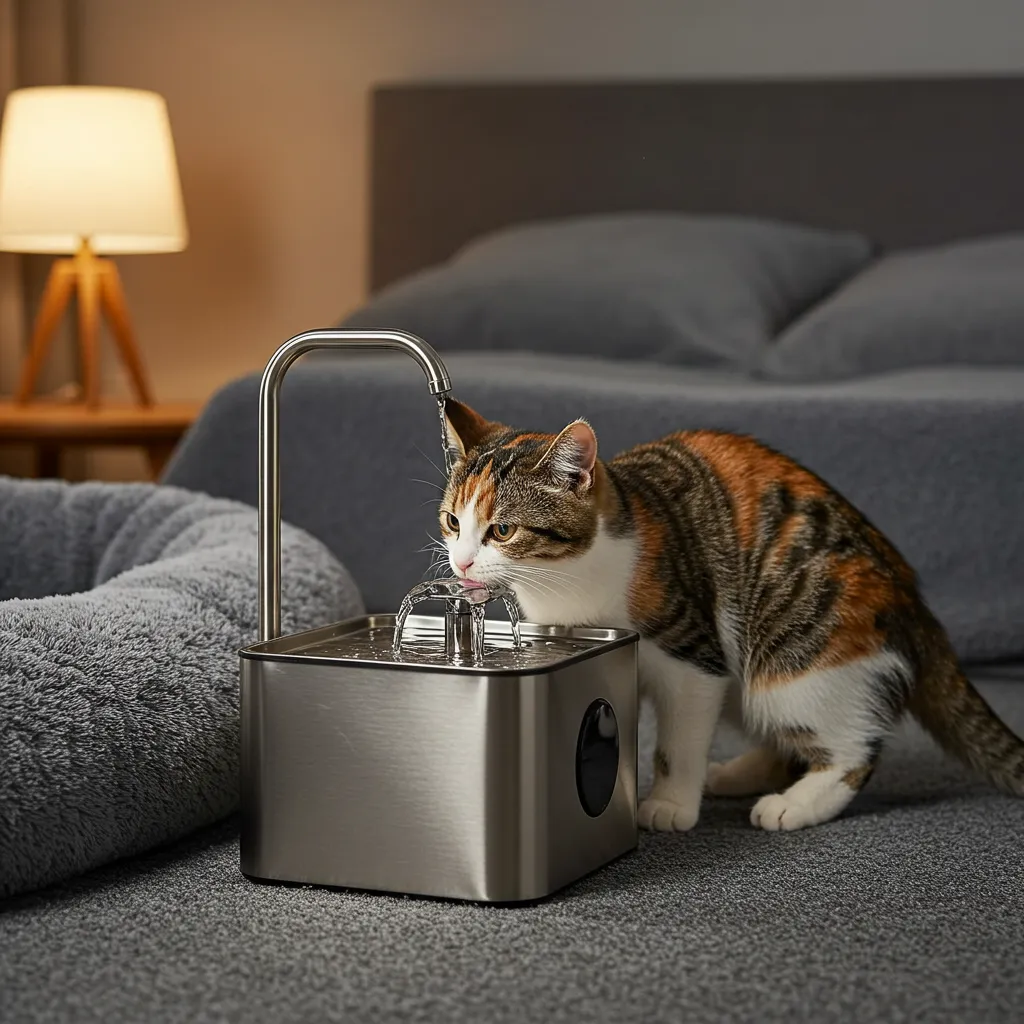
- Fountain Magic: Running water entices—try a PetSafe Drinkwell fountain.
- Flavor Boosts: Add tuna water or goat milk to her bowl.
- Multiple Stations: One per cat + one for the litter, refreshed twice daily.
- Wet Food Focus: At least 50% of calories from cans to sneak in fluids.
One foster tale: My queen Whiskers ignored her bowl until I added a splash of broth—intake jumped 50%, and so did her milk. Simple wins!
Natural Supplements and Remedies: Gentle Boosts to Stimulate Cat Milk Production
When diet’s dialed in but you need that extra nudge, turn to Mother Nature. These natural ways to increase cat milk are safe, effective, and backed by holistic vets.
The Rise of Natural Cat Care: Why Supplements Matter in 2025
With pet parents going green, natural supplements for cats 2025 are booming—think organic, plant-based formulas free of fillers. They support without overwhelming her system, targeting hormones and nutrients directly.
Top Cat Milk Booster Supplements: Pros, Cons, and How-Tos
Here’s a breakdown of standouts:
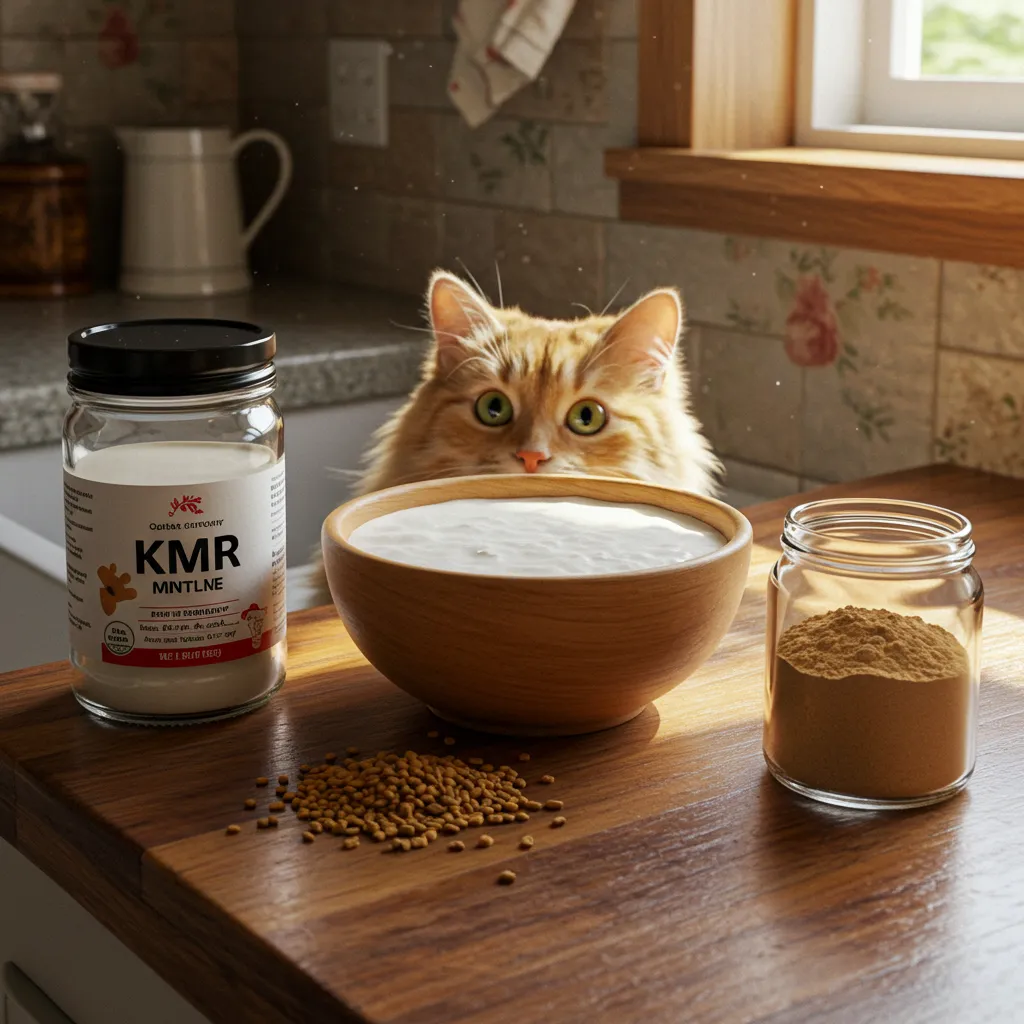
- Fenugreek Seeds: Galactagogue superstar—stimulates prolactin. Pros: Cheap, natural; Cons: Gassy if overdone. Dose: 1/4 tsp powder in food daily for 1 week.
- Kitten Milk Replacer (KMR): Powder form for moms too—builds milk blocks. Pros: Vet-approved; Cons: Can be pricey. Mix 1 tbsp into meals.
- Mother’s Milk Supplement (Wysong): Whole-food blend mimicking breast milk. Pros: Probiotics for gut health; Cons: Availability varies. 1/2 tsp daily.
- Lexelium Nursing Supplement: Hydrolyzed protein boost. Pros: Increases quantity/quality; Cons: Dog/cat dual-use, check labels. Follow package for cats.
| Supplement | Key Benefit | Daily Dose | Cost (Approx.) | Best For |
|---|---|---|---|---|
| Fenugreek | Hormone stimulation | 1/4 tsp powder | $5/month | Quick boost |
| KMR Powder | Nutrient foundation | 1 tbsp mixed | $15/can | Picky eaters |
| Mother’s Milk | Gut/milk mimic | 1/2 tsp | $20/jar | Holistic fans |
| Lexelium | Volume increase | Per label | $25/bag | Large litters |
Start low, watch for allergies (diarrhea? Stop). For organic cat milk replacers, try Primal’s Goat Milk formula—freeze-dried for easy mixing.
Spotlight: Goat Milk for Cats – The Ultimate Natural Remedy
Ah, goat milk benefits for cats? It’s a game-changer. Lower lactose than cow’s (less tummy drama), packed with probiotics, vitamins A/D/B, and medium-chain fats for quick energy. For nursing queens, it hydrates, boosts immunity, and even aids digestion—perfect for stressed moms.
How to Use It:
- Choose raw or pasteurized (avoid ultra-pasteurized—kills goodies).
- Dilute 1:1 with water for kittens/moms.
- Serve warm, 2-4 oz daily as a topper.
- Brands: The Honest Kitchen or Rawznatural—organic and cat-safe.
Reader story: Sarah’s queen, post-mastitis, lapped up goat milk and saw milk return in days. It’s like feline Gatorade!
Home Remedies for Cats: DIY Lactation Tonics
- Herbal Tea Rinse: Brew chamomile (calming) + fennel (milk promoter); cool and mix into food.
- Gentle Massage: Warm compress on glands + light stroking to encourage let-down—5 mins, 2x/day.
- Feline Nutrition Guide Hack: Add pumpkin puree for fiber/digestion support.
These cat lactation remedies keep things simple and effective. But what if stress is the saboteur?
Creating a Stress-Free Environment for Your Nursing Cat: The Hidden Key to Abundant Milk
Stress? It’s lactation’s arch-nemesis. Cortisol spikes tank prolactin, drying up supply faster than you can say “litter box drama.” Your job: Craft a zen den.
Why a Calm Queen Equals More Milk
Nursing demands vulnerability—interruptions spike anxiety, leading to rejection or low output. Aim for “less is more”: Dim lights, soft bedding, and zero chaos.
Step-by-Step Guide to Nursing Cat Care Tips
- Nesting Nirvana: Box with high sides, soft blankets, in a quiet room. Add a heating pad (low, supervised) for warmth—kittens love 85-90°F.
- Routine Rules: Feed/play/nurse on schedule; limit visitors.
- Scent Security: Use your worn shirt for familiar smells.
- Pheromone Power: Feliway diffusers mimic happy cat signals.
- Litter Logistics: Easy-access box nearby—no jumping for a full-bellied mom.
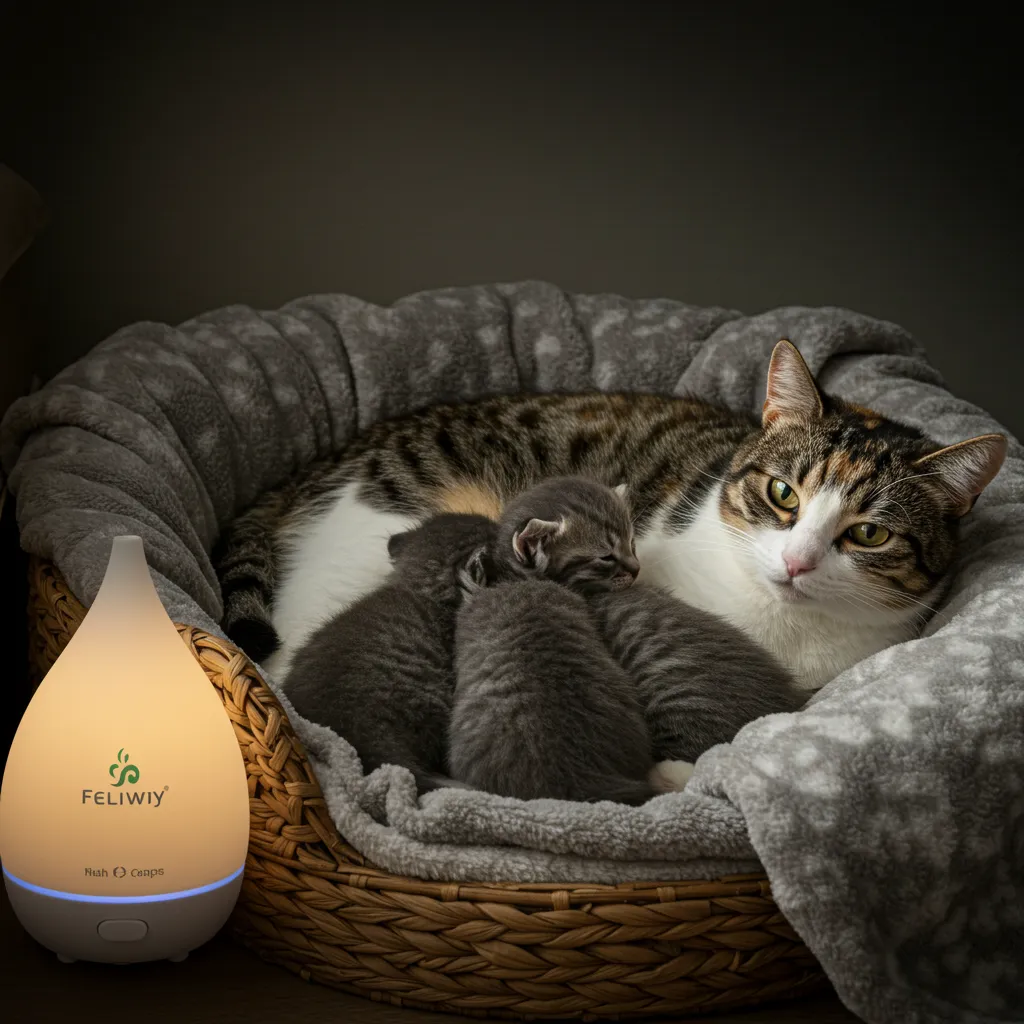
Bonus: Play soothing sounds (cat-specific Spotify playlists exist!). One client transformed her laundry room into a “kitty spa” milk issues vanished, and the whole litter hit milestones early.
Tackling Common Cat Breastfeeding Problems: Spot, Solve, and Prevent
Even with TLC, glitches happen. Here’s your troubleshooter’s bible for cat breastfeeding problems and cat mother milk issues.
Mastitis: The Red Flag Infection
Swollen, hot glands? Pus or blood in milk? Bacterial invaders (E. coli, Staph). Solution: Warm compresses, express milk gently, antibiotics from vet. Prevent: Clean teats daily.
Agalactia: No Milk at All
Hormonal or nutritional shortfall. Cat milk production tips: Double calories, add fenugreek. If persists, vet check for retained placenta.
Galactostasis: Engorged but Blocked
Overfull glands from weaning too fast. Massage + cabbage leaf wraps (anti-inflammatory hack).
Eclampsia: Calcium Crash
Tremors, weakness? Low blood calcium from heavy nursing. Emergency vet—IV calcium. Prevent: Balanced diet, no excess supps.
When to Call the Vet: Advanced Remedies and Medications for Stubborn Cases
Natural first, but if milk’s AWOL after 72 hours or kittens lose weight, zoom to the clinic. Vets might prescribe:
- Oxytocin Injections: Triggers let-down.
- Domperidone: Prolactin booster (human med, cat-safe in low doses).
- Antibiotics/Anti-Inflammatories: For infections.
Holistic option: Acupuncture for stress/hormones—gaining traction in 2025. Threshold: Fever >103°F, lethargy, or kitten distress = immediate action.
Wrapping It Up: Your Path to Purring Lactation Success
Whew—we’ve covered the gamut, from powerhouse foods for milk production in cats to serene setups and savvy supps like goat milk for cats. Remember: Stimulate cat milk production starts with basics—nutrient-rich diet for nursing cats, endless H2O, low stress—then layers on natural ways to increase cat milk like fenugreek or KMR. You’ve got the tools to spot cat milk production tips in action, sidestep pitfalls, and know when to tag in pros.
FAQ: Quick Answers to Your Burning Cat Lactation Questions
How can I stimulate my cat’s milk production naturally?
Amp up calories with kitten food (2-3x normal), ensure constant hydration via wet meals and fountains, and add fenugreek (1/4 tsp daily). A stress-free nest boosts hormones too—results in 2-3 days.
How can I improve my cat’s diet to increase milk production?
Switch to high-protein (30%+) kitten formulas like Purina Pro Plan; free-choice feed with wet/dry mix. Include taurine-rich fish 2x/week—aim for 600+ calories daily for peak flow.
How can I ensure my cat is adequately hydrated for milk production?
Provide 100ml+ water/kg body weight via multiple bowls or fountains; 70% wet food diet. Flavor with low-sodium broth if needed—dehydration cuts supply by 50%.
Are there any natural supplements or remedies that can help promote lactation in cats?
Yes—goat milk (2 oz/day) for probiotics/vitamins, KMR powder (1 tbsp in food), or fenugreek tea. Organic options like Wysong Mother’s Milk enrich quality without synthetics.
Are there any medications or treatments that can stimulate my cat’s milk production?
Vet-prescribed oxytocin for let-down or domperidone for prolactin—only if naturals fail. Always pair with diet tweaks; avoid OTC human meds.
What should I do if my cat’s milk production issues persist or become more complex?
Monitor kitten weights (10g/day gain); if no improvement in 48 hours or signs like fever/mastitis appear, see a vet ASAP for ultrasounds or calcium checks. Early intervention saves litters.