Why Does My Cat Meow in the Litter Box? Uncovering the Hidden Reasons and Solutions for This Common Feline Behavior
Have you ever been going about your day when suddenly you hear a chorus of meows coming from the bathroom or laundry room? You peek in, and there’s your furry friend, mid-business in the litter box, vocalizing like they’re auditioning for a cat choir.
If you’re wondering, “Why does my cat meow in the litter box?” you’re not alone. This quirky cat litter box behavior can be puzzling, frustrating, or even concerning for pet parents. It might seem like harmless chatter, but it could signal everything from a dirty litter box to more serious cat medical issues during urination or pooping.
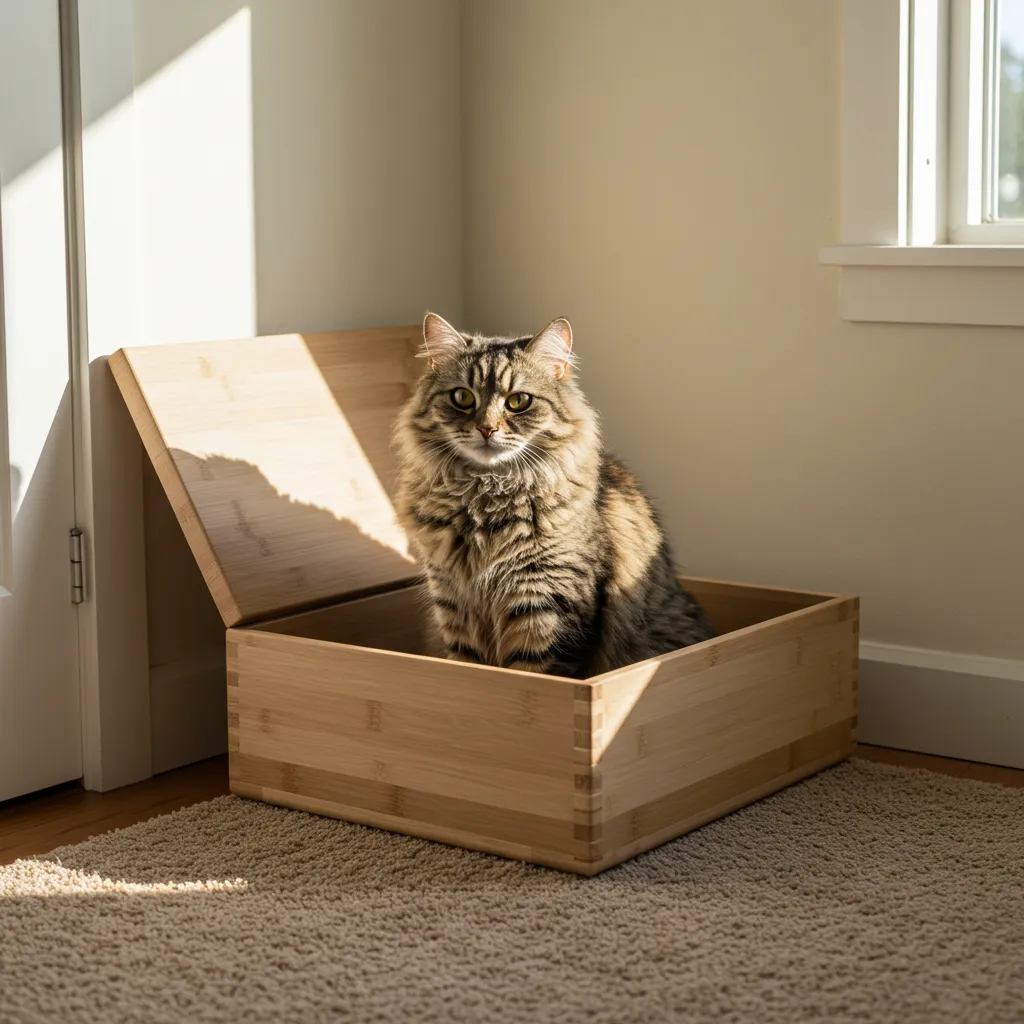
As a cat owner myself (with two chatty felines who’ve kept me on my toes), I’ve delved deep into feline behavior to bring you this ultimate guide. Drawing from vet-reviewed insights and real-world experiences, we’ll explore the top reasons behind cat meowing while using the litter box, complete with actionable tips to fix litter box issues. By the end, you’ll have the tools to understand your cat’s communication through meowing, spot signs of stress or health problems, and create a happier, quieter home. Let’s dig in pun intended!
The Basics of Cat Communication and Meowing in the Litter Box
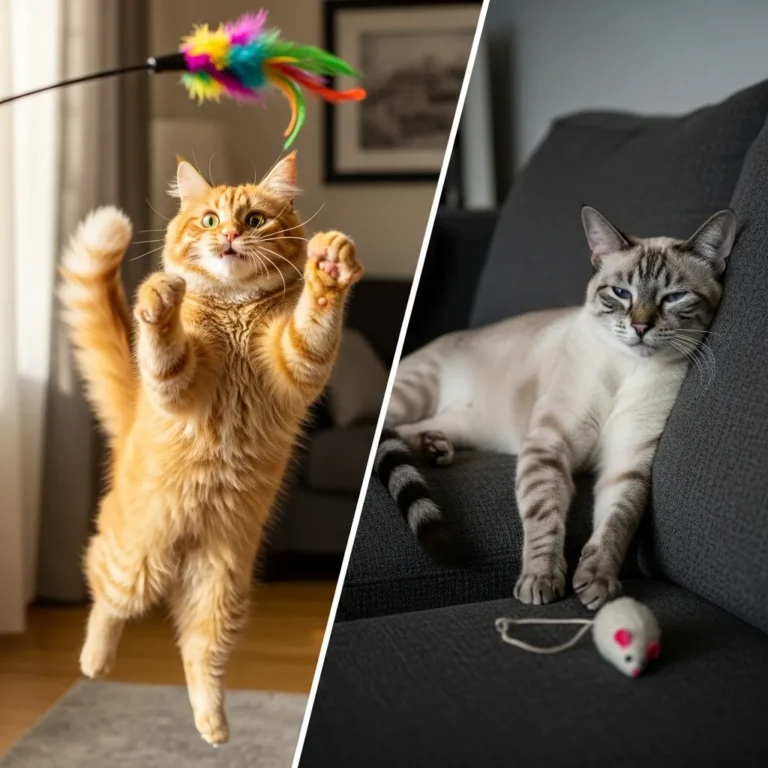
Before we jump into the “why,” let’s talk about how cats communicate. Cats aren’t big on barking like dogs; instead, they use a mix of body language, scents, and sounds to express themselves. Meowing is primarily a human-directed behavior wild cats rarely meow at each other. So when your cat meows while peeing or pooping, they’re likely trying to tell you something.
This cat behavior in the litter box can happen before, during, or after they go. It might be a soft chirp or a full-on yowl. While some cats are naturally chatty (hello, Siamese owners!), persistent or sudden changes could point to litter box problems in cats. According to experts, cats usually prefer privacy during elimination, so vocalizing might mean discomfort, dissatisfaction, or a plea for attention.
Here’s a quick table to help you decode the timing:
| Timing of Meow | Possible Meaning | Quick Check |
|---|---|---|
| Before using the box | Seeking protection or announcing intent | Is the area safe and private? |
| During use | Pain, discomfort, or stress | Watch for straining or unusual postures |
| After use | Wants a reward or signaling it’s done | Have you trained them with treats? |
Understanding feline behavior like this is key to addressing the root cause. Now, let’s break down the most common reasons.
Reason 1: The Litter Box Is Dirty
One of the simplest explanations for why cats meow in the litter box is a dirty litter box. Cats are fastidious creatures—they hate stepping into a soiled area any more than you’d want to use a porta-potty at a music festival. If the box hasn’t been scooped recently, your cat might meow to alert you: “Hey, clean this up!”
Signs Your Cat Is Complaining About Cleanliness
- Frequent meowing right after you clean it (ironically, some cats love a fresh box and “claim” it immediately).
- Pawing at the sides or scratching excessively.
- Avoiding the box altogether and going elsewhere (a major red flag for litter box aversion).
How to Fix It: Step-by-Step Guide to Litter Box Maintenance
- Scoop daily: Remove clumps and solids at least once a day—twice for multi-cat homes.
- Deep clean weekly: Dump the old litter, scrub with mild soap, and refill with fresh litter. Avoid strong chemicals that could irritate your cat’s paws.
- Choose the right litter: Opt for unscented clumping varieties to minimize odors without overwhelming their sensitive noses.
- Monitor for patterns: If meowing persists post-cleaning, it might not be dirt—move to the next reason.
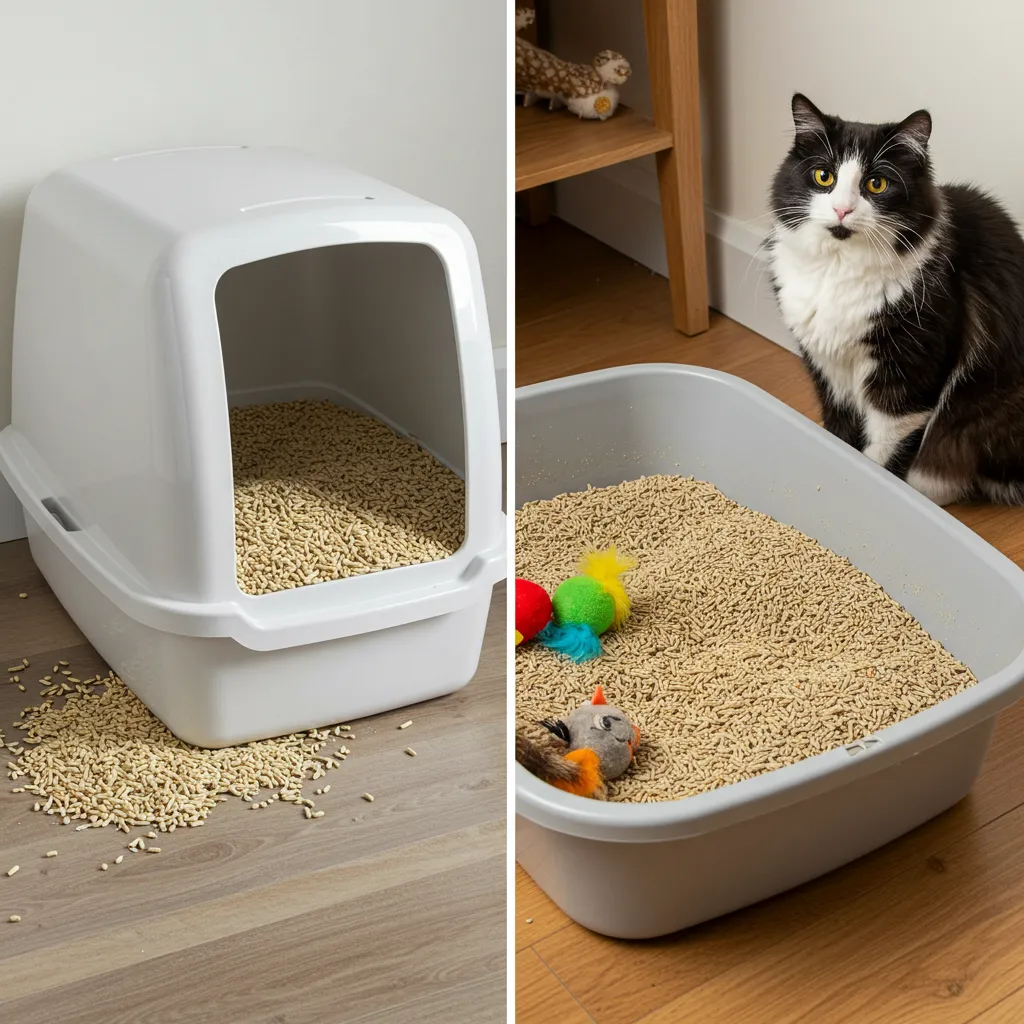
Real-life example: My tabby once started meowing loudly every time she entered her box. Turns out, I’d slacked on scooping during a busy week. A quick clean-up, and peace was restored. Pro tip: Invest in a litter genie for odor control—it’s a game-changer!
Reason 2: Your Cat Doesn’t Like the Litter Box Setup
Cats have strong preferences when it comes to their “throne.” If the litter box size, location, type, or even the litter itself doesn’t suit them, they’ll let you know with vocal protests. This is a top cause of cat litter box preferences gone wrong.
Breaking It Down: Common Litter Box Gripes
Litter Box Size and Design
A box that’s too small can make your cat feel cramped, especially larger breeds or seniors with arthritis. Covered boxes might trap odors (good for you, bad for them) or feel claustrophobic.
- Tips: Choose a box 1.5 times your cat’s length. For kittens, start small and upgrade as they grow. Open-top designs often win for comfort.
Litter Box Location
Noisy spots near washers or high-traffic areas stress cats out—they want privacy!
- Tips: Place boxes in quiet, low-traffic corners. Avoid basements if your cat is older (stairs can be tough). In multi-story homes, have one per floor.
Litter Type and Quantity
Changed litters recently? Cats hate surprises. Too much or too little litter (aim for 2-3 inches) can also trigger complaints.
- Pros and Cons of Litter Types:
- Clumping Clay: Pros: Easy scooping, odor control. Cons: Dusty, tracks easily.
- Pine or Paper: Pros: Eco-friendly, low dust. Cons: Less clumping.
- Silica Gel: Pros: Absorbs well. Cons: Hard on paws, expensive.
- Tips: Stick to what works, or transition gradually over a week by mixing old and new.
Number of Boxes
The golden rule: One box per cat, plus one extra. Competition in multi-cat homes leads to stress and meowing.
Real-life fix: A friend’s cat stopped meowing after they added a second box in a peaceful spot. Simple!
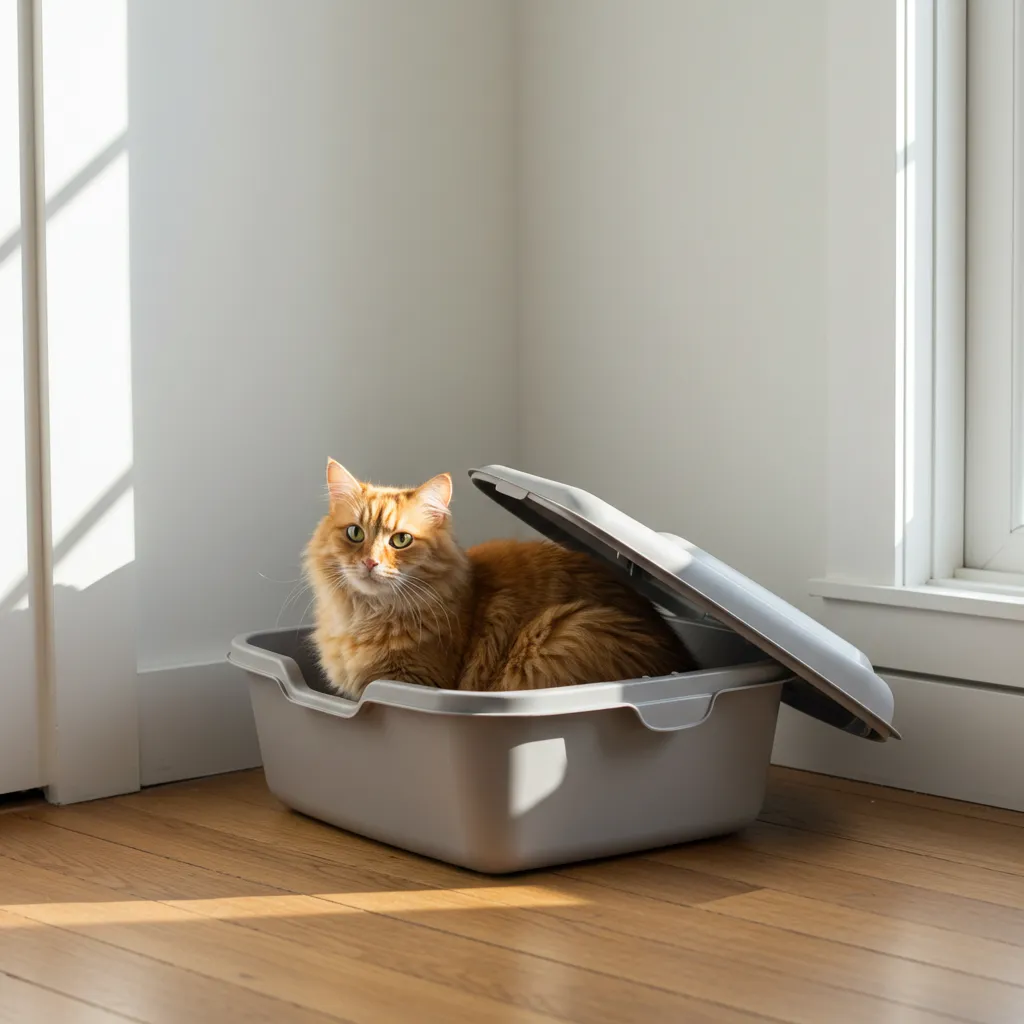
Reason 3: Your Kitty Wants a Reward or Attention
Some cats learn that meowing in the litter box gets them treats or praise—especially if you’ve used positive reinforcement during cat litter box training. It’s like they’re saying, “Look what I did! Where’s my prize?”
Identifying Reward-Seeking Behavior
- Meows right after finishing, often looking at you expectantly.
- More common in trained cats or those with chatty cat behavior.
Tips for Rewarding Cat Litter Training
- Use treats sparingly: Offer small rewards immediately after good behavior to reinforce it.
- Phase out gradually: Once trained, reduce treats to avoid dependency.
- Alternative attention: Playtime or pets can satisfy without over-rewarding.
If it’s excessive, it might overlap with chatty cat meaning—some breeds like Bengals are naturally vocal.
Reason 4: Your Cat Is Stressed or Anxious
Stress is a sneaky culprit behind cat stress behavior, including meowing in the litter box. Changes in routine can make your cat feel vulnerable during this private moment.
Common Cat Stress Signs
- Hiding more than usual.
- Over-grooming or fur loss.
- Aggression or litter box aversion (e.g., spraying outside).
- Excessive meowing overall, not just in the box.
Triggers for Feline Anxiety and Behavior
- New pets, babies, or home renovations.
- Moving or diet changes.
- Seeing outdoor cats through windows.
How to Reduce Cat Anxiety in the Litter Box
- Create a calm environment: Use pheromone diffusers like Feliway to mimic calming scents.
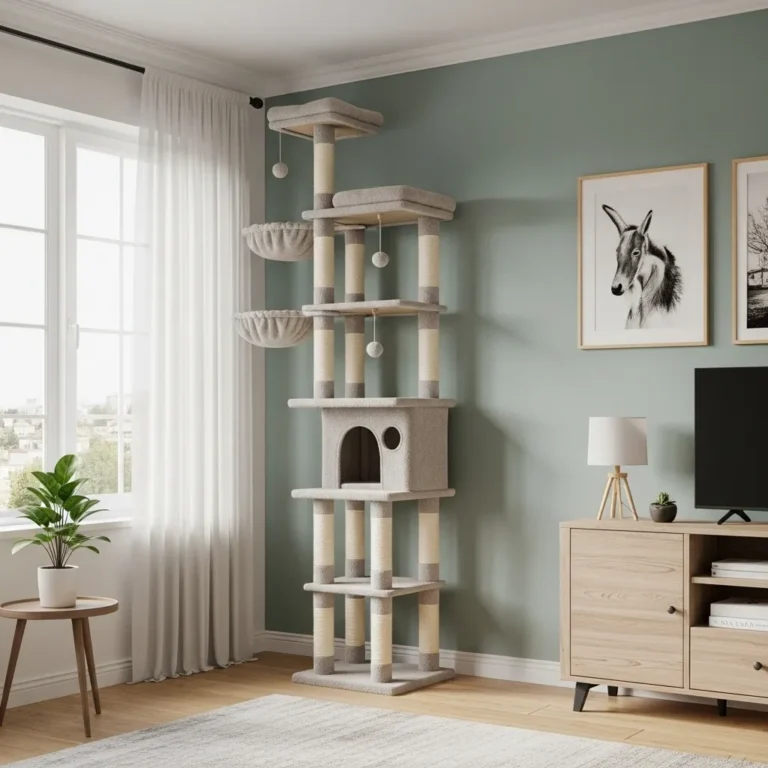
- Enrichment activities: Provide scratching posts, toys, and high perches for security.
- Routine consistency: Stick to regular feeding and play times.
- Step-by-step desensitization: For big changes, introduce slowly (e.g., new pet in stages).
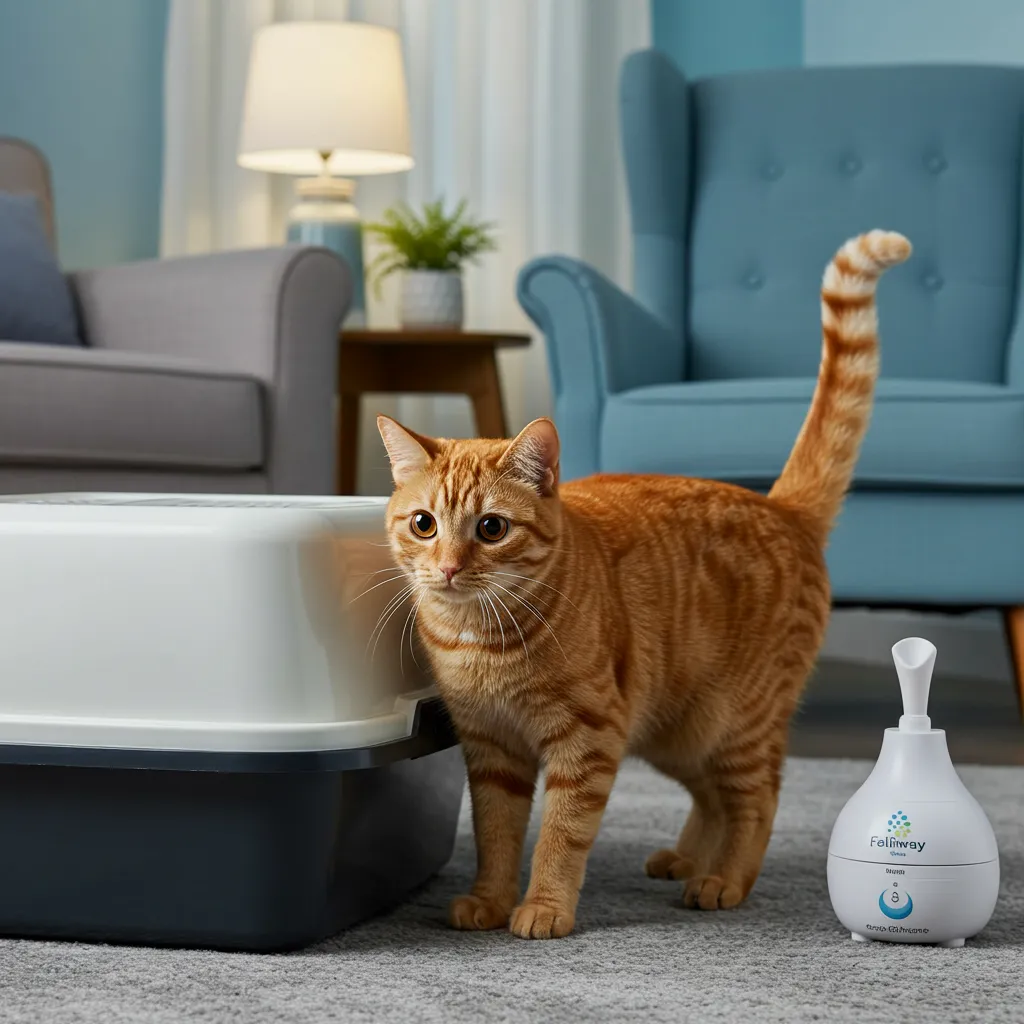
Example: During a move, my cat started meowing anxiously in her box. Adding a cozy hideaway nearby helped her feel safe.
Reason 5: You Have a Naturally Chatty Cat
Some cats are just born talkers! If your cat meows excessively in general, their litter box serenades might be part of their personality.
Identifying Excessive Meowing
- Consistent vocalization in daily activities.
- Breed-specific: Siamese, Orientals, or Bengals are known for being vocal.
Addressing Chatty Cat Behavior
- Observe patterns: If it’s always been this way and no other issues, it’s likely harmless.
- Enrichment: Interactive toys can channel energy.
- Vet check: Rule out underlying problems if it escalates.
Summary: Embrace the chatter—it’s their way of bonding!
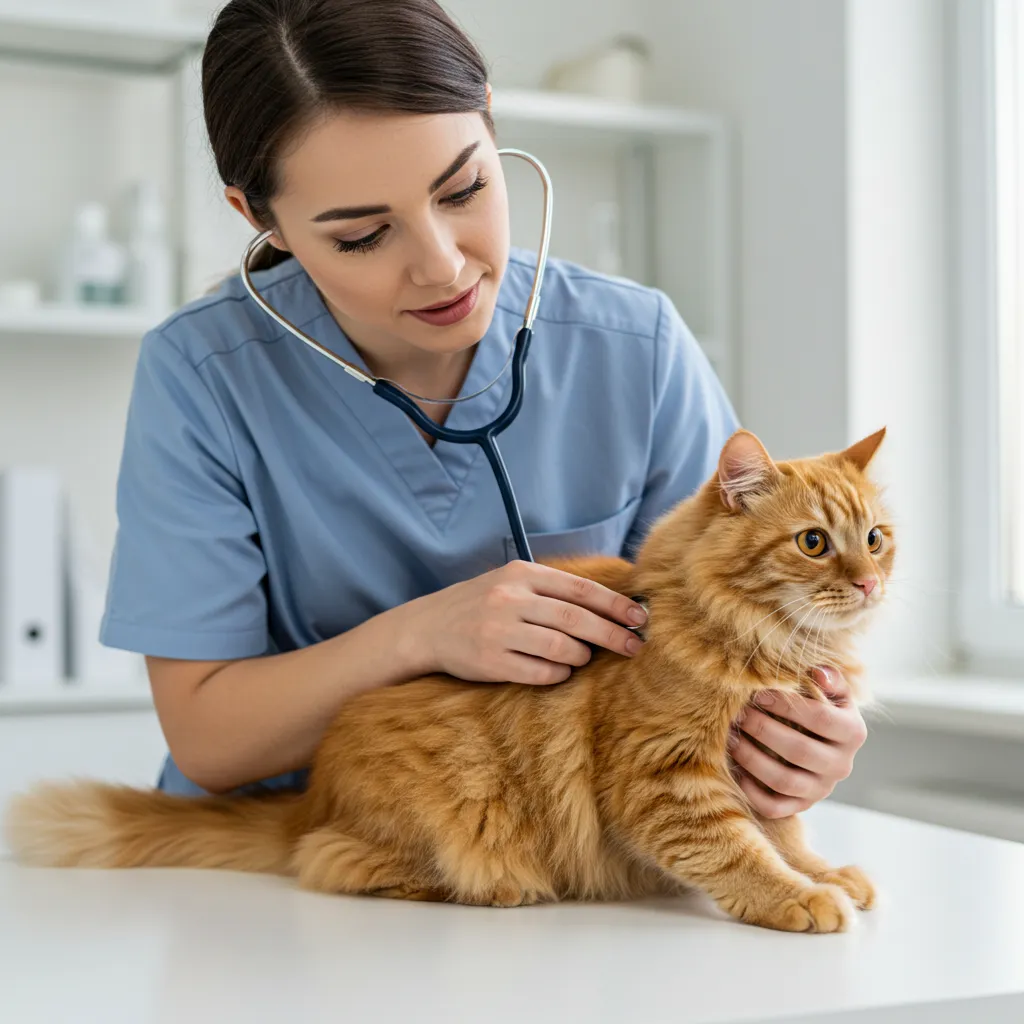
Reason 6: Your Cat Has a Medical Issue
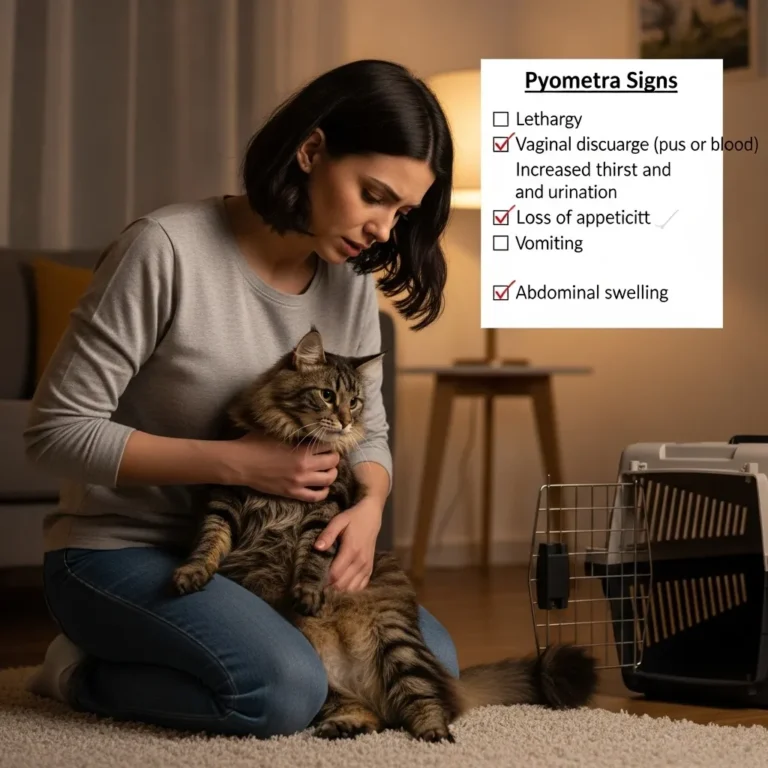
This is the big one to watch for—cat meowing while peeing or pooping could signal pain from medical issues.
Common Cat Medical Issues with Urination or Defecation
- UTIs or FLUTD: Painful inflammation; signs include straining, blood in urine.
- Constipation or Blockages: Hard stools or obstructions; emergency if no output.
- Arthritis: Seniors struggle to squat; low-sided boxes help.
- Bladder Stones or Infections: Frequent attempts with little result.
When to See the Vet
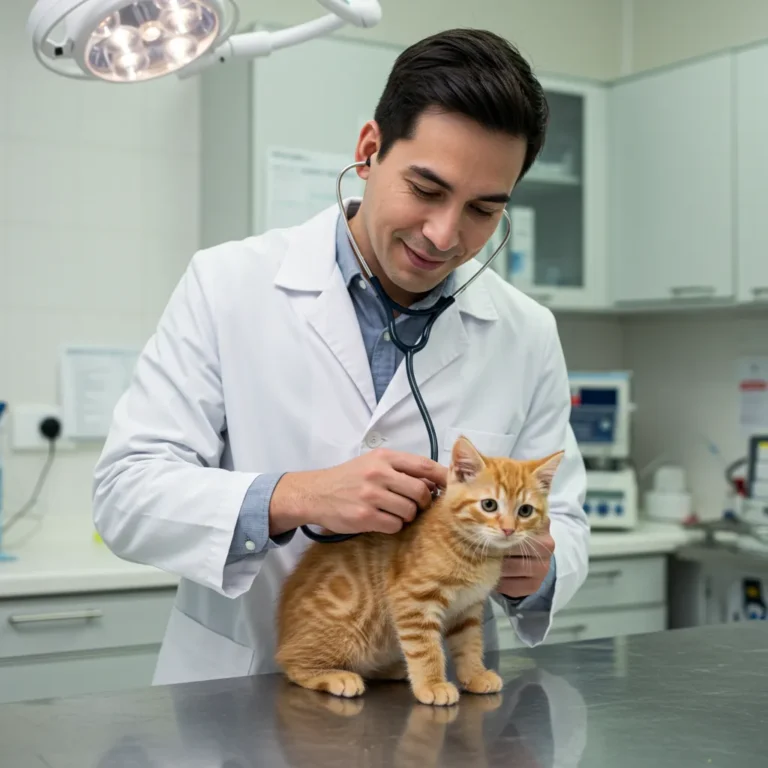
Rush in if: Straining without production, blood, lethargy, or crying out. Male cats are at higher risk for fatal blockages.
Tips: Annual checkups catch issues early. Hydrate with wet food or fountains.
Preventing and Solving Cat Behavior Problems
To nip litter box woes in the bud:
- Follow the “n+1” box rule.
- Experiment with litters (gradually!).
- Monitor for changes and journal behaviors.
Related posts: Check out our guide on cat angry and anxiety solutions
Conclusion: Listen to Your Cat and Take Action
From a dirty litter box to cat stress signs or medical woes, understanding why your cat meows in the litter box empowers you to fix it. Remember, most issues are solvable with patience and tweaks. If in doubt, consult your vet—better safe than sorry!
What’s your cat’s litter box quirk? Share in the comments, subscribe for more feline tips, or try one of our solutions today. Your kitty will thank you (maybe with fewer meows)!
FAQ
Why does my cat meow in the litter box?
It could be due to a dirty box, dislike of the setup, stress, chattiness, or medical issues like UTIs. Observe patterns and clean regularly.
What should I do if the litter box is dirty?
Scoop daily and deep clean weekly. Use unscented litter for best results.
My cat doesn’t like the litter box—what can I do?
Adjust size, location, or type. Ensure quiet spots and enough boxes (one per cat +1).
How can I reward my cat for using the litter box?
Use treats post-use, but phase out to avoid dependency.
Why is my cat meowing in the litter box when stressed?
Stress from changes makes them vocal. Use pheromones and maintain routines.
Why is my cat excessively chatty in the litter box?
Some cats are naturally vocal; monitor for other signs.
Could my cat’s meowing in the litter box be due to a medical issue?
Yes, like pain from UTIs or constipation. See a vet if straining or blood appears.
How can I address my cat’s litter box meows?
Clean routinely, optimize setup, reduce stress, and vet check for health issues.