Why Isn’t My Cat Growing? A Comprehensive Guide to Feline Growth Issues
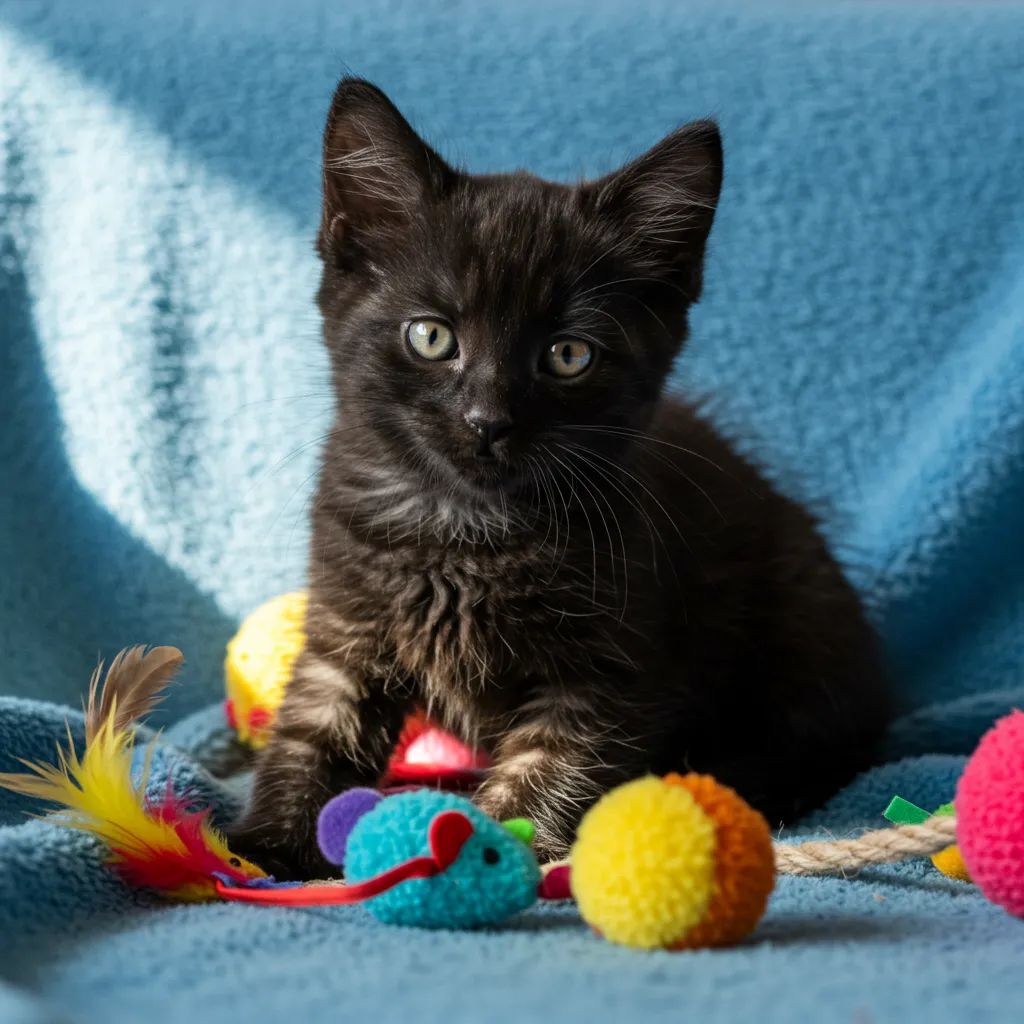
If you’ve noticed your cat isn’t growing as expected, you’re not alone. Whether it’s a kitten not gaining weight or an adult cat that seems unusually small, feline growth issues can spark worry. “Why isn’t my cat growing?” is a question that sends many pet parents searching for answers. This guide dives deep into the reasons behind slow kitten growth, cat growth problems, and how to ensure healthy cat development. From genetics to nutrition, we’ll cover it all with practical, vet-backed advice to help your feline friend thrive.
What You’ll Learn:
- The stages of cat growth and what’s normal.
- Common reasons for stunted or slow growth in cats.
- How nutrition, genetics, and environment impact feline development.
- When to seek veterinary advice for cat growth issues.
- Actionable tips to support healthy cat growth.
Key Takeaways for Answer Engine Optimization
- Cat Growth Stages: Kittens grow rapidly in their first 6 months, reaching adulthood around 1–2 years, with some breeds continuing to fill out until age 3–5.
- Reasons for Slow Growth: Poor nutrition, genetics, health issues, parasites, or environmental stress can cause a kitten not growing properly.
- When to Worry: If your cat isn’t gaining weight despite eating, shows lethargy, or falls behind breed-specific growth milestones, consult a vet.
- Solutions: A balanced diet, regular vet checkups, and a stress-free environment promote healthy cat growth.
- Monitoring Growth: Use a cat growth chart to track weight and size, and compare with breed standards.
Understanding Cat Growth Stages
To understand why your cat isn’t growing, it’s crucial to know the normal feline growth phases. Cats go through distinct developmental stages, each with unique milestones.
Kitten Stage (0–6 Months): Rapid Growth
Kittens grow fastest in their first six months, doubling their birth weight within the first week and gaining about 1 pound per month. By 6 months, most kittens reach 50–75% of their adult size.
- Milestones: Eyes open (7–14 days), weaning begins (4–8 weeks), and rapid weight gain occurs.
- Key Needs: High-calorie, nutrient-dense kitten food and frequent meals.
- Red Flags: A kitten not growing properly may show weak muscle development or lethargy.
Example: A 3-month-old Maine Coon kitten should weigh around 3–5 pounds, while a Siamese might be closer to 2–4 pounds. Compare your kitten’s progress using a cat growth chart by age.
Junior Stage (6–12 Months): Slowing Growth
Growth slows as kittens approach adulthood. This stage focuses on muscle development and bone strengthening.
- Milestones: Most cats reach sexual maturity; smaller breeds may near adult size.
- Key Needs: Transition to adult food for some breeds, with continued focus on protein and calcium.
- Red Flags: A cat not growing after 6 months may indicate underlying health issues.
Adult Stage (1–2 Years): Final Growth
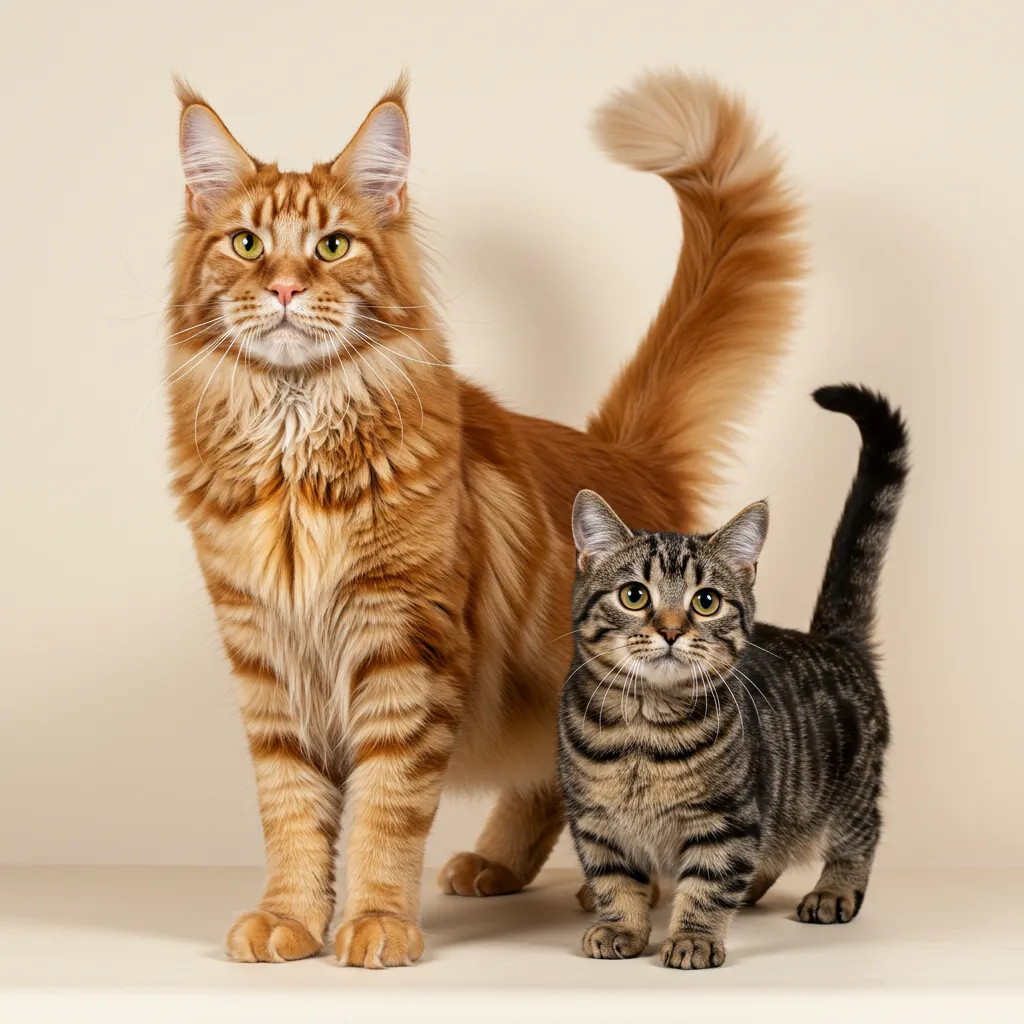
Most cats reach their full size by age 1–2, though larger breeds like Maine Coons may grow until 3–5 years.
- Milestones: Full skeletal growth; weight stabilizes.
- Key Needs: Balanced adult cat food tailored to breed and activity level.
- Red Flags: If your cat remains unusually small, genetics or health issues could be at play.
Explore more in our detailed guide on cat growth stages.
Why Isn’t My Cat Growing? Common Reasons
When a cat’s growth stalls, several factors could be responsible. Let’s break down the most common reasons for cat growth problems, from nutrition to medical issues.
1. Poor Nutrition or Malnourishment
Nutrition is the cornerstone of healthy cat growth. A kitten not growing properly often lacks essential nutrients like protein, fats, vitamins, and minerals.
- Why It Happens: Feeding low-quality food, underfeeding, or not providing kitten-specific formulas can stunt growth.
- Signs: Dull coat, lethargy, weak muscles, or a kitten not gaining weight despite eating.
- Fix: Switch to a high-quality, AAFCO-approved kitten food with at least 30% protein and 20% fat. For example, wet foods like those recommended in our best wet cat food guide are ideal for growth.
Vet Tip: Kittens need 2–3 times the calories of adult cats per pound of body weight. Check feeding guidelines and adjust portions based on your cat’s age and breed.
2. Genetics and Breed Size Differences
Genetics play a massive role in cat size. Some breeds, like Munchkins or Singapuras, are naturally small, while others, like Maine Coons, are giants.
- Why It Happens: If your cat is a small breed or has parents with smaller frames, they may not grow as large as expected.
- Signs: Your cat is healthy but smaller than average for their age or breed.
- Fix: Compare your cat to breed-specific standards. Learn more about breed size differences in cats.
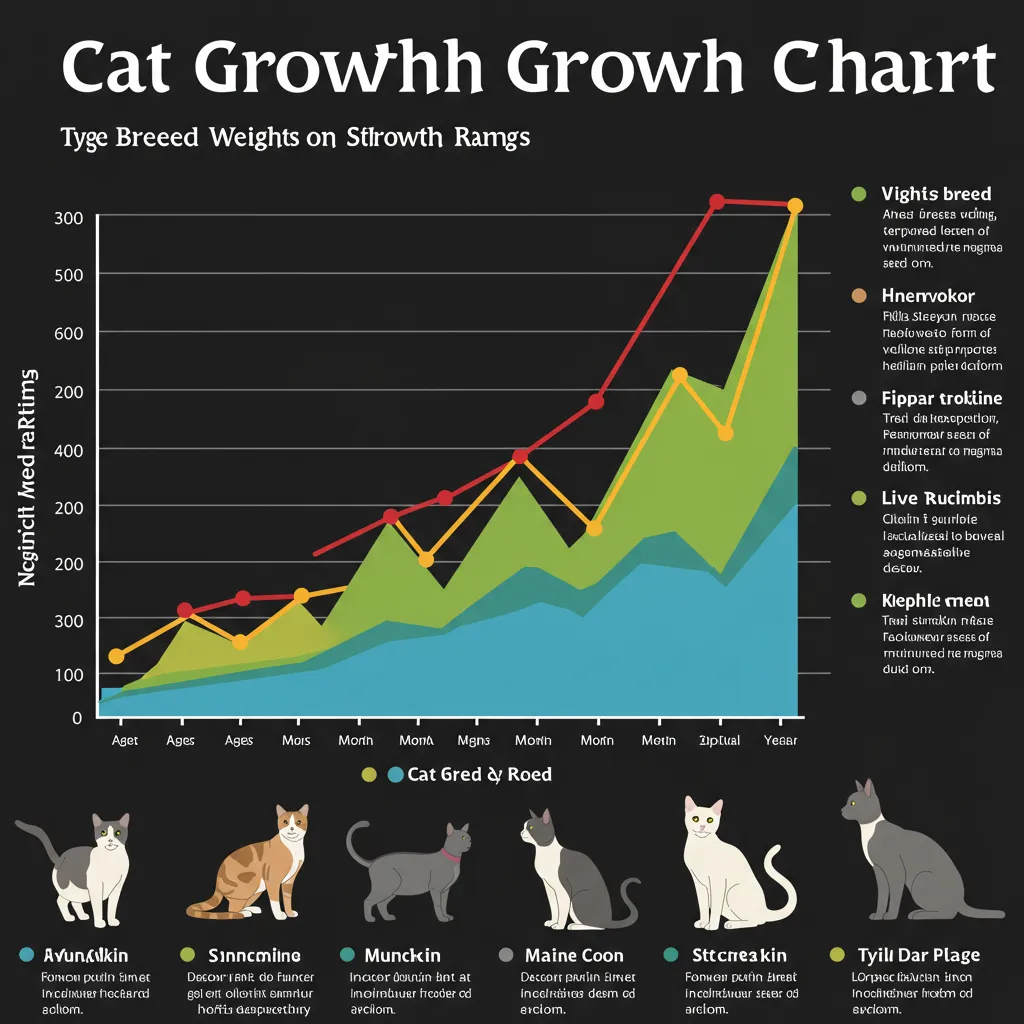
Example: A Munchkin cat may only weigh 4–9 pounds as an adult, while a Norwegian Forest Cat can reach 12–16 pounds. Check our Norwegian Forest Cat weight guide for breed-specific insights.
3. Health Issues and Feline Growth Disorders
Medical conditions can cause stunted cat growth or slow kitten growth. Common culprits include:
- Parasites: Worms or fleas can rob kittens of nutrients, leading to malnourishment. Learn how to spot and treat worms in cats.
- Hormonal Disorders: Hypothyroidism or growth hormone deficiencies (rare) can slow growth.
- Chronic Illnesses: Kidney disease, liver issues, or feline leukemia can impact development.
- Dental Problems: Painful teeth or gums may prevent proper eating, especially in kittens.
Signs: Weight loss, vomiting, diarrhea, or poor appetite.
Fix: Schedule a vet visit for blood tests, fecal exams, or imaging to diagnose underlying issues. Explore our cat health care guide for more tips.
4. Environmental Stress
A stressful environment can hinder cat development. Cats are sensitive to changes like moving, loud noises, or crowded households.
- Why It Happens: Stress reduces appetite and disrupts nutrient absorption.
- Signs: Hiding, reduced eating, or behavioral changes alongside slow growth.
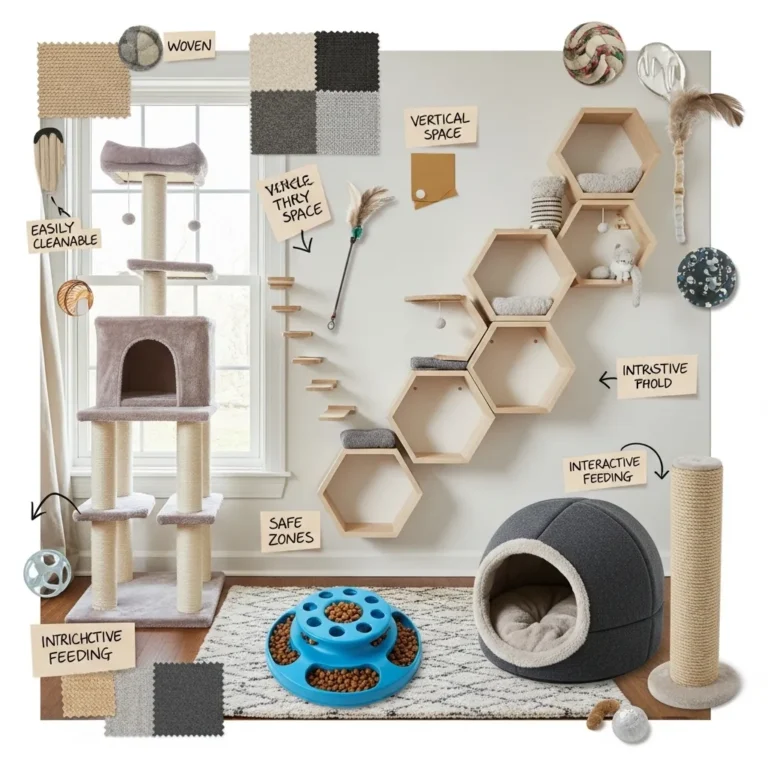
- Fix: Create a calm, enriched environment with safe spaces, toys, and routine. Check out our cat stress signs guide.
5. Inadequate Feeding Practices
Even with good food, improper feeding can cause growth issues.
- Why It Happens: Overfeeding adult food to kittens, irregular feeding schedules, or competition in multi-cat homes can limit nutrient intake.
- Signs: A kitten not growing despite eating may be getting insufficient calories or nutrients.
- Fix: Feed kittens 3–4 times daily and ensure they have access to their own food bowl. See our tips on stopping cats from eating each other’s food.
Table: Common Causes of Cat Growth Problems
| Cause | Symptoms | Solution |
|---|---|---|
| Poor Nutrition | Dull coat, lethargy, slow growth | High-quality kitten food, proper portions |
| Genetics | Smaller-than-average size | Compare to breed standards |
| Health Issues | Weight loss, vomiting, diarrhea | Vet visit, diagnostic tests |
| Environmental Stress | Hiding, reduced appetite | Calm environment, routine |
| Inadequate Feeding | Slow weight gain, competition | Regular feeding, separate bowls |
How to Support Healthy Cat Growth
Now that you know why your cat might not be growing, let’s explore actionable steps to promote healthy feline development.
1. Optimize Cat Nutrition
A balanced diet is critical for growth. Here’s how to get it right:
- Choose Kitten Food: Look for foods labeled for “growth” with high protein (chicken, fish) and fat content.
- Add Wet Food: Wet food supports hydration and is easier for kittens to eat. See our cat food nutrition guide.
- Consider Homemade Food: If you’re exploring homemade cat food for healthy growth, ensure it’s vet-approved with proper nutrients like taurine. Check our raw food portions for cats guide.
- Supplements: Only use vet-recommended supplements, like omega-3s for coat health or calcium for bones.
Example: A malnourished kitten recovery plan might include small, frequent meals of high-calorie wet food, like Royal Canin Kitten, paired with parasite treatment.
2. Monitor Growth with a Cat Growth Chart
Track your cat’s weight and size to catch issues early.
- How to Track: Weigh your cat weekly using a digital scale and compare to breed-specific charts.
- Example Chart (General Guidelines):
| Age | Average Weight (Pounds) | Notes |
|---|---|---|
| 1 Month | 0.5–1.5 | Rapid growth, frequent feeding |
| 3 Months | 2–4 | Muscle development begins |
| 6 Months | 4–7 | Growth slows, sexual maturity |
| 1 Year | 6–12 | Most cats near adult size |
Resource: Use our cat growth chart by age for detailed benchmarks.
3. Schedule Regular Vet Visits
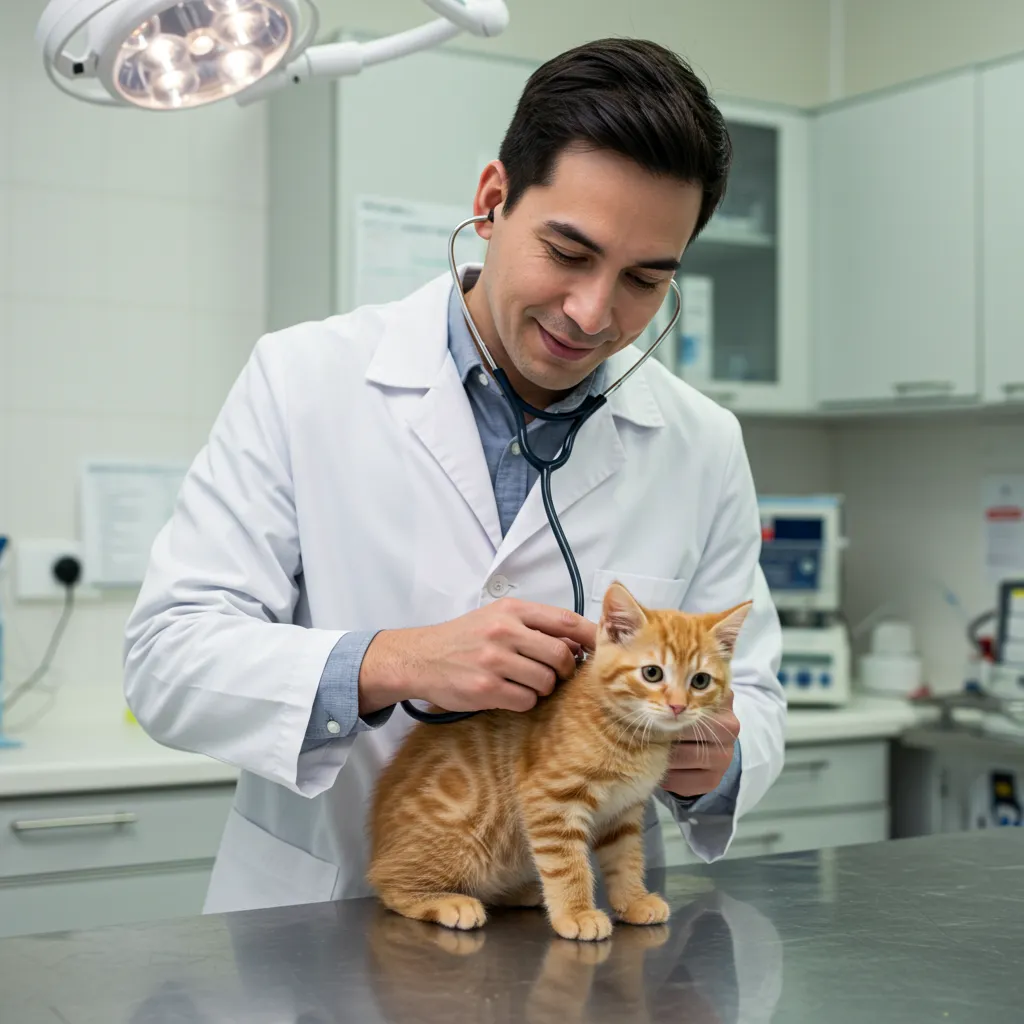
Veterinary advice for cat growth is essential if you suspect issues.
- When to Go: If your cat isn’t gaining weight, shows lethargy, or falls behind growth milestones, see a vet.
- What to Expect: Vets may run blood tests, check for parasites, or assess diet. Learn more in our finding the best vet for your cat guide.
4. Address Small Cat Breeds vs. Stunted Growth
Not all small cats have growth problems. Breeds like Munchkins or Siamese are naturally petite.
- How to Tell: A healthy small-breed cat will have a shiny coat, energy, and normal appetite, while a stunted cat may show health issues.
- Fix: Confirm your cat’s breed and compare to standards. Explore our Munchkin cat care tips for small-breed insights.
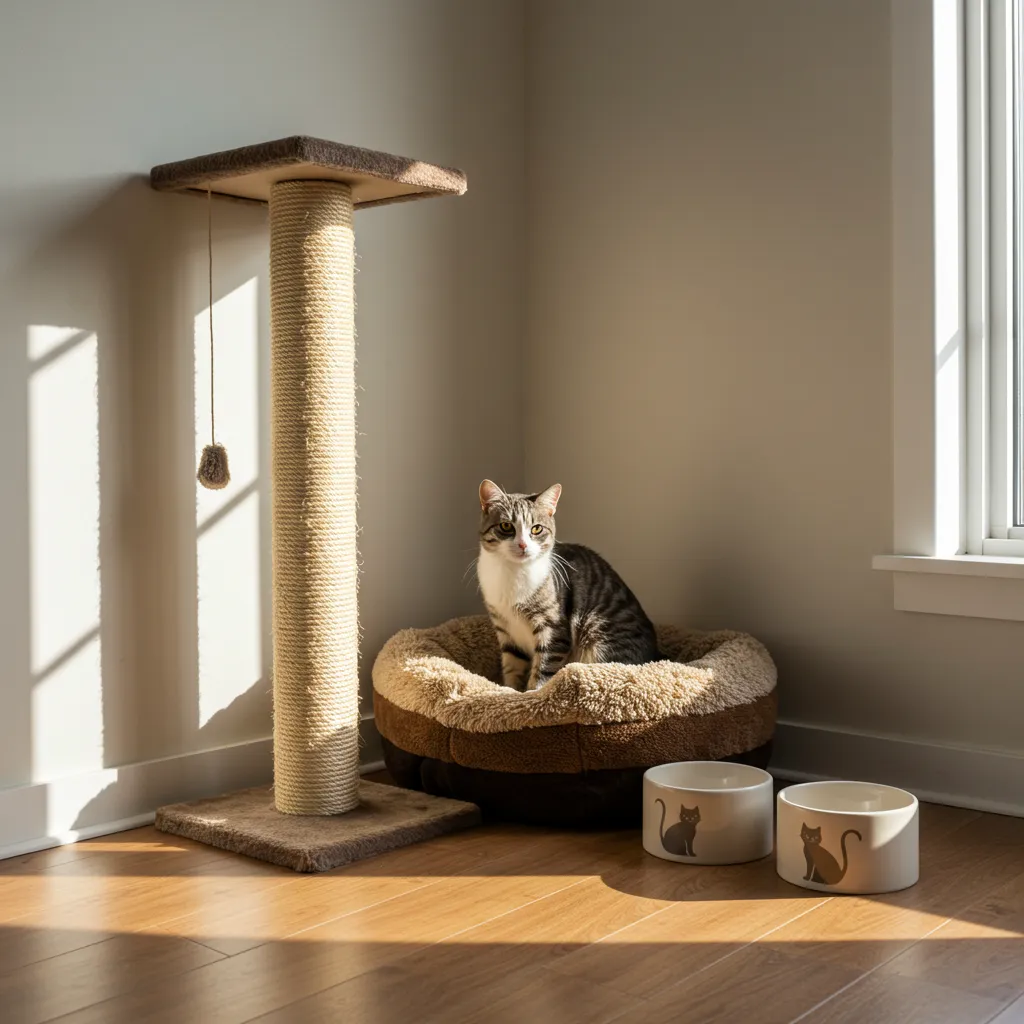
5. Create a Growth-Friendly Environment
A stress-free home supports growth.
- Tips: Provide scratching posts, cozy beds, and quiet feeding areas. See our best beds for Munchkin cats for ideas.
- Enrichment: Toys and playtime boost appetite and mental health. Check our keep Siamese cats entertained guide.
When to Be Concerned About Cat Growth Problems
Not all slow growth is a problem, but certain signs warrant immediate attention:
- Kitten not growing despite eating: Could indicate parasites, malabsorption, or illness.
- Cat not gaining weight after 6 months: May suggest chronic disease or hormonal issues.
- Lethargy, vomiting, or diarrhea: These require urgent vet care.
- Abnormal physical traits: Weak bones, thin fur, or small stature beyond breed norms.
Action Step: If you notice these signs, don’t wait. Schedule a vet visit and bring a record of your cat’s weight, diet, and behavior. Our cat health care guide offers more vet prep tips.
FAQ: Quick Answers to Common Cat Growth Questions
What are common feline growth issues?
Slow growth, stunted size, or failure to gain weight can stem from poor nutrition, parasites, or health conditions like kidney disease. Consult a vet for diagnosis.
How do cat growth phases affect size?
Kittens grow rapidly until 6 months, slow down by 1 year, and reach full size by 1–2 years (or 3–5 for large breeds). Each phase requires specific nutrition.
Why is my kitten not growing properly?
Reasons include inadequate diet, parasites, stress, or genetic factors. Switch to high-quality kitten food and see a vet if growth doesn’t improve.
How does genetics play a role in cat growth?
Genetics determine a cat’s maximum size, influenced by breed and parental traits. Small breeds like Munchkins naturally stay petite.
Why is a balanced diet important for cats?
A diet rich in protein, fats, and micronutrients supports bone, muscle, and organ development, especially in kittens.
How can environmental factors affect my cat’s growth?
Stress from noise, crowding, or change can reduce appetite and hinder growth. A calm, enriched home promotes healthy development.
When should I be concerned about my cat’s growth?
Worry if your cat shows no weight gain for weeks, lethargy, or other health signs. Contact a vet promptly.
How can I ensure my cat’s optimal development?
Feed a balanced diet, monitor growth, reduce stress, and schedule regular vet checkups. Explore our cat care and feeding guide.
Conclusion: Helping Your Cat Thrive
A cat not growing can be concerning, but understanding the reasons—nutrition, genetics, health, or environment—empowers you to take action. By providing a balanced diet, monitoring growth with a cat growth chart, and seeking veterinary advice for cat growth issues, you can support your feline friend’s journey to a healthy adulthood. Whether you’re raising a tiny Munchkin or a majestic Maine Coon, the right care makes all the difference.
Next Steps: Explore more expert cat care and behavior guides on Cat Bloom Haven. From cat nutrition tips to kitten care guides, we’ve got you covered to ensure your cat thrives.