Why Does My Cat Cough When It Purrs? Causes, Solutions, and Vet-Backed Tips
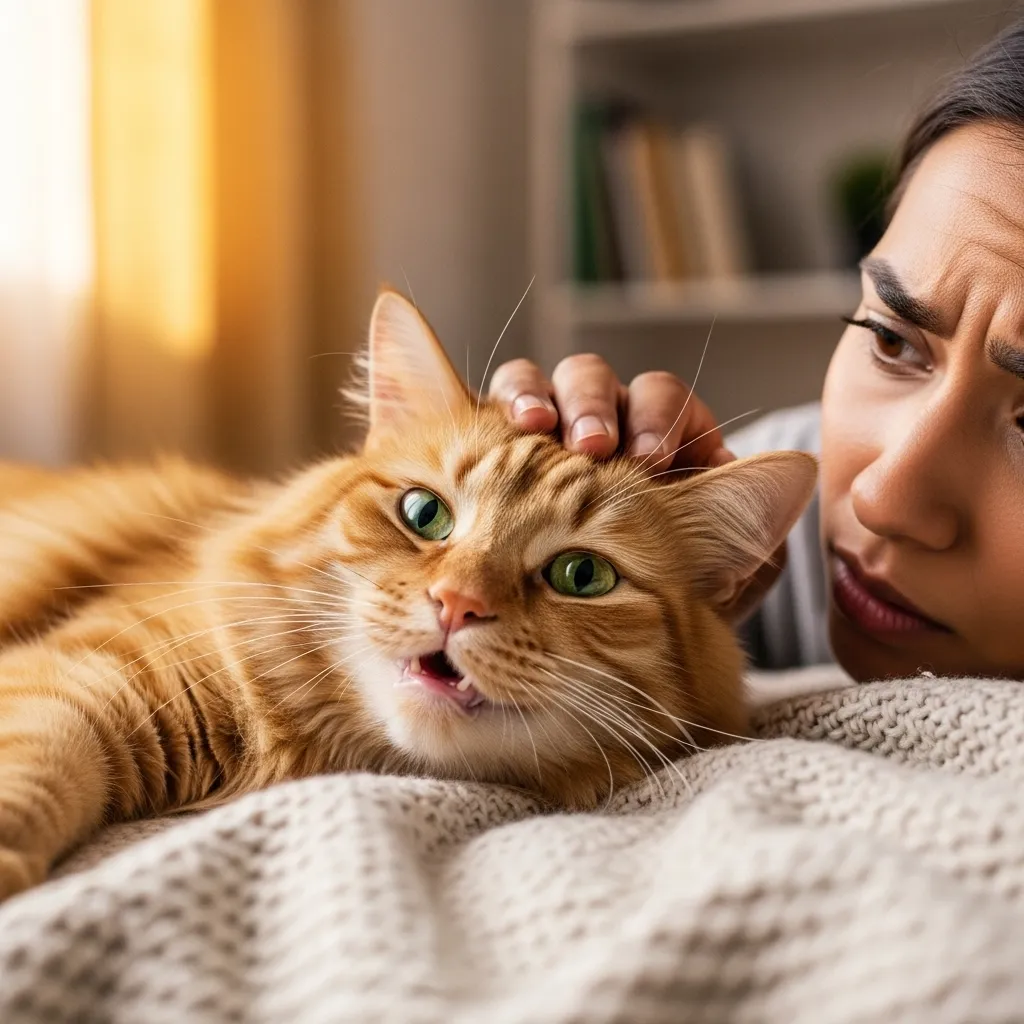
Your cat’s purr is usually a soothing sign of contentment, but what happens when it’s interrupted by a cough? If your feline friend is coughing while purring, it can be alarming. Is it a harmless hairball, or could it signal a deeper health issue? At Cat Bloom Haven, we understand how concerning this can be for cat owners. This comprehensive guide dives into why your cat might be coughing when purring, explores potential causes like feline respiratory issues or hairballs, and provides actionable solutions to keep your cat healthy. You’ll learn when to worry, what to do at home, and when a vet visit is non-negotiable.
Key Takeaways for Cat Owners
- Cat coughing while purring can stem from hairballs, respiratory infections, allergies, or serious conditions like asthma or heart disease.
- Occasional coughing may be normal, but frequent or severe coughing requires a vet’s attention.
- Watch for symptoms like wheezing, sneezing, or lethargy alongside coughing to gauge severity.
- Home remedies, like grooming to reduce hairballs or using a humidifier, can help mild cases, but never replace professional diagnosis.
- Regular vet checkups and a healthy environment are key to preventing and managing feline respiratory health issues.
- Learn more about cat health care tips to keep your feline thriving.
Understanding Cat Coughing While Purring: Why It Happens
When your cat coughs while purring, it’s often a sign that something is irritating their respiratory system or throat. Purring is a natural behavior that cats use to express happiness, but it can also occur when they’re stressed or unwell. Coughing during purring could indicate a range of issues, from benign to serious. Let’s break down the most common reasons.
Common Causes of Cat Coughing
Cats cough for various reasons, and understanding the root cause is critical for effective treatment. Here are the primary culprits:
- Hairballs: Cats groom themselves, ingesting loose fur that can form hairballs in the stomach. Coughing or hacking is a common way cats try to expel them. If your cat is coughing but not vomiting, it might still be hairball-related irritation. Explore our guide on American Shorthair hairballs for breed-specific tips.
- Upper Respiratory Infections (URIs): Feline respiratory issues, like URIs caused by viruses (e.g., feline herpesvirus or calicivirus), can cause coughing, sneezing, and nasal discharge. These infections are common in multi-cat households or shelters.
- Feline Asthma: A chronic condition where the airways become inflamed, leading to coughing, wheezing, or labored breathing. Cats with asthma may cough during purring, especially when relaxed or being petted.
- Allergies: Environmental allergens like dust, pollen, or smoke can irritate your cat’s airways, triggering coughing. This is often paired with sneezing or watery eyes. Check out our cat allergies guide for more.
- Heartworm or Parasites: Though less common, heartworms or lung parasites can cause coughing in cats, particularly in regions where heartworms are prevalent.
- Foreign Objects: A piece of grass, food, or debris stuck in the throat can cause coughing, especially when your cat is purring or being petted.
- Chronic Conditions: Serious issues like heart disease or lung tumors can lead to coughing, often accompanied by lethargy or weight loss. These require immediate veterinary attention.
Why Coughing and Purring Happen Together
Purring involves rapid vibrations of the vocal cords, which can amplify minor irritations in the throat or airways. When your cat purrs—whether from happiness, petting, or even self-soothing during discomfort—any underlying respiratory issue may become more noticeable, triggering a cough. For example, a cat with mild asthma might only cough when purring because the vibrations exacerbate airway inflammation.
Recognizing Different Types of Cat Coughs
Not all coughs are the same, and identifying the type can help pinpoint the cause. Here’s a quick guide to the most common types of cat coughs:
| Type of Cough | Sound/Characteristics | Possible Causes |
|---|---|---|
| Dry, Hacking Cough | Sharp, repetitive, no mucus | Hairballs, asthma, allergies |
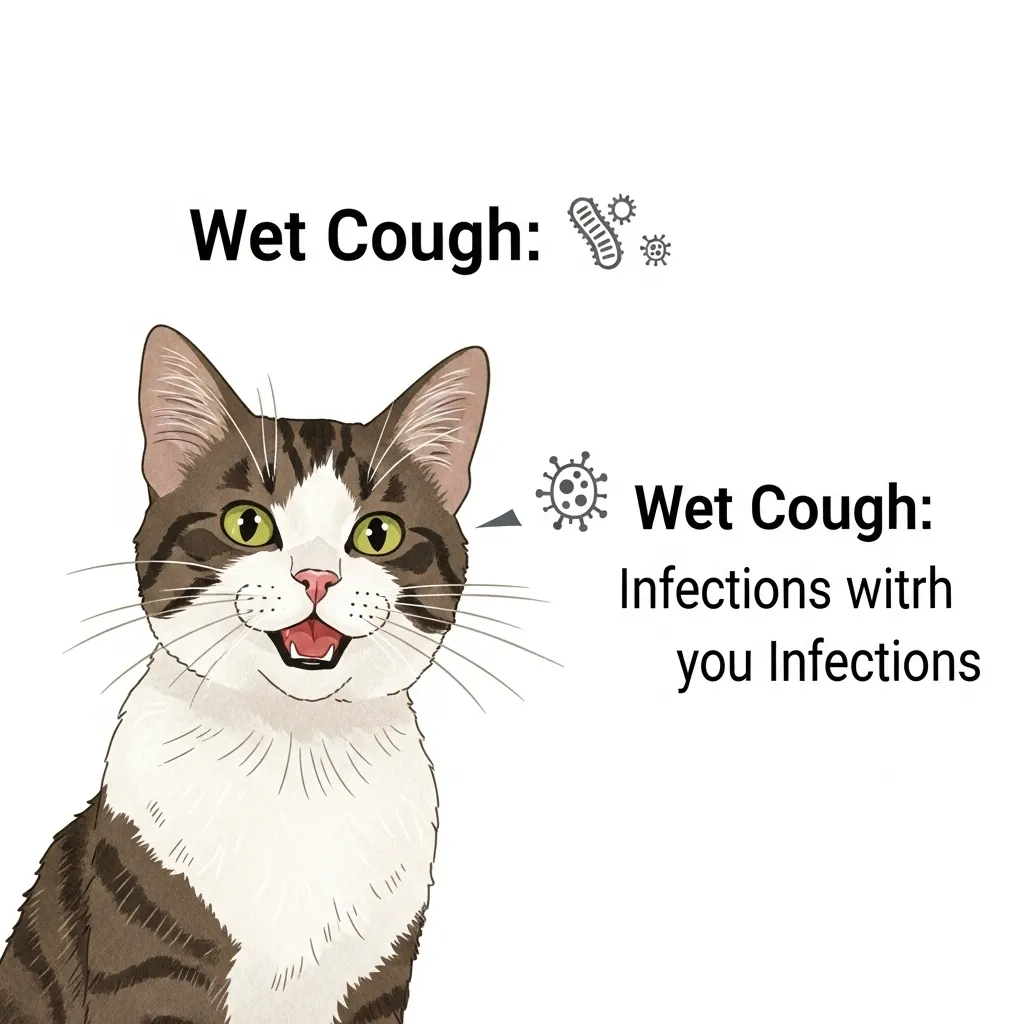
| Wet, Gurgly Cough | Sounds phlegmy or moist | Respiratory infections, pneumonia |
| Wheezing Cough | High-pitched, whistling sound | Asthma, airway obstruction |
| Gagging or Retching | Often mistaken for vomiting | Hairballs, foreign objects |
If your cat is coughing up phlegm or showing other symptoms like sneezing or lethargy, note these details for your vet. For insights into related behaviors, see our guide on why does my cat sneeze on me.
When Should You Worry About Your Cat’s Coughing?
Occasional coughing, especially if it’s hairball-related, may not be a cause for concern. However, certain red flags signal the need for a vet visit:
- Frequency: Coughing multiple times a day or week.
- Severity: Coughing that sounds harsh, persistent, or paired with gagging.
- Additional Symptoms: Look for lethargy, loss of appetite, weight loss, breathing difficulties, or changes in cat body language when sick.
- Duration: Coughing lasting more than a few days, even if mild.
- Purring Changes: If your cat’s purr sounds hoarse or weak, it could indicate a throat or respiratory issue.
If your cat is coughing when happy or being petted, it might still be serious. For example, a cat with asthma may cough during relaxed moments due to airway sensitivity. Don’t delay—learn how to prepare for a vet visit for cat coughing.
Diagnosing the Cause: What to Expect at the Vet
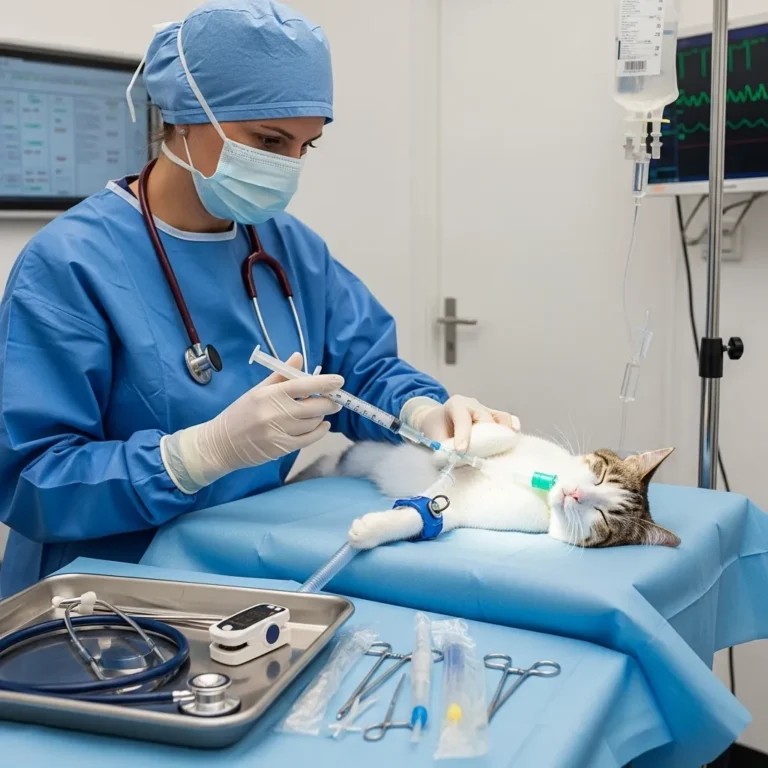
A veterinarian will perform a thorough examination to determine why your cat is coughing while purring. Here’s what you can expect:
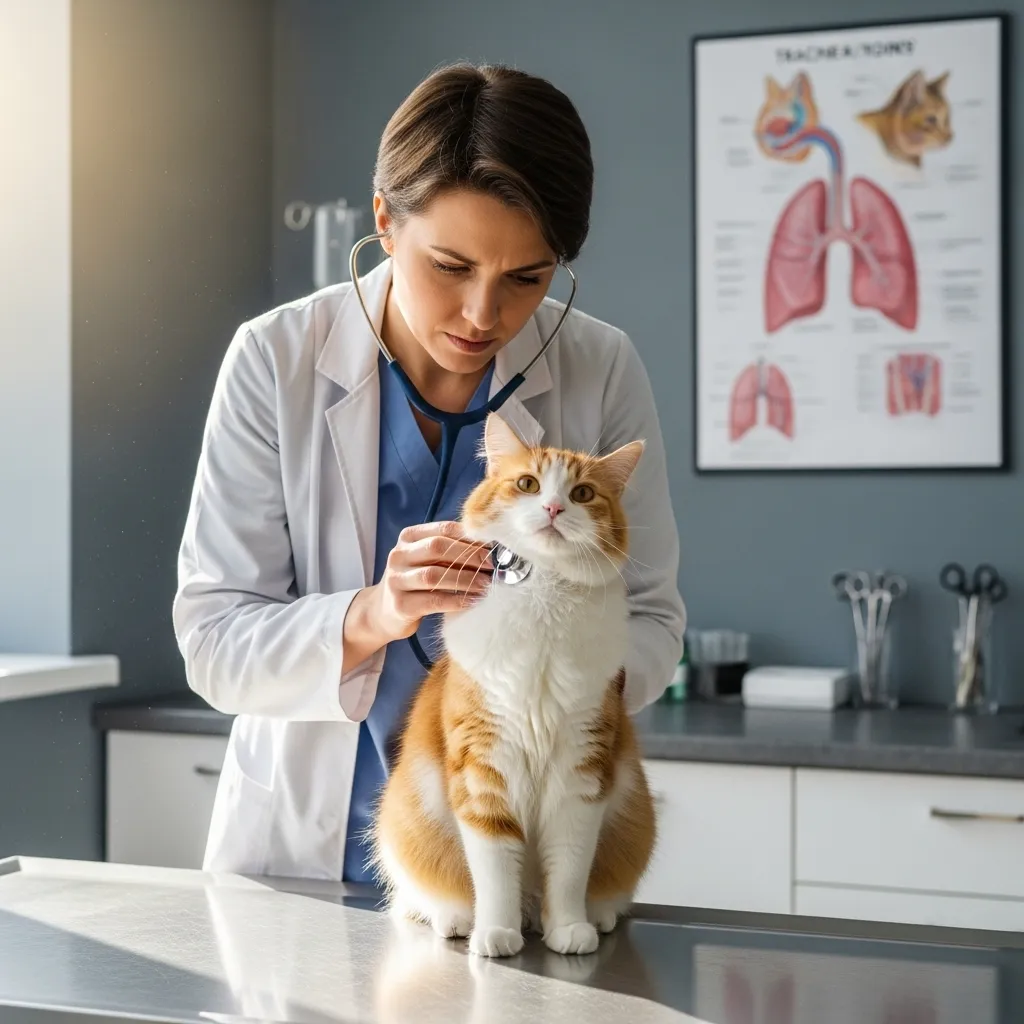
- Physical Exam: The vet will check your cat’s throat, lungs, and heart for abnormalities.
- Medical History: Be ready to share details about the cough’s frequency, sound, and any other symptoms like sneezing or vomiting.
- Diagnostic Tests:
- X-rays or Ultrasound: To check for lung or heart issues.
- Blood Tests: To detect infections or parasites.
- Allergy Testing: To identify environmental triggers.
- Endoscopy: To look for foreign objects or airway blockages.
- Breed-Specific Considerations: Certain breeds, like Siamese or Persian, may be prone to specific respiratory issues. Explore breed-specific health tips in our Siamese cat guide or Persian cat guide.

For a deeper dive into preparing for vet visits, check out our finding the best vet for your cat guide.
Cat Coughing Remedies: What You Can Do at Home
While serious cases require veterinary care, mild coughing can often be managed or prevented with simple home remedies. Always consult your vet before trying any treatment.
Home Remedies for Cat Coughing
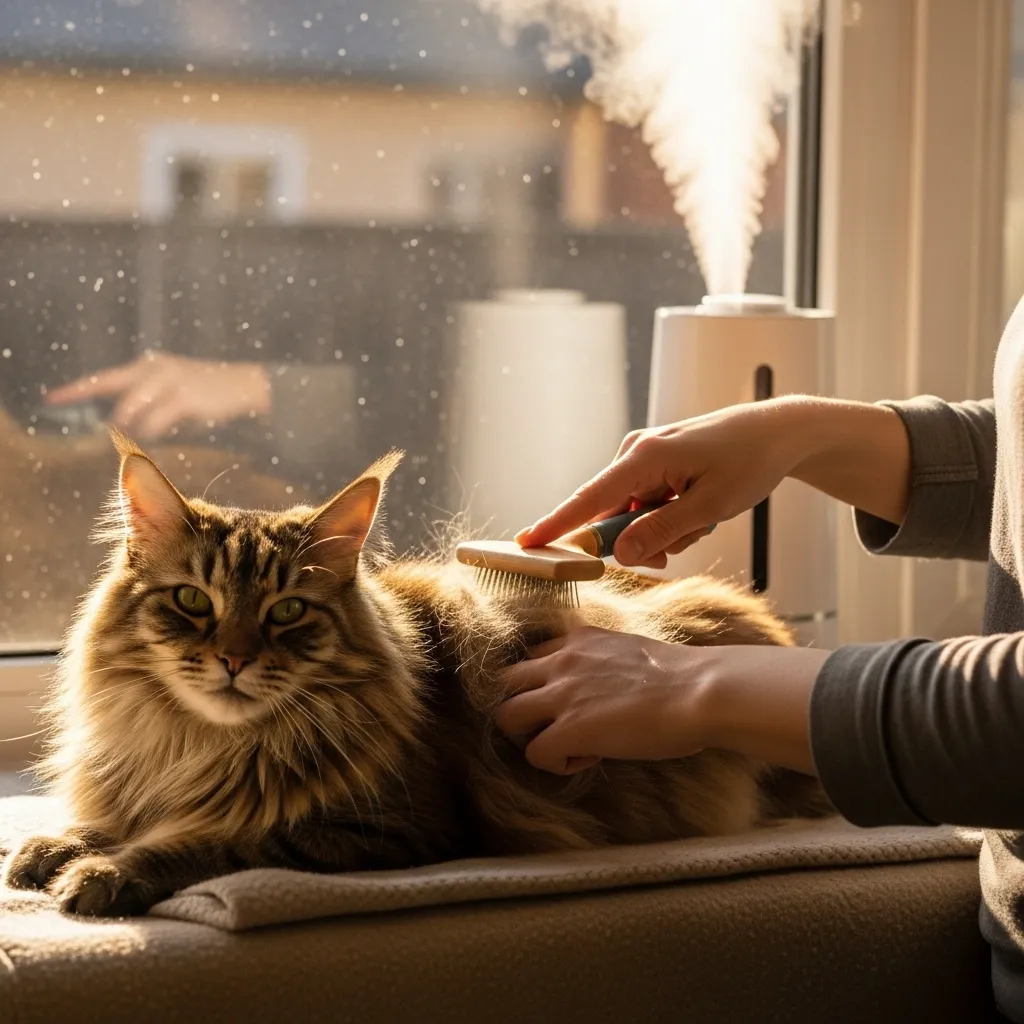
- Increase Grooming to Reduce Hairballs: Brush your cat daily to minimize loose fur. For long-haired breeds like Norwegian Forest Cats, regular grooming is crucial—see our Norwegian Forest cat grooming guide.
- Use a Humidifier: Dry air can irritate airways, especially for cats with asthma or allergies. A humidifier adds moisture to the air, easing breathing.
- Adjust Diet: Hairball-control cat food or treats with added fiber can help. Learn more in our cat food nutrition guide.
- Keep the Environment Clean: Reduce dust, smoke, and allergens by vacuuming regularly and using air purifiers.
- Monitor Hydration: Ensure your cat drinks enough water to prevent mucus buildup. Our cat hydration guide offers practical tips.
- Stress Reduction: Stress can worsen respiratory issues. Provide a calm environment with cozy beds—check out our best beds for American Shorthair cats.
When Home Remedies Aren’t Enough
If your cat’s coughing persists or worsens, stop home treatments and seek veterinary care. Avoid over-the-counter human medications, as they can be toxic to cats.
Preventing Cat Coughing: Long-Term Cat Wellness Tips
Prevention is the best medicine for feline respiratory health. Here are vet-backed strategies to keep your cat’s coughing at bay:
- Regular Vet Checkups: Annual or bi-annual visits can catch issues early. Learn more in our cat wellness and vet checkups guide.
- Vaccinations: Ensure your cat is up-to-date on vaccines for feline herpesvirus and calicivirus, common causes of URIs.
- Parasite Prevention: Use vet-recommended heartworm and flea preventatives. See our how to deworm a cat guide for more.
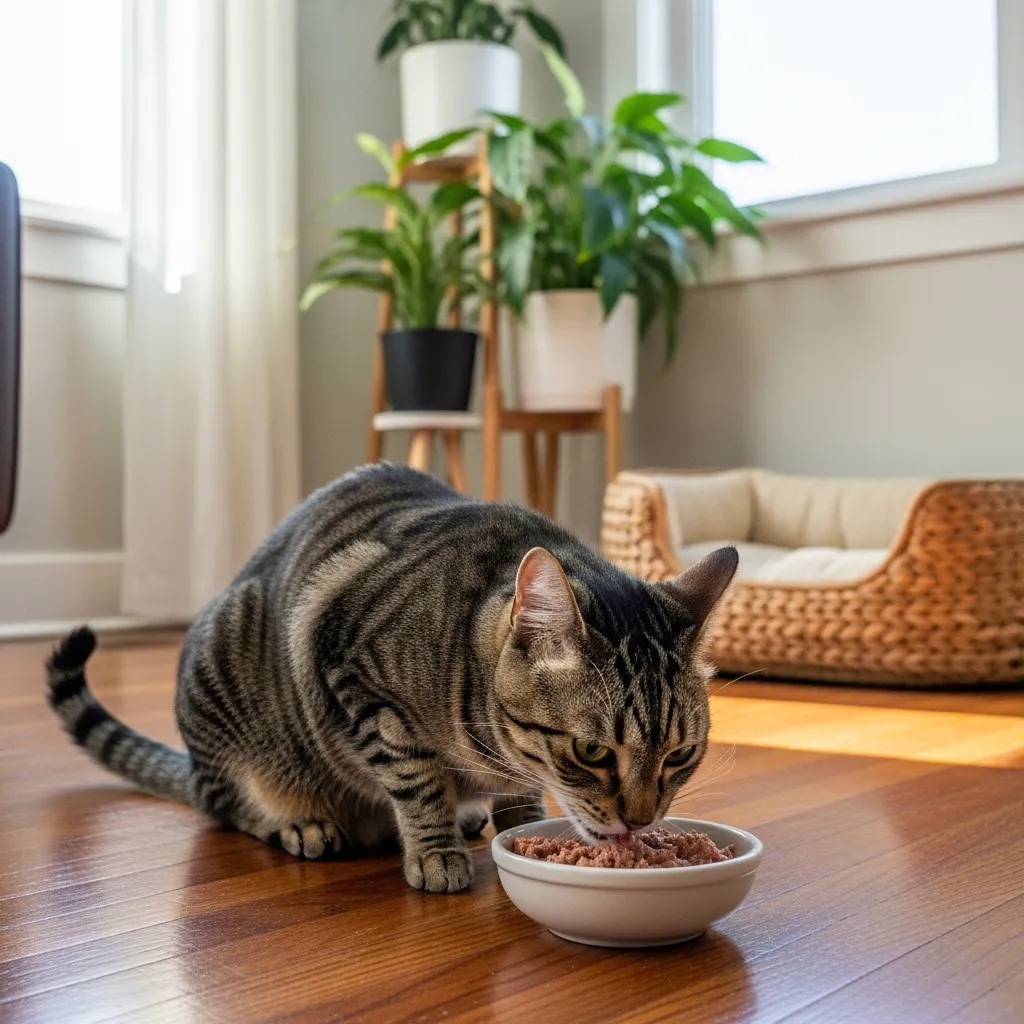
- Healthy Diet: Feed high-quality, vet-approved food to support immune health. Explore our best wet cat food guide.
- Safe Environment: Keep your home free of toxic plants, chemicals, and smoke. Our cat-ate-toxic-plant guide has safety tips.
Real-Life Example: A Cat Owner’s Story
Meet Sarah, a cat owner who noticed her Ragdoll, Luna, coughing while purring during cuddle sessions. At first, Sarah thought it was just a hairball, but the coughing became more frequent. After reading our Ragdoll cat care guide, she took Luna to the vet, who diagnosed mild feline asthma. With a vet-prescribed inhaler and a humidifier at home, Luna’s coughing reduced significantly, and she’s back to purring happily. Sarah’s story shows the importance of acting quickly and combining vet care with home adjustments.
FAQ: Common Questions About Cat Coughing While Purring
Why does my cat cough when it purrs?
Coughing during purring can result from hairballs, respiratory infections, asthma, allergies, or foreign objects irritating the throat. Monitor symptoms and consult a vet if frequent.
Should I be worried if my cat coughs while being petted?
Occasional coughing may be harmless, like a hairball, but persistent coughing, especially with lethargy or breathing issues, warrants a vet visit.
Why does my cat cough when happy?
Coughing during happy moments, like purring or petting, could indicate asthma or allergies triggered by airway vibrations. Check for other symptoms like wheezing.
What could be causing my cat to cough and sneeze?
Coughing and sneezing often point to upper respiratory infections, allergies, or irritants like dust. A vet can confirm the cause with tests.
How can I tell if my cat is coughing up hairballs or something else?
Hairball coughing is usually dry and hacking, often followed by vomiting. Persistent coughing without vomiting may indicate asthma or infections.
Is it normal for cats to cough up phlegm?
Occasional phlegm can occur with hairballs or minor irritation, but frequent phlegm suggests infections or pneumonia, requiring veterinary attention.
How should I proceed if my cat’s coughing is frequent and severe?
Schedule a vet visit immediately. Provide details on the cough’s sound, frequency, and other symptoms to aid diagnosis.
What treatments are available for cats that cough while purring?
Treatments depend on the cause: hairball remedies, antibiotics for infections, inhalers for asthma, or allergy management. Always follow vet advice.
When should I take my cat to the vet for coughing?
Take your cat to the vet if coughing is frequent, severe, or paired with symptoms like lethargy, weight loss, or breathing difficulties.
Conclusion: Keep Your Cat Purring Happily
Cat coughing while purring can range from a minor annoyance to a sign of serious feline respiratory issues. By understanding the causes—hairballs, asthma, infections, or allergies—you can take proactive steps to ensure your cat’s health.
Start with home remedies like grooming and a clean environment, but never hesitate to consult a vet for persistent or severe symptoms. At Cat Bloom Haven, we’re here to help you keep your feline friend thriving. Explore more expert cat care and behavior guides, like our cat respiratory health guide or senior cat care tips, to ensure your cat lives a long, healthy life.