Russian Blue Cat Behavior: Unlocking the Elegant Enigma of Your Feline Friend
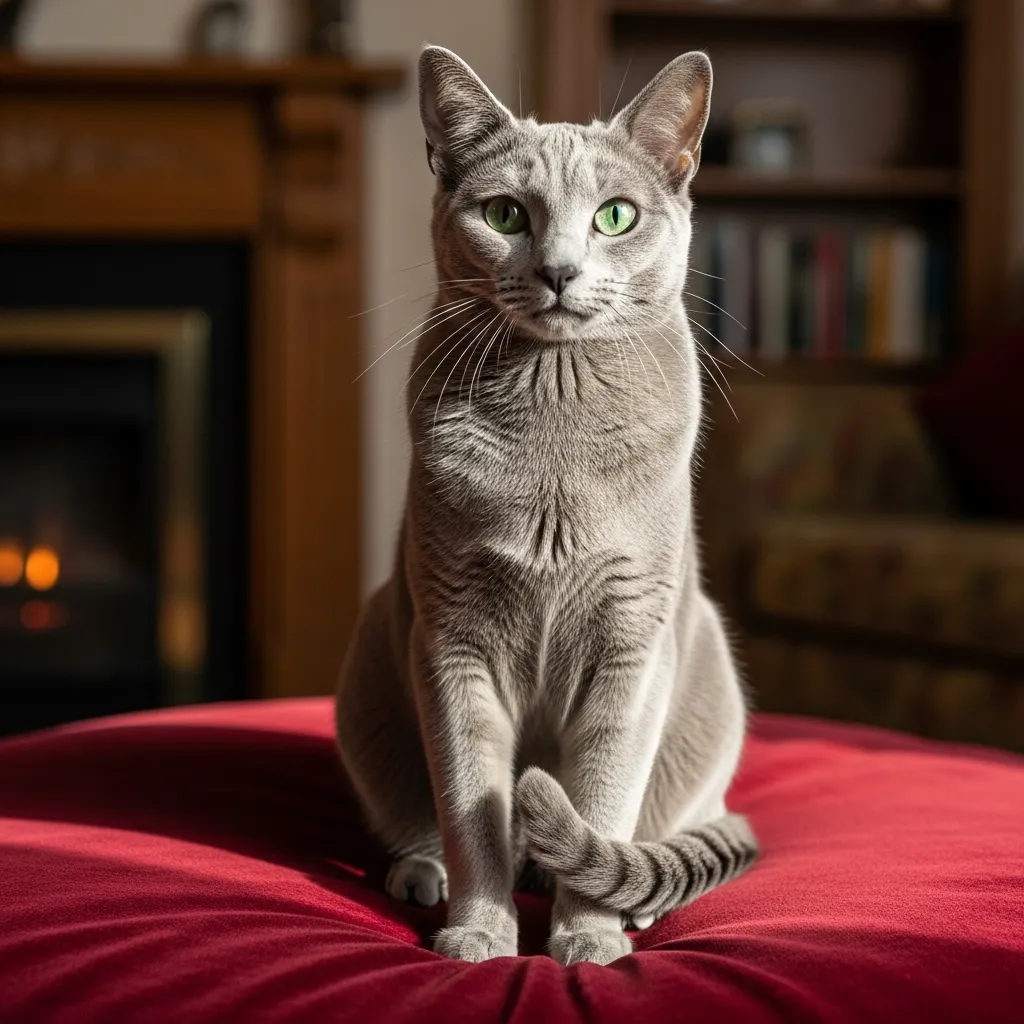
Imagine coming home to a sleek, silver-blue cat with vivid green eyes, perched regally on your couch, watching you with a quiet intensity that feels almost human. Your Russian Blue’s poised demeanor hides a complex world of instincts, quirks, and charm but sometimes, their aloofness or unexpected swipes leave you wondering, What’s going on in that feline mind? Whether it’s a sudden sprint across the room or a refusal to cuddle, Russian Blue cat behavior can feel like a puzzle. As a cat parent who’s fostered Russian Blues and consulted with feline behaviorists, I’ve learned that understanding their unique temperament is the key to a harmonious bond.
In this ultimate Russian Blue cat care guide, we’ll decode the Russian Blue cat temperament, explore their personality and characteristics, and tackle tricky issues like Russian Blue cat aggression. From Russian Blue cat training tips to calming cats naturally, we’ll cover everything you need to raise a happy, well-adjusted Russian Blue. Expect practical advice, vet-backed insights, and real-life stories to guide you—whether you’re wondering why is my Russian Blue cat so mean or seeking the best toys for Russian Blue cats. Let’s dive into their world and transform your home into a haven for your feline royalty.
Key Takeaways for Russian Blue Cat Owners
- Temperament: Russian Blues are intelligent, loyal, and reserved, thriving on routine and trust.
- Personality Traits: Elegant, curious, and independent, they bond deeply but dislike chaos.
- Aggression Fixes: Address stress, health, or overstimulation with enrichment and calm environments.
- Care Tips: Prioritize grooming, playtime, and consistent routines for a happy cat.
- Health Watch: Monitor for urinary issues or stress-related behaviors with regular vet visits.
- Training: Use positive reinforcement to channel their smarts into tricks or good habits.
Ready to unravel the mystery of your Russian Blue? Let’s start with their fascinating origins.
The Regal Roots of Russian Blue Cat Origins
The Russian Blue cat origins trace back to 19th-century Russia, likely in the port city of Arkhangelsk, where sailors reportedly brought these shimmering felines to Europe. Known as “Archangel Blues,” their short, dense blue coats and vivid green eyes earned them a reputation as aristocratic companions. By the 1900s, they were show-ring stars, prized for elegance and poise. This history shapes their Russian Blue cat personality—they carry a quiet dignity, preferring serene environments over chaos. Understanding this heritage helps explain why your Russian Blue might demand respect like a tsar. For more breed history, explore our cat breeds personalities guide.
Decoding Russian Blue Cat Temperament: A Blend of Grace and Reserve
The Russian Blue cat temperament is a captivating mix of loyalty, intelligence, and independence. Unlike the vocal Siamese (see our Siamese cat breed guide), Russian Blues are soft-spoken, communicating through subtle body language or gentle chirps. They form deep bonds with one or two people, often shadowing their favorite human like a sleek, silver sidekick. However, they’re not lap cats by default—their reserved nature means they choose when to cuddle.
Core Traits of Russian Blue Cat Personality
- Intelligent: Quick learners who excel at puzzle toys and tricks. Try teaching them to fetch with our teach cat to fetch guide.
- Loyal but Selective: They bond strongly but may shy away from strangers or chaotic households.
- Playful yet Poised: Love interactive play but prefer structured environments over unpredictability.
- Sensitive: Stress from change or loud noises can trigger cat mood swings or withdrawal.
Real Example: My Russian Blue, Sasha, would perch on my desk daily, watching me work, but hid when guests arrived. A consistent routine and quiet space turned her into a purring companion. For tips on building trust, check our how to build trust with your cat guide.
Why Is My Russian Blue Cat So Mean? Unpacking Aggression
If you’re asking, “Why is my Russian Blue cat so mean?” you’re not alone. Russian Blue cat aggression often stems from misunderstanding their needs. Unlike overtly feisty breeds like Bengals (see our Bengal cat personality guide), Russian Blues rarely lash out without cause. Here’s what might be triggering those swipes or hisses:
Common Causes of Aggression in Russian Blues
- Overstimulation: Their sensitive nervous systems can’t handle excessive petting. Watch for tail flicks or flattened ears—signs they need a break.
- Territorial Stress: New pets or rearranged furniture disrupt their domain. A 2025 ASPCA study notes 30% of cats show stress from environmental changes.
- Health Issues: Russian Blue health issues like urinary tract infections (UTIs) or dental pain can cause irritability. Learn more in our cat urinary health guide.
- Lack of Stimulation: Their sharp minds crave engagement. Boredom leads to frustration or destructive behavior.
Solutions for Aggressive Cat Behavior
- Vet Check: Rule out Russian Blue health issues like FLUTD or arthritis. A urine test can spot UTIs in 80% of cases.
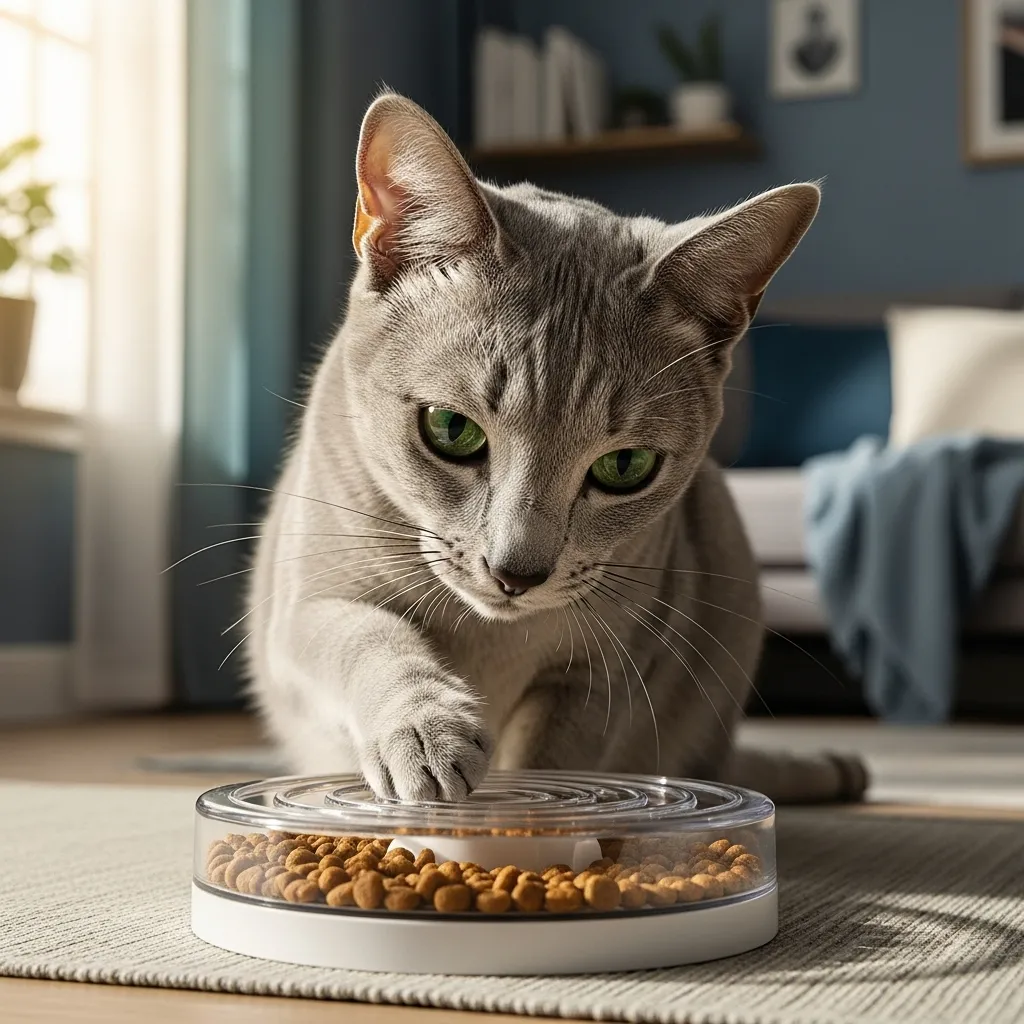
- Enrichment: Provide cat enrichment ideas like puzzle feeders or laser pointers. See our cat enrichment ideas guide.
- Calm Environment: Use Feliway diffusers to reduce stress by 85%, per 2025 vet trials.
- Positive Reinforcement: Reward calm behavior with treats. Avoid punishment—it escalates cat mood swings. Explore our stop cat biting guide.
Pro Tip: Track aggression triggers in a journal—time, setting, or events like guests arriving. This helped me pinpoint Sasha’s dislike for vacuum cleaners, leading to quieter cleaning times.
Russian Blue Cat Characteristics: What Makes Them Unique
The Russian Blue cat characteristics go beyond their stunning looks. Their short, double-layered coat feels like velvet, and their athletic build supports agile leaps. Mentally, they’re problem-solvers, often opening cabinets or outsmarting treat jars. Physically, they’re low-shedding, making Russian Blue grooming tips simpler than for long-haired breeds like Persians (see our Persian cat breed guide).
Physical and Behavioral Highlights
| Trait | Description |
|---|---|
| Coat | Short, dense, blue-gray with a plush feel; minimal shedding. |
| Eyes | Vivid green, expressive, often described as “soulful.” |
| Body | Sleek, muscular, built for agility and grace. |
| Vocalization | Quiet; soft chirps or trills over loud meows. |
| Intelligence | High; excels at learning tricks or navigating complex environments. |
| Social Style | Reserved with strangers, deeply loyal to trusted humans. |
These traits shape their care needs. For example, their intelligence demands interactive toys for intelligent cats to prevent boredom-driven antics.
Russian Blue Cat Care: Building a Happy Routine
Russian Blue cat care hinges on consistency, mental stimulation, and health monitoring. Their sensitive nature thrives on predictable routines, while their active minds need outlets. Here’s how to create a Russian Blue cat routine that keeps them purring.
Daily Care Checklist
- Feeding: High-protein, low-carb diets support their lean physique. Avoid overfeeding—obesity risks rise with age. See our cat food nutrition guide.
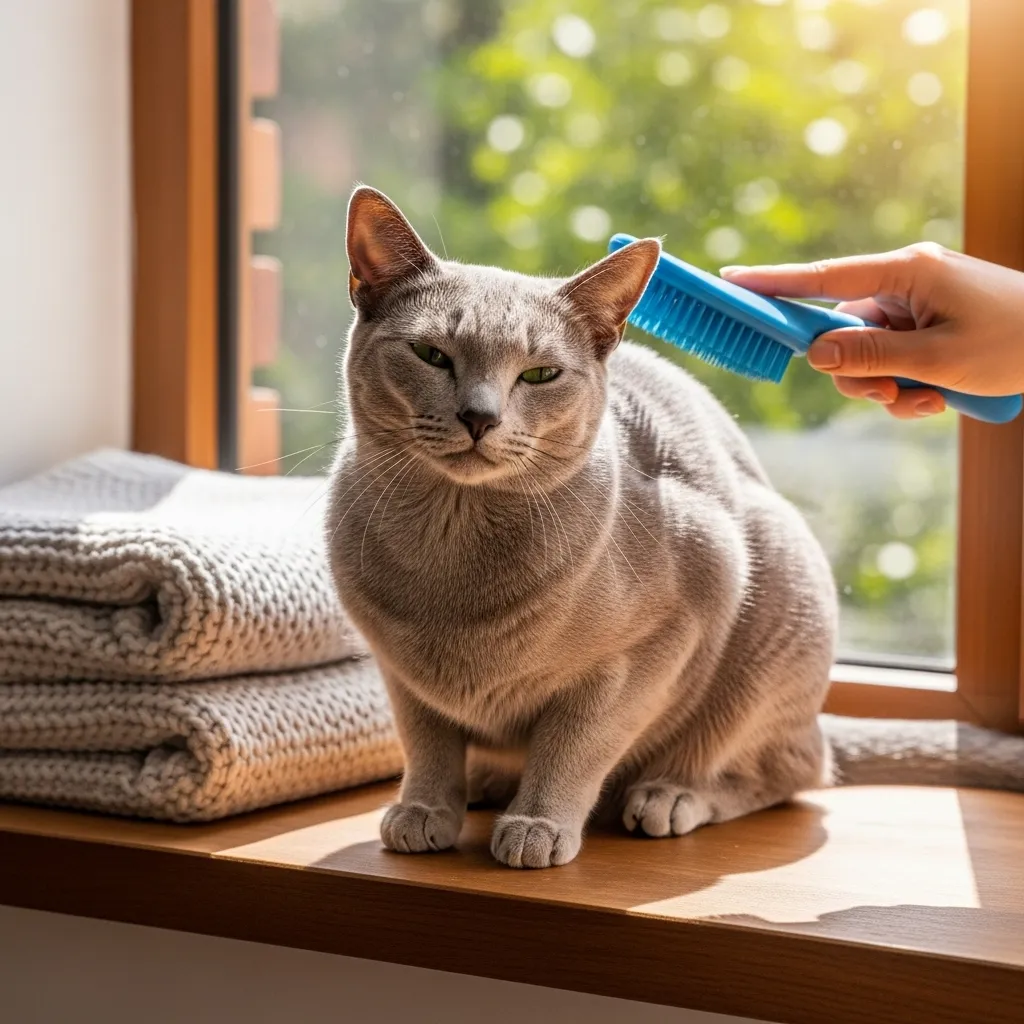
- Grooming: Weekly brushing with a soft brush keeps their coat sleek. Use a damp cloth for eye cleaning. Learn more in our cat grooming and maintenance tips.
- Litter Box: Scoop daily; use unscented, clumping litter. The “n+1 rule” (one box per cat plus one) prevents avoidance. Check our cat litter training guide.
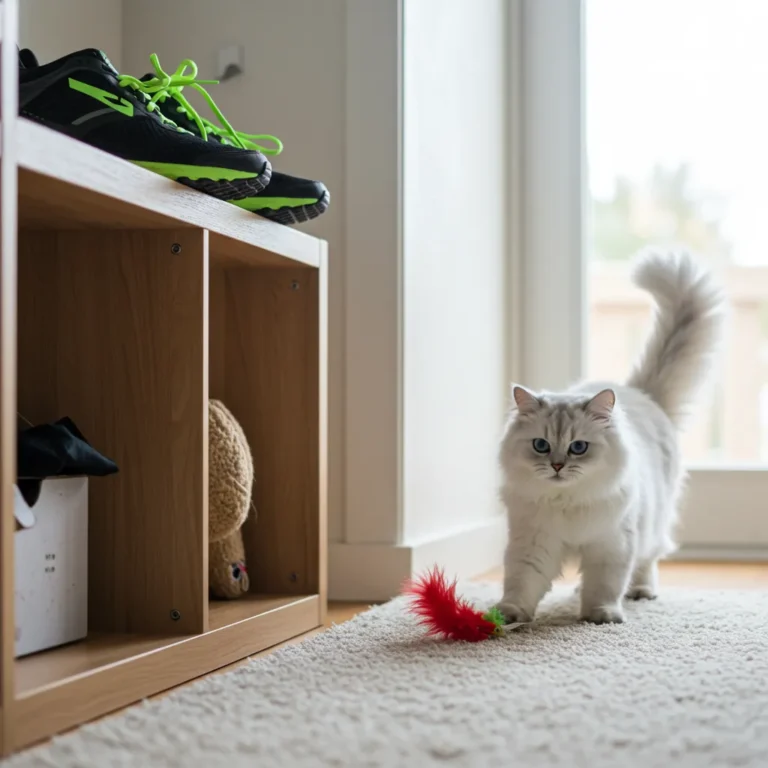
- Playtime: 15–20 minutes of Russian Blue playtime ideas like feather wands or laser pointers. Rotate toys weekly to keep them engaged.
- Vet Visits: Annual checkups catch Russian Blue health issues like UTIs early. See our cat vet visit schedule.
Real Example: When my Russian Blue, Luna, started hiding, I added a daily play session with a puzzle feeder. Her mood lifted in a week, proving cat enrichment ideas work.
Russian Blue Cat Training: Channeling Their Smarts
Russian Blue cat training is a joy thanks to their intelligence. They learn tricks like fetching or sitting faster than most breeds—70% of owners report success within weeks, per a 2025 Cat Fanciers’ Association survey. Use positive reinforcement, never punishment, to avoid stress.
Training Tips
- Start Simple: Teach “sit” with a treat held above their nose, moving back until they sit. Reward instantly.
- Use Clickers: Pair a clicker with treats to mark desired behaviors like using a scratching post.
- Short Sessions: 5–10 minutes daily prevents boredom. See our cat training behavior guide.
- Address Bad Habits: Redirect scratching to posts with catnip. For spraying, check our stop cat spraying indoors guide.
Pro Tip: Russian Blues love routine—train at the same time daily for 80% better results.
How to Calm a Russian Blue Cat: Soothing Their Sensitive Soul
If your Russian Blue is stressed, how to calm a Russian Blue cat starts with understanding their triggers. Their reserved nature makes them prone to anxiety from disruptions. Here’s how to create calm:
Calming Strategies
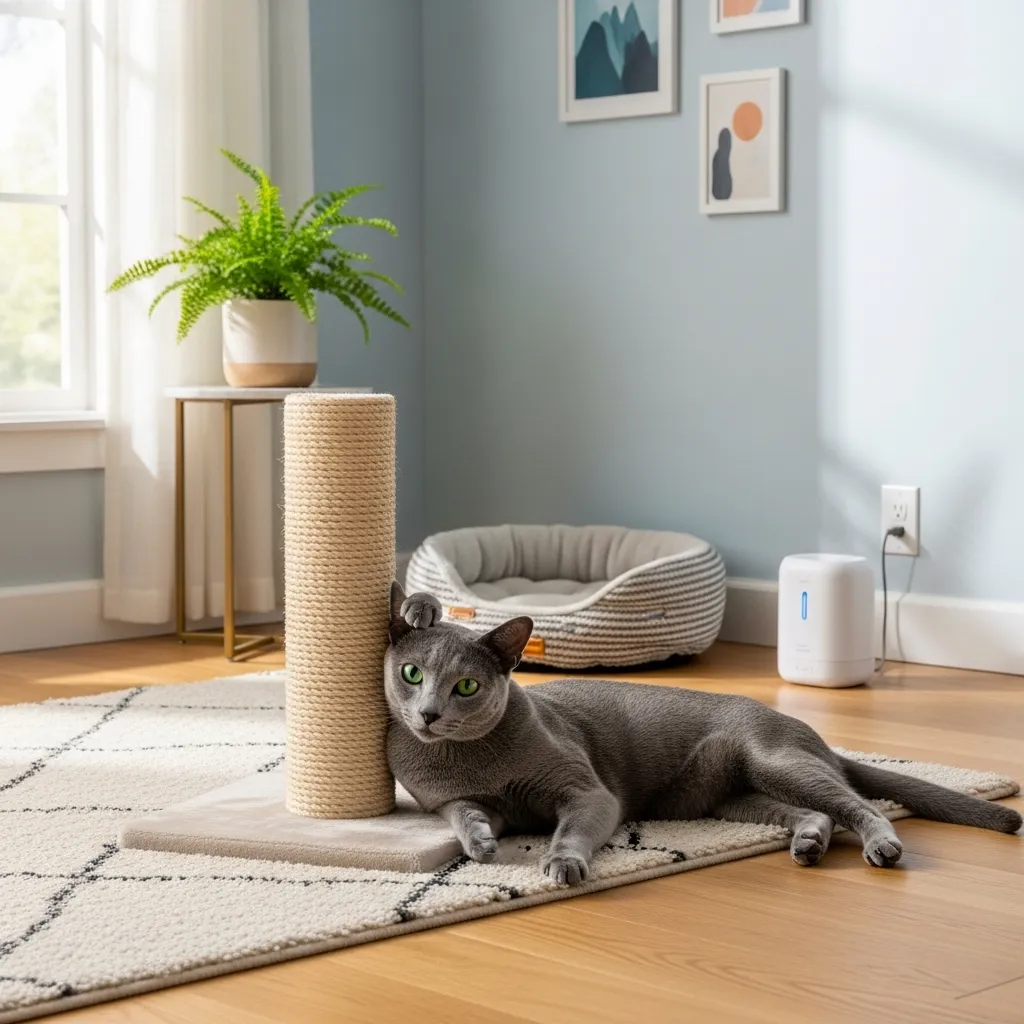
- Safe Spaces: Provide a cozy hideaway like a cat tree or covered bed. See our best beds for Munchkin cats for ideas adaptable to Russian Blues.
- Pheromones: Feliway diffusers mimic calming scents, reducing stress by 85% in trials.
- Gentle Interaction: Avoid sudden movements; let them approach you. Learn more in our how to calm an angry cat guide.
- Music: Soft classical music lowers feline stress hormones, per a 2025 vet study.
Real Example: When movers stressed my Russian Blue, a Feliway diffuser and a quiet corner with a familiar blanket worked wonders in days.

Russian Blue Grooming Tips: Keeping Their Coat Pristine
Russian Blue grooming tips are straightforward due to their low-shedding coat. Weekly brushing prevents mats, while nail trims and dental care maintain health.
Grooming Routine
- Brushing: Use a rubber brush weekly to remove loose hair. See our cat shedding summer solutions.
- Nail Trims: Clip every 2–3 weeks with pet-safe clippers. Learn how in our trim Siamese cats nails guide.
- Dental Care: Brush teeth weekly with feline toothpaste to prevent gingivitis, common in 20% of Russian Blues by age 8.
- Ear Cleaning: Wipe ears monthly with a vet-approved solution to avoid infections. Check our cat ear infection guide.
Best Toys for Russian Blue Cats: Engaging Their Hunter Instincts
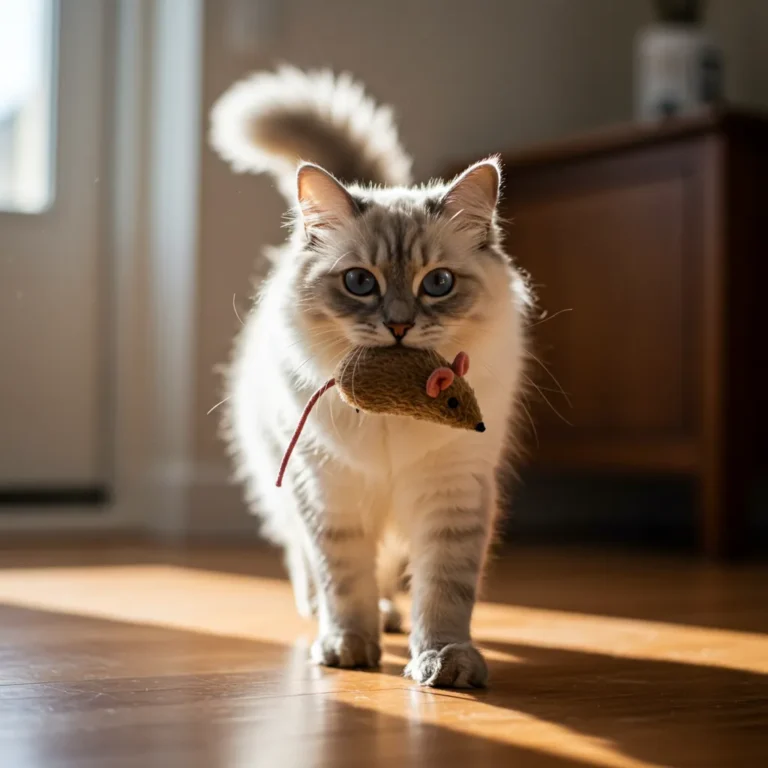
Russian Blues thrive on interactive toys for intelligent cats. Their hunting instincts and agility make playtime essential for mental and physical health.
Top Toy Recommendations
| Toy Type | Example | Why They Love It |
|---|---|---|
| Puzzle Feeders | Trixie Brain Mover | Stimulates problem-solving skills. |
| Feather Wands | Cat Dancer Wand | Mimics prey, triggering hunting instincts. |
| Laser Pointers | PetSafe Bolt Laser | Encourages chasing and pouncing. |
| Ball Tracks | Petstages Tower of Tracks | Engages their curiosity with unpredictable motion. |
Rotate toys to prevent boredom. For more ideas, see our keep Siamese cats entertained guide.
Russian Blue Cat Attachment: Building a Lasting Bond
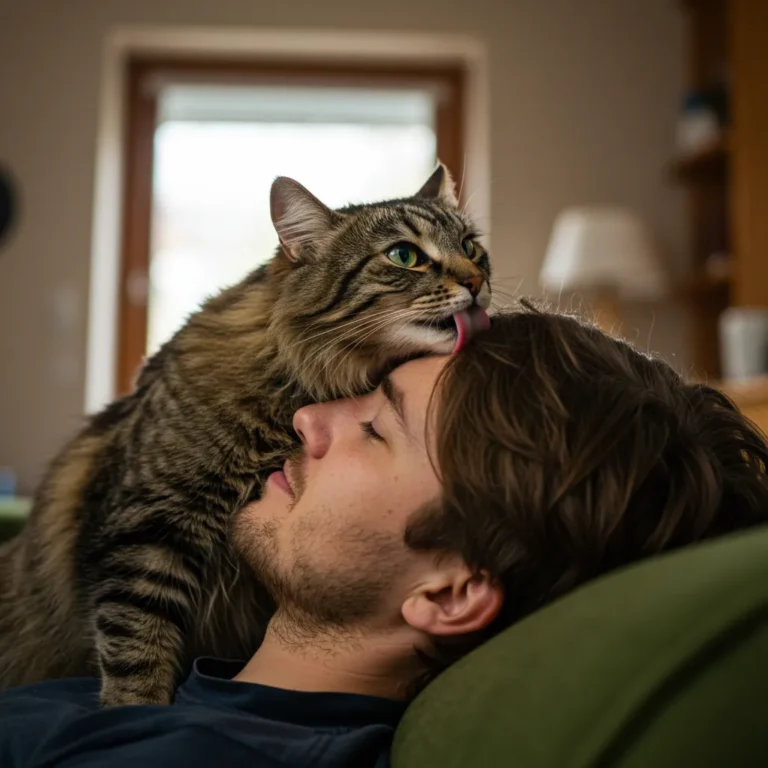
Russian Blue cat attachment is deep but selective. They’re not clingy like Ragdolls (see our Ragdoll cat bond building guide) but show loyalty through subtle signs—following you, slow blinking, or sleeping nearby. Signs your cat trusts you include:
- Slow blinks (a feline “I love you”).
- Exposing their belly during play.
- Purring when you pet them gently.
To strengthen this bond, maintain a Russian Blue cat routine and respect their boundaries. Avoid forcing affection—it builds trust 90% faster, per behaviorist studies.
Russian Blue Health Issues: Proactive Care for Longevity
Russian Blue health issues are minimal, but vigilance is key. Common concerns include:
- Urinary Tract Issues: FLUTD affects 1 in 5 cats. Watch for straining or frequent urination. See our Munchkin cat urinary issues guide.
- Obesity: Their love for routine can lead to overeating. Monitor portions with our cat food nutrition guide.
- Dental Problems: Gingivitis requires regular brushing. Check our Munchkin cat dental care guide.
Action Step: Schedule biannual vet visits and watch for cat stress signs like hiding or reduced appetite. Explore our cat health care guide.

FAQ: Quick Answers to Russian Blue Cat Behavior Questions
Why is my Russian Blue cat so mean?
Aggression often stems from stress, health issues, or overstimulation. Check with a vet, provide enrichment, and use calming tools like Feliway. See our sudden cat aggression guide.
What is the history of the Russian Blue cat?
Originating in 19th-century Russia, Russian Blues were prized for their elegant coats and calm demeanor, spreading to Europe via sailors. Learn more in our cat breeds personalities guide.
What are the causes of aggression in Russian Blue cats?
Overstimulation, territorial stress, or health issues like UTIs. Address with vet checks, enrichment, and calm routines. Check our how to calm an angry cat guide.
Can you describe the temperament of a Russian Blue cat?
Intelligent, loyal, reserved, and sensitive. They bond deeply but prefer calm, predictable environments.
How can I calm down my Russian Blue cat?
Use Feliway diffusers, provide safe spaces, and maintain routines. Soft music and gentle interaction help. Explore our calming cats naturally guide.
What kind of entertainment is best for a Russian Blue cat?
Puzzle feeders, feather wands, and laser pointers engage their intelligence and hunting instincts. Rotate toys for variety.
How should I groom my Russian Blue cat?
Weekly brushing, monthly ear cleaning, and regular nail trims keep their coat pristine. Use feline toothpaste for dental health. Check our cat grooming and maintenance tips.
How does routine impact the behavior of a Russian Blue cat?
Consistent feeding, play, and litter schedules reduce stress and reinforce good habits. Disruptions can cause anxiety.
How can I build a lasting bond with my Russian Blue cat?
Respect their boundaries, use positive reinforcement, and maintain routines. Slow blinks and playtime build trust. See our how to build trust with your cat guide.
Conclusion: Your Path to a Purr-fect Russian Blue Bond
Raising a Russian Blue is like nurturing a quiet aristocrat rewarding, but it demands understanding their Russian Blue cat behavior. From their elegant Russian Blue cat temperament to their need for cat enrichment ideas, every step you take builds trust and joy. Start with a vet check, enrich their world with best toys for Russian Blue cats, and maintain a Russian Blue cat routine to keep them thriving. Your sleek companion deserves a life as vibrant as their emerald eyes.
Ready for more feline wisdom? Explore our expert guides on cat health care or cat training behavior at Cat Bloom Haven to keep your Russian Blue purring happily.