How to Get My Cat to Drink More Water: A Complete Guide to Keeping Your Feline Perfectly Hydrated
If you’ve ever stared at a full water bowl while your cat walks away like it personally offended them, you’re not alone. Many cats act as if drinking plain water is beneath them, yet proper hydration is one of the single biggest things you can do to prevent urinary crystals, kidney disease, and emergency vet visits. The good news? With a few smart changes, most cats will happily drink more, often without you forcing a single drop.
In this guide, you’ll discover exactly why some cats refuse water, how much they actually need, the subtle signs of dehydration you’re probably missing, and 15+ proven ways (backed by veterinarians and thousands of cat parents) to turn a picky drinker into a hydration champion.
Quick Summary: Key Takeaways Before You Dive In
- Most cats need 3.5–4.5 ounces of water per 5 pounds of body weight daily (about ½–1 cup for a 10-lb cat).
- Switching even partially to wet food is the single fastest way to boost hydration.
- Running water (fountains) dramatically increases intake for 70–80 % of cats.
- Dehydration shows up first in skin elasticity, gums, and energy level, not just the water bowl.
- Never wait for obvious illness; chronic low-grade dehydration is silent and dangerous.
Now let’s get into the details.
Why Water Is So Critical for Cats (And Why They Make It So Hard)
Cats evolved in desert environments and get most of their moisture from prey. Domestic cats still carry that low-thirst-drive gene, which means they often don’t feel “thirsty” until they’re already 3–4 % dehydrated. At that point, kidneys are already working overtime.
Low water intake is directly linked to:
- Feline Lower Urinary Tract Disease (FLUTD)
- Crystal formation and urethral blockages (life-threatening in males)
- Chronic kidney disease (the #1 cause of death in senior cats)
- Constipation and megacolon
The stakes are high, but the fixes are surprisingly simple once you understand feline psychology.
How Much Water Should a Cat Drink Daily? (Chart Included)
| Cat Weight | Total Daily Water (including food moisture) | From Bowl (if eating dry food) |
|---|---|---|
| 5 lb | 4–6 oz | 3–5 oz |
| 10 lb | 8–11 oz | 7–10 oz |
| 15 lb | 12–16 oz | 10–14 oz |
Note: Wet food is 70–80 % moisture, so a cat eating only wet food may drink almost nothing from the bowl and still be perfectly hydrated.
Signs of Dehydration in Cats You Can Check in 30 Seconds
Do these quick tests at home:
- Skin tent test – Gently pinch the scruff. Hydrated skin snaps back instantly; dehydrated skin stays “tented” or returns slowly.
- Gum check – Press a finger on the gums; color should return in <2 seconds. Sticky or tacky gums = trouble.
- Sunken eyes or dull coat.
- Lethargy, reduced appetite, or very concentrated urine (dark yellow and strong-smelling).
If two or more signs are present, call your vet the same day.
Why Your Cat Refuses to Drink Water: The Real Reasons
- Bowl placement next to food or litter box (cats hate that).
- Stale water that smells like plastic or cleaning residue.
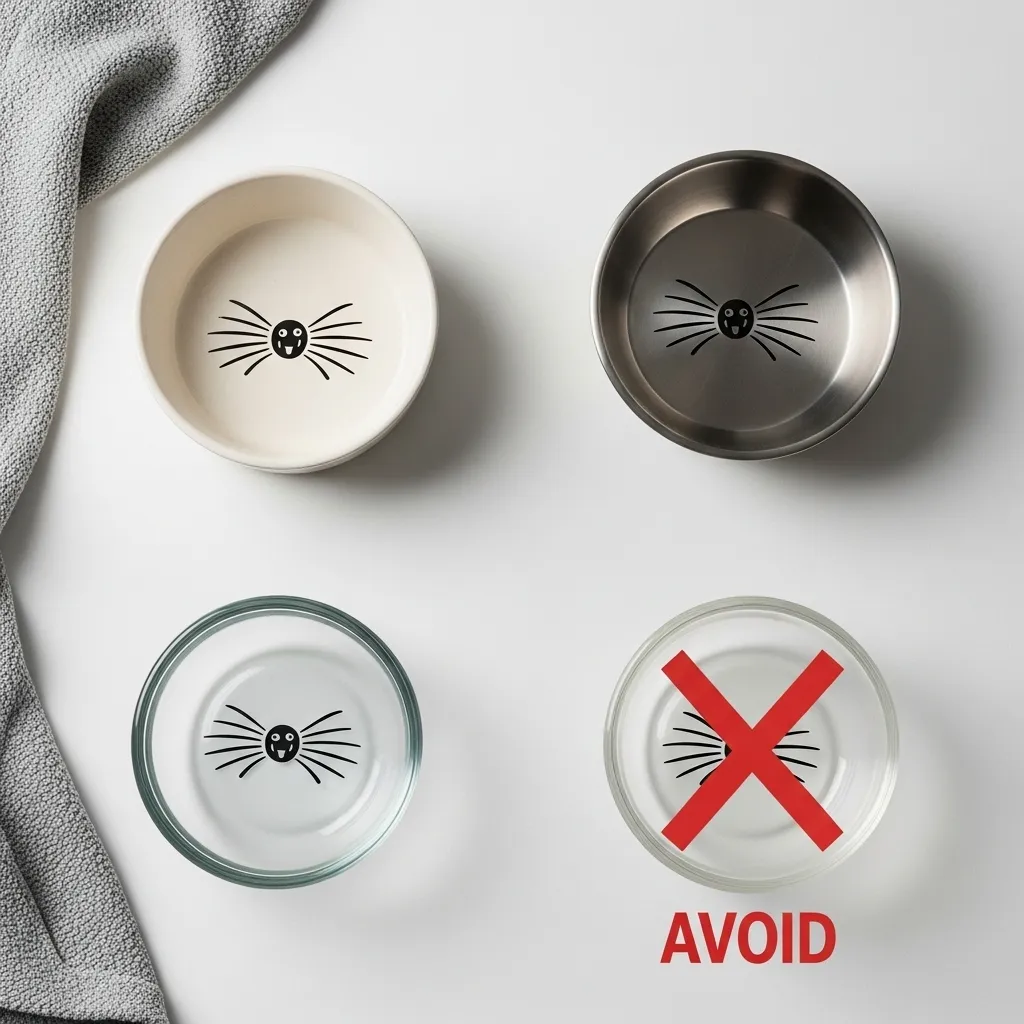
- Whisker fatigue from deep, narrow bowls.
- Preference for moving water (ancestral instinct).
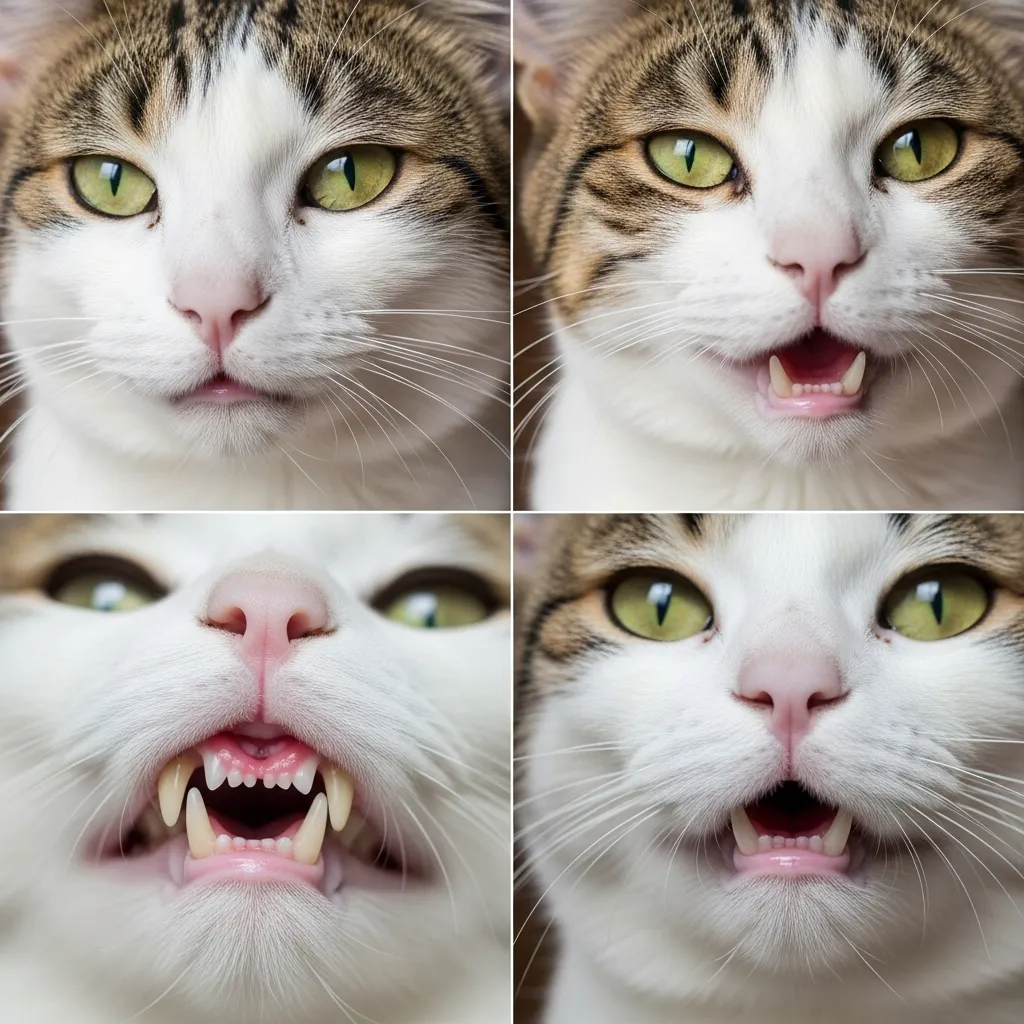
- Dental pain making lapping uncomfortable.
- Stress or territory issues in multi-cat homes.
Fix the cause, and the behavior usually fixes itself.
15 Proven Ways to Get Your Cat to Drink More Water (Ranked by Effectiveness)
- Switch to Wet Food (or Add Water to Kibble)
The #1 method veterinarians recommend. Even adding warm water or low-sodium bone broth to dry food can double moisture intake overnight.
→ Explore our complete guide on the best wet cat food. - Invest in a Cat Water Fountain
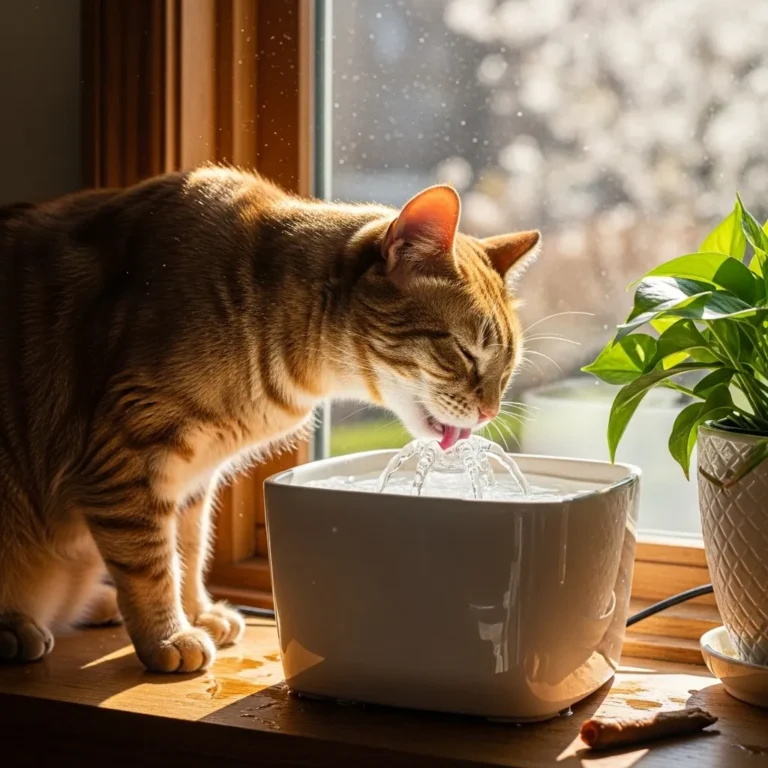
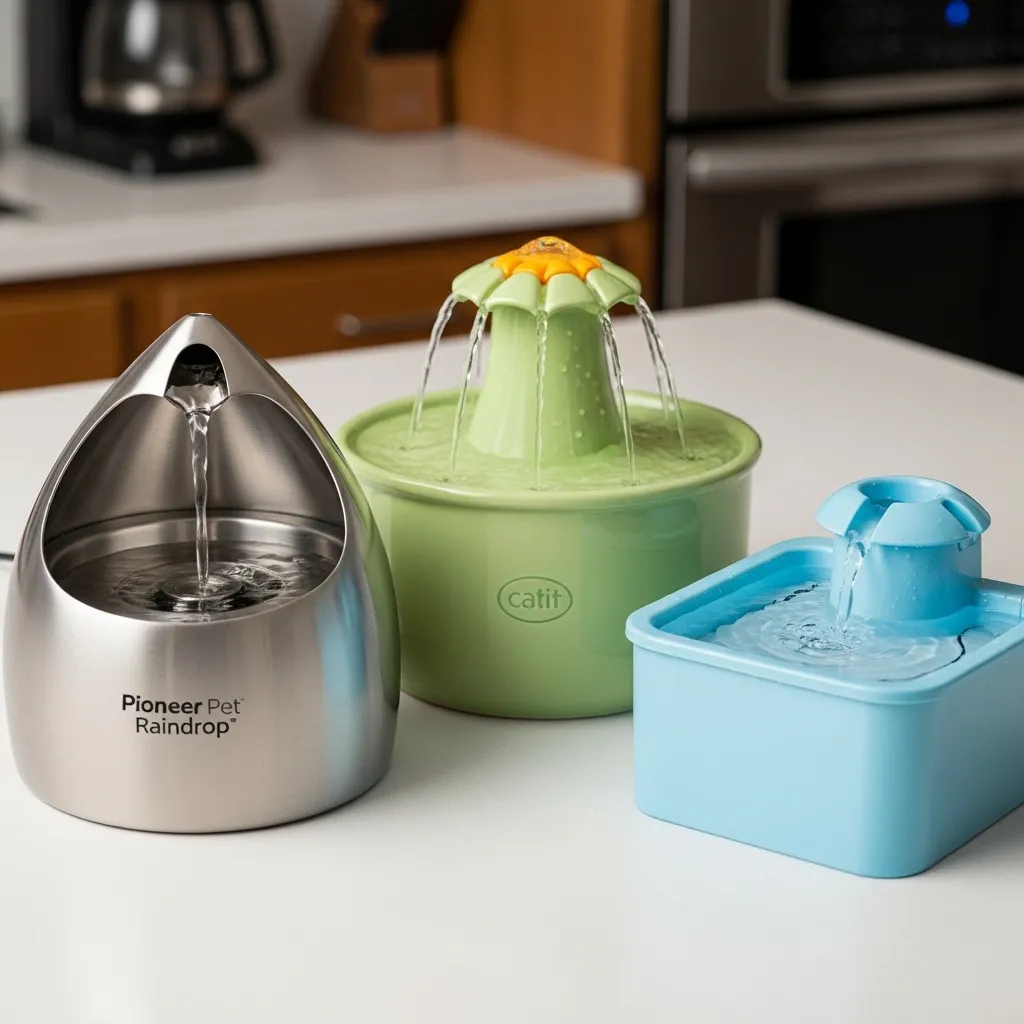
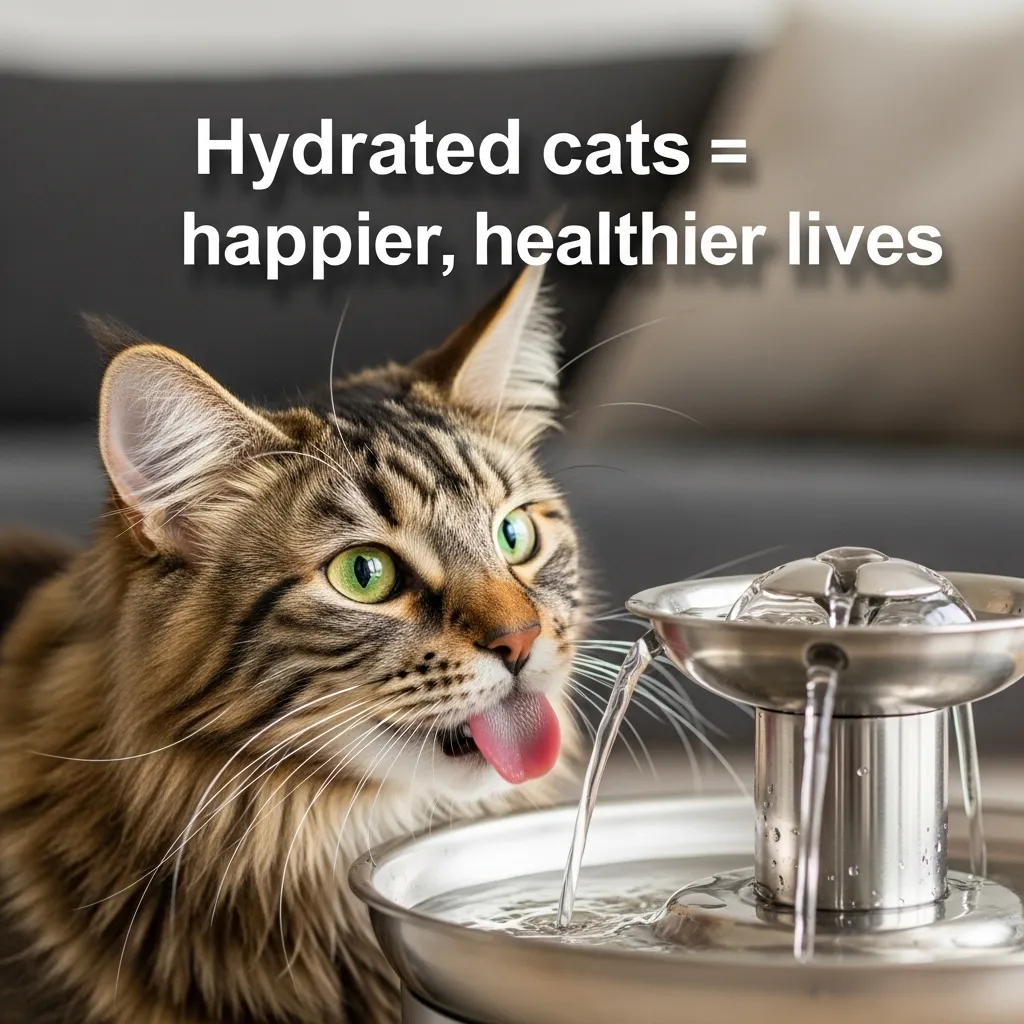
Running water stays cooler, oxygenated, and appeals to their instinct for streams. Studies show fountains increase water intake by 50–100 % in many cats.
Stainless steel or ceramic beats plastic (fewer bacteria and better taste). - Multiple Water Stations Around the House
Place bowls in quiet, low-traffic spots on every level of your home. Cats like options. - Use Wide, Shallow Bowls or Plates
Prevents whisker fatigue. Many cats prefer dinner-plate-style ceramic or glass dishes. - Change Water Twice Daily and Wash Bowls Daily
Cats are obsessive about cleanliness. A hint of slime or food smell and they’re done. - Try Different Materials
Some cats hate plastic taste; switch to glass, stainless steel, or ceramic. - Flavor the Water (Safely)
A teaspoon of tuna juice, clam juice, or unsalted chicken broth works wonders. Rotate flavors to prevent fussiness. - Ice Cubes as Toys
Drop a couple of ice cubes in the bowl. Many cats bat them around and end up drinking more. - Elevated Bowls
Especially helpful for older or arthritic cats. - Running-Tap Trick (Temporary Bridge)
Let the faucet drip for a minute when they’re watching. Transition them to a fountain afterward. - Water Bowl Placement Strategy
At least 3–6 feet away from food and litter box. Cats separate “hunting” and “elimination” zones in the wild. - Freeze Goat Milk or Broth Ice Cubes
Great treat and hydration boost. - Automatic Feeders with Built-in Water Reservoirs
Keeps water fresh when you’re away. - Add a Pinch of Cat Water Enhancer (Commercial or DIY)
Products like Tiki Cat or CatWater urinary formula add appeal without sugar. - Syringe or Dropper Hydration (Only if Vet-Recommended)
For severely dehydrated or sick cats. See our step-by-step on safely syringing water.
Wet Food vs Dry Food: The Hydration Game-Changer
Dry kibble is only 8–10 % moisture. Prey (a mouse) is ~70 %.
A 10-lb cat eating only dry food has to drink an entire cup of water daily just to break even. Most simply don’t.
Even feeding wet food once a day dramatically lowers risk of urinary issues. Many vets now recommend 100 % wet diets for cats with a history of crystals or blockages.
Cat Water Fountain Benefits: Why They’re Worth Every Penny
- Constant circulation prevents bacteria.
- Moving water stays cooler and more appealing.
- Filters remove debris, hair, and bad tastes.
- Many models are whisper-quiet now (important for skittish cats).
Current top performers in 2025:
- Pioneer Pet Raindrop Stainless
- Catit Flower Fountain (great flower attachment for gentle flow)
- PetKit Eversweet (app-connected, portion tracking)
Best Water Bowls for Cats When Fountains Aren’t an Option
- Wide ceramic pie plates (whisker-friendly)
- Stainless steel dog bowls (shallow versions)
- Glass Pyrex dishes
Avoid narrow, deep plastic bowls at all costs.
Tap Water vs Bottled or Filtered: Does It Actually Matter?
Some cats are extremely sensitive to chlorine or metallic tastes. If your cat avoids the bowl but drinks eagerly from the bathroom faucet, try a simple carbon filter pitcher (Brita, ZeroWater) or fountain with built-in filter.
My Cat Still Won’t Drink Red Flags and When to Call the Vet
If you’ve tried the basics for 1–2 weeks and intake is still very low, schedule a visit. Underlying causes can include:
- Dental disease or mouth pain
- Kidney disease (especially seniors)
- Hyperthyroidism
- Nausea from GI issues
- Stress or anxiety
Early bloodwork can catch problems years before symptoms become obvious.
FAQ: Your Top Cat Hydration Questions Answered
How can I increase my cat’s water intake quickly?
Start with wet food or add warm water/broth to kibble. Add a fountain within the same week.
How do you hydrate a cat that won’t drink?
Offer multiple flavored options, use a fountain, and switch at least partially to wet food. If the cat is lethargic or showing dehydration signs, go to the vet immediately for subcutaneous fluids.
Is it normal for cats not to drink much water?
Yes, if they eat wet food. No, if they’re on dry food only and barely touch the bowl.
What is the fastest way to rehydrate a dehydrated cat?
Veterinary subcutaneous fluids (under the skin) are fastest and safest. At home, offer tuna juice ice cubes and wet food while heading to the clinic.
How fast does dehydration happen in cats?
Cats can become clinically dehydrated in 24–48 hours if they stop drinking entirely, faster in hot weather or with vomiting/diarrhea.
When should I worry about my cat not drinking water?
Any sudden drop in intake, combined with lethargy, dry gums, or reduced skin elasticity, warrants a same-day vet visit.
Final Thoughts
Getting your cat to drink more water usually comes down to two things: making water appealing and increasing moisture through diet. Start with the easiest wins (fresh water daily, wide bowls, extra stations) and layer in a fountain or wet food as needed. Most cats respond within days.
Your future self (and your cat’s kidneys) will thank you.
Ready for more vet-approved cat care advice? Explore the rest of Cat Bloom Haven – from breed-specific guides to behavior deep-dives and everything in between.
See you in the next guide! 🐾