How to Make a Cat with Kidney Failure Comfortable: The Complete 2025 Guide to Managing Chronic Kidney Disease in Cats (CKD)
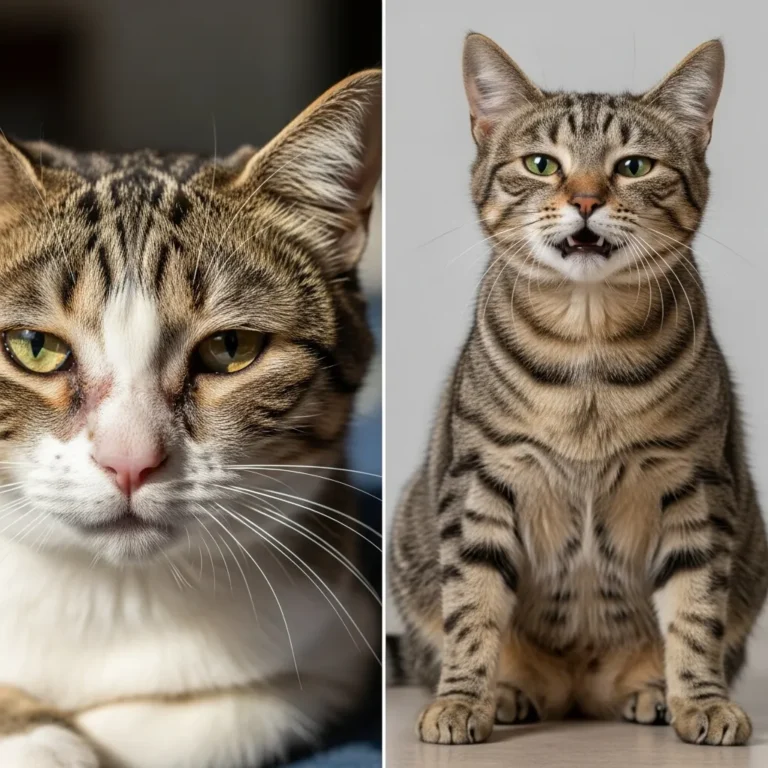
Your cat has always been there for you. Lately, though, the signs are impossible to ignore: drinking more water, losing weight despite a normal appetite, or suddenly seeming “off.” When the vet says the words “chronic kidney disease” or “cat kidney failure,” it hits hard. I’ve been exactly where you are – holding a favorite cat, searching for answers, and wanting nothing more than to give them the best days possible.
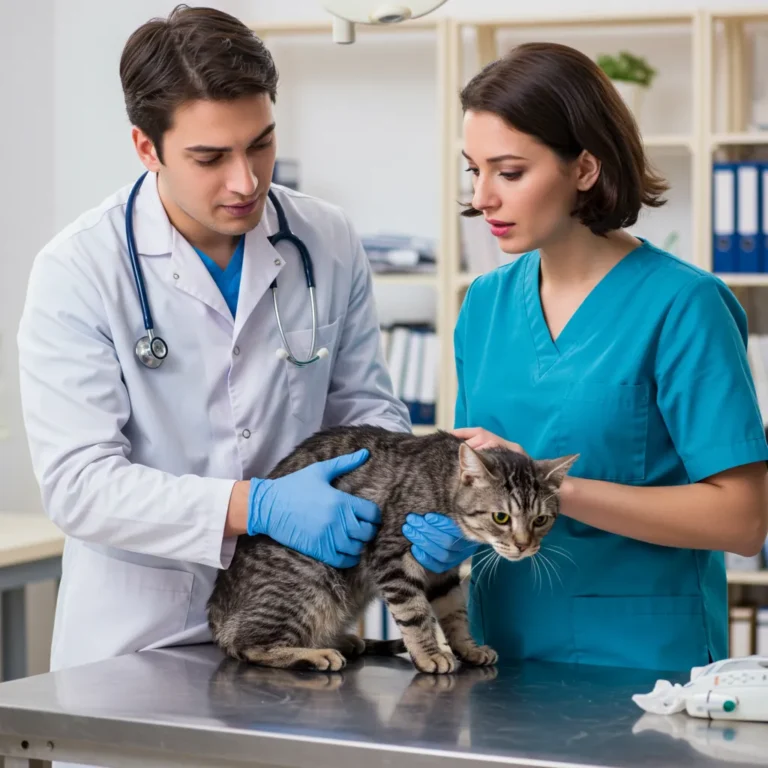
This guide is written for you. It covers everything you need to know about cat kidney failure stages, symptoms of kidney failure in cats, the difference between acute vs chronic kidney disease in cats, and – most importantly – proven, day-to-day ways to keep your cat comfortable, happy, and with you as long as possible.
Key Takeaways (Read This First)
- Chronic kidney disease (CKD) in cats is manageable, not an immediate death sentence. Many cats live 1–3+ quality years after diagnosis with good care.
- Early detection changes everything. Bloodwork (SDMA + creatinine) catches CKD months before symptoms appear.
- The three pillars of management: therapeutic diet, aggressive hydration, and regular vet monitoring.
- Pain in cats with kidney failure is real but often subtle. Watch for hiding, reduced grooming, or resentment of touch.
- You are not alone. Thousands of owners successfully care for CKD cats at home, including giving subcutaneous fluids.
What Is Chronic Kidney Disease in Cats (CKD) and How Is It Different from Acute Kidney Failure?
Kidney disease and kidney failure in cats are often used interchangeably, but they’re not the same.
- Chronic kidney disease (CKD) develops slowly over months or years. Scar tissue gradually replaces healthy kidney tissue. It’s irreversible but slow-moving.
- Acute kidney injury (AKI) happens fast – often in hours or days – from toxins (lilies, antifreeze), severe dehydration, or blockage. It can sometimes be reversed if caught immediately.
Most cats over age 10 have some degree of CKD. The International Renal Interest Society (IRIS) stages it from 1 (mild) to 4 (end-stage).
| IRIS Stage | Creatinine (mg/dL) | Typical Symptoms | Life Expectancy with Good Care |
|---|---|---|---|
| Stage 1 | < 1.6 | Usually none | Years |
| Stage 2 | 1.6 – 2.8 | Mild thirst, occasional appetite dip | 2–4 years |
| Stage 3 | 2.9 – 5.0 | Noticeable weight loss, vomiting | 1–3 years |
| Stage 4 | > 5.0 | Severe symptoms, anemia, ulcers | Months to 1+ year |
Early Signs of Kidney Failure in Cats Don’t Wait for the Obvious Ones
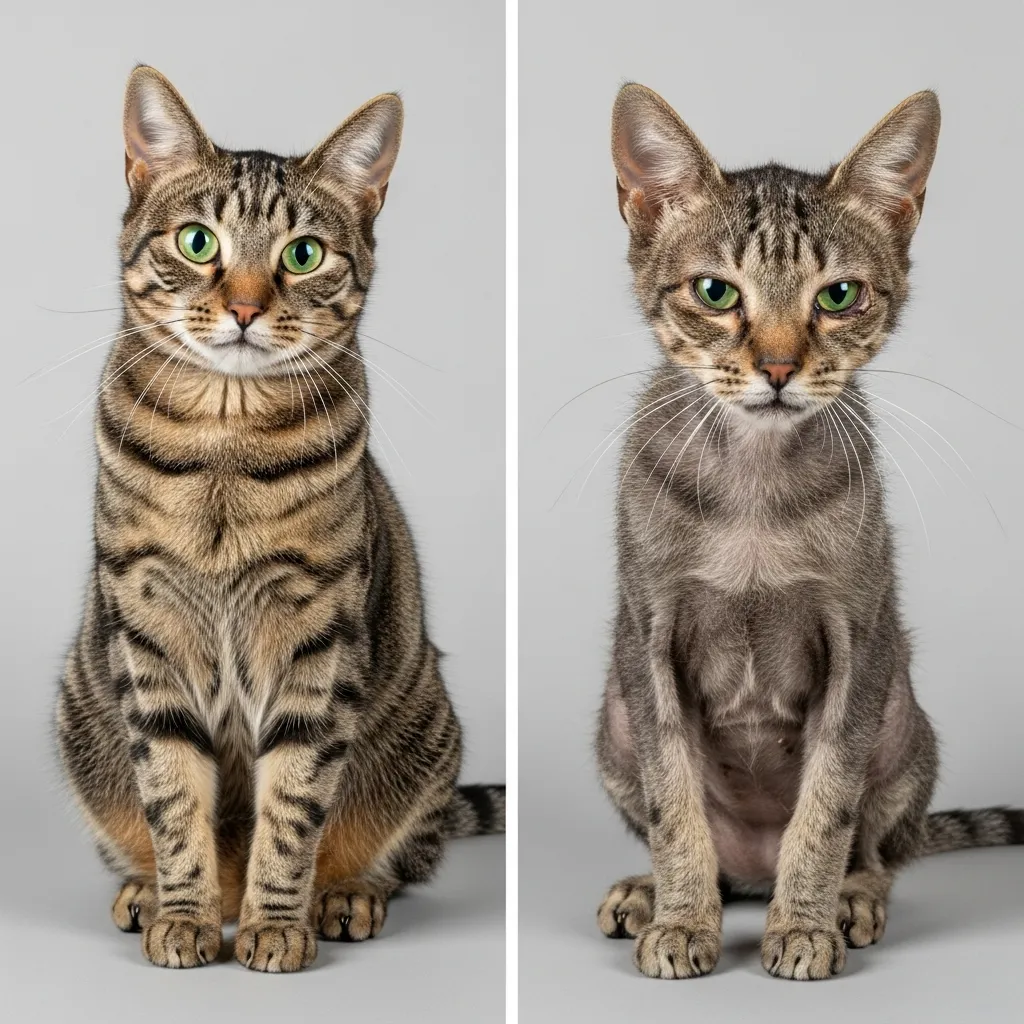
Cats hide illness brilliantly. By the time you see dramatic symptoms, 75% of kidney function is already gone.
Early red flags:
- Drinking and peeing more than usual (check the litter box – clumps twice the normal size?)
- Weight loss even though they’re still eating
- Coat suddenly looks rough or dull
- Mild bad breath (ammonia smell)
- Occasional vomiting that you blame on hairballs
Later symptoms of kidney failure in cats:
- Complete loss of appetite (this is an emergency)
- Lethargy and sleeping more than usual
- Walking stiffly or crying when picked up (pain)
- Pale gums, mouth ulcers, drooling
Cat Kidney Failure Stages: What to Expect as CKD Progresses
Stage 2: You’ll probably catch it here with senior bloodwork. Cats still feel decent. Focus on diet change and hydration.
Stage 3: Appetite starts wavering. Nausea is common because toxins build up. This is when most owners learn subcutaneous fluids at home.
Stage 4: End-stage kidney failure. Cats become anemic, very weak, and may develop seizures or ulcers. Some bounce back amazingly with aggressive care; others tell you when it’s time.
Do cats sleep more with CKD? Yes – especially in later stages. Toxins make them feel like they have the flu 24/7.
Managing Kidney Disease in Cats: The Step-by-Step Home Protocol That Actually Works
1. Switch to a Therapeutic Kidney Diet Immediately
Prescription renal foods (Hill’s k/d, Royal Canin Renal, Purina NF) are proven to extend life by an average of 12–18 months in studies.
Best food for cats with kidney disease 2025 (top vet-recommended):
- Hill’s Prescription Diet k/d (wet + dry)
- Royal Canin Renal Support (A, D, E, F, T formulas – pick the one your cat likes best)
- Weruva Stewxomes or Weruva Wx Phos-focused (non-prescription low-phosphorus options)
- Homemade or raw – only under veterinary nutritionist supervision
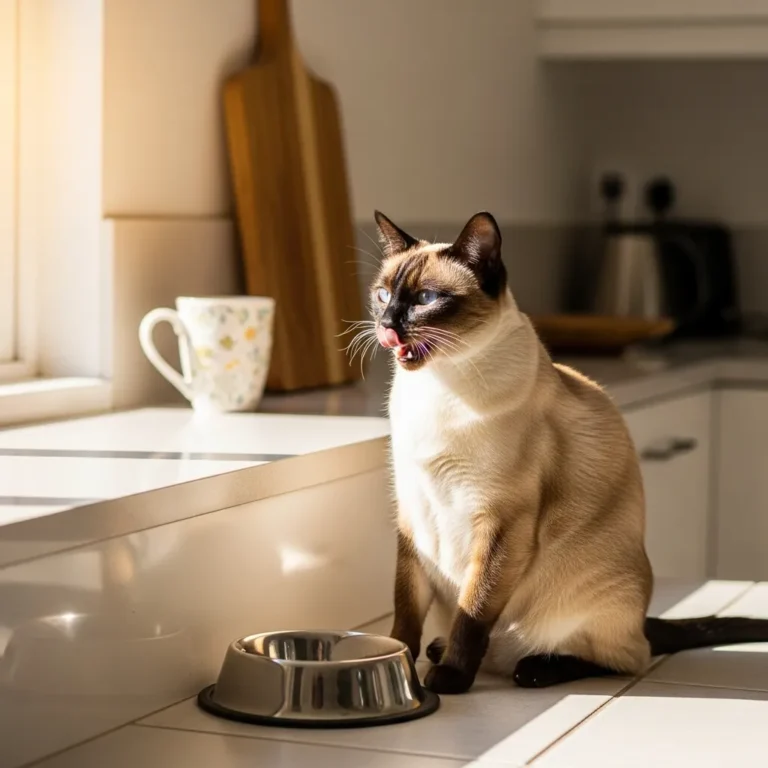
Why cats stop eating with kidney failure: Food tastes metallic because of uremia. Warming food, adding tuna juice, or using ceramic plates helps.
2. Hydration Is the Single Biggest Life Extender
Dehydration accelerates kidney damage. Goal: 60–100 ml per kg body weight daily.
How to hydrate a cat with CKD:
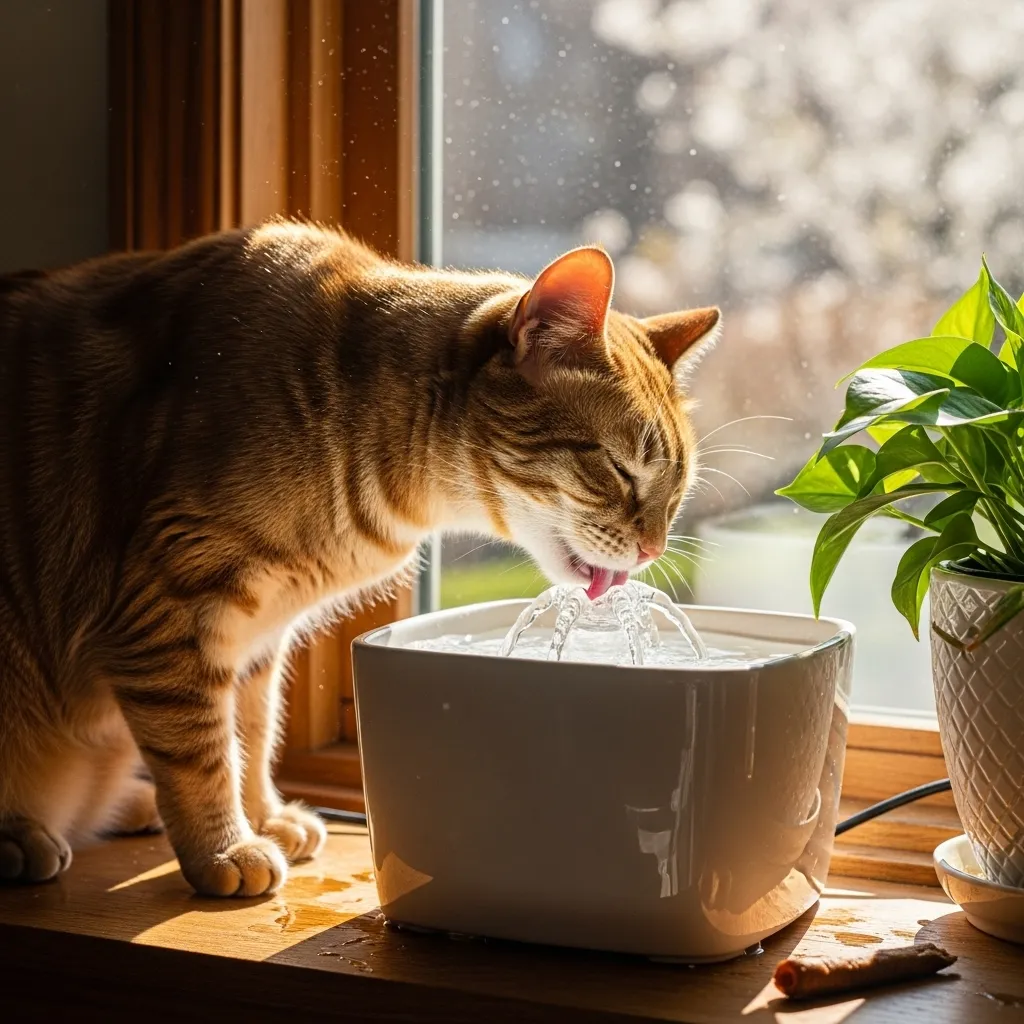
- Multiple water stations (fountains are magic)
- Feed 100% wet food
- Add water or low-sodium chicken broth to meals
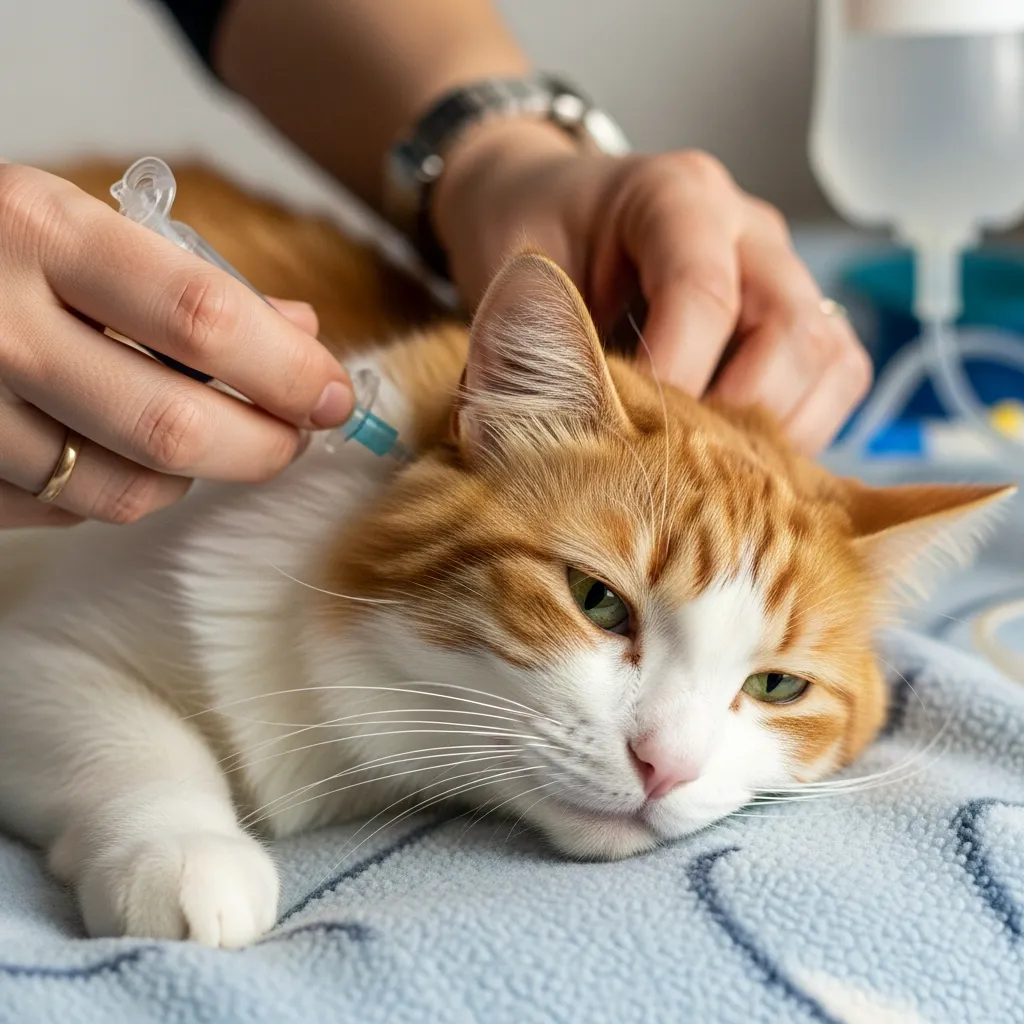
- Subcutaneous fluids at home (100–150 ml every 1–3 days is common)
Subcutaneous fluids for cats at home – yes, you can learn in one vet visit. Most owners say it adds months to a year of good quality time.
3. Medications and Supplements That Make a Real Difference
- Anti-nausea: Cerenia or ondansetron (miracle drug for appetite)
- Phosphate binders: Epakitin or Ipakitine powder sprinkled on food
- Blood-pressure meds: Amlodipine or telmisartan (many CKD cats have hypertension)
- Anemia treatment: Darbepoetin injections or new oral drugs (2025)
- Potassium supplements if bloodwork shows low levels
4. Pain Management and Comfort
Is my cat in pain with kidney failure? Often yes – kidneys themselves don’t hurt, but high blood pressure, mouth ulcers, constipation, and arthritis flare-ups do.
Safe pain relief options:
- Buprenorphine (liquid under the gum – most CKD cats love the taste)
- Gabapentin for nerve pain and anxiety
- Solensia (monthly injection for arthritis pain if your cat is older)
How to Make a Cat with Kidney Failure Comfortable at Home – Daily Checklist
- Offer small, frequent meals warmed to body temperature
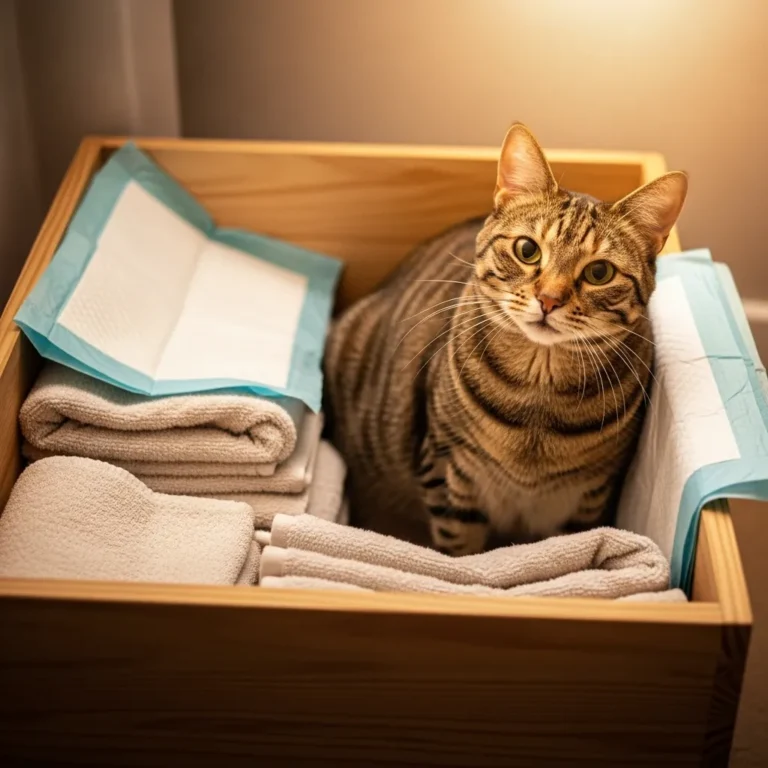
- Keep multiple heated beds in quiet areas
- Elevated food/water bowls if arthritis is present
- Night lights – vision often declines
- Gentle grooming sessions (many stop grooming themselves)
- Pheromone diffusers (Feliway Optimum) reduce stress
- Play when they feel up to it – five-minute sessions count
Quality of Life for Cats with Kidney Failure: When Is It Time?
Use the HHHHHMM scale (Hurt, Hunger, Hydration, Hygiene, Happiness, Mobility, More good days than bad).
Most owners say their cat told them when it was time – usually by complete appetite loss lasting more than 48 hours, hiding, or obvious suffering.
Life expectancy of cats with kidney failure varies wildly:
- Stage 2 diagnosed early: 3–5+ years common
- Stage 4: weeks to 12+ months with heroic home care
Final Stage Kidney Disease Symptoms in Cats
- Seizures or twitching
- Severe ulcers in mouth
- Unable to stand or walk to litter box
- Temperature drops (feel the ears)
- Breathing changes
“Is my cat dying from kidney failure?” If you’re asking this, trust your gut and call your vet. Many offer in-home euthanasia now, which is incredibly peaceful.
Frequently Asked Questions About Cat Kidney Failure
What are the final stages of kidney failure in cats like?
Weakness, sleeping almost constantly, refusing all food and water, cold extremities, and eventually peaceful passing or the choice of euthanasia.
Can a cat recover from kidney failure?
Acute – sometimes. Chronic – no, but excellent management can give years of comfortable life.
Are cats with kidney disease in pain?
Often yes, especially from associated conditions. Pain medication is safe and underused in CKD cats.
What can I feed a cat with end-stage kidney failure that won’t eat?
Anything they will accept – baby food (meat only), AD critical care, tuna juice, Churu. The goal shifts from “renal diet” to “any calories.”
Home remedies for cat kidney failure?
There are none that reverse CKD. Focus on vet-prescribed diet, fluids, and medications.
You’ve Got This
Caring for a cat with kidney disease is intense, emotional, and deeply rewarding. Every extra day you give them is a gift. You will learn more about feline medicine in six months than most vets learn in a year of practice.
For more daily support, explore our complete cat health section at Cat Bloom Haven, including our guide on senior cat care and how to give subcutaneous fluids step-by-step.
You’re doing everything right just by being here and reading this. Your cat is lucky to have you.