Why Do Cat Collars Have Bells? The Real Purpose, the Hidden Downsides, and What Most Owners Get Wrong
You’ve probably clipped a collar after collar on your cat and wondered: why do cat collars have bells in the first place? Is that tiny jingle actually doing anything useful, or is it just tradition (or torture) dressed up as “safety”?
The short answer is yes, the bell has a job, but it’s not the job most important part of the collar, and it’s definitely not harmless for every cat. In this complete 2025 guide, we’re pulling back the curtain on cat collar bells: the original purpose, the science behind wildlife protection, the surprising effect on cat behavior, safety risks most owners never consider, and the newer alternatives that are finally making bells optional.
By the end, you’ll know exactly whether your cat should wear a bell, which type is safest, and how to introduce one without turning your living room into a stress zone.
Quick Key Takeaways (for the impatient cat parent)
- Bells were invented to warn birds and small wildlife that a predator is coming.
- Studies show bells reduce successful hunts by 34–50 %, but they don’t stop hunting completely.
- Constant jingling can stress sensitive or anxious cats and may contribute to hearing damage over time.
- Breakaway collars are non-negotiable; never use a bell on a non-breakaway collar.
- Indoor-only cats usually don’t need a bell, but many owners keep one for quick location or ID.
- New “bird-safe” and silent-bell designs now exist that give you the best of both worlds.
The Original Reason Bells Ended Up on Cat Collars
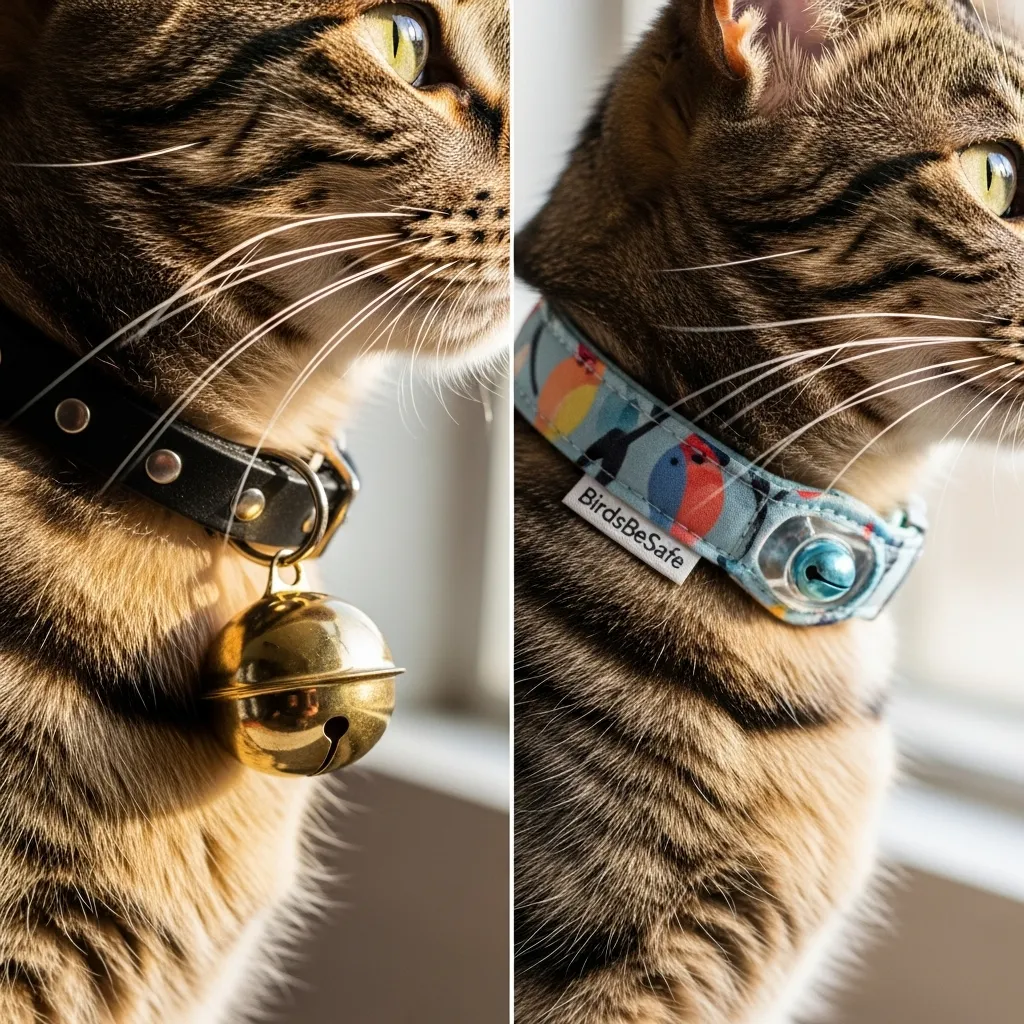
Bells first appeared on cat collars in the late 1800s in Britain when people started letting domestic cats roam outdoors. Farmers and gardeners noticed cats were devastating local songbird populations. Someone clever thought, “If the cat makes noise, the birds will hear it coming.” Simple, effective, and suddenly every cat collar came with a little brass bell.
Fast-forward to modern research:
- A 2015 UK study found cats wearing bells caught 41 % fewer birds and 34 % fewer mammals.
- A 2021 Australian follow-up showed similar numbers, even with experienced hunters.
So the bell does work, at least partially. Birds and mice get an audible heads-up that death-on-paws is approaching.
Do Bells Actually Save That Many Birds in 2025?
Yes and no.
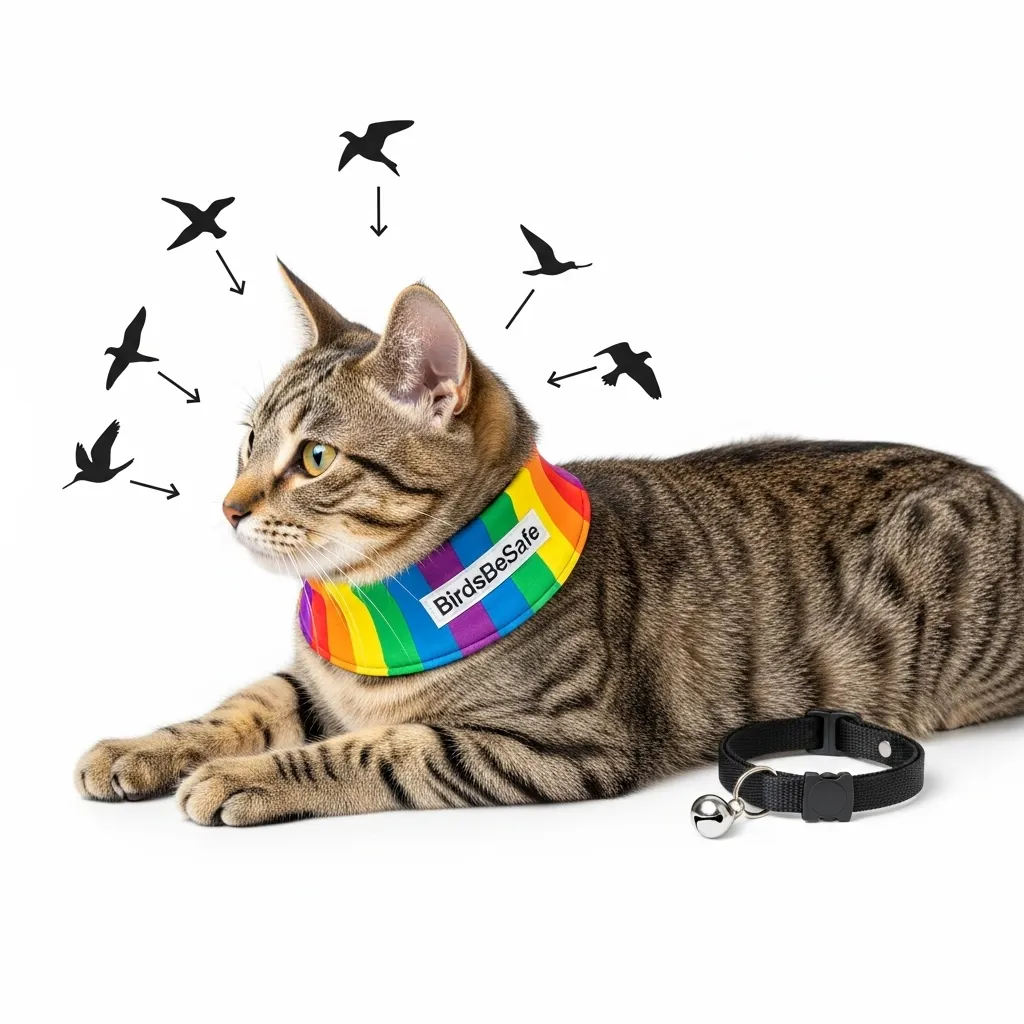
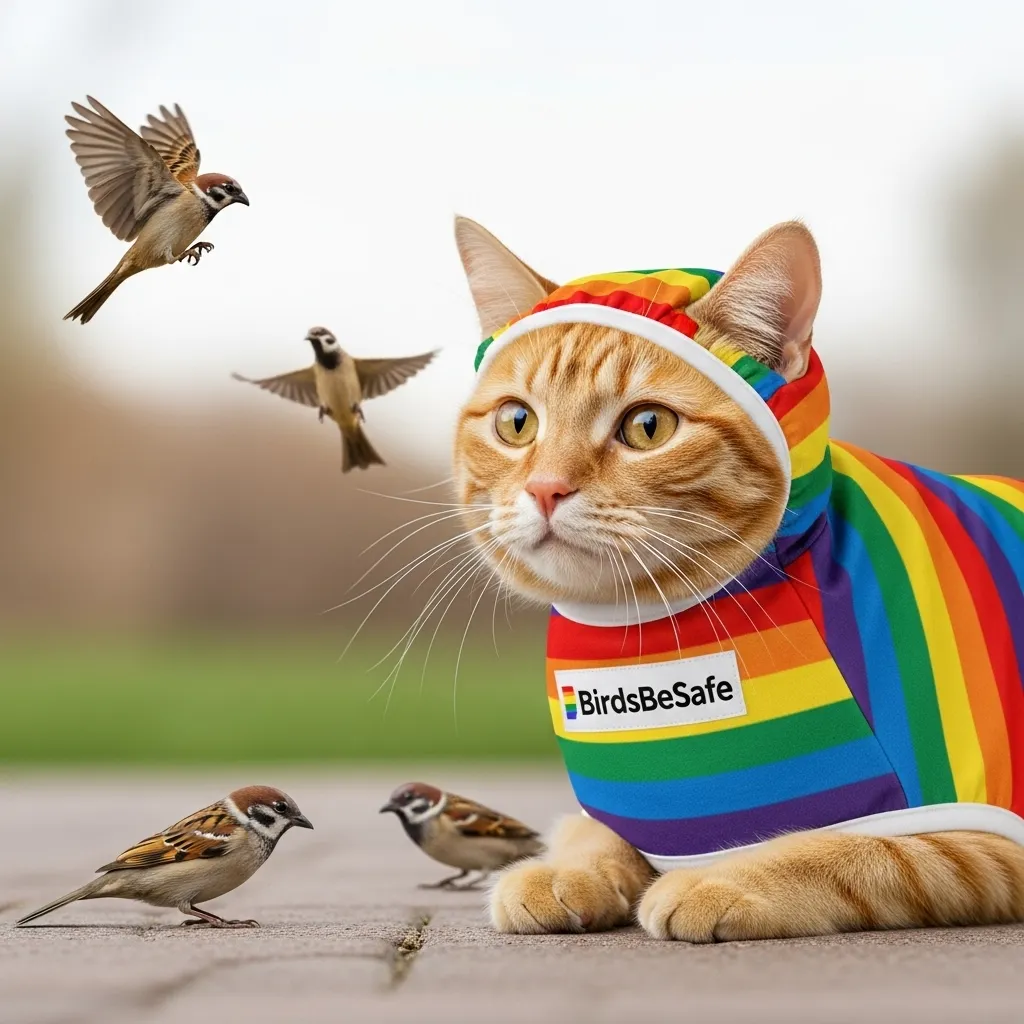
Cats are still the #1 human-related cause of bird mortality in many countries (billions per year worldwide). Bells help, but stealthy cats quickly learn to move slower or freeze when prey is close, reducing the bell’s warning effect. The most effective wildlife-protection tool is actually the colorful “BirdsBeSafe” collar cover (more on that later), which uses bright patterns birds can see from far away, not sound.
Bottom line: A bell alone is better than nothing for outdoor cats, but it’s not a magic fix.
The Hidden Downsides Most Articles Ignore
1. Stress and Anxiety from Constant Noise
Some cats couldn’t care less about the jingle. Others hate it. Signs your cat is stressed by the bell:
- Excessive grooming or hair loss around the neck
- Trying to back out of the collar repeatedly
- Hiding more than usual after putting it on
- Freezing in place when the bell rings (learned helplessness)
Breeds like Bengals, Siamese, and many rescued former ferals tend to be extra sensitive to repetitive sounds.
2. Potential Long-Term Hearing Damage
A 2022 veterinary study measured decibel levels of common cat bells at 70–90 dB right next to the cat’s ear, every single time they move. That’s equivalent to living next to a busy road. Over years, this can contribute to high-frequency hearing loss, especially in older cats.
3. “Where’s my cat?” vs actual safety
Many indoor-cat owners say they keep the bell “so I can hear where he is.” Fair, but modern alternatives like AirTags, Tile trackers, or lightweight GPS now do the job without the noise.
Should Indoor Cats Wear Bells at All?
Short answer: Usually not necessary.
Indoor cats don’t hunt wildlife, and the risk of them getting outside and lost is far lower if you have proper ID (microchip + visible tag).
Exceptions where indoor cats benefit from a very quiet bell:
- Multi-cat households where one cat bullies others; the bell gives the victim a heads-up.
- Deaf or elderly owners who rely on sound to locate their cat quickly.
- Cats that love to hide in dangerous spots (inside recliners, dryers, etc.).
If you do choose a bell for an indoor cat, go for an enclosed “silent” or fish-shaped bell that only makes a soft thud.
Types of Cat Collars with Bells – 2025 Edition
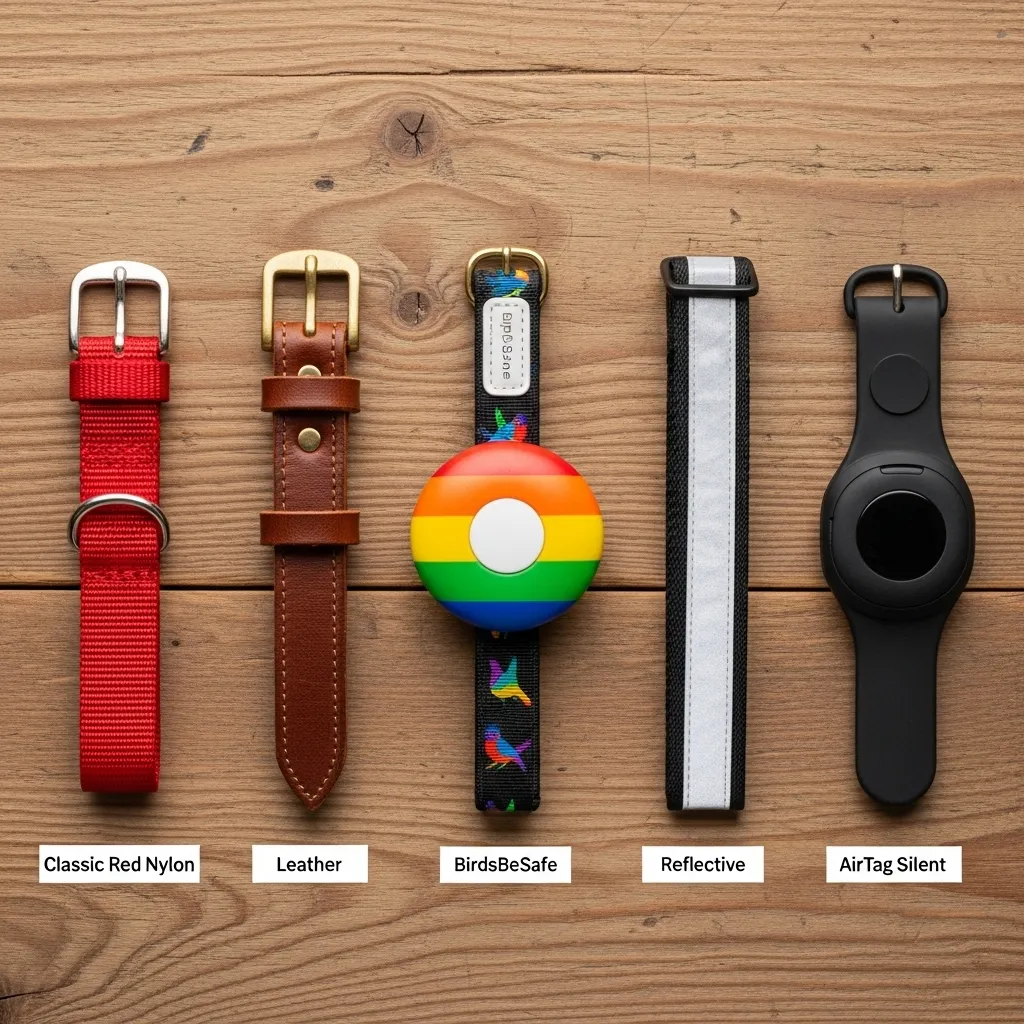
| Type | Bell Sound Level | Breakaway? | Best For | Price Range |
|
|—————————–|——————|————|———————————–|————–|
| Classic nylon + metal bell | Loud | Sometimes | Budget outdoor cats | $5–12 |
| Leather breakaway + bell | Medium | Yes | Stylish indoor/outdoor | $15–30 |
| BirdsBeSafe collar cover + tiny bell | Very soft | Yes | Maximum bird protection | $25–35 |
| Reflective breakaway with enclosed bell | Soft thud | Yes | Night visibility + quiet | $12–22 |
| AirTag-compatible silent collar | No bell | Yes | Indoor cats who escape sometimes | $20–40
How to Introduce a Bell Collar Without Traumatizing Your Cat (Step-by-Step)
- Let them sniff and rub on the new collar for 2–3 days while it’s off.
- Attach only the collar (no bell) for 2 days so they get used to the feel.
- Add the bell for short supervised sessions (10–15 min), paired with treats or play.
- Gradually increase wearing time. If they freeze or groom excessively, remove the bell and try a quieter version.
- Never force it. Some cats simply won’t tolerate bells; respect that.
Pro tip: Rub the collar on your cat’s favorite blanket first so it smells like home.
For more detailed collar-training steps, check our guide on cat collar fit and introduction.
Are Bells Safe for Kittens?
Not before 5–6 months, and only with extreme caution.
Kitten necks grow fast; a bell collar can become dangerously tight within days. Always choose a true breakaway design and check fit twice a week. Many vets recommend waiting until the kitten is fully vaccinated and microchipped before any collar at all.
Modern Alternatives to Traditional Bells
- BirdsBeSafe collar covers – bright colors birds see from 100+ feet.
- Silent or enclosed bells – barely audible to humans, still gives you location sound.
- GPS trackers (Tractive, Jiobit, Apple AirTag holders) – zero noise, real-time location.
- Colorful reflective collars without bells – great for visibility if cat escapes.
- Purrsistent “quiet bells” or magnetic bells that only ring when the cat pounces.
Final Verdict: To Bell or Not to Bell in 2025?
- Outdoor or indoor/outdoor cat in a bird-heavy area → Yes to a bell or BirdsBeSafe cover.
- Strictly indoor, chill personality → Skip the bell, use a silent ID collar or tracker
- Anxious, noise-sensitive, or senior cat → Remove the bell immediately
- Kitten under 6 months → Wait
Your cat’s personality matters more than any rule. Watch their body language the first week; they’ll tell you loud and clear (pun intended) whether the jingle stays or goes.
Whatever you choose, make sure it’s breakaway, fits two fingers snugly, and has up-to-date ID. Your cat’s comfort and safety always come before tradition.
Happy (and hopefully quieter) collar shopping!
Frequently Asked Questions About Cat Collar Bells
Should indoor cats wear collars with bells?
No, unless you specifically need to hear them. A plain breakaway collar with ID tag is safer and quieter.**
Do bells on cat collars really save birds?
They reduce successful hunts by 34–50 %, but colorful BirdsBeSafe covers work even better.**
Can the bell hurt my cat’s hearing?
Possibly over many years. Choose low-decibel or enclosed bells if you’re concerned.**
What is the quietest bell collar?
Reflective breakaway collars with fish-shaped enclosed bells or magnetic “pounce” bells are almost silent.**
Should I take the bell off my cat’s collar at night?
Many owners do for peaceful sleep. Just put it back on in the morning; cats adjust fast.
Are there eco-friendly cat collars with bells?
Yes – look for recycled materials and non-toxic dyes. We list our current favorites here.**
Got a super clingy cat who follows you everywhere? Read our deep dive: Why Won’t My Cat Leave Me Alone – The Surprising Reasons Behind Velcro Behavior.
Stay curious, keep your kitty safe, and I’ll see you in the next guide!
Cat Bloom Haven Team