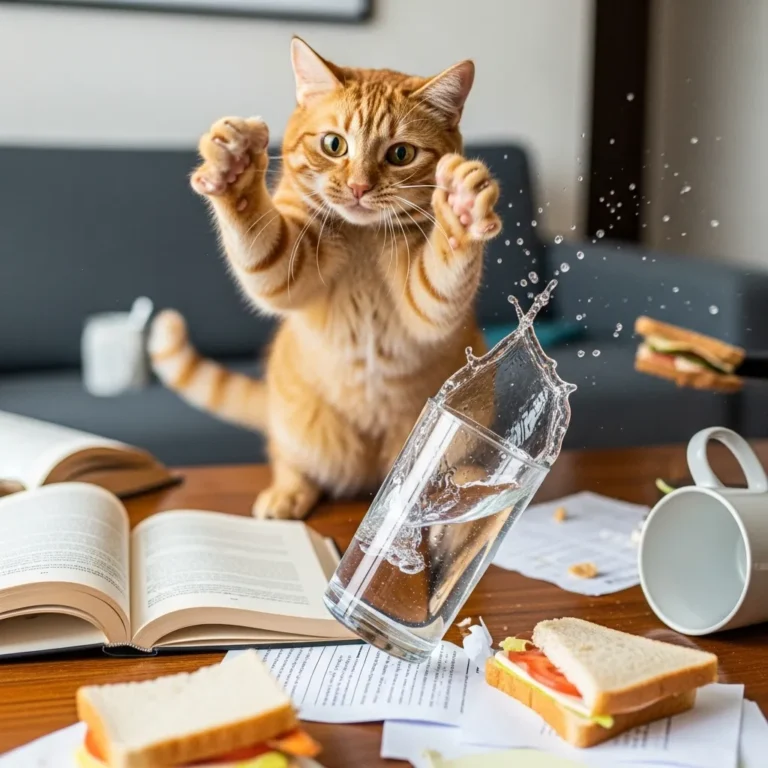
Why Does My Cat Meow When I Cough? Decoding Feline Reactions to Human Sounds
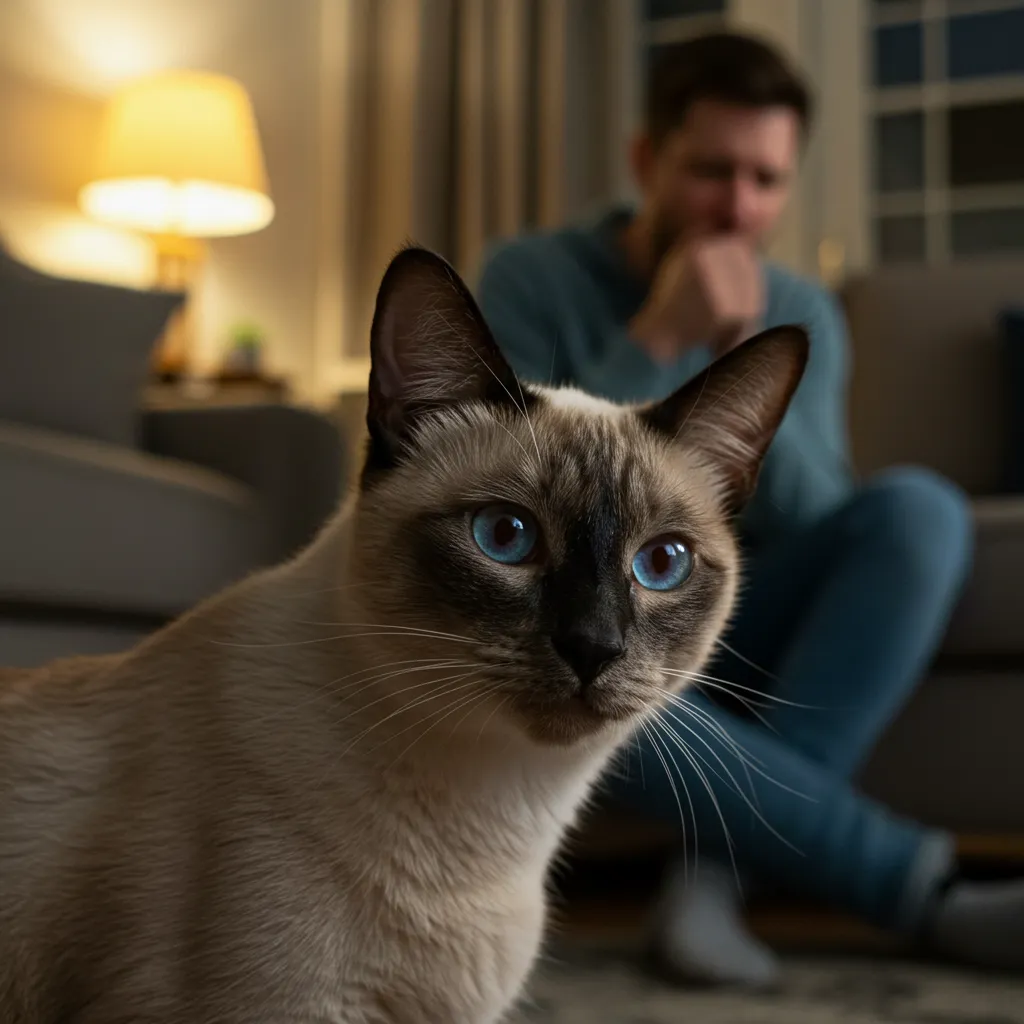
Have you ever coughed and noticed your cat instantly meow back, almost like they’re responding to you? It’s a quirky behavior that leaves many cat owners puzzled, wondering, “Why does my cat meow when I cough?” At Cat Bloom Haven, we’re diving deep into this fascinating feline quirk to uncover the reasons behind it.
From mimicry to attention-seeking, we’ll explore why your cat might vocalize when you let out a cough, offering expert insights and practical tips to strengthen your bond with your furry friend. By the end, you’ll understand your cat’s behavior better and know how to respond to their curious meows.
Key Takeaways: What You’ll Learn About Your Cat’s Meowing
- Cats may meow when you cough due to mimicry, surprise, attention-seeking, or emotional responses.
- Understanding your cat’s body language can reveal their intentions behind vocalizing.
- Breeds like Siamese and Bengal may be more vocal or reactive to sounds like coughing.
- Simple steps can help manage or encourage your cat’s reactions to your coughs.
- Strengthening the feline-human bond can reduce stress-related meowing.
Why Cats Meow: The Basics of Feline Communication
Before we dive into why your cat meows when you cough, let’s cover the basics of feline vocalization. Cats meow primarily to communicate with humans, not other cats. According to veterinary behaviorists, meowing is a learned behavior that cats develop to interact with their owners. Unlike wild felines, domestic cats use meows to express needs, emotions, or reactions.
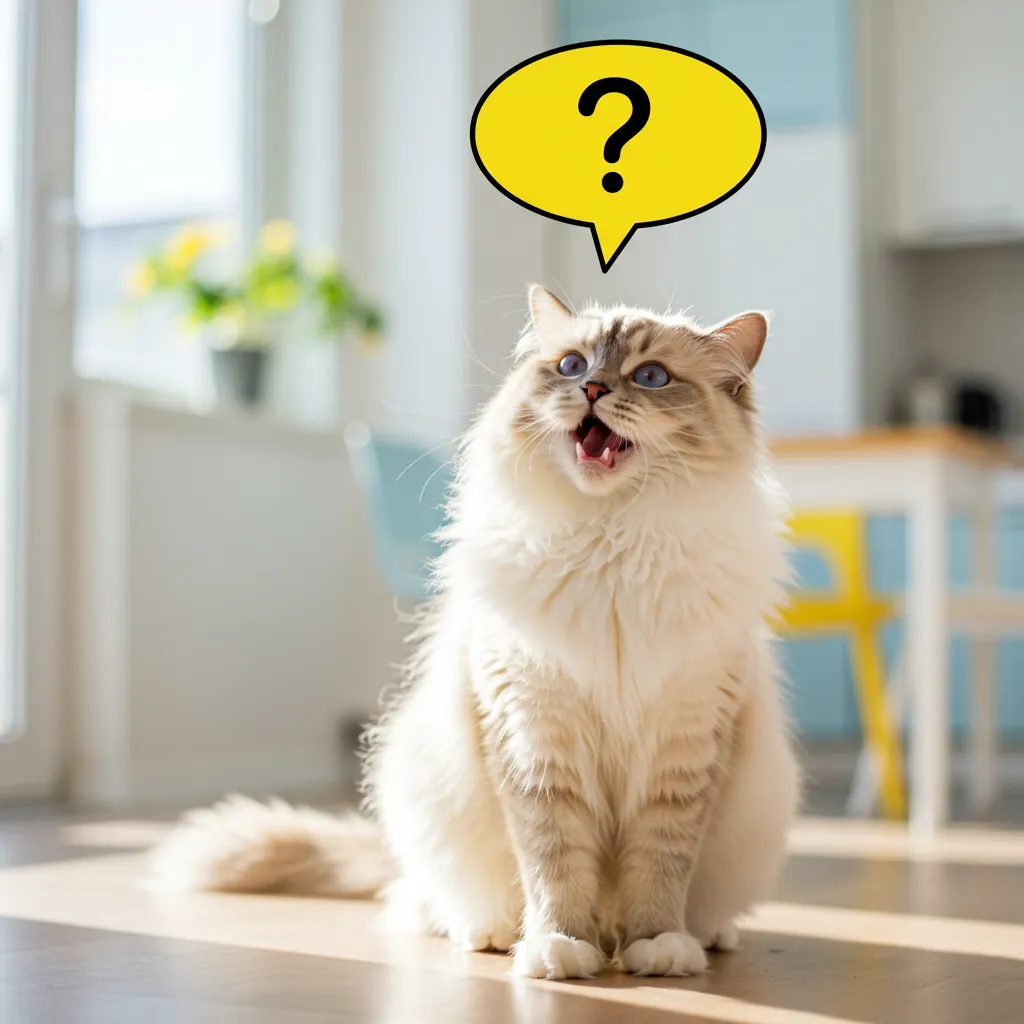
For a deeper dive into feline communication, check out our guide on Understanding Cat Communication. Here are the main reasons cats meow:
- Hunger or Thirst: Requesting food or water.
- Attention-Seeking: Wanting playtime or affection.
- Discomfort or Stress: Signaling pain, anxiety, or environmental issues.
- Greeting or Acknowledgment: Saying “hello” or responding to stimuli.
When your cat meows after your cough, they’re likely reacting to the sound or its context. Let’s explore the specific reasons behind this behavior.
Theories Behind Your Cat Meowing When You Cough
Cats are highly perceptive creatures, and a cough—a sudden, sharp sound—can trigger various responses. Here are the leading theories on why your cat meows when you cough, backed by feline behavior insights.
1. Mimicry: Is Your Cat Copying You?
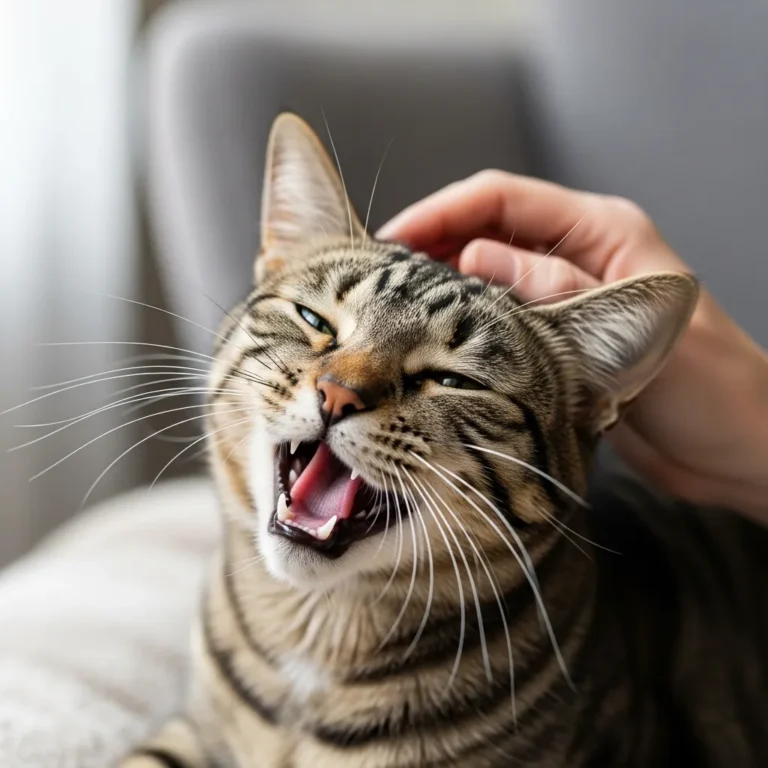
Cats are surprisingly good at mimicry, especially vocal breeds like Siamese or Bengal. When you cough, your cat might interpret it as a sound worth mimicking, especially if they associate it with you. This behavior stems from their social learning instincts, where they observe and replicate human actions to bond or communicate.
- Why It Happens: Cats like Siamese, known for their vocal nature, may mimic your cough to engage with you. Studies suggest cats can learn behaviors by observing humans, much like they learn from their mothers as kittens.
- Example: If you cough and your cat responds with a short, sharp meow, they might be trying to “talk back” in a playful or curious way.
- Breed-Specific Note: Breeds like Siamese or Bengal are more prone to vocal mimicry due to their chatty personalities.
Explore more about Bengal Cat Personality to see if your cat’s breed plays a role.
2. Startled Response: Coughing as a Loud Noise
A cough is a loud, abrupt sound that can startle a cat, especially if they’re relaxed or sleeping. Cats have sensitive hearing, with a range of 48 Hz to 85 kHz (compared to humans’ 20 Hz to 20 kHz), making them hyper-aware of sudden noises. Your cat’s meow might be an instinctive reaction to being startled.
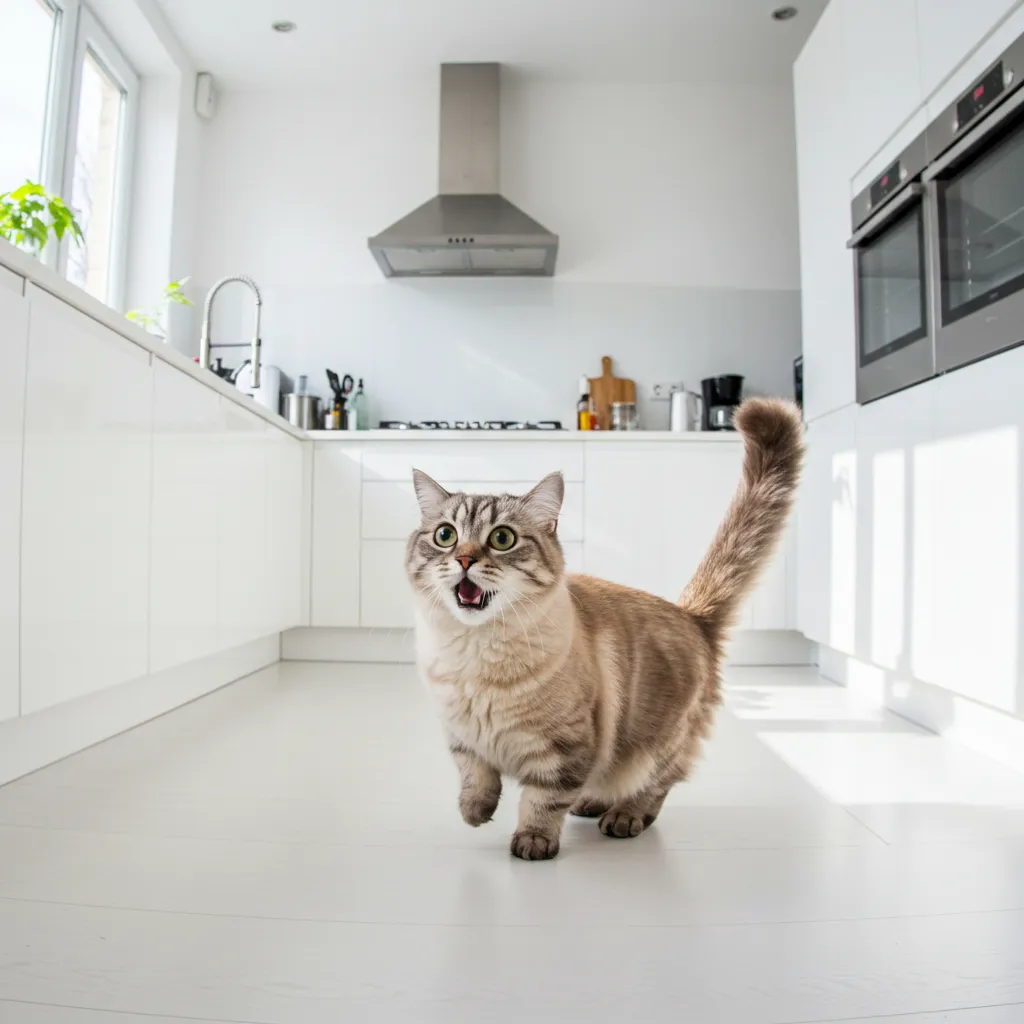
- Signs of Startle: Look for widened eyes, flattened ears, or a puffed tail alongside the meow. These are classic signs of a startled cat, as explained in our Understanding Cat Body Language guide.
- What to Do: If your cat seems startled, give them space to calm down. Avoid sudden movements and offer a soothing voice or treat to reassure them.
- Fun Fact: Cats may also react similarly to sneezing. Learn more in our article on Why Does My Cat Sneeze on Me?.
3. Attention-Seeking Behavior: Your Cough as a Cue
Cats are masters at getting your attention, and a cough might signal a chance for interaction. If your cat meows when you cough, they might see it as an opportunity to engage, especially if they’re bored or craving playtime.
- Why It Happens: Cats learn patterns. If you often respond to their meows after coughing (e.g., by petting or talking to them), they’ll associate coughing with attention.
- Example: Your cat might meow and then rub against you, signaling they want play or affection. This is common in breeds like Ragdoll or Maine Coon, known for their social nature.
- Tip: Redirect their attention with a toy or activity. Discover fun ways to keep your cat engaged in our Keep Siamese Cats Entertained guide.
4. Emotional Response: Concern or Disapproval
Cats form strong emotional bonds with their owners, and some may meow to express concern or disapproval when you cough. While it’s tempting to anthropomorphize, feline behaviorists note that cats can pick up on changes in your health or behavior, reacting with vocalizations.
- Concern: If you’re coughing frequently (e.g., during a cold), your cat might sense something’s off and meow to check on you. This is especially true for breeds with strong feline-human bonds, like Ragdolls.
- Disapproval: A sharp meow paired with a stare or turned ears might indicate your cat finds the cough disruptive. This is their way of saying, “Hey, keep it down!”
- What to Watch For: Notice their body language. A slow blink might signal affection or concern, while a flicking tail could mean irritation. Learn more in our Cat Tail Language Guide.
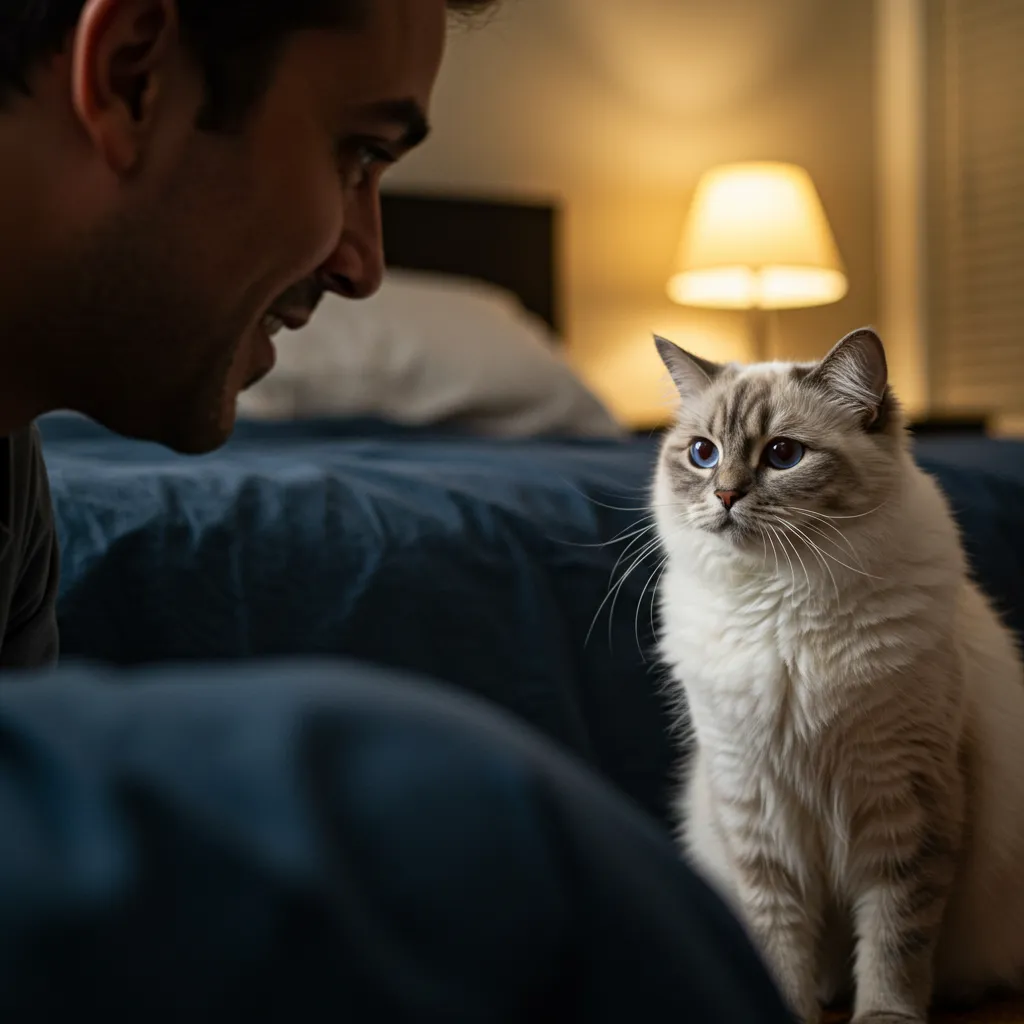
5. Breed-Specific Reactions
Certain breeds are more vocal or sensitive to sounds, influencing how they react to your cough. Here’s a quick table summarizing breed tendencies:
| Breed | Vocal Tendency | Likely Reaction to Cough |
|---|---|---|
| Siamese | Very High | Mimicry or attention-seeking meow |
| Bengal | High | Curious or startled meow |
| Ragdoll | Moderate | Concerned or affectionate meow |
| Munchkin | Moderate | Playful or startled response |
| Norwegian Forest Cat | Low | Subtle or rare meowing |
For breed-specific care tips, explore our Cat Breeds & Personalities guide.
Understanding Your Cat’s Body Language During Coughing
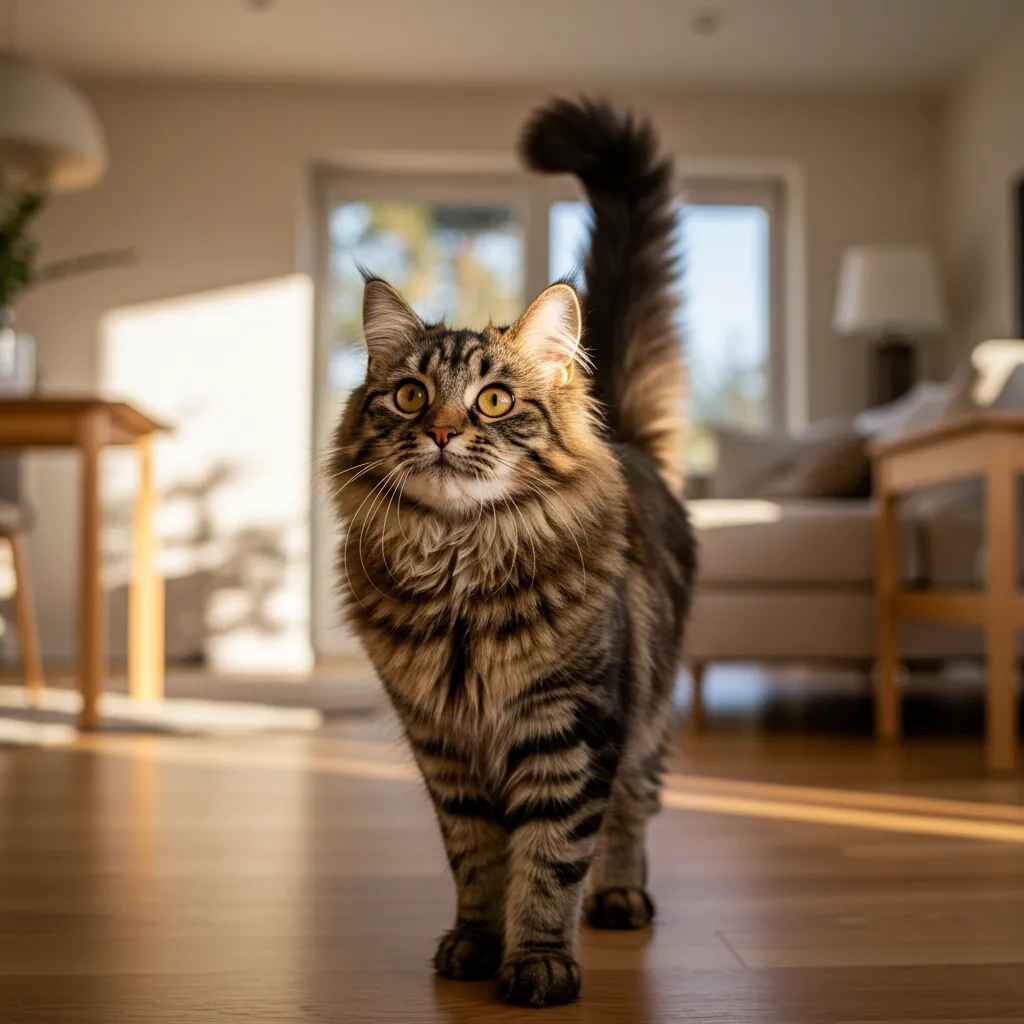
Your cat’s meow is just one piece of the puzzle. Their body language provides clues about why they’re vocalizing. Here’s what to look for when your cat meows after you cough:
- Ears: Forward ears indicate curiosity or playfulness; flattened ears suggest fear or annoyance.
- Eyes: Wide eyes might mean surprise, while slow blinks signal trust or affection.
- Tail: A puffed tail indicates a startled reaction, while a raised tail shows confidence or excitement.
- Posture: A crouched body might mean they’re startled, while rubbing against you suggests they want attention.
For a deeper dive, check out our Understanding Cat Body Language article to decode your cat’s signals.
Why Some Cats Are More Reactive to Coughing
Not all cats meow when you cough, so what makes some more responsive? Here are key factors:
- Personality: Outgoing cats, like American Shorthairs, may meow more due to their playful nature.
- Environment: Cats in quiet homes might be more startled by a cough than those in noisy settings.
- Bond with Owner: Cats with strong bonds, like those discussed in Ragdoll Cat Bond Building, may react more to your sounds.
- Health or Sensitivity: Cats with heightened anxiety or health issues (e.g., Munchkin Cat Health Issues) might be more reactive to sudden noises.
If your cat’s reaction seems excessive, consult a vet to rule out stress or health concerns. Learn more in our Cat Health Care guide.
Practical Tips to Manage Your Cat’s Meowing
If your cat’s meowing when you cough is disruptive or concerning, try these vet-backed strategies:
- Desensitize to Sounds: Gradually expose your cat to soft coughing sounds in a calm setting, rewarding them with treats to reduce startle responses.
- Engage Their Attention: Offer toys or playtime before you’re likely to cough (e.g., during a cold) to keep them distracted. Check out Munchkin Cat Playfulness for toy ideas.
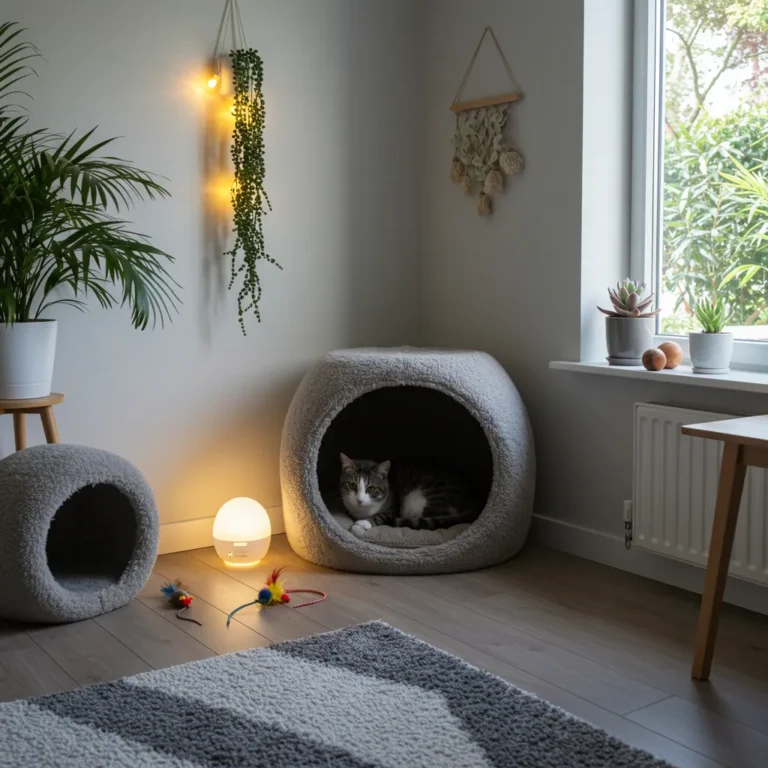
- Create a Calm Environment: Use calming pheromones or a cozy bed to reduce anxiety. Explore our Best Beds for Munchkin Cats for inspiration.
- Monitor Health: If meowing seems tied to stress or health changes, schedule a vet visit. Our Finding the Best Vet for Your Cat guide can help.
- Strengthen Your Bond: Spend quality time with your cat to build trust, reducing attention-seeking meows. Learn bonding tips in Ragdoll Cat Bond Building.
Fun Facts: Cats and Human Sounds
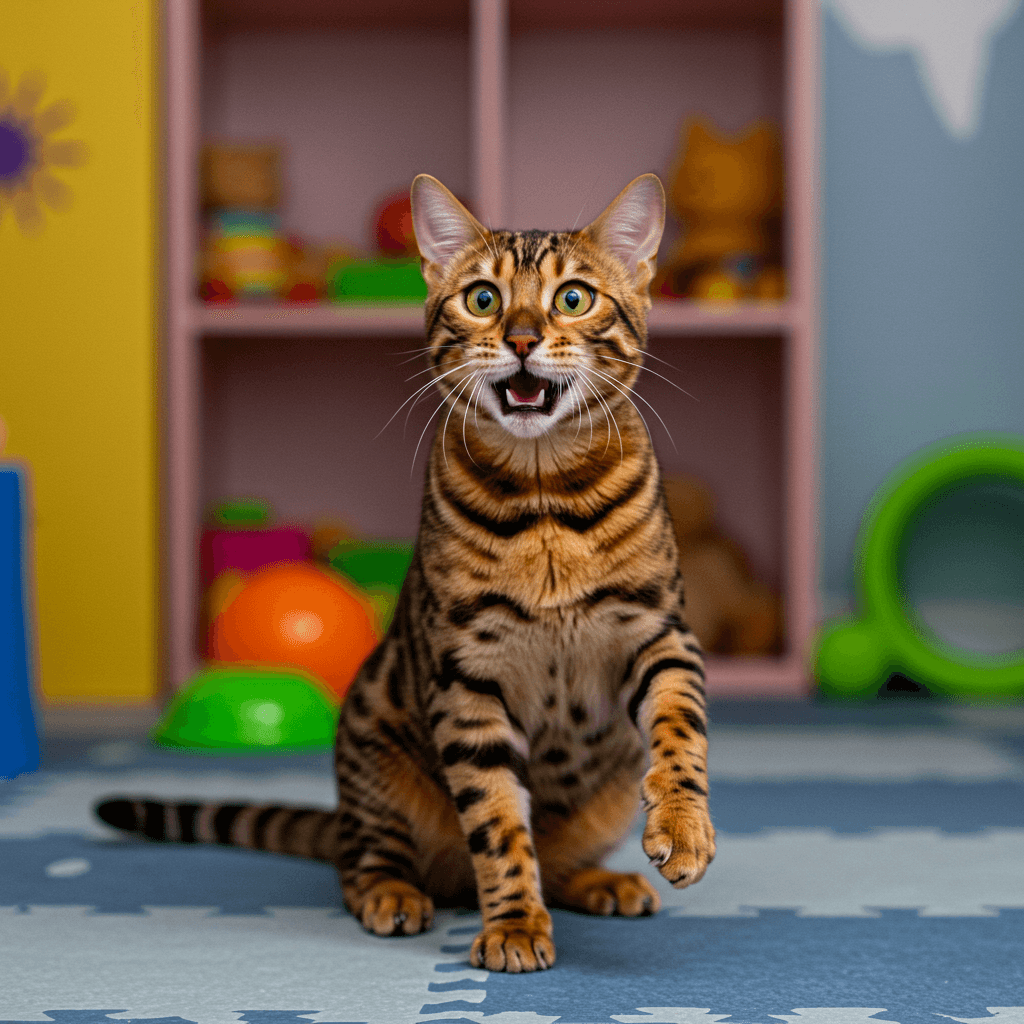
Cats reacting to coughing isn’t just a quirky behavior—it’s gone viral on platforms like TikTok! Here are some fun insights:
- Viral Cat Reactions: Search “cat reacts to coughing” on TikTok, and you’ll find countless videos of cats meowing, running, or even “scolding” their owners for coughing.
- Mimicry Masters: Some cats mimic sneezes or laughs, too! It’s their way of joining the conversation.
- Cultural Connection: In some cultures, cats meowing at human sounds are seen as signs of empathy or protection.
For more quirky behaviors, check out our Weird Cat Behaviors Explained article.
FAQ: Quick Answers to Common Questions
Why does my cat meow when I cough?
Your cat might meow due to mimicry, being startled, seeking attention, or expressing concern. Observe their body language to understand their intent.
Do cats mimic human behavior?
Yes, especially vocal breeds like Siamese or Bengal. Cats learn by observing humans and may mimic sounds like coughing to bond or communicate.
Why is my cat startled by my cough?
Cats have sensitive hearing, and a sudden cough can startle them, especially in quiet environments. Look for signs like widened eyes or a puffed tail.
Is my cat seeking attention when they meow at my cough?
Possibly! Cats often meow to get your attention, especially if they associate your cough with interaction. Redirect with playtime or toys.
Can cats express annoyance when I cough?
Yes, a sharp meow with a flicking tail or turned ears might signal disapproval or irritation at the sudden noise.
How can I stop my cat from meowing when I cough?
Desensitize them to the sound, provide distractions like toys, or create a calm environment with cozy beds or pheromones.
For more behavior tips, explore our Cat Training & Behavior guide.
Conclusion: Strengthen Your Bond with Your Cat
Your cat’s meow when you cough is more than just a funny quirk—it’s a window into their personality, emotions, and bond with you. Whether they’re mimicking you, seeking attention, or simply startled, understanding their behavior can deepen your connection. By observing their body language, creating a calm environment, and engaging with them thoughtfully, you can turn these moments into opportunities for bonding.
Ready to learn more about your cat’s unique behaviors? Explore our expert guides at Cat Bloom Haven for tips on everything from Cat Tail Language to Why Cats Burrow Under Blankets. Keep your feline friend happy, healthy, and understood!