Why Is My Cat Wheezing? Causes, Solutions, and Expert Care Tips
Hearing your cat wheeze can be alarming. That high-pitched, raspy sound isn’t just unsettling—it could signal an underlying health issue. If you’re wondering, “Why is my cat wheezing?” you’re not alone. Cat wheezing is a common concern for pet owners, often pointing to respiratory problems, allergies, or even stress. This comprehensive guide dives deep into the causes of wheezing in cats, what to do about it, and how to keep your feline friend’s lungs healthy. From vet-backed solutions to practical home care tips, you’ll find everything you need to help your cat breathe easier.
Key Takeaways
- Wheezing Defined: A high-pitched or whistling sound when your cat breathes, often indicating a respiratory issue.
- Common Causes: Asthma, allergies, infections, hairballs, or stress can trigger wheezing.
- When to Act: Persistent wheezing, open-mouth breathing, or lethargy requires immediate vet attention.
- Solutions: Treatments range from vet-prescribed medications to home remedies like air purifiers.
- Prevention: Regular vet checkups, a clean environment, and stress management support feline respiratory health.
- Explore More: Discover more tips in our cat health care guide.
What Does Cat Wheezing Sound Like?
Wheezing in cats is a distinct, high-pitched sound during breathing, often described as whistling or rasping. It’s different from normal purring or occasional sneezing. You might notice it when your cat exhales, though it can happen during inhalation too. Here’s how to identify it:
- Sound: A sharp, whistle-like noise, sometimes faint, sometimes loud.
- Accompanying Signs: Coughing, labored breathing, or reduced activity.
- Frequency: Occasional wheezing might be harmless, but frequent or persistent wheezing is a red flag.
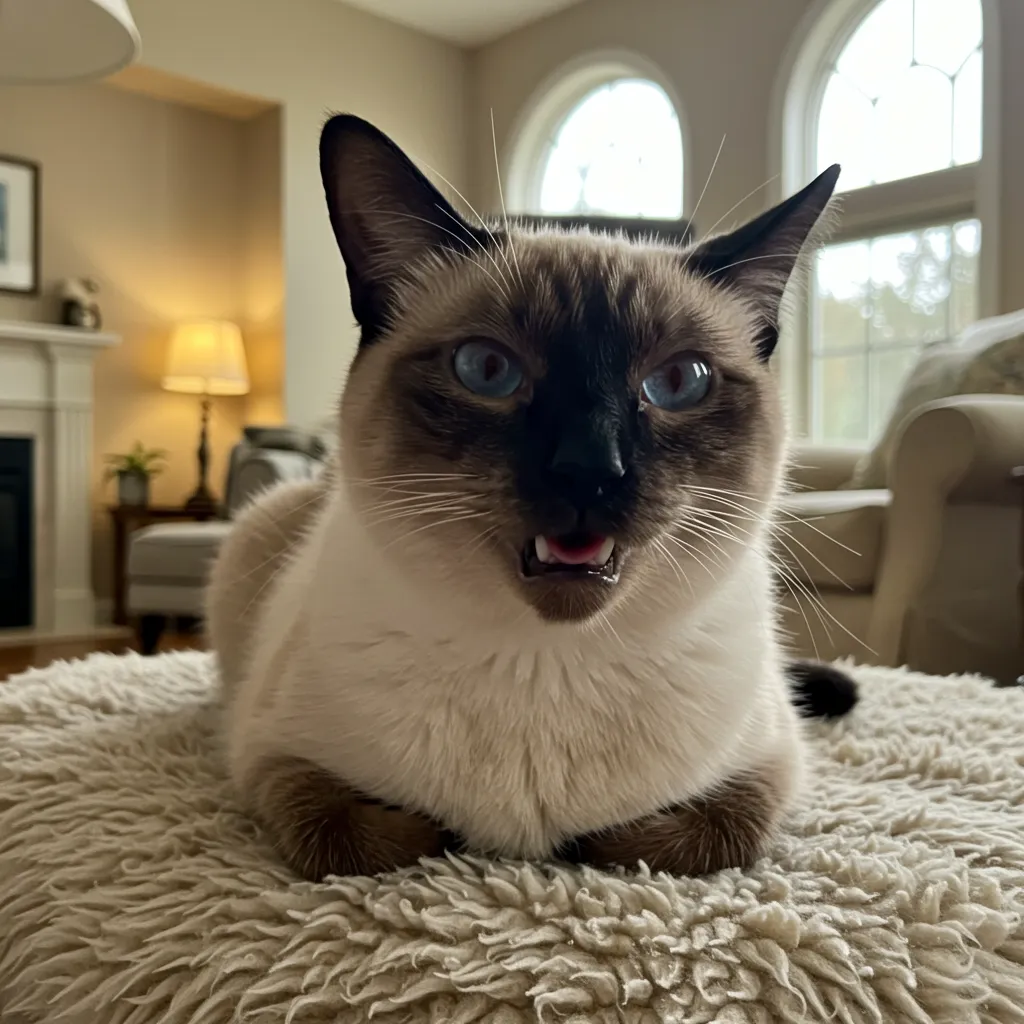
For example, Sarah, a cat owner in Seattle, noticed her Siamese, Luna, making a soft whistling sound after playing. Initially, she thought it was normal, but when Luna started coughing, a vet visit revealed mild asthma. Recognizing these signs early can make all the difference.
Why Is My Cat Wheezing? Top Causes Explained
Wheezing in cats can stem from various issues, ranging from minor to serious. Below are the most common causes, with insights to help you pinpoint what’s affecting your cat.
1. Feline Asthma
Feline asthma is one of the leading causes of wheezing in cats, affecting about 1–5% of felines. It’s a chronic condition where the airways inflame and narrow, making breathing difficult.
- Symptoms: Wheezing, coughing, rapid breathing, or open-mouth breathing.
- Triggers: Pollen, dust, smoke, or stress.
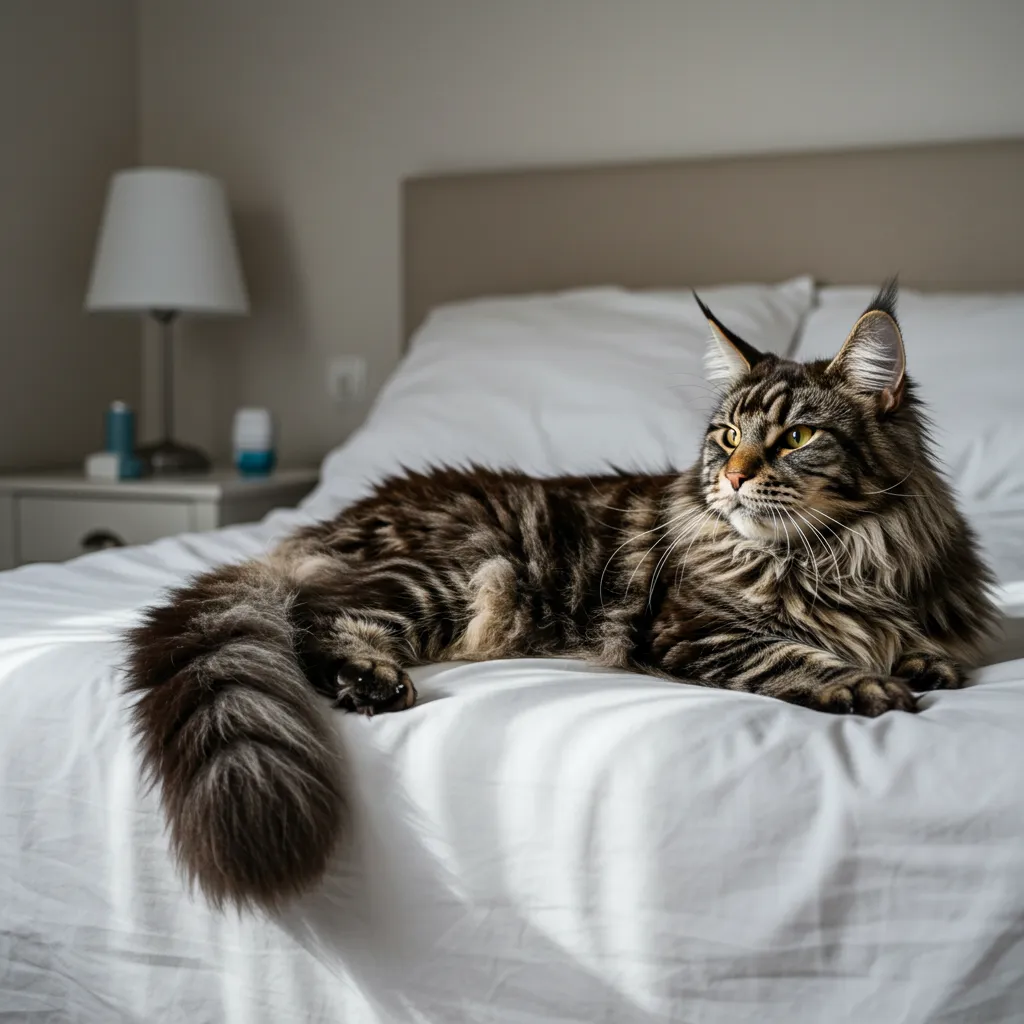
- Example: A Maine Coon named Max began wheezing during spring. His owner noticed it worsened near open windows, suggesting pollen as a trigger.
What to Do: A vet may prescribe inhalers or corticosteroids. Learn more in our feline asthma management guide.
2. Respiratory Infections
Upper respiratory infections (URIs), often caused by viruses like feline herpesvirus or calicivirus, can lead to wheezing. These are especially common in multi-cat households or shelters.
- Symptoms: Sneezing, nasal discharge, wheezing, or fever.
- Causes: Viral or bacterial infections, often contagious.
- Vet Tip: Dr. Emily Carter, a feline veterinarian, notes that URIs are treatable but can worsen without care, especially in kittens or senior cats.
What to Do: Antibiotics for bacterial infections or supportive care for viral ones. Keep your cat’s environment clean to prevent spread.
3. Allergies in Cats
Just like humans, cats can suffer from allergies to pollen, dust, mold, or even certain foods, leading to wheezing or noisy breathing.
- Triggers: Household dust, scented litter, or chemical cleaners.
- Symptoms: Wheezing, sneezing, itchy skin, or watery eyes.
- Example: A Ragdoll named Bella started wheezing after her owner switched to a scented candle. Switching to unscented products helped.

What to Do: Identify and remove allergens. Consider air purifiers for cats with allergies. Explore our guide on common cat allergies and treatments.
4. Hairballs vs. Wheezing
Hairballs are a frequent culprit for coughing or wheezing-like sounds, especially in long-haired breeds like Persians or Norwegian Forest Cats.
- How It Happens: Hair accumulates in the stomach, causing irritation and coughing that mimics wheezing.
- Symptoms: Gagging, retching, or vomiting hairballs.
- Differentiating: Hairball coughing is episodic, while wheezing is often persistent.
What to Do: Regular grooming and hairball remedies can help. Check out our tips on managing hairballs.
5. Stress and Breathing Issues
Stress can exacerbate or even cause wheezing in sensitive cats, particularly breeds like Siamese known for anxiety.
- Triggers: Moving, new pets, or loud noises.
- Symptoms: Wheezing, hiding, or changes in appetite.
- Example: After a move, a Bengal named Jasper began wheezing. Calming techniques like pheromone diffusers reduced his symptoms.

What to Do: Create a calm environment and monitor for other stress signs. Learn more in our guide on cat stress signs.
6. Other Causes
- Heartworm: Rare but serious, heartworm can cause wheezing and coughing.
- Foreign Objects: Inhaled grass or small objects can obstruct airways.
- Obesity: Excess weight can strain breathing, especially in breeds like Ragdolls. See our Ragdoll cat obesity guide.
When to Worry: Red Flags for Cat Wheezing
Not all wheezing requires a vet visit, but certain signs indicate a need for immediate care:
| Symptom | Action |
|---|---|
| Persistent wheezing | Schedule a vet visit |
| Open-mouth breathing | Emergency vet visit |
| Lethargy or loss of appetite | Urgent vet consultation |
| Blue gums or tongue | Immediate emergency care |
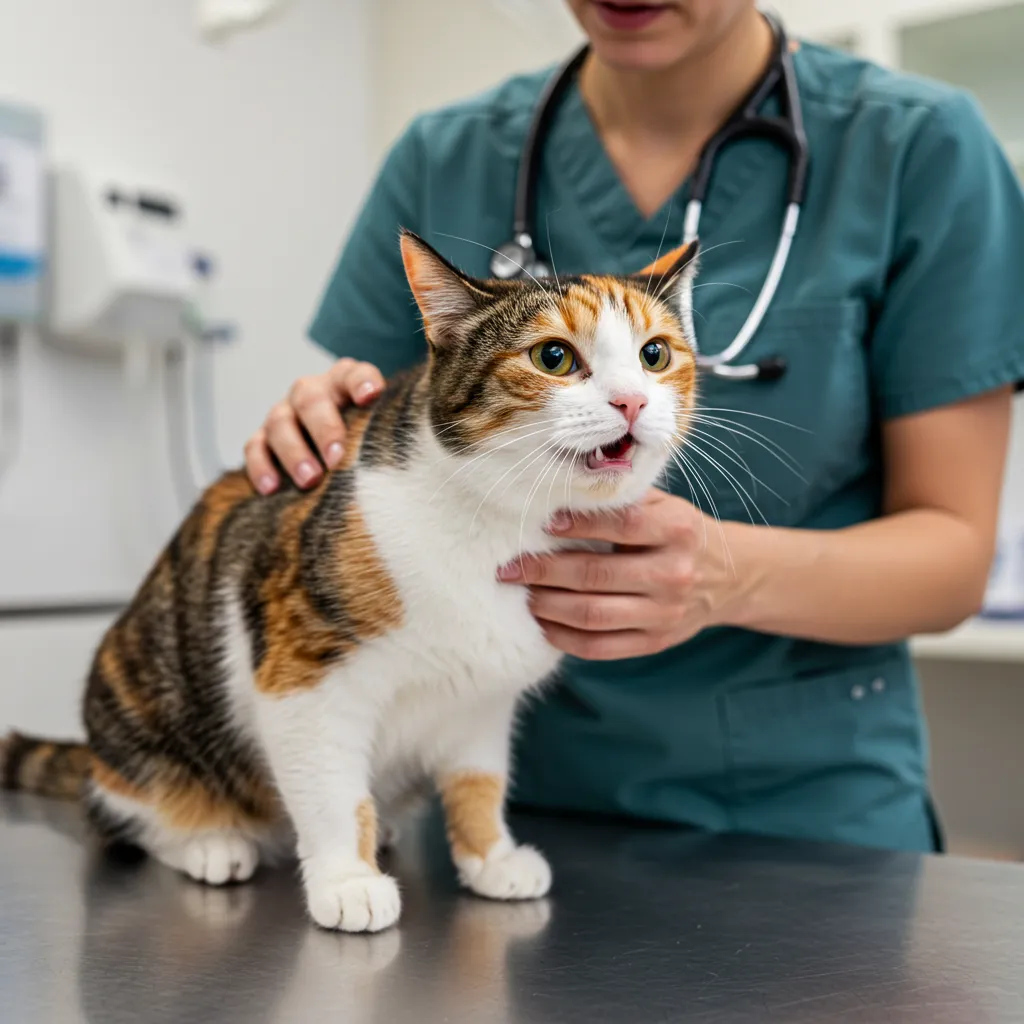
If your cat shows these signs, don’t wait. Find tips on choosing the best vet.
What to Do If Your Cat Is Wheezing
Acting quickly can prevent complications. Here’s a step-by-step guide to address cat wheezing:
1. Observe and Document
- Note the frequency, duration, and triggers of wheezing.
- Check for other symptoms like sneezing or coughing.
- Example: Keep a log like, “Wheezing after playing in dusty attic, lasts 10 minutes.”
2. Create a Safe Environment
- Remove potential allergens like scented candles or dusty litter.
- Use a high-quality air purifier. Explore the best air purifiers for cats with allergies.
- Ensure proper ventilation in your home.
3. Try Home Remedies (With Caution)
- Humidifiers: Add moisture to dry air to ease breathing.
- Grooming: Regular brushing reduces hairballs.
- Stress Relief: Use calming pheromone diffusers or toys.
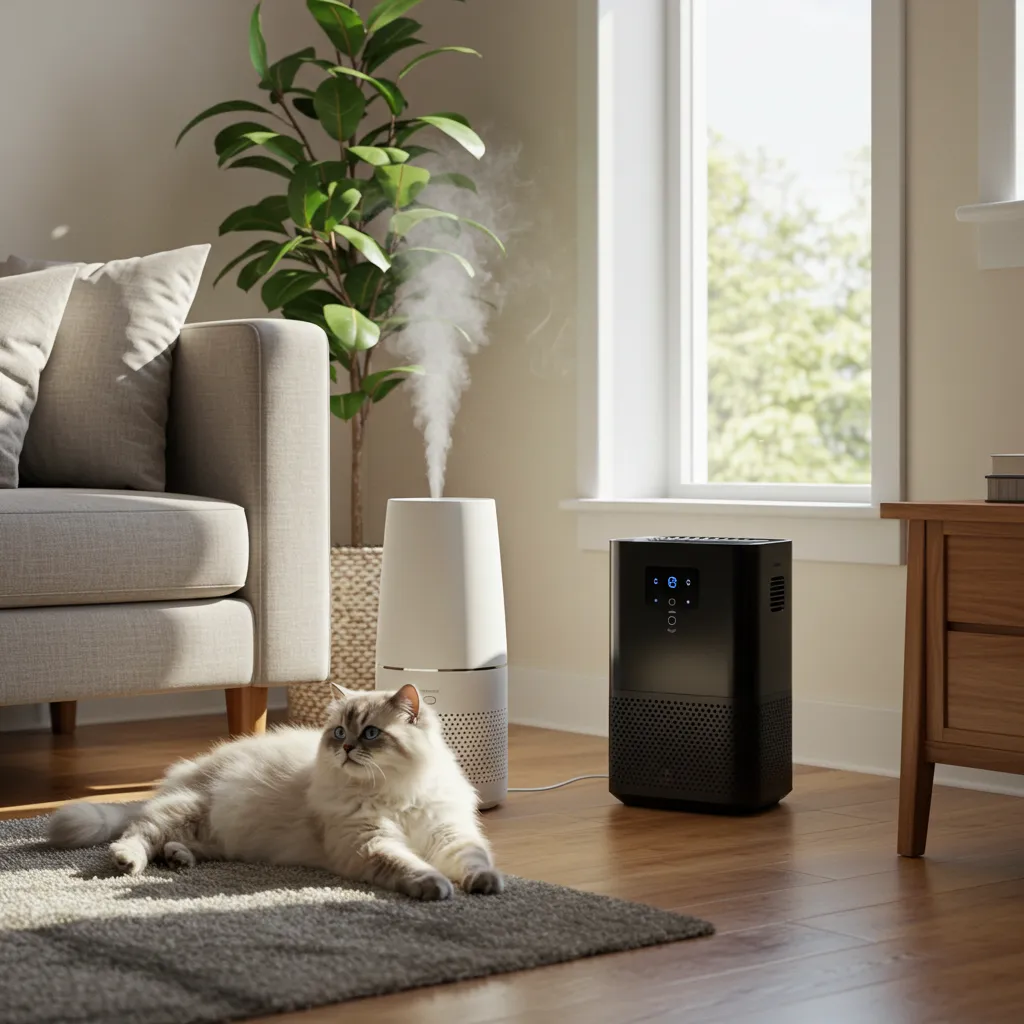
Note: Home remedies are not a substitute for vet care. Always consult a professional for persistent issues.
4. Schedule a Vet Visit
A vet will likely:
- Perform a physical exam and listen to your cat’s lungs.
- Run tests like X-rays, bloodwork, or allergy tests.
- Prescribe medications like bronchodilators or antibiotics.
5. Follow Treatment Plans
- Administer medications as prescribed.
- Monitor your cat’s response and report changes to the vet.
- Example: For asthma, inhalers like Flovent are common and effective.
Holistic and Natural Remedies for Cat Wheezing
For cat owners seeking natural approaches, here are vet-approved options to complement medical treatment:
- Omega-3 Supplements: Reduce inflammation in the airways. Look for fish oil formulated for cats.
- Herbal Support: Some vets recommend licorice root (under supervision) for mild respiratory relief.
- Air Quality: Use HEPA air purifiers to reduce allergens. Brands like Levoit or Dyson are pet-friendly.
- Stress Management: Feliway diffusers or calming treats can help anxious cats breathe easier.
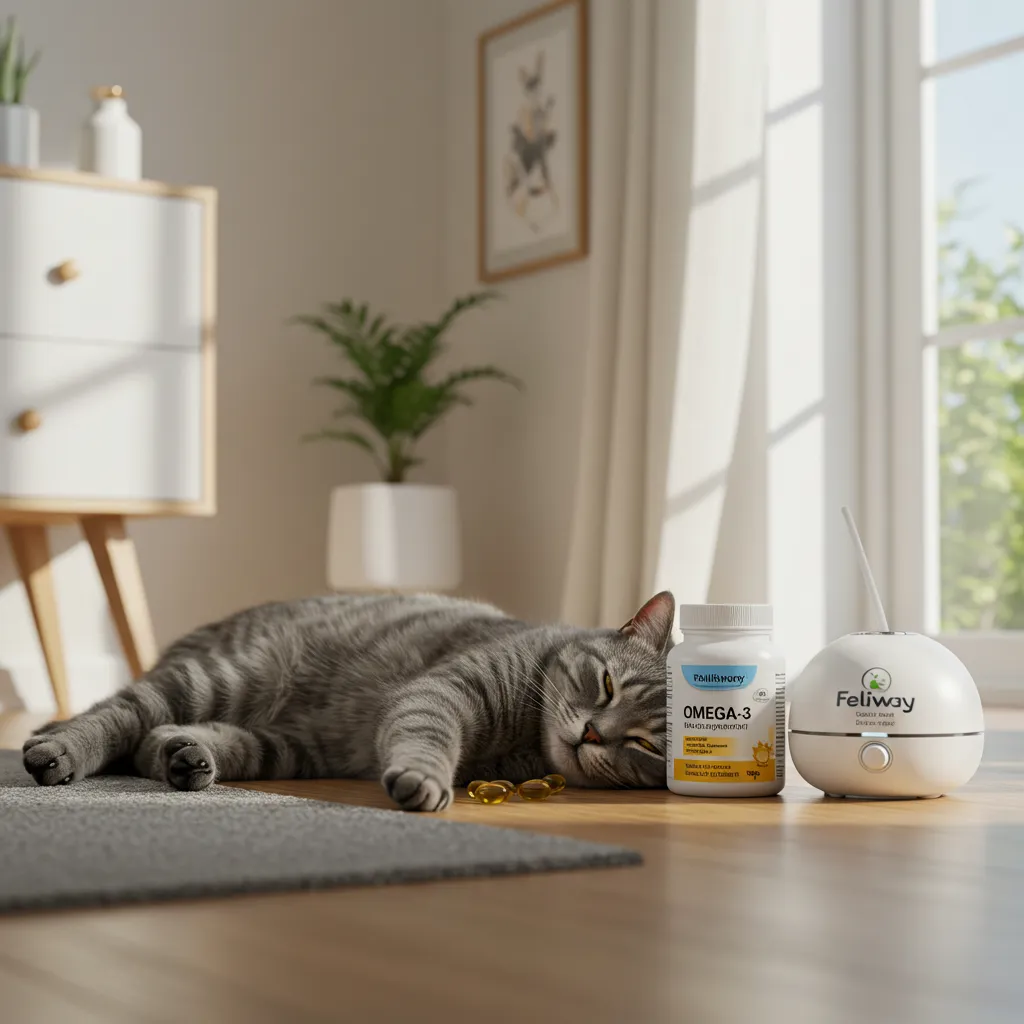
Caution: Always consult your vet before trying holistic remedies, as some herbs can be toxic to cats.
How to Keep Your Cat’s Lungs Healthy
Preventing wheezing starts with proactive care. Here are expert tips to support feline respiratory health:
- Regular Vet Checkups: Annual exams catch issues early. Learn more about vet visits.
- Clean Environment: Vacuum regularly and use dust-free litter.
- Healthy Diet: Feed high-quality, low-allergen food to support immunity. See our guide on choosing cat food.
- Weight Management: Keep your cat at a healthy weight to reduce breathing strain.
- Minimize Stress: Provide safe spaces and enrichment. Explore ways to keep cats entertained.

FAQ: Quick Answers to Common Cat Wheezing Questions
What are common causes of wheezing in cats?
Wheezing can stem from asthma, respiratory infections, allergies, hairballs, or stress. Serious causes like heartworm or foreign objects are less common but possible.
How can I tell if my cat is wheezing or coughing?
Wheezing is a high-pitched, whistling sound during breathing, while coughing is a forceful expulsion of air, often with gagging. Hairballs often cause coughing, not wheezing.
When should I take my cat to the vet for wheezing?
Visit a vet if wheezing is persistent, paired with lethargy, or includes open-mouth breathing. Blue gums or tongue signal an emergency.
Can stress cause my cat to wheeze?
Yes, stress can worsen respiratory issues, especially in cats with asthma or anxiety. Calming tools like pheromone diffusers can help.
Are there home remedies for cat wheezing?
Humidifiers, grooming, and air purifiers can help, but they’re not a cure. Always consult a vet for proper diagnosis and treatment.
Can diet affect my cat’s breathing?
Poor diets or food allergies can contribute to respiratory issues. High-quality, low-allergen food supports lung health.
How does a vet diagnose cat wheezing?
Vets use physical exams, X-rays, blood tests, or allergy tests to identify the cause. They may also listen to your cat’s lungs with a stethoscope.
Conclusion: Help Your Cat Breathe Easy
Cat wheezing can be distressing, but understanding its causes—from asthma to allergies—empowers you to act. Whether it’s scheduling a vet visit, improving your home’s air quality, or managing stress, small steps can make a big difference in your cat’s respiratory health. By staying proactive, you’ll keep your feline friend purring happily for years to come.
Explore more expert cat care and behavior guides on Cat Bloom Haven. From managing cat allergies to choosing the best vet, we’ve got you covered with tips to keep your cat thriving.