What to Expect After Deworming a Cat: A Complete Cat Deworming Guide
You just gave your cat the dewormer, watched them swallow (or spit half of it out), and now you’re staring at them wondering: “Is this normal?”
Will they throw up? Get diarrhea? Act drunk? Or will dead worms suddenly appear in the litter box?
Take a breath. I’ve dewormed hundreds of cats in my years as a feline-health writer and rescue volunteer, and I promise: most of what you’re about to see is perfectly normal. In this guide, I’ll walk you through every single thing that can happen after deworming a cat – the good, the messy, and the downright alarming (and when it actually is time to call the vet).
By the end, you’ll know exactly what to expect after deworming a cat, how to care for them in the days that follow, and how to keep worms from coming right back.
Key Takeaways (Read This First)
- 90% of cats show zero or only mild side effects after deworming
- Dead worms or worm segments usually appear in poop within 24-72 hours
- Lethargy, drooling, or a single episode of vomiting/diarrhea is common and usually passes in <24 hours
- Serious reactions are rare but require immediate vet attention
- One dose is rarely enough – most cats need follow-up treatment and prevention
Why Deworming Matters: A Quick Look at Types of Worms in Cats
Before we talk about the “after,” it helps to know what you’re kicking out.
Common intestinal parasites in cats:
- Roundworms (most frequent, especially in kittens) – long spaghetti-like worms
- Tapeworms – flat rice-like segments stuck to fur or in poop
- Hookworms – tiny blood-suckers that cause anemia
- Whipworms (less common)
- Giardia and coccidia (protozoan parasites treated with similar meds)
Outdoor cats, hunters, and flea-infested cats are at highest risk, but even 100% indoor cats can pick up roundworms from contaminated soil on shoes or from mom as kittens.
For a deeper dive into identification and photos, see our full article on worms in cats.
How Dewormers Actually Work (And How Long Dewormer Takes to Work in Cats)
Most modern dewormers (praziquantel, pyrantel, milbemycin, fenbendazole, etc.) either paralyze the worms so they let go of the intestine and pass out alive, or they kill them outright. Either way, your cat’s body needs to flush them out through poop – and sometimes vomit.
Timeline you can expect:
- 2-6 hours: Medication is absorbed, worms start dying or detaching
- 12-24 hours: First dead worms or segments usually appear
- 24-72 hours: Peak elimination period
- 7-14 days: Most worms gone (some tough ones like tapeworm eggs need a second dose)
Normal Signs After Deworming a Cat (And What’s Not Normal)
Here’s the moment you’ve been waiting for – the full rundown.
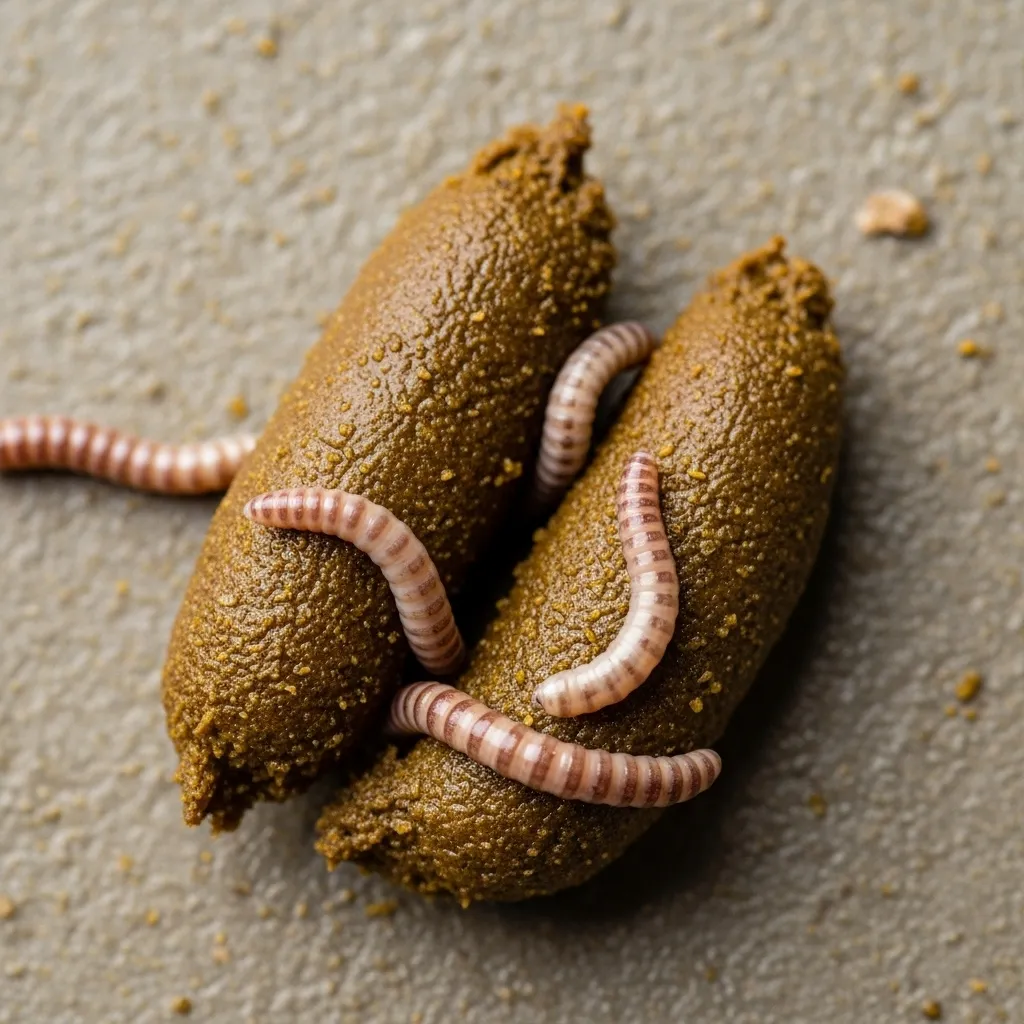
1. Seeing Worms in Poop or Vomit
Totally normal and actually a good sign the medication worked. Roundworms look like spaghetti, tapeworm segments look like sesame seeds or rice that may wiggle.
2. Soft Stool or Temporary Diarrhea (24-48 hours)
The dying worms irritate the gut lining. One or two loose stools is fine.
3. Cat Throwing Up After Deworming
Very common, especially with liquid or paste dewormers given on an empty stomach. If it’s just once and the cat acts fine afterward, no panic. Multiple episodes or vomiting that continues past 24 hours = call vet.
4. Mild Lethargy or Sleepiness
The body is working hard to clear dead parasites. A quiet day is expected.
5. Drooling or Foaming at the Mouth
Happens when the dewormer tastes awful (looking at you, Profender). Usually stops within an hour.
6. Decreased Appetite for 12-24 Hours
Normal. Offer bland food (boiled chicken + rice or prescription gastrointestinal diet) if needed.
Red-Flag Symptoms – Call Your Vet Immediately
- Repeated vomiting or retching
- Bloody diarrhea
- Extreme lethargy or inability to stand
- Pale gums (sign of hookworm-induced anemia)
- Swollen belly with pain when touched
- Seizures or severe salivation (very rare allergic reaction)
Caring for a Cat After Deworming: Recovery Tips That Actually Help
- Keep food light for 24 hours – skip rich treats
- Offer plenty of fresh water – some dewormers cause mild dehydration
- Scoop the litter box twice daily – you want to remove worm eggs before reinfection
- Wash hands thoroughly after cleaning the box (some worms are zoonotic)
- Keep your cat indoors for at least 48 hours to monitor output
For kittens under 8 weeks or very small cats, watch even closer – they dehydrate faster.
Cleaning Your Home After Deworming a Cat (Because Eggs Are Sneaky)
Roundworm and hookworm eggs can live in carpet and soil for months. One deworming dose kills adult worms, but eggs already in the environment can reinfect your cat.
Essential cleaning steps:
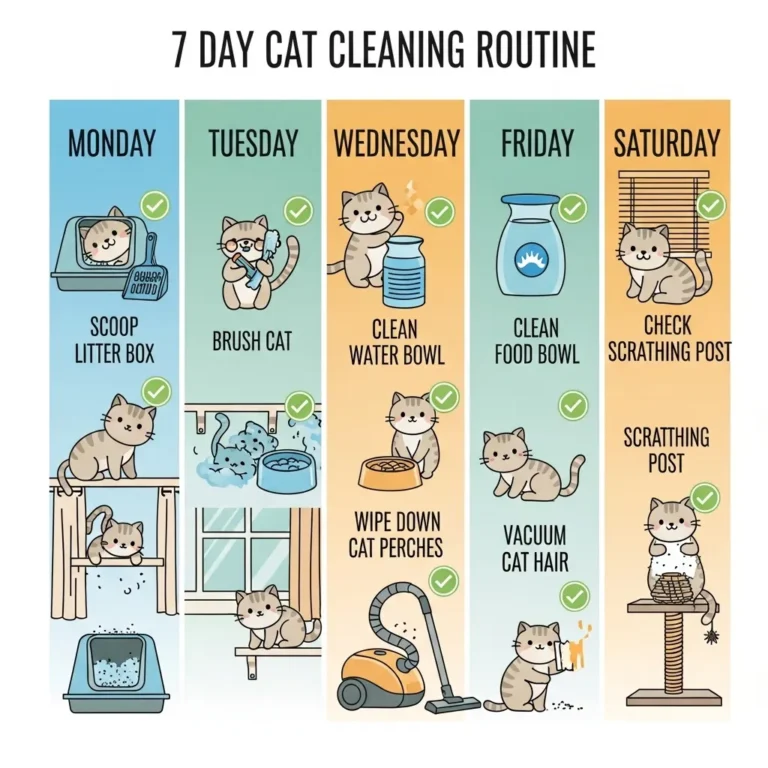
- Vacuum daily for a week (empty bag outside)
- Steam-clean carpets and upholstery
- Wash bedding in hot water
- Clean litter box with bleach solution (1:32 ratio)
- Treat all pets in the house at the same time
More detailed home cleaning tips after deworming pets here.
Follow-Up Deworming Schedule: One Dose Is Almost Never Enough
Standard vet-recommended protocols:
- Kittens: Every 2 weeks until 12 weeks old, then monthly until 6 months
- Adult indoor cats: Every 3-6 months (or based on fecal test)
- Outdoor/hunting cats: Monthly or every 3 months
- Tapeworm cases: Second dose 2-3 weeks later to catch newly hatched worms
Always do a fecal test 2-4 weeks after treatment to confirm clearance.
Cat Parasite Prevention: Keeping Worms Gone for Good
The best prevention combo:
- Year-round broad-spectrum parasite prevention (Revolution Plus, Bravecto Plus, etc.)
- Monthly flea control (fleas carry tapeworms)
- Keep litter box spotless
- Prevent hunting (indoor life or supervised outings)
- Annual or bi-annual fecal exams
Read our complete guide on preventing worms in cats and indoor cat parasite prevention.
Natural Deworming Remedies for Cats – Do They Work?
Short answer: Not reliably as a standalone treatment. Pumpkin seeds, diatomaceous earth, and coconut oil can help mildly, but they do not kill tapeworms or hookworms effectively. Use them as supplements, never replacements for proven medication.
Best Deworming Medicine for Cats in 2025 (Vet-Approved Options)
| Product | Targets | Age | Notes |
|---|---|---|---|
| Drontal | Round, hook, tape | 6 weeks+ | Tablet, highly effective |
| Profender | Round, hook, tape | 8 weeks+ | Topical, great for hard-to-pill |
| Revolution Plus | + heartworm, fleas, mites | 8 weeks+ | Monthly spot-on prevention |
| Panacur (fenbendazole) | Giardia, lungworms too | All ages | Safe for pregnant queens |
Always dose by exact weight.
FAQ Quick Answers to the Most Searched Questions
Q: How long does dewormer take to work in cats?
A: You’ll usually see dead worms in stool within 12-72 hours. Full clearance can take 7-14 days.
Q: Is it normal for a cat to throw up worms after deworming?
A: Yes, especially roundworms. One episode is fine.
Q: My cat is lethargic after deworming – should I worry?
A: Mild sleepiness for 24 hours is normal. Extreme weakness is not.
Q: How soon can I cuddle my cat after deworming?
A: Right away if topical was used. Wait 2 hours for oral meds to avoid bitter taste transfer.
Q: When should I deworm my cat again?
A: Kittens every 2 weeks until 12 weeks, then monthly to 6 months. Adults every 3-12 months depending on risk.
Q: Can indoor cats get worms?
A: Absolutely – from eggs tracked in on shoes, prey brought in by another pet, or from mom as kittens.
Final Thoughts
Deworming day can feel stressful, but remember: the temporary weird poop, mild tummy upset, or sleepy cat on your lap means the medication is doing its job. You’re protecting your cat from anemia, malnutrition, and in severe cases, life-threatening blockages.
Monitor closely for the first 48 hours, clean like you mean it, and stick to a proper prevention schedule. Your cat will thank you with brighter eyes, better appetite, and more zoomies.
Want more vet-level cat health advice? Explore the rest of Cat Bloom Haven – from breed guides to behavior deep-dives, we’ve got your feline family covered.
Explore more expert cat care guides
Have you recently dewormed your cat? Drop your experience in the comments – the good, the gross, and the funny. We read every single one.