Everything You’ve Ever Wanted to Know About Torbie Cats (And Why They’re Quietly Taking Over the Internet)
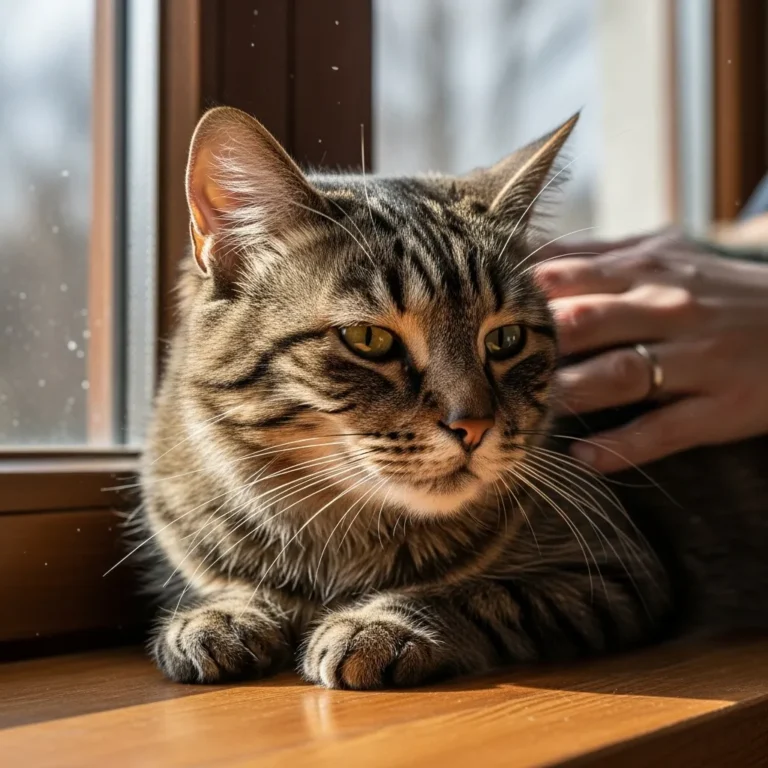
If you’ve stumbled across a photo of a cat with a swirled, patchwork coat of orange, black, and creamy stripes and thought, “Wait, is that a tortoiseshell… or a tabby?” – congratulations. You’ve just met a torbie cat.
The term “torbie” has exploded in popularity over the last few years, especially on TikTok and Instagram, where torbie kittens rack up millions of views. But despite the viral fame, most people still aren’t quite sure what a torbie actually is. This guide clears up every question, from the exact genetics behind the pattern to whether male torbies really exist (spoiler: they do, and they’re rare).
Key Takeaways (Read This First)
- A torbie cat is a tortoiseshell tabby – the tortoiseshell color pattern + classic tabby stripes combined.
- Almost all torbies are female because of X-chromosome genetics.
- Male torbie cats are exceptionally rare (roughly 1 in 3,000) and usually sterile.
- They are not a breed; the pattern can appear in domestic shorthairs, Maine Coons, Persians, and many others.
- Personality? Expect the legendary “tortitude” with a side of playful tabby energy.
What Is a Torbie Cat, Exactly?
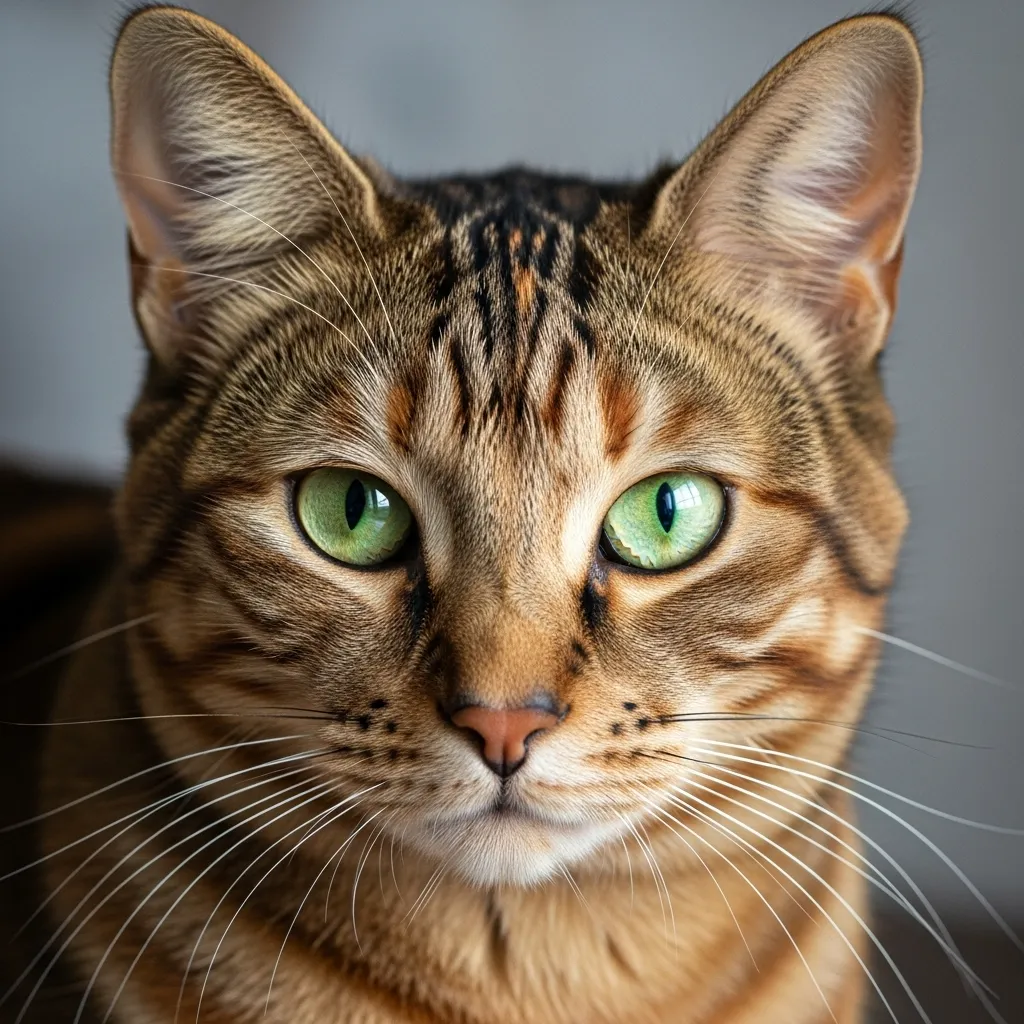
A torbie is the beautiful love-child of two famous coat patterns:
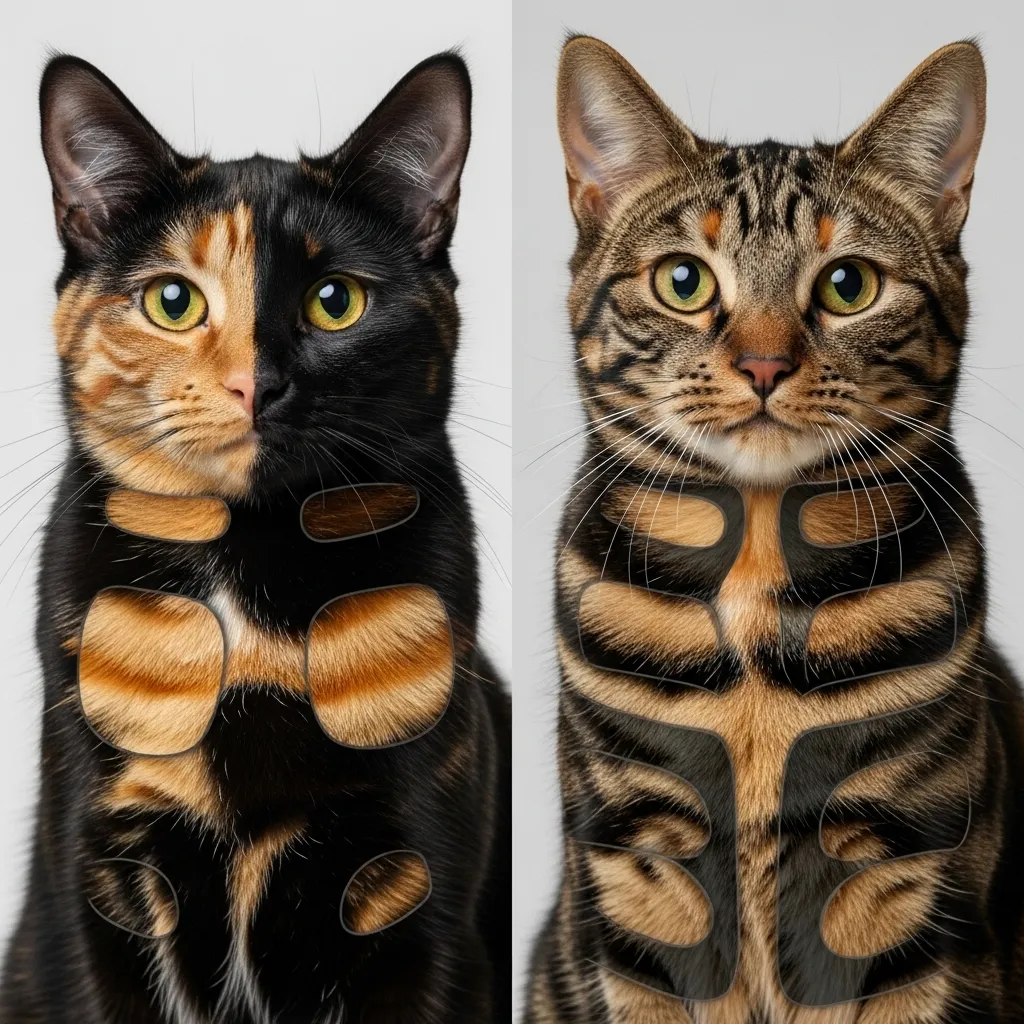
- Tortoiseshell (tortie) – random patches of black and orange/red (non-tabby).
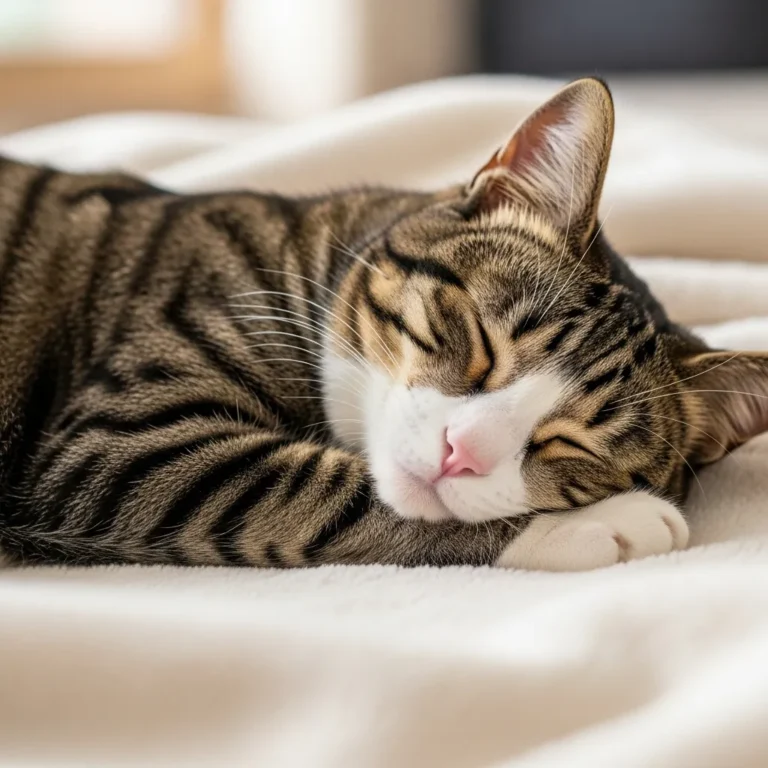
- Tabby – striped, spotted, or marbled markings with the signature “M” on the forehead.
When both patterns appear on the same cat, we call it torbie (tortie + tabby). Some registries and breeders use “patched tabby” as the official term, but torbie has won the internet.
Think of it this way: every torbie is a tabby, but not every tabby is a torbie. The tortoiseshell patches are the special ingredient that elevates a regular tabby into torbie territory.
Torbie vs Tortie Cats: The Side-by-Side Comparison
People mix these up constantly. Here’s the clearest breakdown you’ll find:
| Feature | Tortie (Tortoiseshell) | Torbie (Tortoiseshell Tabby) |
|---|---|---|
| Base colors | Black + orange/red only | Black + orange/red + white possible |
| Pattern | Solid random patches | Patches contain tabby stripes/swirls |
| Stripes | None (unless dilute) | Always present |
| Forehead marking | Usually no clear “M” | Prominent “M” like any tabby |
| Leggings & tail | Solid or lightly mottled | Distinct rings or stripes |
Quick test: if you can see stripes inside the colored patches, it’s a torbie.
The Genetics Behind Torbie Cats (Simplified)
The torbie pattern is sex-linked and lives on the X chromosome:
- Orange (O) gene turns black pigment into orange.
- Non-orange (o) allows black pigment.
- Females have two X chromosomes (XX), so they can be O/o – heterozygous – and show both colors.
- Males have only one X (XY), so they’re either fully orange or fully non-orange. To be torbie, a male needs XXY (Klinefelter syndrome), which happens in roughly 1 in 3,000 calico/torbie males and almost always leaves them sterile.
Add the separate tabby gene (which is not sex-linked), and you get the full torbie recipe. That’s why you’ll occasionally spot a fertile male torbie in scientific literature – but it’s unicorn-level rare.
Torbie Cat Colors and Pattern Variations
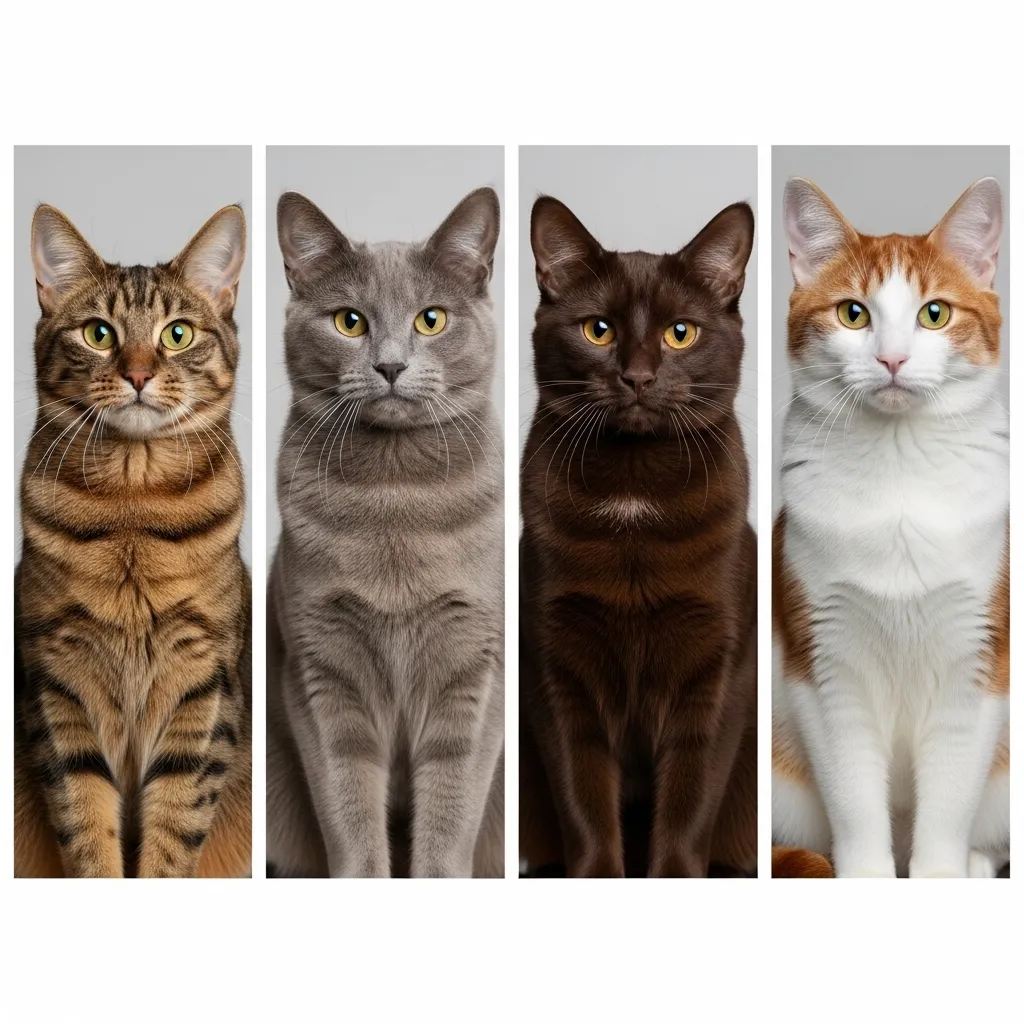
Torbies come in several gorgeous flavors:
- Brown patched tabby (classic torbie) – most common
- Blue torbie (dilute) – soft gray and cream
- Chocolate torbie – rare warm brown tones
- Cinnamon torbie – even rarer reddish-brown
- Torbie-and-white (calico tabby) – torbie pattern + big white areas
The classic swirl (marbled) and mackerel (striped) tabby patterns both appear in torbies.
Which Cat Breeds Can Be Torbie?
Torbie is a color/pattern, not a breed. You’ll find it in:
- Maine Coon (very common)
- American Shorthair
- British Shorthair
- Persian
- Siberian
- Scottish Fold
- Munchkin
- Bengal (as “brown patched tabby”)
- And especially domestic shorthairs/longhairs
Check our full Maine Coon guide or our American Shorthair personality breakdown if you’re curious how the pattern looks on giant fluffballs versus sleek farm cats.
Torbie Cat Personality: Do They Really Have Extra “Tortitude”?
The internet swears torties and torbies are spicy, sassy, and opinionated. Science is more cautious, but decades of owner surveys show a slight trend:
- Higher energy and playfulness than average cats
- Strong-willed and vocal when they want something
- Deep loyalty to their chosen person
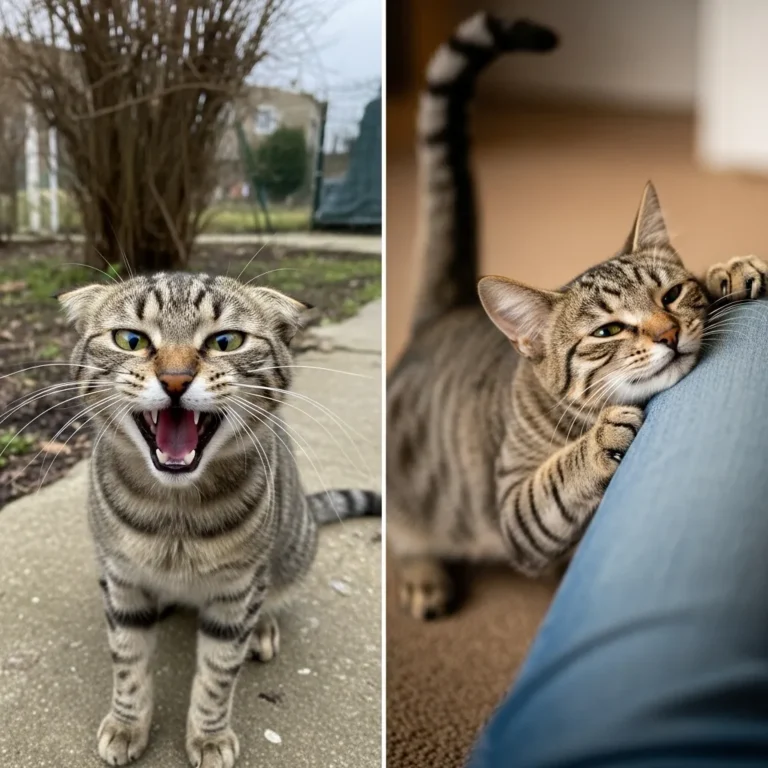
- Quick to give “love nips” if overstimulated
In my experience fostering over 200 cats, torbies do seem to combine tabby curiosity with tortie fire. They’re the cats most likely to invent new games at 3 a.m. and then yell at you for not joining in.
Male Torbie Cats: The Rare Unicorns
Yes, they exist. No, you probably don’t have one.
Out of thousands of torbies photographed online, only a handful are confirmed fertile males. Shelters occasionally see XXY males; most are adopted immediately because of the novelty. If you think you have a male torbie, get a DNA test – you might own one of the rarest coat patterns on the planet.
How to Care for a Torbie Cat (It’s the Same as Any Cat, But Here’s What Owners Get Wrong)
Coat care depends on length, not pattern. A torbie Maine Coon needs daily brushing; a torbie domestic shorthair might be low-maintenance.
Common mistakes new torbie owners make:
- Assuming they’re automatically hypoallergenic (they’re not)
- Overfeeding because “she’s so active” – torbies can pack on pounds fast
- Ignoring dental care – orange pigment sometimes correlates with early gingivitis
See our complete senior cat care guide or best wet food recommendations for lifelong health tips.
Is Catnip Safe for Torbie Cats?
Yes – exactly the same as any other cat. About 30% of all cats (torbies included) don’t react to catnip because of genetics. If your torbie goes wild for it, great. If not, try silver vine or valerian instead.
Torbie Cats on Social Media: Why They’re Everywhere in 2025
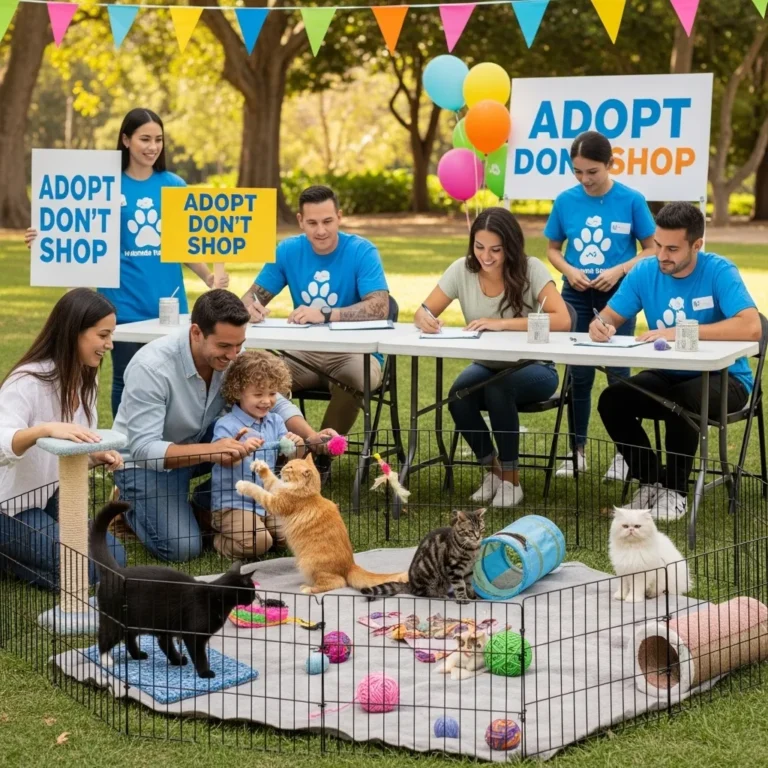
Search #torbie on Instagram or TikTok and you’ll drown in content. Their complex, swirling coats photograph beautifully, and the “tortitude” personality clips get millions of views. Famous torbies like “Venus the Two-Face Cat” cousins have paved the way, and shelters now tag torbies specifically because they get adopted faster.
Adopting a Torbie Cat: What to Know
- Look for “tortoiseshell tabby” or “patched tabby” in shelter descriptions – many places still don’t use “torbie.”
- Expect higher energy than a solid-color cat.
- Prepare for vocal demands – many torbies are chatty.
- Start slow with handling; some have strong opinions about personal space.
Our step-by-step cat adoption guide walks you through bringing home any new cat, torbie or otherwise.
Torbie Cat Myths Busted
Myth 1: All torbies have bad attitudes
Reality: Individual personality varies hugely; early socialization matters more than coat.
Myth 2: Torbies are a breed
Reality: Pattern only – breed is whatever parents were.
Myth 3: Male torbies are impossible
Reality: Extremely rare, but documented.
FAQ Quick Answers
What is the main difference between torbie and tortie cats?
Torbies have tabby stripes inside the colored patches; torties have solid patches.
Are torbie cats rare?
The pattern is fairly common in female cats, but male torbies are exceptionally rare.
Do torbie cats have a specific personality?
Many owners report extra spunk and playfulness, but every cat is an individual.
What breeds can be torbie?
Any breed – Maine Coon, Persian, American Shorthair, and especially mixed-breed domestics.
Are male torbie cats sterile?
Almost always, yes – they usually have XXY chromosomes (feline Klinefelter syndrome).
How can I tell if my cat is a torbie?
Look for the tabby “M” on the forehead and striped patches of orange and black/gray.
Final Thoughts
Torbie cats are living proof that genetics can create art. They’re not rare in the way a Savannah or Lykoi is rare, but every single one feels special because no two torbies ever look exactly alike.
If you’re lucky enough to share your home with one, enjoy the daily dose of attitude, affection, and stunning coat patterns. And if you’re still searching, keep an eye on your local shelter – the next viral torbie superstar might be waiting for you right now.
Ready for more expert cat advice? Explore our complete library of breed guides, behavior tips, and hilarious cat memes at CatBloomHaven because every cat deserves a home that understands them completely.