American Shorthair: Your Guide to a Friendly and Adaptable Cat Breed
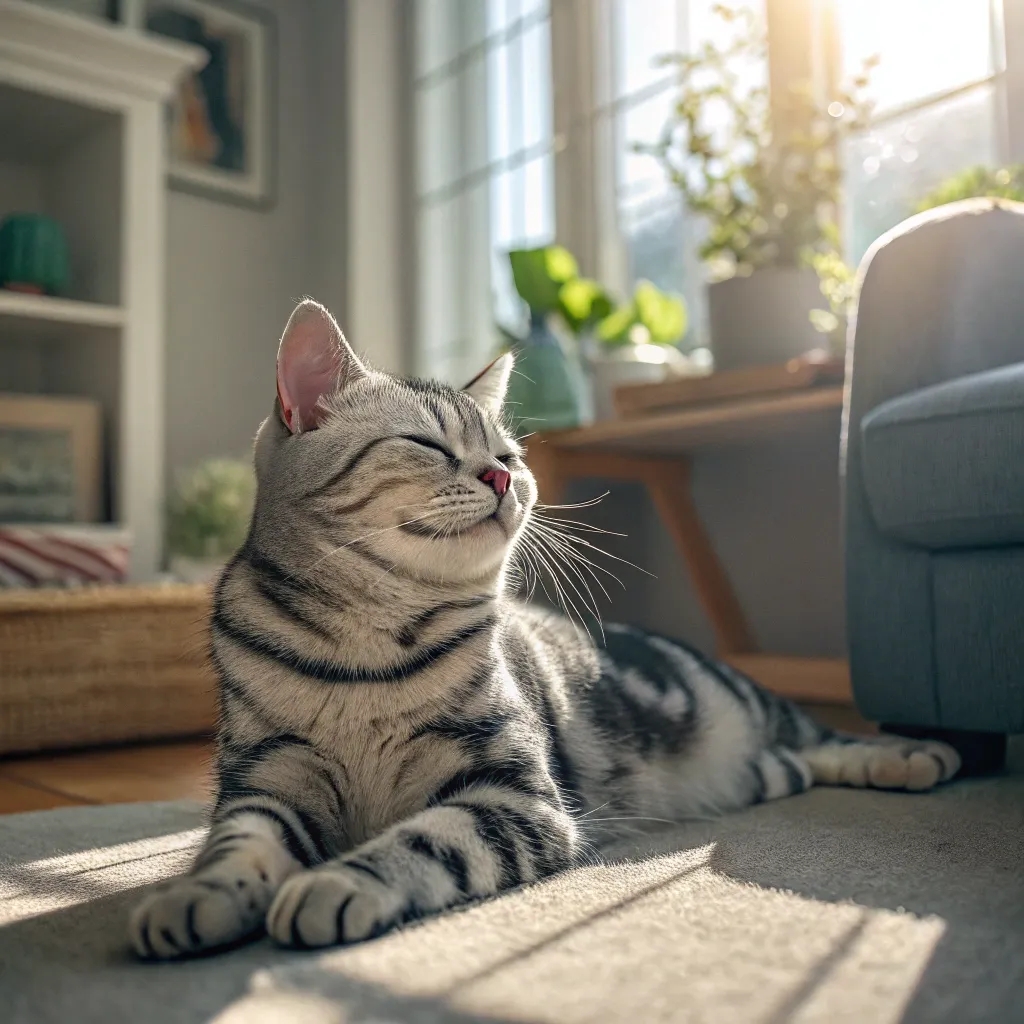
The American Shorthair is a beloved feline known for its charming personality and easygoing nature, making it a top choice for cat lovers. This guide dives into what makes the American Shorthair cat breed stand out, how its unique traits help it win over other cats, and practical steps for introducing American Shorthair to other cats in your home for a harmonious multi-cat household.
Why Choose an American Shorthair?
A Glimpse into the American Shorthair Personality
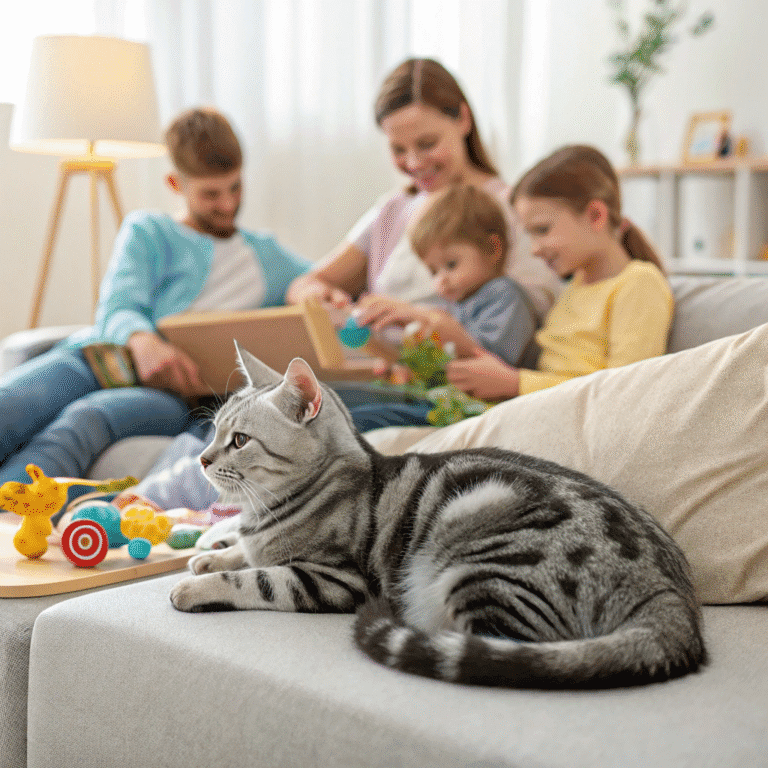
The American Shorthair personality is a delightful mix of friendly, playful, and adaptable traits. These cats are known for their calm demeanor, making them ideal for families, singles, or seniors. Unlike some breeds that demand constant attention, American Shorthairs strike a balance between independence and affection. They’ll happily curl up next to you but won’t mind a few hours of solo time either.
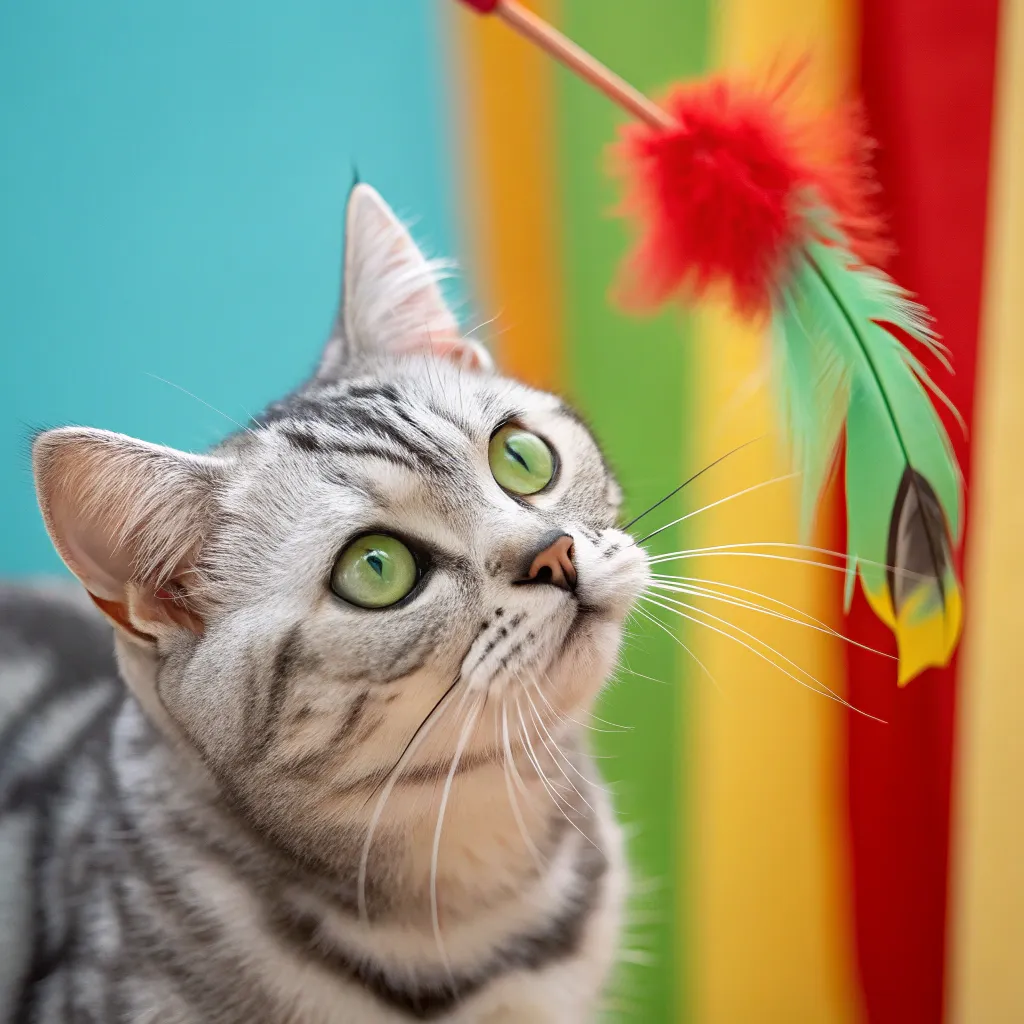
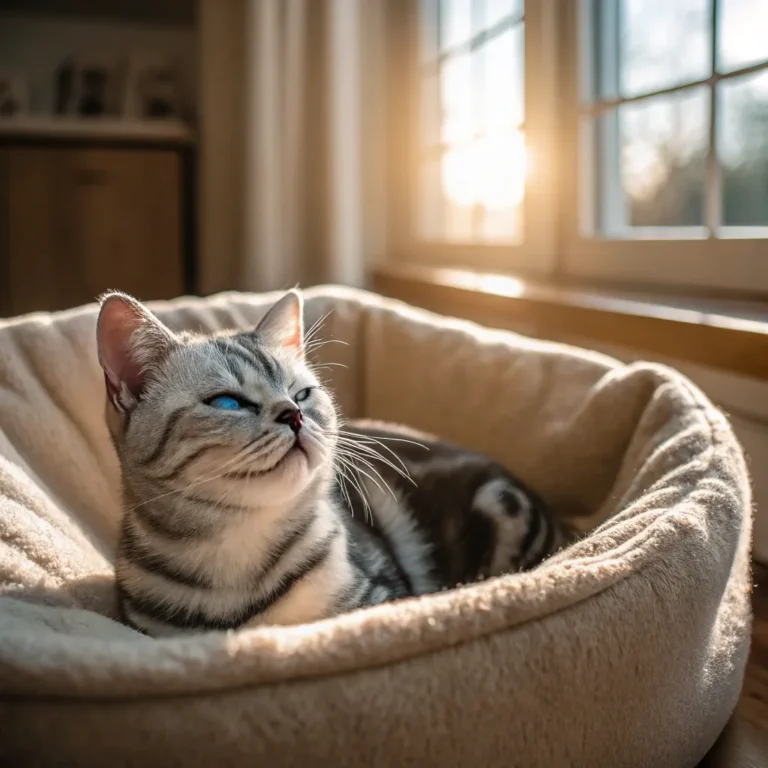
Their American Shorthair behavior leans toward curiosity and playfulness. Whether chasing a feather toy or lounging in a sunny spot, these cats bring a relaxed yet engaging vibe to any home. Their sociable nature often makes them a natural fit for households with other pets, especially when introduced properly.
What Sets American Shorthairs Apart?
This breed’s versatility is a key reason they win over other cats. Their sturdy build, expressive eyes, and short, dense coat give them a classic “all-American” look, but it’s their temperament that truly shines. American Shorthairs are less prone to stress and adapt well to new environments, making them excellent candidates for cat socialization in multi-pet homes.
Mastering Cat Introductions with American Shorthairs
Why American Shorthairs Excel in Multi-Cat Homes
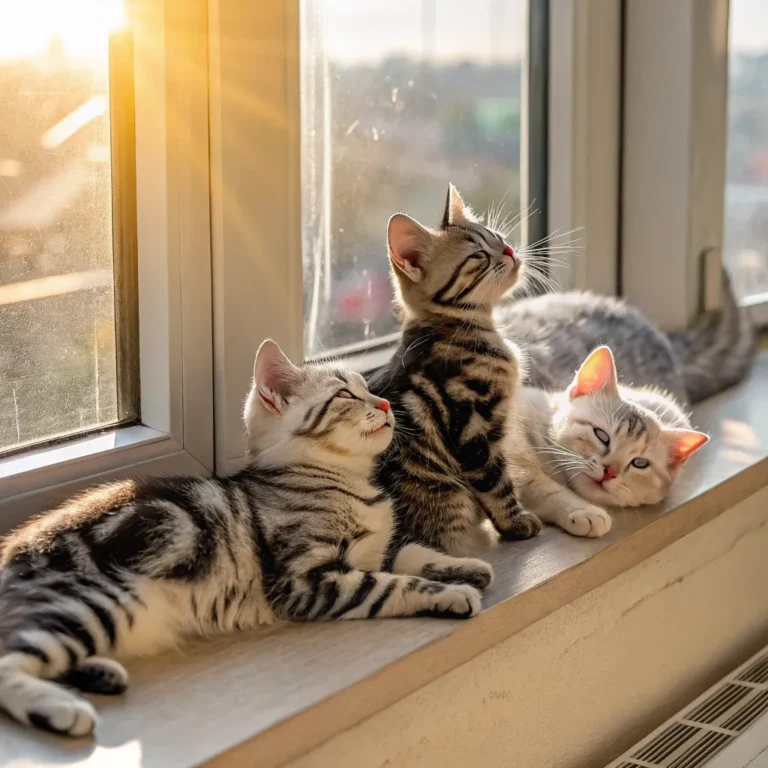
Thanks to their laid-back and friendly nature, American Shorthair cat breed members often integrate well with other cats. Their American Shorthair behavior includes a low tendency for territorial disputes, which simplifies cat introductions. However, even these easygoing felines need a thoughtful approach to ensure smooth socialization.
Step-by-Step Guide to Introducing American Shorthair to Other Cats
Step 1: Set Up a Safe Space
Before bringing your American Shorthair home, prepare a separate area with food, water, a litter box, and cozy bedding. This gives your new cat a stress-free zone to adjust while allowing existing cats to get used to their scent.
Step 2: Gradual Scent Exchange
Start by swapping bedding or toys between your American Shorthair and other cats. This helps them associate each other’s scents with positive experiences, reducing tension during face-to-face meetings.
Step 3: Controlled Visual Introductions
Use a baby gate or slightly open door to let the cats see each other without full access. Watch for signs of curiosity rather than hissing or puffing up. Reward calm behavior with treats to reinforce positive associations.
Step 4: Supervised Meet-and-Greets
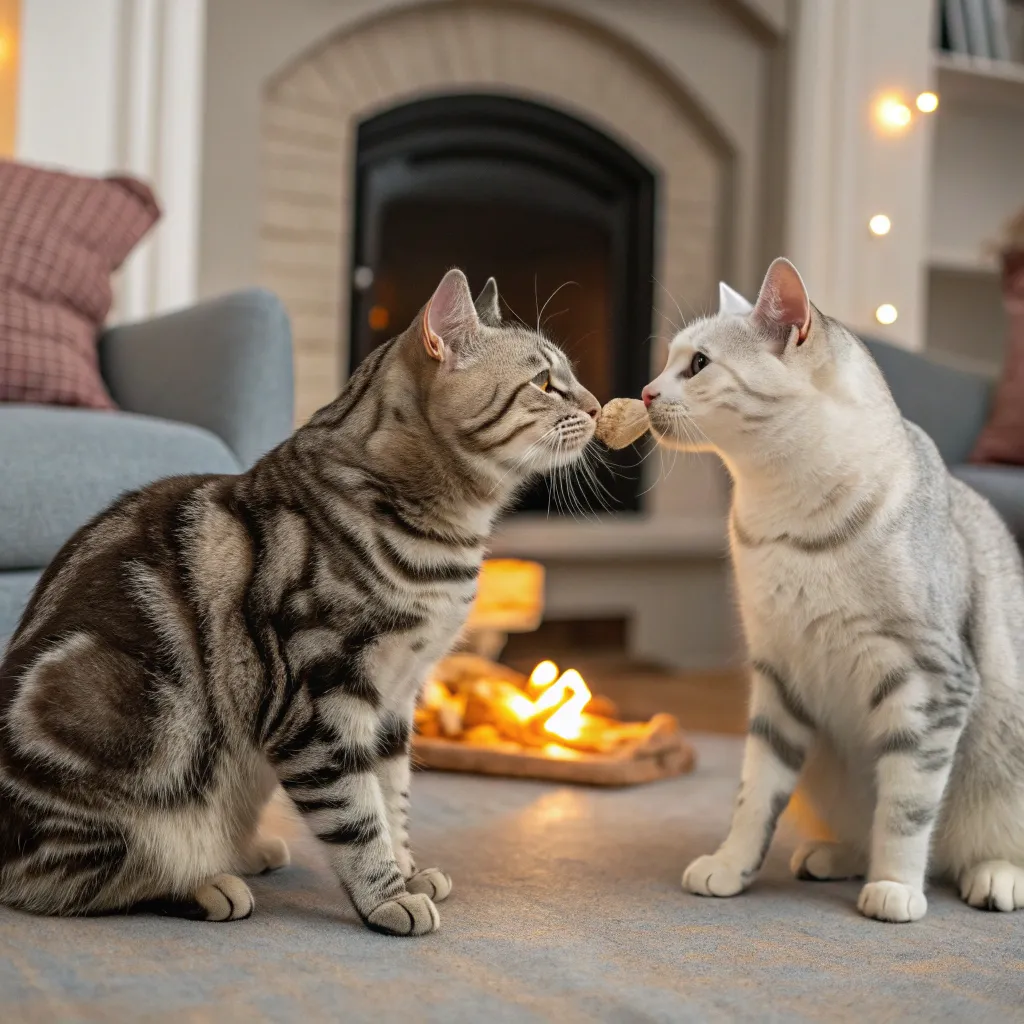
Once they’re comfortable with scents and sights, allow short, supervised interactions. Keep sessions brief and positive, using toys or treats to distract from any tension. Gradually increase time as they grow accustomed to each other.
Tips for a Positive Introduction Experience
- Use Play to Bond: Engage both cats in interactive play with toys like wand teasers to build shared positive experiences.
- Offer High-Value Treats: Reward calm behavior with treats both cats love, creating a link between being together and good things.
- Stay Patient: Every cat is unique. Some American Shorthairs may bond quickly, while others need weeks to adjust.
Overcoming Common Challenges in Cat Socialization
Handling Territorial Behavior
While American Shorthair personality traits lean toward friendliness, any cat can show territorial tendencies. If your new or existing cat seems defensive, give them extra space and time. Use pheromone diffusers to ease stress and maintain separate feeding areas to avoid competition.
Managing Initial Tension
Mild hissing or swatting is normal during cat introductions. If aggression escalates, separate the cats and slow down the process. Revisit scent exchange or visual introductions before trying again.
Long-Term Harmony in a Multi-Cat Household
To keep peace among your feline friends, consider these tips:
- Provide Multiple Resources: Ensure each cat has access to their own litter box, food, and water stations to prevent resource guarding.
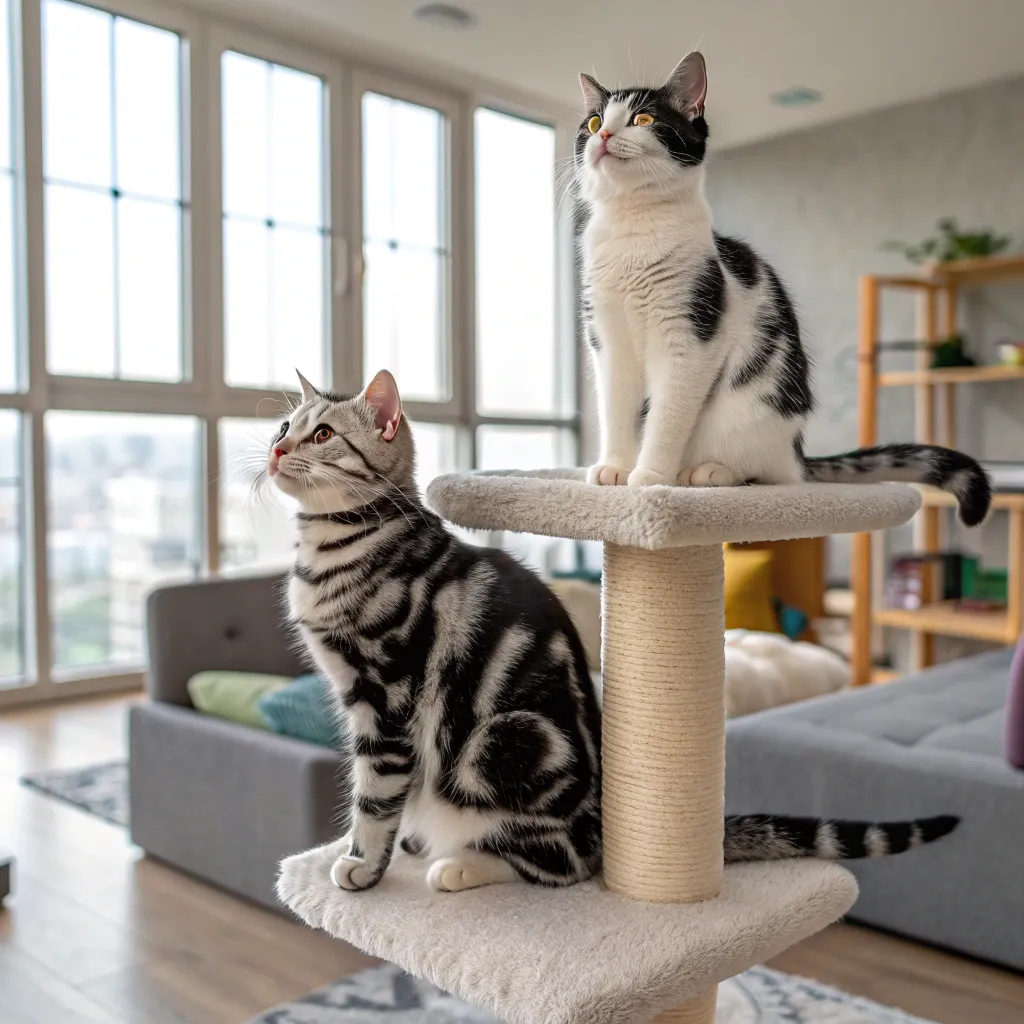
- Create Vertical Spaces: Cat trees or shelves give American Shorthairs and other cats places to perch, reducing competition for territory.
- Schedule Playtime: Regular play sessions keep cats mentally stimulated and reduce boredom-related conflicts.
Caring for Your American Shorthair
Grooming Made Simple
The American Shorthair cat breed has a low-maintenance coat. Weekly brushing keeps their fur sleek and reduces shedding. Regular nail trims and dental checks round out their basic care needs.
Health Considerations
American Shorthairs are generally healthy, but watch for signs of obesity or urinary issues, common in some felines. Annual vet visits and a balanced diet keep them thriving.
Why American Shorthairs Shine in Any Home
The American Shorthair brings a perfect blend of charm, adaptability, and sociability. Whether you’re introducing them to other cats or simply enjoying their company, their easygoing nature makes them a joy to have around. With the right approach to cat socialization, your American Shorthair can become a beloved member of your multi-cat household, winning over hearts (and paws) with ease.
Frequently Asked Questions
What makes the American Shorthair personality unique?
Their friendly, adaptable, and balanced temperament makes them ideal for various households, from families to