Why Does My Cat Meow When I Pet Her? The Ultimate Guide to Decoding Cat Meowing During Petting
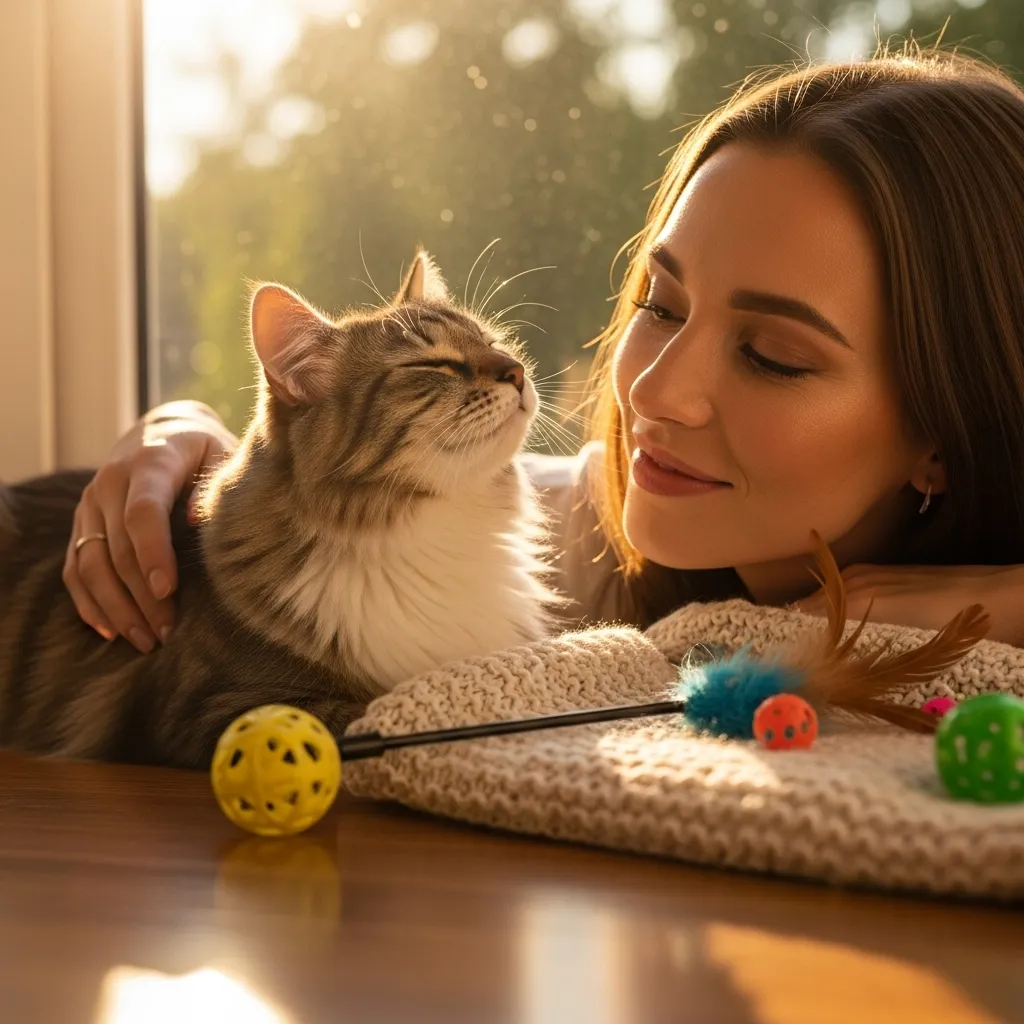
Picture this: You’re curled up on the couch, your furry companion purring in your lap as you stroke her silky coat. Suddenly, she lets out a loud, insistent meow right in the middle of what seems like pure bliss. Why does my cat meow when I pet her? If this scenario sounds familiar, you’re not alone. Cat meowing during petting is one of the most common and confusing behaviors cat owners face. But far from random noise, this vocalization is packed with meaning.
In this comprehensive cat behavior guide, we’ll dive deep into feline communication, cat vocalizations explained, and the subtle cat communication signals that reveal what your cat is really trying to say. Whether she’s expressing joy, setting boundaries, or signaling overstimulation, understanding cat meowing during petting will transform your bond.
Key Takeaways
- Cats meow primarily to communicate with humans, not other cats.
- Meowing during petting can mean pleasure, overstimulation, discomfort, or a request.
- Cat body language meanings especially cat tail language are critical to interpreting vocal cues.
- Overstimulation in cats is the #1 reason for sudden meows or bites during petting.
- Reading cat emotional cues helps prevent stress and strengthens cat-human bonding.
Ready to become fluent in your cat’s language? Let’s unravel the mystery.
Understanding Feline Communication: Why Cats Meow at Their Owners
Cats are masters of subtlety. While dogs bark at everything from squirrels to doorbells, cats reserve their meows almost exclusively for us. Adult cats rarely meow at each other kittens meow to their mothers, but once they grow up, they switch to body language, hisses, and growls with fellow felines.
So when your cat meows at you especially during petting it’s human-directed meowing. She’s learned that vocalizing gets your attention, and she’s using it strategically.
Expert Insight: According to feline behaviorist Dr. Sarah Ellis, “Cats modify their vocalizations based on what works with their human family. A meow that gets a response food, play, or petting becomes reinforced.”
Cat Vocal Behavior 101: The Different Types of Meows
Not all meows are created equal. Here’s a breakdown of cat vocalizations explained:
| Meow Type | Sound | Likely Meaning |
|---|---|---|
| Short, high-pitched | “Mew!” | Greeting or request (e.g., “Pet me!”) |
| Long, drawn-out | “Meeooww” | Demand or frustration (“More!” or “Stop!”) |
| Trilling/Chirrup | “Brrp?” | Friendly acknowledgment or excitement |
| Low, rumbling | “Mrrrow” | Discomfort or warning |
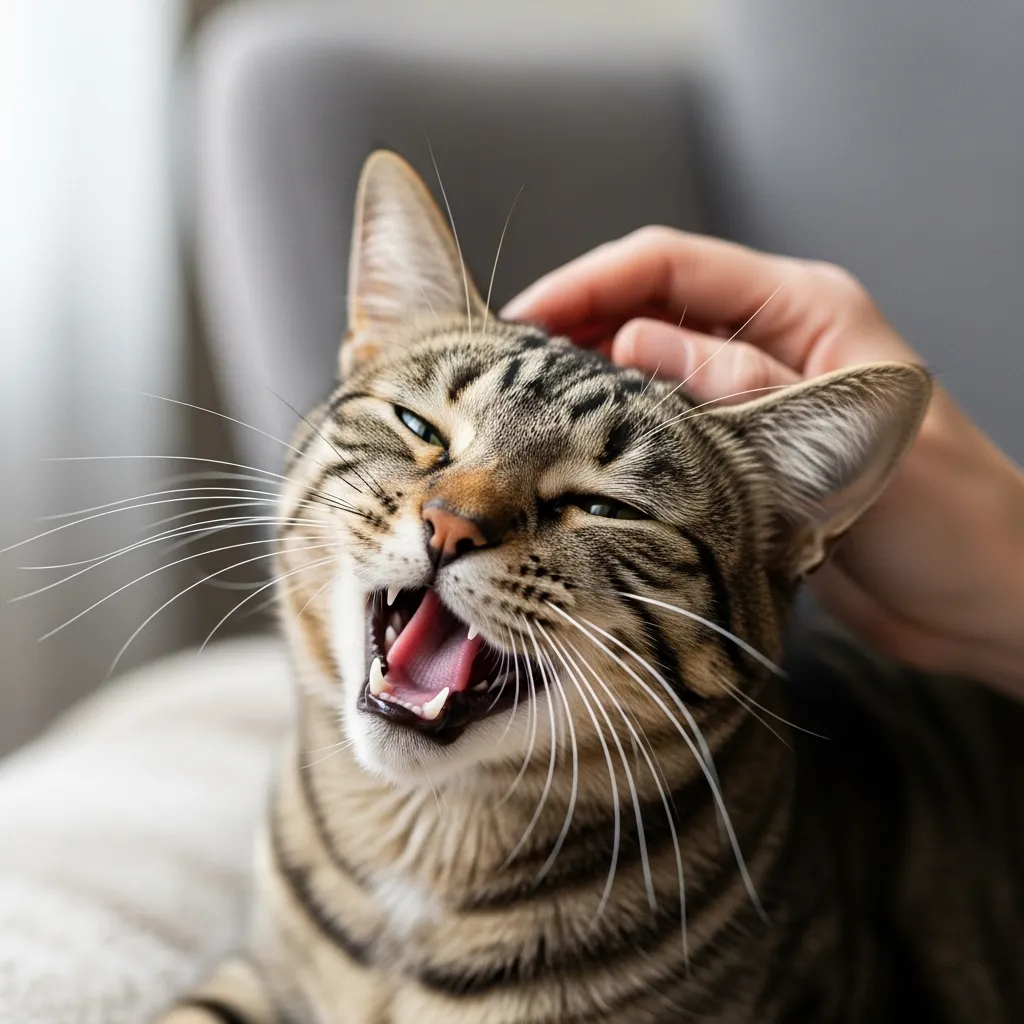
When your cat meows during petting, pay attention to pitch, duration, and context. A soft trill often means happiness. A sudden sharp meow? That’s usually a boundary.
Pro Tip: Record your cat’s meows and play them back. Over time, you’ll recognize her unique “vocabulary.”
Why Cats Meow During Petting: The Top 7 Reasons
Let’s get to the heart of it. Here are the most common reasons behind cat meowing during petting, backed by veterinary science and behavior studies.
1. She’s Saying “I Love This!” – Pleasure and Contentment
Some cats meow out of pure joy. Petting triggers oxytocin (the “love hormone”) in both you and your cat, and vocalizing amplifies the bond.
- Signs your cat trusts you: Relaxed body, slow blinking, purring, kneading.
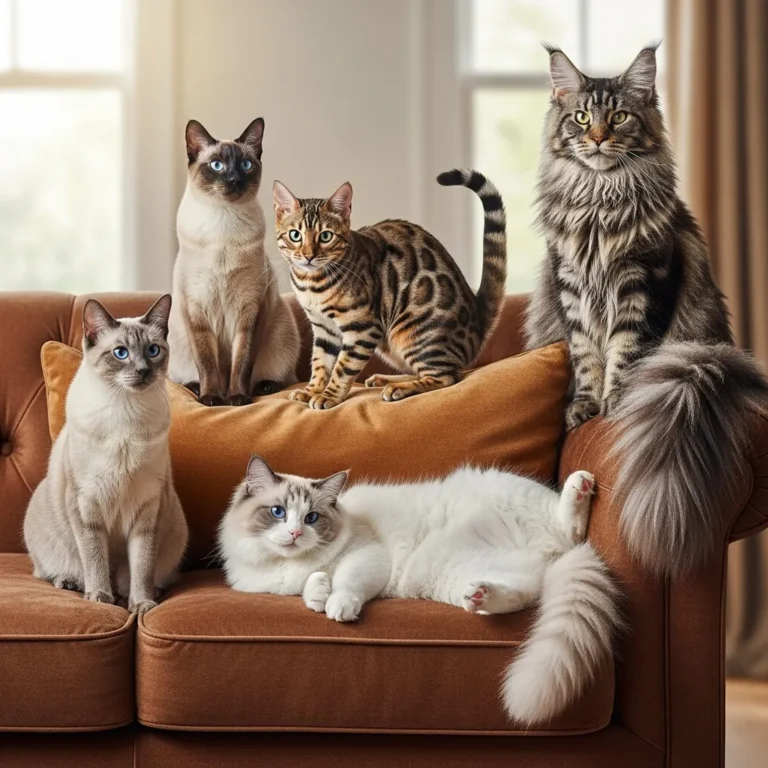
- Breeds prone to vocal pleasure: Siamese, Bengal, and Maine Coon cats are especially chatty.
Real-Life Example: “My Siamese, Luna, meows in a sing-song trill every time I scratch under her chin. It’s her happy song!” – Cat owner, Reddit
Explore more vocal breeds in our Siamese Cat Breed Guide
2. Overstimulation: The #1 Cause of Sudden Meows (and Bites)
This is the big one. Cat overstimulation symptoms include:
- Tail lashing or thumping
- Ears flattening
- Skin rippling along the back
- Sudden meow, swat, or bite
Cats have a petting threshold—usually 5–10 seconds in sensitive areas like the belly, base of tail, or paws. Once crossed, pleasure flips to irritation.
Vet-Backed Tip: Use the “3-Second Rule.” Pet for 3 seconds, pause, and watch her reaction. If she leans in, continue. If she tenses, stop.
Learn how to avoid overstimulation in our Cat Petting Behavior Guide
3. “Pet Me Here Instead!” – Redirecting Your Touch
Your cat might meow to guide your hand. A gentle meow near the chin or ears often means, “Higher, please!”
- Cat sensitivity while petting: Avoid the belly (it’s a trap!) and focus on safe zones: cheeks, chin, between ears.
4. Pain or Discomfort: When Meowing Signals a Problem
Cat discomfort signs during petting can indicate:
- Arthritis (common in senior cats)
- Skin infections or fleas
- Injuries or abscesses
If meowing is new, sudden, or paired with hissing/growling, schedule a vet visit.
Check out our Cat Pain Side Touch Signs Guide
5. Attention-Seeking: “Don’t Stop!”
Some noisy cats meow to keep the petting going or to demand playtime. This is common in understimulated indoor cats.
Solution: Follow petting with a wand toy session. It satisfies her prey drive and prevents boredom.
Discover play ideas in Keep Siamese Cats Entertained
6. Anxiety or Stress: Meowing as Emotional Release
Cat anxiety signs include excessive vocalizing, especially if routines change (new pet, moving, loud noises).
- How to calm a vocal cat: Create a safe space with a cozy bed, pheromone diffuser, and predictable schedule.
Explore calming tips in Cat Stress Signs
7. Breed or Personality: Some Cats Are Just Chatty
Siamese, Oriental, and Bengal cats are genetically prone to why my cat is so vocal. It’s not always a problem just their personality!
Reading Cat Body Language: The Silent Side of Communication
Meows don’t exist in a vacuum. Combine cat vocal behavior with cat body language meanings for the full picture.
Cat Tail Language: Your Emotional Compass
| Tail Position | Meaning |
|---|---|
| High and quivering | Excited, happy |
| Puffed up | Fear or aggression |
| Lashing side-to-side | Irritation (stop petting!) |
| Wrapped around body | Anxious or cold |
Learn more in our Cat Tail Language Guide
Other Key Cues
- Ears forward: Curious, happy
- Ears sideways or back: Annoyed or scared
- Slow blink: “I trust you”
- Kneading: Contentment (kittenhood throwback)
Cat Sensitivity While Petting: Where and How to Touch
Every cat has petting preferences. Here’s a safe-zone map:
| Zone | Safe? | Notes |
|---|---|---|
| Cheeks/Chin | Yes | Scent glands here—cats love it |
| Top of Head | Yes | Mimics maternal grooming |
| Back (shoulders) | Usually | Avoid lower back near tail |
| Belly | No | Exposure = vulnerability; most hate it |
| Paws | Rarely | Very sensitive; only if she offers |
Cat bonding tips: Let her initiate contact. Sit nearby and wait for head-butts.
Excessive Meowing Solutions: How to Respond Without Reinforcing It
If meowing turns into why cats cry when petted or constant demands:
- Ignore attention-seeking meows (hard, but effective).
- Reward silence with treats or play.
- Shorten petting sessions to stay under the overstimulation threshold.
- Enrich the environment: Puzzle feeders, window perches, catios.
Try our Automatic Cat Feeder Guide for stress-free feeding.
Strengthening Cat-Human Bonding Through Better Communication
Understanding cat emotional cues isn’t just about avoiding bites it’s about trust. Cats who feel heard are:
- More affectionate
- Less likely to spray or scratch
- Healthier overall (lower stress = stronger immune system)
Signs your cat trusts you:
- Sleeping on you
- Showing belly (even if not for petting)
- Slow blinking
- Bringing “gifts” (toys, sadly, sometimes mice)
Explore bonding activities in Ragdoll Cat Bond Building
FAQ: Your Top Cat Meowing Questions Answered
Q: Why do cats meow at their owners but not other cats?
A: Meowing is a learned behavior for human interaction. Kittens meow to moms; adults use it to “talk” to us.
Q: Is it normal for cats to meow while being petted?
A: Yes! It can mean pleasure, overstimulation, or redirection. Watch body language.
Q: How can I stop my cat from meowing too much when I pet her?
A: Use short petting bursts, respect her thresholds, and redirect to play.
Q: Why does my cat cry when petted on her back?
A: Likely cat sensitivity while petting or base-of-tail nerve sensitivity. Avoid that area.
Q: Do all cats meow during petting?
A: No. Some are silent; vocal breeds (Siamese, Bengals) meow more.
Q: Can anxiety cause excessive meowing during petting?
A: Absolutely. Look for cat anxiety signs like hiding or pacing.
Conclusion: Speak Cat, Strengthen Your Bond
Your cat’s meow during petting isn’t random it’s a window into her world. By mastering cat communication with humans, reading cat tail language, and respecting cat petting behavior, you’ll turn confusing moments into deeper connection.
Next time she meows mid-stroke, pause. Check her tail. Watch her ears. And respond with empathy.
Ready for more feline wisdom?
Explore our expert cat care basics and behavior guides:
- Understanding Your Cat: Full Guide
- Cat Zoomies: Why They Happen & How to Channel Energy
- Best Beds for American Shorthair Cats
At Cat Bloom Haven, we’re passionate about helping you understand and cherish every purr, meow, and tail flick. Because a happy cat means a happy home.