The Unsung Symphony: Why Quiet Cat Moments Are Worth Saving Forever
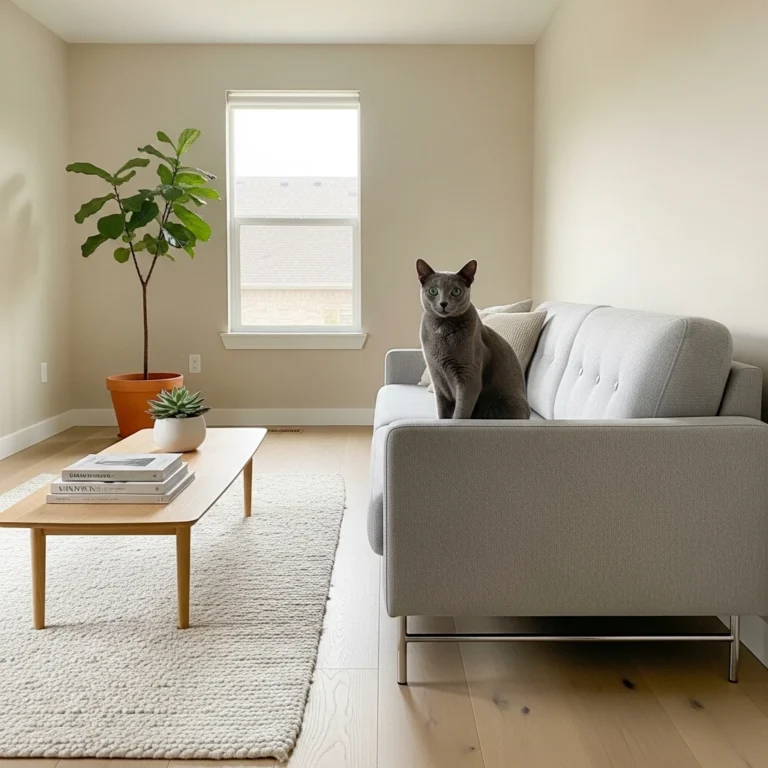
We celebrate the zoomies at 3 AM, the dramatic chirps at empty walls, and the gravity-defying leaps onto forbidden countertops. But in the cacophony of feline chaos, we often overlook the profound beauty of the opposite: the quiet cat moments. These are the pauses between the purrs, the still frames in a life of motion, the silent conversations that speak volumes. They are not merely absences of noise, but rich, meaningful experiences that form the bedrock of our bond. This isn’t just about a cat sleeping; it’s about learning to see, appreciate, and preserve the subtle poetry of a companion at peace.
For the modern cat guardian, these quiet cat moments worth saving are the antidote to a noisy world. They are fleeting pockets of tranquility that, when noticed, can reduce our stress, deepen our connection, and remind us of the simple, profound grace of sharing our lives with another creature. This guide is your lens to focus on that soft focus. We’ll move beyond the memes and madness to explore the science, soul, and strategy behind cherishing your cat’s calm.
What Are “Quiet Cat Moments”? Beyond the Obvious Nap
A quiet cat moment is any instance where your cat is engaged in calm, contemplative, or gently self-contained behavior. It’s the antithesis of reactive or high-energy activity. It’s not boredom or lethargy; it’s conscious, peaceful engagement with their environment or inner world.
Common Examples of These Priceless Pauses:
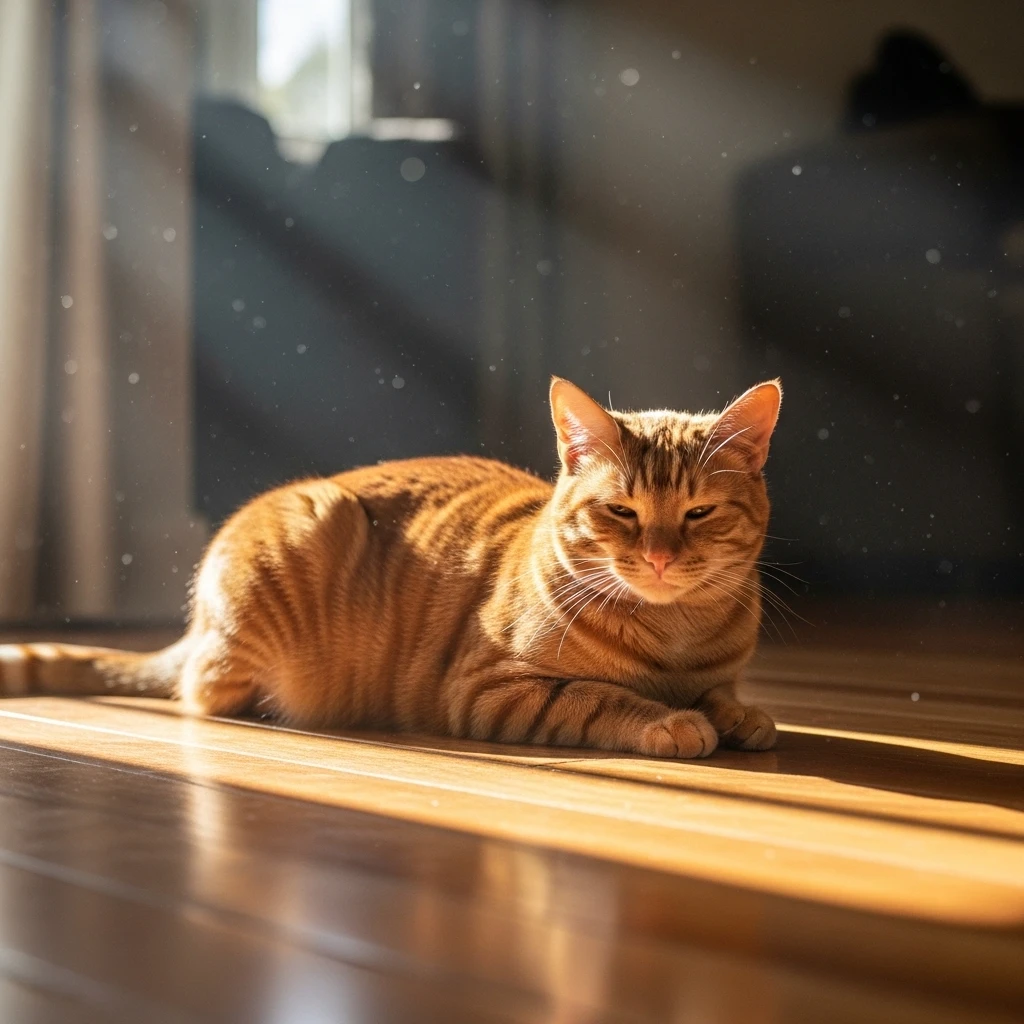
- The Sunbeam Snooze: The precise alignment of body to solar rectangle, often with a paw draped over the eyes.
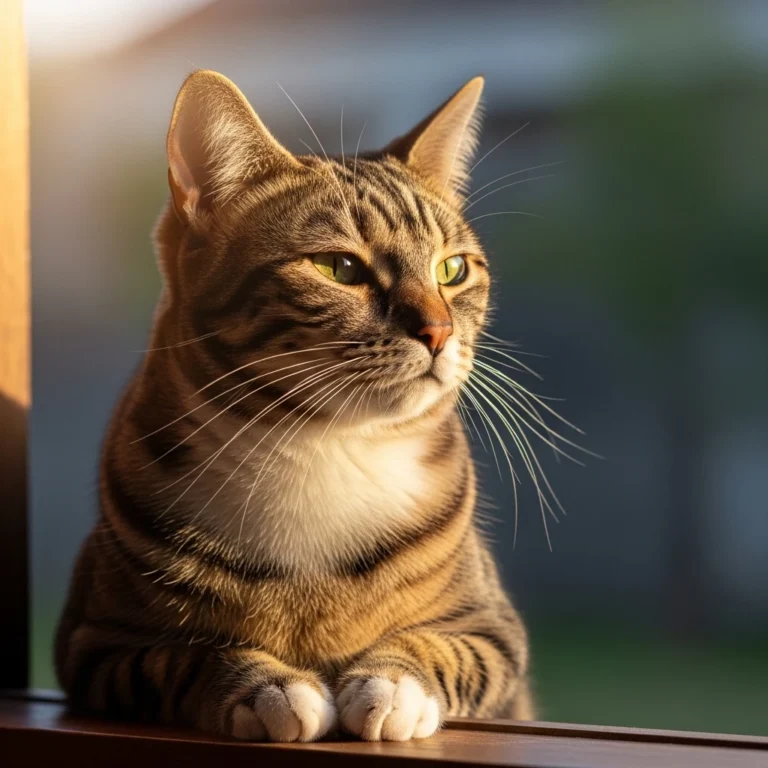
- The Window Watch: A silent, still vigil by the glass, tracking birds, leaves, or passing cars with slow-blinking focus.
- The Contented Gaze: When your cat looks at you not for food or attention but simply makes soft eye contact and offers a slow blink.
- The Thoughtful Groom: A meticulous, meditative bathing session, often after a meal or cuddle.
- The Loaf Formation: The perfect tucking of all limbs, a statue of serenity.
- The Cuddle Creep: The gentle, gradual shift from sitting near you to melting into you in sleep.
- The Pre-Dawn Hush: That rare, quiet companionship in the early morning before the household (and the cat’s stomach) wakes up.
Why We Miss Them: Our brains are wired to notice change and action. The dramatic meow, the crashing vase—these demand our attention. The silent cat, perfectly still, becomes part of the room’s furniture to our perceptive filter. Learning to value these moments requires a conscious shift in perspective.
The Science of Stillness: Why Quiet Cats Are Healthy Cats
A cat’s quiet moment isn’t just adorable; it’s a vital sign of well-being. In the wild, constant vigilance and activity are tied to survival stress hunting, avoiding predators, defending territory. A cat that feels safe enough to be still, to lower its guard and enter a state of deep rest, is a cat that trusts its environment utterly.
The Trust Factor: When your cat slow-blinks at you or sleeps belly-up nearby, it’s demonstrating a profound lack of threat perception. This is the pinnacle of feline comfort. As we explore in our guide on how cats choose their favorite person, these behaviors are earned through consistent, positive interactions.
Mental & Physical Health Indicators: Excessive hiding, restless pacing, or hyper-vigilance can signal anxiety or illness. Conversely, the ability to settle into calm, restful states is linked to good mental health, secure attachment, and physical comfort. A cat in pain or distress rarely achieves truly relaxed postures. Understanding subtle signs your cat feels secure at home helps you interpret these quiet moments as the success stories they are.
How to Become an Archivist of Calm: Capturing the Quiet
The ephemeral nature of these moments makes saving them all the more important. Here’s how to shift from passive observer to active curator of your cat’s quiet legacy.
1. Cultivate the Mindset: Be Present, Not Productive
Put down the phone. For five minutes, just sit where your cat is. Don’t try to pet or interact. Simply observe the rise and fall of their side as they breathe. Notice the tiny twitch of a whisker, the way light plays on their fur. This practice of mindful co-presence is rewarding for both of you.
2. Master the Art of Stealth Documentation
The goal is to preserve the moment, not shatter it.
- Camera Ready: Keep your phone or camera in a handy, quiet place. Learn its quick-launch shortcut.
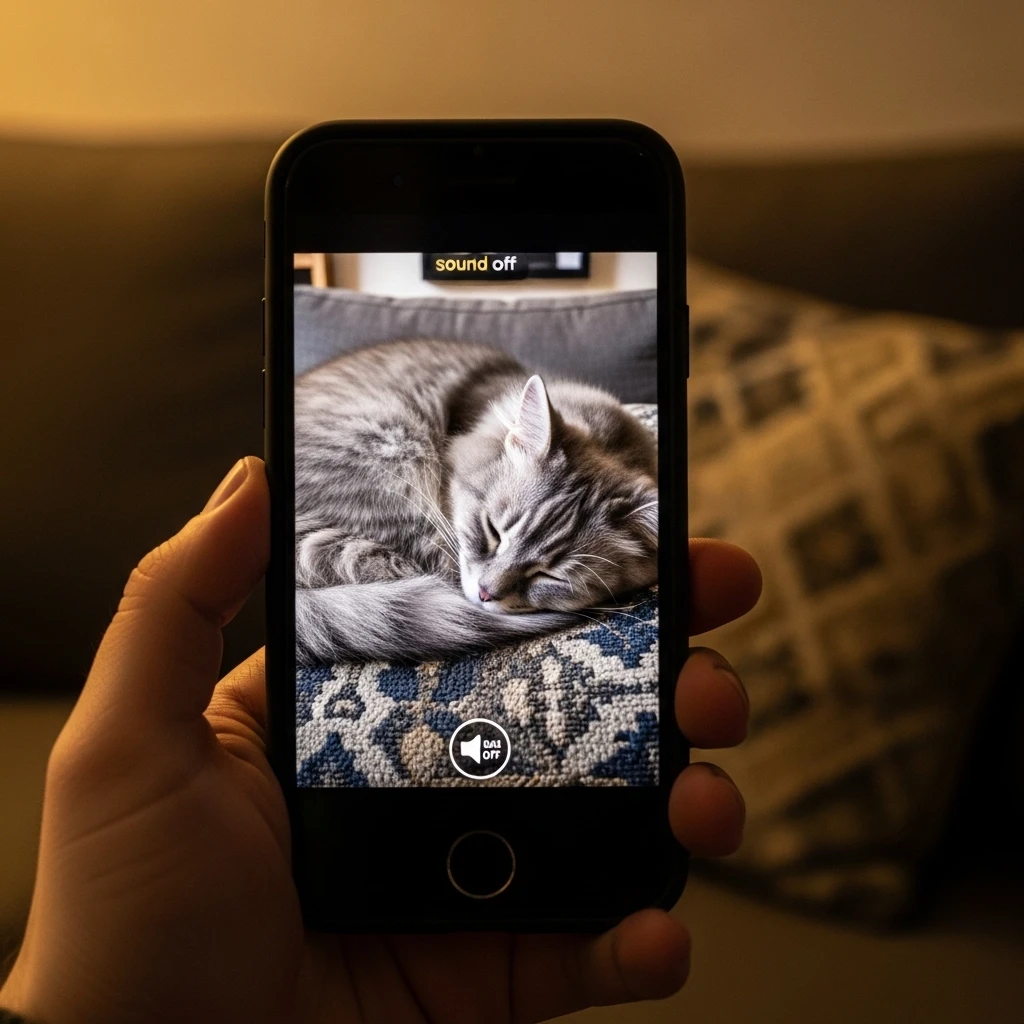
- Silence is Golden: Turn off ALL sounds shutter clicks, focus beeps, notification dings.
- Embrace Natural Light: Flash is an atrocity against ambiance. Use window light, lamp light, or the soft glow of a screen.
- Details Over Portraits: Sometimes the moment isn’t the whole cat. It’s the curve of a tail around a paw, the shadow they cast on the wall, their reflection in a quiet puddle of water.
3. Choose Your Medium: Beyond the Photo
- The Journal Snippet: Write one line in a notes app or a dedicated journal. “Tuesday, 4 PM. Mochi is a puddle of black fur in the stripe of sun on the rug. The house is silent except for the clock and her breath.”
- The Audio Note: Record 30 seconds of ambient sound their gentle purr, the soft snick-snick of grooming, the quiet of the room you share.
- The Video Snapshot: A 10-second video clip can capture the subtle movement within stillness a tail tip flick, an ear rotation towards a distant sound.
From Capture to Keepsake: Creative Ways to Save Your Moments
Don’t let these captures die in your camera roll. Transform them into tangible reminders.
- The Annual Quiet Calendar: Select 12 of your best quiet moment photos. Use a print-on-service to create a desk calendar. It’s a year-long meditation on peace.
- A Dedicated Digital Album: Create a cloud album titled “[Cat’s Name]’s Quiet Symphony.” Share it with family. It becomes a living, growing collection.
- The Memory Box: Print small, matte-finish photos and tuck them in a box with a dried catnip leaf, a whisker you found (a rare treasure!), or the ribbon from their first toy.
- Artistic Interpretation: Use a favorite photo for a custom illustration, a simple line drawing, or even an embroidery pattern. The act of recreating the moment deepens your connection to it.
The Deeper Bond: How Appreciating Quiet Transforms Your Relationship
When you start valuing your cat’s quiet states, your entire dynamic evolves. You become attuned to their natural rhythms. You stop feeling the need to constantly entertain them and start respecting their need for downtime—a crucial aspect of creating a calm and enriching cat home environment.
You begin to communicate on their terms. Returning a slow blink during a window watch is a conversation more meaningful than any belly rub. You learn to identify the quiet that precedes a storm of zoomies versus the quiet of deep contentment. This nuanced understanding is the hallmark of a truly connected guardian, moving beyond basic care into the realm of empathetic companionship.
FAQs: Your Questions on Quiet Cat Moments, Answered
Q: My cat is rarely quiet always meowing or following me. Does this mean they’re unhappy?
A: Not necessarily. Some breeds and personalities are more vocal and attached. However, a complete inability to settle can indicate underlying anxiety, boredom, or a medical issue like hyperthyroidism. Ensure they have adequate enrichment and a routine. If constant activity is new, a vet check is wise. Learn more about cat separation anxiety and calming a hyper cat at night.
Q: Is it okay to pet my cat during a quiet moment?
A: Proceed with caution. Let them initiate. Often, your peaceful presence is the gift. A gentle hand offered for sniffing is better than an invasive stroke. Respecting this space builds immense trust.
Q: How can I encourage more quiet moments?
A: Create an environment that fosters security: predictable routines, safe vertical spaces, cozy hiding spots, and interactive play sessions to fulfill their predatory needs. A well-played cat is a cat capable of deep, satisfied rest. Our guide on cat enrichment ideas offers great solutions.
Q: What if the “quiet” seems lethargic? When should I worry?
A: Key differences: A quiet, content cat is responsive they may slowly blink or turn an ear if you call softly. Lethargy is a lack of response, often coupled with changes in appetite, litter box habits, or grooming. Any sudden, significant increase in inactivity warrants a vet visit.
The Lasting Echo of the Quiet
In the end, the quiet cat moments worth saving are the ones that save us right back. They pull us into the present. They remind us that love isn’t always loud; sometimes, it’s the shared silence that resonates most deeply. It’s in these pauses that we truly see the creature we share our lives with not as a pet, but as a fellow being, existing in peaceful parallel.
Start today. Notice one quiet moment. Don’t just see a sleeping cat. See a creature so at ease in the sanctuary you’ve provided that it can surrender completely to rest. That is your silent achievement. Capture it, honor it, and let it quiet your own soul.
Explore more expert insights into feline behavior, deep bonding, and creating a harmonious home for your cat in our complete library of guides at Cat Bloom Haven. Discover the stories behind every purr, every playful pounce, and every precious moment of peace.