Why Is My Cat’s Nose Wet When Purring? Unveiling the Feline Mystery Behind This Common Behavior
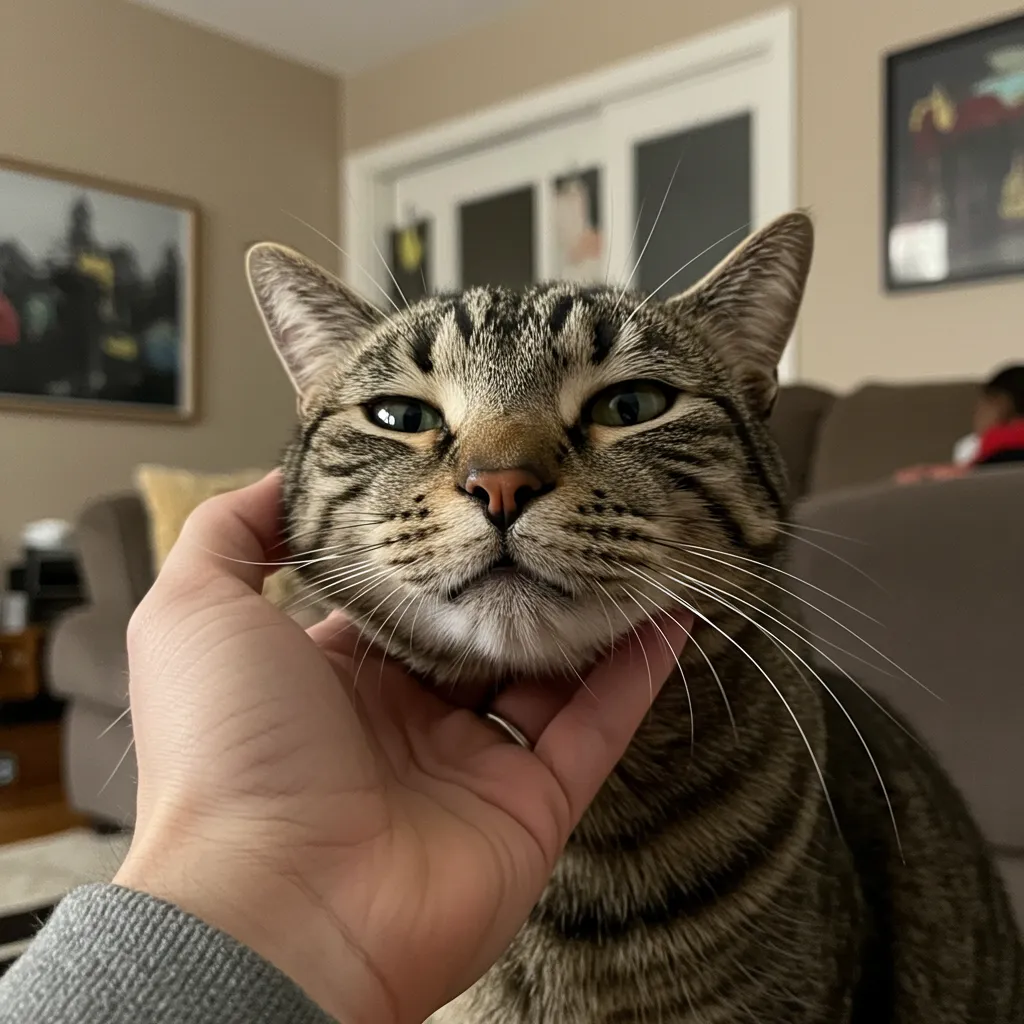
Have you ever snuggled up with your furry companion, only to notice their nose getting noticeably damp as that soothing purr kicks in? If you’re wondering, “Why is my cat’s nose wet when purring,” you’re not alone. This quirky feline trait often sparks curiosity among cat owners, blending elements of affection, health, and natural instincts.
As a seasoned cat care expert with years of hands-on experience helping pet parents navigate everything from routine behaviors to subtle health signals, I’ve seen this scenario play out countless times. In this in-depth guide, we’ll explore the reasons behind a cat’s wet nose while purring, decode related behaviors, and equip you with practical cat health tips to keep your kitty thriving. By the end, you’ll have a clear understanding of when this is just a sign of bliss and when it might warrant a closer look.
Whether it’s a harmless display of contentment or a hint at something like feline respiratory issues, understanding these signs can strengthen your bond and ensure your cat’s wellness. Let’s dive into the details, drawing from veterinary insights and real-world observations to provide you with actionable advice.
Key Takeaways: Quick Insights on Cat Nose Moisture Causes
Before we get into the nitty-gritty, here’s a snapshot of what you’ll learn. This summary is designed to answer your burning questions right away, optimizing for quick reference while we unpack each point further.
- Normal vs. Concerning: A slightly wet cat nose is often normal, especially during purring, but excessive moisture paired with other symptoms could signal issues like cat drooling and wet nose or cat upper respiratory infection symptoms.
- Happiness Link: Cats may drool when happy, leading to a wet nose—think of it as their version of a contented sigh.
- Health Red Flags: Watch for signs of illness in cats, such as persistent sneezing, nasal discharge, or lethargy, which might indicate cat allergies and nasal irritation or more serious feline respiratory issues.
- Prevention Tips: Regular cat care and vet checkups, along with monitoring cat purring behavior explained, can help catch problems early.
- When to Act: If your cat’s nose stays unusually wet or drippy, consult a vet—early intervention is key in feline care guide practices.
- Evergreen Advice: Incorporate common cat behaviors explained into your routine for better cat wellness and hygiene.
These takeaways highlight the blend of joy and vigilance needed in cat ownership. Now, let’s break it down step by step.
Decoding Cat Purring Behavior: Why Cats Purr and What It Really Means
Purring is one of the most iconic cat sounds, often evoking images of a relaxed, happy feline curled up on your lap. But why do cats purr? Recent studies in 2025 on cat behavior explained reveal that purring isn’t just about contentment—it’s a multifaceted communication tool rooted in feline physiology.
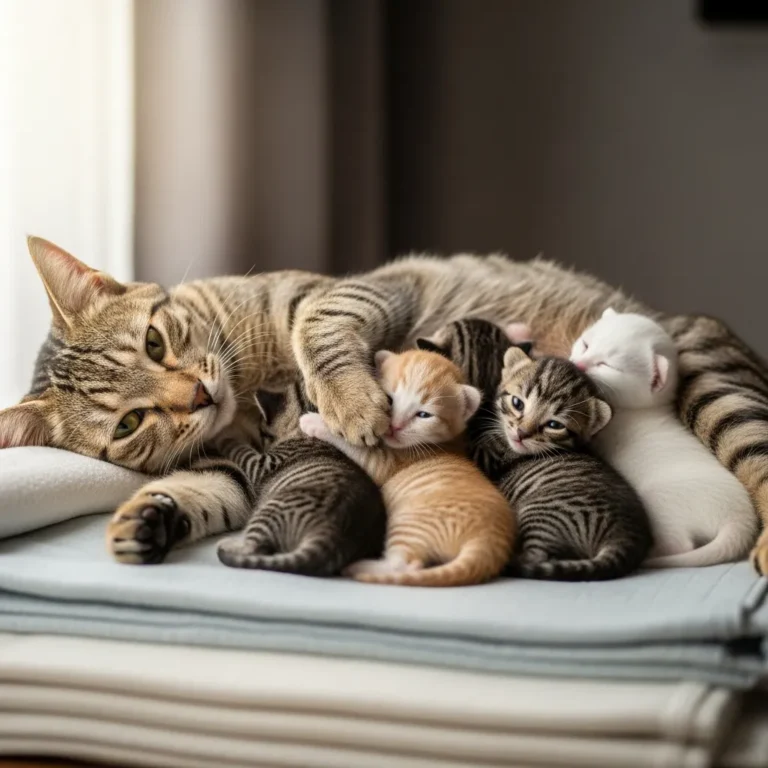
Cats start purring as kittens during nursing, signaling to their mother that all is well. As adults, purring can indicate relaxation, but it also serves as self-soothing during stress, pain, or even healing. The low-frequency vibrations (around 25-150 Hz) may promote bone density and tissue repair, a fascinating evolutionary perk. In fact, when your cat purrs while being petted, it could be expressing pure bliss, but context matters. Is the purr steady and soft, or accompanied by other behaviors like kneading or, yes, a wet nose?
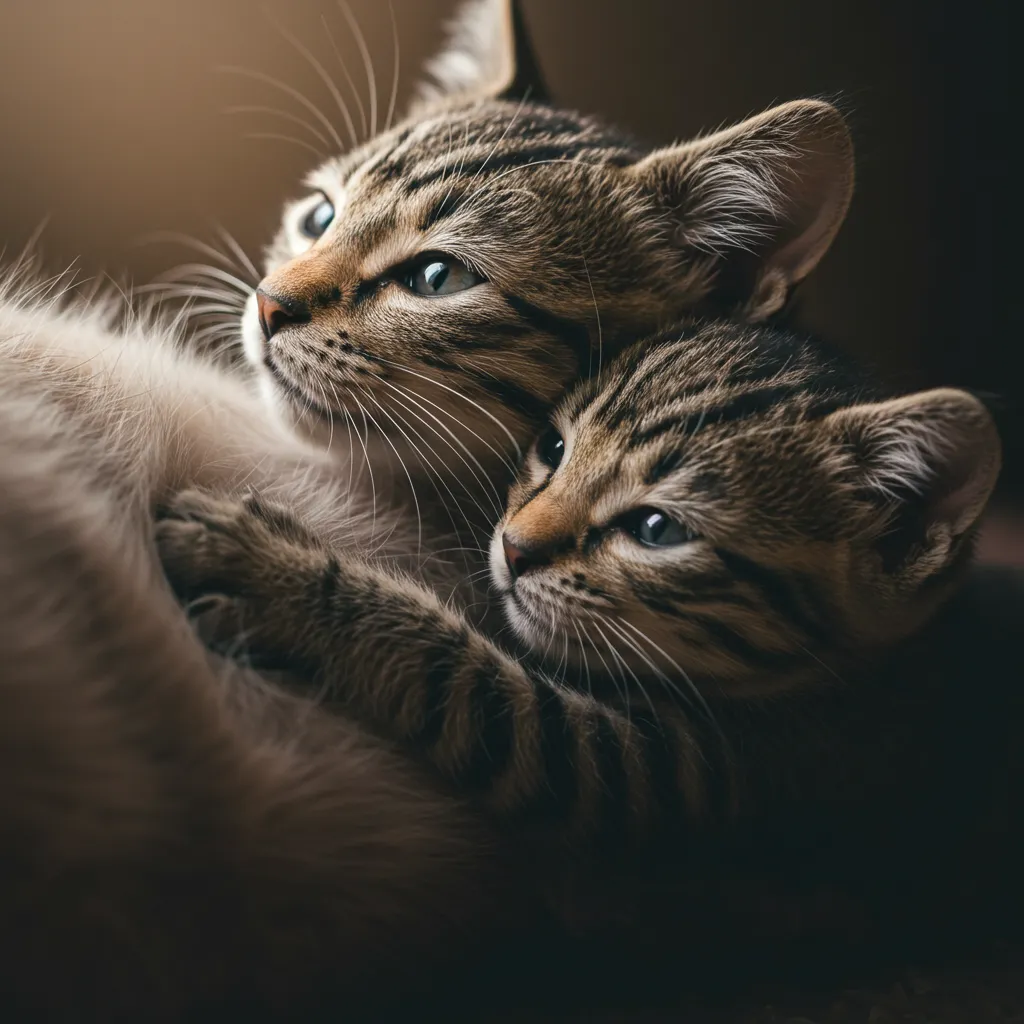
Understanding cat purring health meaning helps contextualize the wet nose phenomenon. A purring cat with a damp nose might be in ecstasy, but if it’s excessive, it could tie into other factors. For more on common cat behaviors explained, explore our detailed guide on cat pawing surfaces.
The Science of a Cat’s Nose: Is It Normal for a Cat’s Nose to Be Wet?
Before addressing the purring connection, let’s clarify: Is it normal for a cat’s nose to be wet? Absolutely, in moderation. A cat’s nose, or rhinarium, is naturally moist to enhance their sense of smell—up to 14 times stronger than ours. This moisture comes from sweat glands, tears draining through the nasolacrimal duct, and environmental humidity.
However, the level of wetness fluctuates. A dry nose after a nap is fine, while a consistently wet one might stem from grooming, drinking, or excitement. When purring enters the mix, the wetness often amps up due to physiological responses. Think of it as part of cat nose health: a balanced moisture level supports scent detection and temperature regulation.
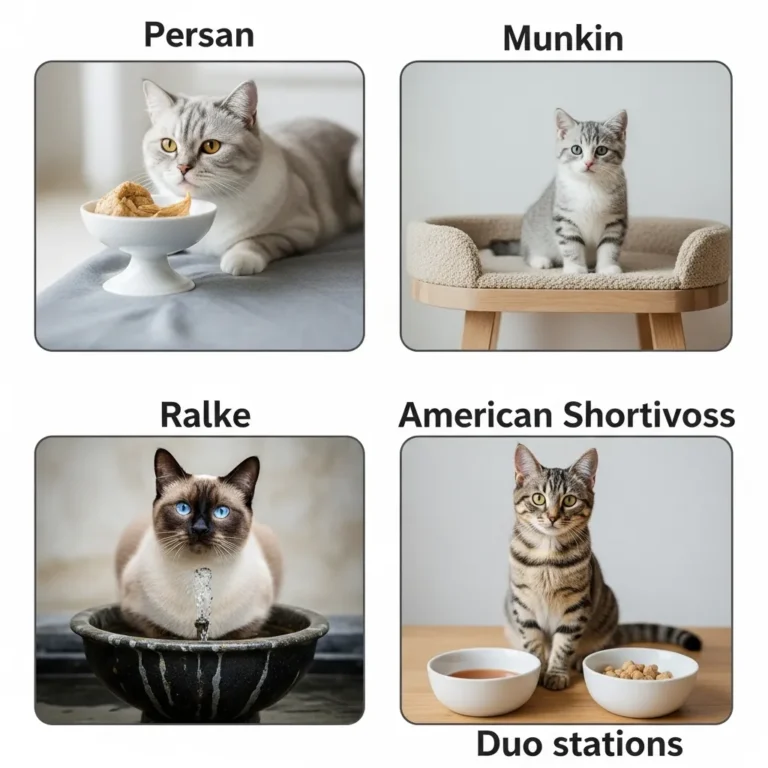
But what about wet cat nose when purring specifically? This combo often points to relaxation-induced secretions. If you’re noticing patterns, track them—changes could signal shifts in cat wellness and hygiene. For breed-specific insights, check out our American Shorthair cats guide, where we discuss how different breeds exhibit these traits.
Reason #1: Happiness and Drooling – Why Do Cats Drool When Happy?
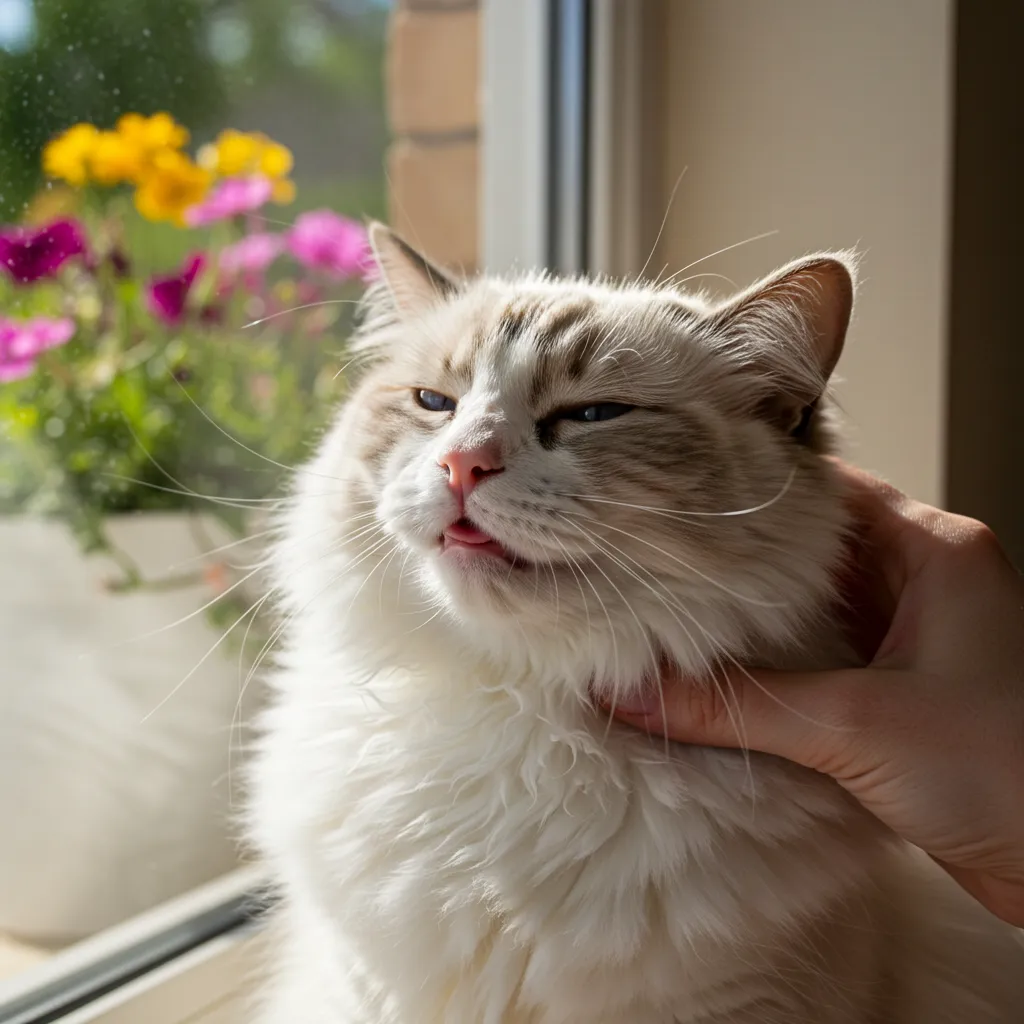
One of the most benign explanations for a cat’s wet nose while purring is sheer happiness leading to drooling. Picture this: You’re stroking your cat’s favorite spot, their motor-like purr revs up, and suddenly, their nose glistens. Why? Cats drool when happy because intense pleasure stimulates salivary glands, much like how humans might salivate over a delicious meal.
This “happy drool” often dribbles onto the nose, creating that wet appearance. It’s common in relaxed states, especially during petting sessions or when they’re kneading (a throwback to kittenhood). Cat drooling when purring is a trending topic in 2025 cat behavior discussions, with many owners sharing stories of their “leaky” felines on social platforms.
To differentiate: Happy drooling is clear, odorless, and intermittent. If it’s paired with other joyful signs like slow blinking or tail twitches, it’s likely harmless. However, excessive drooling warrants attention— it could overlap with dental issues or nausea.
Practical Tips to Manage Happy Drooling:
- Keep a soft towel handy during cuddle time.
- Ensure regular dental checkups; learn more in our cat dental care guide for Munchkin cats, applicable to all breeds.
- Monitor for patterns: Does it happen only when purring happily, or always?
If your cat’s drooling seems tied to affection, celebrate it—it’s a sign of trust! For more on why cats drool when happy, see our cat zoomies guide, which explores playful behaviors.
Reason #2: Upper Respiratory Infections – A Common Culprit in Feline Respiratory Issues
Shifting to more serious territory, a wet nose during purring could indicate an upper respiratory infection (URI), a frequent feline ailment akin to a human cold. Cat upper respiratory infection symptoms include nasal discharge, sneezing, coughing, and yes, drooling—often making the nose appear wetter than usual.
URIs are typically viral (like feline herpesvirus or calicivirus), spreading in multi-cat homes or shelters. Purring here might be self-comforting, as cats purr to soothe discomfort. The excess mucus from inflammation drips, combining with any drool for that drippy nose effect.
Cat Cold vs Infection: Key Differences
| Symptom | Cat Cold (Mild URI) | Serious Infection |
|---|---|---|
| Nasal Discharge | Clear, watery | Thick, colored (yellow/green) |
| Duration | 7-10 days | Over 2 weeks, worsening |
| Other Signs | Mild sneezing, wet eyes | Fever, lethargy, appetite loss |
| Purring Context | Intermittent, with rest | Constant, as self-soothing |
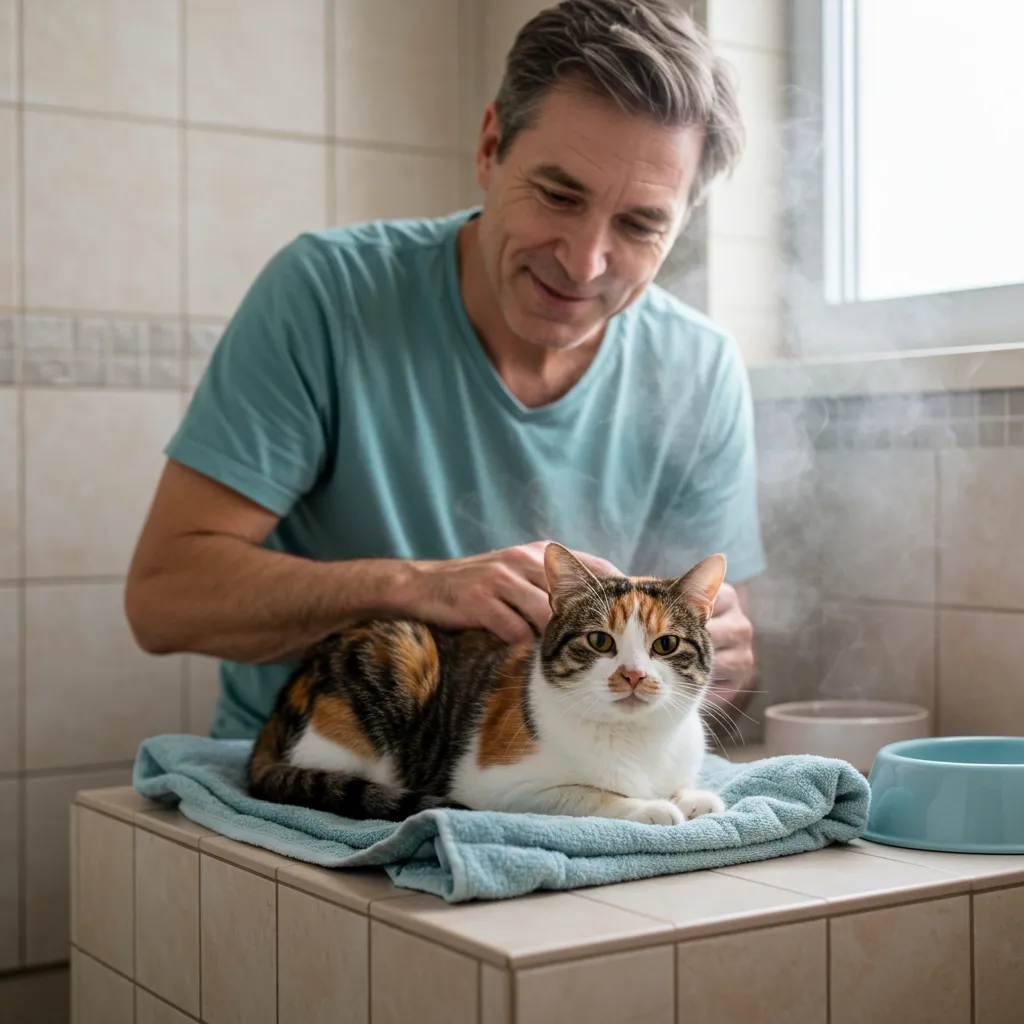
If you suspect a URI, isolation and humidity (like a steamy bathroom) can help, but veterinary care is crucial—antibiotics for secondary bacteria or antivirals may be needed. Early signs of illness in cats like this shouldn’t be ignored; prompt action prevents complications.
For prevention, vaccinate and maintain hygiene. Discover more in our feline care guide, including tips on worms in cats.
Reason #3: Allergies and Nasal Irritation – Environmental Triggers Explained
Environmental factors often play a role in cat nose wet meaning, particularly allergies or irritants causing nasal discharge. Cat allergies and nasal irritation can stem from pollen, dust, smoke, or even household cleaners, leading to inflammation and excess mucus.
When your cat purrs in a relaxed state, this discharge might become more noticeable, trickling onto the nose. Symptoms include sneezing, watery eyes, and pawing at the face—differentiate from happiness by noting if it’s seasonal or triggered by specific environments.
Common Allergens and How to Spot Them:
- Pollen/Outdoor Irritants: Worse in spring; cat allergy symptoms like itchy skin or runny nose.
- Household Dust/Mold: Persistent indoors; leads to chronic sneezing.
- Chemical Scents: From cleaners or perfumes; causes immediate irritation.
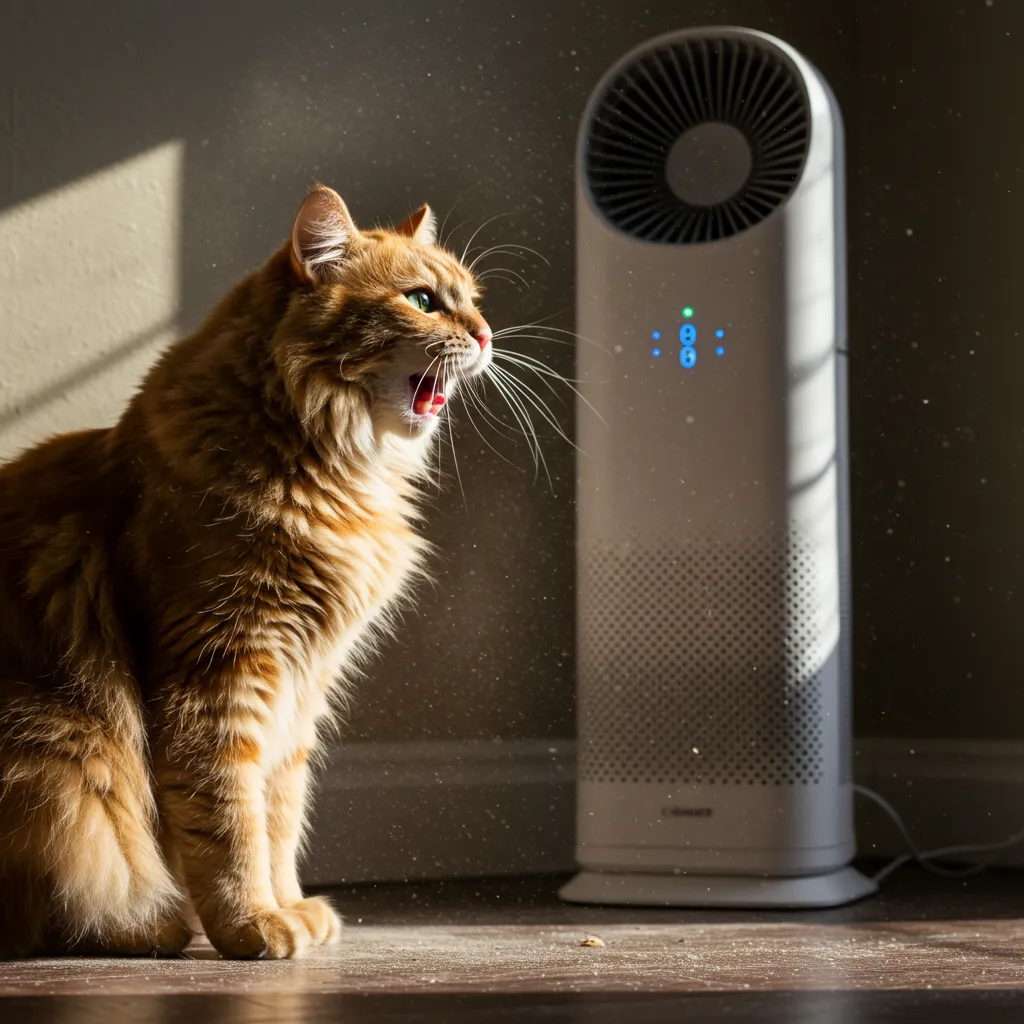
To alleviate, use hypoallergenic bedding and air purifiers. If allergies persist, allergy testing via your vet can pinpoint culprits. For breed-specific advice, our Bengal cats hypoallergenic article offers insights adaptable to any cat.
Other Possible Causes: Beyond the Basics in Cat Nose Health
While the top reasons cover most cases, other factors might contribute to wet cat nose when purring:
- Dental Problems: Inflamed gums or tooth issues can cause drooling, wetting the nose.
- Stress or Anxiety: Purring as coping, with nasal discharge from tension.
- Overheating: Cats pant or secrete more when warm, amplifying wetness.
- Breed Variations: Long-nosed breeds like Siamese may show more discharge; see our Siamese cat breed for details.
Always consider the whole picture—combine with cat purring behavior explained for accurate assessment.
When to Worry: Signs of Illness in Cats and the Importance of Vet Checkups
Not every wet nose spells trouble, but vigilance is key. Monitor for red flags like colored discharge, labored breathing, or reduced appetite—these elevate from quirky to concerning.
Checklist: When to Schedule Cat Care and Vet Checkups
- Persistent wetness lasting days.
- Accompanied by fever, weight loss, or behavioral changes.
- Sudden onset in older cats, potentially signaling chronic issues.
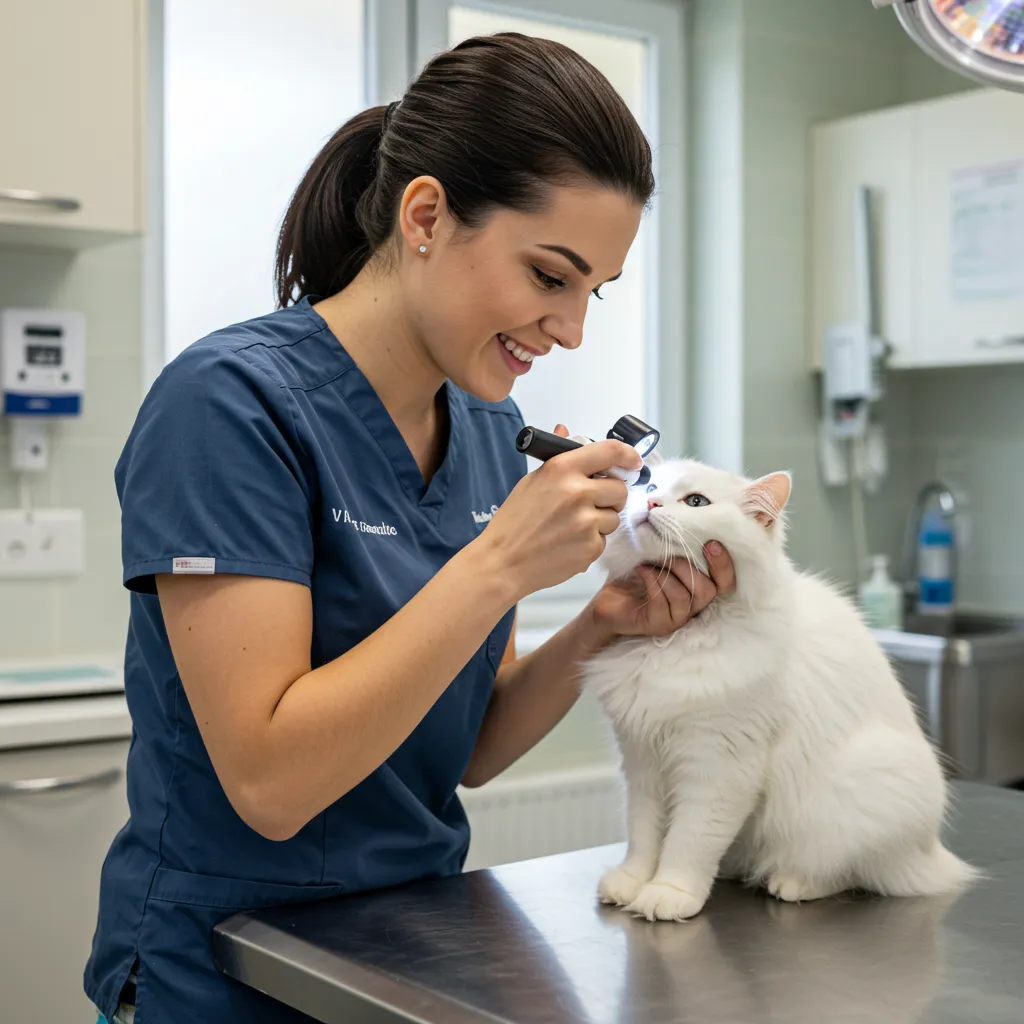
Regular checkups catch early signs; aim for annual visits, more for seniors. Learn how to prepare in our Siamese cat vet visits.
Cat Health Tips: Proactive Steps for Feline Wellness and Hygiene
Prevent issues with these evergreen cat health tips:
- Nutrition: Balanced diet supports immunity; explore best wet cat food.
- Grooming: Regular brushing reduces irritants.
- Environment: Clean litter, fresh air.
- Play and Bonding: Reduces stress; try teaching tricks from teach cat to fetch.
For comprehensive advice, dive into our cat health care section.
Conclusion: Embrace the Purr, Stay Vigilant on Health
So, why is your cat’s nose wet when purring? It could be a delightful sign of contentment, a nudge toward better hygiene, or a call to address underlying issues like URIs or allergies. By understanding these nuances, you’re empowering yourself as a responsible cat owner. Remember, every purr tells a story—listen closely, and you’ll foster a healthier, happier bond.
Explore more expert cat health guides on Cat Bloom Haven. Whether you’re curious about why cats burrow under blankets or need cat stress signs insights, we’ve got you covered. Your cat’s well-being starts with knowledge—keep learning!
FAQ: Answering Your Top Questions on Cat Nose Moisture and Purring
Why is my cat’s nose wet when purring?
It often stems from happiness-induced drooling or natural moisture, but could indicate URIs or allergies if excessive.
Is it normal for a cat’s nose to be wet?
Yes, a mildly wet nose is healthy for scent enhancement, but monitor for changes.
Can drooling cause a wet nose in cats when they purr?
Absolutely—happy drooling during purring can wet the nose; it’s common and usually harmless.
What are other possible reasons for a cat’s wet nose when they purr?
Beyond drooling, consider feline respiratory issues, cat allergies and nasal irritation, or dental problems.
Can environmental allergies or irritation contribute to a cat’s wet nose when they purr?
Yes, allergens like dust or pollen can cause nasal discharge, amplified during relaxed purring states.