Why Does My Cat Paw at Smooth Surfaces? 7 Fascinating Reasons
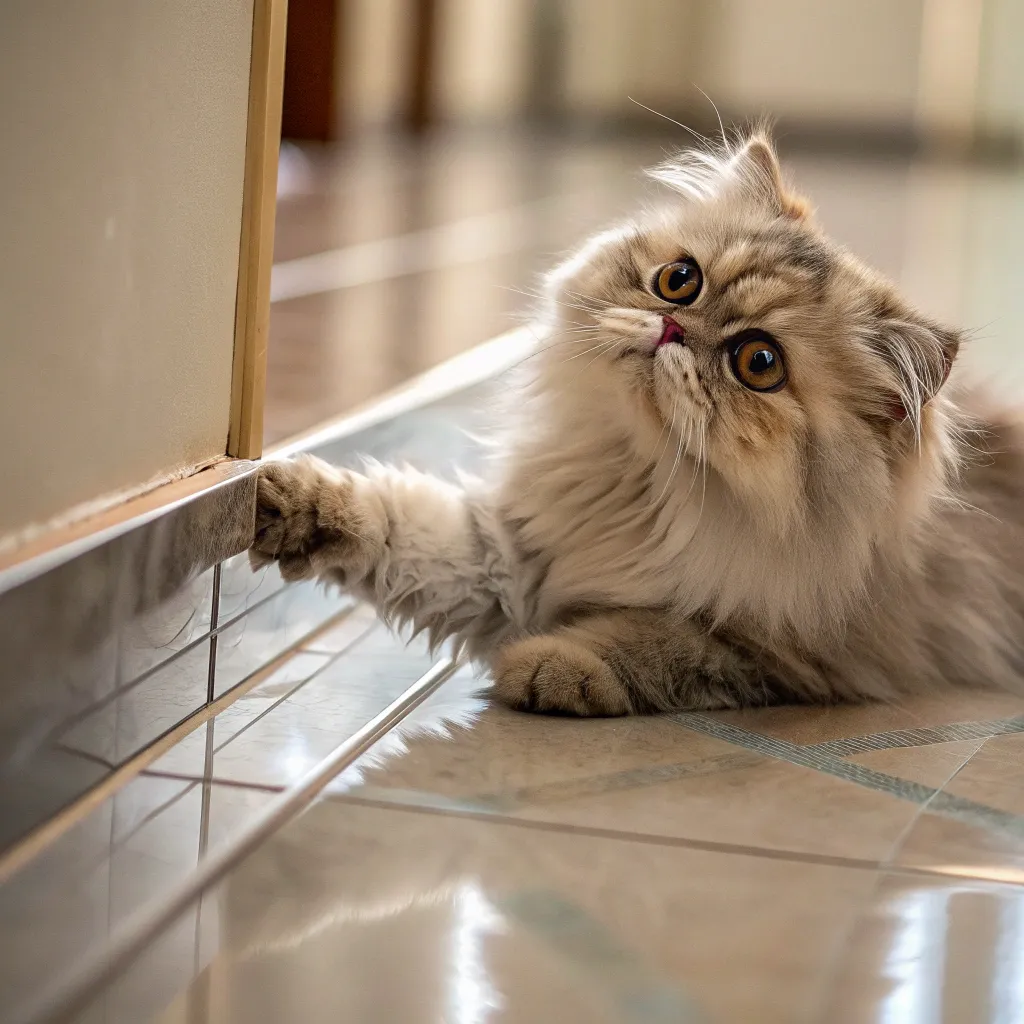
Cats have a knack for quirky behaviors, and pawing at smooth surfaces like floors, tiles, furniture, or glass is one that leaves many pet owners puzzled. This curious habit can range from playful taps to intense scratching, but what’s driving it? Let’s dive into seven compelling reasons behind cat pawing at smooth surfaces, exploring feline instincts, territorial habits, and more to uncover what your furry friend is trying to tell you.
Why Cats Paw at Smooth Surfaces: The Core Reasons
Cats aren’t just being mischievous when they paw at slick surfaces. This behavior is often rooted in their instincts, emotions, or environment. Below, we explore the top reasons behind cat scratching behavior, including why your feline might be tapping at floors, furniture, or even mirrors.
1. Marking Their Territory
Cats are territorial creatures, and marking territory with paws is an instinct. When your cat paws at smooth surfaces like tiles or glass, they may be leaving scent markers from the glands in their paw pads. This invisible “signature” claims the space as theirs, especially in multi-pet homes or new environments. You might notice this more on frequently touched surfaces like furniture or doorframes.
2. Exploring Their Reflection
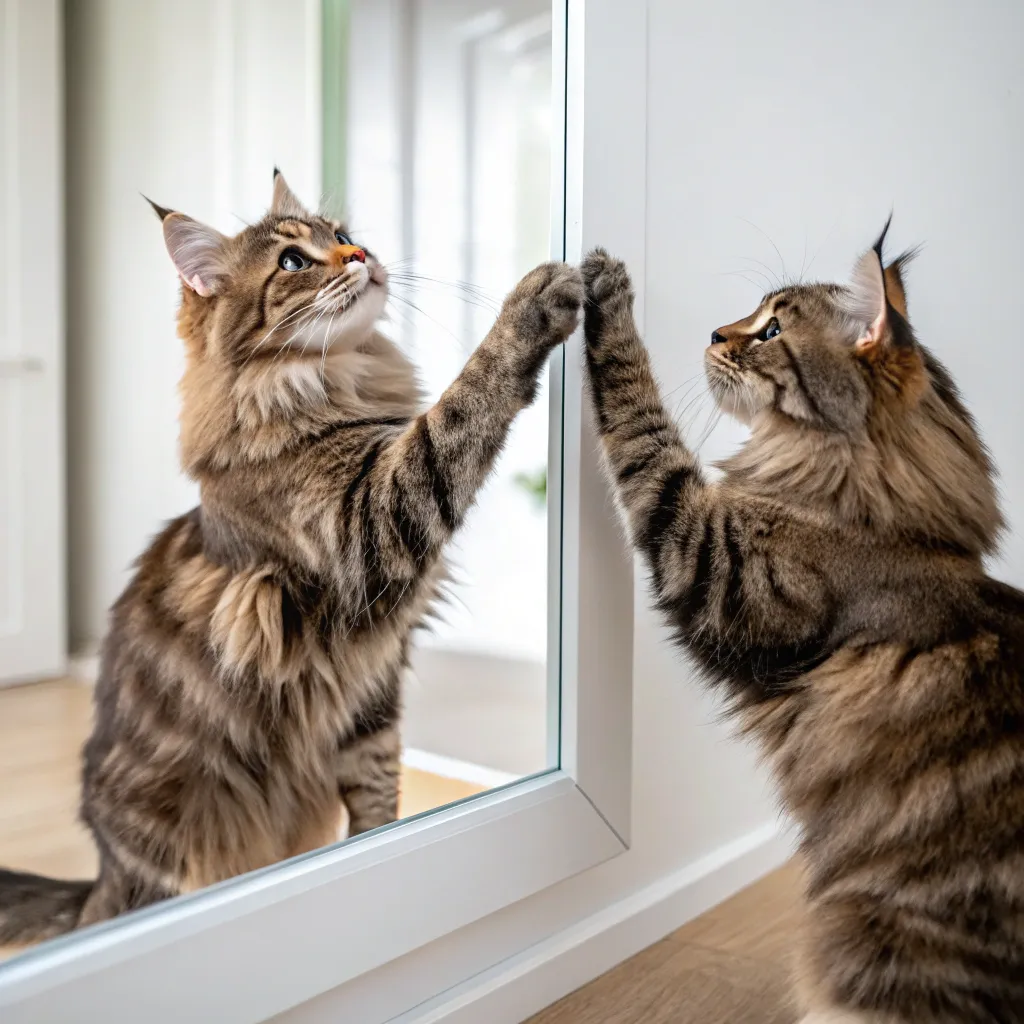
Ever caught your cat pawing at a mirror or glass? The “mirror kitty” they see might be the culprit. Cats don’t always recognize their reflection and may paw at it, thinking it’s another feline. This explains cat pawing furniture or glass, as they try to interact with or challenge the mysterious stranger staring back.
3. Satisfying Hunting Instincts
Feline instincts’ pawing behavior often ties back to a cat’s inner hunter. Smooth surfaces like tiles or floors can mimic the texture of prey or spark curiosity, prompting cats to “hunt” by pawing or scratching. This is especially common if they spot something intriguing, like a speck of dust or a shadow, leading to the cat playing with smooth surfaces.
4. Sharpening Claws and Stretching
Pawing or scratching at surfaces isn’t always about play—it’s also functional. Cats use this behavior to maintain their claws, shedding old layers to keep them sharp. Smooth surfaces like furniture or tiles might not be ideal for scratching, but the act of pawing still satisfies their need to stretch and flex. This is a key part of cat scratching behavior explained.
5. Expressing Stress or Anxiety
Sometimes, cat stress or anxiety behavior manifests as repetitive pawing. Changes in the home—like new furniture, visitors, or a shift in routine—can make your cat feel uneasy, leading them to paw at floors or tiles as a coping mechanism. If the behavior seems excessive, it might be worth checking for stressors in their environment.
6. Seeking Attention or Play
Cats are clever at getting your attention, and pawing at smooth surfaces can be their way of saying, “Hey, look at me!” This is especially true if they’ve learned that pawing at glass or furniture gets a reaction from you. A cat playing with smooth surfaces can also be a sign that they’re bored and craving interactive playtime.
7. Investigating the Outside World
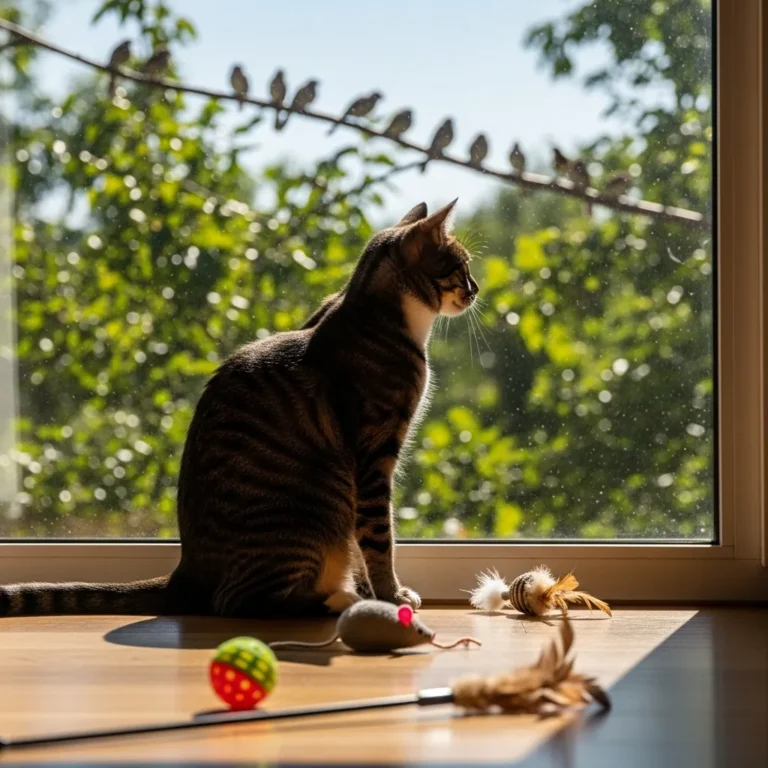
If your cat is pawing at windows or glass doors, they might be fascinated by what’s outside—birds, squirrels, or passing cars. This behavior ties into their curiosity and hunting instincts, making cat pawing furniture or glass a way to engage with the world beyond their reach.
How to Manage Cat Pawing Habits
Understanding cat pawing habits is the first step, but what if the behavior becomes disruptive? Here are practical tips to redirect or manage it:
- Provide Scratching Posts: Offer textured scratching posts to satisfy their claw-sharpening needs and redirect them from furniture or tiles.
- Engage in Play: Use toys like feather wands or laser pointers to channel their hunting instincts and reduce cat stress or anxiety behavior.
- Cover Reflective Surfaces: Temporarily cover mirrors or glass to discourage pawing at reflections.
- Create a Stimulating Environment: Add perches or toys near windows to keep your cat entertained without pawing at surfaces.
- Check for Stress: If pawing seems excessive, consult a vet to rule out anxiety or health issues.
Common Questions About Cat Pawing Behavior
Why Do Cats Paw at Walls or Non-Reflective Surfaces?
Pawing at walls or floors is often tied to cat marking territory with paws or satisfying their scratching instincts. They might also be exploring textures or responding to sounds or scents you can’t detect.
Why Do Cats Paw at Mirrors or Highly Reflective Surfaces?
Cats may paw at mirrors because they see their reflection as another cat, sparking curiosity or territorial behavior. This is a common reason for a cat pawing furniture or glass.
Is Pawing a Sign of a Health Issue?
While pawing is usually normal, excessive or sudden changes in behavior could signal cat stress or anxiety behavior, or even health problems. A vet visit can help rule out underlying issues.
Wrapping Up: Decoding Your Cat’s Pawing
Why cats paw floors or tiles or other smooth surfaces boils down to their instincts, emotions, or environment. From marking territory to chasing reflections or simply playing, this quirky habit is a window into your cat’s world. By understanding the reasons behind cat pawing at smooth surfaces, you can better meet their needs and keep your home scratch-free. Got more questions about your feline friend’s antics? Drop a comment below, and let’s keep the conversation going!