Does My Cat Want Another Cat? Decoding Feline Signals for Happier Homes
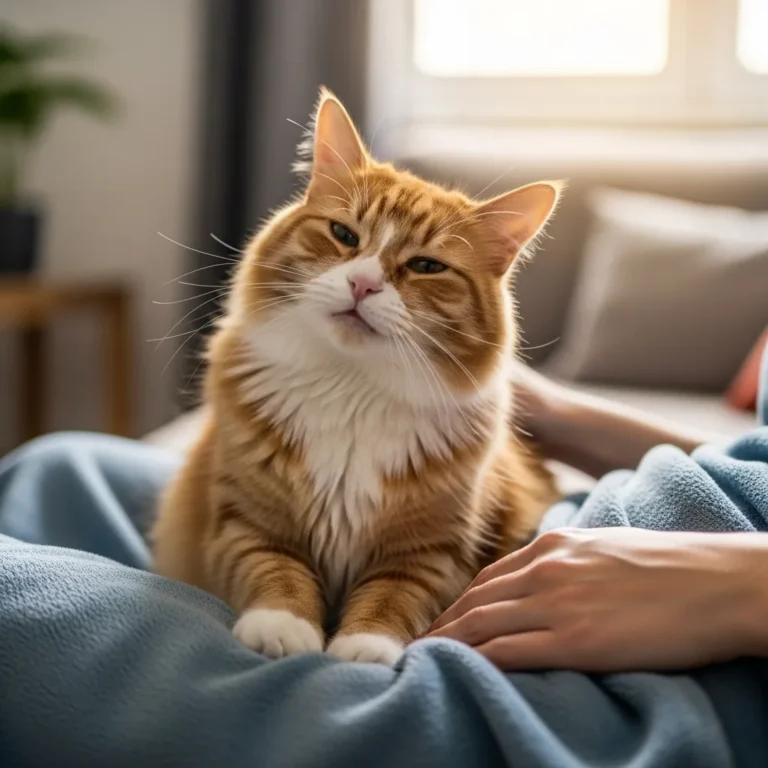
Picture this: Your cat stares longingly out the window, meows at empty corners, or suddenly turns your lap into a permanent throne. As a devoted cat parent, you wonder does my cat want another cat? You’re not alone. Thousands search this exact question monthly, torn between fearing territorial chaos and hoping for purr-filled playdates. The truth? Cats aren’t one-size-fits-all. Some thrive in solitude like independent artists, while others crave cat companionship to combat subtle cat loneliness signs that sneak up over time.
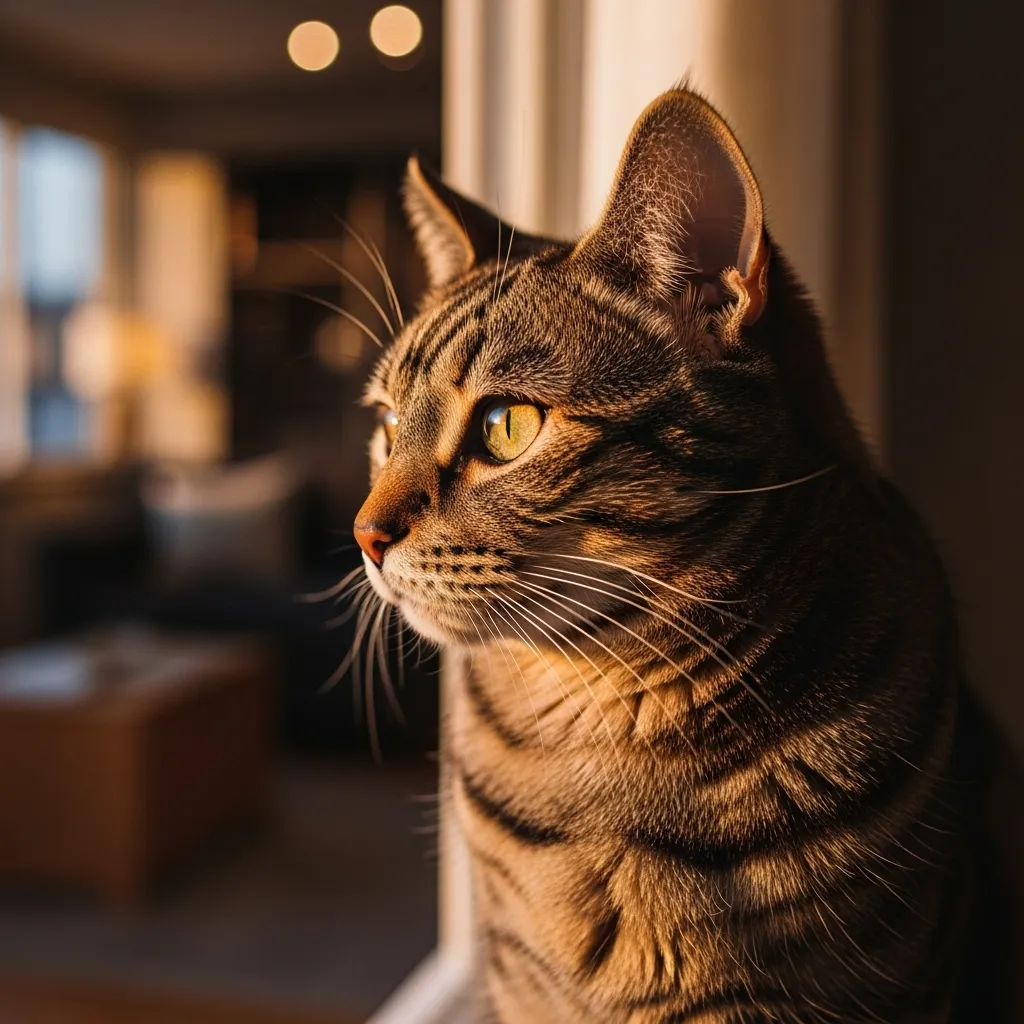
In this comprehensive guide from Cat Bloom Haven, we’ll unpack cat social behavior through feline body language, vocal shifts, grooming quirks, and more. You’ll learn to spot if your feline friend is begging for a buddy or perfectly content solo. Plus, master introducing a second cat with vet-approved steps to avoid hisses and heartbreak. By the end, you’ll have actionable cat care tips to boost your cat’s mental health—whether that means adopting a playmate or enriching your current bond.
Key Takeaways Upfront (for Quick Wins):
- Not all cats need companions; 40-50% prefer solo life based on personality and early socialization.
- Watch for cat behavioral changes like excessive meowing, over-grooming, or disrupted sleep patterns in cats.
- Successful multi-cat household tips hinge on slow introductions and assessing cat compatibility.
- Breeds like Siamese or Bengal often show stronger needs for cat friendship dynamics.
Ready to become a cat whisperer? Let’s dive into the science and stories behind your cat’s secret wishes.
Understanding Cat Social Behavior: Are Cats Truly Solitary?
Cats get a bad rap as lone wolves, but feline reality is nuanced. Domestic cats descend from solitary hunters (Felis silvestris lybica), yet thousands of years alongside humans have rewired some for social bonds. A 2023 study in Animals journal found 62% of cats display affiliative behaviors toward familiar felines, like mutual grooming or tail-twining.
Cat socialization starts early—kittens exposed to littermates before 7 weeks often seek cat companionship later. Adult rescues? It varies. Your cat’s baseline personality dictates if adding a new cat to home sparks joy or war.
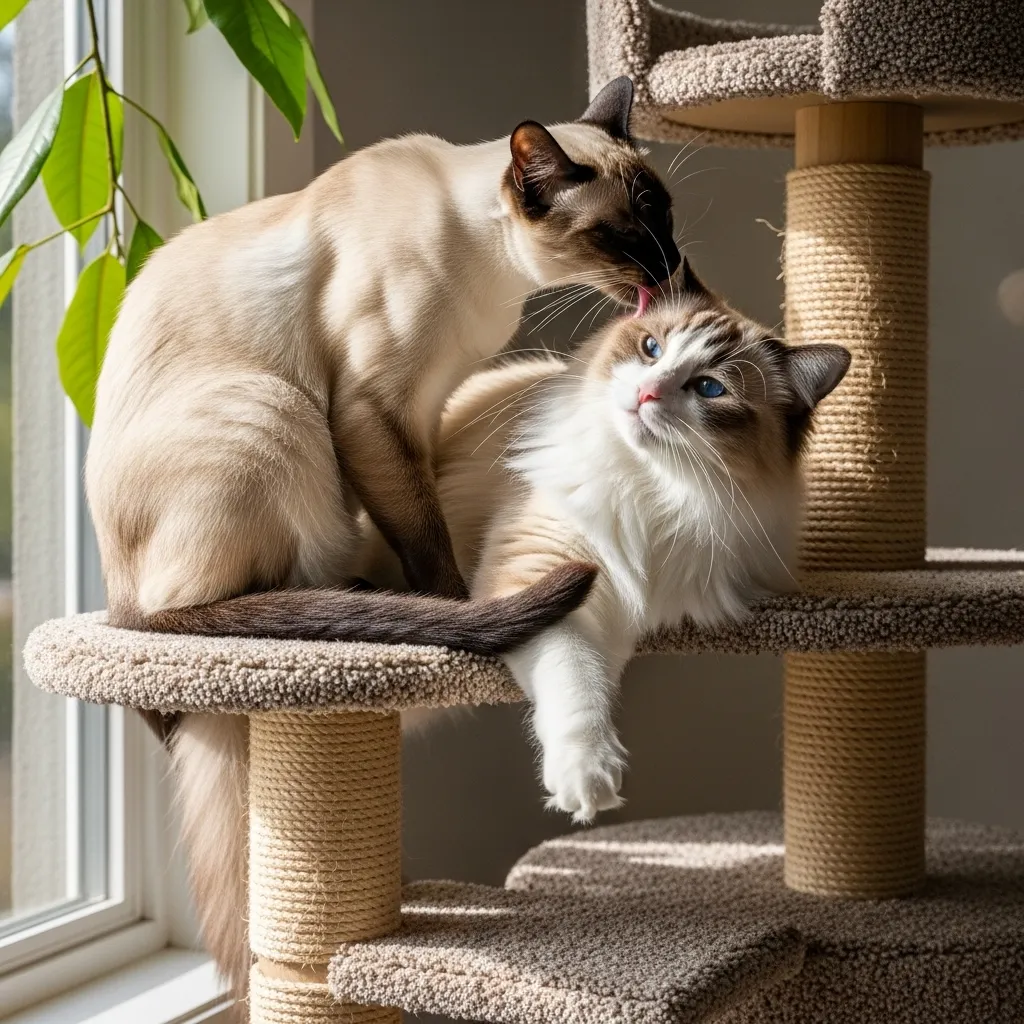
Real-Life Example: Take Luna, a 4-year-old Siamese from our community. Rescued as a stray, she yowled nonstop until we introduced a mellow Ragdoll. Instant BFFs. Contrast with Max, an American Shorthair who hissed at every shelter cat solo bliss for him. Discover more in Siamese cats are the best.
Expert Insight (Vet Dr. Emily Hart, DVM): “Cat social behavior isn’t black-and-white. Monitor stress hormones via fecal tests if unsure—elevated glucocorticoids signal unmet needs.”
Signs Your Cat Is Lonely: Beyond the Obvious Meows
Cat loneliness signs masquerade as “normal” quirks until they escalate. Don’t wait for depression; early detection prevents cat mental health dips. Here’s how to read the clues across changes in cat vocalization, grooming, and more.
Changes in Cat Vocalization: From Chatty to Desperate
Meows evolve. Kittens meow to moms; adults reserve them for humans or loneliness. Excessive yowling, especially at night, screams “I’m bored!” A 2024 survey by the ASPCA noted 35% of single-cat homes reported increased vocalization during COVID lockdowns, when routines shifted and cats wanting companions peaked.
- Trilling turnaround: Playful trills turn into demanding caterwauls.
- Silent treatment reversal: Quiet cats suddenly “talk” nonstop.
Pro Tip: Record vocal patterns for a week. Apps like Pet Monitor track frequency. If meows spike >50%, explore cat needing attention remedies first.

Cat Grooming Habits: Overdrive or Neglect?
Grooming = self-soothing. Stressed or lonely cats over-groom, creating bald patches (psychogenic alopecia). Conversely, neglected coats signal apathy.
| Grooming Shift | Possible Meaning | Action Step |
|---|---|---|
| Excessive licking (belly, legs) | Anxiety from lack of stimulation | Add interactive toys; see keep Siamese cats entertained |
| Matted fur, dander buildup | Depression/loneliness | Vet check + enrichment; explore cat grooming habits guide |
| Mutual grooming dreams (air-licking) | Craving cat friendship dynamics | Consider playdates or adoption |
Sleep Patterns in Cats: Too Much Zzz or Restless Nights?
Cats sleep 12-16 hours daily, but quality matters. Lonely cats nap excessively to escape boredom or prowl at 3 AM demanding play.
- Daytime coma: Hides in closets, ignores toys.
- Nighttime zoomies: Hyperactivity signals pent-up energy.
Track via camera: If sleep disrupts your bond, it’s a red flag. Learn more in cat sleeping habits.
Cat Eating Habits and Behavioral Changes: Appetite Alerts
Sudden gorging or pickiness? Loneliness stresses the gut. Cats needing attention may beg more or eat less.
- Stress eating: Finishes bowl in seconds, then yowls.
- Appetite loss: Leaves food, loses weight.
Vet-Backed: Rule out medical issues first—hyperthyroidism mimics loneliness. See why cat not eating.
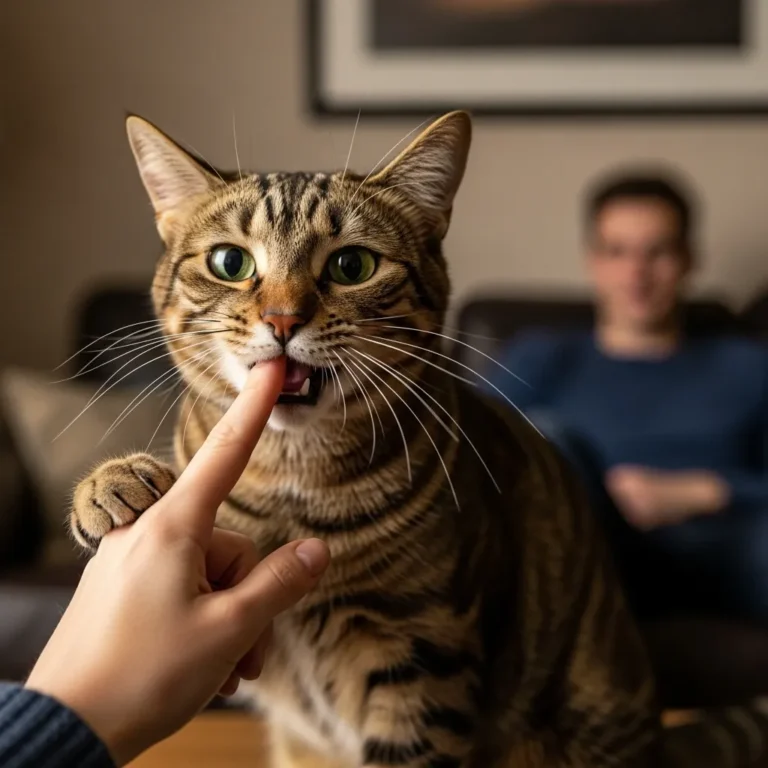
Cats Needing Attention: Clingy or Destructive?
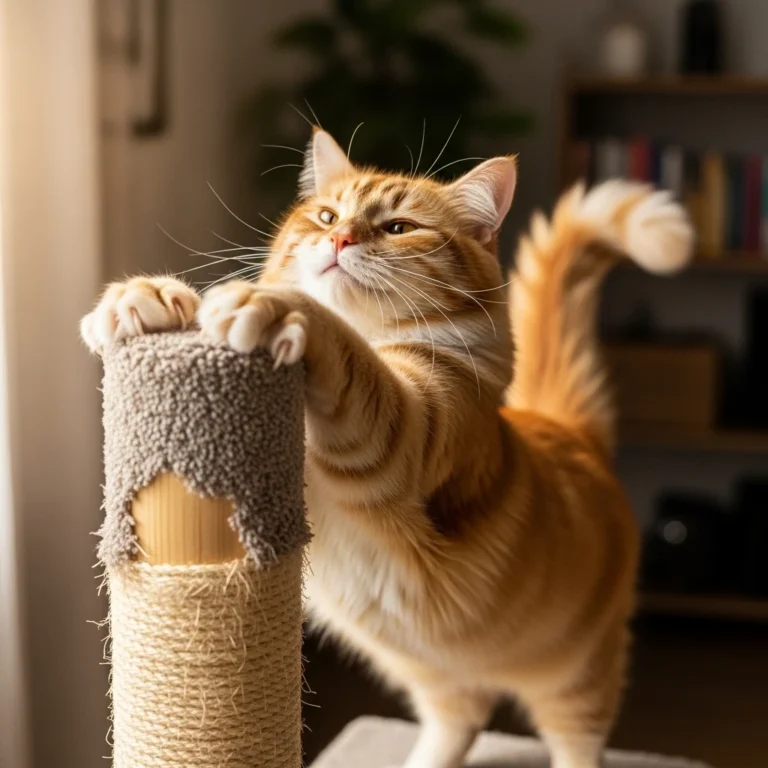
Your shadow follows you to the bathroom? Constant pawing, door-guarding, or furniture scratching = “Play with me or else!”
- Velcro cat syndrome: Trips you for pets.
- Destructive detours: Knocks items to force interaction.
Explore solutions in stop cats scratching furniture.

How to Read Cat Body Language: Social Cues Decoded
Feline body language trumps words. Master these for spot-on insights into cat companionship desires.
Tail Tales: Upright vs. Thrashing
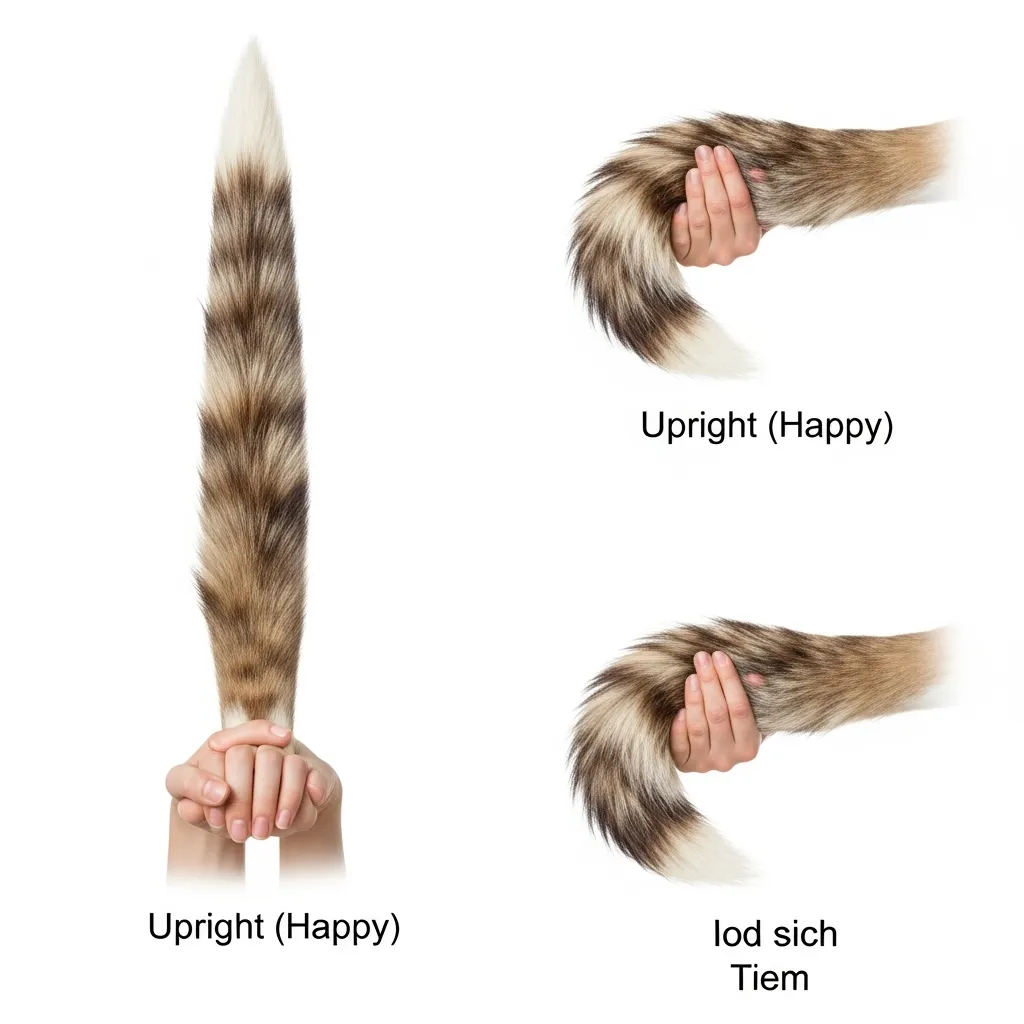
- Question mark tail: Happy, open to interaction potential for new friends.
- Puffed bottle brush: Fear/aggression solo preference likely.
Ear Positions and Eye Contact
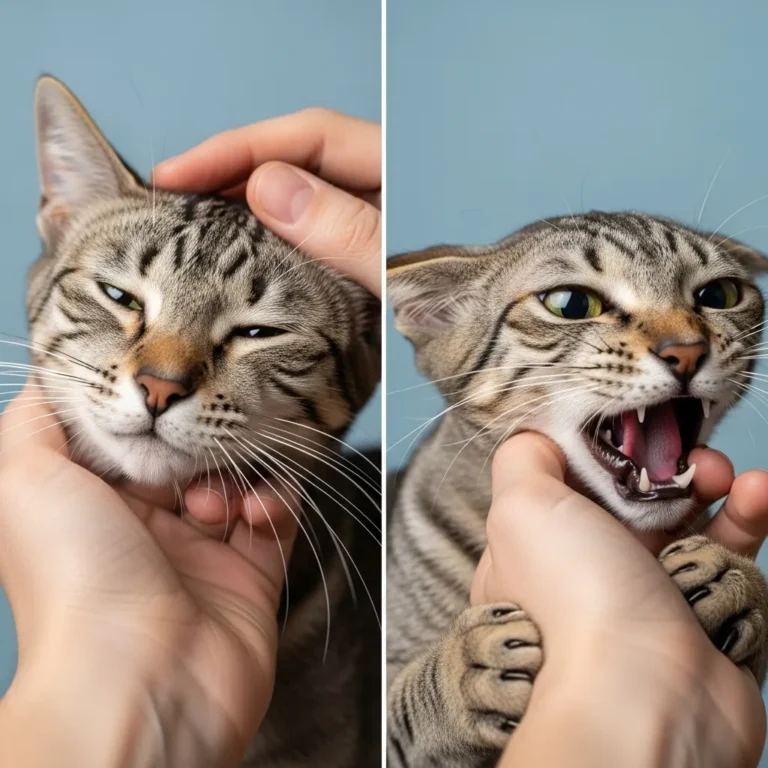
Forward ears + slow blinks = trust. Flattened ears + dilated pupils = overwhelm.
Posture Pointers
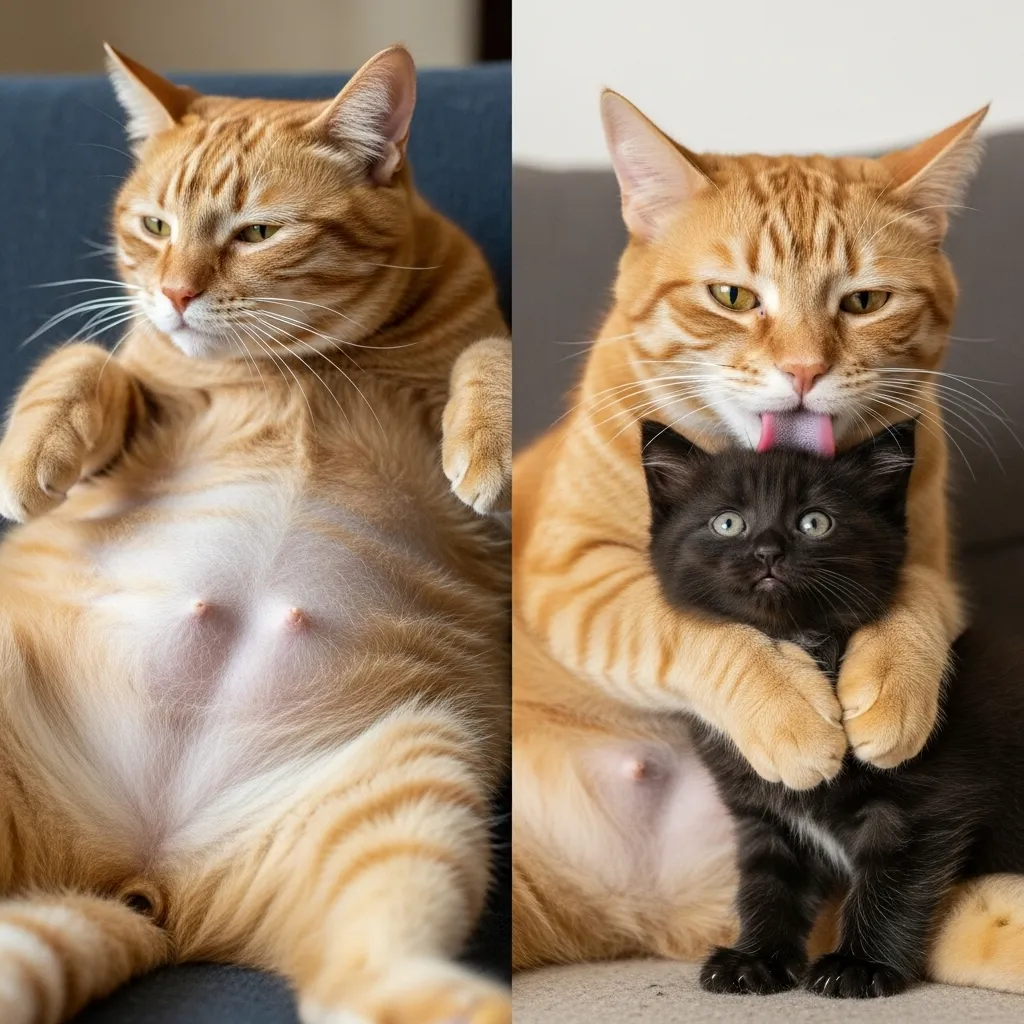
- Belly up (with relaxed limbs): Vulnerability—rare in anti-social cats.
- Arched back, piloerection: Defensive—skip the second cat.
Dive deeper with cat tail language guide or why cats show bellies.
When Cats Crave Companionship: Breed and Personality Factors
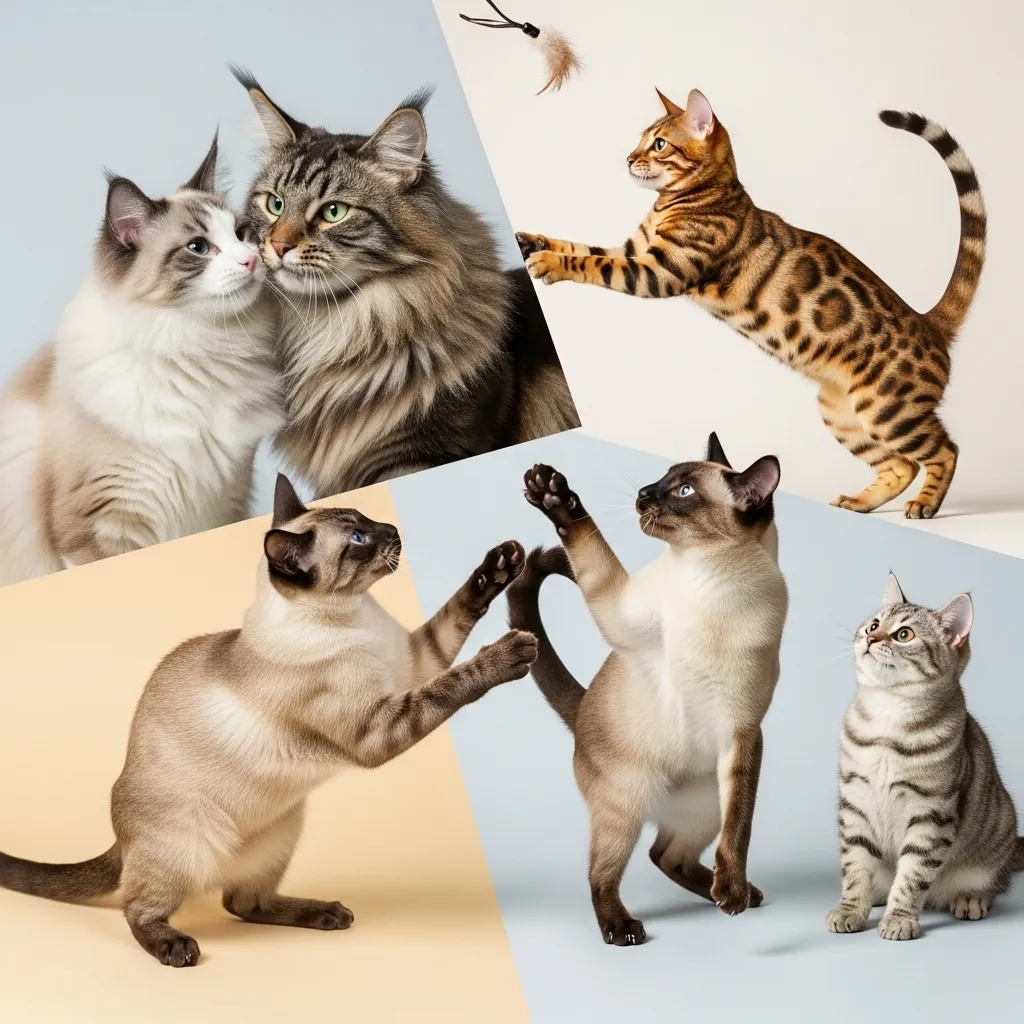
Not all cats are equal. Trending: Best cat breeds to keep together.
| Breed | Social Score (1-10) | Ideal Pair |
|---|---|---|
| Siamese | 9 | Another vocal breed; see Siamese cat breed |
| Ragdoll | 8 | Gentle giants; explore Ragdoll cat care guide |
| Bengal | 7 | Active playmate; check Bengal cat personality |
| American Shorthair | 5 | Hit-or-miss; learn in American Shorthair cats guide |
| Persian | 4 | Often solo; discover Persian cat breed |
COVID Insight: Lockdown data (2020-2023) showed 28% rise in multi-cat adoptions, with owners noting reduced cat behavioral changes post-introduction.
Assessing Cat Compatibility: Prep for Success
Dreaming of harmony? Evaluate before adopting.
Age and Energy Match
Kitten + senior = disaster. Pair similar life stages.
Gender and Spay/Neuter Status
Opposite-sex pairs often gel best post-fix.
Space and Resources
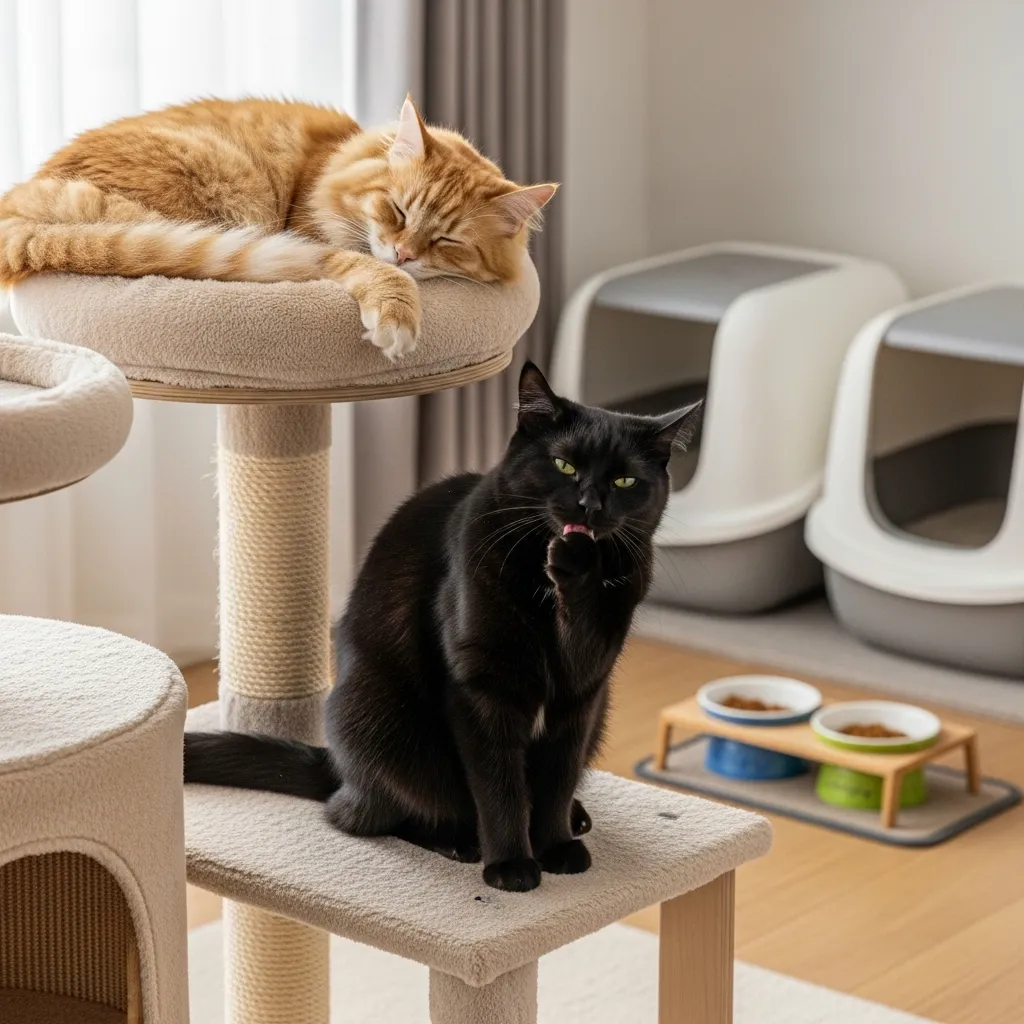
Minimum: 1 litter box + 1 per cat, multiple perches. See cat litter box problems.
Expert Tip: Scent-swap first—rub towels on each cat, exchange.
How to Introduce Cats: Step-by-Step to Avoid Fights
Introducing a second cat fails 40% of the time without protocol. Follow this 2-4 week plan.
- Isolation Phase (Days 1-3): New cat in separate room with essentials.
- Scent Familiarization (Days 4-7): Swap bedding; feed near door.
- Visual Contact (Week 2): Baby gate meetings; reward calm.
- Supervised Play (Week 3+): Short sessions; interrupt tension.
- Full Access: Gradual; monitor for 1 month.
How to prevent cat fights: Feliway diffusers, vertical space. Detailed in how to introduce cats (adaptable breeds).
Success Story: Bengal owner Sarah used this zero hisses! Read Bengal cat introduction tips.
Multi-Cat Household Tips: Long-Term Harmony
- Resource Guarding Fixes: Multiple stations; auto-feeders (automatic cat feeder guide).
- Play Rotation: Daily sessions prevent boredom.
- Health Sync: Annual vets; see finding the best vet for your cat.
Cat Mental Health: The Bigger Picture
Loneliness links to immunity drops. Enrich solo cats with windows, puzzles, or your quality time. Explore cat exercise needs.
FAQ: Quick Answers to Common Queries
How can I tell if my cat wants another cat?
Combine 3+ signs: excessive vocalization, over-grooming, clinginess, or disrupted sleep/eating. Test with scent trials.
Are cats really social creatures?
Selectively—depends on breed, age, and cat socialization. Many enjoy cat companionship; others prefer humans.
What are some common signs of loneliness in cats?
Changes in cat vocalization (yowls), cat grooming habits (bald spots), sleep patterns in cats (excessive or restless), cat eating habits (stress eating), and cats needing attention (destructive behavior).
How do I prepare for introducing a second cat into my home?
Assess compatibility, stock resources, follow slow intro protocol. Learn more in our adding a new cat to home guide.
How do I know if my cat is open to having a new cat companion?
Positive body language during scent swaps (relaxed tail, curiosity) signals yes. Hissing/arching means no.
Final Purrs: Your Cat’s Happiness Blueprint
Deciphering does my cat want another cat boils down to observant love. Spot cat loneliness signs early, honor cat social behavior, and act thoughtfully. Whether solo enrichment or a furry sibling, prioritize joy.
Explore more expert cat care and behavior guides on Cat Bloom Haven like cat behavior deep dive or breed-specific tips. Your feline’s best life starts with you. What’s your cat signaling today? Share in the comments!