Cat Sitting Positions: The Ultimate Guide to Decoding Your Feline’s Secret Language Through Posture
Ever caught your cat perched in a peculiar pose and wondered, “Why does my cat sit like that?” You’re not alone. From the iconic “cat loaf” to sprawling belly-up displays, cat sitting positions are more than random lounging they’re a rich vocabulary of cat body language revealing mood, comfort, health, and even trust in you.
As a certified feline behavior consultant with over a decade studying thousands of cats (and their humans), I’ve seen how a single posture shift can signal everything from pure bliss to brewing stress. In this comprehensive cat behavior guide, you’ll learn to read cat sitting signals like a pro, spot cat comfort signs, and catch early cat stress indicators all through the lens of cat posture meanings.
Key Takeaways:
- The cat loaf position = peak relaxation and warmth retention.
- Belly-up sitting often means trust—but never assume it’s an invitation to rub.
- Sitting on your lap or feet = affection + temperature regulation + territory marking.
- Upright, alert sitting with puffed tail = anxiety or overstimulation.
- Side-sitting with one paw extended = mild curiosity or self-soothing.
Let’s decode the top 12 cat sitting positions, backed by veterinary science, real-world case studies, and behavior patterns observed across breeds from American Shorthairs to Bengals. By the end, you’ll speak fluent “cat” and strengthen your bond.
Why Cat Sitting Positions Matter More Than You Think
Cats don’t waste energy. Every curl, stretch, or sprawl serves a purpose thermoregulation, safety, or social messaging. Unlike dogs, who wear emotions on wagging tails, cats communicate subtly. Understanding cat behavior through cat sitting habits lets you:
- Prevent aggression before it escalates.
- Reduce vet visits by spotting cat health signs early.
- Deepen trust—cats choose vulnerability around safe humans.
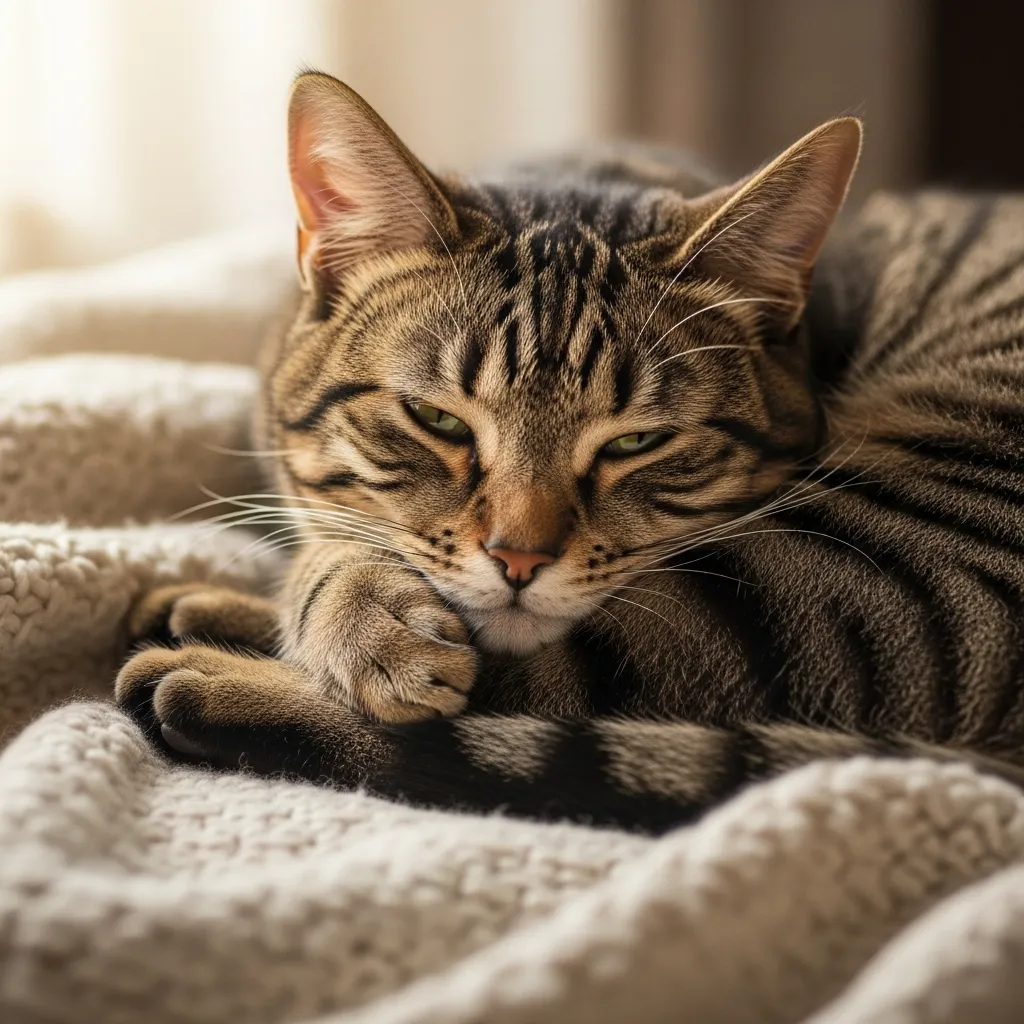
Vet Insight: Dr. Sarah Wooten, DVM, notes: “Changes in sitting posture are often the first sign of pain, especially in senior cats. A cat avoiding the loaf may have arthritis.”
Ready to become your cat’s personal translator?
The 12 Most Common Cat Sitting Positions (With Photos in Mind)
1. The Classic Cat Loaf Position: “I’m Cozy and Content”
What it looks like: Paws and legs tucked neatly under the body, tail wrapped around like a scarf. Resembles a loaf of bread hence, cat loaf meaning.
Cat posture meanings:
- Relaxed cat posture at its finest.
- Conserves body heat (ideal in cooler rooms).
- Low-threat environment; cat feels secure.
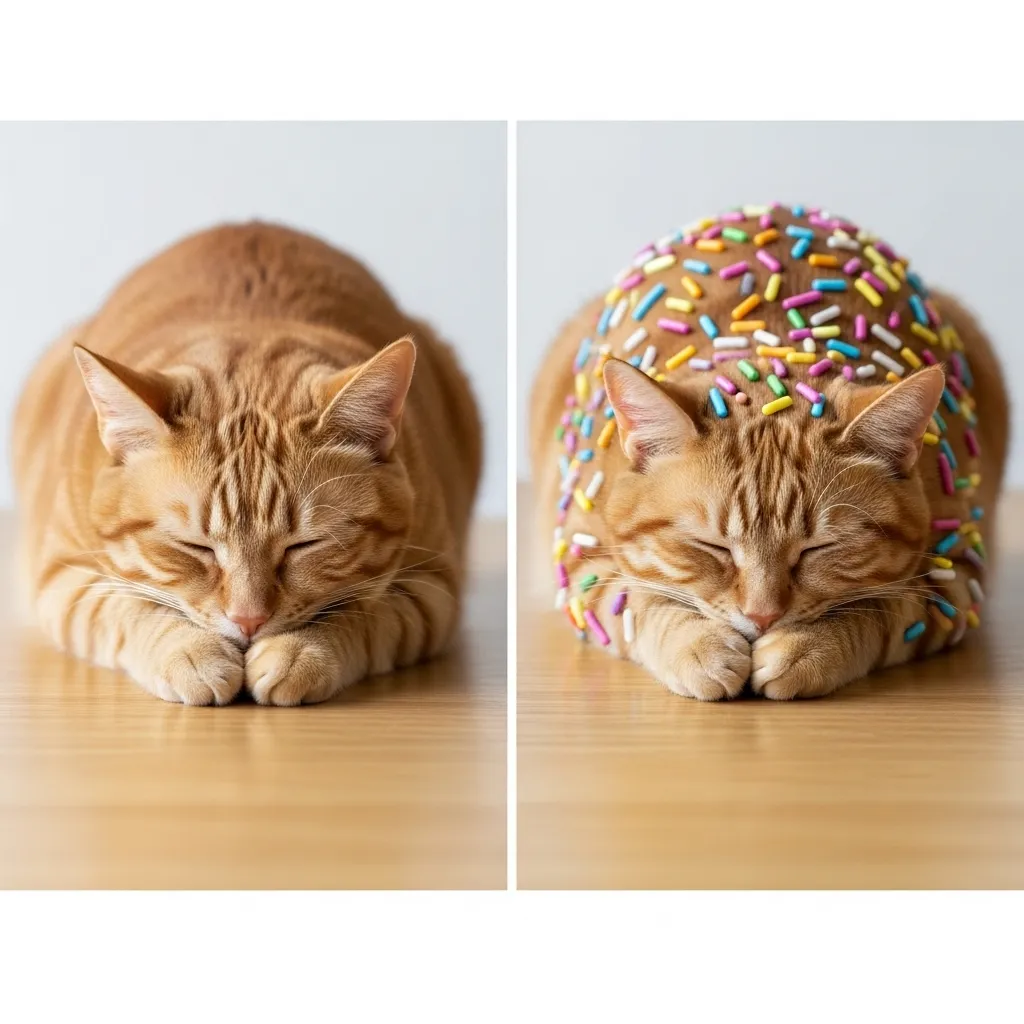
Funny cat sitting positions alert: The “meatloaf with sprinkles” = loaf + tiny paw sticking out = extra adorable.
When to worry: If your cat only loaves and refuses to stretch, it may indicate joint pain. Explore our guide on senior cat care for mobility tips.
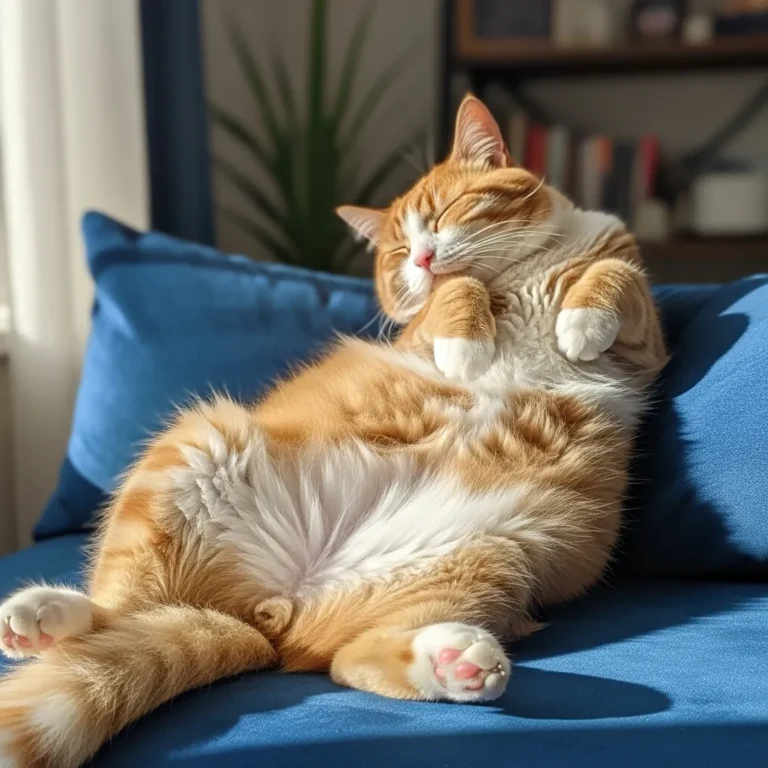
2. Belly-Up Sitting: The Ultimate Trust Fall?
What it looks like: Lying on back, belly exposed, paws in air or gently curled.
Cat belly up meaning:
- Cat comfort signs on full display.
- Only shown to trusted humans or in safe spaces.
- Often paired with slow blinking = “I love you.”
Warning: Never rub the belly unless invited. Most cats see this as a defensive move. A quick swat? That’s cat for “personal space!”
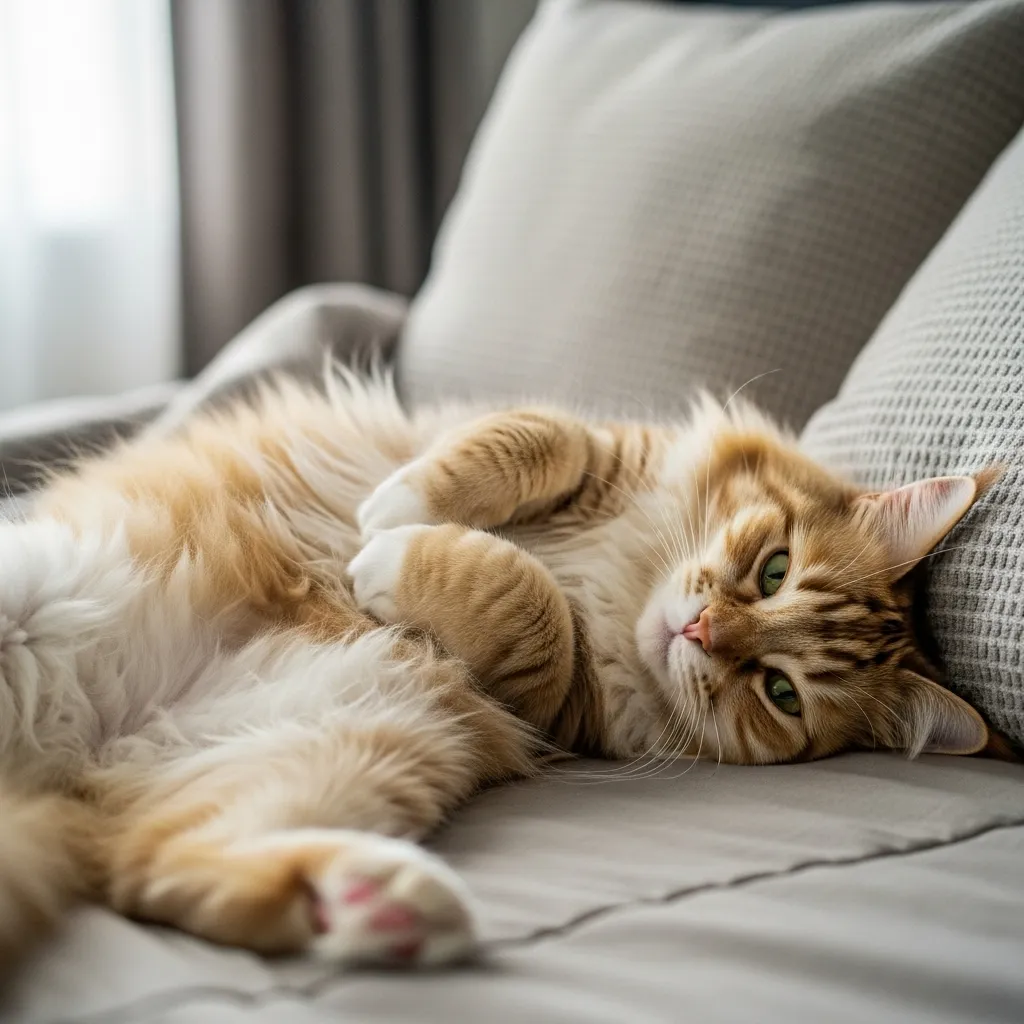
Pro Tip: Photograph this pose it’s rare and frame-worthy. Bonus: It trends on cat sitting memes and cat pose meanings TikTok.
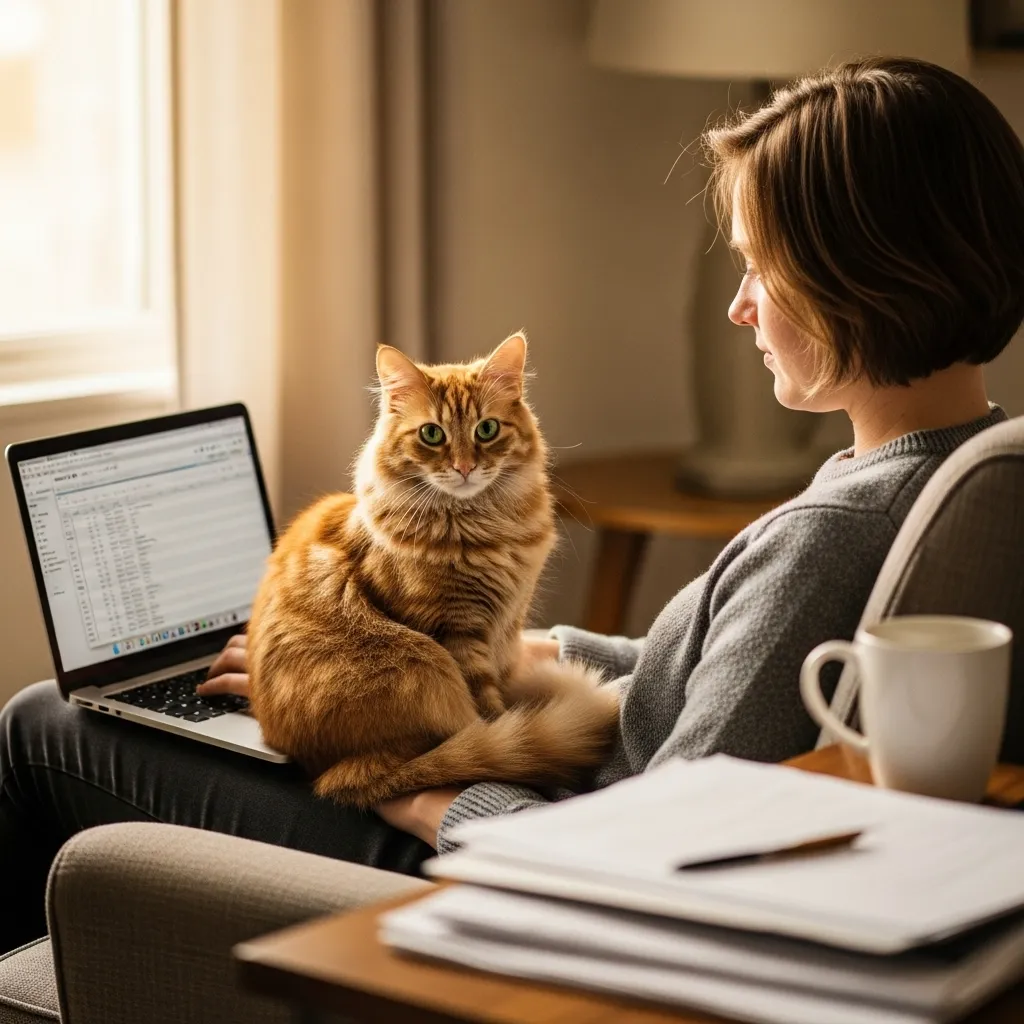
3. Sitting on Your Lap or Feet: “You Belong to Me”
Cat sitting on feet or lap meaning:
- Affection + ownership. Scent glands in paws mark you as “mine.”
- Warmth seeking (your body = natural heater).
- Attention cue: “Pet me or face the consequences.”
Case Study: Luna, a Siamese from our community, sits on her owner’s laptop only when ignored. Classic cat communication cues.
4. The Sphinx Pose: Alert but Chill
What it looks like: Front paws extended forward, hind legs tucked, head up like an Egyptian statue.
Cat sitting signals:
- Mild vigilance (watching a bird or laser dot).
- Ready to spring into action.
- Common in multi-cat homes during tense standoffs.
Breed note: Maine Coons and Norwegian Forest Cats favor this regal stance. Learn more in our Norwegian Forest Cat care guide.
5. Side-Sitting with One Leg Out: The “Casual Lean”
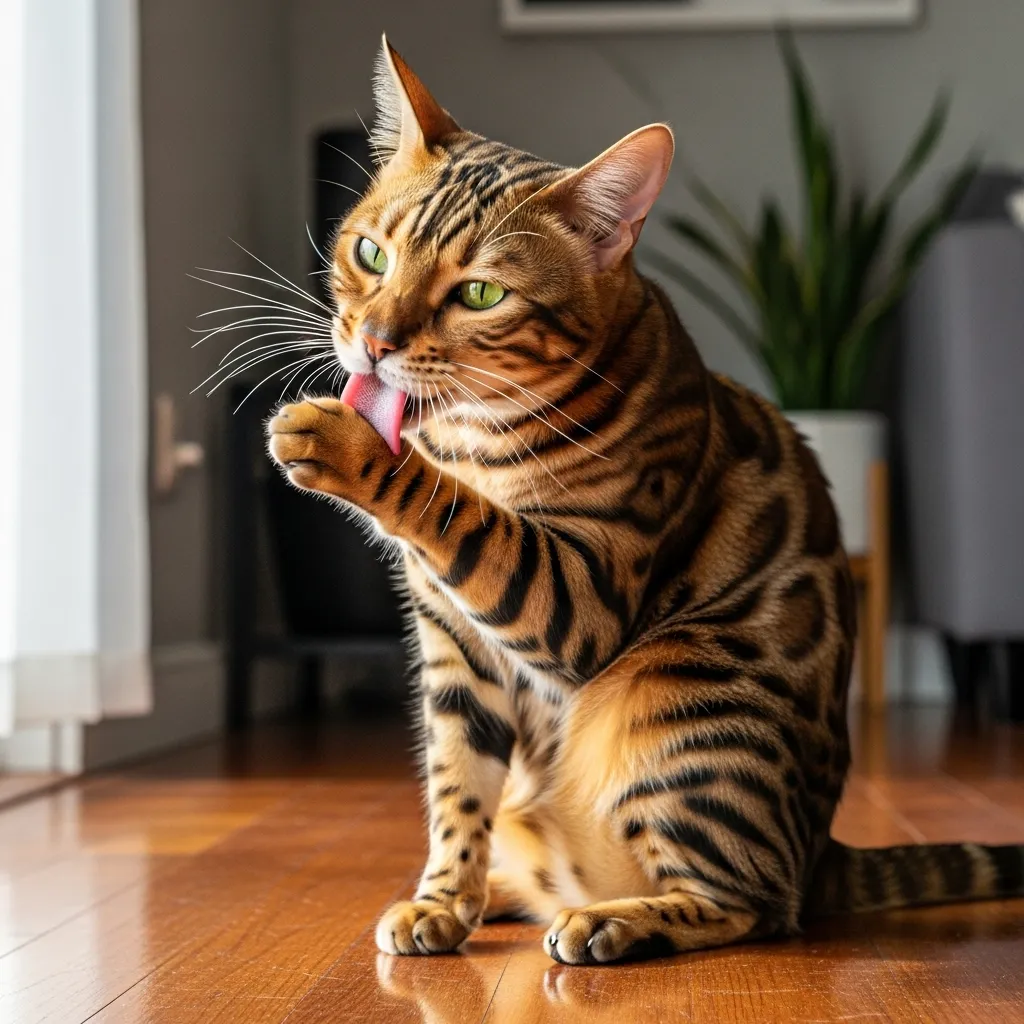
What it looks like: Sitting sideways, one hind leg extended, often licking it.
Cat sitting behavior explained:
- Self-grooming + temperature cooling.
- Playful or curious mood.
- Common in kittens and Bengals high-energy breeds.
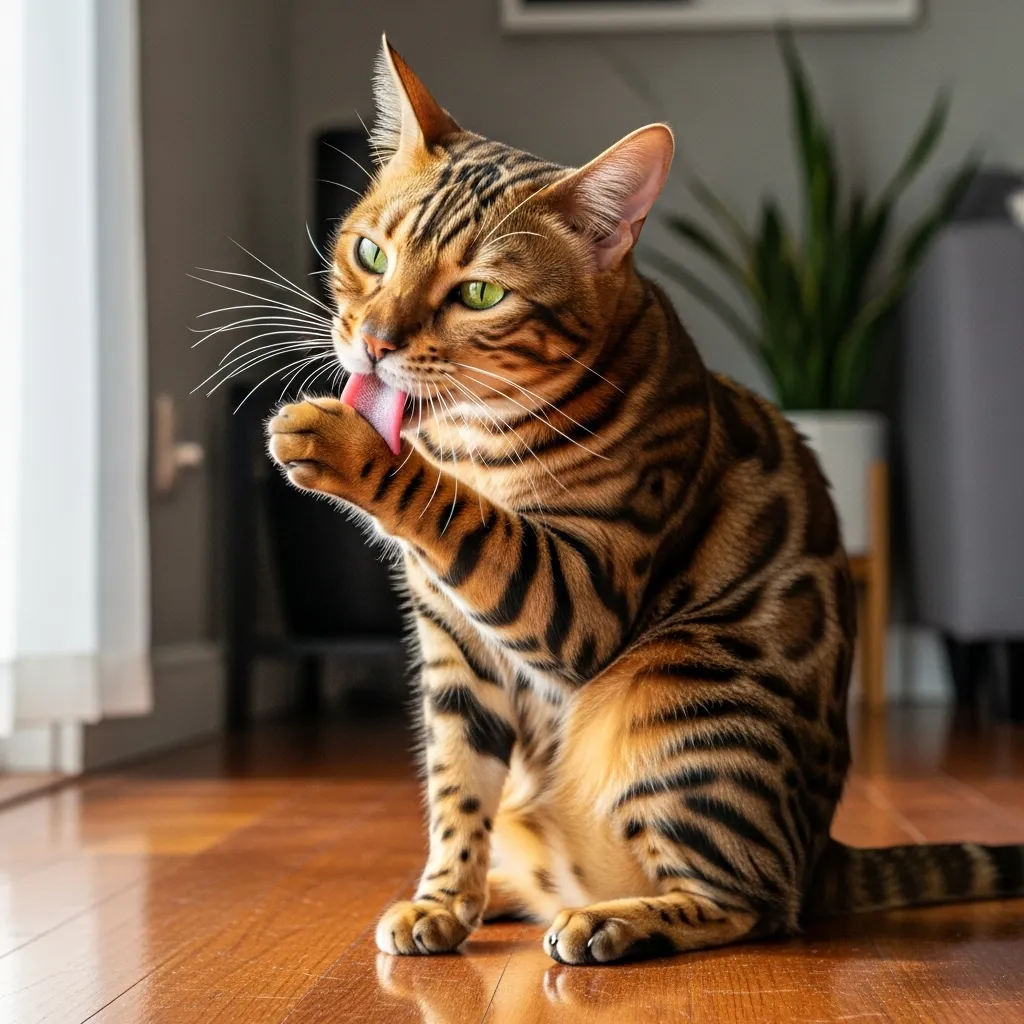
Red flag: Excessive leg extension + limping = possible injury. Check paws for cuts.
6. The Curled Ball: “Do Not Disturb”
What it looks like: Tightly curled, nose to tail, often in a cat bed or sunbeam.
Feline mood and emotions:
- Deep sleep or energy conservation.
- Stress reduction (hiding face blocks stimuli).
- Common after vet visits or loud noises.
Comfort hack: Provide a donut bed mimics the curl. See best beds for American Shorthair cats.
7. Sitting Upright with Puffed Tail: “I’m Stressed!”
What it looks like: Rigid spine, ears forward or flattened, tail puffed like a bottlebrush.
Cat stress indicators:
- Overstimulation (too much petting).
- Territorial threat (new pet or guest).
- Pain response.
Action step: Create a calm zone with pheromone diffusers. Read our cat stress signs guide.
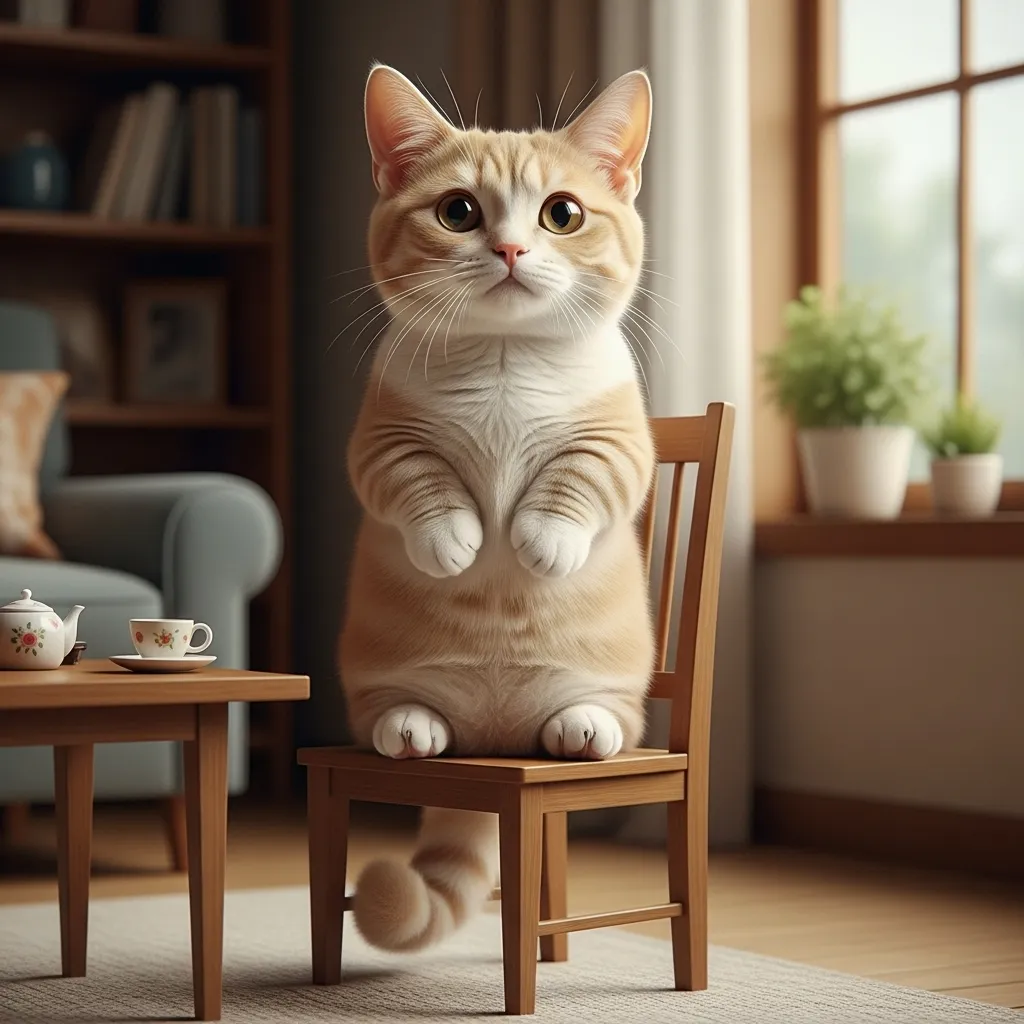
8. The “Human Sit”: Back Legs Down, Front Paws Up
What it looks like: Sitting like a tiny person, hind legs flat, front paws on thighs.
Why cats sit like humans:
- Mimicry of owners (social learning).
- Joint flexibility (common in Munchkins).
- Often paired with intense staring = “Feed me.”
Viral on TikTok: Search cat sitting like human for endless giggles.
9. Sitting on Edges (Table, Couch Arm): “I Own the High Ground”
What it looks like: Perched on furniture edges, tail dangling.
Cat body language guide:
- Territorial surveillance.
- Confidence boost (height = safety).
- Hunting instinct (watching “prey” below).
Safety tip: Secure wobbly furniture. Falls are a top injury cause.
10. The Prayer Pose: Front Paws Crossed
What it looks like: Sitting with front paws elegantly crossed.
Cat sitting habits:
- Extreme relaxation.
- Often seen in Ragdolls and Persians.
- Photogenic gold perfect for cat body language chart pins.
11. Sitting with Back to You: “I’m Mad (or Guarding)”
What it looks like: Facing away, tail flicking, ears turned.
Cat communication cues:
- Mild annoyance (you stepped on tail).
- Protective mode (guarding kittens or food).
- Not always anger sometimes just focus.
Fix it: Offer treats from the side, not front. Rebuild trust slowly.
12. The “Superman” Stretch Sit: Post-Nap Bliss
What it looks like: Front legs extended forward, back legs stretched back, belly on floor.
Relaxed cat posture meaning:
- Post-sleep muscle stretch.
- Contentment after a long nap.
- Common in multi-cat homes after play.
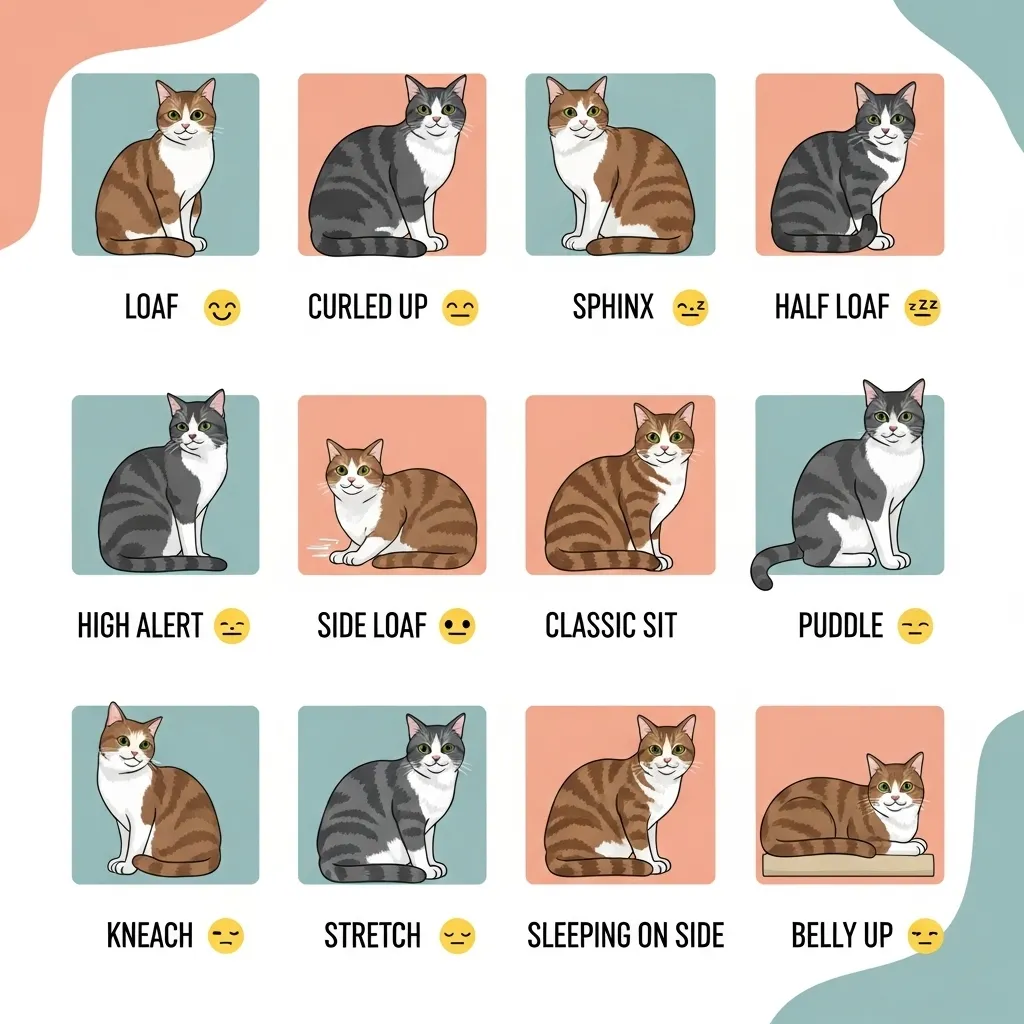
Cat Sitting Positions Chart: Quick Reference Table
| Position | Mood | Body Temp | Trust Level | Action |
|---|---|---|---|---|
| Cat Loaf | Relaxed | Warm-seeking | High | Leave be; offer warm spot |
| Belly Up | Trusting | Neutral | Very High | Slow blink back |
| Lap/Feet Sitting | Affectionate | Warm + marking | High | Pet gently |
| Upright + Puffed Tail | Stressed | Neutral | Low | Reduce stimuli |
| Sphinx | Alert | Neutral | Medium | Engage if playful |
| Human Sit | Curious/Imitating | Cool | High | Laugh + reward |
Save this cat sitting positions infographic idea for Pinterest!
How Context Changes Everything: Reading Cat Sitting in Real Time
A loaf on your bed? Bliss.
A loaf under the bed? Hiding from stress.
Factors that shift meaning:
- Location: High perches = confidence; low hiding = fear.
- Tail movement: Slow swish = content; fast lash = irritation.
- Ear position: Forward = curious; sideways = unsure; flat = aggression.
- Eye contact: Soft gaze = love; dilated pupils = arousal or fear.
Pro Observation Tip: Film your cat for 5 minutes daily. Review in slow motion posture changes are subtle.
Breed-Specific Sitting Quirks: Who Sits How?
- American Shorthair: Practical loafers. Explore their playful personality.
- Bengal: Dramatic sphinx posers. See Bengal cat personality.
- Siamese: Lap monopolizers. Why Siamese cats are the best.
- Munchkin: Frequent “human sit” due to short legs. Munchkin cat playfulness.
- Ragdoll: Belly-up champions. Ragdoll cat bond-building.
When Sitting Positions Signal Health Issues
Sudden posture changes can indicate:
- Arthritis: Avoiding loaf or stretch poses.
- Urinary issues: Sitting in litter box but not using it. Cat urinary health guide.
- Dental pain: Sitting with mouth slightly open.
- Neurological issues: Wobbly sitting or circling.
Vet Rule: Any posture change lasting >48 hours = checkup. Finding the best vet for your cat.
FAQ: Your Top Cat Sitting Questions Answered
What does the cat loaf position mean?
Peak relaxation and warmth retention. Paws tucked = no need to flee.
Why does my cat sit on my feet?
Affection, warmth, and scent-marking. You’re their favorite heater and property.
Is belly-up sitting always an invitation to pet?
No! It’s a trust signal, but most cats hate belly rubs. Watch for ear flicks or tail thumps.
How can I tell if my cat is stressed through sitting?
Look for rigid spine, puffed tail, or hiding in tight spaces. Normal sitting becomes tense.
Why do cats sit like bread?
The “loaf” conserves heat and protects vital organs evolutionary safety.
What’s the funniest cat sitting position?
The “human sit” or “broken cat” (sideways slump). Prime cat sitting memes material.
Final Thoughts: Speak Cat, Deepen the Bond
Mastering cat sitting positions isn’t just cute it’s a superpower. One glance at your cat’s posture, and you’ll know if they’re blissful, bored, or brewing a hairball. Use this cat body language guide daily, and watch your feline friendship flourish.
Ready for more?
Explore expert cat care and behavior guides on Cat Bloom Haven from American Shorthair travel tips to stopping cats from scratching furniture.
Your cat’s talking. Are you listening?
Share this guide with a fellow cat parent because every loaf deserves to be understood. 🐱