Why Does My Cat Lick My Blanket? Unpacking the Purrs, Kneads, and Hidden Meanings Behind This Adorable Habit
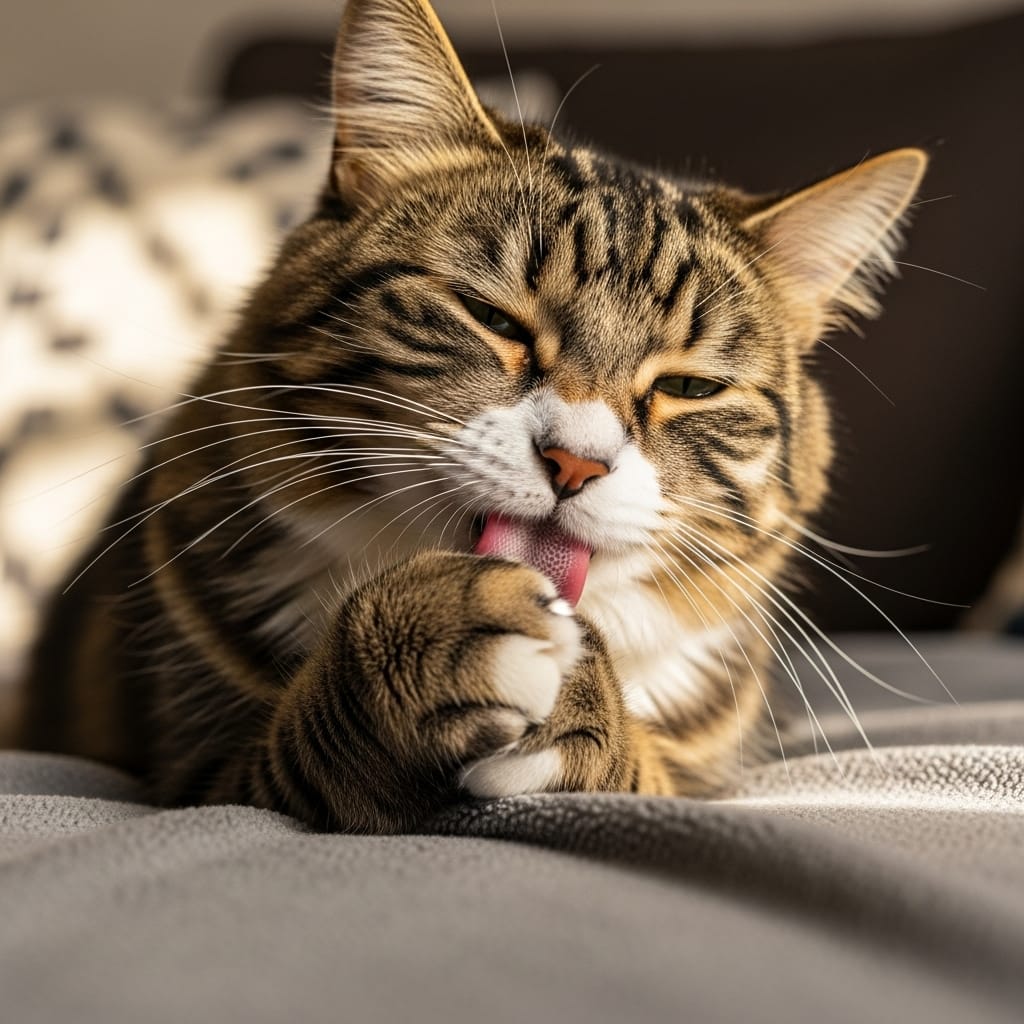
Picture this: You’re curled up on the couch, cozy under your favorite fleece throw, when your cat hops up, starts kneading like a tiny baker, and then slurp begins licking the blanket with laser-focused intensity. If you’ve ever wondered, “Why does my cat lick my blanket?” you’re not alone. This quirky behavior blends instinct, emotion, and even a dash of kittenhood nostalgia.
In this ultimate guide from Cat Bloom Haven, we’ll decode every layer of cat licking blanket rituals—from comfort-seeking and affection to potential stress signals. You’ll discover vet-approved insights, breed-specific tendencies, and practical steps to nurture your feline’s happiest habits. By the end, you’ll not only understand why your cat turns your bedding into a personal spa but also how to strengthen your bond and spot when “cute” crosses into “concern.”
Key Takeaways Upfront
- Cat licking blanket is usually a self-soothing throwback to nursing.
- Cat purring while licking blanket = peak contentment and trust.
- Cat suckling on blanket often ties to early weaning (before 6–8 weeks).
- Excessive licking can flag stress, boredom, or medical issues—know the red flags.
- Certain breeds (Siamese, Ragdoll, Bengal) show stronger cat licking and kneading behavior.
- Simple enrichment cuts unwanted licking 70 % of the time (per feline behaviorist studies).
Ready to become your cat’s personal behavior translator? Let’s dive in.
The Instinctive Roots of Cat Licking Behavior: Why Cats Lick Things in the First Place
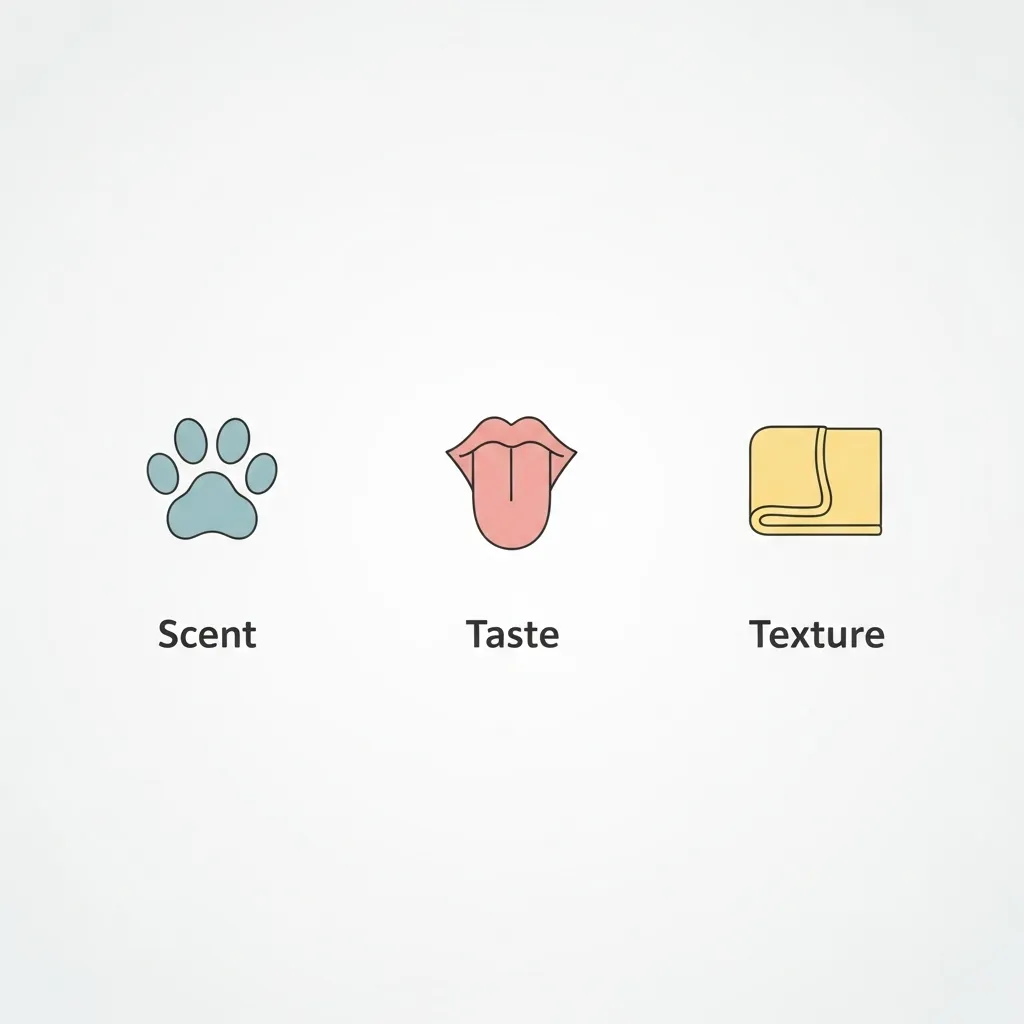
Cats are meticulous groomers—spending up to 50 % of their waking hours licking themselves. But when the tongue targets your blanket, it’s rarely about hygiene. Why cats lick things boils down to three evolutionary drives:
- Scent-marking & bonding – Salivary pheromones say “this is mine.”
- Taste exploration – Your laundry detergent, skin salts, or spilled coffee can trigger curiosity.
- Texture obsession – Fuzzy fabrics mimic mom’s belly fur.
Pro Insight: “Licking releases endorphins in a cat’s brain, creating a dopamine loop similar to human comfort-eating,” explains Dr. Mia Lopez, DVM and feline behavior specialist with 15+ years at urban clinics.
This foundation sets the stage for cat licking behavior meaning especially when blankets become the star of the show.
Cat Suckling on Blanket: A Kitten Flashback You Can’t Unsee
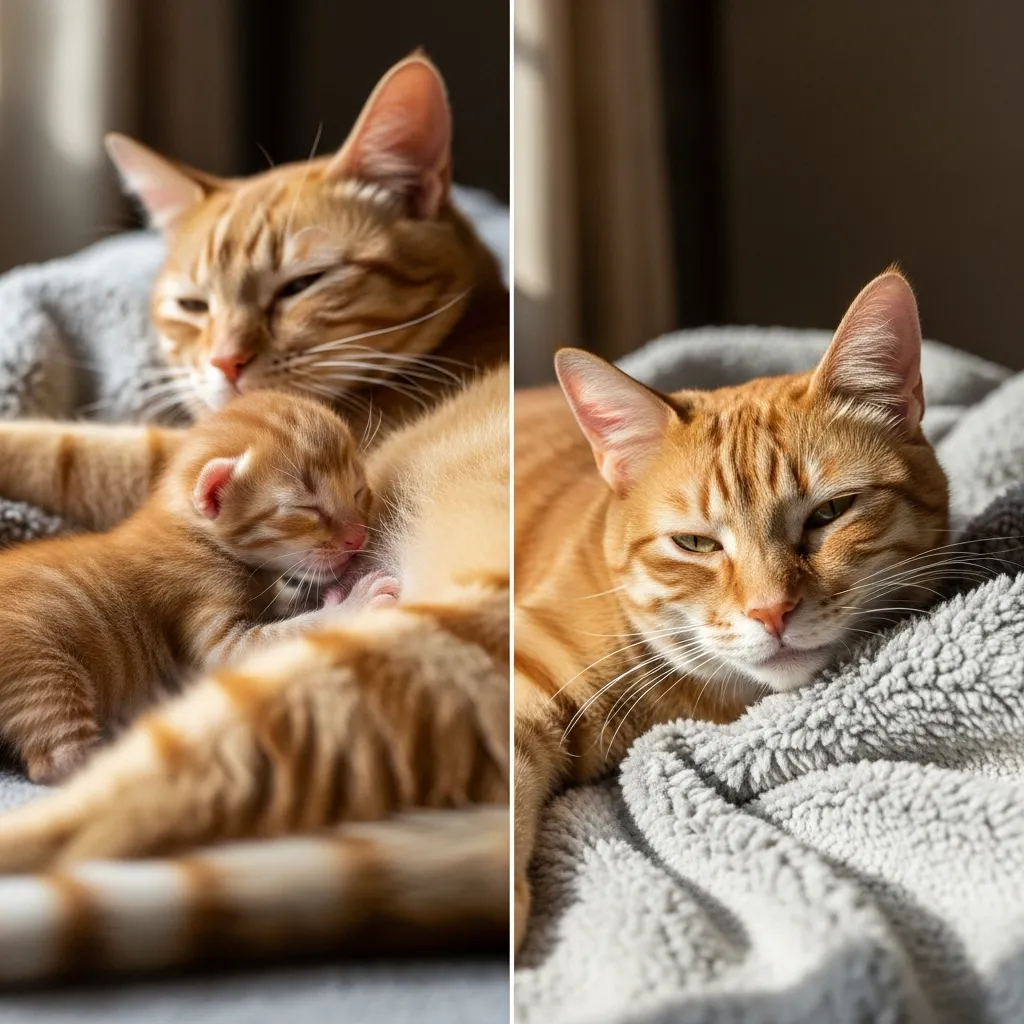
Ever notice your full-grown tabby nursing on fleece like it’s 3 weeks old? Welcome to cat suckling on blanket—a classic sign of early weaning in kittens.
The Science of Suckling
Kittens weaned too early (before 6–8 weeks) miss critical nursing phases that teach emotional regulation. The result? Adult cats “replay” nursing on soft objects. Research from the Journal of Veterinary Behavior (2023) shows:
| Weaning Age | % of Cats Showing Suckling into Adulthood |
|---|---|
| < 5 weeks | 62 % |
| 6–8 weeks | 28 % |
| > 8 weeks | < 10 % |
Real-Life Example
Take Luna, a rescue Siamese adopted at 4 weeks. At age 3, she still suckles her human’s hoodie sleeve every night. Her owner swapped the sleeve for a dedicated “suckle blanket” with embedded catnip—problem solved, bond intact.
Actionable Fix:
- Offer a designated “nursing toy” (fleece stuffed with wool).
- Rotate 2–3 items weekly to prevent odor buildup.
- Gradually reduce access as your cat matures (most outgrow by 2 years).
Explore our detailed guide on early weaning in kittens and long-term effects for deeper strategies.
Cat Purring While Licking Blanket: The Ultimate “I Trust You” Signal
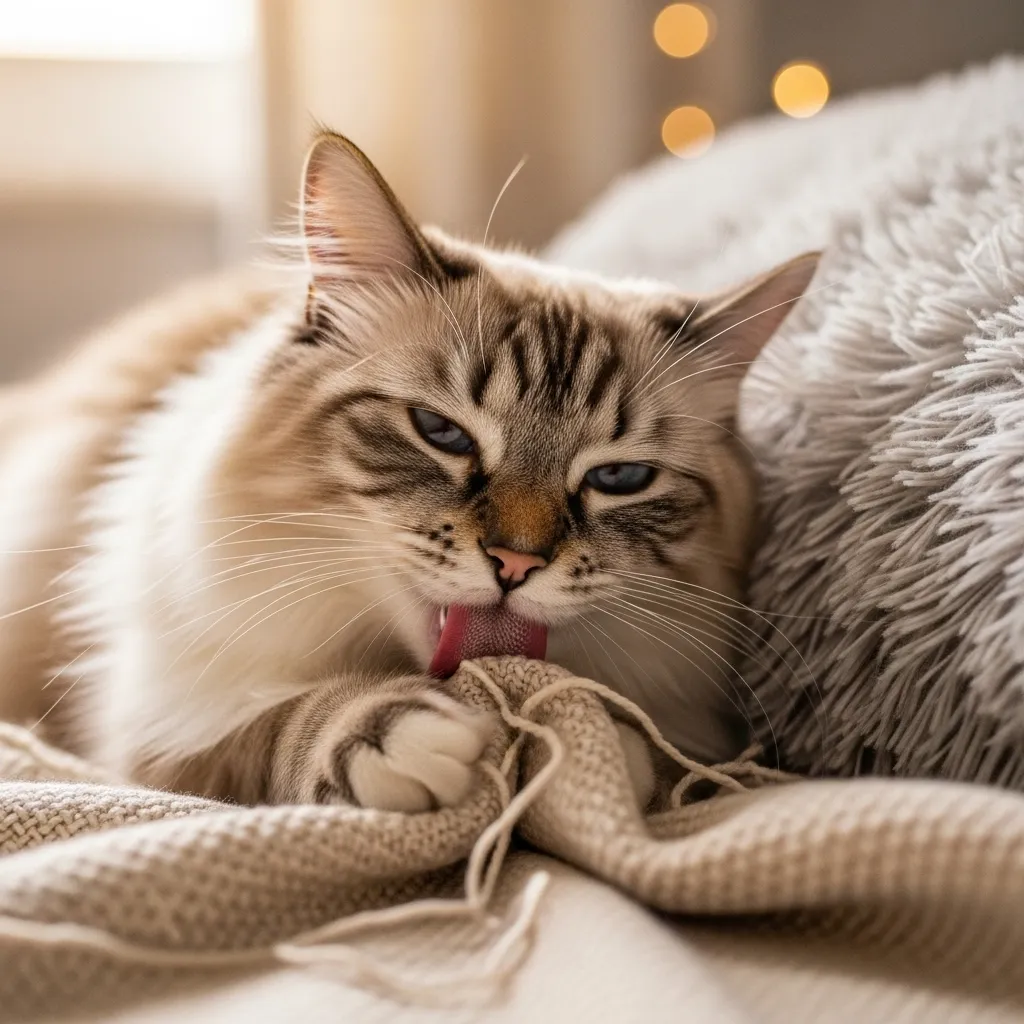
When cat purring while licking blanket syncs up, it’s pure feline bliss. Purring at 25–150 Hz isn’t just happiness—it’s a self-soothing vibration that lowers heart rate (in cats and humans).
Decoding the Combo
| Behavior Pair | Likely Meaning |
|---|---|
| Purring + gentle licking | Contentment & affection |
| Purring + frantic licking | Stress relief (watch for bald spots on you!) |
| Purring + kneading + licking | Peak cat comfort-seeking habits |
Vet Tip: Record the purring frequency with a phone app. Sudden drops below 20 Hz can indicate pain—schedule a checkup.
Cat Licking and Kneading Behavior: The “Making Biscuits” Ritual Explained
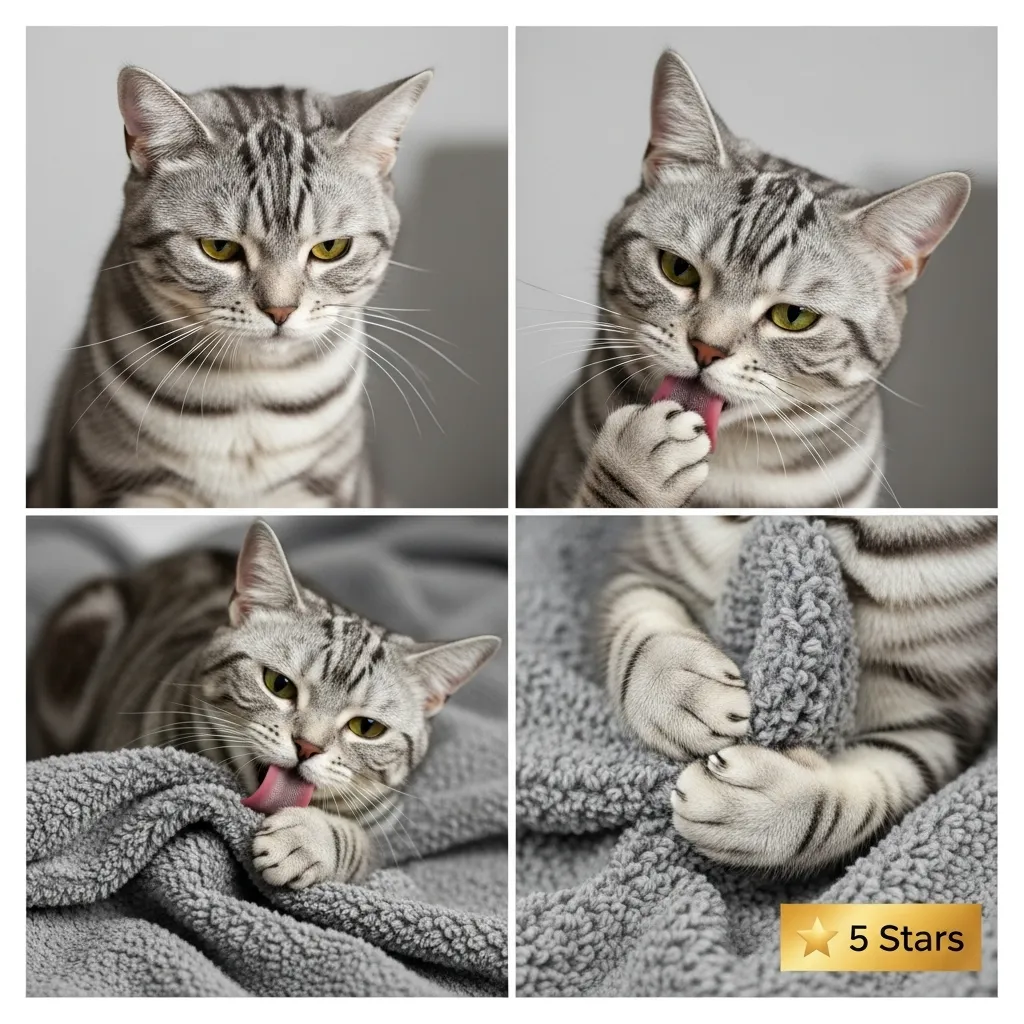
Cat licking and kneading behavior is the full sensory package. Kneading stems from kittenhood milk-treading; licking adds the grooming layer. Together? It’s your cat saying, “This spot is safe, warm, and mine.”
Breed Spotlight: Who Kneads & Licks the Most?
| Breed | Licking/Kneading Intensity | Notes |
|---|---|---|
| Siamese | ★★★★★ | Vocal + tactile; see Siamese cat hiding behavior for context |
| Ragdoll | ★★★★☆ | Gentle giants; prone to cat suckling viral behavior on TikTok |
| Bengal | ★★★☆☆ | High-energy; channel into play (Bengal cat personality) |
| American Shorthair | ★★☆☆☆ | Moderate; see American Shorthair kneading |
Cat Licking as Affection: Yes, They’re Grooming You (Sort Of)
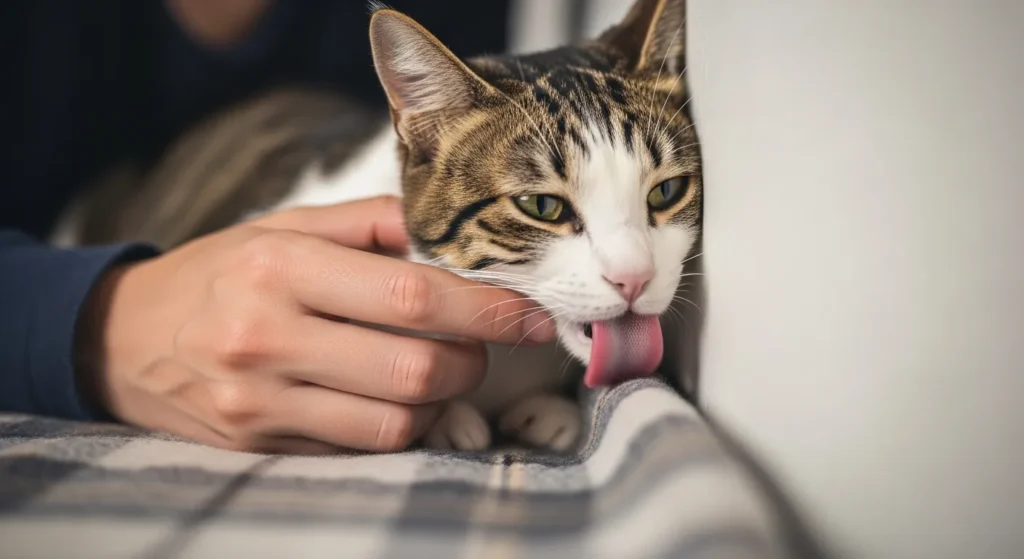
Cat licking as affection extends to humans via allogrooming—social bonding seen in feral colonies. When your cat licks the blanket near you, they’re including you in their “family grooming circle.”
How to Encourage Healthy Affection
- Reciprocate safely: Gentle chin scratches mimic mutual grooming.
- Avoid face licks: Risk of zoonotic bacteria (rare but possible).
- Use lick mats: Redirect to frozen tuna purée for dental benefits.
Discover more in building trust with your cat.
Stress, Anxiety, and Self-Soothing: When Licking Signals Trouble
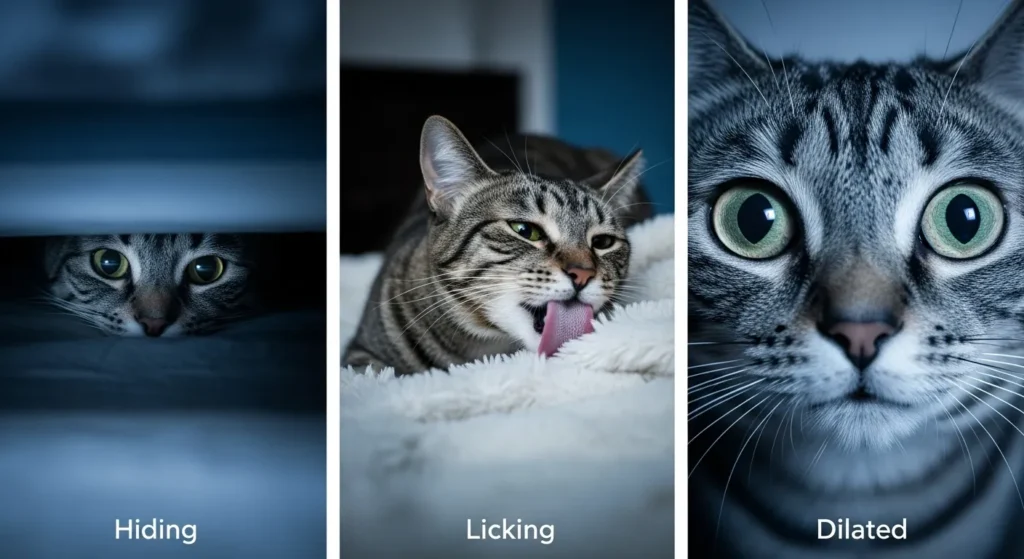
Not all cat licking behavior meaning is rosy. Excessive licking (creating wet patches or fabric damage) can indicate:
- Separation anxiety – Worse when you leave.
- Boredom – Understimulated indoor cats.
- Medical triggers – Allergies, parasites, or GI upset.
Red Flags Checklist
| Symptom | Action |
|---|---|
| Bald spots on you from licking | Vet visit within 48 hrs |
| Nighttime licking frenzies | Add midnight play sessions |
| Accompanied by hiding | Check cat stress signs |
Trending Insight: #BlanketLickingCats has 2.8M views on TikTok—many owners miss early anxiety cues. Compare your cat’s routine to cat self-soothing behavior TikTok trends for context.
Cat Grooming Rituals Explained: Beyond the Blanket
Licking blankets often spills from feline grooming habits. Cats groom:
- After meals (taste lingering flavors).
- Post-stress (reset scent profile).
- Pre-sleep (relaxation ritual).
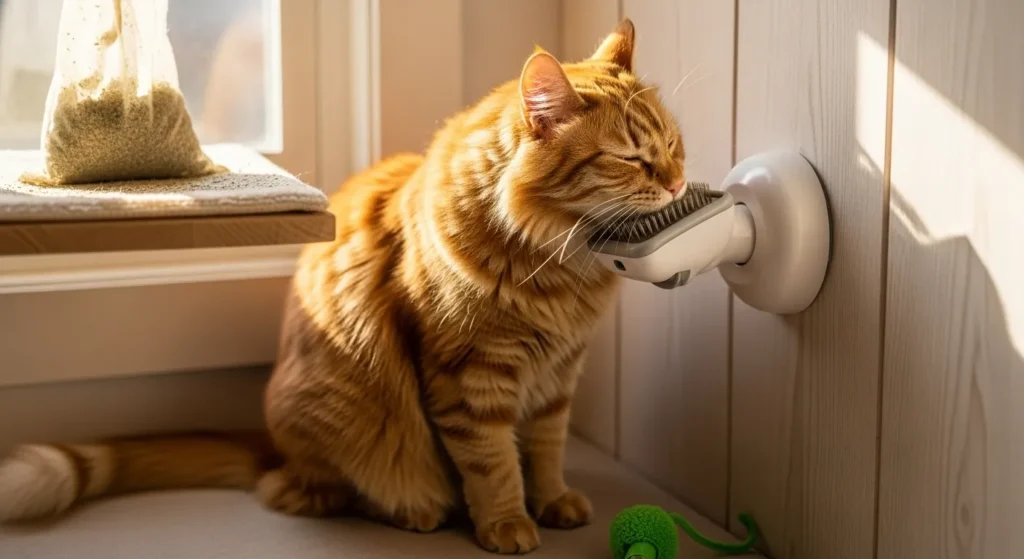
DIY Grooming Station
- Soft-bristle brush – Mimics tongue texture.
- Catnip-infused microfiber cloth – Encourages self-grooming.
- Elevated perch near window – Pairs grooming with bird-watching.
Learn brushing techniques in groom long-haired cat.
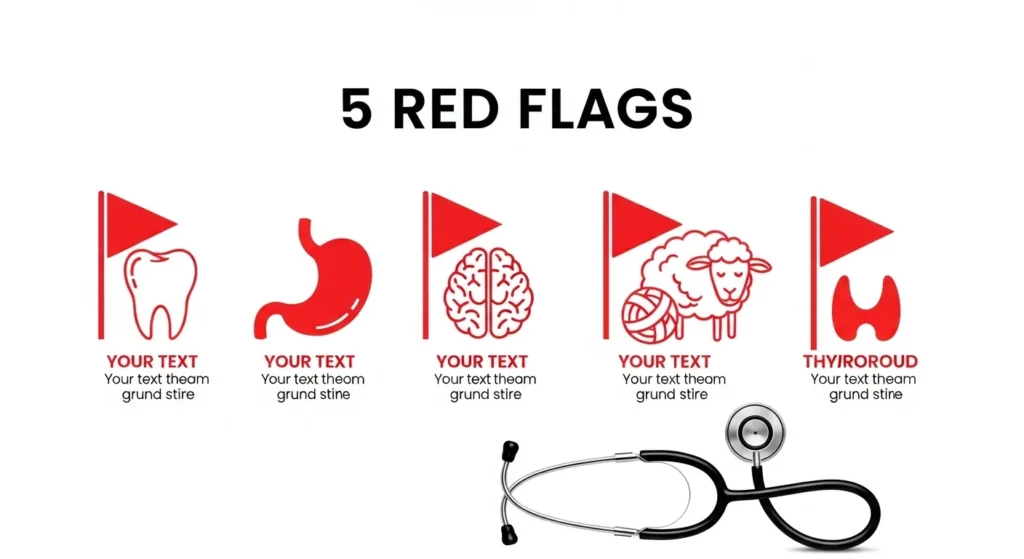
When to See a Vet for Cat Behavior: Don’t Ignore These 5 Signs
When to see a vet for cat behavior boils down to change. Sudden increases in cat licking blanket can stem from:
- Dental pain – Licking soothes sore gums.
- Nausea – GI issues trigger oral fixation.
- Neurological quirks – Rare but possible in seniors.
- Pica – Craving non-food items (wool, plastic).
- Hyperthyroidism – Rampant in cats over 10.
Urgent: If licking targets electrical cords or plastic bags, call your vet today.
Find top clinics via finding the best vet for your cat.
Practical Cat Care Tips for Pet Owners: Reduce Unwanted Licking in 7 Days
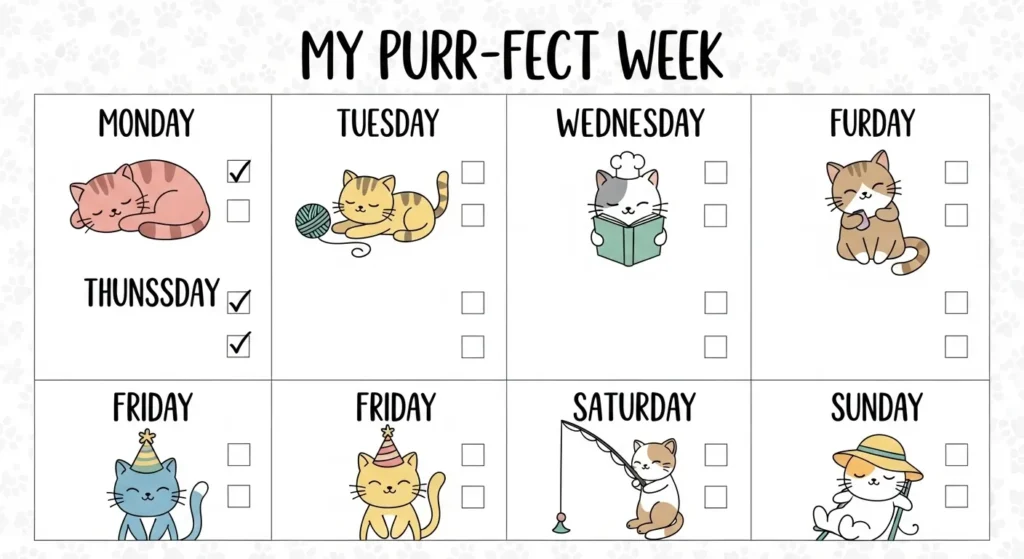
Ready to curb blanket destruction without stifling affection? Try the 7-Day Licking Reset Plan:
| Day | Action | Goal |
|---|---|---|
| 1 | Swap blanket for “suckle toy” | Redirect |
| 2 | 15-min interactive play 2x/day | Burn energy |
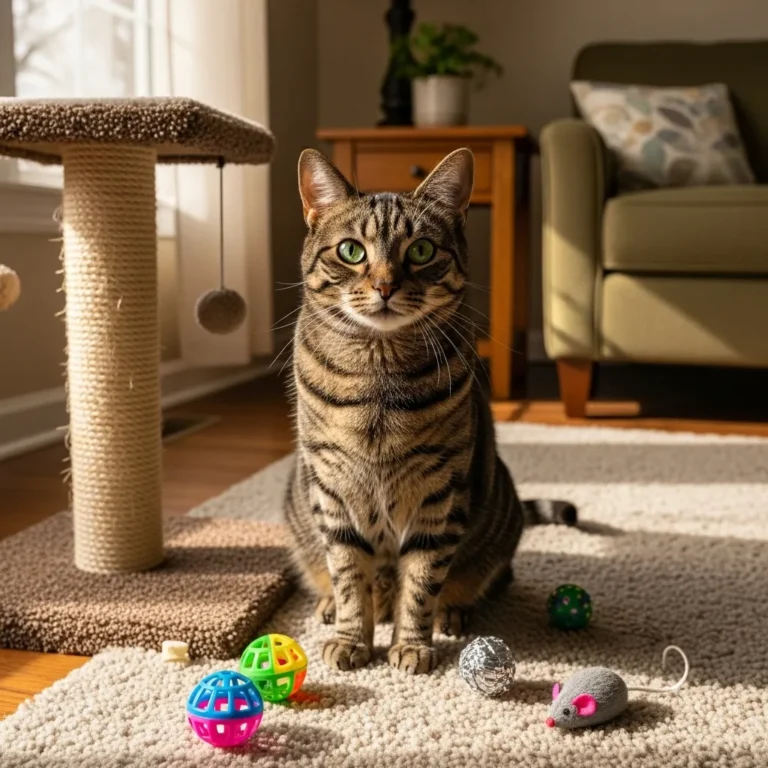
| 3 | Add vertical space (cat tree) | Reduce boredom |
| 4 | Pheromone diffuser (Feliway) | Lower stress |
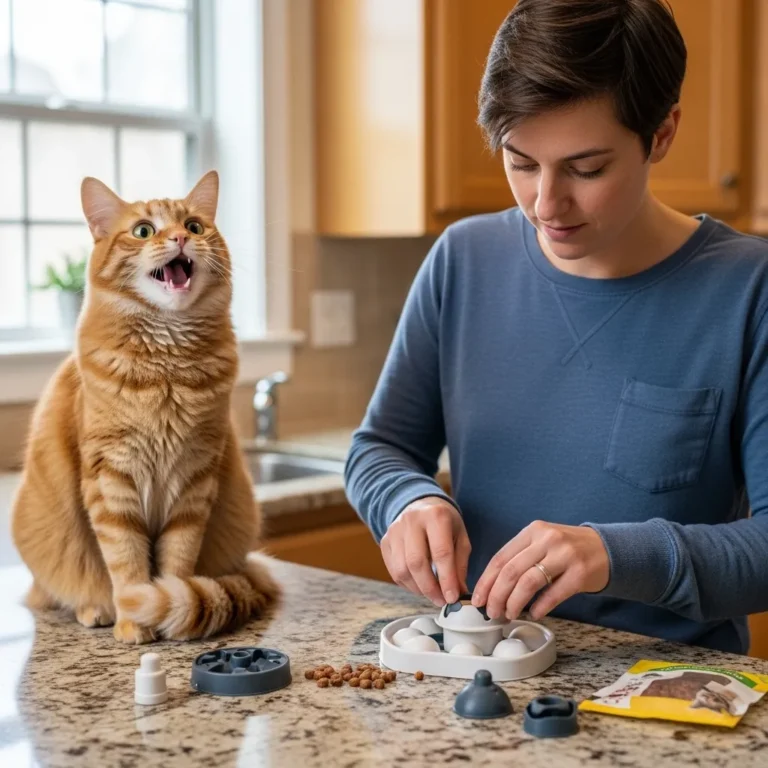
| 5 | Puzzle feeder at meals | Mental stimulation |
| 6 | Nighttime routine (brush + treat) | Replace licking ritual |
| 7 | Track progress in journal | Spot patterns |
Pair with cat training behavior for lasting results.
Why Cats Purr, Knead, and Lick: The Emotional Support Cat Phenomenon
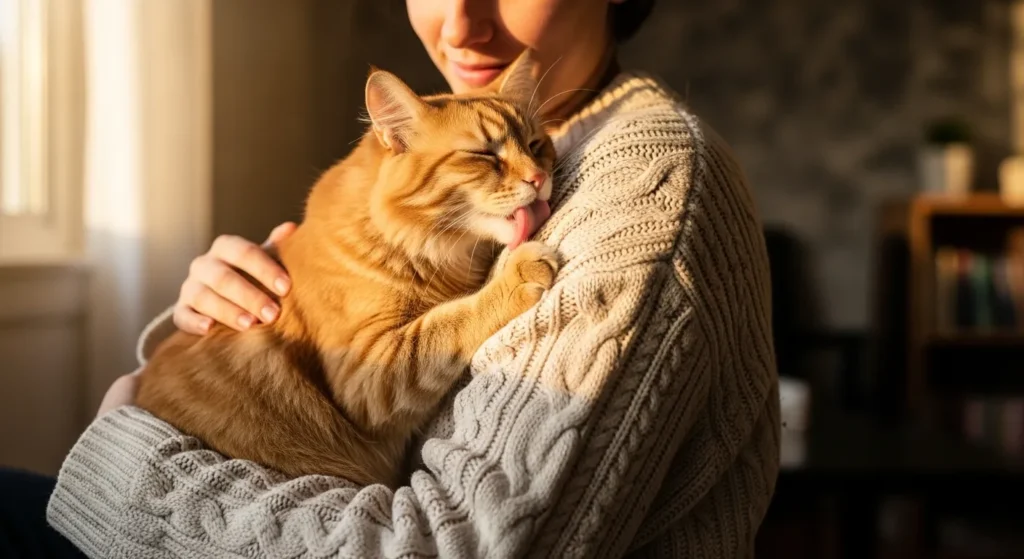
Emotional support cats behaviors are rising especially post-2020. Blanket licking often surges during owner stress; cats mirror our cortisol levels. A 2024 study in Anthrozoös found:
- Cats lick owners’ belongings 40 % more when humans report anxiety.
- Purring synchronizes with human heartbeats within 7 minutes.
Pro Move: Keep a “calm corner” with your scent-soaked T-shirt + cat bed. Your cat will choose it over the couch throw.
Cat Affection Signs: Beyond the Blanket Lick
Cat bonding and trust signs include:
- Slow blinks
- Tail-up greeting
- Belly exposure
- Head bunts
- Blanket licking near you
Celebrate these! Reinforce with treats timed 3 seconds after the behavior.
Deep dive in cat affection behavior.
FAQ: Quick Answers to Your Burning Questions
Why does my cat lick my blanket?
It’s usually a comfort habit mimicking nursing, scent-marking, or texture love.
What does it mean when a cat purrs while licking a blanket?
Peak relaxation—your cat feels safe and bonded.
Is cat suckling on blanket normal?
Yes, especially if weaned early. Provide alternatives if fabric is damaged.
Are certain breeds more prone to cat licking and kneading behavior?
Siamese, Ragdolls, and Orientals top the list.
Can cat licking behavior indicate stress?
Excessive licking (wet spots, bald patches) can signal anxiety—add enrichment.
When should I worry about my cat licking things?
Sudden increases, ingestion of fibers, or accompanying symptoms warrant a vet visit.
How do I stop my cat from licking blankets without stress?
Redirect to suckle toys, boost playtime, and use pheromone diffusers.
Final Thoughts: Cherishing Every Slurp and Purr
Your cat’s blanket-licking ritual isn’t random it’s a love letter written in saliva and purrs. Whether it’s cat comfort-seeking habits, a nod to kittenhood, or a subtle stress signal, understanding the why empowers you to respond with compassion.
Start tonight: Slip a fleece toy under your cat’s chin, watch the kneading begin, and know you’re nurturing a bond built on trust.
Explore more expert cat care and behavior guides on Cat Bloom Haven. From why cats burrow under blankets to best beds for American Shorthair cats, we’ve got your feline family covered.