The Right Way to Train Cats Using Food Motivation
Have you ever watched your cat effortlessly ignore your calls, only to come running at the sound of a treat bag rustling? That’s the power of food motivation in action. As a cat behavior specialist with over 15 years working alongside vets and feline experts, I’ve seen countless owners transform their independent felines into responsive companions.
The right way to train cats using food motivation taps into their natural instincts, turning training into a game both you and your cat enjoy. Many people assume cats can’t be trained like dogs, but that’s a myth. With patience and the proper approach, you can teach behaviors that make life easier, from coming when called to using the litter box consistently.
If you’re frustrated with a cat that scratches furniture or ignores commands, this method offers a gentle solution. It builds trust without force, relying on rewards your cat craves. In this guide, you’ll learn step-by-step techniques, backed by veterinary insights, to get results. We’ll cover everything from selecting treats to avoiding pitfalls, plus tips tailored to different breeds. By the end, you’ll have the tools to create a happier home.
Key Takeaways
- Food motivation uses positive reinforcement to encourage desired behaviors, making training effective and stress-free.
- Choose small, high-value treats like freeze-dried meat to keep sessions engaging without overfeeding.
- Train in short bursts before mealtimes when your cat is hungry for best results.
- Consistency and timing are crucial; reward immediately to link the action with the treat.
- This approach strengthens your bond, reduces unwanted habits, and provides mental stimulation.
- Adapt for breeds; active ones like Bengals may need more play-integrated rewards.
- Avoid common errors like large portions or inconsistency to prevent frustration.
Understanding Food Motivation in Cat Training
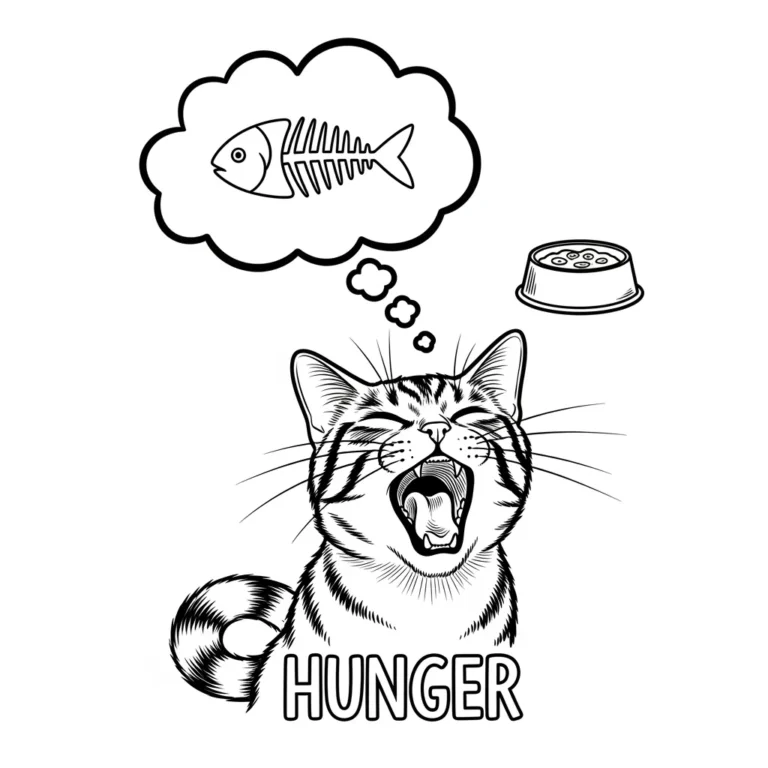
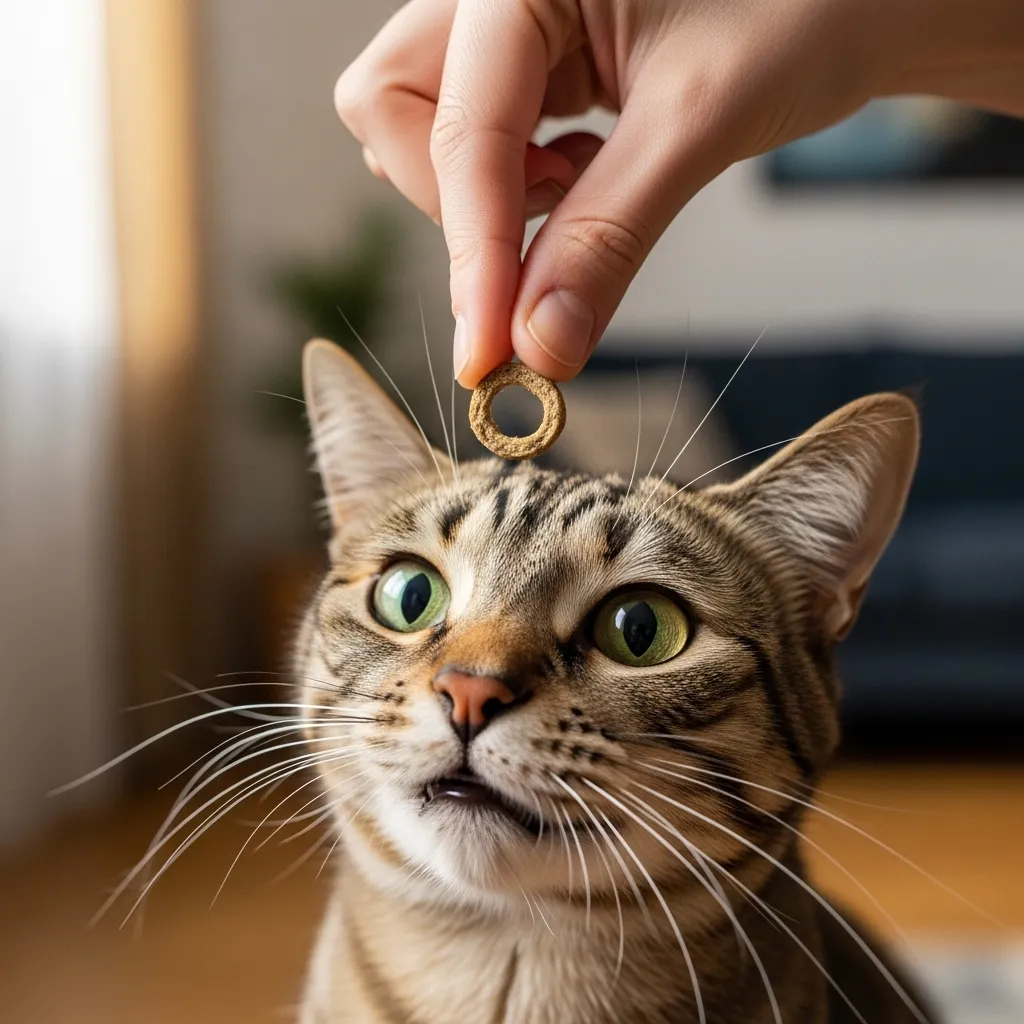
Food motivation is a cornerstone of positive reinforcement training. It works by associating a desired behavior with a reward, like a tasty morsel. Cats, as obligate carnivores, are wired to respond to food cues from their hunting ancestry. When you offer a treat right after a good action, your cat’s brain releases dopamine, making them more likely to repeat it.
This isn’t bribery; it’s communication. Unlike punishment, which can cause fear or resentment, food rewards build confidence. Studies from veterinary behaviorists show cats trained this way exhibit fewer stress signs, like excessive grooming or hiding. Explore our detailed guide on cat stress signs for more on spotting these cues.
The key is value. Not all food motivates equally. A cat might ignore kibble but go wild for tuna flakes. Test options to find what excites yours. Remember, motivation varies by individual; factors like age, health, and personality play roles.
Benefits of Training Cats with Food Rewards
Training with food does more than teach tricks. It enriches your cat’s life mentally and physically. Cats in the wild spend hours hunting; domestic ones often lack stimulation, leading to boredom or mischief. Food-motivated sessions mimic this, providing puzzle-like challenges.
One major perk is behavior improvement. You can redirect scratching to posts or curb counter-jumping. It also strengthens your bond; shared activities foster trust. Vets note trained cats handle vet visits better, reducing stress for everyone. Learn more in finding the best vet for your cat.
Health benefits include portion control. Using treats wisely prevents obesity, a common issue. Plus, it’s adaptable for seniors or kittens, promoting lifelong wellness. For older cats, check our senior cat care guide.
Choosing the Right Treats for Your Cat
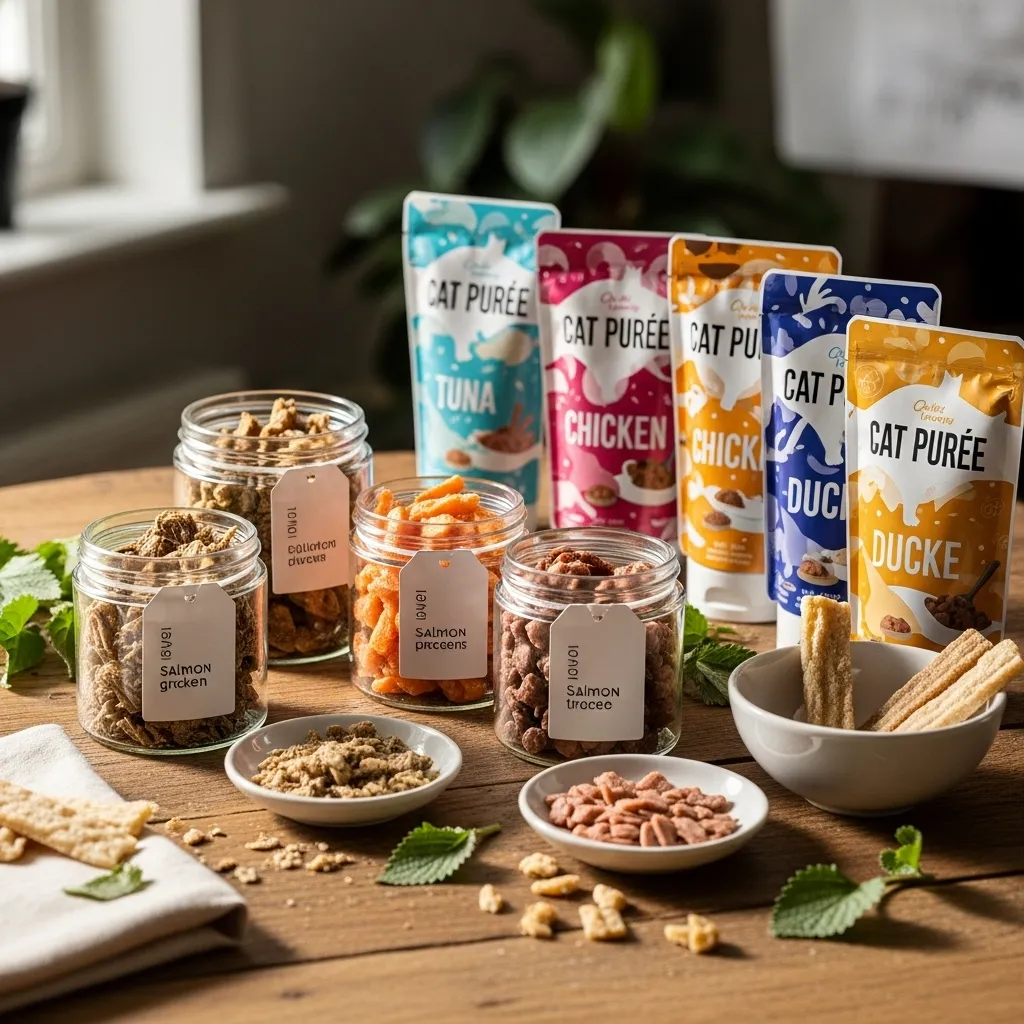
Selecting treats is foundational in the right way to train cats using food motivation. Opt for high-value options your cat can’t resist, but keep them healthy. Ideal treats are small, soft or crunchy for quick eating, and low-calorie to avoid weight gain.
Consider these factors:
- Protein Focus: Cats thrive on meat-based treats. Freeze-dried chicken, salmon, or turkey are excellent; they’re natural and mimic prey.
- Size and Texture: Break into pea-sized pieces. Soft treats like pureed meat in tubes work for licking, ideal for shy cats.
- Health Considerations: Avoid fillers, grains, or sugars. For sensitive stomachs, choose single-ingredient options. Discuss with your vet if your cat has conditions like diabetes.
- Variety: Rotate flavors to prevent boredom. Tuna for one session, beef for another.
Table: Top Treat Recommendations for Training
| Treat Type | Examples | Calories per Piece | Best For |
|---|---|---|---|
| Freeze-Dried | Chicken bites | 2-5 | High motivation, easy to portion |
| Wet Puree | Tuna in tube | 1-3 | Lickable rewards, mess-free |
| Kibble-Style | Salmon nuggets | 3-4 | Crunchy texture, dental benefits |
| Homemade | Cooked turkey shreds | Varies | Custom control, allergy-friendly |
Always limit treats to 10% of daily calories. For nutrition basics, see our cat food nutrition page.
Preparing for Training: Setting Up for Success
Before starting, create an optimal environment. Choose a quiet space free from distractions like other pets or loud noises. Sessions should last 5-10 minutes to match a cat’s attention span.
Timing matters. Train before meals when hunger boosts motivation. Gather tools: treats, a clicker (optional for marking behaviors), and a target stick if teaching tricks.
Start with observation. Note your cat’s preferences; some love play, others affection. Combine food with these for hybrid rewards. For multi-cat homes, train separately to avoid competition.
Patience is key. Cats learn at their pace; celebrate small wins. If issues arise, like litter avoidance, link to our cat litter training guide.
Step-by-Step Guide to Basic Commands
Mastering basics builds a foundation. Use the right way to train cats using food motivation by luring, then rewarding.
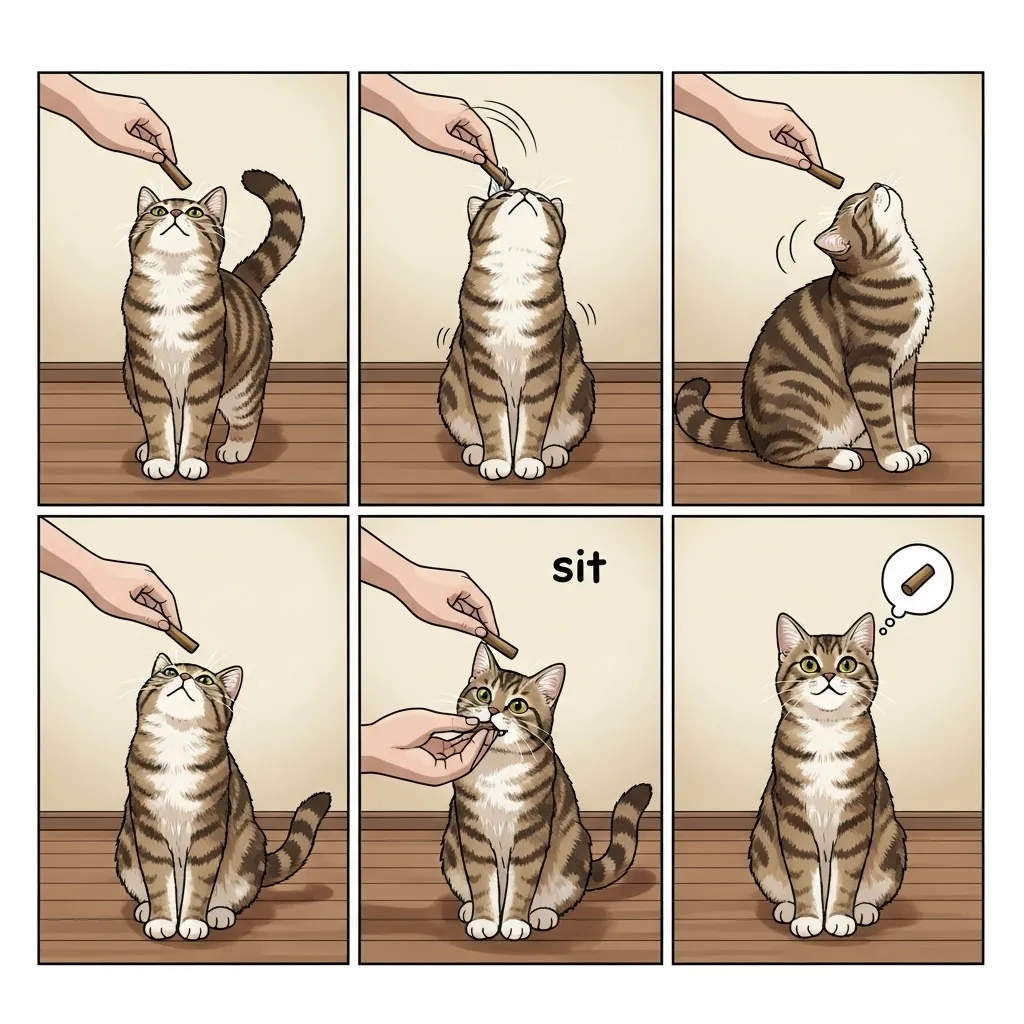
Teaching “Sit”
- Hold a treat above your cat’s nose.
- Move it back slowly; their bottom should drop as they follow.
- Say “sit” as they do, then reward immediately.
- Repeat 5-10 times per session.
Practice daily. Soon, phase out the lure for verbal cues.
Teaching “Come”
- Call your cat’s name from a short distance.
- Show the treat when they approach.
- Reward and praise upon arrival.
- Increase distance gradually.
This is vital for safety. For escapes, read our cat escape behavior article.
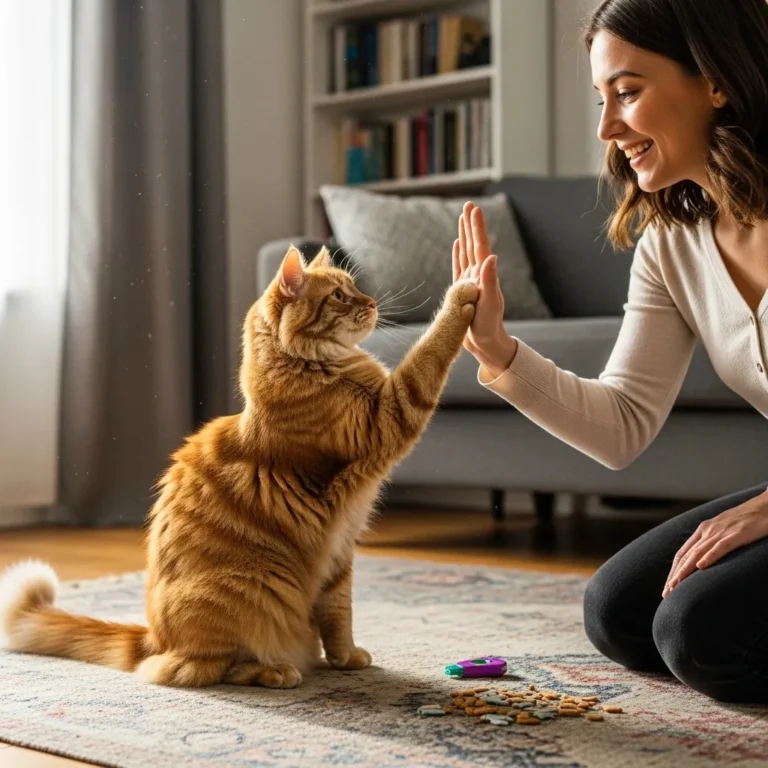
Teaching “High-Five”
- Tap your cat’s paw gently while holding a treat.
- When they lift it, say “high-five” and reward.
- Build to voluntary paw raises.
Fun for bonding. Discover more tips in teach cat to fetch.
Training for Specific Behaviors
Apply principles to everyday issues.
Litter Box Training
If accidents happen, use food to encourage use. Place treats near the box post-use. For kittens, guide gently. Details in litter training guide.
Scratching Post Use
Lure to the post with treats on it. Reward scratching. Stop furniture damage; see stop cats scratching furniture.
Reducing Counter Surfing
Reward staying on the floor. Use “off” command with treats below. Consistent boundaries work.
For aggression, like night zoomies, redirect with food puzzles. Check cat zoomies guide.
Breed-Specific Considerations
Breeds vary in responsiveness. Bengals, energetic and smart, excel with food-integrated play. Explore our Bengal cat training cat door.
Siamese, vocal and social, thrive on interactive sessions. See keep Siamese cats entertained.
Maine Coons, large and gentle, need bigger rewards but respond well. For Munchkins, short legs mean ground-level training. Link to Munchkin cat playfulness.
Norwegian Forest Cats, independent, may need ultra-high-value treats. Ragdolls, relaxed, learn quickly with patience. Visit Ragdoll cat bond building.
Adapt to your cat’s traits for success.
Common Mistakes to Avoid
Even experts slip up. Here’s how to sidestep them:
- Overfeeding: Track calories; excess leads to obesity. Use our cat obesity guide.
- Inconsistency: Mixed signals confuse cats. Everyone in the household must follow the same rules.
- Delayed Rewards: Reward within seconds, or the link breaks.
- Ignoring Health: If motivation drops, check for issues like dental pain. See cat dental care.
- Pushing Too Hard: Short sessions prevent burnout.
Learn from these for smoother training.
Advanced Training Tips
Once basics are down, level up.
- Harness Walking: Reward steps in harness. Great for indoors-out. See American Shorthair cat travel tips.
- Tricks like Fetch: Toss toy, reward return. Fun for active breeds.
- Clicker Integration: Click marks behavior, treat follows. Precise for complex tasks.
- Desensitization: Use food to ease fears, like vet visits. Link to Siamese cat vet visits.
Incorporate play; it boosts engagement.
What If My Cat Isn’t Food Motivated?
Some cats seem indifferent. Increase drive by scheduling meals, no free-feeding. Try novel treats or warm them for aroma.
Alternatives: Play rewards, like laser pointers, or affection. For picky eaters, consult a vet. Most respond with tweaks.
FAQ
How often should I train my cat using food motivation?
Aim for 5-10 minute sessions, 2-3 times daily. Keep it fun to avoid fatigue.
What if my cat gains weight from treats?
Use low-calorie options and deduct from meals. Monitor with our help cat gain weight guide, but in reverse for control.
Can I train an older cat this way?
Yes, seniors learn well, especially for health routines. Adapt pace; see senior cat care.
Why does my cat ignore treats sometimes?
Hunger levels vary. Train pre-meal, or switch varieties. If persistent, check health via cat not eating.
Is clicker training necessary with food motivation?
No, but it helps precision. Start simple, add if needed.
How long until I see results?
Basics in days; complex behaviors in weeks. Consistency accelerates.
Conclusion
Mastering the right way to train cats using food motivation transforms your relationship. It empowers your cat, curbs issues, and deepens your connection. Start small, stay consistent, and watch progress unfold. As a specialist, I’ve seen it work wonders, from kittens to seniors.
Ready for more? Explore our expert cat care and behavior guides on Cat Bloom Haven, like how to train American Shorthair kitten to fetch or Bengal cat personality for breed insights. Your cat’s best life awaits.