Common Cat Training Mistakes That Reinforce Bad Habits
Owning a cat brings endless joy, but it also comes with challenges when it comes to behavior. Many well-meaning owners unintentionally encourage unwanted habits through everyday interactions. These common cat training mistakes that reinforce bad habits often stem from misunderstanding how cats learn.
Cats thrive on positive experiences and clear boundaries. They do not respond well to punishment, which can lead to fear or more problems down the line. Instead, focusing on what works helps build trust and encourages good behavior.
In this guide, we explore the most frequent missteps cat owners make. We explain why they backfire and how to correct them with proven, gentle methods. You will learn practical steps to redirect energy, prevent issues like scratching or counter jumping, and foster a happier home for you and your feline friend.
By the end, you will have tools to spot these patterns in your own routine and shift toward approaches that truly work.
Key Takeaways
- Always prioritize positive reinforcement over punishment.
- Ignore unwanted behavior when possible to avoid giving attention as a reward.
- Provide alternatives like scratching posts or high perches to meet natural instincts.
- Consistency from everyone in the household is essential for lasting change.
- Rule out medical issues first if sudden behavior changes occur.
Why Punishment Often Backfires
One of the biggest pitfalls in cat training involves reacting strongly to misbehavior. Yelling, spraying water, or physically intervening might feel effective in the moment, but it rarely teaches the lesson you intend.
Cats seek attention, even if it comes in negative forms. A loud “No!” or chase across the room can unintentionally reward the action because it provides interaction. Over time, this reinforces the habit rather than stopping it.
Punishment also risks creating fear or stress. Stressed cats may hide more, act aggressively, or develop issues like inappropriate elimination. Veterinary behaviorists emphasize that fear-based methods damage the human-cat bond and can worsen problems.
The better path involves calmly redirecting and rewarding desired actions. This approach builds confidence and makes good choices more appealing.
Mistake 1: Giving Attention to Unwanted Behaviors
Cats are masters at reading human responses. If meowing loudly at 3 a.m. gets you out of bed for food or pets, guess what happens next night?
Many owners respond to demands like excessive vocalizing, pawing, or jumping on laps during work. This teaches the cat that persistence pays off.
How it reinforces bad habits: Any attention, positive or negative, acts as reinforcement.
What to do instead:
- Ignore the behavior completely until it stops.
- Reward quiet or calm moments with treats or affection.
- For nighttime meowing, ensure evening play sessions tire them out and feed a small meal before bed.
Real-life example: One owner struggled with a cat begging at the table. Once they stopped all responses, even eye contact, and praised sitting politely nearby, the begging faded within weeks.

Mistake 2: Using Hands or Feet as Play Toys
Kittens naturally pounce and bite during play. When owners wiggle fingers or toes under blankets, it seems cute at first.
As the cat grows, those playful nips turn into painful bites or scratches. This encourages play aggression directed at humans.
Why it reinforces bad habits: The cat learns that human limbs are fair game for hunting practice.
What to do instead:
- Always use interactive toys like wand feeders or laser pointers.
- If biting occurs, immediately end play with a neutral “ouch” and walk away.
- Redirect to a toy and praise engagement.
This teaches boundaries without fear. Many cats quickly switch to toys when hands no longer respond.
Mistake 3: Punishing Natural Instincts Like Scratching
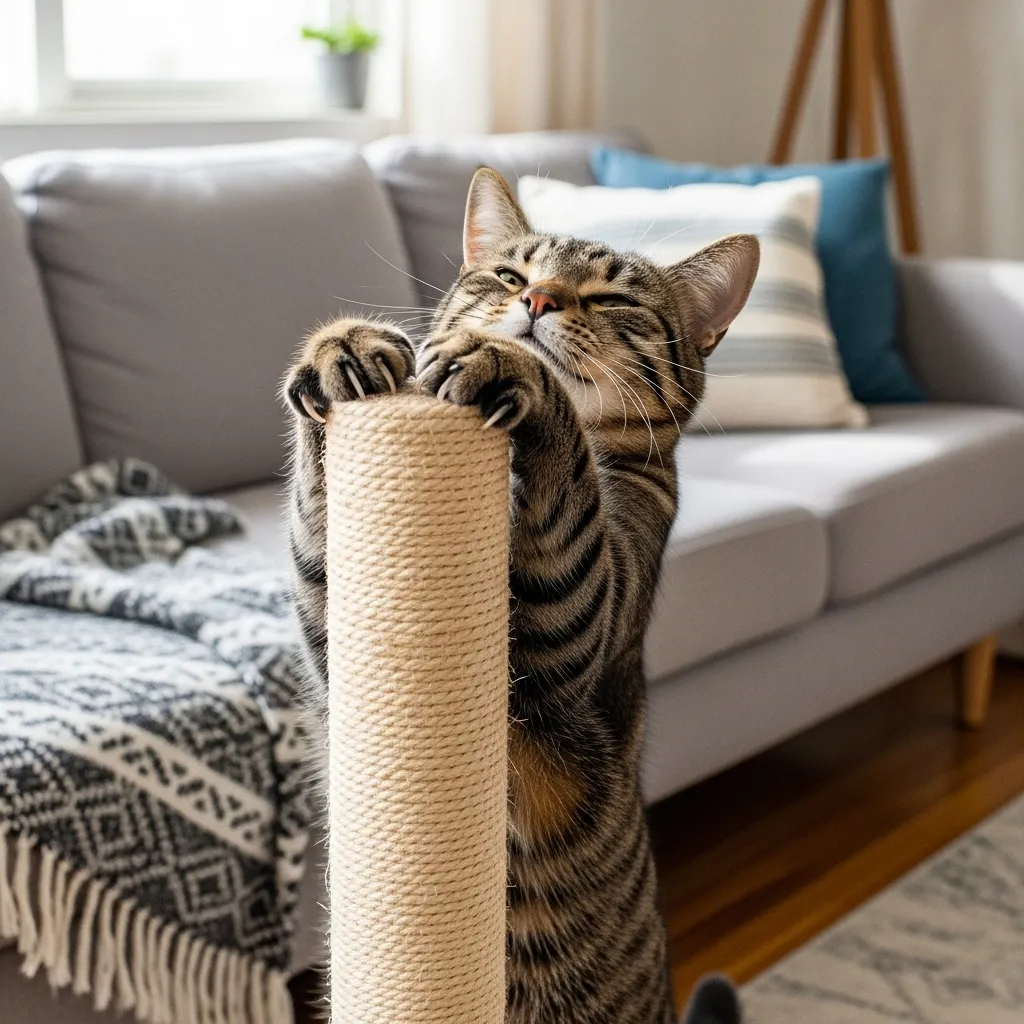
Scratching is essential for cats. It sharpens claws, stretches muscles, and marks territory.
Scolding or punishing when they scratch furniture drives the behavior underground. They will continue when alone.
How it reinforces bad habits: Punishment does not address the need, so the instinct persists.
What to do instead:
- Provide appealing alternatives: tall, sturdy posts with sisal or cardboard.
- Place them near favored spots and encourage use with catnip or play.
- Reward scratching the post with treats or praise.
- Use soft claw caps temporarily if needed.
Trim nails regularly to reduce damage during transition.
Discover more tips in stop cats scratching furniture.
Mistake 4: Inconsistent Responses or Rules
Households where one person allows counter jumping but another scolds create confusion.
Cats learn quickly what works with whom, leading to selective behavior or increased attempts.
Why it reinforces bad habits: Mixed signals make rules unclear, encouraging trial and error.
What to do instead:
- Agree on household rules and enforce them uniformly.
- Use environmental deterrents like double-sided tape or foil on counters when unsupervised.
- Provide high perches nearby as alternatives.
For counters, clear surfaces of tempting items and offer window shelves or cat trees for elevation.
Mistake 5: Not Providing Enough Enrichment or Play
Bored cats invent their own entertainment, often destructively.
Counter surfing, knocking items off shelves, or zooming at night stem from pent-up energy.
How it reinforces bad habits: Unmet needs lead to self-rewarding behaviors.
What to do instead:
- Schedule daily interactive play sessions, 10-15 minutes twice a day.
- Use puzzle feeders to make meals engaging.
- Rotate toys and add vertical spaces like shelves.
High-energy breeds benefit most, but all cats need mental stimulation.
Check out our cat training behavior section for more ideas.
Mistake 6: Reacting Too Late or Inconsistently to Litter Box Issues
Litter box avoidance often signals discomfort with the setup.
Common errors include dirty boxes, disliked litter types, or poor locations.
Punishing accidents worsens stress and avoidance.
What to do instead:
- Scoop daily and change litter weekly.
- Offer multiple boxes in quiet, accessible spots.
- Experiment with unscented clumping litter and open boxes.
- Consult a vet to rule out health problems.
Positive reinforcement for box use helps rebuild habits.
Mistake 7: Expecting Too Much Too Soon
Training takes time. Pushing complex tricks or perfect behavior early leads to frustration.
Cats shut down under pressure.
Why it reinforces bad habits: Overwhelming sessions discourage learning.
What to do instead:
- Keep sessions short, 3-5 minutes.
- Break skills into small steps.
- End on success with rewards.
Patience pays off with willing participation.
Building Better Habits: Positive Reinforcement Basics
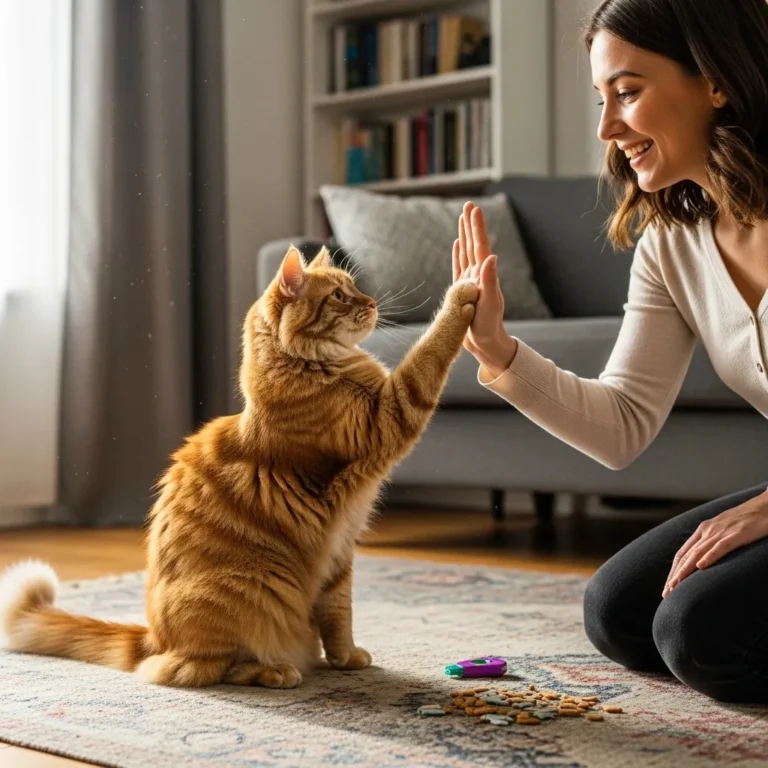
Shift focus to rewarding what you want.
Use treats, praise, or play immediately after desired actions.
Tools like clickers mark exact moments precisely.
Over time, fade treats but keep occasional rewards.
This creates eager learners without fear.
For breed-specific insights, see our american shorthair cats guide or bengal cat personality.
Real Owner Stories: Turning Things Around
Sarah’s cat constantly scratched the couch despite scolding. Switching to multiple posts, catnip encouragement, and praise for use resolved it in a month.
Mike’s kitten bit during play. Stopping hand play and using wands turned rough sessions into bonded fun.
These shifts highlight how understanding avoids reinforcement of bad habits.
When to Seek Professional Help
If behaviors persist or escalate, consult a veterinarian first to rule out pain or illness.
Certified behaviorists offer tailored plans.
Early intervention prevents entrenchment.
Frequently Asked Questions
Do cats understand punishment?
No, they often link it to the person rather than the action, breeding fear instead of learning.
How long does it take to correct reinforced habits?
Weeks to months with consistency. Patience is key.
Is it ever too late to train an older cat?
No, adults learn well with positive methods.
What if my cat ignores treats during training?
Try higher-value rewards like tuna or play. Build motivation gradually.
Can multiple cats complicate training?
Yes, but individual sessions and separate resources help.
For more on introductions, check bengal cat introduction tips.
Final Thoughts
Avoiding common cat training mistakes that reinforce bad habits transforms challenging situations into opportunities for stronger bonds.
Focus on understanding needs, providing outlets, and rewarding positives. Your cat will respond with better behavior and more affection.
Every cat is unique, so observe what motivates yours. Small, consistent changes yield big results.
Explore more expert cat care and behavior guides on Cat Bloom Haven.