How to Train a Cat Without Punishment (What Actually Works)
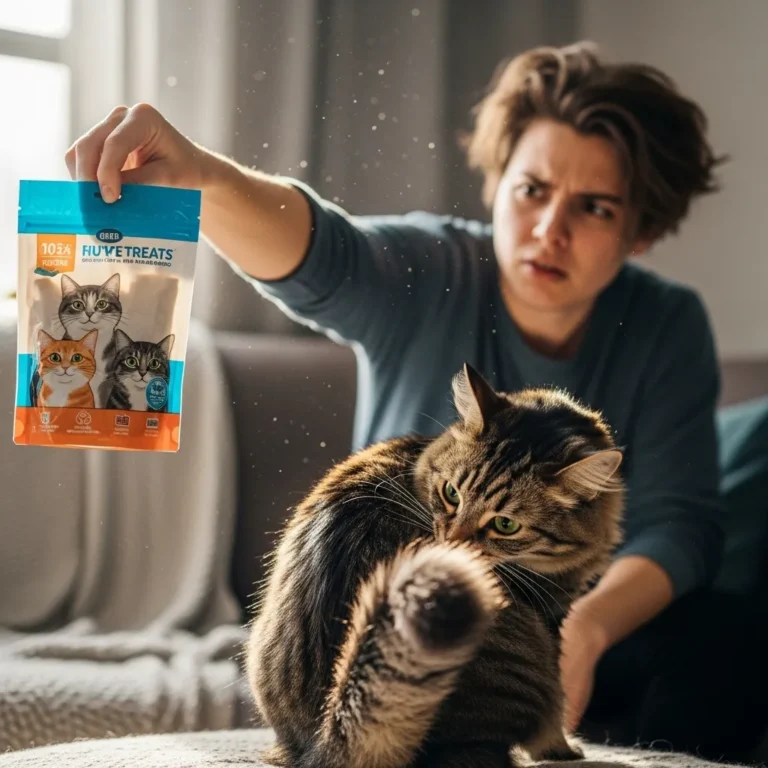
Many cat owners feel frustrated when their feline friend scratches furniture, ignores the litter box, or demands attention at 3 a.m. The common reaction is to scold, spray water, or use other deterrents. But these methods often backfire. Cats do not connect punishment with their actions the way dogs might. Instead, they learn to fear the person delivering it.
The good news is that you can train a cat effectively without any punishment. Positive reinforcement builds trust, reduces stress, and creates lasting changes. This approach focuses on rewarding behaviors you want to see more of. It works because cats repeat actions that lead to good outcomes, like treats, play, or affection.
In this guide, you’ll learn why punishment fails, the science behind what actually works, and step-by-step methods to address common issues. Whether you have a kitten or an adult cat, these techniques can transform your relationship and home life.
Key Takeaways
- Punishment creates fear and damages your bond; it rarely stops unwanted behavior long-term.
- Positive reinforcement uses rewards (treats, praise, play) to encourage desired actions.
- Tools like clicker training make the process precise and fun.
- Consistency and patience are essential; most cats respond well within weeks.
- Always rule out medical issues first with a vet visit.

Why Punishment Doesn’t Work for Cats
Cats operate on instinct and association. They do not feel guilt or understand delayed consequences. If you yell hours after an accident, your cat thinks you are upset for no clear reason. This leads to stress, hiding, or more problems.
Experts from organizations like the ASPCA and certified behaviorists agree: punishment increases fear, anxiety, and even aggression. It breaks trust without teaching alternatives. One study on feline training showed aversive methods worsen welfare, while reward-based ones improve it.
In short, scolding teaches your cat to avoid you, not to change behavior. Positive methods teach what to do instead.
The Power of Positive Reinforcement
Positive reinforcement adds something pleasant right after a desired action. This makes the cat want to repeat it. Common rewards include high-value treats (tuna flakes or chicken), play with a favorite toy, or gentle petting.
Timing matters. Reward within seconds so the cat links it to the action. Sessions should be short, 5-10 minutes, when your cat is motivated (often before meals).
This method strengthens your bond. Cats trained this way become more confident and interactive.
Getting Started: Essential Tools and Setup
You need little to begin.
- High-value treats: Small, soft pieces your cat loves.
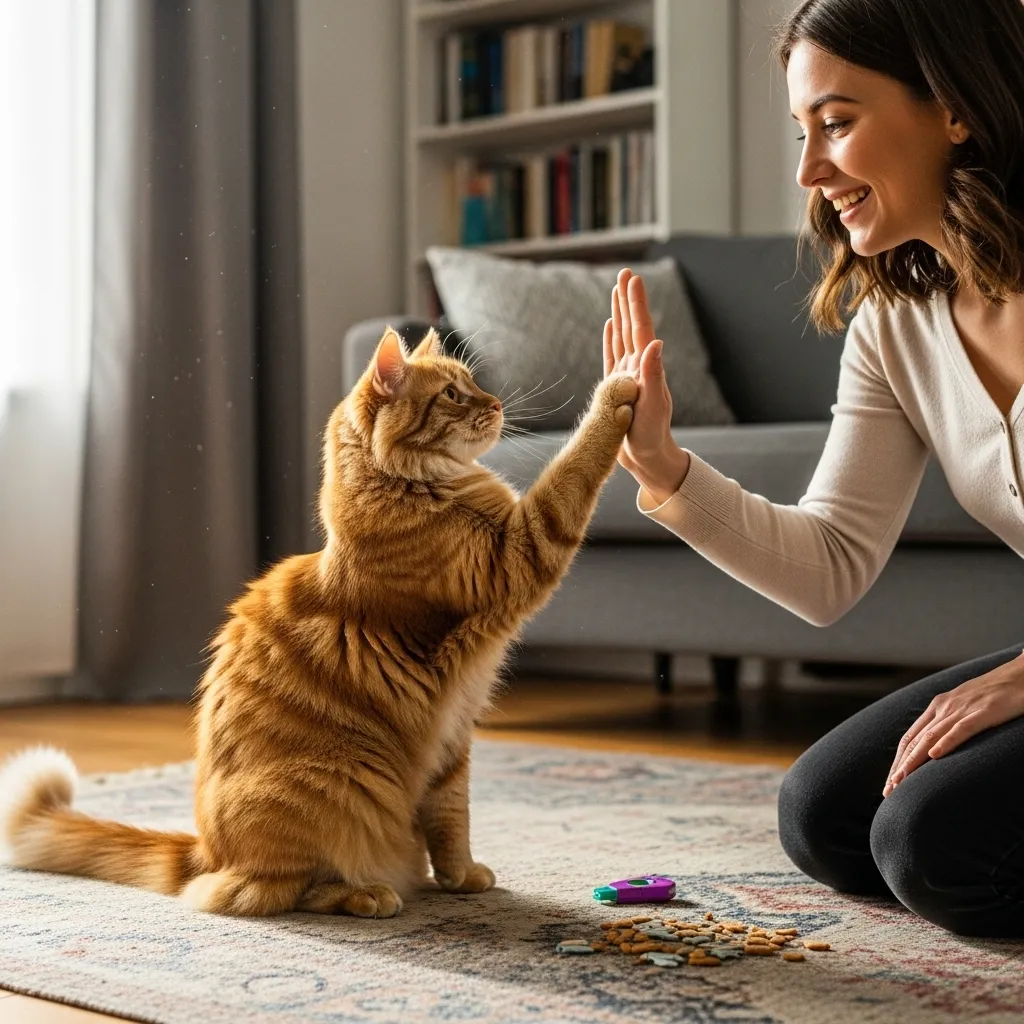
- A clicker: A small device that makes a consistent sound to mark good behavior precisely.
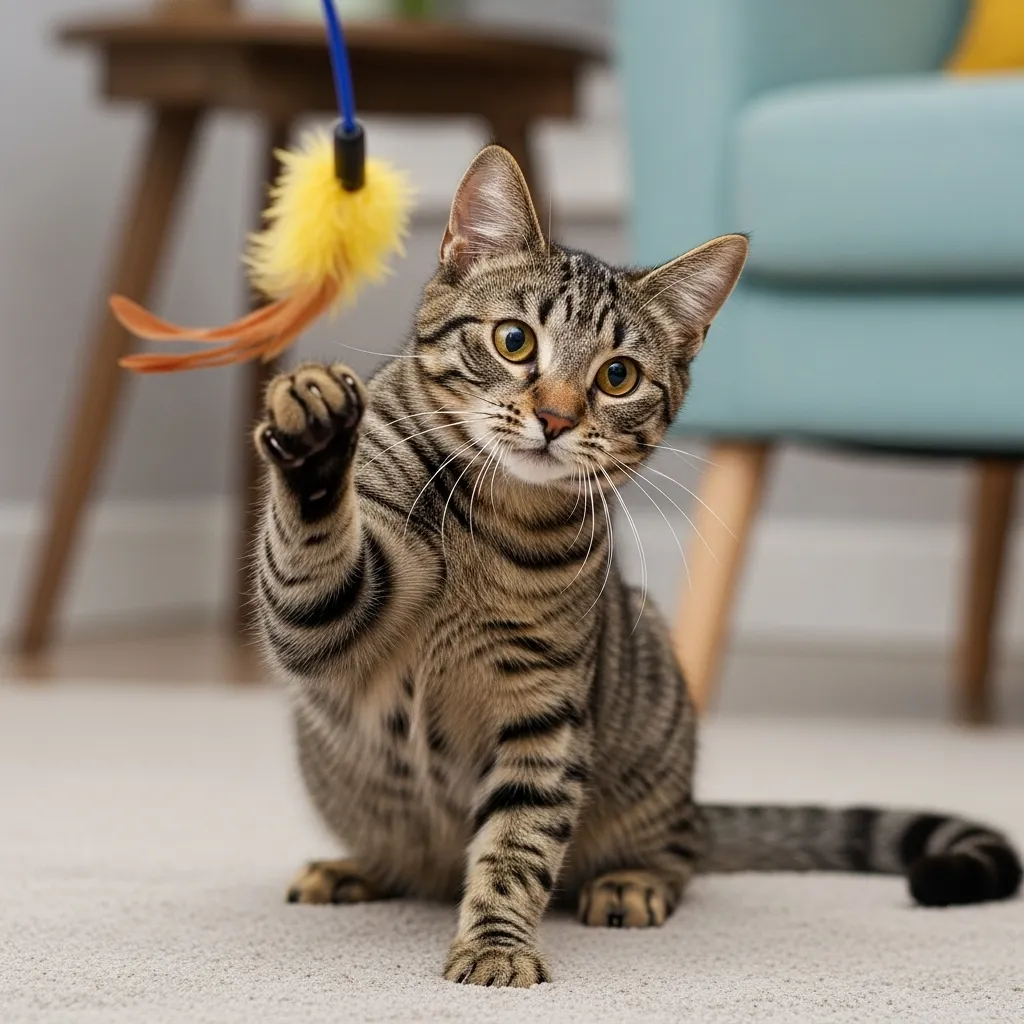
- Toys: Wand toys or balls for play rewards.
- Patience: Start small and build.
First, “charge” the clicker. Click and immediately give a treat, repeating 10-20 times. Your cat learns click means reward.
Explore more on basic cat behavior in our guide to cat training behavior.
Step-by-Step Guide to Clicker Training Basics
Clicker training speeds up learning.
- Charge the clicker as described.
- Capture natural behaviors: Click and reward when your cat sits or looks at you.
- Add cues: Once reliable, say “sit” before the action, then reward.
- Shape complex tricks: Reward small steps toward goals, like touching a target.
Many cats learn “high five” or “come” quickly.
For fun ideas, check our article on teaching a cat to fetch.
Training for Common Behaviors
Litter Box Success
Cats instinctively bury waste. Issues often stem from dirty boxes, wrong litter, or stress.
Solutions:
- Provide one box per cat plus one, in quiet spots.
- Clean daily; use unscented clumping litter.
- Reward with treats or praise immediately after use.
- Gently place kittens in the box after meals or play.
See our detailed litter training guide.
Redirecting Scratching
Scratching is normal for marking and claw maintenance.
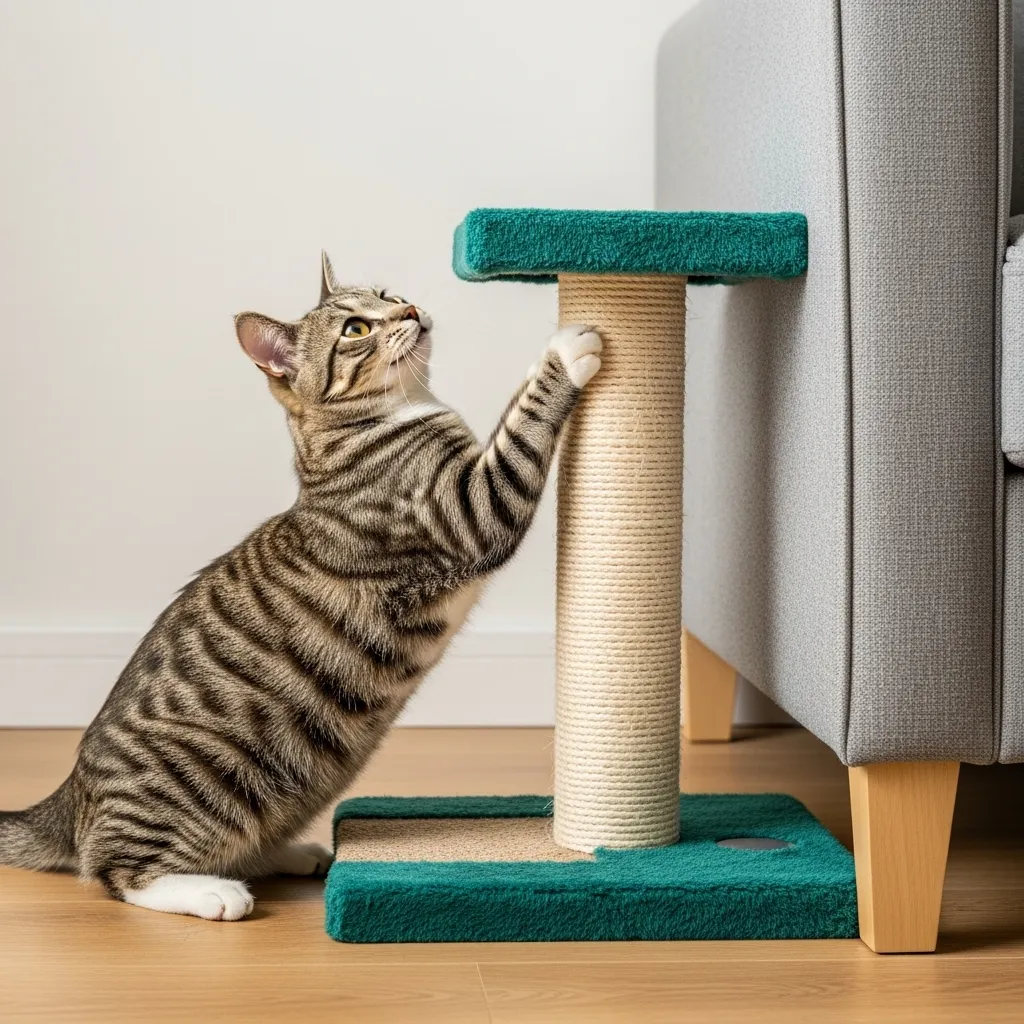
- Place sturdy posts near furniture.
- Use sisal or cardboard textures.
- Reward scratching the post with treats or play.
- Make furniture less appealing with double-sided tape.
Discover tips in stopping cats from scratching furniture.
Reducing Nighttime Activity or Meowing
Zoomies or yowling often mean boredom or hunger.
- Increase daytime play to tire them out.
- Use puzzle feeders for mental stimulation.
- Ignore attention-seeking meows; reward quiet behavior.
- Feed a small meal before bed.
Teaching “Come When Called”
- Say their name positively, click/reward when they approach.
- Practice in low-distraction settings, gradually increase distance.
Calming Aggressive Play
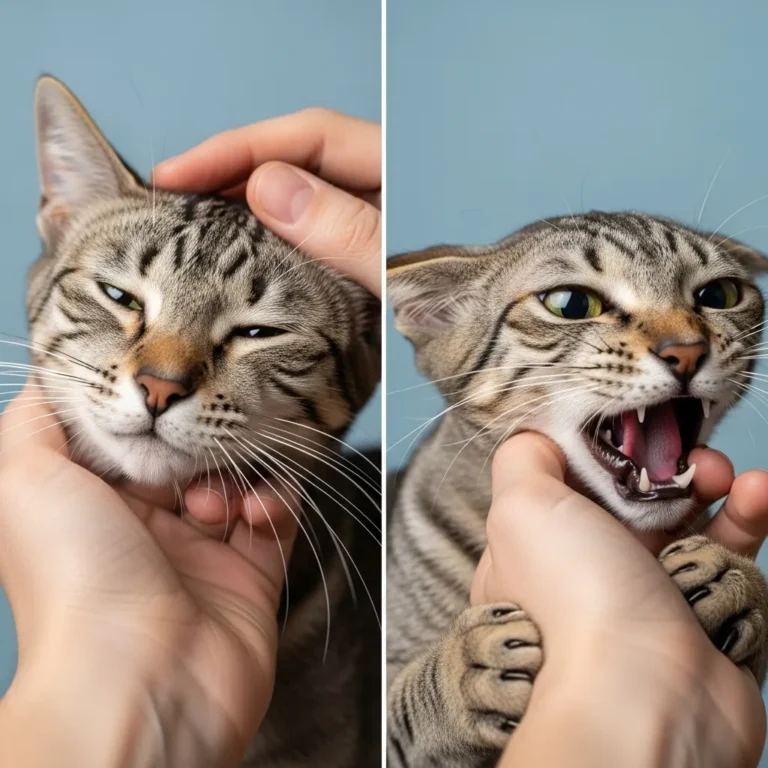
Redirect bites to toys. Stop play if too rough, walk away. Reward gentle interaction.
For breed-specific insights, read about Bengal cat personality or Siamese cats.
Advanced Tips for Success
- Be consistent: Everyone in the household follows the same rules.
- Short sessions: End on a high note.
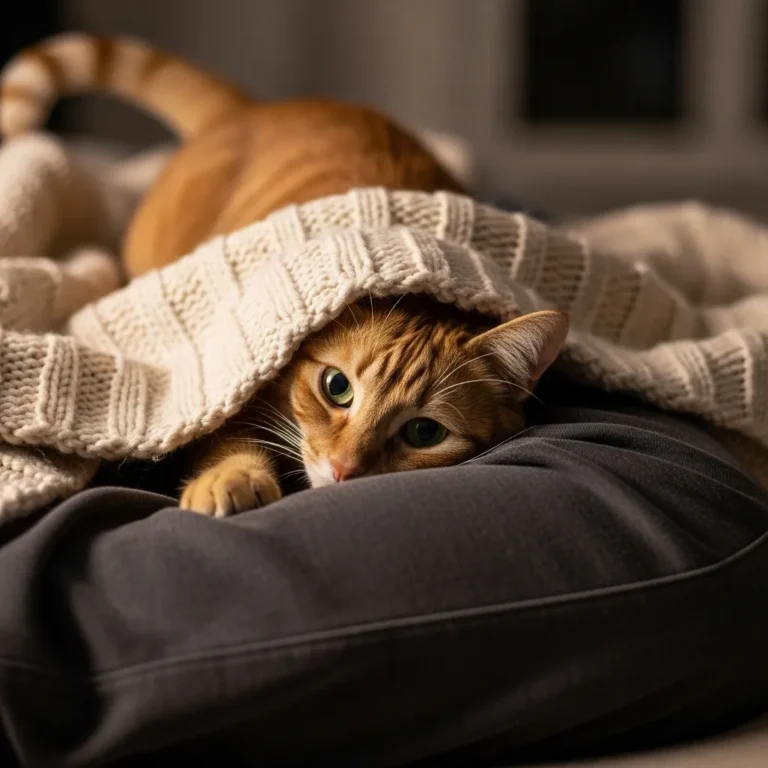
- Address root causes: Stress from changes? Add hiding spots or pheromones.
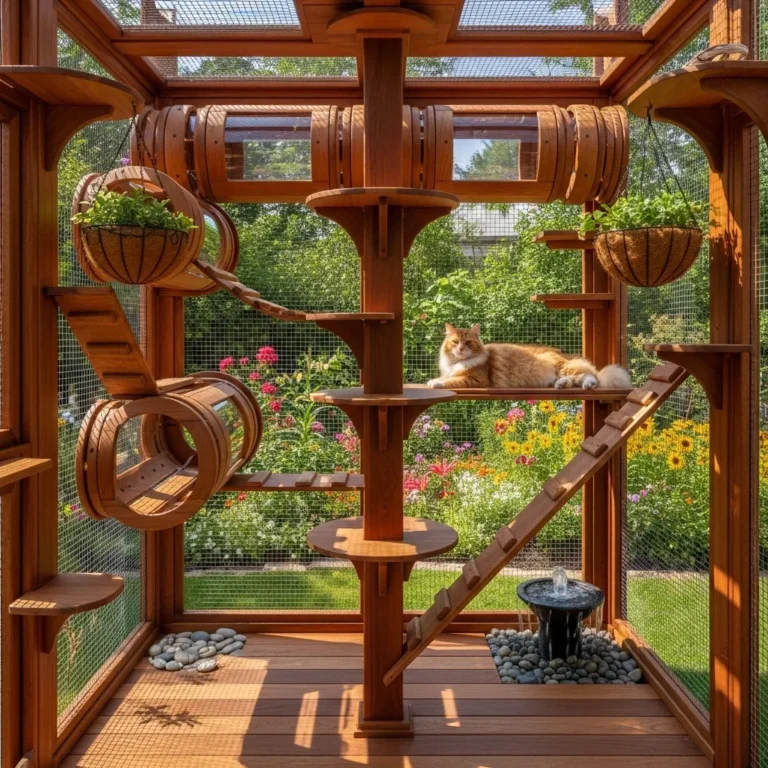
- Enrich the environment: Perches, toys, window views.
If issues persist, consult a vet or behaviorist. Medical problems like pain can cause changes.
Learn more in our cat stress signs guide.
Real-Life Examples
One owner stopped counter-surfing by placing a cat tree nearby and rewarding use. Within weeks, the cat chose the tree.
Another trained a fearful rescue to enjoy handling by pairing gentle touch with treats. Trust built quickly.
These stories show patience pays off.
FAQ
Can you really train a cat without punishment?
Yes. Positive reinforcement is proven more effective and humane. It builds trust rather than fear.
How long does it take to see results?
Basic behaviors improve in days to weeks. Complex ones take longer, but consistency speeds progress.
What if my cat isn’t food-motivated?
Try play, petting, or catnip. Find what excites them.
Is clicker training necessary?
No, but it helps with timing. Verbal markers like “yes!” work too.
What about older cats?
They learn just as well. Start slow.
When should I see a professional?
If aggression, elimination issues, or sudden changes occur. Rule out health first.
For more, explore how to calm an angry cat.
Conclusion
Training a cat without punishment is not only possible, it is the best way. Focus on rewards, understand their needs, and celebrate small wins. You will end up with a happier cat and stronger bond.
At Cat Bloom Haven, we share expert advice on all things feline. Explore more guides like American Shorthair cats guide or Bengal cat guide for breed-specific tips.
Your cat deserves a stress-free, loving home. Start today with one small positive step.