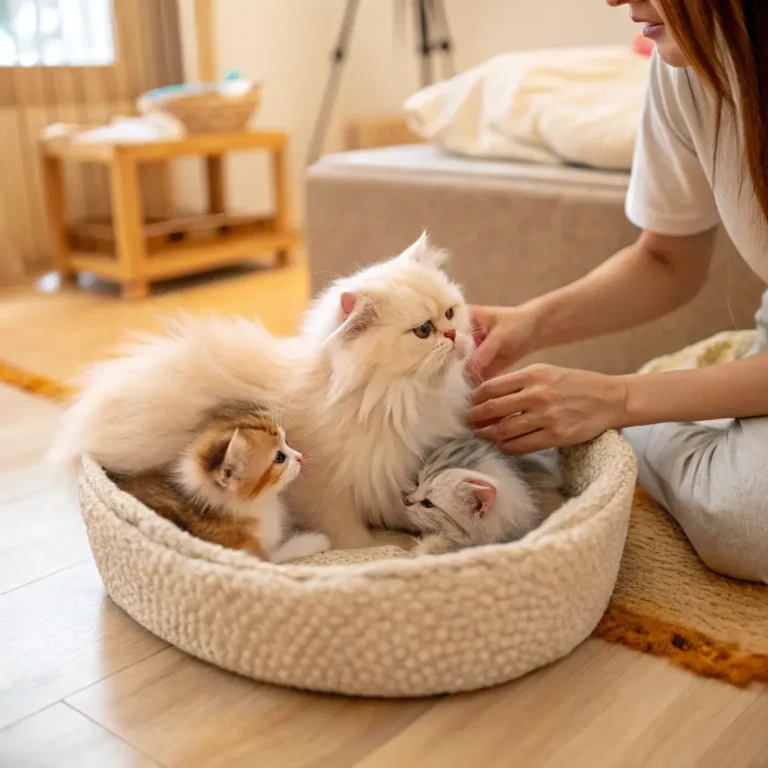
How to Stop Unwanted Cat Behavior Without Stress
Living with a cat brings endless joy, but sometimes their natural instincts lead to behaviors that frustrate us. Scratching the couch, biting during play, jumping on counters, or excessive meowing at night can test even the most patient owners. The good news is you can address these issues effectively without resorting to punishment, which only increases fear and can worsen problems.
Cats do not respond well to punishment. It damages trust and adds stress. Instead, focus on understanding why the behavior happens and guide your cat toward better options using positive methods. This approach strengthens your bond and creates a happier home for both of you.
In this guide, we will explore the most common unwanted cat behaviors, their root causes, and proven, gentle strategies to redirect them. You will learn practical steps backed by veterinary and behavior experts to help your cat thrive without stress.
Key Takeaways for Stopping Unwanted Cat Behavior Without Stress
- Always rule out medical issues first with a vet visit.
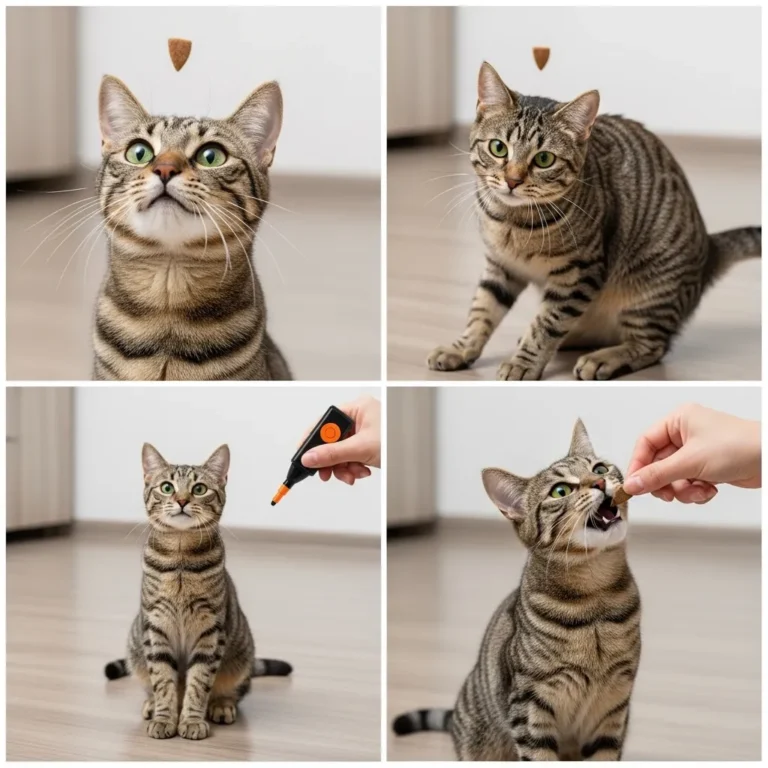
- Use positive reinforcement: reward good behavior with treats, play, or praise.
- Provide alternatives that meet your cat’s natural needs (scratching, climbing, hunting).
- Reduce environmental stress through enrichment and routine.
- Be consistent and patient; changes take time but work long-term.
- Never punish yell, hit, or use spray bottles as it harms your relationship.
Why Punishment Doesn’t Work and Positive Methods Do
Cats learn through association. Punishment creates fear, leading to hiding, aggression, or more unwanted actions. Positive reinforcement rewards desired behavior, making it more likely to repeat.
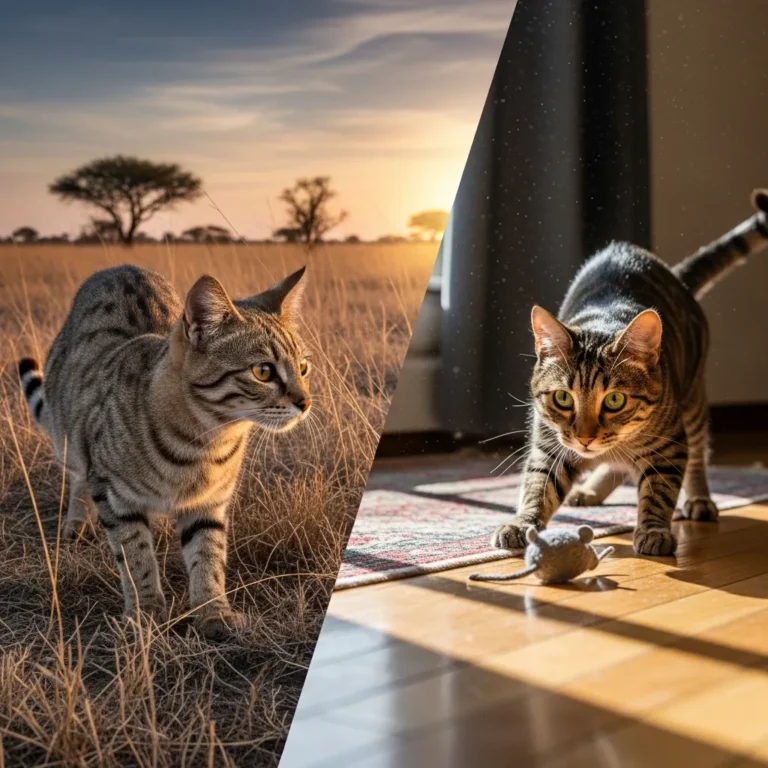
Veterinarians and behaviorists agree: redirect instincts gently. For example, a cat scratches to mark territory and stretch, not to spite you. Provide a better outlet, and the problem fades.
Consistency across the household is key. Everyone must follow the same rules to avoid confusing your cat.
Common Unwanted Cat Behaviors and Gentle Solutions
Scratching Furniture
Scratching is essential for cats. It removes old claw sheaths, stretches muscles, and marks territory with scent glands in their paws.
Stress-Free Solutions:
- Provide multiple sturdy scratching posts or boards in preferred styles (vertical sisal for tall stretches, horizontal cardboard for floor scratchers).
- Place them near scratched furniture initially, then gradually move to better spots.
- Encourage use with catnip, toys dangled on the post, or treats when your cat scratches it.
- Make furniture less appealing with double-sided tape or covers (remove once habits form).
- Trim nails regularly to reduce damage.
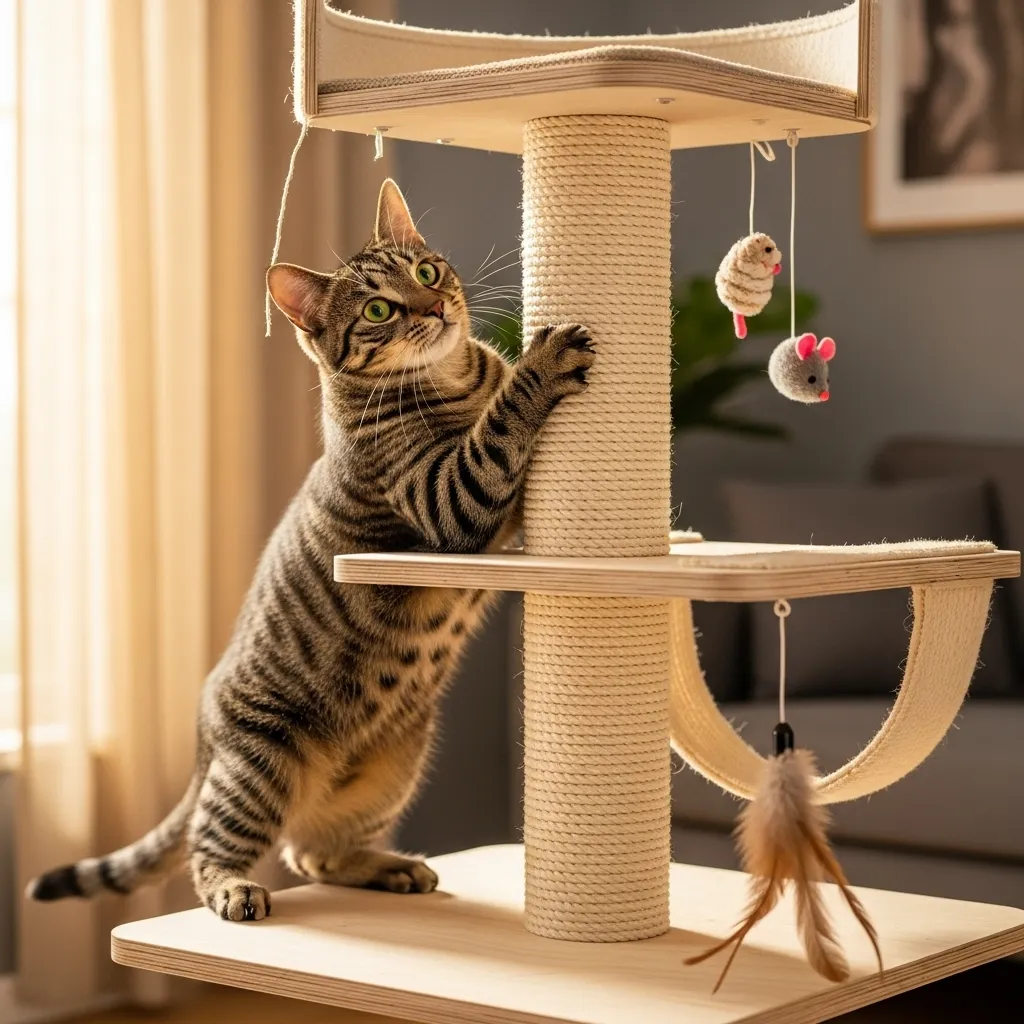
Explore our detailed guide on stopping cats scratching furniture for more tips.
Aggressive Play Biting or Scratching
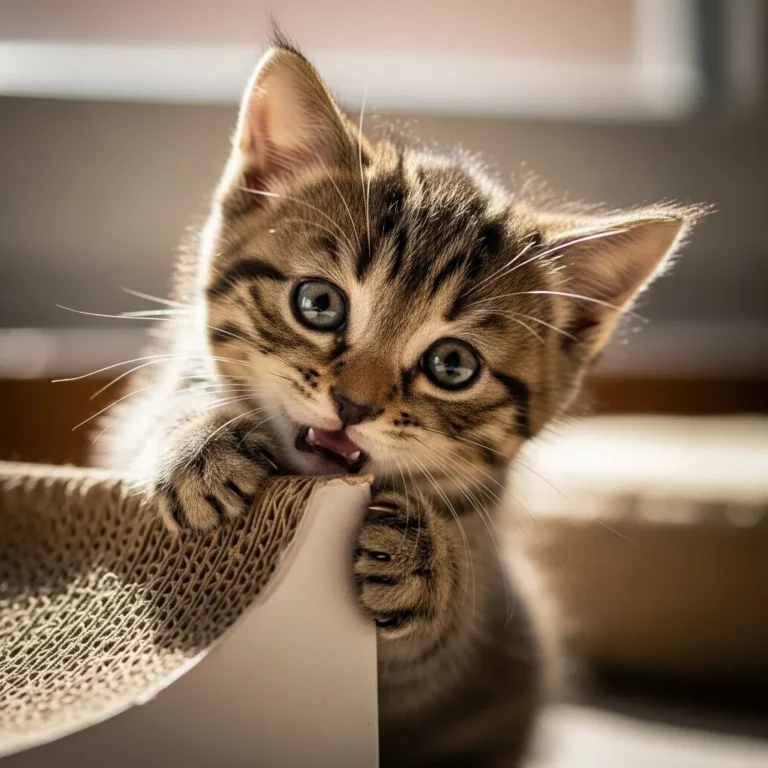
Many cats bite or scratch during play because they lack littermates to teach bite inhibition, or they get overstimulated.
Stress-Free Solutions:
- Never use hands or feet as toys always use wands, kickers, or strings.
- If biting starts, say “ouch” calmly, stop play immediately, and walk away (time-out).
- Redirect to a toy tossed away from you.
- Schedule daily interactive play sessions to burn energy.
- Reward gentle play with praise or treats.
![Rewarding cat for non-biting play behavior.]](https://catbloomhaven.com/wp-content/uploads/2025/12/Image_fx-2025-12-24T113409.091.webp "How to Stop Unwanted Cat Behavior Without Stress 2")
Discover more in our article on how to calm an angry cat.
Jumping on Counters or Tables
Cats love heights for safety and observation. Counters offer warmth, smells, and views.
Stress-Free Solutions:
- Provide alternative high perches: cat trees, shelves, or window hammocks near views.
- Enrich the environment with bird feeders outside windows (not visible from counters).
- Clear counters of food rewards; clean thoroughly.
- Use gentle deterrents like sticky tape on edges temporarily.
- Reward with treats when using approved perches.
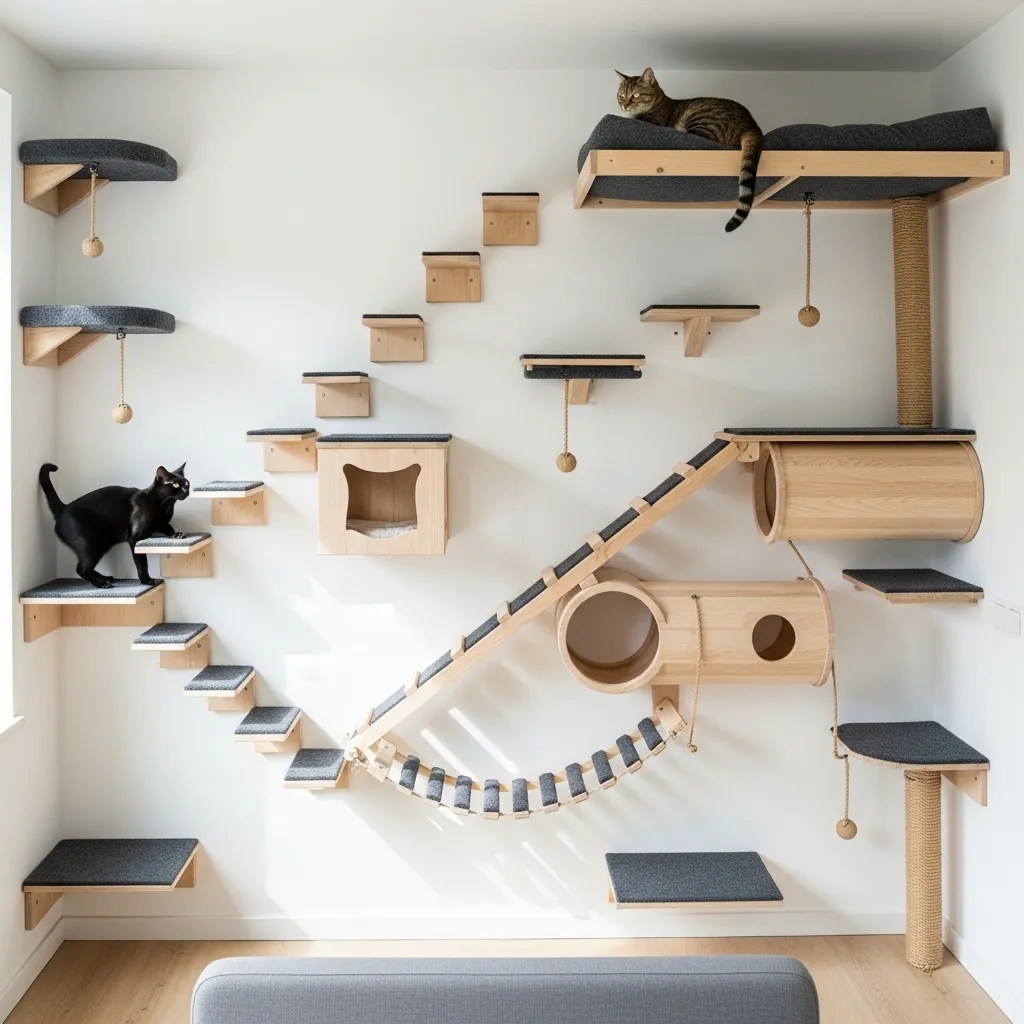
Check our ideas for cat wall climbing setups.
Excessive Meowing, Especially at Night
Nighttime meowing often stems from boredom, hunger, attention-seeking, or health issues like hyperthyroidism in seniors.
Stress-Free Solutions:
- Establish a routine: play vigorously before bed, then feed a small meal.
- Ignore attention-seeking meows (hard but effective do not respond).
- Provide puzzle feeders for mental stimulation.
- Use automatic feeders for scheduled meals if needed.
- Add night lights or calming pheromones for anxious cats.
- Vet check for underlying conditions.
Learn more in our guide to cat zoomies and hyperactivity at night.
Litter Box Avoidance
This is often medical (UTIs) or stress-related, not spite.
Stress-Free Solutions:
- Rule out health issues first.
- Offer multiple large, uncovered boxes in quiet locations (one per cat plus one extra).
- Use unscented, clumping litter; scoop daily.
- Reduce household stress with pheromones or separate resources in multi-cat homes.
- Clean accidents with enzyme cleaners.
See our cat litter box problems guide for in-depth advice.
Building a Stress-Free Environment for Long-Term Success
Enrichment prevents boredom, a major cause of unwanted behaviors.
Daily Essentials:
- Interactive play twice a day (15-20 minutes).
- Puzzle feeders to mimic hunting.
- Vertical spaces and hiding spots.
- Consistent routine for feeding and play.
![Professional vet check ensuring cat health for behavior issues.]](https://catbloomhaven.com/wp-content/uploads/2025/12/Image_fx-2025-12-24T113133.960.webp "How to Stop Unwanted Cat Behavior Without Stress 4")
For personalized advice, consult your vet. Explore finding the best vet for your cat.
FAQ: Common Questions About Unwanted Cat Behavior
Why does my cat suddenly show unwanted behavior?
Changes in routine, new pets, or moves cause stress. Medical issues like pain can also trigger it. Start with a vet visit.
How long until I see improvement?
Consistency brings changes in 2-4 weeks, but some take months. Stay patient.
Can older cats learn new behaviors?
Yes. Seniors benefit from positive methods, though health checks are crucial.
What if positive reinforcement fails?
Reassess setup (better alternatives?) or consult a certified behaviorist. Medication may help in severe anxiety.
Is declawing or punishment ever okay?
No. Declawing causes pain and issues. Punishment erodes trust.
Final Thoughts
Stopping unwanted cat behavior without stress is about empathy and meeting needs. Understand your cat’s perspective, provide outlets for instincts, and reward positives you will see lasting change.
Your cat wants to please you; guide them kindly, and enjoy a deeper bond.
Explore more expert cat care and behavior guides on Cat Bloom Haven, from breed personalities to health tips.