Training Cats to Follow Routines (Feeding, Play, Sleep)
Picture this: your cat wakes you at dawn with insistent meows for food, only to nap all day and turn into a whirlwind of energy at midnight. Sound familiar? Many cat owners struggle with unpredictable behaviors that disrupt household harmony. The good news is, training cats to follow routines around feeding, play, and sleep can transform chaos into calm. This approach taps into their natural instincts, reduces stress for everyone, and strengthens your bond.
In this guide, I’ll walk you through practical steps to establish these routines. You’ll learn why consistency matters, how to implement changes without overwhelming your cat, and tips to handle setbacks. Backed by insights from cat behaviorists and vets, we’ll cover everything from basic setups to advanced tweaks. By the end, you’ll have a roadmap to a happier, more predictable life with your feline friend.
Key Takeaways
- Cats thrive on routines that mimic their wild instincts: hunt (play), catch and eat (feeding), groom, and sleep.
- Start small with one routine, like feeding times, and build gradually to avoid resistance.
- Use positive reinforcement, such as treats or praise, to encourage desired behaviors.
- Consistency from all household members is crucial for success.
- Monitor your cat’s health, as changes in routine can reveal underlying issues; consult a vet if needed.
- Breed differences matter energetic breeds like Bengals may need more play, while laid-back Persians adapt quickly to sleep schedules.
These points set the foundation. Now, let’s dive deeper.
Understanding Your Cat’s Natural Instincts
Before jumping into training cats to follow routines (feeding, play, sleep), grasp why routines work. Cats are crepuscular creatures, most active at dawn and dusk. In the wild, they hunt in short bursts, eat small meals, and sleep to conserve energy. Domestic cats retain these traits, but without structure, they might pester you for food at odd hours or zoom around when you’re trying to sleep.
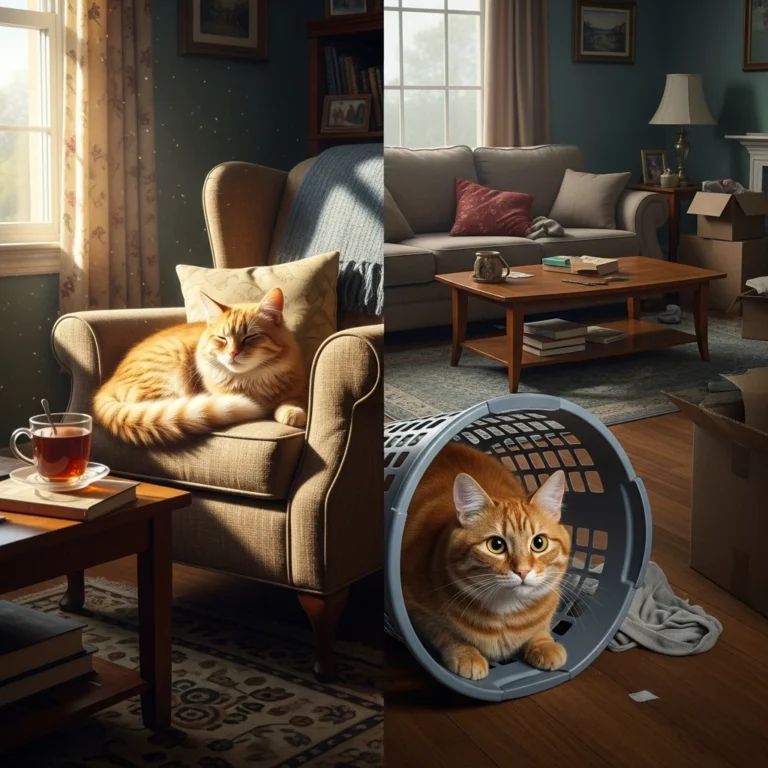
Experts like those from the American Society for the Prevention of Cruelty to Animals emphasize that routines provide security. A predictable schedule reduces anxiety, prevents obesity from overfeeding, and curbs destructive behaviors like scratching furniture out of boredom. For instance, if your cat associates evenings with play followed by dinner, they’ll anticipate that sequence instead of demanding attention randomly.
Real-life example: A client of mine, a busy professional with a Siamese cat, complained about nightly disruptions. By aligning routines to the cat’s instincts, we shifted play to evenings, leading to better sleep for both.
To start, observe your cat’s current patterns. Note when they eat, play, and sleep over a week. This baseline helps tailor routines without drastic changes.
Setting Up a Feeding Routine
Feeding is often the easiest routine to establish, as food motivates most cats. Training cats to follow routines starts here because it influences play and sleep.
Aim for 2-4 meals per day, depending on age and health. Kittens need frequent feedings, while adults do well on two. Use portion control to prevent weight gain consult your vet for calories based on weight and activity.
Steps to implement:
- Choose fixed times, like 7 a.m., noon, and 6 p.m.
- Use an automatic feeder for consistency if you’re away.
- Transition gradually: If your cat free-feeds, reduce kibble availability over days.
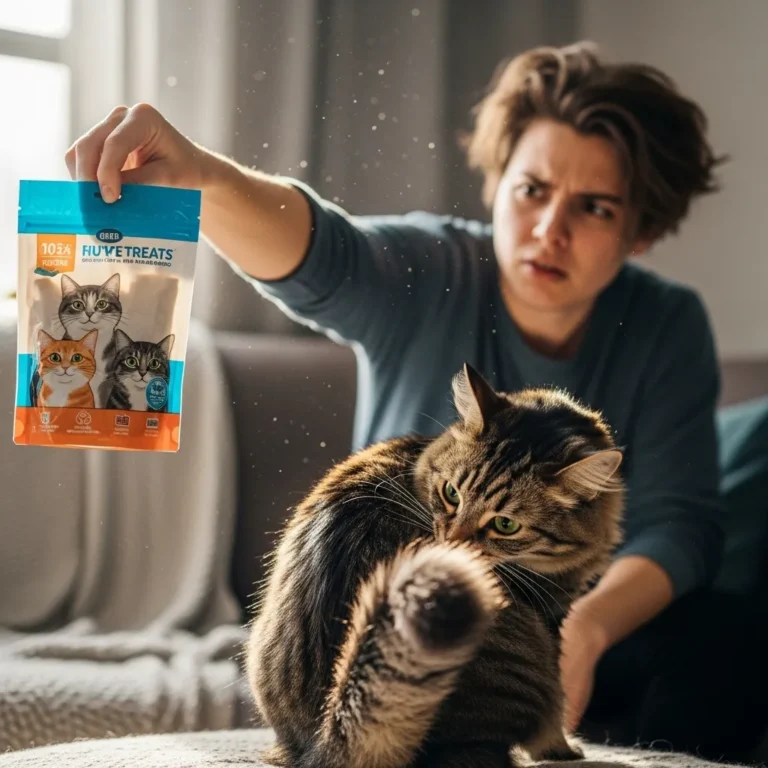
- Reward calm waiting with a treat.
Vet tip: High-protein meals satisfy longer, reducing between-meal begging. Avoid sudden changes to prevent digestive upset.
Common challenge: Multi-cat homes. Feed separately to avoid competition. Explore our detailed guide on choosing cat food for more on balanced nutrition.
In one case, a Bengal cat owner switched to scheduled feedings, noticing less aggression during meals. This routine spilled over, making play sessions more engaging.
Table: Sample Feeding Schedule by Cat Age
| Age Group | Meals per Day | Portion Example (per meal) | Tips |
|---|---|---|---|
| Kitten (under 6 months) | 4 | 1/4 cup wet food | High-calorie for growth; space evenly. |
| Adult (1-7 years) | 2-3 | 1/2 can wet + kibble | Monitor weight; adjust for activity. |
| Senior (over 7 years) | 3 | Smaller portions, senior formula | Easier digestion; vet check for needs. |
This structure keeps things simple and effective.
Establishing Playtime Schedules
Play is the “hunt” in your cat’s day, essential for physical health and mental stimulation. Without it, cats may become lethargic or destructive. Training cats to follow routines includes dedicated play slots to burn energy.
Schedule 15-30 minutes twice daily, morning and evening. Use interactive toys like wand teasers or laser pointers to mimic prey.
How-to:
- Start with short sessions; build duration.
- End play with a “win”—let them catch the toy.
- Follow with feeding to complete the cycle.
- Rotate toys to keep interest high.
Expert insight: Behaviorists note play reduces stress hormones. For high-energy breeds, add puzzle feeders.
Example: A Munchkin cat, known for playfulness, thrived on evening sessions, sleeping soundly after. Discover more tips in our Munchkin cat playfulness article.
Avoid over-stimulation; watch for signs like flattened ears. If your cat scratches during play, learn how to stop cats scratching furniture.
![Cat engaged in daily play routine]](https://catbloomhaven.com/wp-content/uploads/2025/12/Image_fx-2025-12-24T114757.785.webp "Training Cats to Follow Routines 2")
Creating a Consistent Sleep Pattern
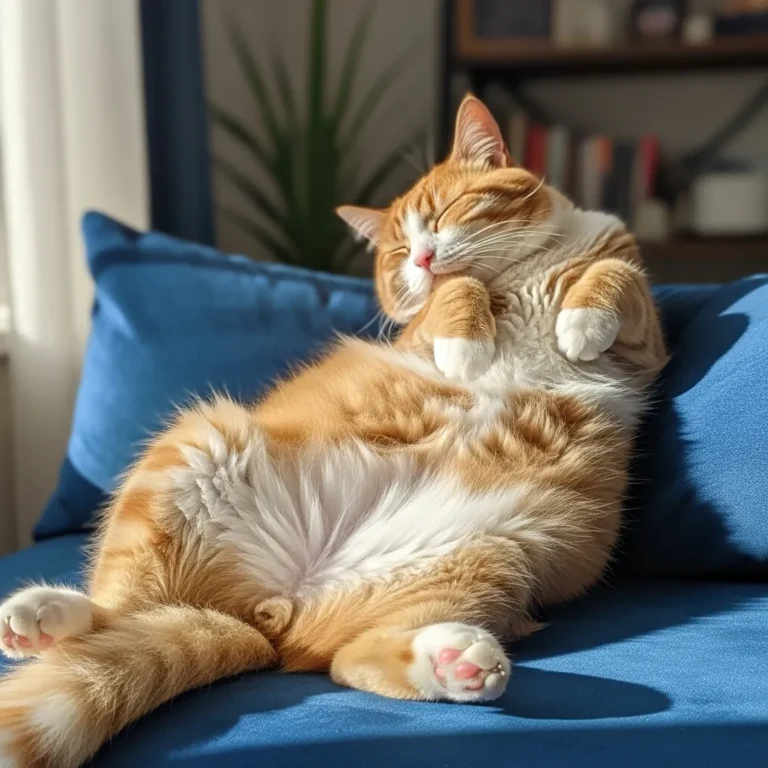
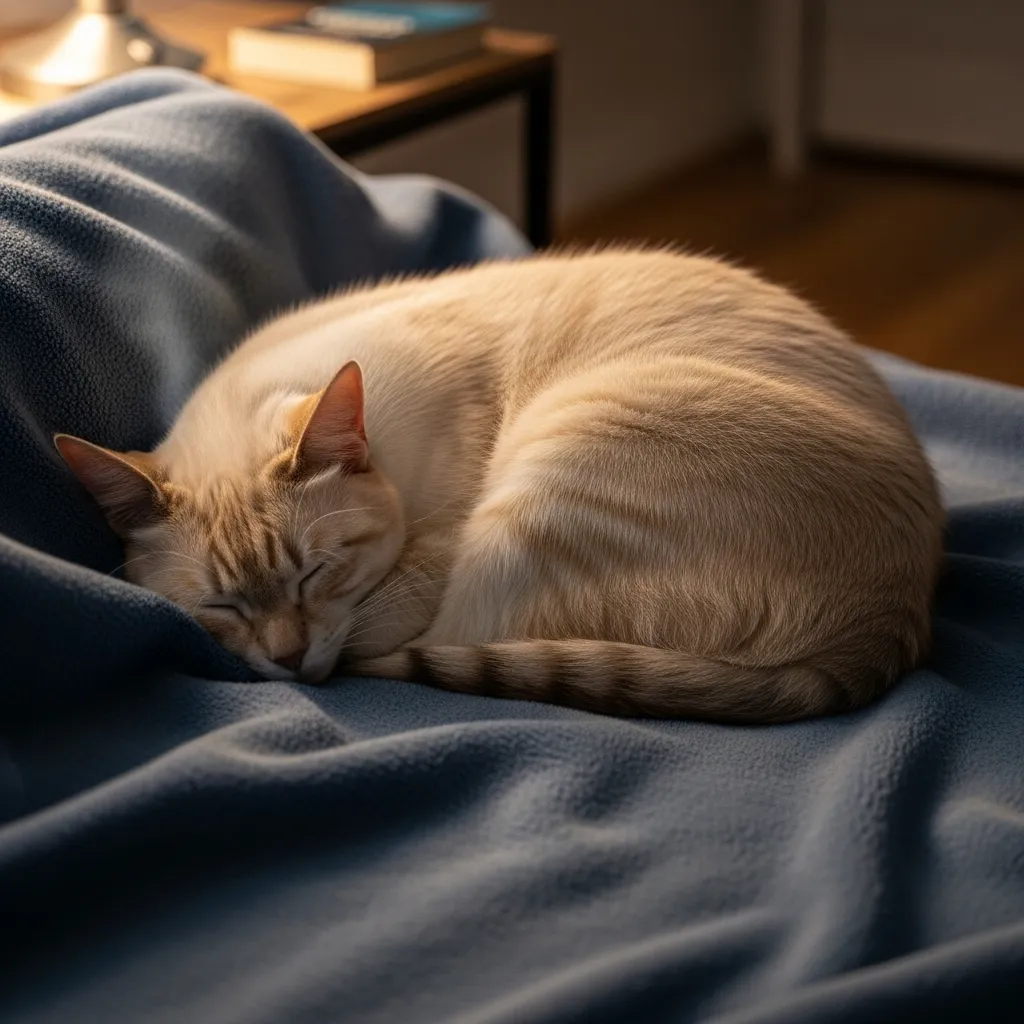
Sleep routines tie everything together. Cats sleep 12-16 hours daily, but fragmented patterns disrupt owners. Training cats to follow routines means aligning their rest with yours.
Promote nighttime sleep by tiring them out evenings. Dim lights, provide cozy spots.
Strategies:
- Blackout curtains for day naps if needed.
- White noise to block disturbances.
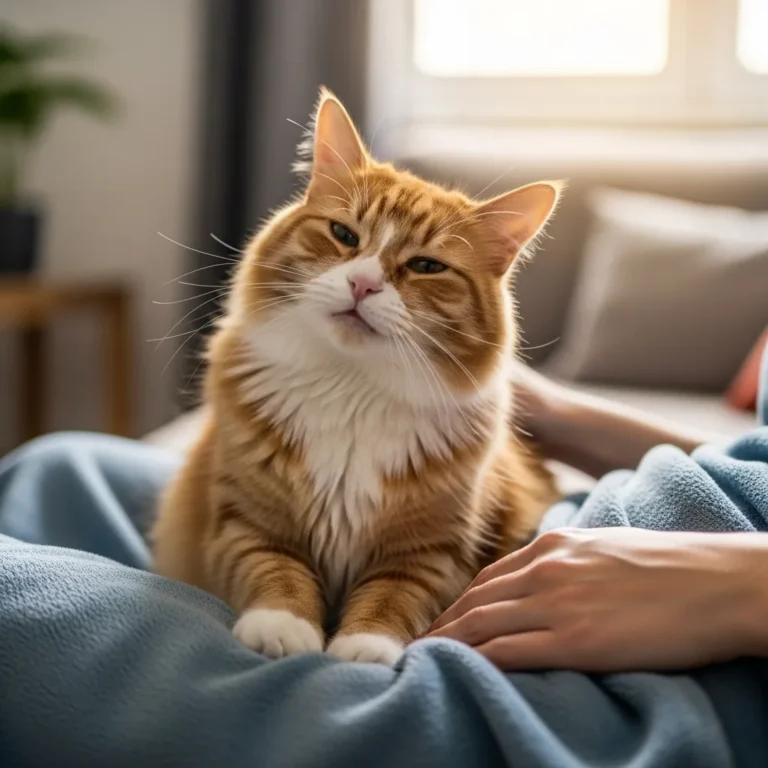
- Bedtime ritual: Gentle petting or grooming.
- Avoid naps right before bed.
Vet-backed: Health issues like hyperthyroidism can affect sleep; check if patterns change. For seniors, softer beds help.
Story: An owner with a Norwegian Forest cat used evening play plus feeding, shifting zoomies to daytime. The cat now sleeps through nights.
If your cat wakes you, ignore briefly; reward quiet with morning attention.
Integrating the Routines: The Hunt-Eat-Groom-Sleep Cycle
The magic happens when you link feeding, play, and sleep. This mimics nature: play (hunt), feed (eat), groom (post-meal), sleep.
Daily sample:
- Morning: Light play, breakfast, nap.
- Afternoon: Short play, snack if needed.
- Evening: Intense play, dinner, groom, bedtime.
Benefits: Reduces behavioral issues, improves health. Studies show structured days lower cortisol in cats.
Customize: Active cats need more play; lazy ones, gentle encouragement.
Link to our cat zoomies guide for handling excess energy.
Breed-Specific Considerations
Not all cats train the same. Bengals, energetic and curious, require robust play routines to prevent mischief. Siamese, vocal and social, thrive on interactive feeding times.
For American Shorthairs, known for adaptability, start with sleep adjustments. Persians, more sedentary, focus on gentle play to avoid obesity.
Tailor based on personality. Explore our Bengal cat personality or Siamese cats are the best for breed insights.
Table: Routine Adjustments by Breed
| Breed | Feeding Focus | Play Emphasis | Sleep Tips |
|---|---|---|---|
| Bengal | Frequent small meals | High-energy games | Tire out fully evenings |
| Siamese | Interactive feeders | Social play | Consistent bedtime cues |
| Ragdoll | Portion control | Gentle sessions | Cozy, quiet spots |
| Munchkin | Balanced nutrition | Short bursts | Elevated beds for comfort |
This personalization boosts success.
Common Mistakes and How to Avoid Them
Even with good intentions, pitfalls arise in training cats to follow routines.
Mistake 1: Inconsistency. Solution: Set reminders; involve family.
Mistake 2: Ignoring signals. If your cat resists, scale back.
Mistake 3: Punishing. Use redirection instead.
Mistake 4: Overlooking health. Vomiting after meals? See our cat vomiting brown liquid.
Real example: An owner punished begging, worsening anxiety. Switching to positive methods fixed it.
Troubleshooting Issues
Resistance? Common in older cats. Introduce changes slowly.
If play doesn’t tire them, try new toys. For feeding refusals, check for dental issues link to cat dental care.
Sleep disruptions: Rule out pain; consult vet. Our how to calm an angry cat offers de-stressing tips.
Persistence pays off; most cats adapt in 2-4 weeks.
Advanced Training Tips
Once basics are set, level up. Teach tricks like fetch during play see train American Shorthair kitten to fetch.
Use clicker training for precise reinforcement.
Incorporate enrichment: Window perches for “hunting” birds.
For multi-pets, sync routines. Our Bengal cats dogs compatibility helps.
Monitor progress with a journal.
![Cat adhering to feeding routine with auto feeder]](https://catbloomhaven.com/wp-content/uploads/2025/12/Image_fx-2025-12-24T114517.572.webp "Training Cats to Follow Routines 3")
FAQ
How long does it take to train a cat to follow routines?
Typically 2-4 weeks with consistency. Start with one area, like feeding, for quicker results.
Can older cats learn new routines?
Yes, though slower. Be patient; use high-value rewards.
What if my cat ignores the routine?
Assess for health issues first. Then, make adjustments more appealing, like tastier food or exciting toys.
Is it okay to use treats in training?
Absolutely, in moderation. They reinforce positive behaviors without spoiling appetite.
How do I handle nighttime meowing?
Tire them with evening play and feeding. Ignore non-urgent cries to discourage.
These answers address common searches, optimizing for quick info.
Conclusion
Training cats to follow routines (feeding, play, sleep) isn’t about control; it’s about harmony. By respecting their instincts and applying consistent, positive methods, you’ll enjoy a more relaxed home. Remember, every cat is unique adjust as needed and celebrate small wins.
Ready for more? Explore our expert cat care and behavior guides on Cat Bloom Haven, like cat training behavior or why cats sleep so much. Your feline companion will thank you.