What Professional Trainers Do Differently With Cats
Many cat owners believe cats can’t be trained. They see their feline friends as independent creatures who do whatever they want. But that’s not the full story. Cats are highly intelligent and responsive when approached the right way. Professional trainers achieve lasting results because they understand feline psychology deeply. They focus on building trust, meeting natural instincts, and using science-backed methods.
In this guide, you’ll discover exactly what professional trainers do differently with cats. You’ll learn practical techniques to apply at home, common pitfalls to avoid, and how small changes lead to big improvements in behavior. Whether you’re dealing with scratching, litter box issues, or just want a closer bond, these insights come from years of expert experience.
Key Takeaways
- Professionals always use positive reinforcement rewarding desired behaviors instead of punishing unwanted ones.
- They read cat body language accurately to time rewards perfectly and avoid stress.
- Training sessions stay short (under 5 minutes) and fun, often tied to play or meals.
- They address root causes like boredom or anxiety, not just symptoms.
- Patience and consistency matter more than force; cats learn through motivation, not dominance.
- Training strengthens the human-cat bond and provides mental enrichment.
Why Most Cat Owners Struggle With Training And How Pros Succeed
Amateur attempts at cat training often fail because they borrow dog-training ideas. Dogs seek to please and respond to commands. Cats prioritize their own interests. Professionals know cats train best when the behavior benefits them.
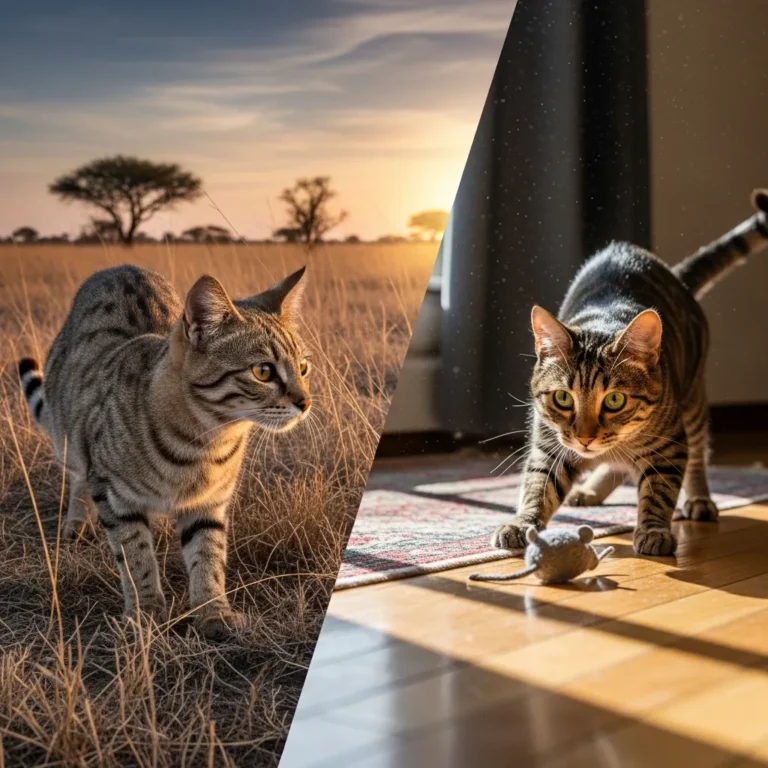
Pros start by observing. They note what the cat naturally enjoys – hunting-like play, high perches, or affection – and build training around that. This taps into instincts rather than fighting them.
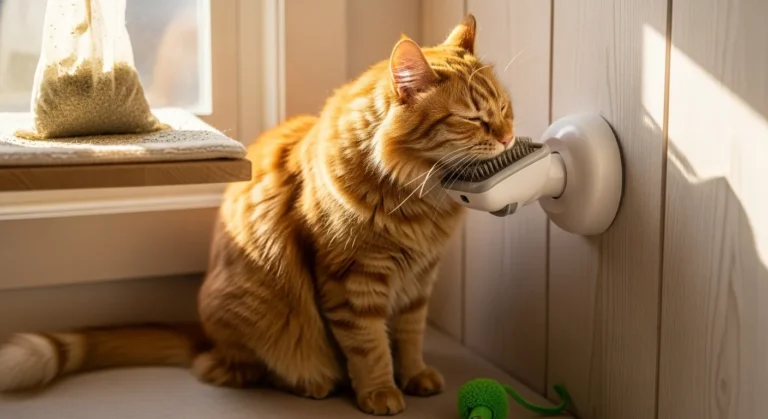
For example, a cat scratching furniture isn’t being naughty. It’s marking territory and sharpening claws. A professional redirects this to a suitable post with rewards, making the new option more appealing.
Discover more on redirecting natural behaviors in our guide to stop cats scratching furniture.
The Foundation: Positive Reinforcement Done Right
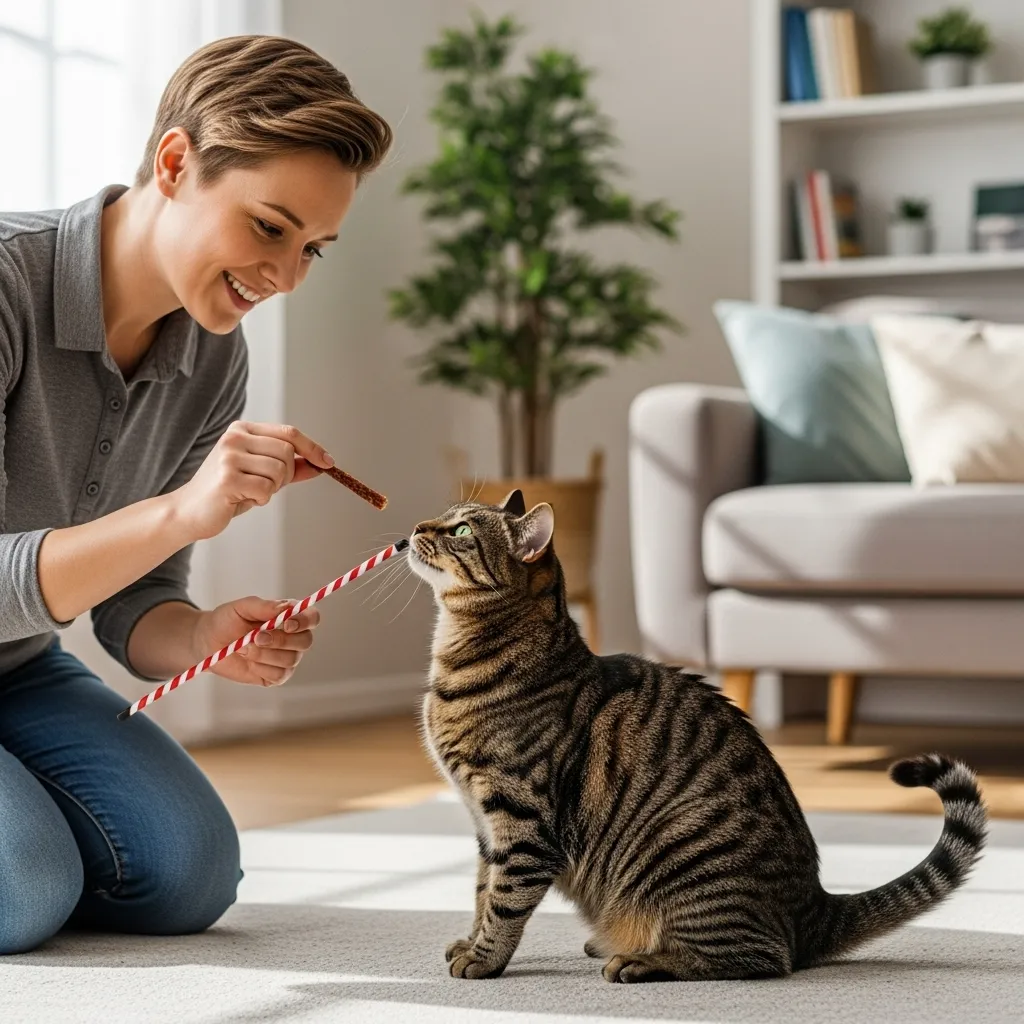
Positive reinforcement forms the core of professional cat training. It means adding something the cat loves immediately after a desired behavior, increasing the chances it repeats.
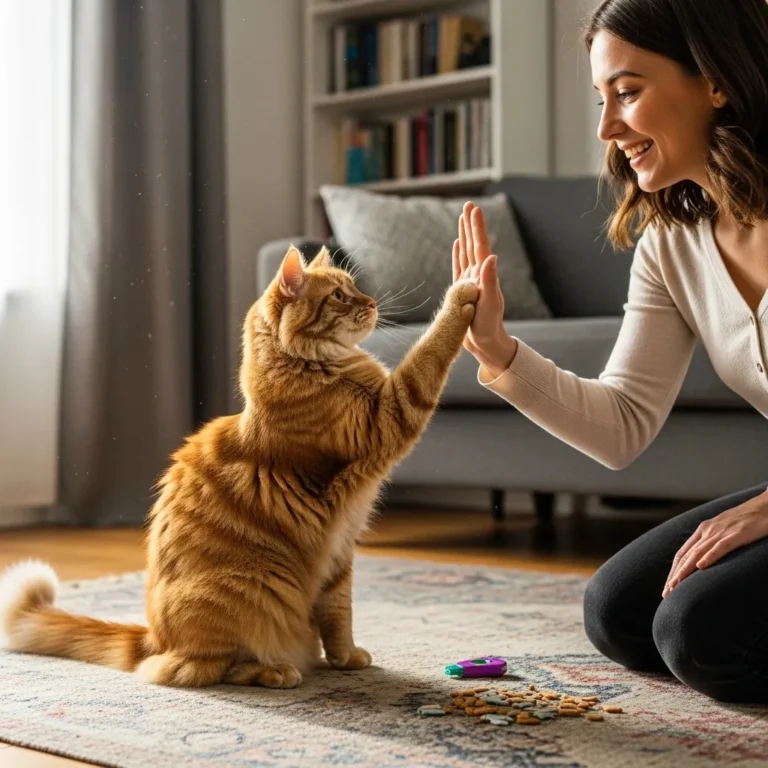
Pros use high-value rewards: tiny bits of tuna, interactive play with a wand toy, or gentle petting in preferred spots (usually head and chin).
Timing proves critical. Rewards must come within 3 seconds, or the cat links it to something else. Many owners miss this, rewarding too late and confusing the cat.
Professionals often pair food with a marker signal, like a clicker or a word (“yes!”), to bridge the timing gap precisely.
Once the behavior solidifies, they fade food rewards gradually, replacing with praise or play to maintain it long-term.
Practical Example: Teaching “Sit”
- Hold a treat just above the cat’s nose.
- Move it slowly back over the head the cat naturally sits to follow.
- Mark the moment the bottom touches the floor (click or “yes”).
- Reward immediately.
- Repeat in short sessions, adding the word “sit” once reliable.
This builds quickly because it feels natural to the cat.

Reading Body Language: The Professional Edge
Professional trainers excel at reading subtle cat signals. They spot early stress signs – flattened ears, twitching tail, dilated pupils – and pause sessions to prevent fear.
This builds trust. Amateurs often push too far, causing the cat to associate training with discomfort.
Pros also use body language to communicate. They blink slowly to say “I trust you,” or turn sideways to appear less threatening.
Understanding signals helps pros customize approaches. A confident cat might enjoy target training (touching a stick for rewards), while a shy one starts with simple mat training for calm.
Explore more on cat communication in cat tail language guide.
Short, Frequent Sessions and Realistic Expectations
Cats have short attention spans. Professionals keep sessions to 2-5 minutes, several times a day, often before meals when motivation peaks.
They break behaviors into tiny steps (shaping). Asking for too much too soon frustrates everyone – a top mistake amateurs make.
Pros celebrate small wins. If teaching recall, they start rewarding for just looking toward their name, then turning, then taking a step.
Consistency across the household matters too. Mixed signals confuse cats.
Addressing Root Causes, Not Just Symptoms
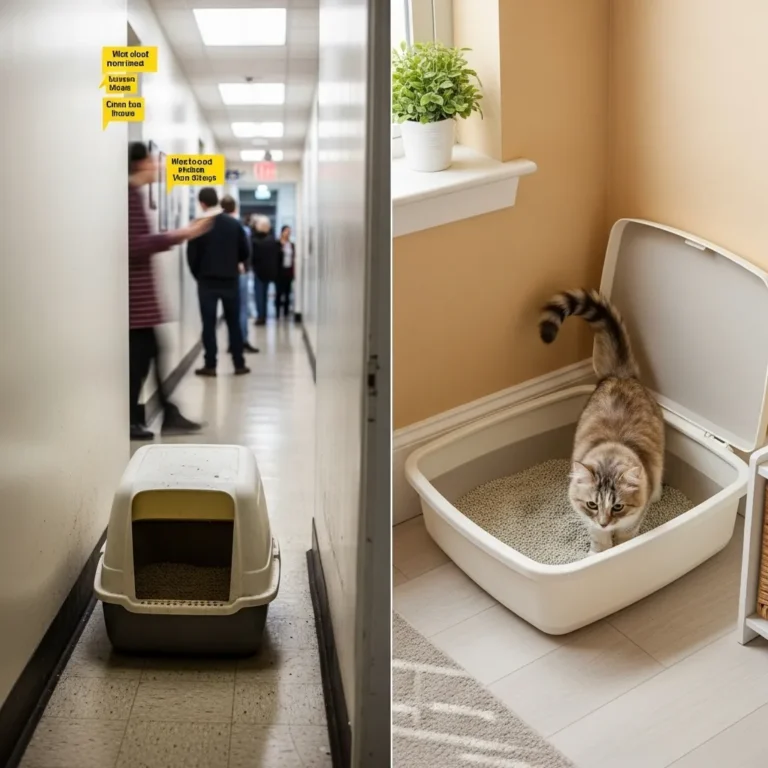
What professional trainers do differently with cats is dig deeper. Litter box avoidance might stem from medical issues, dirty boxes, or stress from changes.
Pros recommend vet checks first, then environmental fixes like more boxes or better locations, plus positive reinforcement for use.
For aggression or excessive meowing, they look at boredom, territory conflicts, or unmet needs.
Enrichment proves key: puzzle feeders, vertical spaces, daily interactive play mimicking hunting.
Check our cat enrichment ideas for affordable options.

Tools Professionals Use (And What They Avoid)
- Clickers or marker words – For precise timing.
- Target sticks – To guide movements without force.
- High-value treats – Reserved for training to keep exciting.
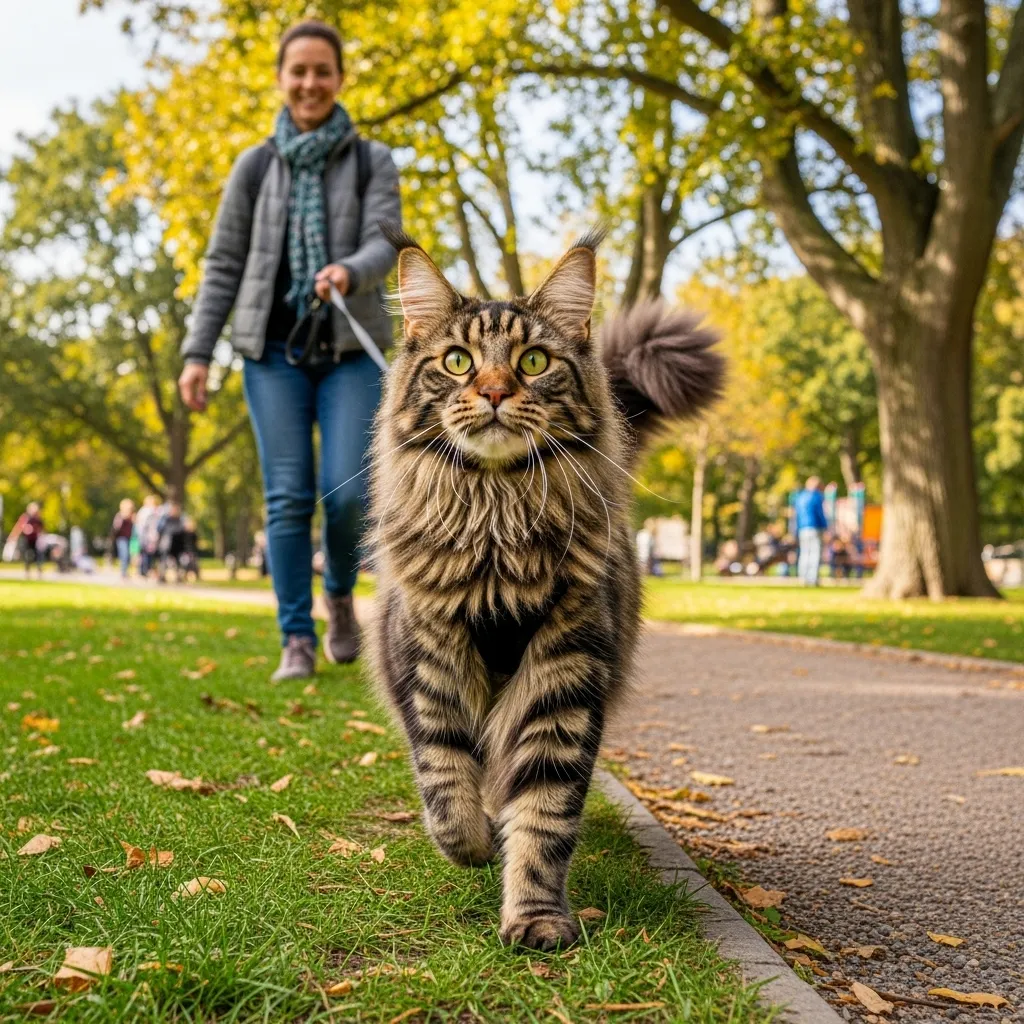
- Harness and leash – For safe outdoor exploration, introduced gradually.
They never use punishment: no spray bottles, yelling, or scruffing. It damages trust and increases fear-based problems.
Force-free methods, endorsed by bodies like the International Association of Animal Behavior Consultants, prove most effective.
Real-Life Success Stories From Professional Approaches
One client had a cat spraying everywhere. The pro identified territory stress from neighborhood strays, added window perches for observation (without confrontation), and rewarded calm behavior. Spraying stopped in weeks.
Another taught a fearful rescue to accept nail trims by pairing handling with treats, starting with just touching a paw.
These results come from patience and understanding feline nature.
Learn similar techniques in trim Siamese cats nails or general cat grooming hacks.
Common Mistakes Amateurs Make (And How to Fix Them)
- Punishing unwanted behavior – Teaches fear, not alternatives. Fix: Ignore mild issues, redirect, and reward good choices.
- Inconsistent rules – Confuses cats. Fix: Get everyone on board.
- Long sessions – Leads to frustration. Fix: Keep it brief and fun.
- Low-value rewards – Cat loses interest. Fix: Find what truly motivates (often play over food for some).
- Ignoring body language – Pushes too hard. Fix: Stop at stress signs.
Advanced Techniques Professionals Employ
- Mat training – Teaching “go to mat” for calm during visitors.
- Cooperative care – Voluntary participation in grooming or vet procedures.
- Harness training – For safe adventures, starting indoors.
These enhance quality of life and reduce stress.
See our cat carrier training for related tips.
FAQ
Can any cat be trained, regardless of age or breed?
Yes. Kittens learn fastest, but adults adapt well with patience. Breeds like Bengals or Siamese often excel due to high energy and intelligence.
How long does it take to see results?
Basic behaviors like sit or target touch take days to weeks. Complex issues like aggression resolution may need months, but improvements start early.
What if my cat isn’t food-motivated?
Pros use play, petting, or access to favorites (like opening a window). Every cat has motivators.
Is clicker training necessary?
Helpful for precision, but not essential. A consistent marker word works too.
When should I seek a professional trainer?
For persistent issues like aggression, elimination problems, or if home efforts stall. Look for certifications like IAABC or fear-free.
Explore breed-specific traits in Bengal cat personality or Siamese cat breed.
Conclusion
What professional trainers do differently with cats boils down to respect, science, and patience. They view cats as partners, not subordinates, and build relationships on trust and mutual benefit.
Start small today: Pick one behavior, use positive reinforcement, and watch the bond grow. Your cat will thank you with more affection, less mischief, and a happier life.
Explore more expert cat care and behavior guides on Cat Bloom Haven, like teach cat to fetch or cat training behavior.