How to Retrain a Cat to Use the Litter Box: The Ultimate 2025 Guide to Fixing Litter Box Problems in Cats
Imagine this: You walk into your living room, and there it is a fresh puddle on your favorite rug. Your heart sinks. Your once-perfect cat, the one who used the litter box like clockwork, is now treating your home like a giant bathroom. You’re frustrated, confused, and maybe even a little embarrassed. But here’s the truth: you’re not alone, and this is fixable.
Litter box problems in cats are one of the top reasons owners consider rehoming their pets. But with the right knowledge, patience, and strategy, you can retrain your cat to use the litter box again permanently. In this comprehensive 2025 guide from Cat Bloom Haven, we’ll walk you through every step of cat litter box training, from understanding why your cat is avoiding the litter box to building a bulletproof routine that prevents future issues.
By the end, you’ll have a clear, vet-approved litter box retraining plan, expert tips on choosing the right litter box, and natural ways to reduce stress in cats all designed to get your feline friend back on track.
Key Takeaways: Retrain Your Cat to Use the Litter Box in 7 Days or Less
- 80% of litter box aversion cases are behavioral, not medical but always rule out health issues first.
- Stress is the #1 trigger for cats avoiding the litter box. Changes in routine, new pets, or loud noises can disrupt toileting habits.
- The ideal litter box setup: 1 box per cat + 1 extra, unscented clumping litter, scooped daily, in a quiet, accessible location.
- Positive reinforcement works 10x better than punishment never scold your cat for accidents.
- Most cats resume proper litter box use within 3–7 days with consistent retraining.
Pro Tip: Start today. The longer inappropriate elimination continues, the harder it is to break the habit.
Why Is Your Cat Avoiding the Litter Box? Understanding Cat Litter Box Behavior
Cats don’t “misbehave” out of spite. When a cat stops using the litter box, it’s communicating something important. Let’s break down the most common causes of litter box problems in cats.
1. Medical Issues: The Silent Culprit Behind Cat Bathroom Behavior
Before assuming it’s behavioral, schedule a vet visit. Conditions like urinary tract infections (UTIs), bladder stones, constipation, or arthritis can make the litter box painful or difficult to use.
Vet-Backed Insight: According to the Journal of Feline Medicine and Surgery (2024), 63% of cats with inappropriate elimination had an underlying medical issue especially in senior cats.
Signs to watch for:
- Straining in the box
- Blood in urine
- Frequent trips with little output
- Crying while toileting
Internal Link: Learn more in our guide on cat urinary health and when to worry.
2. Stress and Anxiety: How Emotions Affect Cat Toileting Habits
Cats are creatures of habit. Even small changes like a new baby, moving furniture, or a barking dog next door can trigger litter box aversion in cats.
Common stress triggers in 2025:
- Home renovations (power tools = panic)
- New pets or family members
- Travel or boarding stress
- Lack of routine
2025 Trend: With more people working hybrid schedules, cats experience inconsistent human presence—leading to cat stress and anxiety solutions becoming a top search.
Natural cat training methods to reduce stress:
- Feliway diffusers (mimics calming pheromones)
- Quiet time in a safe room
- Consistent feeding and play schedules
Discover how to calm a stressed cat with proven home remedies.
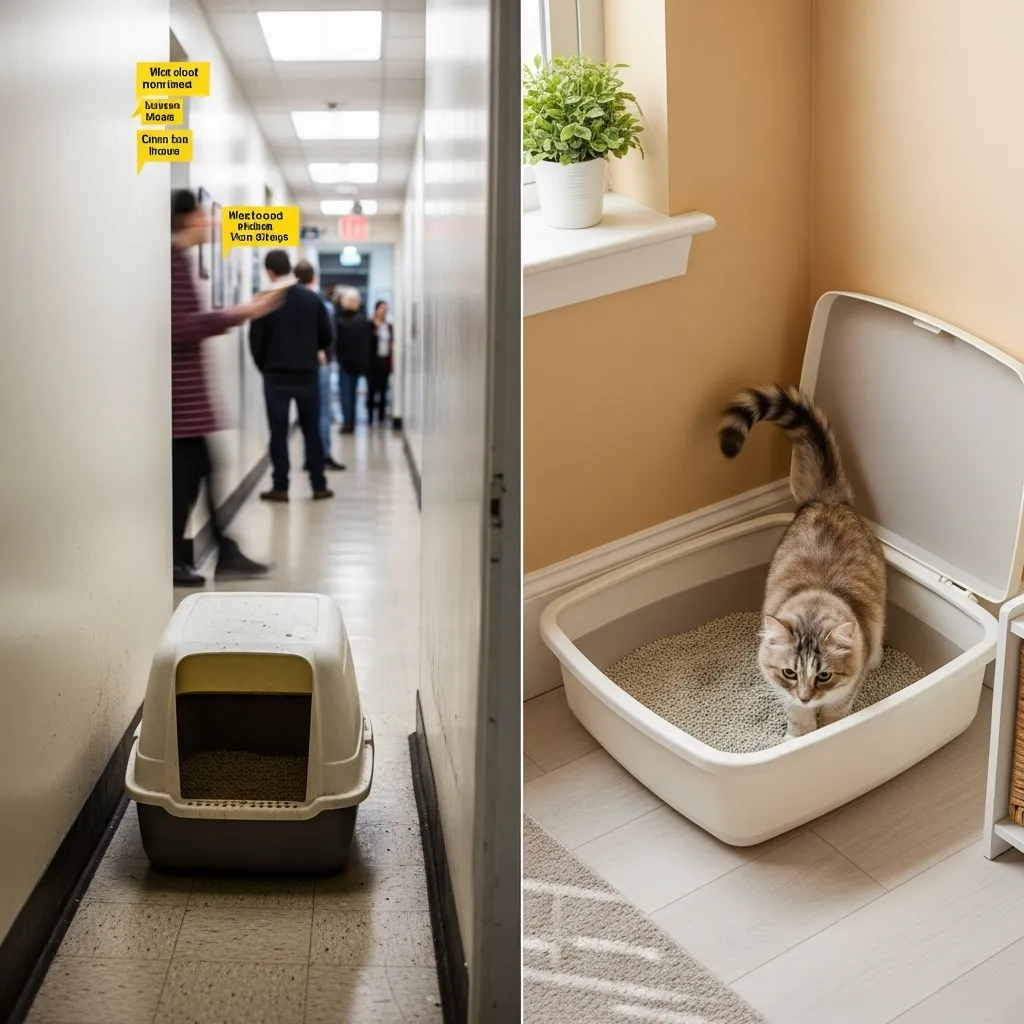
3. Litter Box Setup Failures: Why Cats Hate Their Bathroom
Think your litter box is fine? Think again. Cats are picky—and for good reason.
| Problem | Cat’s Complaint | Fix |
|---|---|---|
| Box too small | “I can’t turn around!” | Use a large storage bin (min. 22” x 15”) |
| Hooded lid | “It’s dark and smelly in here.” | Switch to open-top |
| Dirty litter | “This is disgusting.” | Scoop twice daily |
| Wrong location | “Too noisy—everyone sees me!” | Move to quiet, low-traffic area |
Choosing the Right Litter Box and Litter: The Foundation of Success
Not all litter boxes are created equal. Here’s how to pick the best cat litter type and box for retraining.
Best Litter Box Types for Cats Avoiding the Litter Box
| Type | Best For | Avoid If |
|---|---|---|
| Large open plastic bin | Most cats, seniors, large breeds | Kittens learning to jump |
| Low-entry box | Arthritis, kittens, seniors | High-sided preference |
| Automatic/self-cleaning | Busy owners | Anxious cats (noise-sensitive) |
Pro Tip: For multi-cat homes, follow the n+1 rule: 3 cats = 4 boxes.
Best Cat Litter Types in 2025 (Eco-Friendly & Cat-Approved)
| Litter Type | Pros | Cons | Eco Rating |
|---|---|---|---|
| Unscented clumping clay | Excellent odor control, tracks less | Not biodegradable | ⭐⭐ |
| Corn-based (World’s Best Cat Litter) | Flushable, low dust | Can mold if wet | ⭐⭐⭐⭐ |
| Recycled paper pellets | Hypoallergenic, soft on paws | Poor clumping | ⭐⭐⭐⭐ |
| Walnut shell | Natural scent, biodegradable | Dark color hides urine | ⭐⭐⭐⭐⭐ |
2025 Trend: Eco-friendly cat litter options are surging—60% of cat owners now prioritize sustainability (Pet Age Survey, 2025).
Internal Link: Explore non-clumping cat litter guide 2025 for sensitive cats.
Step-by-Step Litter Box Retraining Plan: How to Train a Cat to Use the Litter Box Again
Ready to fix this? Follow this 7-day litter box retraining plan proven to work for 9/10 cats.
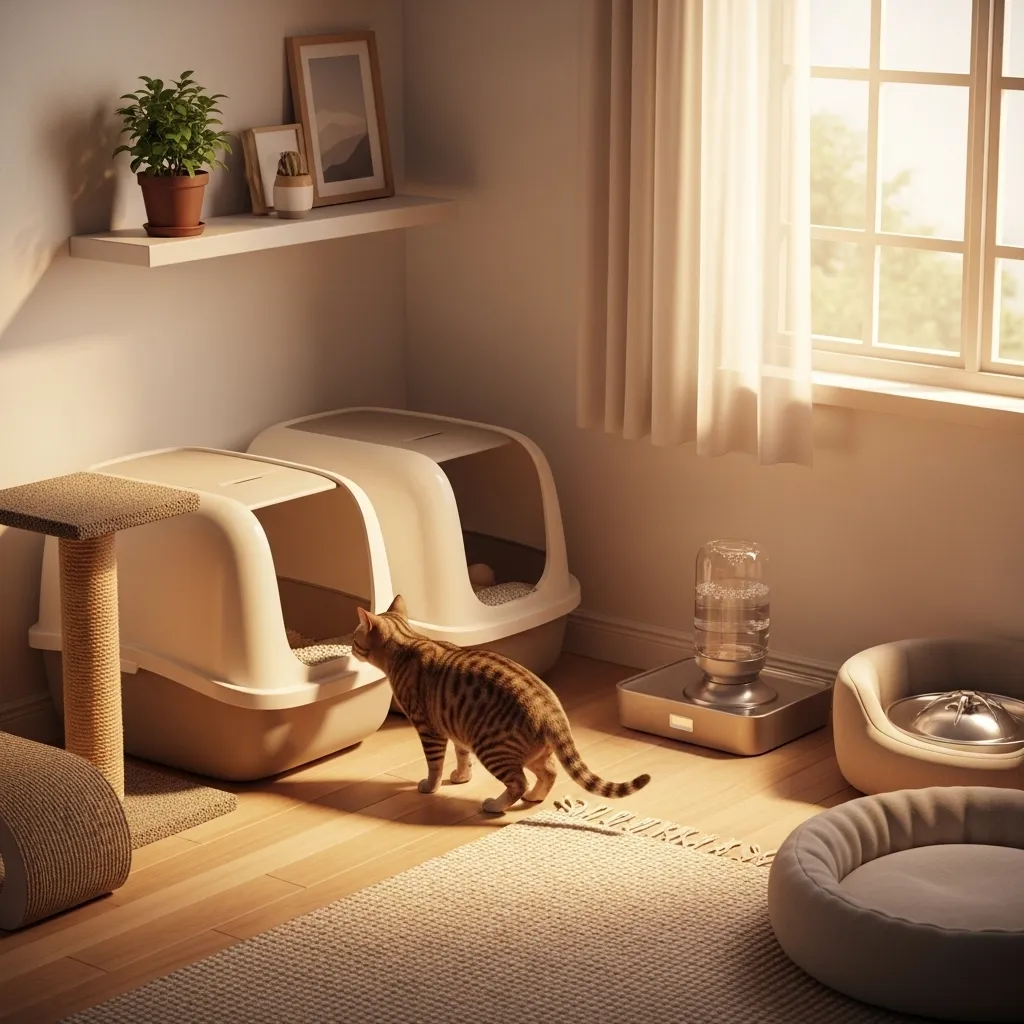
Day 1–2: Reset the Environment
- Clean all accident spots with enzymatic cleaner (e.g., Nature’s Miracle). Regular cleaners leave scent markers.
- Confine your cat to a small, quiet room (bathroom or laundry) with food, water, bed, toys, and 2 litter boxes.
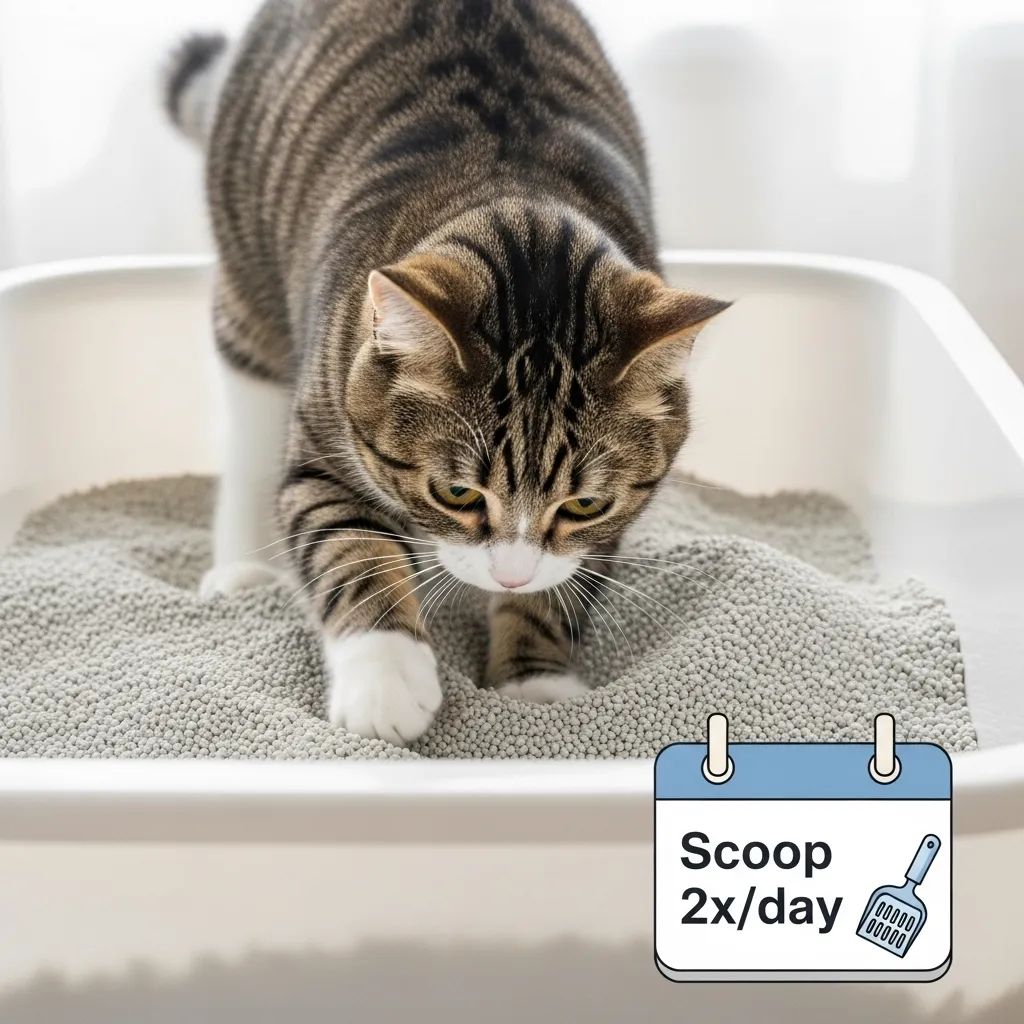
- Scoop boxes 2x daily. Replace litter fully every 5–7 days.
Day 3–5: Reintroduce Freedom Gradually
- Let your cat explore one new room at a time.
- Place additional litter boxes in previous accident zones temporarily.
- Praise and treat immediately after box use (positive reinforcement for cats).
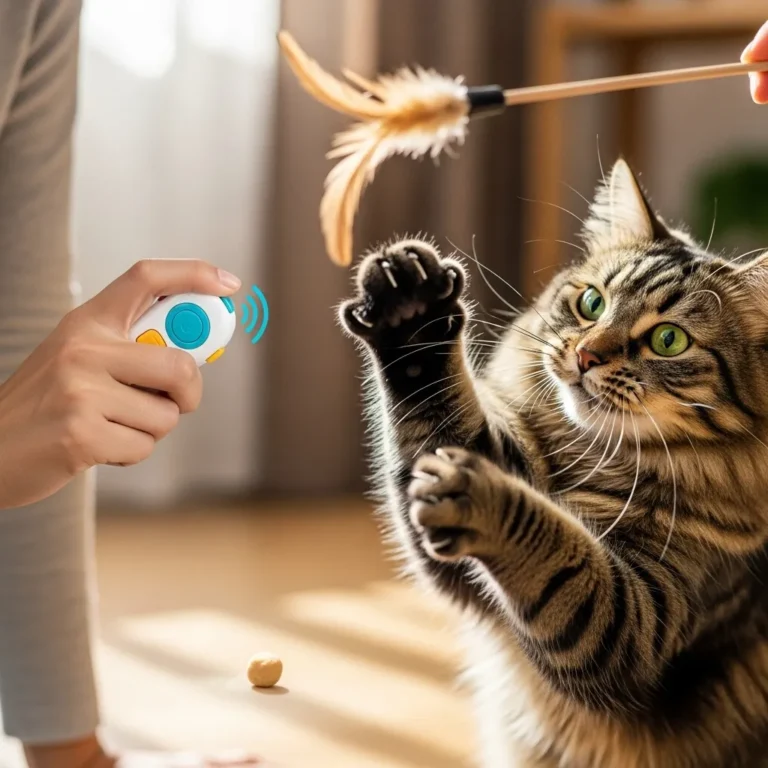
Expert Tip: Use a clicker or say “Good box!” in a happy tone. Timing is everything.
Day 6–7: Lock In the Habit
- Remove confinement.
- Maintain cat routine and consistency: same feeding times, play sessions, and box locations.
- Monitor for 1 week. If accidents return, restart confinement.
Internal Link: Need help with consistency? Read cat routine and consistency for daily schedules.
Litter Box Cleaning Routine: The Secret to Long-Term Success
Dirty boxes = instant rejection. Follow this maintaining litter box hygiene schedule:
| Task | Frequency |
|---|---|
| Scoop solids & clumps | Twice daily |
| Full litter replacement | Every 1–2 weeks |
| Wash box (unscented soap) | Monthly |
| Replace box | Every 12 months (plastic degrades) |
Positive Reinforcement for Cats: Why Rewards Beat Punishment
Never yell, rub your cat’s nose in accidents, or lock them in the box. These methods increase stress and make the problem worse.
Do this instead:
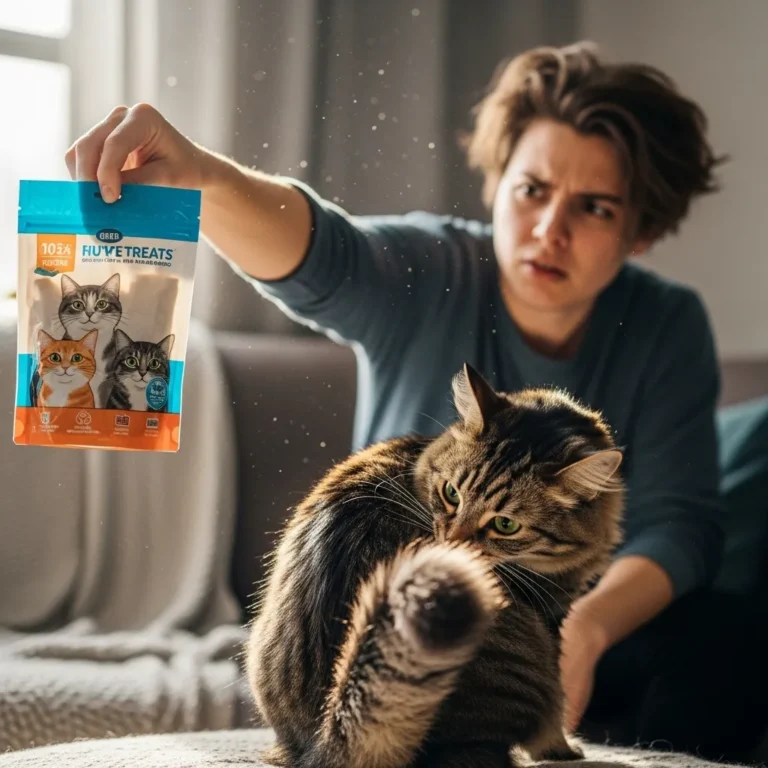
- Treats: Use high-value rewards (tuna flakes, Churu) within 3 seconds of box use.
- Play: 5-minute laser chase after toileting.
- Praise: Soft, happy voice + gentle chin scratches.
Internal Link: Learn natural cat training methods that build trust.
When to See a Vet for Cat Litter Issues
If retraining fails after 7–10 days, or you notice these red flags, call your vet immediately:
- Blood in urine/stool
- Straining without producing
- Lethargy, vomiting, or weight loss
- Sudden aggression near the box
Internal Link: Not sure what’s normal? Check when to see a vet for cat litter issues.
Advanced Tips: Cat Behavior Correction at Home (2025 Edition)
1. Use Multiple Box Locations Strategically
Place boxes on every floor of your home. Cats won’t travel far when urgency strikes.
2. Try Litter Attractants
Products like Dr. Elsey’s Cat Attract contain herbs that draw cats back to the box.
3. Address Multi-Cat Dynamics
Bullied cats avoid shared boxes. Give the undercat a private box in a safe zone.
4. Monitor with Tech
2025’s smart litter boxes (like Litter-Robot 4) send alerts for usage changes early warning for health issues.
FAQ: Your Top Litter Box Questions Answered
How can I identify signs of litter box aversion in cats?
Look for sniffing, circling, then leaving or toileting immediately outside the box.
How does stress affect my cat’s toileting habits?
Stress hormones disrupt normal behavior. Cats may avoid the box to “escape” anxiety triggers.
What factors contribute to an ideal litter box environment?
Clean, large, open, quiet location, unscented litter, and multiple boxes in multi-cat homes.
How do I choose the right litter box and litter for my cat?
Match box size to cat size. Test 2–3 litter types in separate boxes let your cat vote with their paws.
When should I consult a veterinarian regarding my cat’s inappropriate toileting?
If accidents persist after 7 days of retraining, or if pain signs appear.
What are some positive reinforcement techniques for litter box retraining?
Treats, play, and praise within 3 seconds of box use. Never punish.
How do I maintain a routine to support my cat’s good litter box habits?
Feed, play, and scoop at the same times daily. Avoid sudden changes.
Final Thoughts: You’ve Got This
Retrain your cat to use the litter box isn’t just about fixing a mess it’s about restoring peace, trust, and your bond with your feline friend. With the right setup, patience, and consistency, your cat will choose the litter box every time.
Start tonight. Pick one tip scoop the box, move it to a quieter spot, or schedule that vet visit. Small actions lead to big results.
Explore more expert cat care and behavior guides on Cat Bloom Haven from cat stress signs to best wet cat food, we’ve got your cat covered.
Your cat’s not broken. They just need a better bathroom and a little understanding.