The Silent Symphony: Understanding Emotional Triggers in Cats to Build an Unbreakable Bond
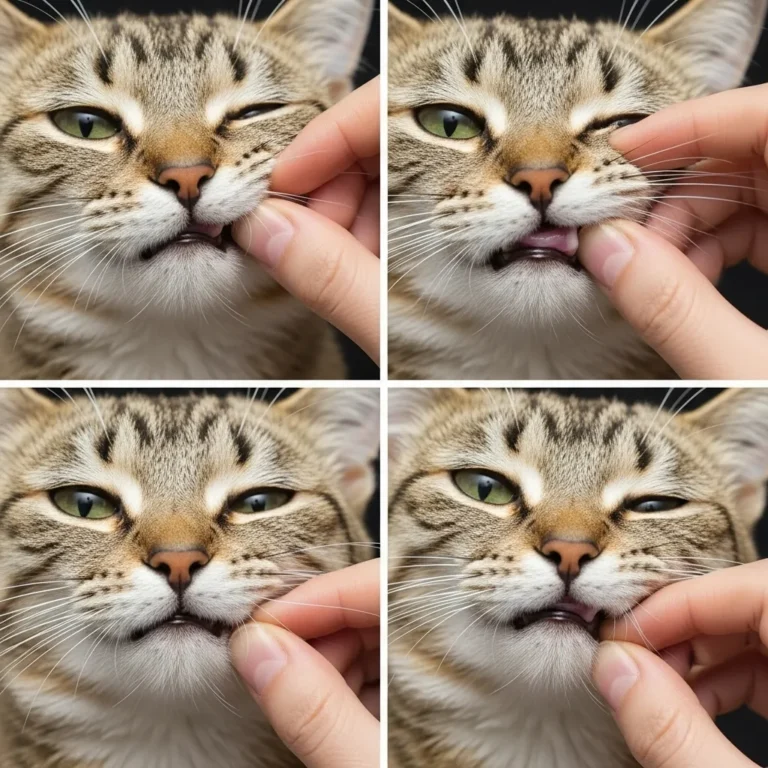
Imagine this: You’ve had a long day. You finally sink into your favorite chair, and your cat who has ignored you all afternoon suddenly leaps onto your lap, purring like a tiny motorboat. But when you reach down to pet her, she gently bites your hand, hops off, and stalks away with her tail twitching. What just happened? Was she showing affection or irritation? The answer lies in understanding the complex world of emotional triggers in cats.
Cats don’t experience emotions exactly as humans do, but they have rich emotional lives governed by instinct, past experiences, and immediate circumstances. Unlike dogs whose emotions are often written in wagging tails and happy barks, cats communicate through a subtle, sophisticated language of micro-expressions, body positioning, and behavioral shifts. Learning to recognize their emotional triggers isn’t just about preventing a scratch or a hiss; it’s about unlocking a deeper level of trust, creating a genuinely stress-free home, and nurturing a bond that transforms coexistence into true companionship.
In this comprehensive guide, we’ll move beyond basic “cat body language” checklists. We’ll explore the neuroscience behind feline emotions, decode the specific triggers for joy, fear, anxiety, and frustration, and provide you with a practical framework for becoming an expert in your own cat’s emotional world. Whether you’re dealing with sudden aggression, puzzling aloofness, or simply want to enrich your cat’s emotional well-being, this guide will provide the insights and tools you need.
Key Takeaway: A cat’s behavior is a direct response to how they feel. By learning to identify and respectfully manage their emotional triggers, you stop reacting to problems and start proactively building a secure, happy environment where your cat can truly thrive.
The Feline Emotional Blueprint: How Cats Experience the World
Before we can identify triggers, we need to understand the canvas. A cat’s emotional system is a blend of ancient survival programming and individual personality.
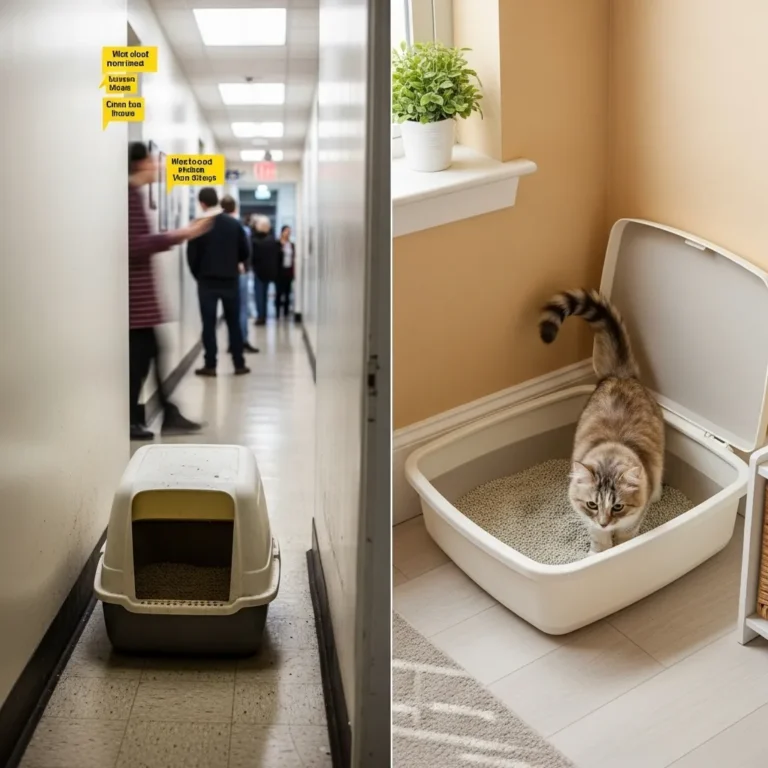
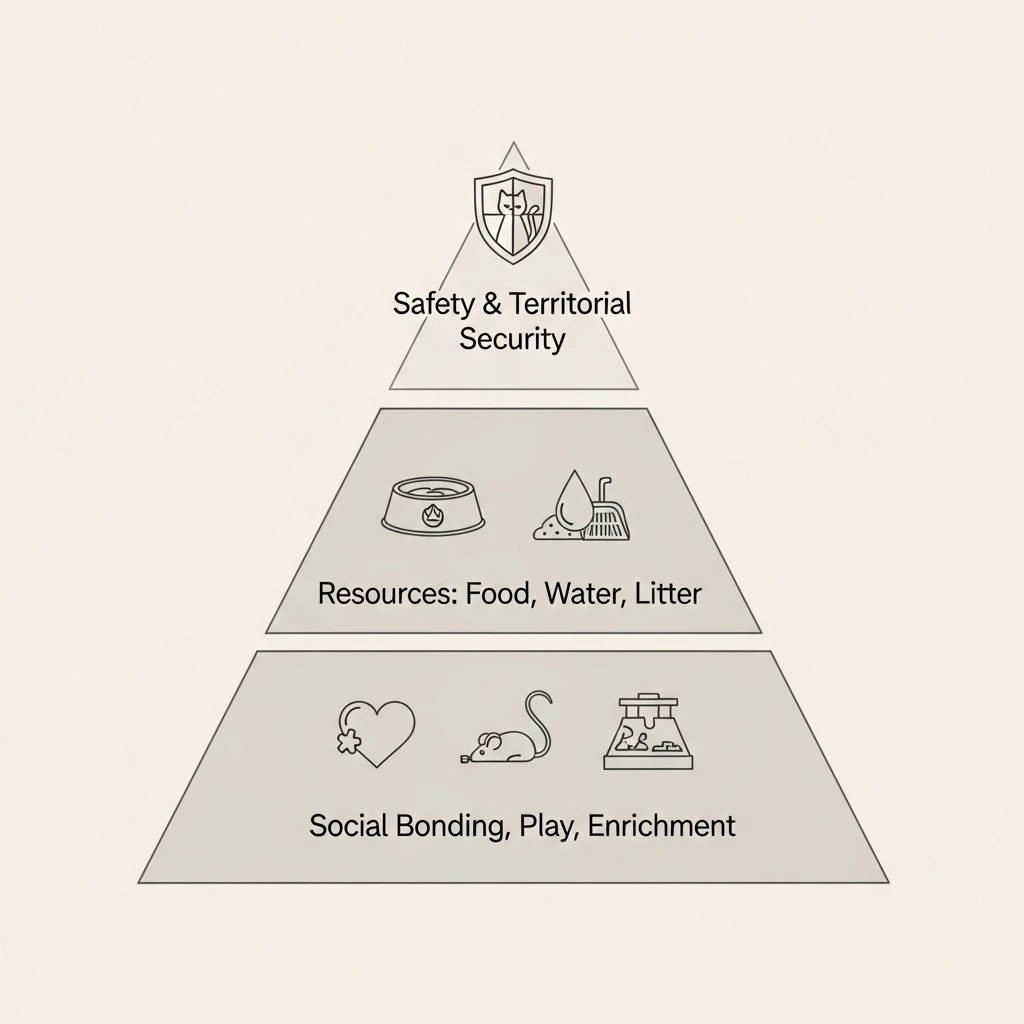
The Instinctual Core: At their foundation, cats are solitary hunters and territorial creatures. This means their emotional priorities are heavily weighted toward safety, resource security, and predictable environments. A threat to any of these core needs is a primary emotional trigger. For example, a new piece of furniture isn’t just decor; to your cat, it’s an unexplained change in their mapped territory, which can trigger anxiety. Similarly, a dirty litter box isn’t just unpleasant; it signals an unsafe place to eliminate, triggering stress and potentially leading to avoidance.
The Social Capacity: Contrary to old myths, cats are social beings, but on their own terms. They form selective bonds and complex social structures. Their social emotions affection, jealousy, rivalry, playfulness are nuanced. The emotional trigger for affection might be calm, predictable interaction, while the trigger for jealousy could be the scent of another animal on your clothes.
Sensory-Driven Reality: Cats live in a world of intense smells, subtle sounds, and precise movements. A trigger doesn’t have to be a loud noise; it can be the faint hum of a new electronic device, the smell of a visitor’s perfume, or even a change in the barometric pressure before a storm. Their emotions are often responses to this sensory input long before we humans notice anything is different.
Decoding the Positive Triggers: What Makes a Cat Feel Safe, Secure, and Joyful
Positive emotional states are the foundation of good behavior and health. Let’s explore what reliably triggers feelings of contentment, security, and happiness in cats.
1. The Trigger of Predictability and Routine
Cats are creatures of habit. A predictable daily schedule is a powerful positive emotional trigger. Feeding times, play sessions, and even your own comings and goings create a framework of safety.
- Actionable Insight: Establish consistent routines. Feed at the same times, have a pre-bedtime play ritual, and keep litter box cleaning on a schedule. This predictability tells your cat’s limbic system (the emotional center of the brain) that “all is well.”
2. The Trigger of Controlled Choice and Agency
A cat who feels in control of their interactions is a confident cat. Forcing affection is a major negative trigger; offering it is a positive one.
- Actionable Insight: Practice consent-based petting. Offer your hand for them to sniff and rub against. Pet for short durations, then pause. If they lean in or nudge you, continue. If they stay still or look away, stop. This respect for their agency is a massive trust-builder. Learn more about interpreting these subtle cues in our guide, What Is My Cat Thinking?.
3. The Trigger of Successful “Hunting”
Play isn’t just exercise; it’s the behavioral expression of the hunting sequence (stalk, chase, pounce, kill, eat). Completing this sequence is deeply satisfying and triggers positive emotional states.
- Actionable Insight: Structure play sessions to mimic a hunt. Use a wand toy to mimic prey movement, let them “catch” it, then immediately offer a small food treat or meal. This completes the cycle and triggers contentment. Discover engaging techniques in How to Train Your Cat to Fetch.
4. The Trigger of Scent Familiarity
Cats recognize family and safe territory through scent. Their own scent marks (from cheek glands and paws) in an environment are a positive trigger for relaxation.
- Actionable Insight: During stressful events (like moving or introducing a new pet), use synthetic feline pheromone diffusers (like Feliway). More simply, avoid over-cleaning their favorite rub spots. When introducing new items, rub them with a soft cloth you’ve first rubbed on your cat’s cheeks to make them smell familiar.
Navigating the Negative Triggers: Recognizing and De-escalating Feline Stress, Fear, and Anger
This is where most behavioral issues originate. A negative emotional trigger sparks a stress response, which manifests as hiding, aggression, inappropriate elimination, or destructive behavior. Let’s categorize the biggest culprits.
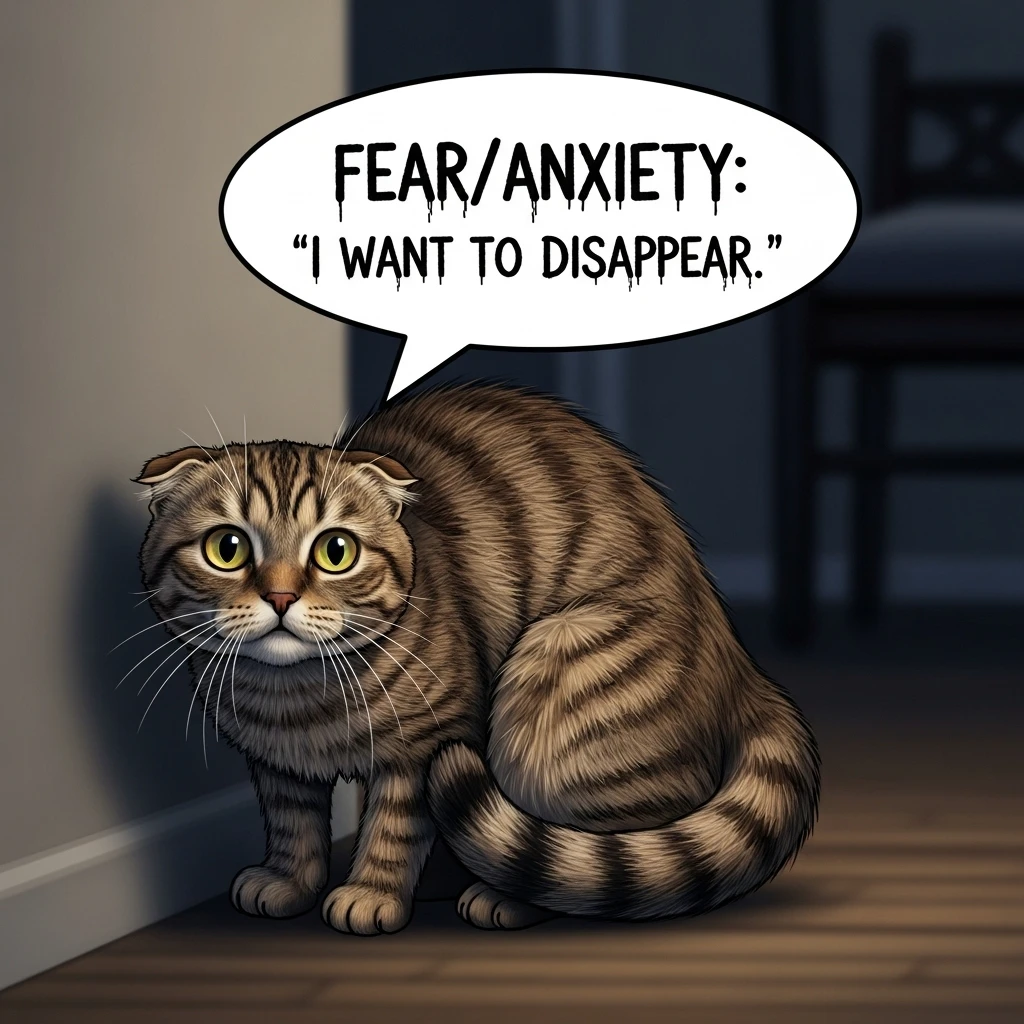
The Fear/Anxiety Triggers
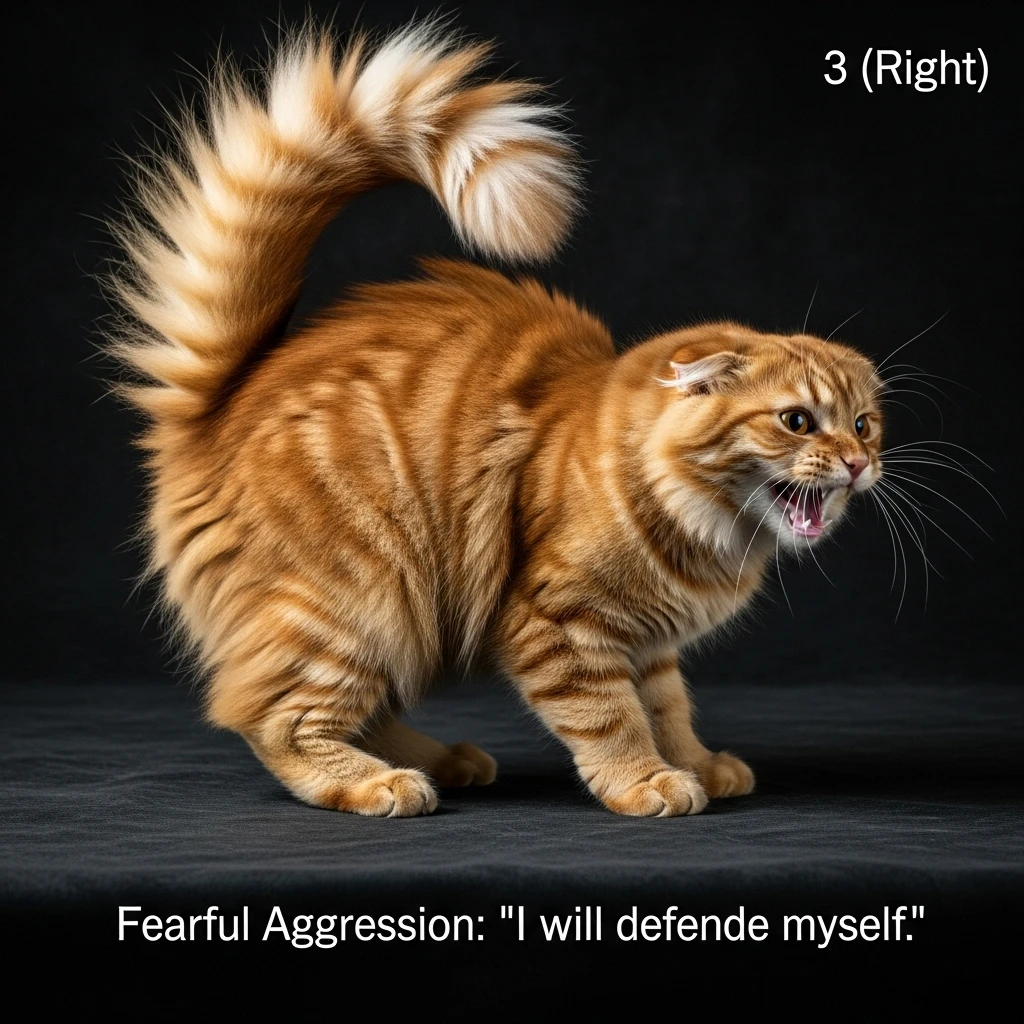
These trigger the “flight, freeze, or fight” response.
- Sudden Environmental Changes: New people, furniture, animals, or loud noises (vacuum, fireworks). Even subtle changes like a closed door that’s usually open can be a trigger.
- Forced Social Interaction: Being held too long, stared at directly (a threat in cat language), or pursued when they want to be alone.
- Unpleasant Veterinary or Grooming Experiences: The carrier, car ride, and clinical smells can create a long-lasting negative association.
- Pro Tip: You can change this association. Leave the carrier out year-round as a cozy bed. Feed treats near and inside it. This transforms a trigger of fear into a cue for good things. For carrier training help, see our Best Carriers for Norwegian Forest Cats guide (principles apply to all breeds).
- Lack of Safe Retreats: A cat with no high perch or hiding place feels exposed and vulnerable, keeping their anxiety perpetually triggered.
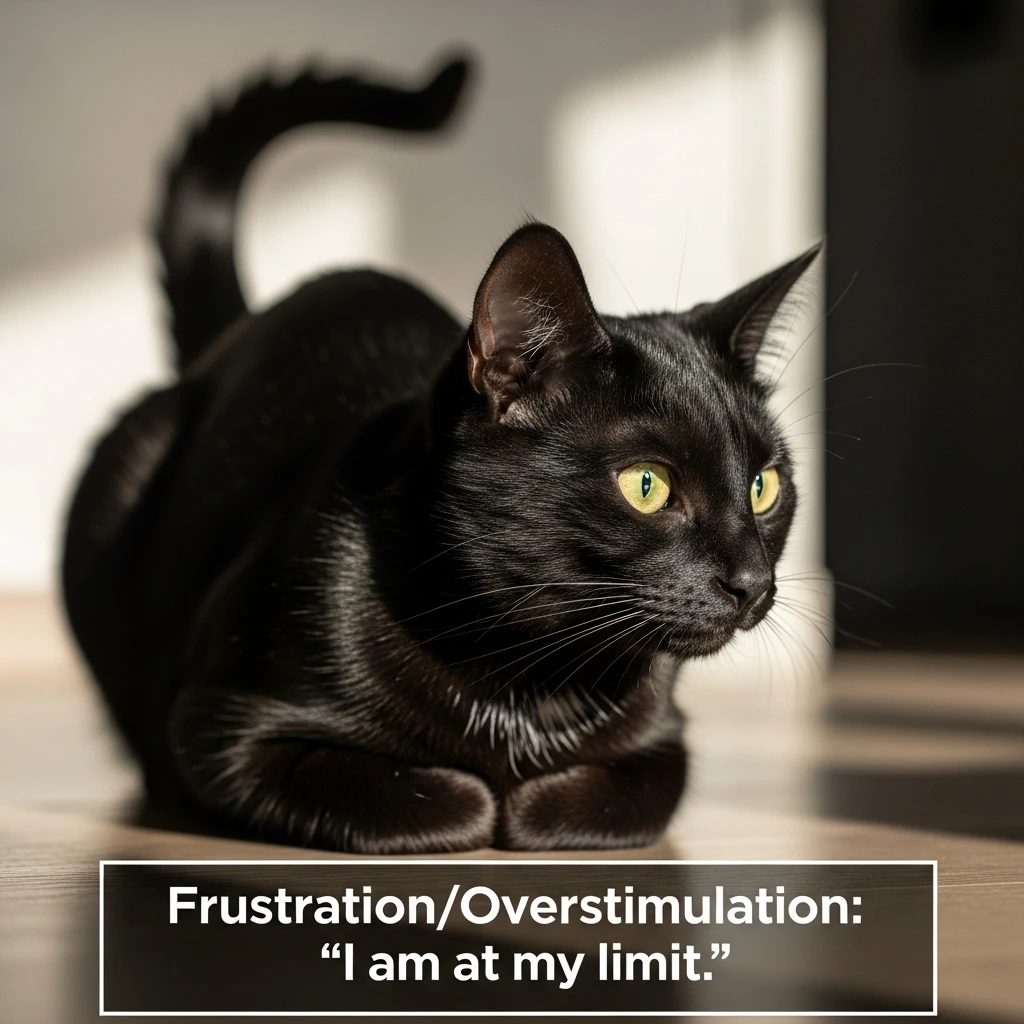
The Frustration Triggers
Frustration occurs when a natural drive is blocked. It often leads to what humans perceive as “naughty” behavior.
- Inadequate Environmental Enrichment: A bored cat with excess energy has no outlet. This frustration can trigger zoomies, nighttime vocalization, or aggression. The solution is not punishment, but providing appropriate outlets. Explore DIY Cat Enrichment Ideas that look expensive but are simple to make.
- Unpredictable or Inconsistent Reactions from Owners: If a behavior sometimes gets attention (even negative) and sometimes gets ignored, the cat becomes frustrated trying to predict the outcome.
- Barriers to Resources: Having to pass by another pet to get to food, water, or the litter box is a major frustration and stress trigger. Ensure multiple, separated resources in multi-pet homes.
The Pain/Discomfort Triggers
This is critical. Sudden aggression or aversion to touch is often a medical emotional trigger, not a behavioral one.
- Underlying Illness: Arthritis, dental disease, urinary tract infections, or other conditions cause chronic pain. A cat may lash out when touched in a sore spot or associate the litter box with pain, triggering avoidance.
- Action Step: Any sudden change in behavior warrants a veterinary check-up first. Before labeling a cat as “spiteful” or “mean,” rule out pain. Our guide on Early Warning Signs of Cat Health Issues can help you spot subtle clues.
Breed-Specific Emotional Sensitivities: A Nuanced Layer
While every cat is an individual, breed tendencies can influence what they find triggering or soothing. Understanding this can help you tailor their environment.
- Highly Sensitive/Intelligent Breeds (e.g., Siamese, Bengal, Abyssinian): Prone to boredom and frustration. Their emotional triggers are often a lack of mental stimulation and routine. They need interactive play, puzzle feeders, and training sessions. Without it, they may become vocal or destructive. Learn about the demanding but rewarding Bengal Cat Personality.
- Easygoing Breeds (e.g., Ragdoll, British Shorthair, Persian): Generally have a lower reactivity threshold but can be more sensitive to chaotic environments and loud noises. Their trigger is often unpredictability and rough handling. They thrive on gentle, predictable interaction. See how the Ragdoll Cat Bond Building process emphasizes calm connection.
- Active/Adventurous Breeds (e.g., Maine Coon, Norwegian Forest Cat): Can become frustrated without space to climb and explore. A primary trigger is confinement and lack of vertical territory. Providing cat trees, shelves, and supervised outdoor access (like a catio) is key. Get inspired by Cat Wall Climbing Setups.
The Owner’s Role: How Your Emotions Trigger Your Cat’s
Cats are remarkably attuned to human emotional states. Your stress, anxiety, anger, or sadness can act as a emotional trigger for your cat, putting them on alert.
- The Science: When you’re stressed, you emit different subtle odors (pheromones), your posture changes, and your voice and movements may become tense or erratic. Your cat, a master observer, detects these changes. In a multi-cat household, owner stress can even trigger inter-cat tension.
- The Solution: Managing your own emotional state is part of caring for your cat. Calm, predictable interactions from you are a positive trigger for their sense of security. If you’re upset, it may be best to engage in a quiet, mutually soothing activity like sitting near your cat (without forcing interaction) while you both calm down.
Practical Toolkit: Resetting and Managing Emotional Triggers
Now, let’s turn insight into action. Here is a step-by-step approach to identifying and managing your cat’s triggers.
Step 1: Become a Detective. Keep a simple log for a week. Note the time, situation, and what preceded any unwanted behavior (hissing, hiding, scratching furniture, etc.). Look for patterns. Was it after a visitor? Before a meal? When a certain sound occurred?
Step 2: Remove or Modify the Trigger. If possible, eliminate it. If the trigger is the vacuum, keep the cat in another room while using it. If it’s a conflict with another pet, manage their environments separately. Use baby gates, separate feeding stations, and multiple litter boxes. Our guide on Introducing a Kitten to a Cat offers principles that apply to managing any multi-cat tension.
Step 3: Change the Emotional Association (Counter-Conditioning). If you can’t remove the trigger (like the carrier for vet visits), change what it predicts. Pair the trigger with something wonderful. For example, if your cat is triggered by the doorbell (predicting strangers), start ringing the bell and immediately toss a high-value treat. The bell becomes a cue for chicken, not anxiety.
Step 4: Build Resilience Through Enrichment. A mentally and physically stimulated cat has a higher tolerance for minor stressors. Provide a “yes” environment: plenty of approved scratching posts, climbing spaces, window perches, and regular play. A cat with full, appropriate outlets is less likely to be triggered by minor frustrations.
Step 5: Provide Safe Havens. Every cat needs inaccessible retreats a high cat tree, a cardboard box with a hole, a shelf, or a dedicated quiet room. When they are triggered, they need a place to de-escalate without being followed. Respect their space when they retreat.
Frequently Asked Questions (FAQ) on Emotional Triggers in Cats
Q: My cat suddenly attacks my ankles when I walk down the hall. What emotional trigger is this?
A: This is typically a combination of frustration (pent-up play/hunt drive) and predatory instinct triggered by movement. It’s not aggression; it’s redirected play behavior. The solution is to provide more scheduled, vigorous play sessions with wand toys before these predictable times to satisfy that drive.
Q: Why does my cat seem to get overstimulated when I pet her and then bite?
A: This is a classic frustration/overstimulation trigger. The pleasure of petting builds to a point where their nervous system becomes overloaded. The bite is a “stop!” signal. Learn to read early warning signs: skin twitching, tail swishing, ears rotating sideways. Pet for shorter periods and let her come to you. This is detailed in our article on Why Cats Hug and Then Bite.
Q: Can a cat hold a grudge or be spiteful?
A: No. Cats do not have the cognitive capacity for spite or vindictiveness. “Spiteful” behaviors like peeing outside the box are almost always a response to a medical trigger (pain) or a stress trigger (an unclean box, anxiety, territorial insecurity). Treat the cause, not the symptom.
Q: How can I tell if my cat is happy and not just not stressed?
A: Positive emotional triggers result in clear signs: a relaxed, slow-blinking gaze (a “cat kiss”), kneading with purring, presenting their belly in a relaxed posture (not as an invitation to rub), and a softly upright or gently curling tail. They will also engage in confident, relaxed behaviors like playing, eating well, and grooming. Explore the meaning behind these actions in Cat Slow Blink Meaning.
Q: My cat is terrified of strangers. How can I manage this trigger?
A: Never force interaction. Ask guests to ignore the cat completely no looking, talking to, or reaching for them. Have the guest toss high-value treats away from themselves without making eye contact. This makes the stranger’s presence predict good things without the pressure of social interaction, gradually changing the emotional association.
Conclusion: From Triggers to Trust
Understanding emotional triggers in cats is the master key to a harmonious relationship. It shifts your perspective from “Why is my cat misbehaving?” to “What is my cat feeling, and what need isn’t being met?” This empathetic approach doesn’t mean letting your cat rule the house; it means strategically designing their environment and your interactions to minimize negative triggers and maximize positive ones.
When you learn this silent symphony of signals, you stop navigating a minefield of potential scratches and start conducting a beautiful duet of mutual understanding. You become a source of safety and predictability in their world, which is the deepest form of love you can offer a feline companion. The reward is a confident, content cat who feels secure enough to express their unique personality and offer you their genuine trust not because they have to, but because they truly want to.
Ready to deepen your understanding of your cat’s unique mind and build a truly enriching life together? Explore our library of expert-backed guides on cat behavior, care, and bonding at Cat Bloom Haven.