Why Does My Cat Sleep on My Pillow? Unraveling Feline Behavior
Ever wake up to find your cat curled up on your pillow, purring softly or staring at you like they own the place? If you’re wondering, why does my cat sleep on my pillow, you’re not alone. This quirky feline habit is more than just a cute quirk it’s a window into your cat’s instincts, emotions, and bond with you. At Cat Bloom Haven, we’re diving deep into the reasons behind this behavior, offering expert insights, vet-backed tips, and practical advice to help you understand your furry friend better.
In this guide, you’ll discover why your cat chooses your pillow as their prime napping spot, what it says about their trust and affection, and how to manage this behavior if it’s disrupting your sleep. From seeking warmth to marking territory, we’ll cover it all plus, we’ll address health concerns and environmental factors that might influence this habit. Let’s get started!
Key Takeaways
- Primary Reason: Cats sleep on pillows for warmth, comfort, security, affection, or to mark territory with their scent.
- Bonding Signal: Your cat sleeping on your pillow often indicates trust and a strong emotional connection.
- Health Check: Sudden pillow-sleeping could signal stress, anxiety, or health issues monitor for other symptoms.
- Management Tips: Provide alternative cozy spots or adjust your cat’s environment to reduce pillow obsession.
- Behavioral Insight: This habit ties to feline instincts like territoriality, surveillance, and seeking safety.
The Cozy Quest: Why Cats Crave Your Pillow’s Warmth
Cats are heat-seeking missiles, and your pillow is a prime target. With a core body temperature of 100.5–102.5°F, cats naturally gravitate toward warm, soft surfaces to conserve energy while resting. Your pillow, warmed by your head and nestled in soft bedding, is like a five-star feline resort.
Why Warmth Matters
- Thermoregulation: Cats lose heat during sleep, so they seek warm spots to stay comfortable.
- Energy Conservation: Curling up in a warm place reduces the energy needed to maintain body temperature.
- Instinctual Drive: In the wild, cats choose sheltered, warm spots to rest safely.
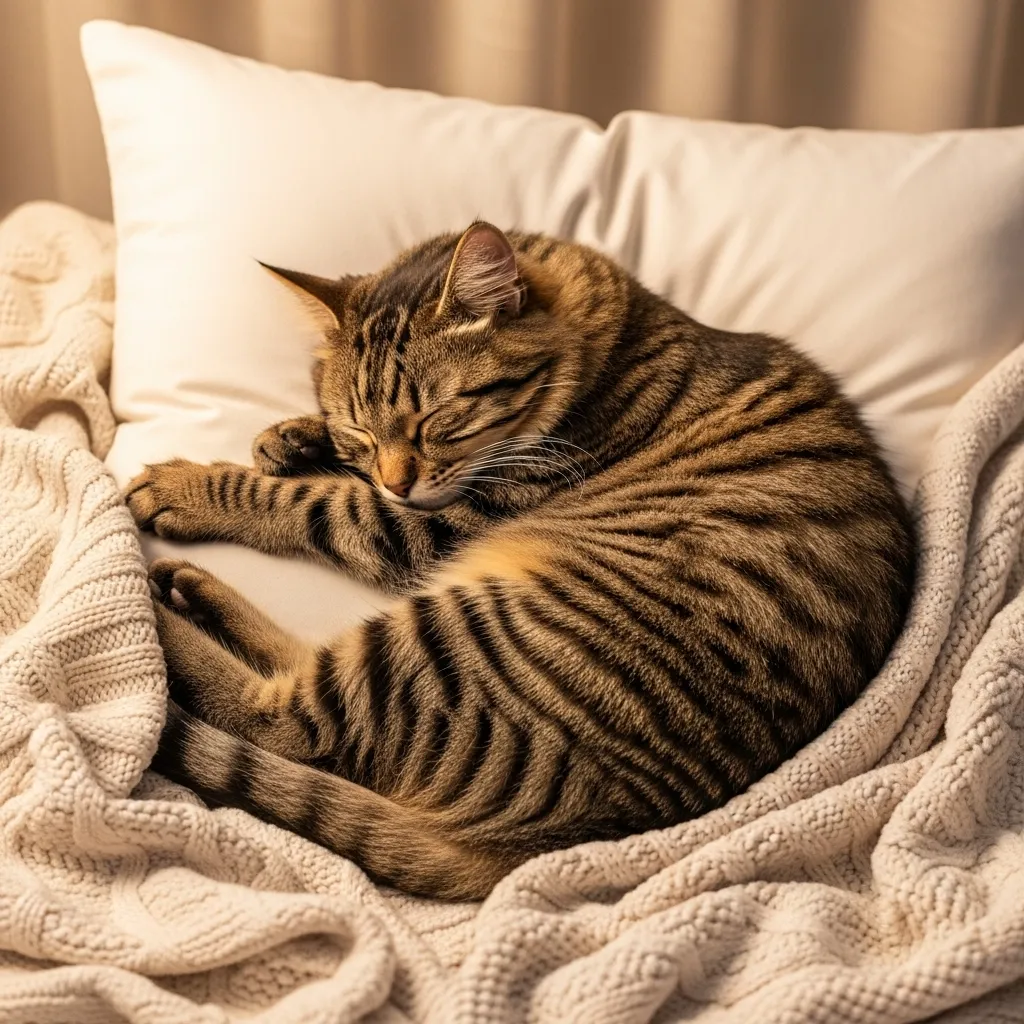
If your cat’s pillow obsession seems tied to warmth, consider offering a heated pet bed or a warm blanket in a quiet corner. Check out our guide on best beds for American Shorthair cats for inspiration on creating a cozy alternative.
A Sign of Affection: Your Cat’s Pillow Love is Personal
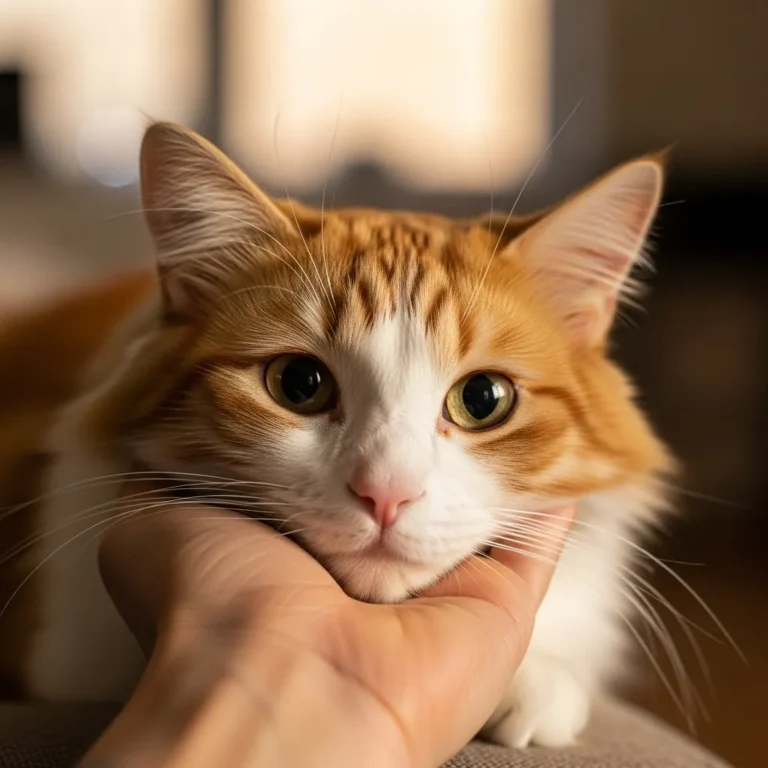
When your cat sleeps on your pillow, it’s often a heartfelt compliment. Cats are selective about where and with whom—they rest. Choosing your pillow, especially near your face, signals trust, love, and a desire to be close.
How Pillow-Sleeping Reflects Bonding
- Proximity to You: Your scent on the pillow comforts your cat, reinforcing your bond.
- Feline Trust Signals: Sleeping near your head shows they feel safe and vulnerable around you.
- Emotional Connection: Cats who sleep on their owner’s pillow often display other affection signs, like purring or kneading.
Real-Life Example: Sarah, a cat owner from Seattle, noticed her Siamese, Luna, started sleeping on her pillow after a stressful move. “It was like Luna was saying, ‘You’re my safe space,’” Sarah shared. This behavior often spikes during changes, as cats seek familiarity. Learn more about cat stress signs to spot when your cat needs extra comfort.
If your cat’s pillow cuddles feel like a love letter, cherish it! But if it’s crowding your sleep, we’ll cover solutions later.
Security and Surveillance: The Instinctive Drive
Cats are both predators and prey in the wild, so their sleeping spots are chosen strategically. Your pillow offers a high vantage point, a soft surface, and proximity to you their trusted human. This combo satisfies their need for safety and control.
Why Your Pillow Feels Like a Fortress
- High Vantage Points: Elevated spots like your pillow let cats survey their territory, even while resting.
- Vulnerability During Sleep: Cats sleep 12–16 hours daily, so they pick spots where they feel protected.
- Your Presence as Safety: Your scent and heartbeat reassure your cat, making your pillow a safe haven.
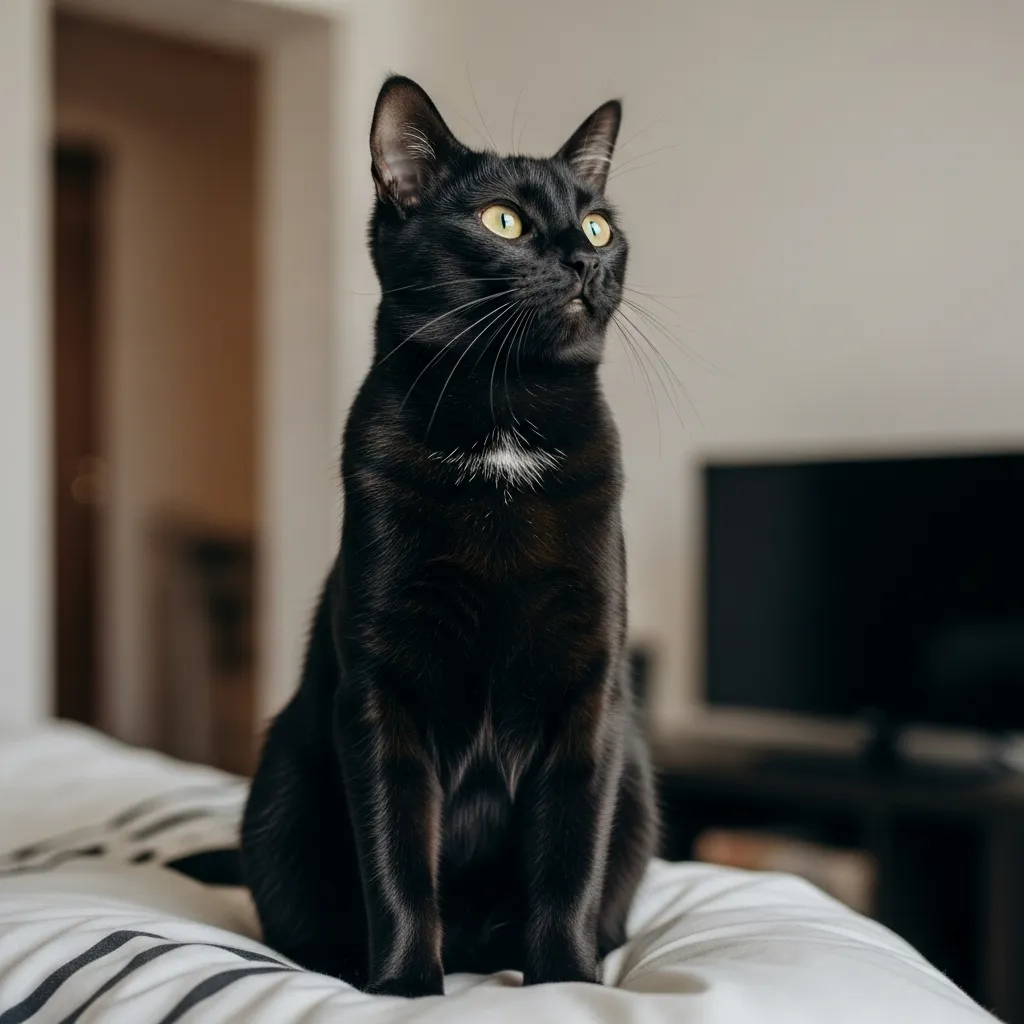
In multi-cat households, the pillow might also be a prime spot for asserting dominance. Explore our multi-cat household behavior guide for tips on managing feline hierarchies.
Pillow Dominance: Scent Marking and Territorial Claims
Your cat’s pillow obsession might be their way of saying, “This is mine!” Cats have scent glands on their cheeks, paws, and body, and rubbing or sleeping on your pillow deposits their pheromones, marking it as part of their territory.
How Cats Claim Your Pillow
- Scent Glands in Action: When your cat kneads or rubs their face on your pillow, they’re leaving their scent.
- Territorial Behavior: In multi-pet homes, the pillow might be a high-value spot to claim over other animals.
- Comfort in Familiarity: Your scent mixed with theirs creates a comforting, “owned” space.
Vet Insight: Dr. Emily Carter, a feline behaviorist, notes, “Cats mark pillows to blend their scent with their owner’s, creating a shared territory that feels secure.” If your cat kneads excessively, check our guide on American Shorthair kneading for more context.
If your cat’s scent-marking feels possessive, try offering a blanket with your scent in their bed to redirect this behavior.
Stress and Comfort: Is Your Cat Seeking Solace?
Sudden pillow-sleeping can signal stress, anxiety, or a need for comfort. Cats are sensitive to environmental changes—like a new pet, a move, or even rearranged furniture—and your pillow might become their refuge.
Signs Your Cat’s Pillow Preference Is Stress-Related
- Sudden Behavior Change: If your cat never slept on your pillow but now does, stress could be the trigger.
- Other Anxiety Signs: Look for hiding, reduced appetite, or excessive grooming. See our cat stress and anxiety guide for details.
- Environmental Shifts: New noises, visitors, or changes in routine can push cats to seek familiar spots.
Practical Tip: Create a stress-free zone with a cozy bed, toys, and pheromone diffusers. Our cat adoption guide offers tips on helping cats adjust to new environments.
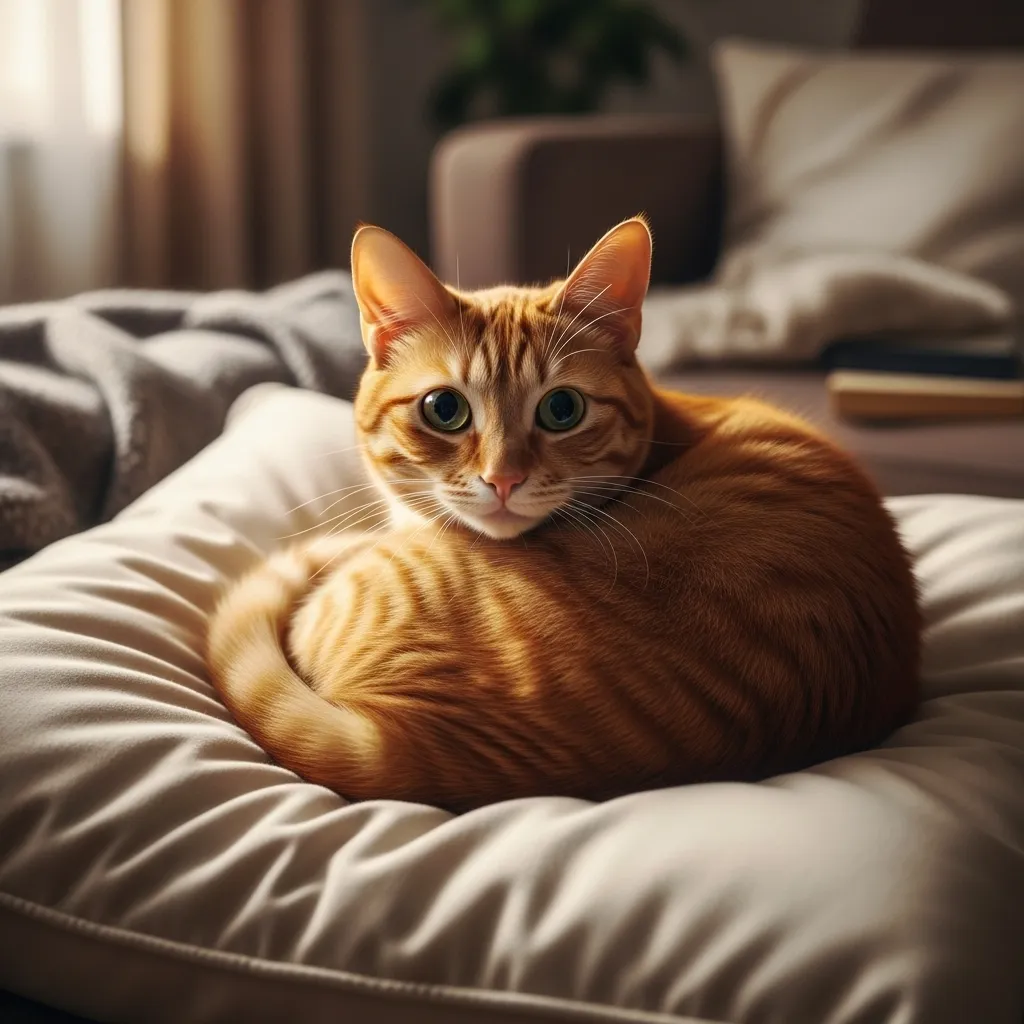
Health and Well-Being: When to Be Concerned
While pillow-sleeping is usually harmless, it can sometimes indicate health issues. Cats might seek your pillow if they’re feeling unwell, seeking warmth or closeness for comfort.
Health Red Flags to Watch For
- Pain or Discomfort: Conditions like arthritis or dental issues might drive cats to softer, warmer spots.
- Respiratory Issues: If your cat wheezes or breathes heavily on your pillow, check our cat congestion guide.
- Sudden Clinginess: Increased pillow-sleeping paired with lethargy or appetite loss warrants a vet visit. See finding the best vet for your cat.
Table: Common Health Issues Linked to Pillow-Sleeping
| Symptom | Possible Cause | Action |
|---|---|---|
| Heavy breathing | Respiratory infection | Consult vet; see cat pneumonia guide |
| Lethargy | Illness or pain | Schedule vet checkup |
| Excessive warmth-seeking | Hypothyroidism | Monitor temperature; vet visit |
If you notice these signs, act quickly to ensure your cat’s well-being.
Managing Your Cat’s Pillow Obsession: Practical Solutions
Love your cat’s affection but need your pillow back? Here are vet-approved strategies to redirect their sleeping habits without breaking the bond.
Tips to Encourage Alternative Sleeping Spots
- Offer Cozy Alternatives: Place a heated pet bed or a blanket with your scent in a quiet corner.
- Mimic the Pillow Experience: Use soft, elevated beds to replicate the pillow’s appeal.
- Pheromone Diffusers: These can reduce stress and make new spots feel safe.
- Routine Adjustments: Feed or play with your cat before bed to shift their focus.
Real-Life Example: Mark, a Maine Coon owner, trained his cat to sleep on a heated bed by placing it next to his pillow for a week, gradually moving it to a corner. “She still cuddles sometimes, but I get my pillow back!” he says.
Discover more behavior tips in our cat training behavior guide.
Breed-Specific Pillow Preferences
Some cat breeds are more likely to sleep on your pillow due to their personalities or physical needs. Here’s a quick look:
Table: Breeds and Pillow-Sleeping Tendencies
| Breed | Why They Love Pillows | Related Guide |
|---|---|---|
| Siamese | Affectionate, clingy | Siamese cat behavior |
| Ragdoll | Seeks warmth, bonding | Ragdoll cat care |
| Maine Coon | Territorial, loves elevation | Maine Coon size |
If you own one of these breeds, their pillow obsession might be hardwired!
Conclusion: Embrace or Redirect Your Cat’s Pillow Love
Your cat sleeping on your pillow is a fascinating blend of instinct, affection, and comfort-seeking. Whether they’re chasing warmth, marking territory, or simply saying, “I love you,” this behavior reveals the depth of your bond. By understanding the reasons warmth, security, trust, or even stress—you can decide whether to embrace the cuddles or gently redirect them to a cozy alternative.
At Cat Bloom Haven, we’re here to help you decode every quirky feline habit. Explore more expert cat care and behavior guides, like our cat sleeping habits or why cats sleep so much, to become the ultimate cat parent.
FAQ: Quick Answers to Common Questions
Why does my cat sleep on my pillow?
Cats sleep on pillows for warmth, comfort, security, affection, or to mark territory with their scent. It’s a sign of trust and bonding.
Is my cat’s pillow-sleeping related to our bond?
Yes! Sleeping near your head shows trust and a desire to be close, reinforcing your emotional connection.
Can pillow-sleeping indicate stress or health issues?
Sudden pillow-sleeping paired with lethargy, appetite loss, or heavy breathing could signal stress or health concerns. Consult a vet.
Why does my cat choose my pillow over their bed?
Your pillow offers warmth, your comforting scent, and a high vantage point, making it more appealing than their bed.
How can I stop my cat from sleeping on my pillow?
Offer a heated pet bed, place a blanket with your scent in a cozy spot, or use pheromone diffusers to redirect their attention.
Does my cat’s breed affect their pillow preference?
Breeds like Siamese and Ragdolls are more likely to sleep on pillows due to their affectionate or warmth-seeking nature.