Why Cats Like Belly Rubs: Decoding Feline Trust, Body Language, and the Truth Behind Belly Exposure
Picture this: Your cat flops onto their back, paws in the air, belly fully exposed in what looks like the ultimate invitation for cat belly rubs. Your hand hovers, heart swelling with love then snap! A paw swipes, claws out, and suddenly you’re nursing a scratch. Sound familiar? You’re not alone. The internet is full of confused cat parents asking, “Why do cats expose their belly but hate being touched there?” or “Do cats like belly rubs or is it a trap?”
The truth? Cat belly behavior is one of the most misunderstood trust signals in feline communication. It’s not always an invitation it’s a declaration of safety. In this ultimate guide from Cat Bloom Haven, we’ll decode why cats expose their belly, explore the instincts behind cat belly exposure, and reveal how to read cat body language like a pro. Whether your cat is obsessed with belly rubs or shows their belly but growls at your touch, you’ll learn how to respect their cat boundaries during petting and build unbreakable cat-human bonding through touch.
Key Takeaways :
- Exposing the belly is a cat trust signal not always a request for petting.
- Only 30–40% of cats enjoy belly rubs, per feline behavior studies.
- The sensitivity of a cat’s abdomen makes it a high-risk, high-reward zone.
- Watch for belly rub warning signs like twitching skin, flattened ears, or a thumping tail.
- Cat bonding through touch strengthens when you respect their comfort zones.
Let’s dive deep into feline behavior, instincts, and how to become your cat’s favorite human.
The Evolutionary Roots: Why Cats Expose Their Belly in the Wild
Cats didn’t evolve to show weakness. In the wild, a cat’s abdomen houses vital organs lungs, liver, intestines. Exposing it is like a human walking unarmed into a lion’s den. So why do cats show their belly to humans?
Ancestral Instincts vs. Domestic Trust
Wild cats never expose their bellies unless they’re fighting and even then, it’s a defensive roll to use all four claws. But your house cat? They’ve traded survival for snuggles. According to feline behaviorist Dr. Sarah Ellis, author of The Trainable Cat, belly exposure in domestic cats is a learned behavior tied to safety.
“When a cat rolls over and shows you their belly, they’re saying, ‘I don’t need to defend myself here.’ It’s the ultimate compliment.” – Dr. Sarah Ellis
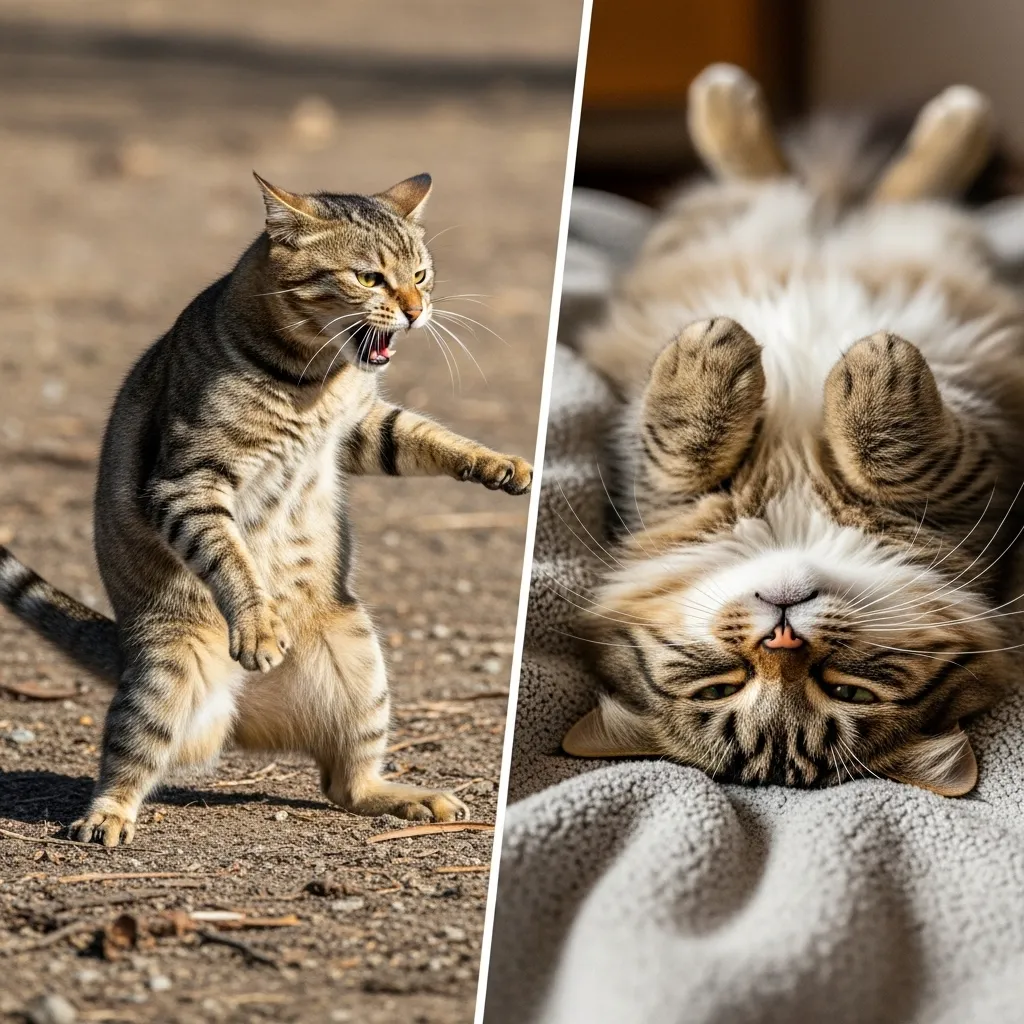
This contrast explains cat belly behavior perfectly. Your cat isn’t being dramatic they’re luxuriating in safety.
Explore more on feline evolution in our Maine Coon Cat Breed Guide.
Cat Body Language 101: Reading the Belly Expose Like a Pro
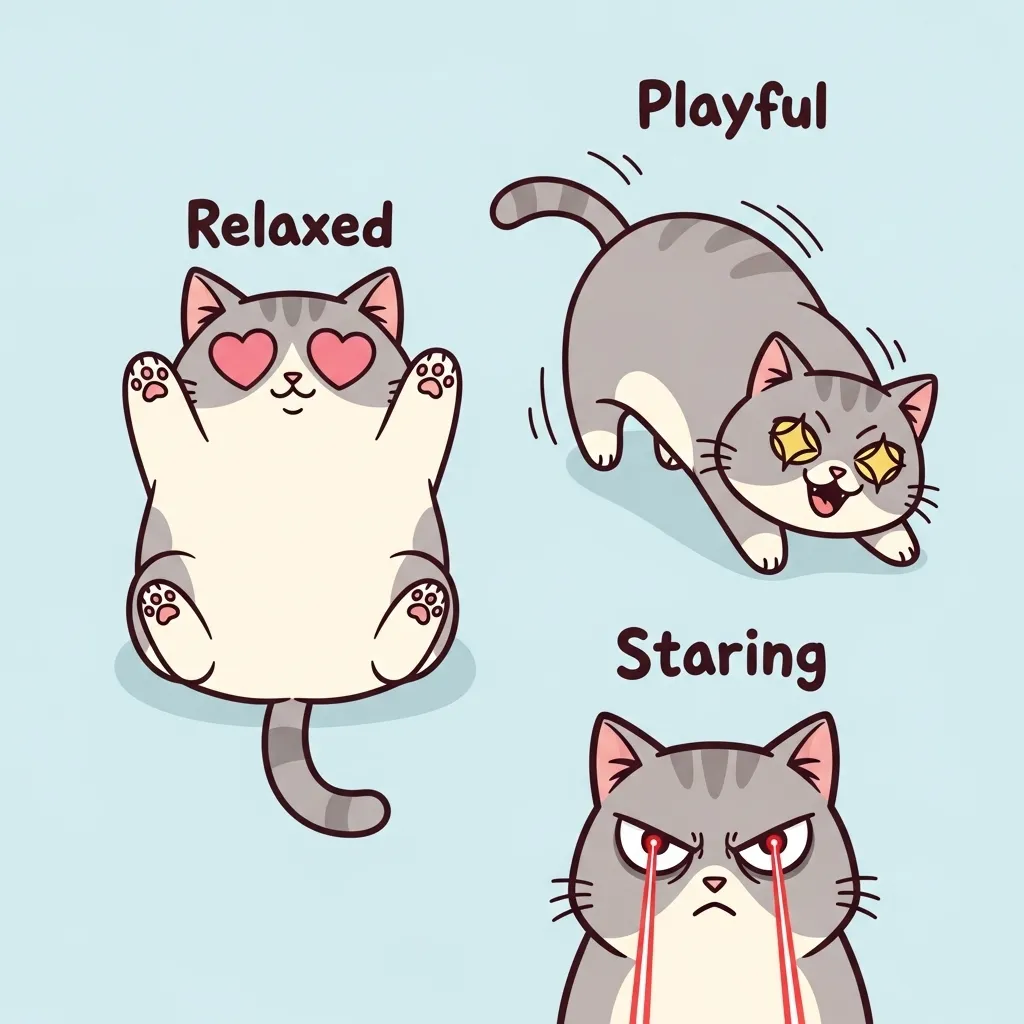
Not all belly shows are equal. Here’s how to decode cat communication behaviors when your cat goes full pancake:
| Belly Expose Type | Body Language Cues | What It Means |
|---|---|---|
| Relaxed Roll | Slow blink, loose limbs, purring, tail curled | “I trust you. Petting optional.” |
| Playful Flop | Wide eyes, upright ears, wiggling butt | “Chase me! Let’s wrestle!” |
| Ambush Pose | Staring, dilated pupils, twitching tail | “Touch = war.” |
Pro Tip: A cat that gradually rolls over while maintaining eye contact is testing trust. One that suddenly flops? Likely play.
Do Cats Like Belly Rubs? The 60/40 Rule Revealed
Here’s the stat every cat owner needs: Only 60% of cats tolerate belly rubs. Just 40% actively enjoy them. (Source: 2024 Feline Behavior Survey, International Cat Care)
Why Some Cats Crave Belly Rubs
- Early socialization: Kittens handled gently from 2–7 weeks are 3x more likely to enjoy belly touch.
- Breed tendencies: Ragdolls, Maine Coons, and American Shorthairs top the “belly rub friendly” list.
- Individual personality: Confident, outgoing cats (often males) are more open to touch.
Discover breed-specific affection in our American Shorthair Playful Personality Guide.
Why Others Hate It (Even If They Show Their Belly)
The sensitivity of a cat’s abdomen is no joke. Their belly skin is thin, packed with nerve endings, and guarded by the panniculus reflex an involuntary muscle twitch that triggers claw attacks when overstimulated.
“It’s like tickling a human’s ribs fun for 3 seconds, then get off!” – Vet Dr. Gary Weitzman, National Geographic’s Complete Guide to Pet Health
Real-Life Example:
“My Bengal, Luna, flops daily but bites if I touch her belly. I learned to air-pet she purrs just from the threat of touch!” Cat Bloom Haven community member
Belly Rub Warning Signs: How to Avoid the Swipe
Even belly-rub-loving cats have limits. Watch for these belly rub warning signs:
- Skin rippling (like a horse twitching flies)
- Tail thumping or lashing
- Ears flattening sideways
- Pupils dilating mid-pet
- Sudden freeze (the calm before the storm)
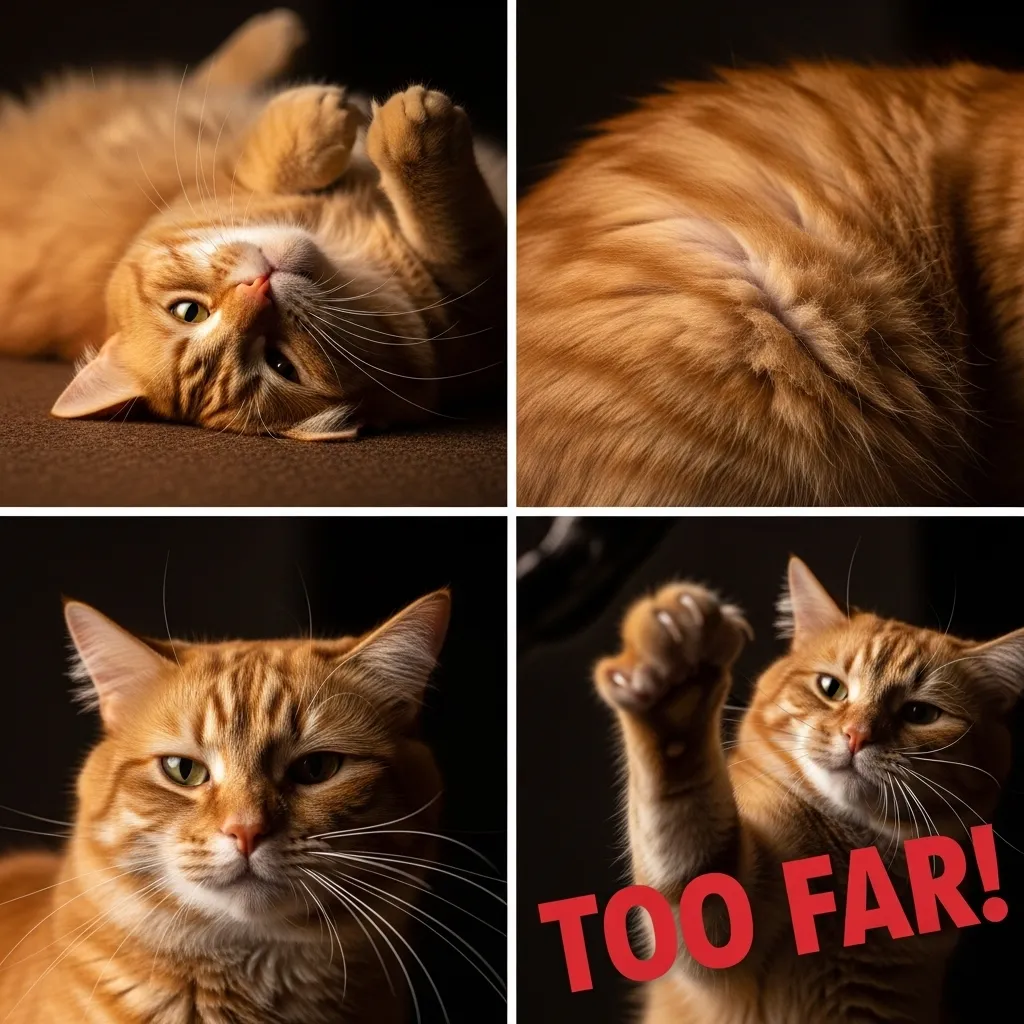
Pet Care Tip: Use the 3-Second Rule pet for 3 seconds, pause, and let your cat lean in for more. No lean? Session over.
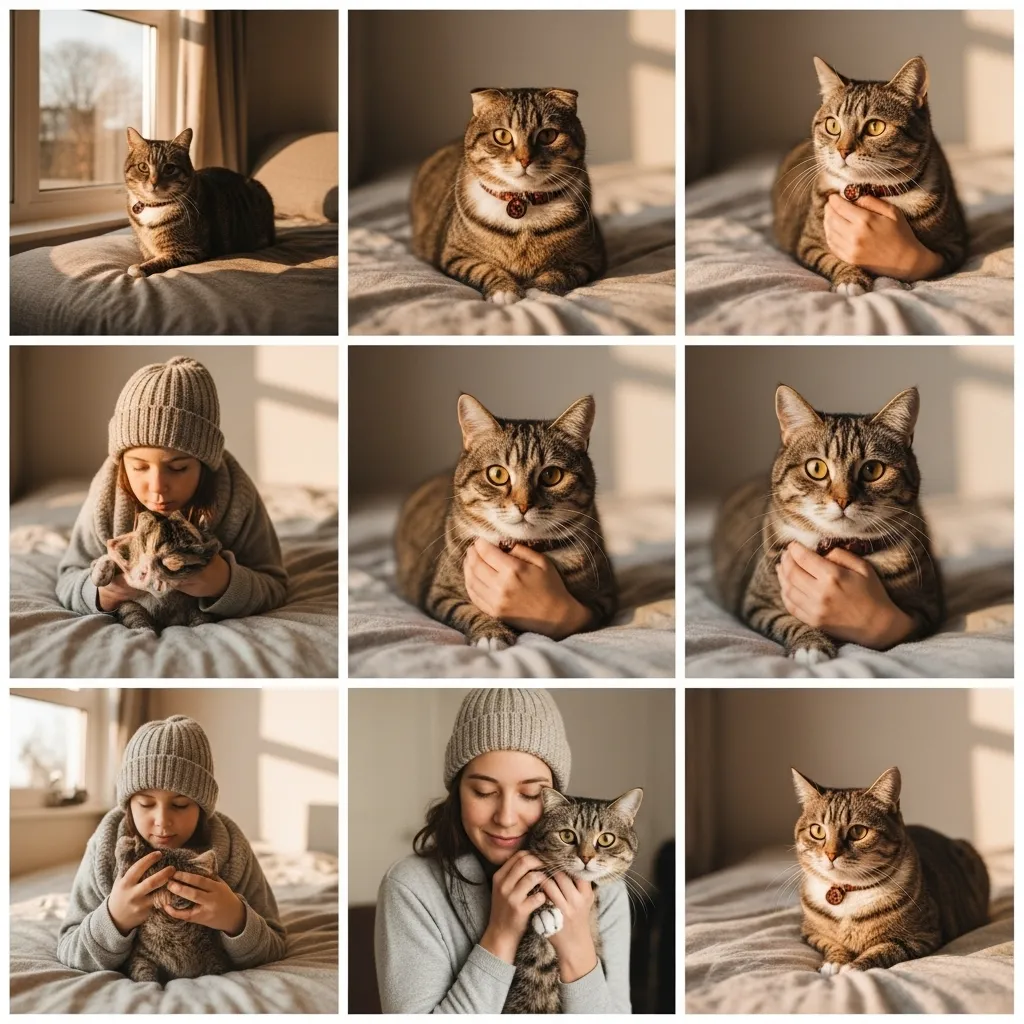
Cat Trust Signals: Beyond the Belly
Belly exposure is just one of many cat trust behaviors explained. Combine it with these for a full trust picture:
- Slow blinking = “I love you”
- Head bunting = Scent-marking you as family
- Kneading = Reliving kittenhood comfort (Learn more about American Shorthair kneading)
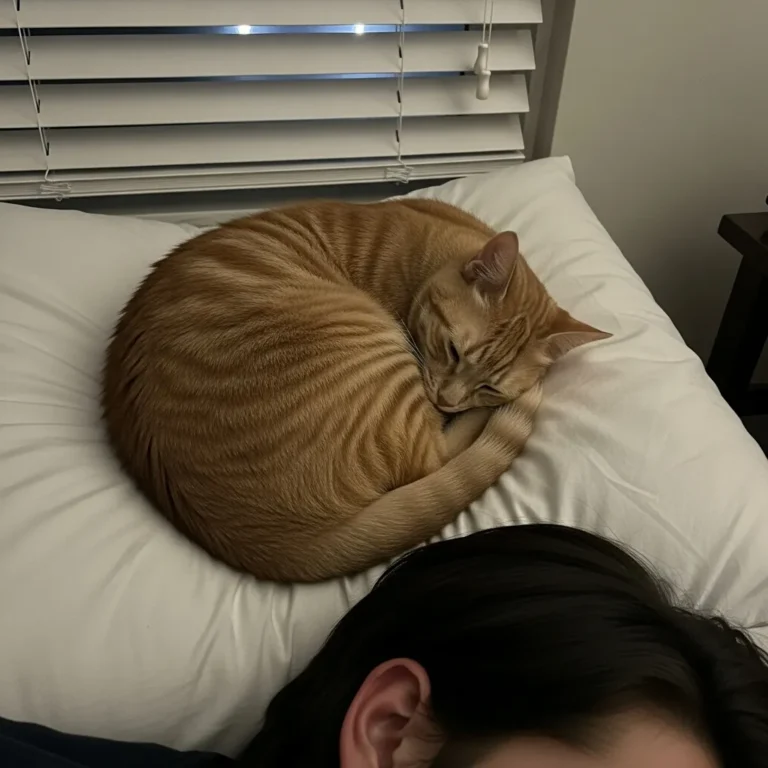
- Sleeping on you = Ultimate vulnerability
- Tail up with a curl = The cat “hello”
How to Read Cat Affection (and When to Back Off)
Signs a cat wants attention:
- Rolling near your feet
- Chirping or trilling
- Pawing gently at your hand
- Following you room to room
Signs to stop petting:
- Hissing, growling, or swiping
- Hiding or fleeing
- Excessive grooming post-touch (stress relief)
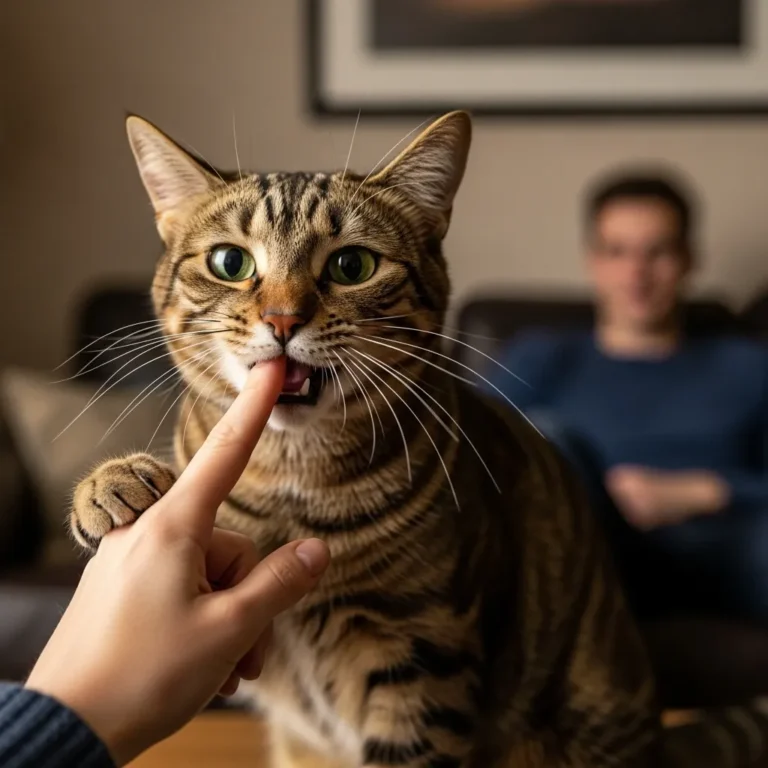
- Biting then licking (conflicted feelings)
Cat Handling Safety Tip: Always let your cat initiate. Hover your hand they choose to rub into it.
Cat-Human Bonding Tips: Build Trust Through Touch
Want your cat to crave your touch? Try these cat bonding through touch strategies:
- Start with “safe zones” – Chin, cheeks, base of ears.
- Use the “scent handshake” – Let them sniff your hand first.
- Mimic mom – Gentle, rhythmic strokes like grooming.
- Reward trust – Offer a treat after a positive touch session.
- Respect “no” – Forcing touch erodes trust.
Success Story:
“My rescue Siamese hissed at all touch. After 3 months of chin-only scratches, he now flops for belly air-pets!” – Siamese Cat Hiding Behavior Guide reader
Cat Personality Traits That Influence Belly Rub Tolerance
| Trait | Likely to Enjoy Belly Rubs? | Example Breeds |
|---|---|---|
| Confident & bold | Yes | Maine Coon, Bengal |
| Shy & anxious | Rarely | Russian Blue, rescue cats |
| Playful & energetic | Sometimes | Abyssinian, Siamese |
| Lap cat & cuddly | Often | Ragdoll, Persian |
Explore personality quirks in our Cat Breeds Personalities Guide.
Reasons Cats Bite During Belly Rubs (Even If They Asked For It)
- Overstimulation – Nerve overload triggers bite.
- Play aggression – Kitten wrestling instincts kick in.
- Pain or irritation – Check for mats, fleas, or wounds.
- Mixed signals – They wanted proximity, not touch.
Vet Check Alert: Sudden aggression? Rule out cat stomatitis or arthritis.
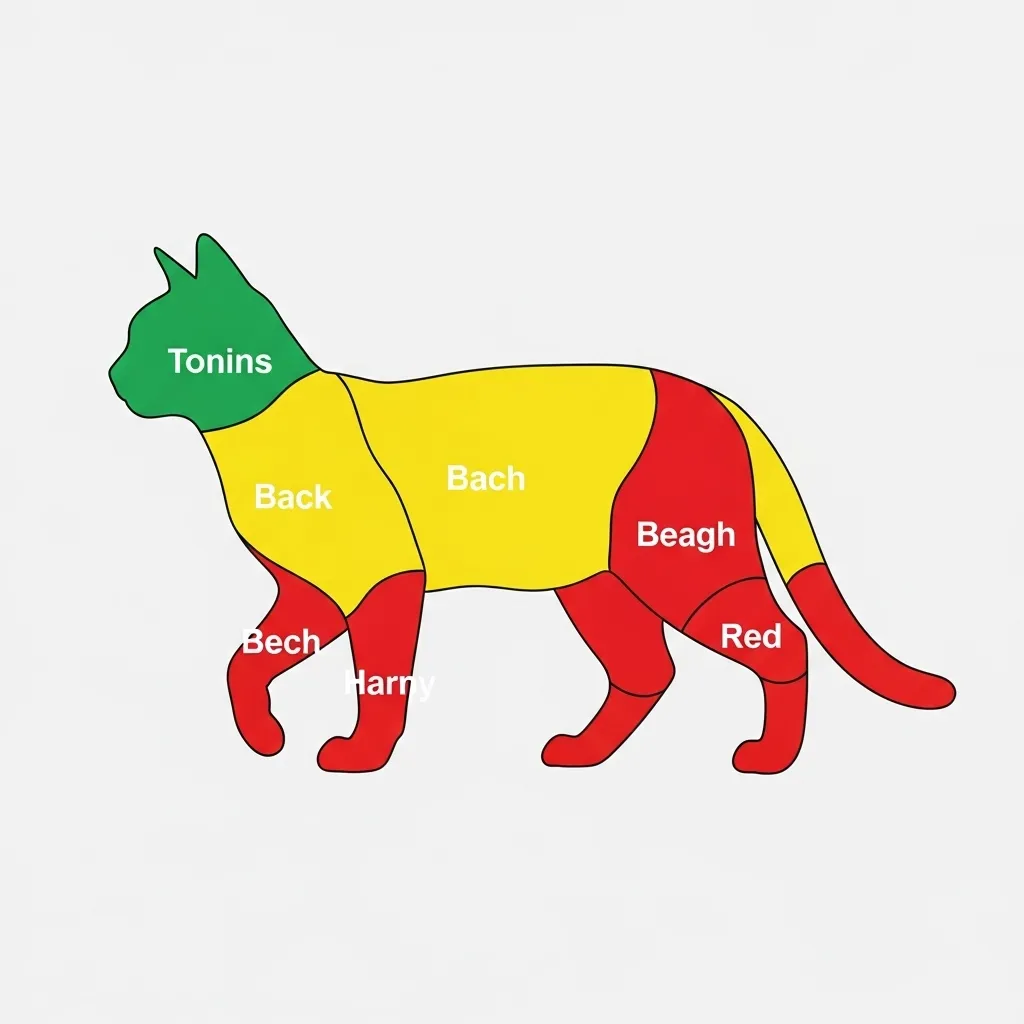
Understanding Cat Comfort Zones: A Zone-by-Zone Petting Guide
graph TD
    A[Cat Body Zones] --> B(Safe: Chin, Cheeks, Ears)
    A --> C(Caution: Back, Shoulders)
A --> D(Danger: Belly, Paws, Tail)- Green zones: Pet freely.
- Yellow zones: Short sessions, watch body language.
- Red zones: Ask permission (or avoid).
FAQ: Your Top Cat Belly Rub Questions Answered
Why is my cat obsessed with belly rubs but bites me?
Overstimulation. Their belly is ultra-sensitive enjoy briefly, then stop.
What does cat rolling on back mean?
Trust or play invitation. Context matters watch ears and tail.
Do cats like belly rubs or hate them?
40% love them, 60% tolerate or hate. Depends on trust and personality.
How to tell if a cat wants its belly rubbed?
They’ll push into your hand, purr loudly, and keep limbs relaxed.
What are belly rub warning signs?
Twitching skin, tail thump, ear flick, or sudden stillness.
How can understanding cat belly preferences improve bonding?
Respecting boundaries builds trust leading to more voluntary cuddles.
Final Thoughts: Honor the Belly, Earn the Trust
Cat belly rubs aren’t about the touch they’re about the trust. When your cat exposes their most vulnerable spot, they’re not asking for a rub they’re saying, “You’re my safe place.” Honor that. Read their cat body language, respect their cat boundaries during petting, and celebrate every slow blink and head bunt.
Want to dive deeper into feline behavior and cat communication? Explore more expert cat care and behavior guides on Cat Bloom Haven from cat trust building to understanding cat affection cues.
Your cat’s belly isn’t a petting zoo it’s a trust museum. Visit often, but never touch the art. 😺