Why Does My Cat Stare at Me? Decoding Cat Staring Behavior for a Deeper Bond
Picture this: You’re curled up on the couch, scrolling through your phone, when you feel it that intense, unblinking gaze piercing right through you. Your cat is perched on the armrest, eyes locked on yours like you’re the most fascinating creature in the room. Why does my cat stare at me? If you’ve ever wondered about this mysterious cat staring behavior, you’re not alone. It’s one of the most common questions cat owners ask, and the answer lies in a fascinating mix of instinct, emotion, and communication.
In this ultimate guide, we’ll unpack the meaning of a cat’s stare from every angle curiosity, affection, hunger, or even a subtle power play. You’ll learn to read cat body language, distinguish curious vs. threatening cat behavior, and respond in ways that strengthen your cat-owner bond. By the end, you’ll not only understand why cats stare at their owners but also turn those staring contests into moments of connection. Let’s dive into understanding your cat like never before.
Key Takeaways: What Your Cat’s Stare Really Means
- Cat staring behavior is rarely random it’s a form of feline communication.
- A relaxed stare with slow blinks usually signals cat affection and bonding.
- Wide eyes and tense posture? That might indicate cat dominance behavior or stress.
- Context matters: Cat seeking attention often pairs staring with meows or tail flicks.
- Master cat eye contact meaning to respond appropriately and build trust.
Pro tip: Start observing your cat’s full body, not just the eyes. Explore our detailed guide on cat body language for more clues.
The Science Behind Cat Staring Behavior
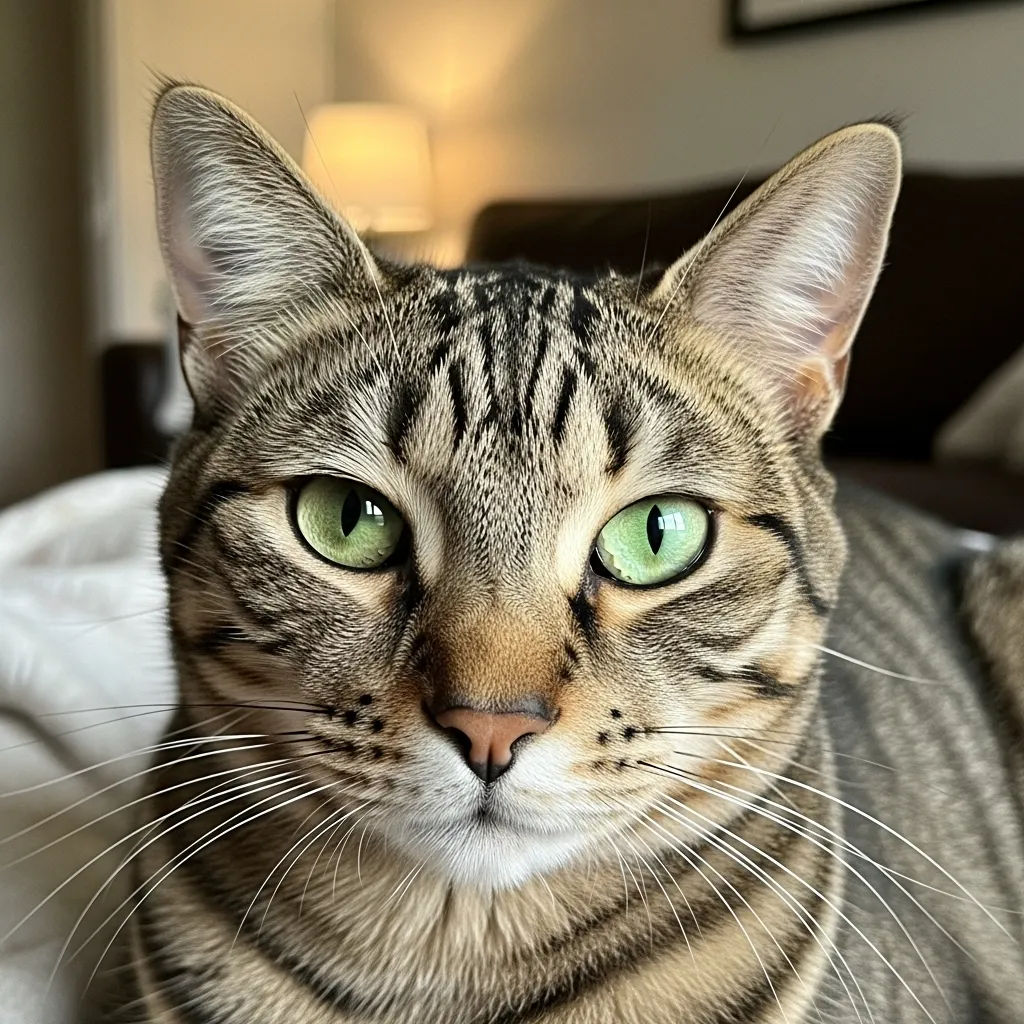
Cats aren’t just being creepy they’re hardwired to stare. In the wild, direct eye contact helps felines assess threats, hunt prey, or communicate with colony members. Domestic cats retain these instincts but adapt them to us humans.
Veterinarians and animal behaviorists explain that cat communication signals rely heavily on visual cues. Unlike dogs, who use more vocalizations, cats are masters of subtlety. A stare can convey hunger, curiosity, or even love without a single meow.
Did you know? Studies from the University of Lincoln show cats prefer human interaction over food in some cases your stare-back might be their way of saying, “Hey, you’re my favorite.”
Why Cats Stare at Their Owners: The Top 7 Reasons
Let’s break down the most common motivations behind why cats stare at their owners. We’ll use real-life scenarios to make it relatable.
1. Hunger or Anticipation (The “Feed Me” Stare)
Your cat jumps on the counter at 6 PM sharp, eyes glued to you. This is classic cat seeking attention tied to routine.
- Signs: Tail tip twitching, occasional meows, staring at you then the food bowl.
- What to do: Stick to scheduled feedings. Confused about portions? Check our raw food portions for cats guide.
2. Pure Curiosity (The Explorer’s Gaze)
Cats are natural observers. A new scent on your clothes or a flickering screen can trigger intense focus.
- Example: My Bengal, Luna, stares unblinking when I unwrap packages she’s investigating.
- Curious vs. threatening cat behavior: Ears forward and whiskers relaxed = curiosity. Ears flat = back off.
3. Affection and Bonding (The Love Stare)
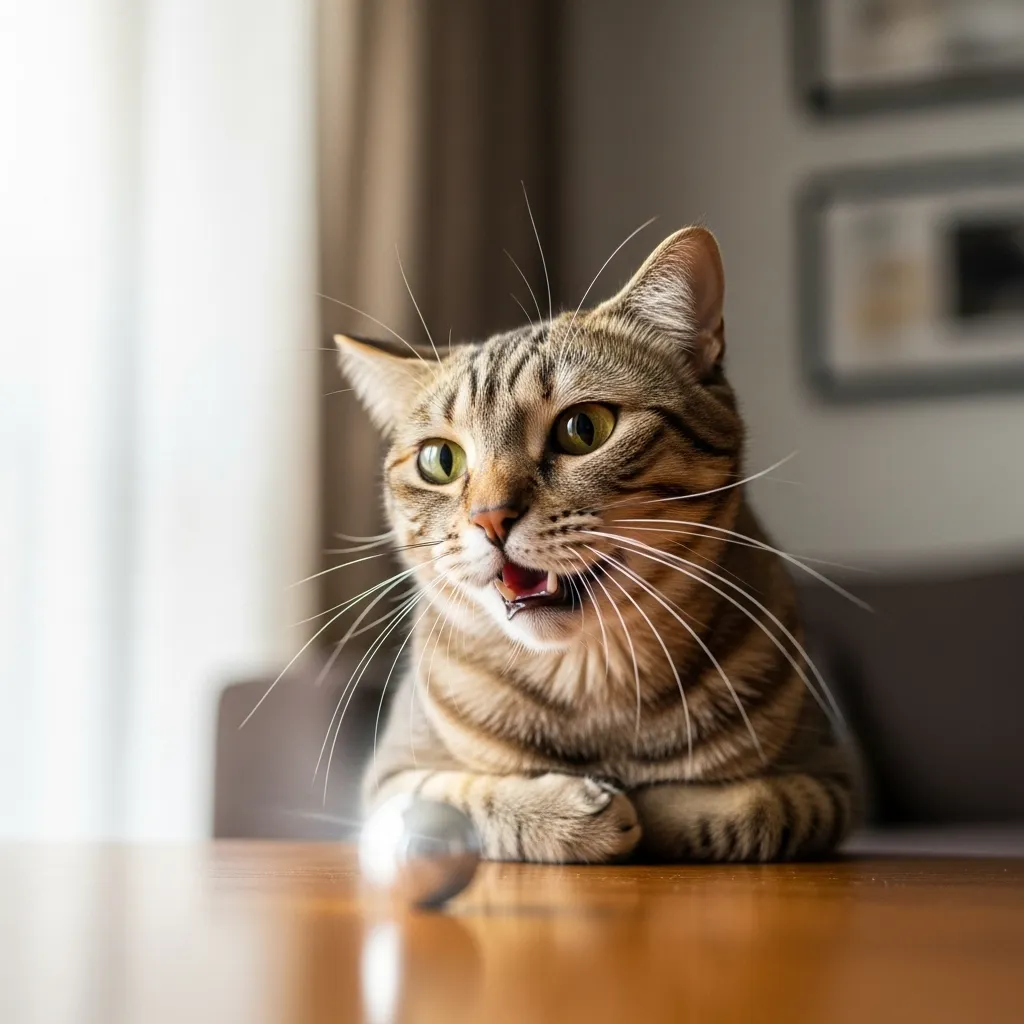
Yes, cat affection and bonding often involves staring! The famous “slow blink” is a cat’s version of a kiss.
- Cat slow blink meaning: “I trust you.” Return the gesture to deepen your cat-owner bond.
- Signs your cat loves you: Headbutts, purring, and that soft, half-lidded gaze. Learn more in our signs your cat loves you article.
4. Attention-Seeking (The “Play with Me” Demand)
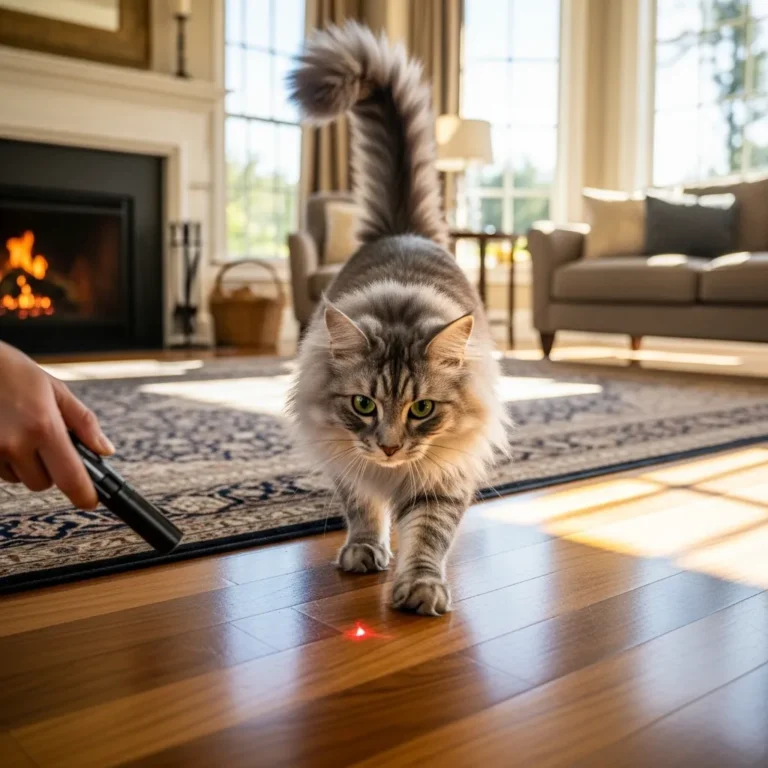
Bored cats stare to initiate interaction. This is especially common in high-energy breeds.
| Breed Example | Staring Style | Best Response |
|---|---|---|
| Bengal | Intense, follows you room to room | Interactive toys; see Bengal cat personality |
| Siamese | Vocal + staring combo | Short play sessions; keep Siamese cats entertained |
5. Dominance or Territory Claims
Unspayed/unneutered cats or multi-cat households may use cat dominance behavior via staring.
- Cat eye contact meaning in dominance: Prolonged, unblinking stare with dilated pupils.
- Solution: Provide vertical spaces and individual resources. Discover more in dominant cat behaviors.
6. Health Concerns (The “Something’s Wrong” Stare)
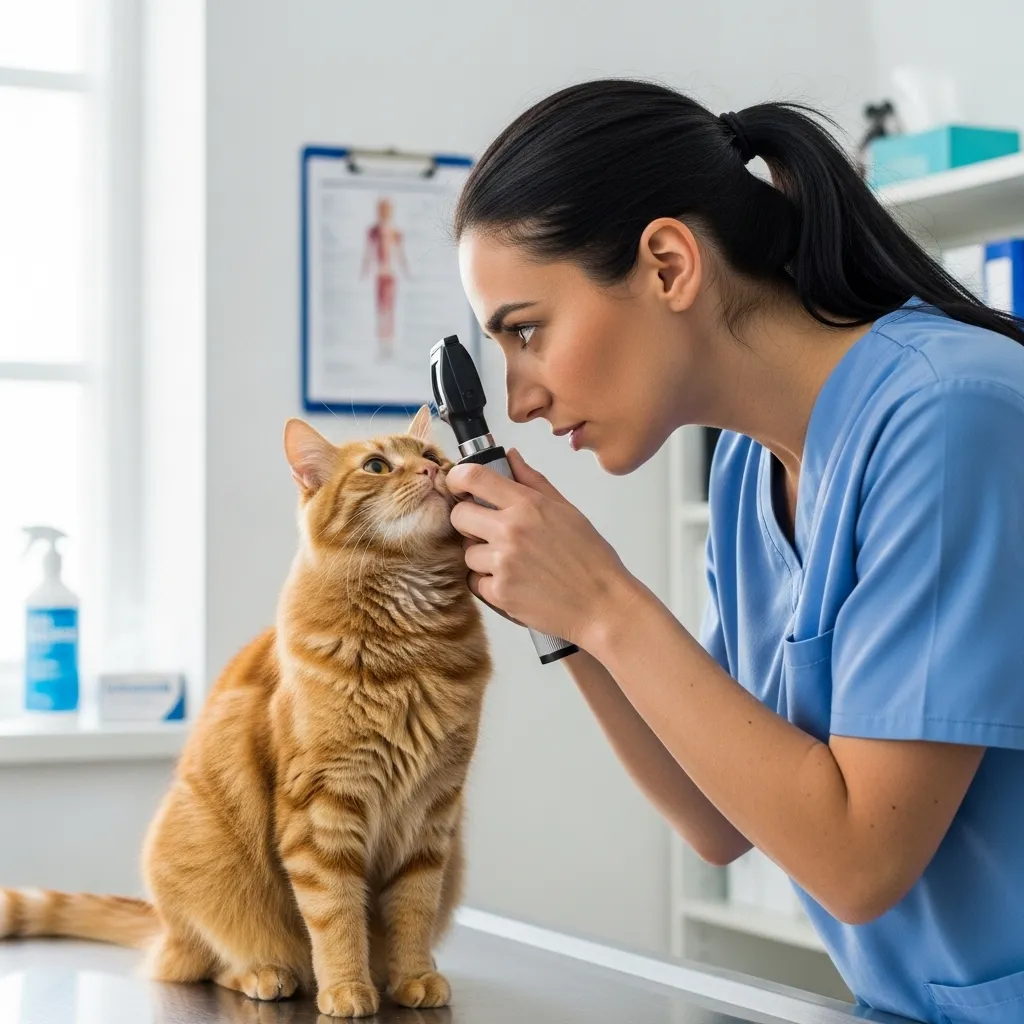
Sudden changes in staring habits can signal issues like vision problems or pain.
- Red flags: Excessive blinking, squinting, or staring at walls.
- Action: Schedule a vet visit. Read our cat vet visit schedule.
7. Habit or Comfort (The “You’re My Safe Space” Stare)
Some cats stare simply because they feel secure with you.
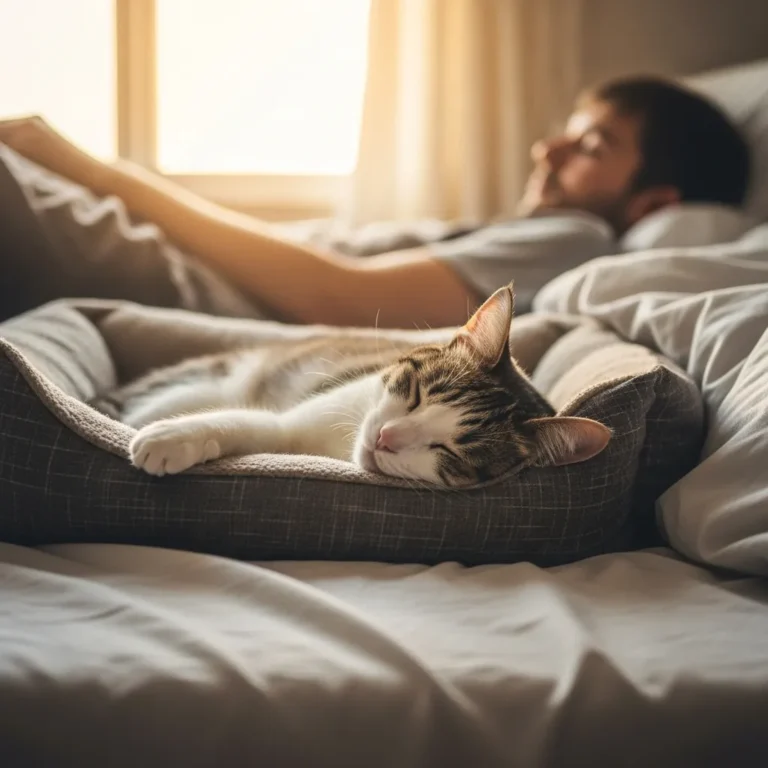
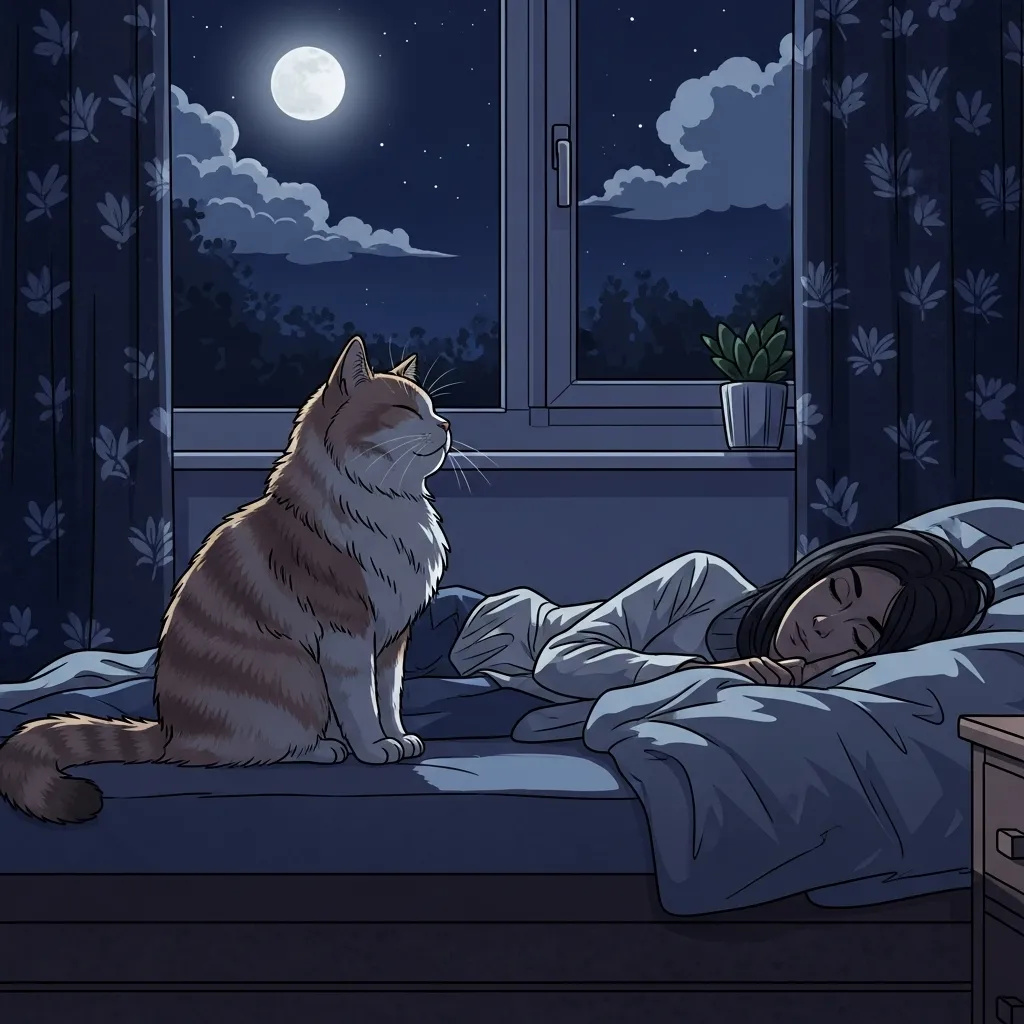
- My cat stares at me while I sleep: This is often protective behavior they’re watching over their human.
- Spiritual angle: Some cultures see cats staring spiritual meaning as guardians. While not scientific, it’s a sweet thought.
Cat Body Language: Reading the Full Picture
Eyes don’t tell the whole story. Combine stares with these cat communication signals:
- Ears: Forward = interested; sideways = unsure; backward = aggressive.
- Tail: Upright with curl = happy; puffed = scared; lashing = irritated.
- Pupils: Dilated in low light or excitement; constricted = focused or angry.
- Posture: Relaxed and low = content; arched back = defensive.
Pro observation tip: Film your cat’s staring episodes. Slow-motion replay reveals micro-expressions.
Deep dive into feline communication with our cat tail language guide.
Why My Cat Stares at Me Without Blinking: Breaking the Myth
That unblinking stare isn’t defiance it’s concentration. Cats blink less than humans (we blink 15-20 times per minute; cats average 2-3).
- Why no blinking? To maintain focus on potential prey or threats.
- When to worry: If accompanied by hissing or swatting, redirect with toys.
My Cat Stares at Me While I Sleep: Creepy or Cute?
This behavior combines affection, protection, and habit.
- Evolutionary reason: In wild cat colonies, members take turns “on watch.”
- Modern twist: Your cat sees you as family and guards your rest.
- Fun fact: Cats sleep 12-16 hours daily but wake easily your breathing changes cue them.
How to Respond to Your Cat’s Stare (Do’s and Don’ts)
Build trust with these expert-backed responses:
✅ Do:
- Slow blink back to say “I love you too.”
- Offer a cheek scratch if ears are forward.
- Use puzzle feeders for hunger stares.
- Create routines so stares become predictable.
❌ Don’t:
- Stare intensely (cats see this as confrontation).
- Punish staring it’s natural cat behavior explained.
- Ignore sudden changes could indicate stress or illness.
Struggling with nighttime stares? See why cats get aggressive at night.
Breed-Specific Staring Tendencies
Different breeds = different stare styles:
| Breed | Staring Trait | Why? |
|---|---|---|
| Siamese | Vocal + intense eye contact | High social needs; Siamese cats are the best |
| Persian | Soft, dreamy gazes | Laid-back personality |
| Maine Coon | Wise, observant stares | Gentle giant vibe; Maine Coon cat guide |
| Bengal | Laser-focused tracking | Wild ancestry |
Cats Staring Spiritual Meaning: Folklore vs. Science
Across cultures:
- Ancient Egypt: Cats as divine protectors.
- Japan: “Maneki-neko” staring brings good fortune.
- Modern spirituality: Some believe cats stare to absorb negative energy.
Science says: It’s bonding + instinct. But if it brings comfort, embrace the magic!
Training Tips: Reduce Unwanted Staring
Want fewer stare-downs?
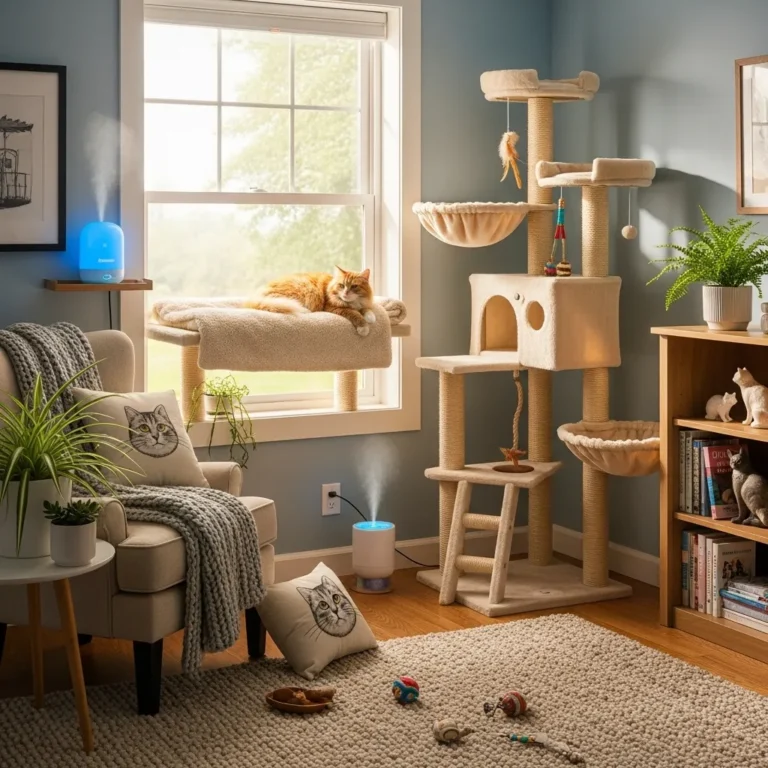
- Enrich environment: Cat trees, window perches, bird feeders outside.
- Clicker training: Reward alternative behaviors.
- Scent swapping: For multi-cat stare-offs.
Detailed steps in our cat training behavior guide.

When Staring Becomes a Problem
Excessive staring can signal:
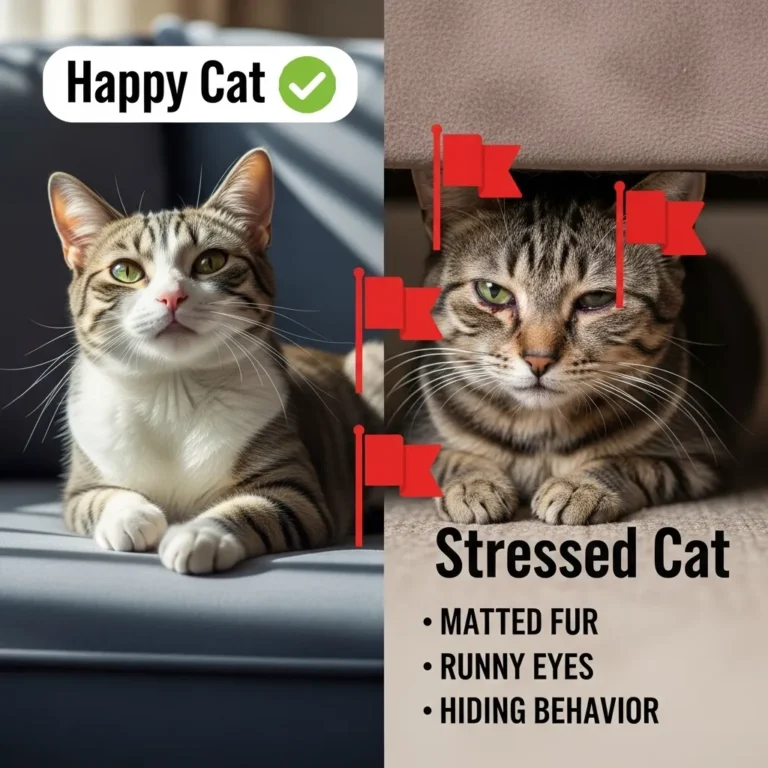
- Anxiety: New home, new pet? Help your cat adjust.
- OCD-like behaviors: Overgrooming + staring.
- Cognitive decline: Senior cats may stare blankly.
Consult a vet behaviorist if staring disrupts daily life.
FAQ: Your Cat Staring Questions Answered
Why does my cat stare at me without blinking?
It’s focus, not aggression. Cats blink less to maintain visual lock. Return a slow blink to ease tension.
How can I tell if my cat’s stare is affectionate?
Look for relaxed ears, slow blinks, and purring. Signs your cat loves you include this combo.
My cat stares at me while I sleep is that normal?
Totally! It’s protective cat behavior explained by pack instincts.
Can cats stare to show dominance?
Yes, via cat dominance behavior with dilated pupils and stiff posture. Provide resources to reduce tension.
What does a cat slow blink mean?
It’s a trust signal cat-speak for “I feel safe with you.”
Why does my cat stare at walls?
Could be hunting invisible prey, hearing rodents, or vision issues. Monitor and consult a vet if frequent.
How do I stop my cat from staring aggressively?
Avoid eye contact, use positive reinforcement, and ensure neutering/spaying.
Final Thoughts: Turn Stares into Stronger Bonds
Your cat’s stare isn’t a mystery it’s an invitation to connect. By mastering cat staring behavior, reading cat body language, and responding with patience, you’ll transform those intense gazes into cherished moments of understanding your cat.
Every stare tells a story. What’s yours saying today?
Ready for more feline communication insights? Explore our full library of cat care guides:
At Cat Bloom Haven, we’re passionate about helping you build the ultimate cat-owner bond. Bookmark this guide, share it with fellow cat lovers, and never wonder why does my cat stare at me again.