Raw Food Portions for Cats: The Ultimate Guide to Feeding Your Feline Friend
As a cat owner with over a decade of experience in feline nutrition, I’ve seen firsthand how switching to a raw food diet can transform a cat’s health and vitality. Imagine your furry companion with a shinier coat, boundless energy, and fewer trips to the vet that’s the promise of getting raw food portions for cats just right.
But with so many questions swirling around how much raw food to feed a cat, it’s easy to feel overwhelmed. In this comprehensive raw cat food diet guide, we’ll break it all down: from feeding raw food to cats safely to tailoring portions for every life stage.
Whether you’re new to raw feeding or looking to refine your approach, you’ll walk away with practical tools, like a raw cat food calculator and feeding chart, to ensure your cat thrives on the best raw diet for cats.
By the end, you’ll have the raw feeding advice for cats you need to make informed decisions, backed by nutritional needs of cats and real-world insights. Let’s dive in and solve the puzzle of cat portion control once and for all.
Key Takeaways: Quick Answers to Your Raw Feeding Questions
For those scanning for fast feline nutrition advice, here’s a snapshot of what you’ll learn in this cat feeding guide:
- Raw food portions for cats typically range from 2-4% of your cat’s body weight daily, split into multiple meals.
- Kittens need more—up to 6-10% of their body weight—to support growth in a raw food diet for cats.
- Benefits of raw food for cats include improved digestion, healthier skin and coat, and better weight management compared to commercial options.
- Use a simple raw cat food calculator: Multiply your cat’s weight in pounds by 0.02-0.04 for daily ounces.
- Always consult a vet for personalized cat diet and health tips, especially when transitioning to raw.
- Homemade raw cat food diets can be cost-effective but require balancing nutrients; commercial brands offer convenience.
- Trending topics like raw vs commercial cat food show raw often leads to fewer allergies and more energy, per community stories.
This raw cat food diet guide is designed to address your top concerns head-on, making it easier to feed cats properly and boost cat health and wellness.
Understanding the Raw Food Diet for Cats
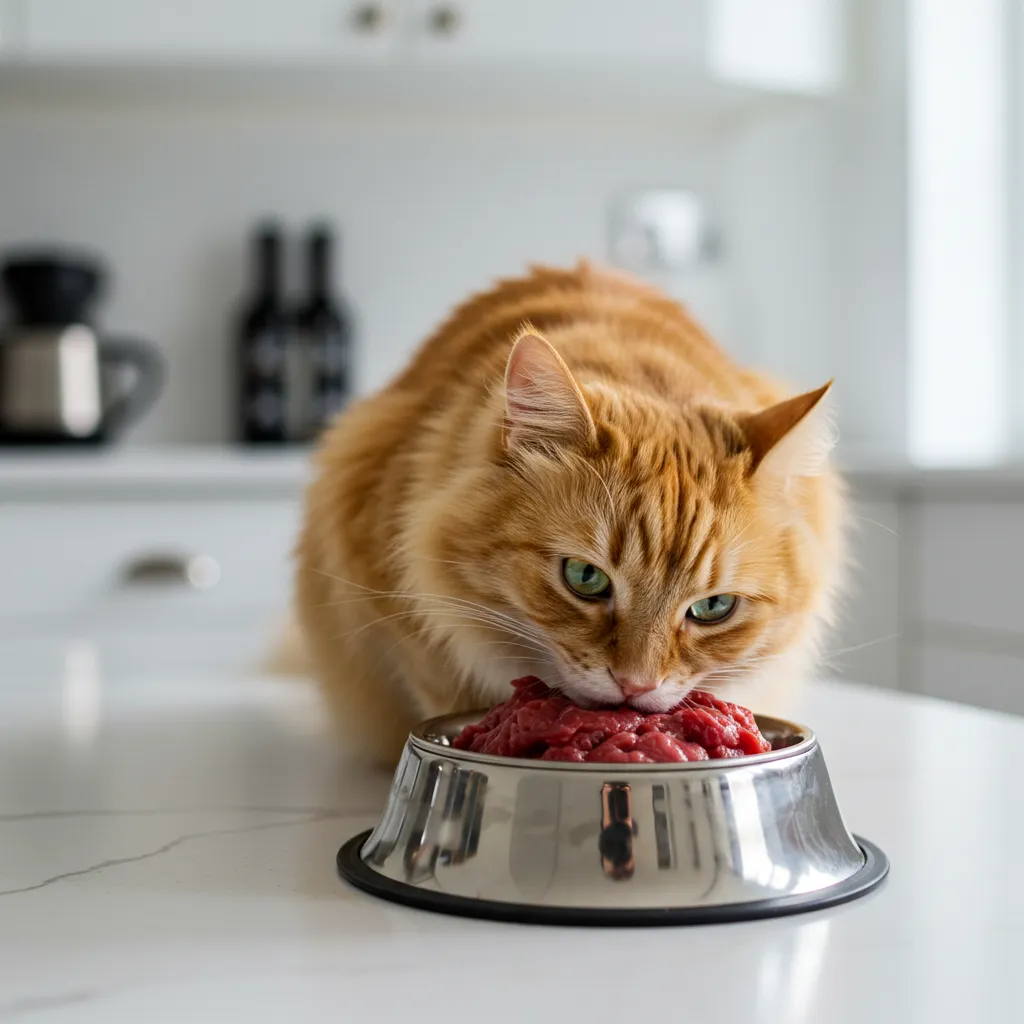
A raw food diet for cats mimics what felines would eat in the wild: uncooked meat, bones, organs, and sometimes small amounts of other natural ingredients. Unlike processed kibble or canned food, raw feeding prioritizes fresh, whole foods to meet the nutritional needs of cats as obligate carnivores. This means high protein, moderate fat, and minimal carbs— no fillers or artificial additives.
Why consider feeding raw food to cats? Many owners report their pets seem more satisfied and energetic. But it’s not just anecdotal; studies suggest raw diets can improve digestibility, leading to smaller, less odorous waste. Of course, safety is key—proper handling prevents risks like bacterial contamination.
If you’re exploring cat nutrition and health, start by assessing your cat’s current diet. Is it meeting their needs? A raw approach could be the upgrade, but transition slowly over 7-10 days to avoid tummy upsets.
Explore our detailed guide on cat food nutrition for more on balancing diets.
Benefits of Raw Food for Cats: Why Make the Switch?
The benefits of raw food for cats are compelling, especially when stacked against traditional options. Raw feeding for cats benefits include enhanced nutrient absorption since heat doesn’t destroy enzymes or vitamins. Cats on raw often show shinier coats, healthier teeth from chewing bones, and improved immune function.
Let’s compare raw vs commercial cat food:
| Aspect | Raw Food Diet | Commercial Cat Food |
|---|---|---|
| Nutrient Retention | High (enzymes intact) | Lower (processed at high heat) |
| Digestibility | Excellent, leading to less waste | Variable, often with fillers |
| Allergens | Fewer, as it’s minimally processed | Common due to grains/additives |
| Cost | Can be affordable homemade | Convenient but pricier long-term |
| Health Outcomes | Better skin, weight control, energy | May contribute to obesity or UTIs |
Raw diets can resolve issues like inappetence or gastrointestinal problems. One study noted cats on raw had better fecal scores than those on kibble. Natural cat diet trends lean toward raw for these reasons, aligning with feline nutrition advice that emphasizes species-appropriate eating.
Discover more cat diet tips in our article on choosing cat food.
Meeting the Nutritional Needs of Cats on Raw
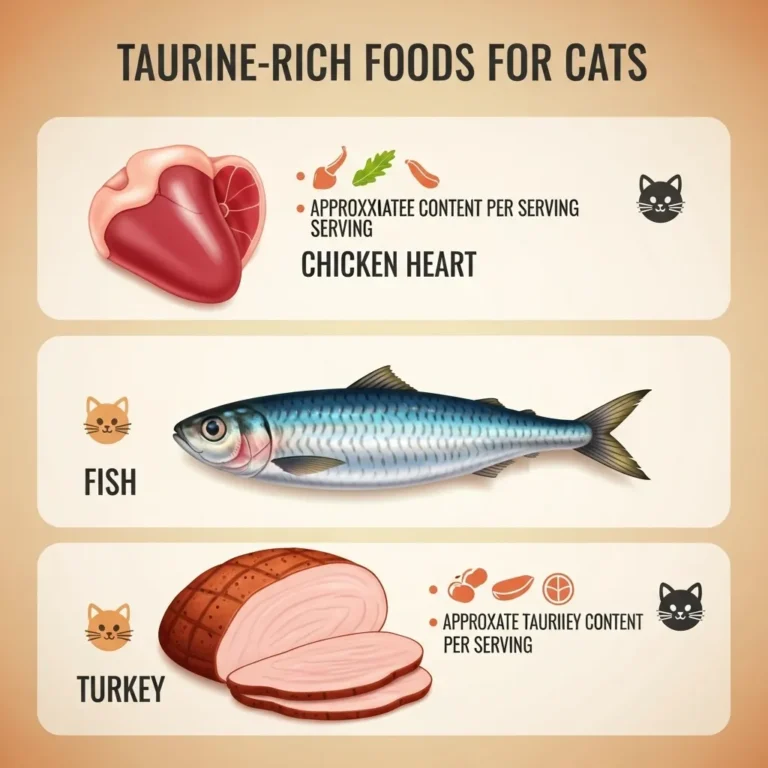
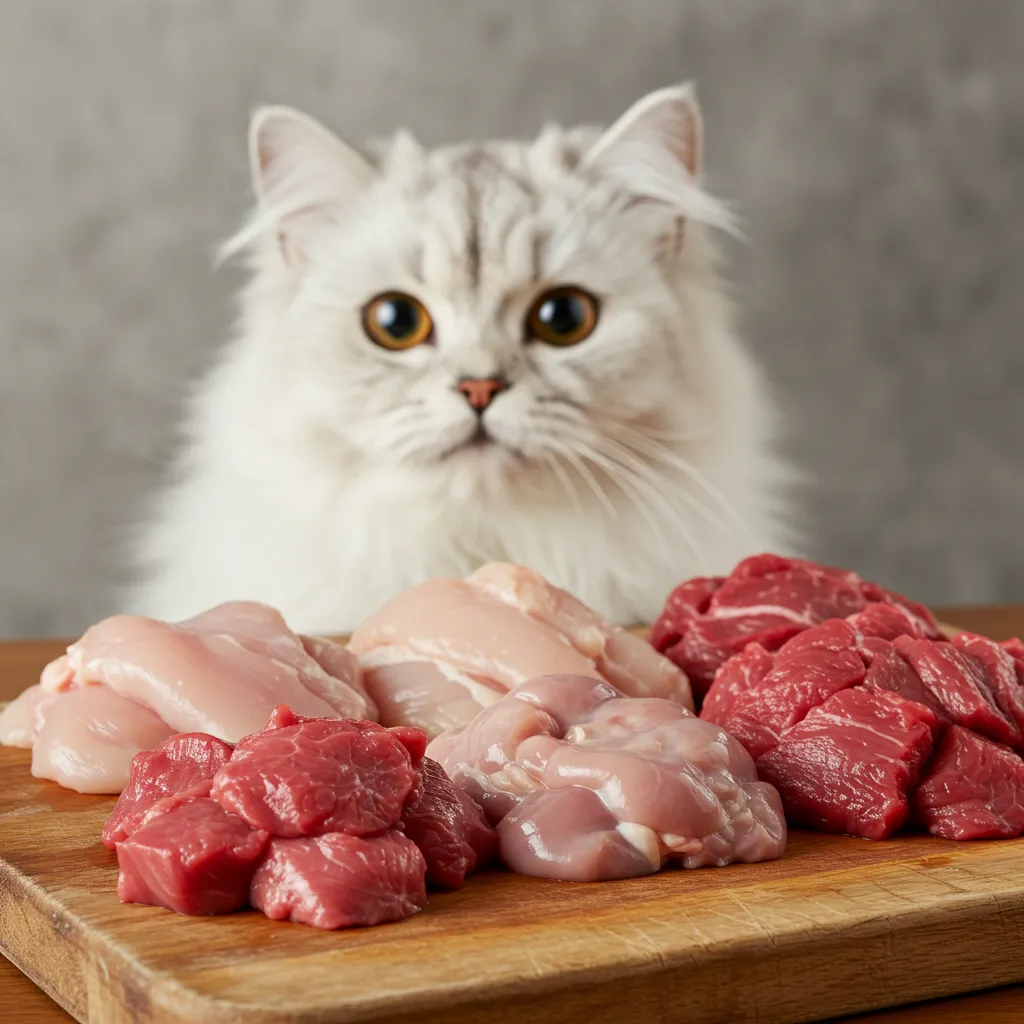
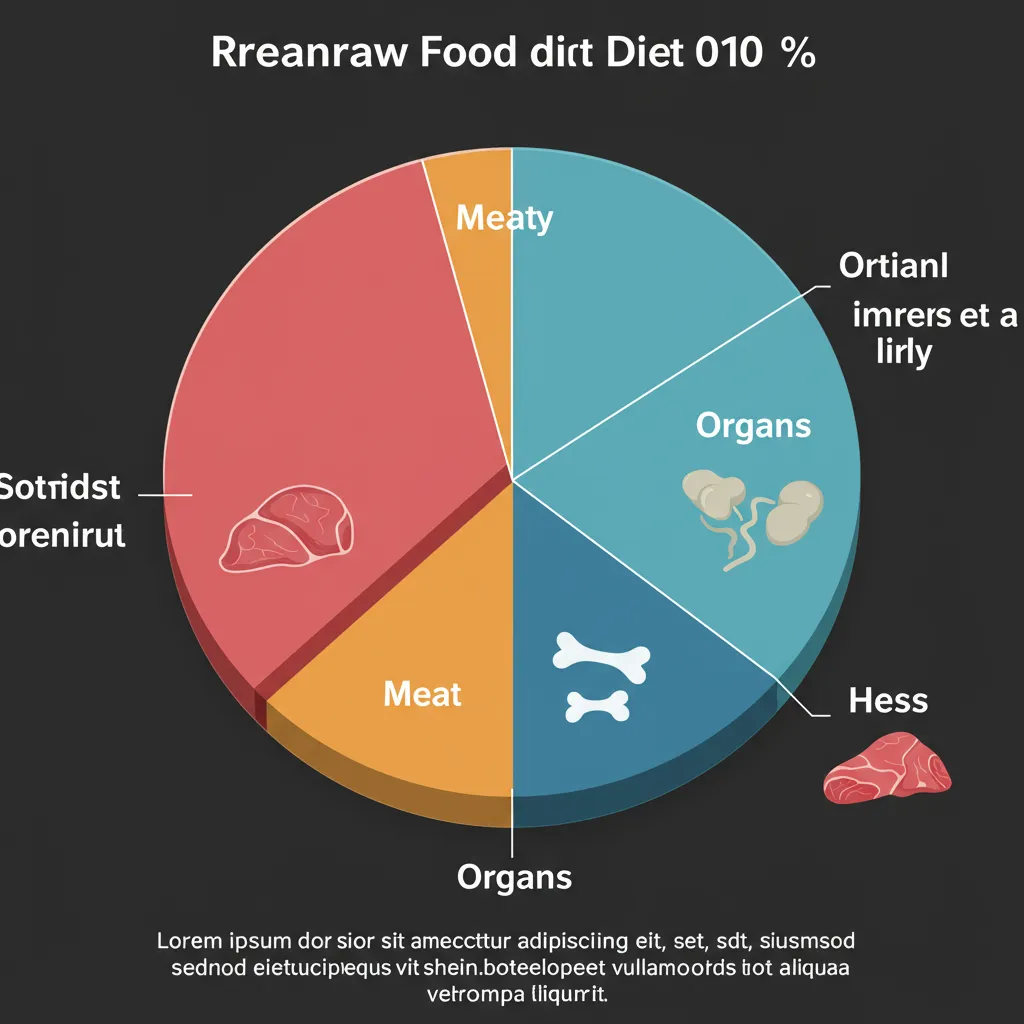
Cats have unique nutritional needs: high taurine for heart health, arachidonic acid for skin, and vitamins like A and D from animal sources. In a raw food diet for cats, aim for 83-85% muscle meat, 7-10% edible bones, and 5-10% organs (half liver).
Variety prevents deficiencies—rotate proteins like chicken, turkey, beef, and fish. Fat should be 5-10% as fed for energy. Supplements like fish oil or taurine may be needed for homemade mixes.
For cat health and wellness, monitor for signs of imbalance, like lethargy or coat dullness. Raw supports these needs naturally, but always prioritize balance.
Learn about Norwegian Forest kitten nutrition for breed-specific insights.
Raw Food Portions: How Much to Feed Your Cat
Getting cat raw diet portions right is crucial for avoiding under- or overfeeding. Base it on body weight, age, activity, and health.
Ideal Food Portions for Kittens
Kittens grow rapidly, so feeding guidelines for cats in this stage call for more calories. Feed 5-10% of their body weight daily, divided into 4-6 meals. For a 2-pound kitten, that’s 1.6-3.2 ounces per day.
Focus on nutrient-dense options: higher organ content for vitamins. Gradually reduce portions as they approach 6 months.
How Much to Feed Adult Cats
For adult cats, aim for 2-4% of body weight daily. A 10-pound cat needs 3.2-6.4 ounces, split into 2-3 meals. Less active or overweight cats: 1.5-2%; active ones: up to 3%.
Cat portion control prevents obesity—adjust based on body condition score.
Feeding Guidelines for Senior Cats
Seniors may need 1.5-2.5% to maintain weight without excess. Softer textures help with dental issues.
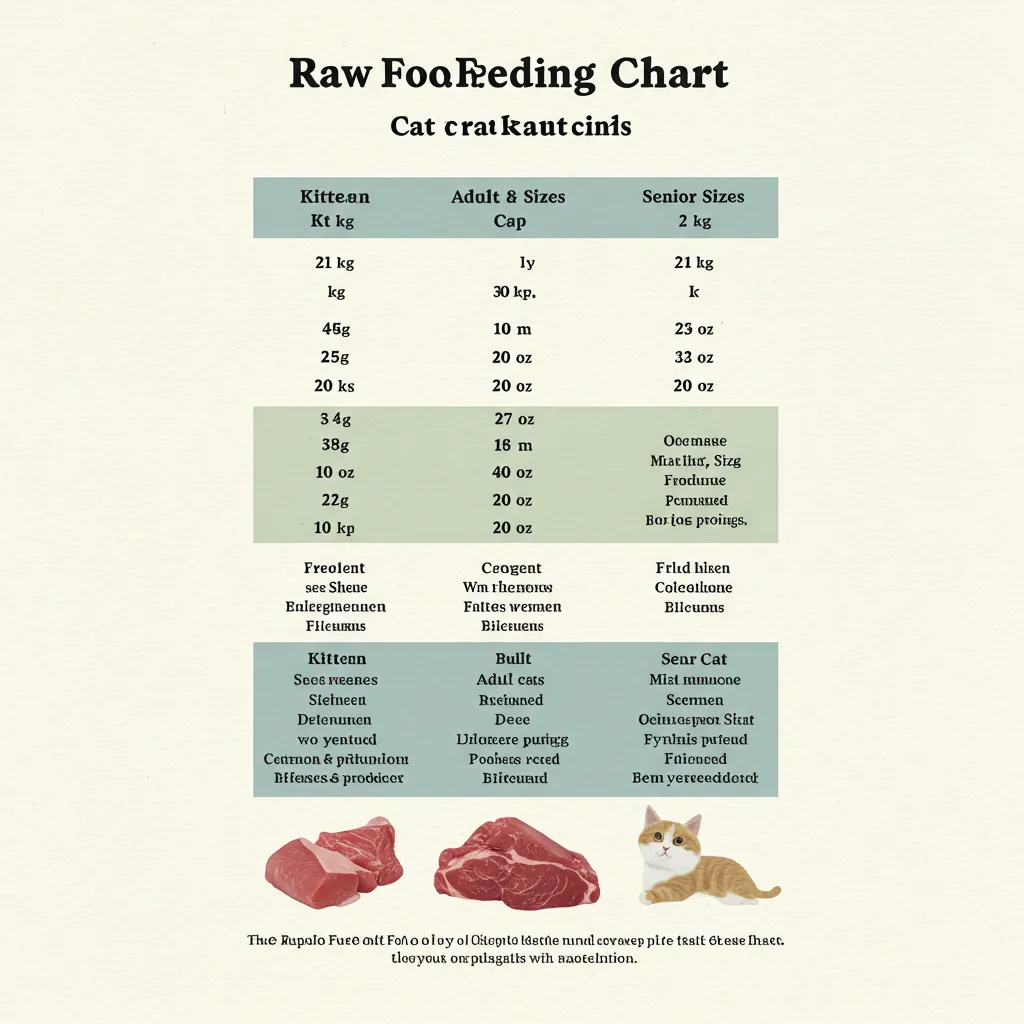
Here’s a cat feeding chart raw food:
| Cat Weight (lbs) | Daily Portion (oz) – Kitten | Daily Portion (oz) – Adult | Daily Portion (oz) – Senior |
|---|---|---|---|
| 5 | 4-8 | 1.6-3.2 | 1.2-2 |
| 10 | 8-16 | 3.2-6.4 | 2.4-4 |
| 15 | 12-24 | 4.8-9.6 | 3.6-6 |
Use this as a starting point; tweak for individual needs.
Raw Cat Food Calculator: Simplify Your Feeding Routine
A raw cat food calculator takes the guesswork out of portions. Input weight, age, and activity level for tailored amounts. Example: For a 10-pound adult, moderate activity: 4 ounces daily.
Online tools like those from Perfectly Rawsome or Bella & Duke make it easy. Factor in goals like weight loss for precise cat diet and health tips.
Best Raw Diet for Cats: Commercial or Homemade?
Choosing the best raw diet for cats depends on your lifestyle.
Top Commercial Raw Cat Food Brands
For convenience, try these best raw cat food brands in 2025:
- Stella & Chewy’s: 98% meat, freeze-dried options.
- Darwin’s Natural: Pre-portioned, balanced meals.
- Open Farm: Humanely sourced, sustainable.
- Steve’s Real Food: Affordable, complete formulas.

These ensure balance without the hassle.
Homemade Raw Cat Food Diet: Recipes and Portions
Homemade raw cat food meal prep saves money. A basic recipe:
- 3 lbs muscle meat (chicken/turkey)
- 14 oz heart
- 7 oz liver
- 2 cups water
- Supplements for balance
Grind, portion into 4-6 oz servings, freeze. Aim for 64% meat, 20% bones, 16% organs.
Vet-approved tip: Use premixes for safety.
Check our homemade raw cat food diet guide for more recipes.
Raw Feeding Advice for Cats: Practical Tips and Meal Prep
Start slow: Mix raw with current food, increasing gradually. Cat raw food meal prep involves batching weekly portions.
Tips:
- Thaw in fridge overnight.
- Handle hygienically to avoid bacteria.
- Monitor weight weekly.
- Introduce variety to prevent pickiness.
Community advice from X emphasizes patience during transitions.
Raw Food Diet Transformation Stories: Real Cat Wins
Raw food diet transformation stories abound. One owner shared their senior cat’s revival: “After raw, Ferguson’s energy soared in months.” Another: “Shinier coat, no more odor—raw saved my cat’s life.”
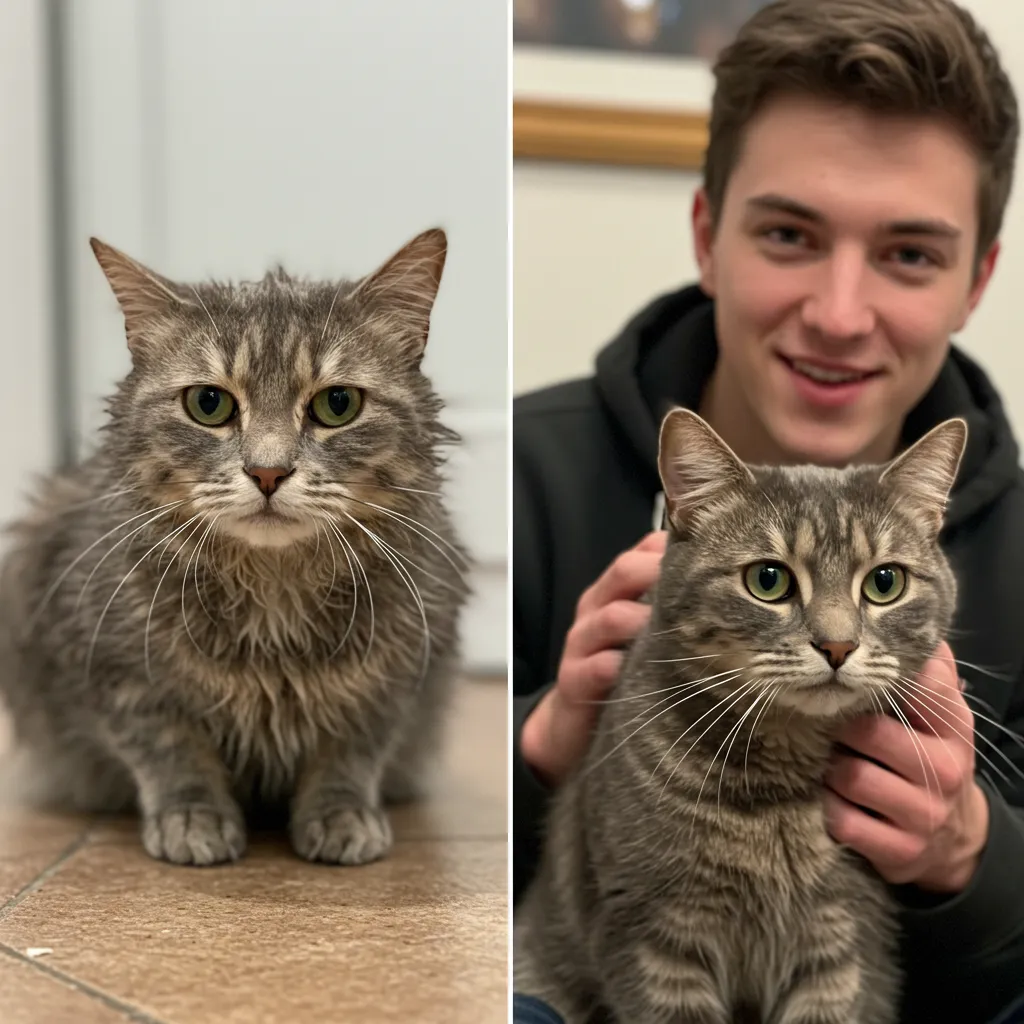
Cat raw food community advice highlights benefits like better digestion. These tales inspire, showing raw’s potential.
Addressing Risks in Raw Feeding for Cats
While beneficial, raw can carry pathogens. Mitigate with HPP-treated brands or freezing. No proven superior nutrition over balanced commercial, but many thrive. Vet check-ups ensure safety.
FAQ: Your Top Questions on Raw Food Portions for Cats
How much raw food should I feed my cat?
2-4% of body weight daily for adults; use a raw cat food calculator for precision.
What are the ideal food portions for kittens?
5-10% of body weight, in frequent small meals.
How much should I feed my adult cats?
3-6 ounces for a 10-pound cat, adjusted for activity.
Should I consult a veterinarian for feeding advice?
Yes, especially for health conditions or transitions.
What are the benefits of feeding cats a raw food diet?
Improved digestion, coat health, and energy; often outperforms commercial in community reports.
What is the conclusion about raw food portions for cats?
Tailored portions support optimal health—start with guidelines and monitor.
Conclusion: Empower Your Cat’s Health with Raw
Mastering raw food portions for cats unlocks a world of vitality for your pet. By following this raw cat food diet guide, you’re equipped to provide the best raw diet for cats, balancing nutritional needs with practical feeding guidelines. Remember, every cat is unique—listen to their cues and consult pros.
Ready for more? Explore more expert cat health guides on Cat Bloom Haven. Discover our cat nutrition and health section or learn about spaying a cat guide for holistic care.