How Many Treats Per Day for a Cat: Your Complete Feeding Guide to Portion Control, Calories, and Lifelong Health
Picture this: Your cat locks eyes with you, lets out that signature trill, and performs a perfect “figure-eight” around your ankles. One treat crumbles into your palm, then another before you know it, the bag is half-empty and guilt creeps in. Am I overdoing it? You’re not alone. Searching “how many treats per day for a cat” lands thousands of worried owners in the same spot every month.
The good news? You can spoil your feline without tipping the scales toward obesity or nutritional imbalance. In this science-backed cat treat feeding guide, you’ll discover the ideal number of treats for cats, master the 10% rule for cat treats, learn cat treat calories inside-out, and build a cat treat strategy that keeps tails wagging (well, swishing) for years.
Stick with me you’ll walk away with vet-approved numbers, breed-specific tweaks, low-calorie swaps, and even healthy homemade cat treats that cost pennies.
Key Takeaways
- General rule: Treats = max 10% of daily calories.
- Average 10-lb cat: 20–30 small treats OR 10–15 medium OR 5–8 large per day.
- Kittens & seniors: Reduce by 25–50%.
- Obese or diabetic cats: 0–5% treat calories; vet supervision mandatory.
- Always subtract treat calories from main meals to avoid weight gain.
Bookmark this page—your cat’s waistline will thank you.
Step 1: Decode Your Cat’s Daily Calorie Needs
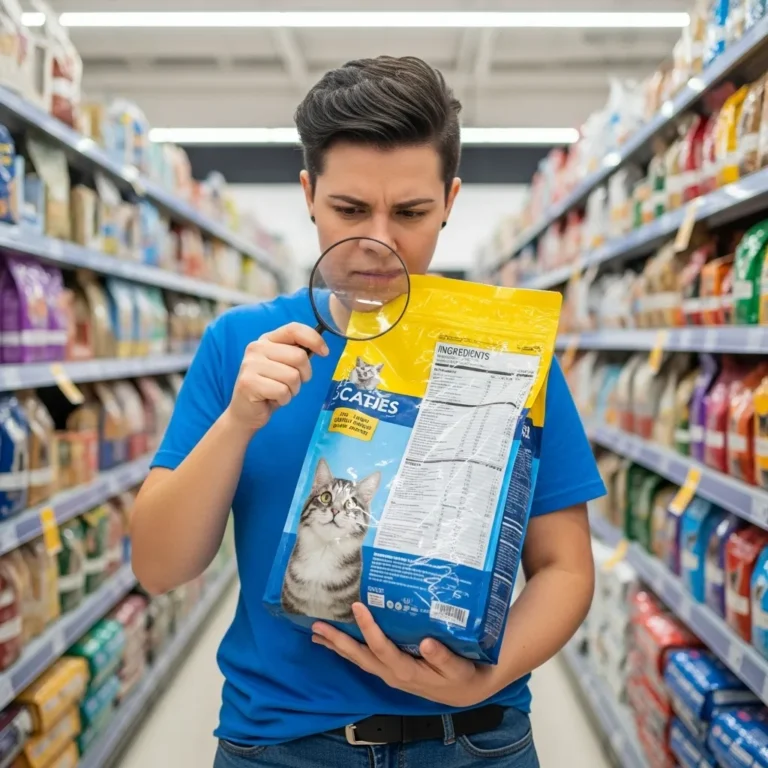
Every smart cat treat portion starts with one number: total daily energy requirement (DER). Skip this, and you’re flying blind.
Quick DER Formula (Vet-Approved)
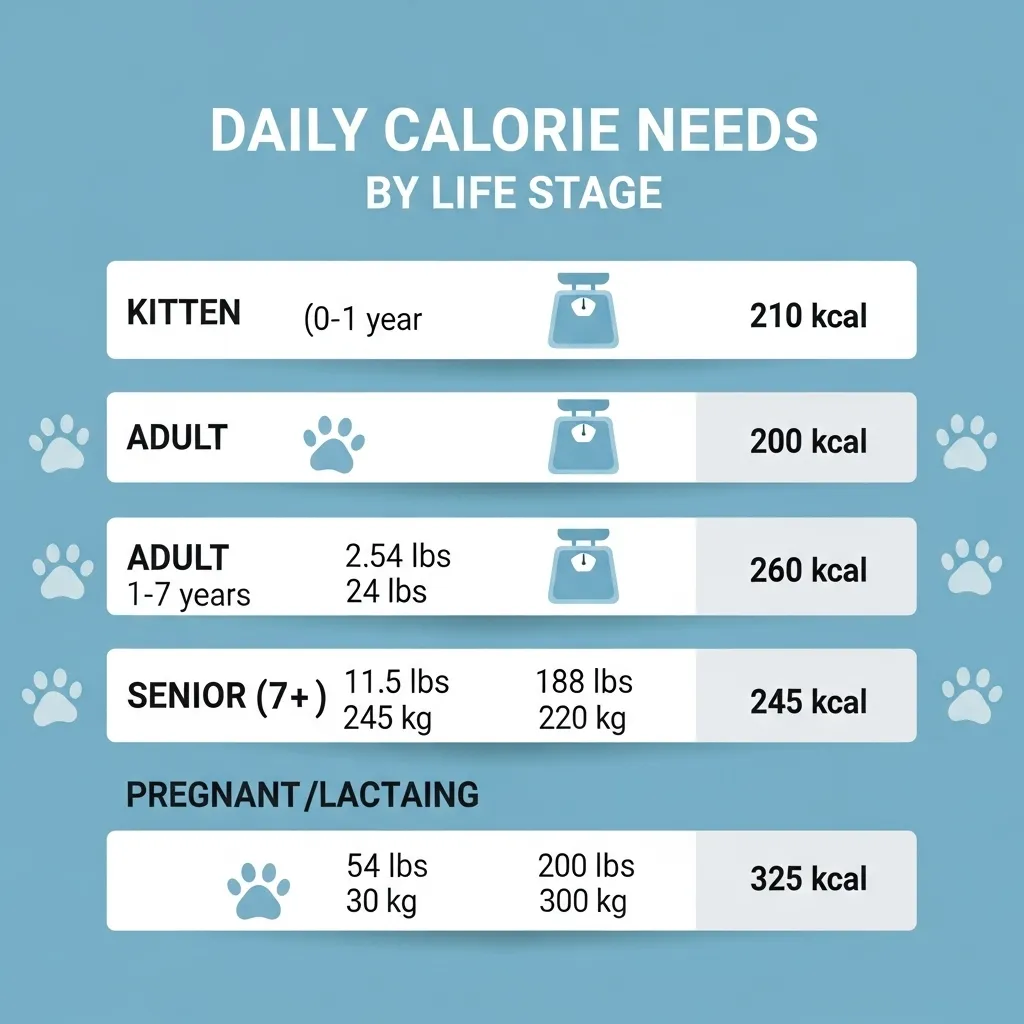
- Resting Energy Requirement (RER) = 30 × (body weight in kg) + 70
- Daily calories = RER × life-stage multiplier
| Life Stage | Multiplier | Example: 4.5 kg (10 lb) Cat |
|---|---|---|
| Intact adult | 1.4 | 180–200 kcal |
| Neutered adult | 1.2 | 150–180 kcal |
| Weight loss | 1.0 | 130–150 kcal |
| Kitten (4–12 mo) | 2.0–2.5 | 300–400 kcal |
| Senior (10+ yr) | 1.1 | 140–160 kcal |
Pro tip: Use our cat hydration calculator or 7-month-old cat weight guide to cross-check growth curves.
The Golden 10% Rule for Cat Treats Why It Works
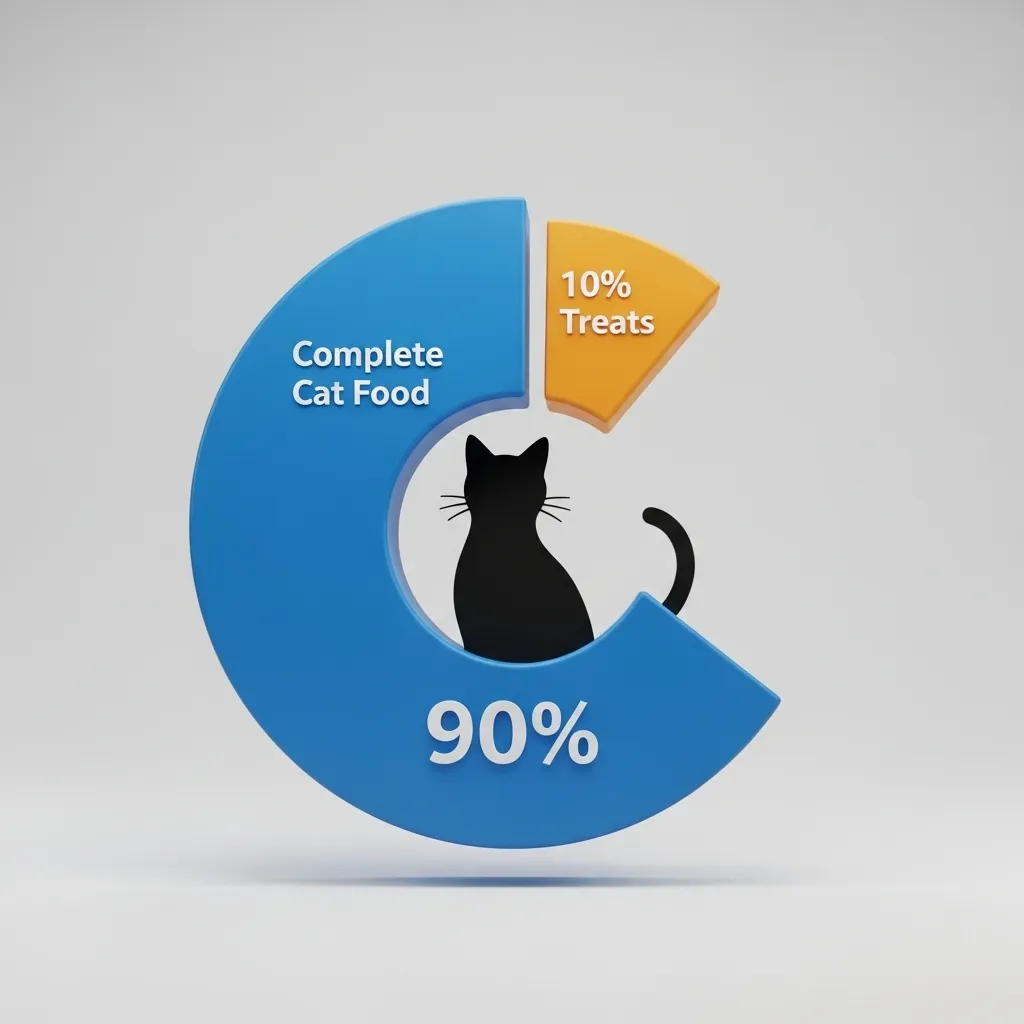
Veterinary nutritionists worldwide swear by this: Treats must never exceed 10% of total calories. Why? Because commercial cat foods are complete and balanced. Extra calories from treats displace essential nutrients and pile on fat.
Math in Action
- Neutered 10-lb cat = 180 kcal/day
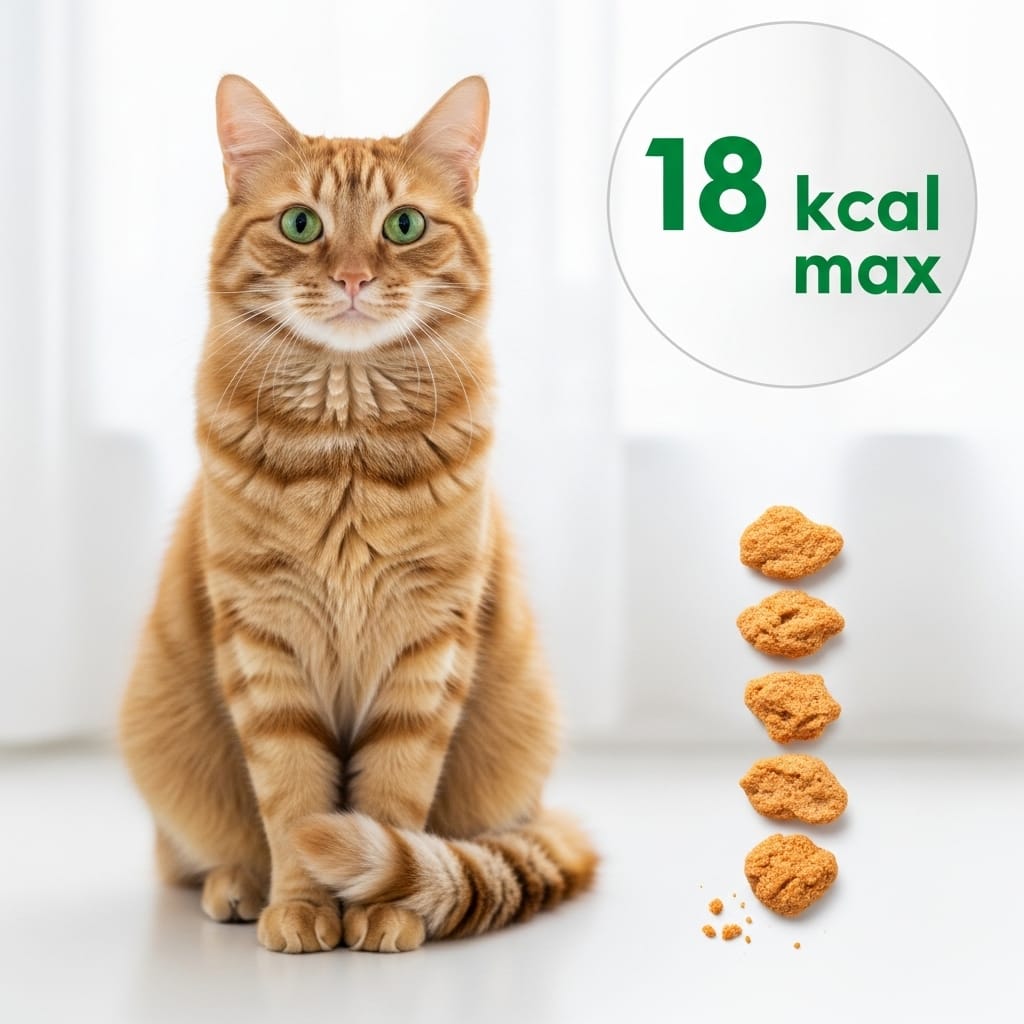
- Treat budget = 18 kcal
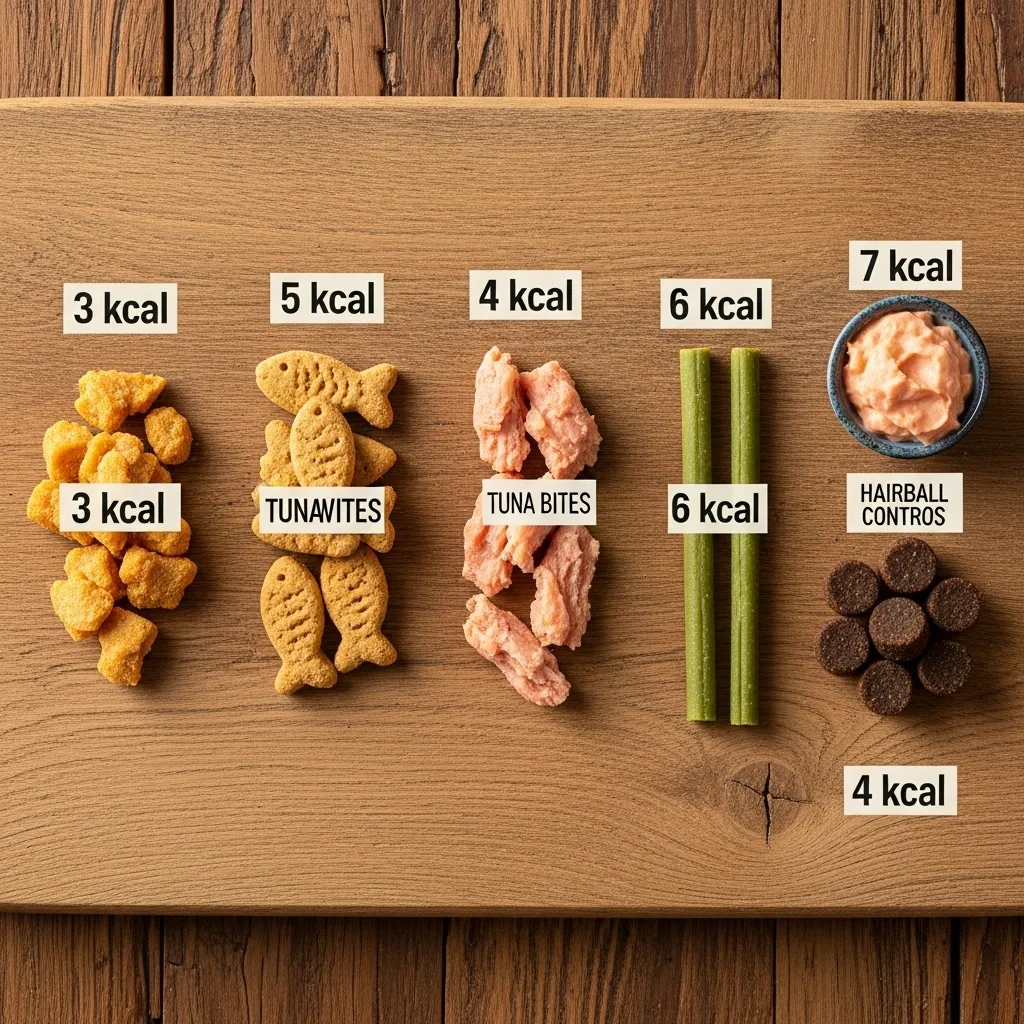
- One popular freeze-dried chicken treat (1 piece) = 3 kcal
- Safe daily limit = 6 pieces
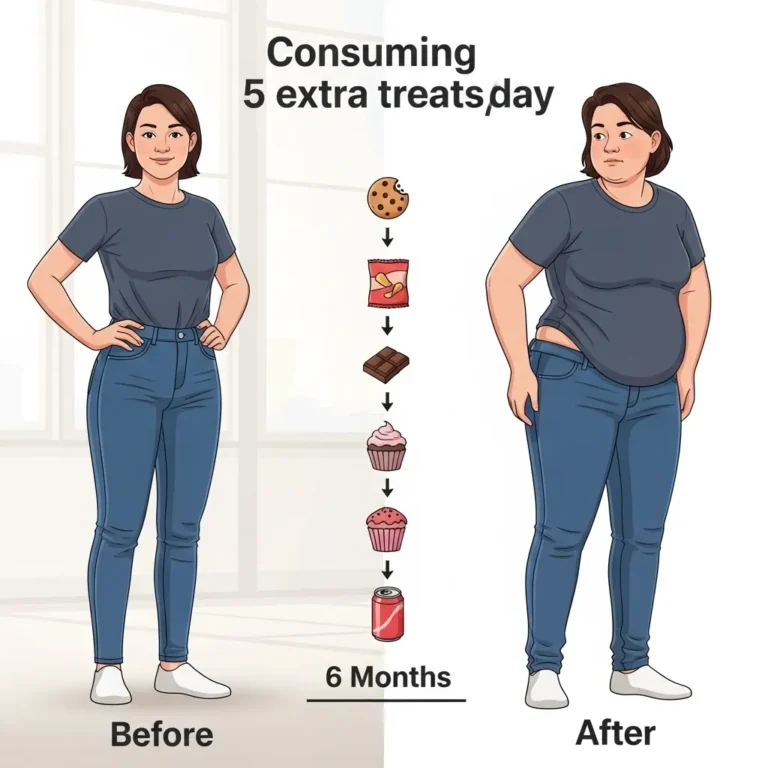
Break the 10% barrier consistently, and you invite cat obesity—linked to diabetes, arthritis, and 2–5 years shaved off lifespan.
Cat Treat Calories: A Cheat-Sheet Table
| Treat Type | Calories per Piece | Max Pieces (10-lb Cat, 18 kcal budget) |
|---|---|---|
| Tiny training kibble | 1–2 kcal | 9–18 |
| Freeze-dried meat | 3–5 kcal | 3–6 |
| Dental chews (medium) | 15–20 kcal | 1 |
| Soft moist treats | 2–4 kcal | 4–9 |
| Greenies dental (small) | 1.4 kcal | 12 |
| DIY boiled chicken cube (0.1 oz) | 5 kcal | 3–4 |
Source: Label scans + USDA poultry data, 2025.
How Often to Give Cat Treats: Timing > Quantity
Frequency matters as much as amount. Random handfuls spike insulin and teach begging. Instead:
- Split the daily budget into 2–4 mini-sessions.
- Use treats as training currency—clicker sessions burn mental energy.
- Evening “wind-down” treat prevents 3 a.m. zoomies.
Real owner story: Sarah’s Bengal used to yowl at 2 a.m. for food. She switched to 3 treats post-playtime at 9 p.m.—problem solved in 72 hours. Read more in Bengal cat personality.
Breed-Specific Treat Tweaks
| Breed | Avg Weight | Daily kcal | Treat Budget | Notes |
|---|---|---|---|---|
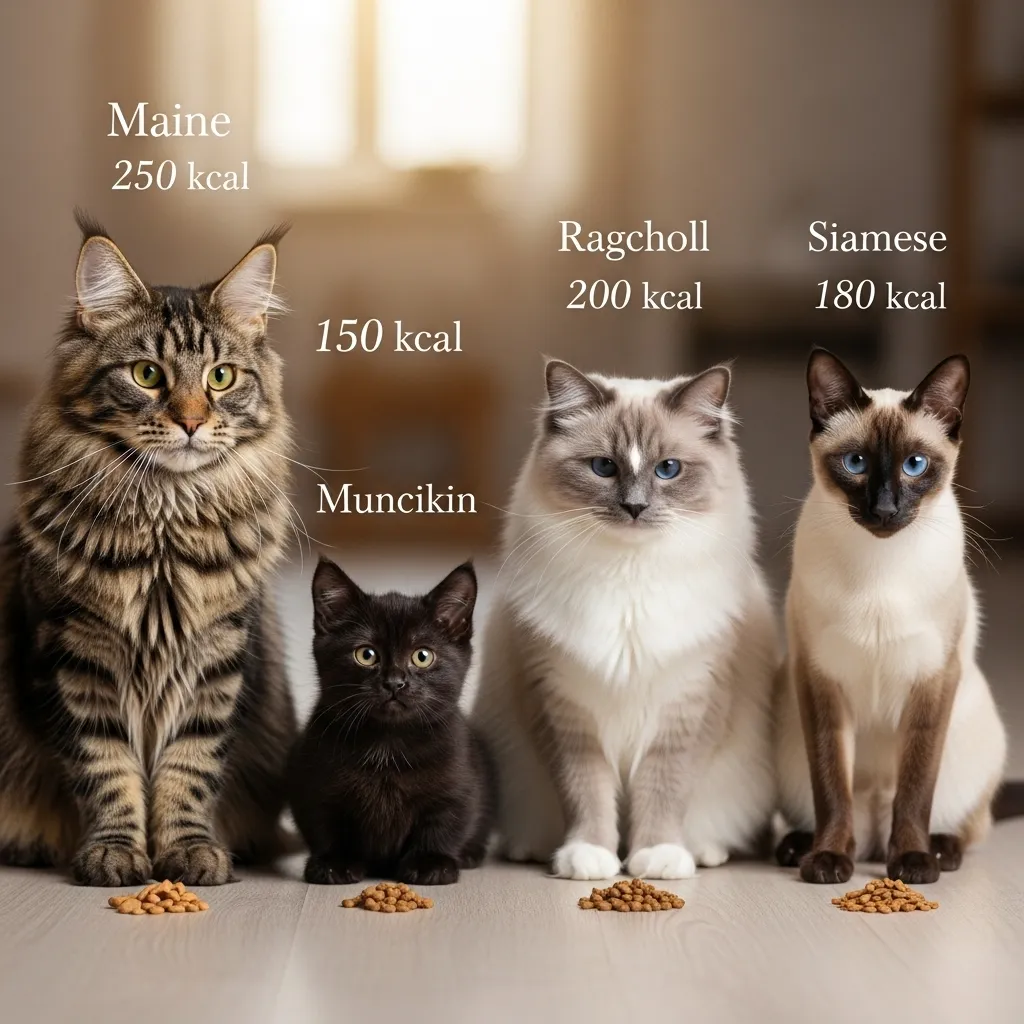
| Maine Coon | 15–20 lb | 250–320 | 25–32 kcal | High metabolism; okay to lean toward 12%. |
| Munchkin | 6–9 lb | 140–180 | 14–18 kcal | Prone to joint issues—low-calorie only. |
| Ragdoll | 12–20 lb | 200–300 | 20–30 kcal | Lazy loungers; enforce 8% max. See Ragdoll cat obesity guide. |
| Siamese | 8–12 lb | 160–220 | 16–22 kcal | Vocal beggars—use puzzle feeders. |
Healthy Cat Treat Limit for Special Cases
Kittens (Under 1 Year)
- Rapid growth = higher baseline calories.
- Cap treats at 5–7% to protect developing kidneys.
- Choose kitten-formula treats with DHA.
Senior Cats (10+ Years)
- Metabolism drops 20%.
- 5% treat calories max.
- Prioritize joint-support treats (glucosamine).
Overweight Cats
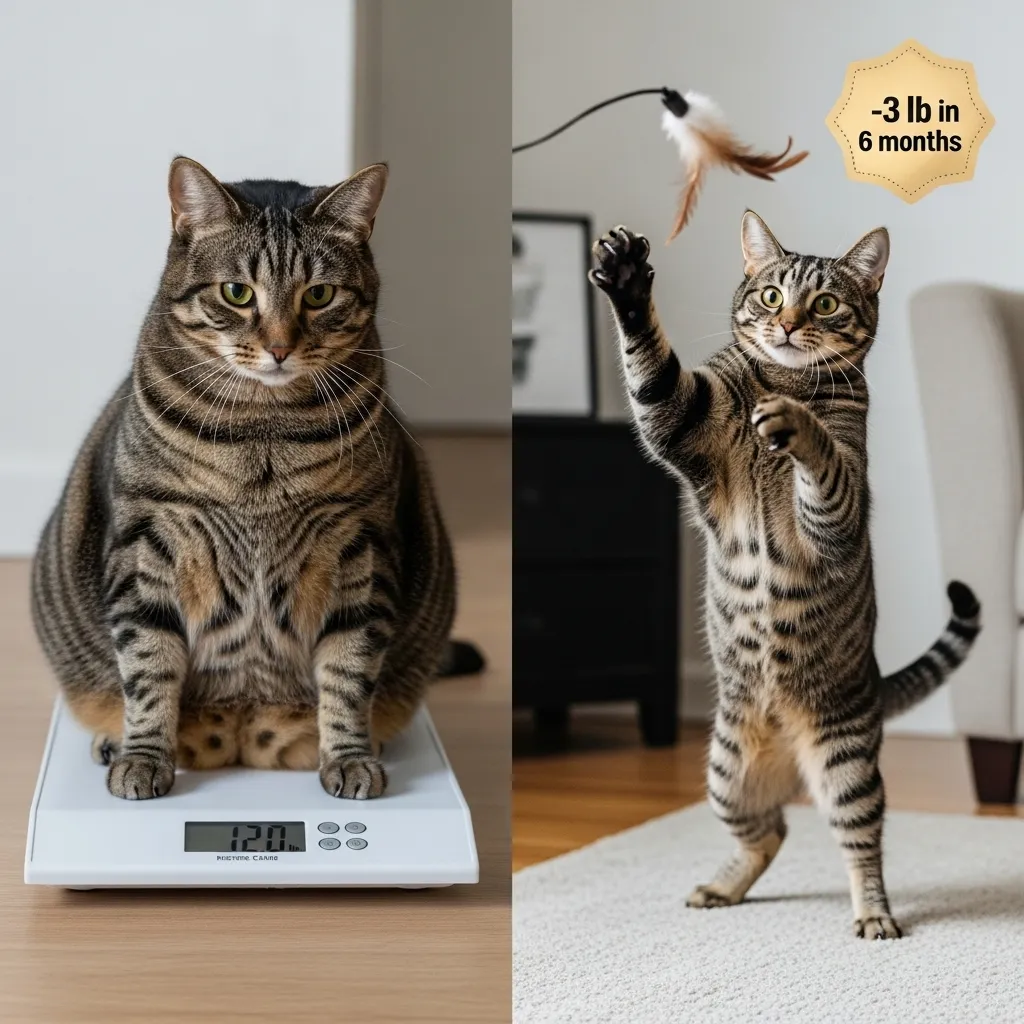
- Vet calculates weight-loss DER (often 130 kcal for 10-lb cat).
- Treats = 0–2 kcal per day or switch to cucumber slices (0.1 kcal each).
Diabetic Cats
- Zero-carb treats only (pure meat).
- Max 2–3 kcal/day under vet supervision.
Safe Treats for Cats vs. Foods to Avoid
Green-Light Human Foods (Portion-Controlled)
| Food | Safe Amount | Calories |
|---|---|---|
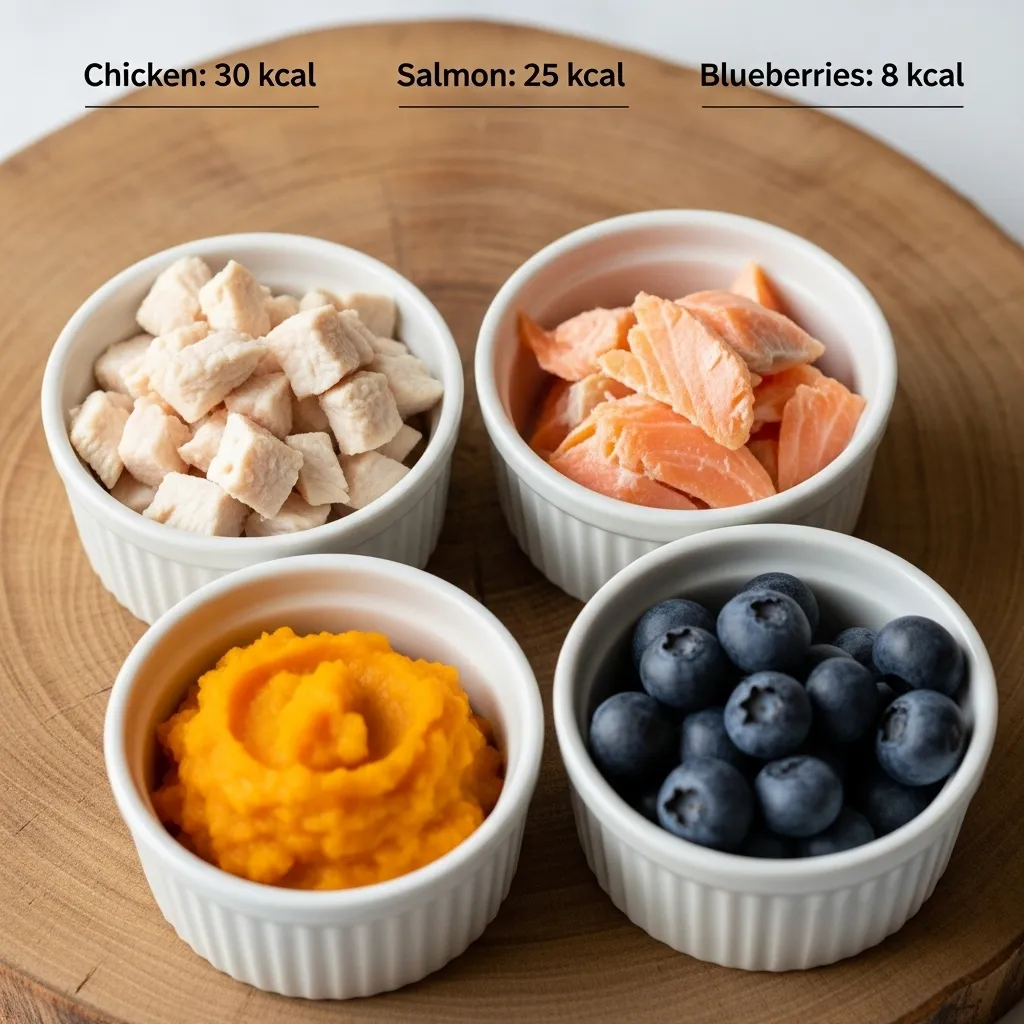
| Cooked chicken (plain) | 1-inch cube | 15 kcal |
| Salmon (cooked, no bones) | 0.5 tsp flakes | 10 kcal |
| Pumpkin puree | 1 tsp | 5 kcal |
| Blueberries | 2–3 berries | 3 kcal |
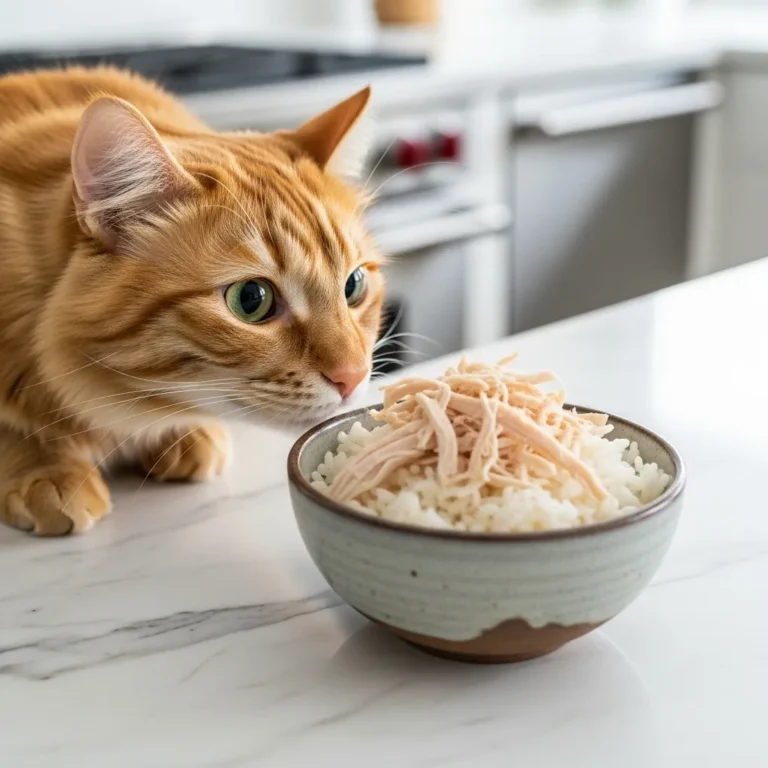
DIY cat snack alert: Blend pumpkin + chicken broth, freeze in tiny molds. Full recipe in our healthy homemade cat treats guide.
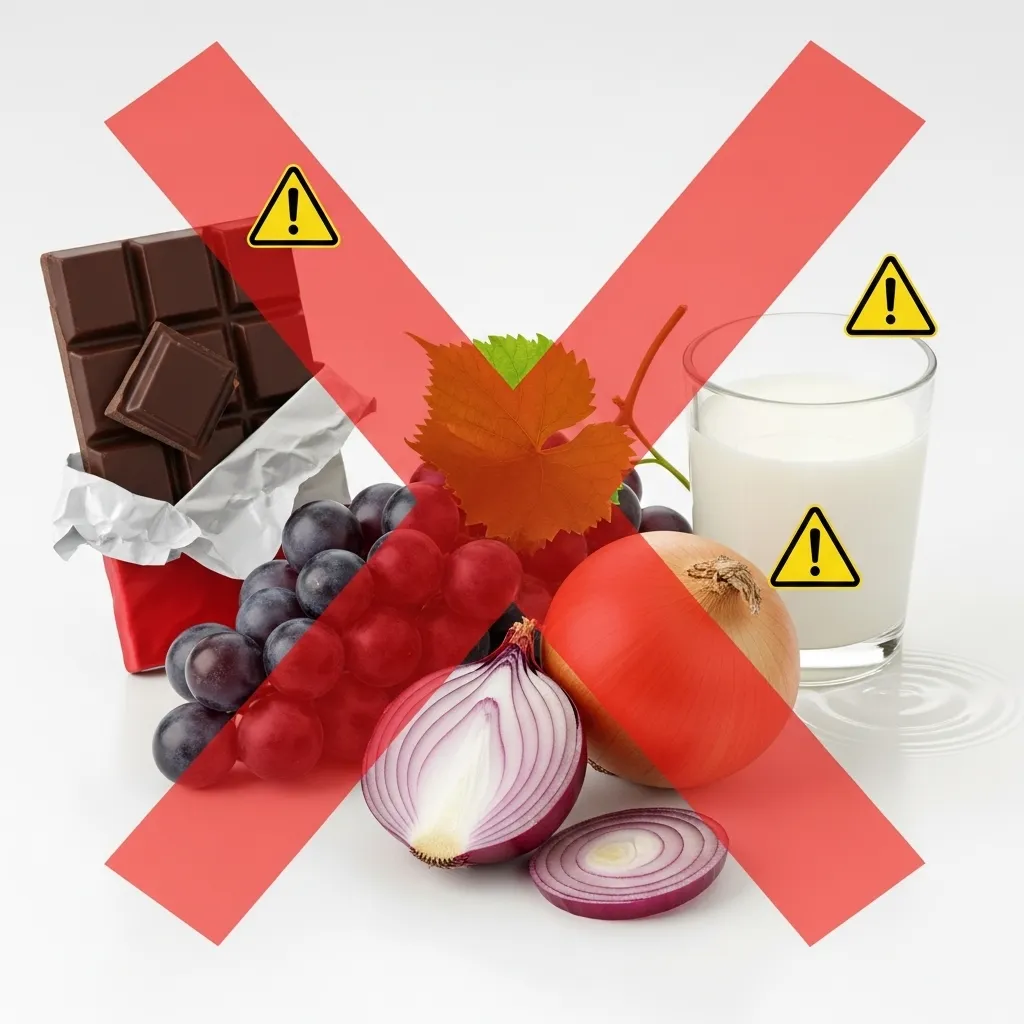
Red-Light Foods (Never Share)
- Chocolate, xylitol, onions, garlic, grapes, raisins
- Raw dough, macadamia nuts, alcohol
- Dairy (lactose intolerance in 80% of adults)
Low-Calorie Cat Treats: 2025 Vet-Approved Picks
- PureBites Freeze-Dried Chicken – 1 kcal per piece
- Greenies Feline Dental (Ocean Fish) – 1.4 kcal, cleans teeth
- Vital Essentials Mini Nibs – 2 kcal, grain-free
- Inaba Churu Purees – 6 kcal/tube, hydration boost
- DIY ice cube broth – <1 kcal, zero waste
Find grain-free options in grain-free cat treats.
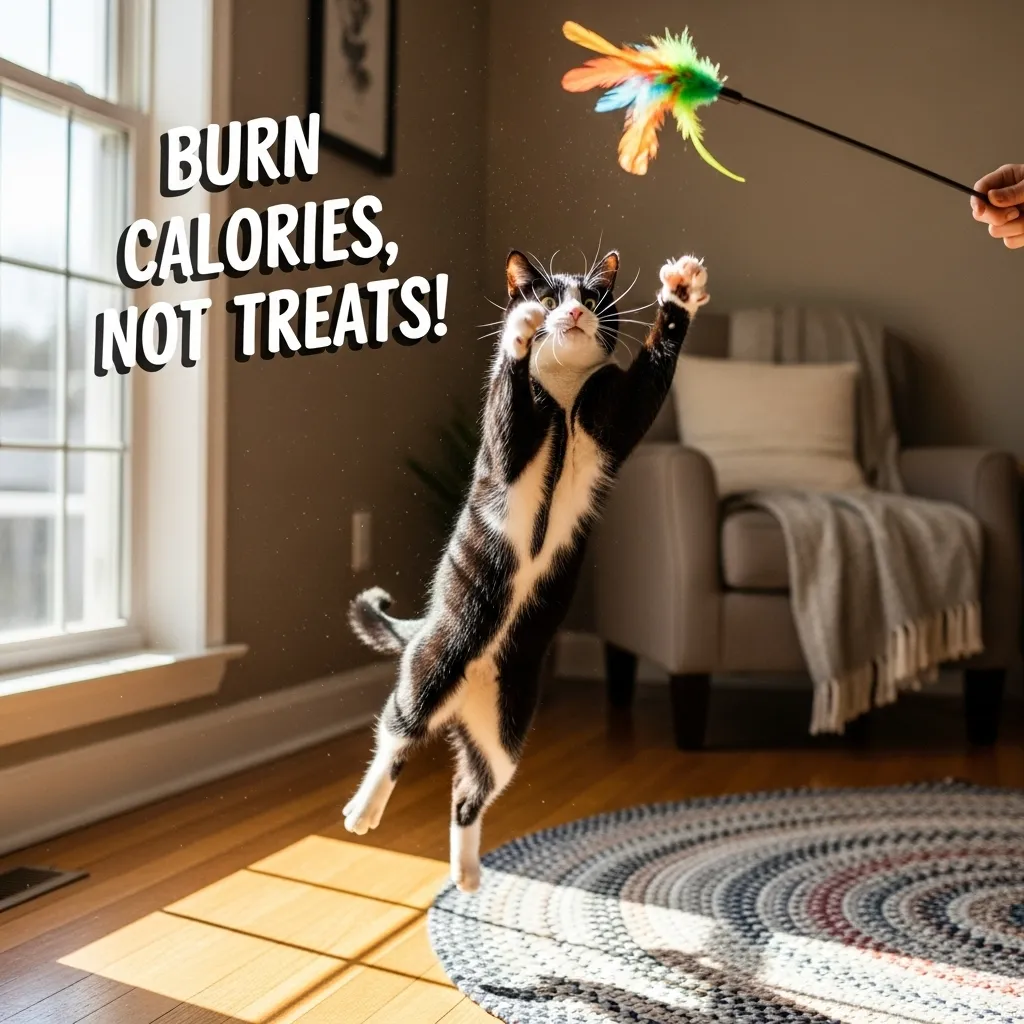
Treat Alternatives for Cats: Love Without Calories
- Interactive play – 5-min laser chase = 10 kcal burned.
- Catnip sprinkles – 1/4 tsp in a sock toy.
- Cardboard box forts – free enrichment.
- Gentle chin scratches – zero calories, max purrs.
Explore teach cat to fetch for calorie-free bonding.
Building Your Cat Treat Strategy in 5 Steps
- Weigh your cat monthly – use baby scale or vet visits.
- Calculate DER (use table above).
- Pick 1–2 treat types – rotate flavors weekly to prevent pickiness.
- Log treats in an app (Pet Diary, free).
- Adjust quarterly – growth, spay/neuter, or seasonal coat changes shift needs.
Cat Obesity Prevention: Beyond the Treat Bowl
- 90% of calories from complete food (best wet cat food).
- Two measured meals + puzzle feeder for mental stimulation.
- Daily 10-min play – prevents 15–20 extra pounds over lifetime.
- Annual bloodwork – catches thyroid or diabetes early.
FAQ: Rapid-Fire Answers for Google Snippets
How many treats per day for a cat?
10% of daily calories—roughly 5–15 pieces for a 10-lb neutered adult.
What’s the 10% rule for cat treats?
Treat calories ≤ 10% of total daily energy to maintain nutrient balance.
Can I give my cat human food as treats?
Yes—plain cooked chicken, salmon, or pumpkin in tiny portions. Avoid toxic foods.
How often to give cat treats?
2–4 times daily, tied to training or play to curb begging.
How do I calculate cat treat calories?
Check packaging or use USDA values; subtract from meal kibble.
Are grain-free cat treats better?
Not inherently—focus on calories and single-ingredient formulas.
What are healthy homemade cat treats?
Boiled chicken cubes, frozen tuna water, or pumpkin puree bites.
How many treats for indoor cats?
Same 10% rule, but lean toward 8% since activity is lower.
Final Whisker: Your Cat Deserves Balance, Not Guilt
Treats are love in edible form—but portion control is the ultimate act of care. Nail the 10% rule, choose low-calorie cat treats, and sprinkle in playtime, and you’ll gift your cat a longer, leaner, happier life.
Ready for more? Dive deeper into feline wellness:
Explore every purr-fect guide at Cat Bloom Haven—because your cat’s health starts with you.
Share this guide with a fellow cat parent—together, we keep tails high and waistlines trim. 🐾