The Delicate Balance: How Treats Affect Your Cat’s Overall Nutritional Health
Key Takeaways at a Glance
Before we dive deep, here’s what every cat owner should understand about treats and nutritional balance:
- Treats should never exceed 10% of your cat’s daily caloric intake
- Unbalanced treat-giving can lead to obesity, nutritional deficiencies, and behavioral issues
- The timing, frequency, and quality of treats matter as much as the quantity
- Commercial treats vary wildly in nutritional value reading labels is non-negotiable
- A strategic treat plan can actually enhance your cat’s diet and strengthen your bond
Introduction: The Tempting Dilemma Every Cat Owner Faces
You open the cabinet, and immediately you hear it the familiar thump as paws hit the floor, followed by the insistent chirp-meow that means one thing: “Treat time.” That eager face, those pleading eyes it’s hard to resist. We give treats to show love, to reward good behavior, to apologize for being gone all day, or simply because it brings us joy to see their delight.
But beneath this simple daily ritual lies a complex nutritional equation that many cat owners overlook. How treats affect a cat’s overall nutritional balance isn’t just about counting calories it’s about understanding how those extra bites influence everything from kidney function to metabolic rate, from coat quality to digestive health.
The truth is, those tiny morsels wield disproportionate power. Get the balance right, and treats become a tool for enrichment and bonding. Get it wrong, and you risk turning a healthy diet into a nutritional disaster, one crunchy fish-shaped bite at a time.
This comprehensive guide will transform how you think about feline treats, moving beyond guilt or restriction to strategic, health-enhancing treat practices. Whether your cat is a food-motivated Bengal or a discerning Persian, the principles here will help you navigate the treat landscape with confidence and science-backed wisdom.
The Nutritional Foundation: Understanding What “Balance” Really Means
The Complete and Balanced Diet: More Than a Marketing Term
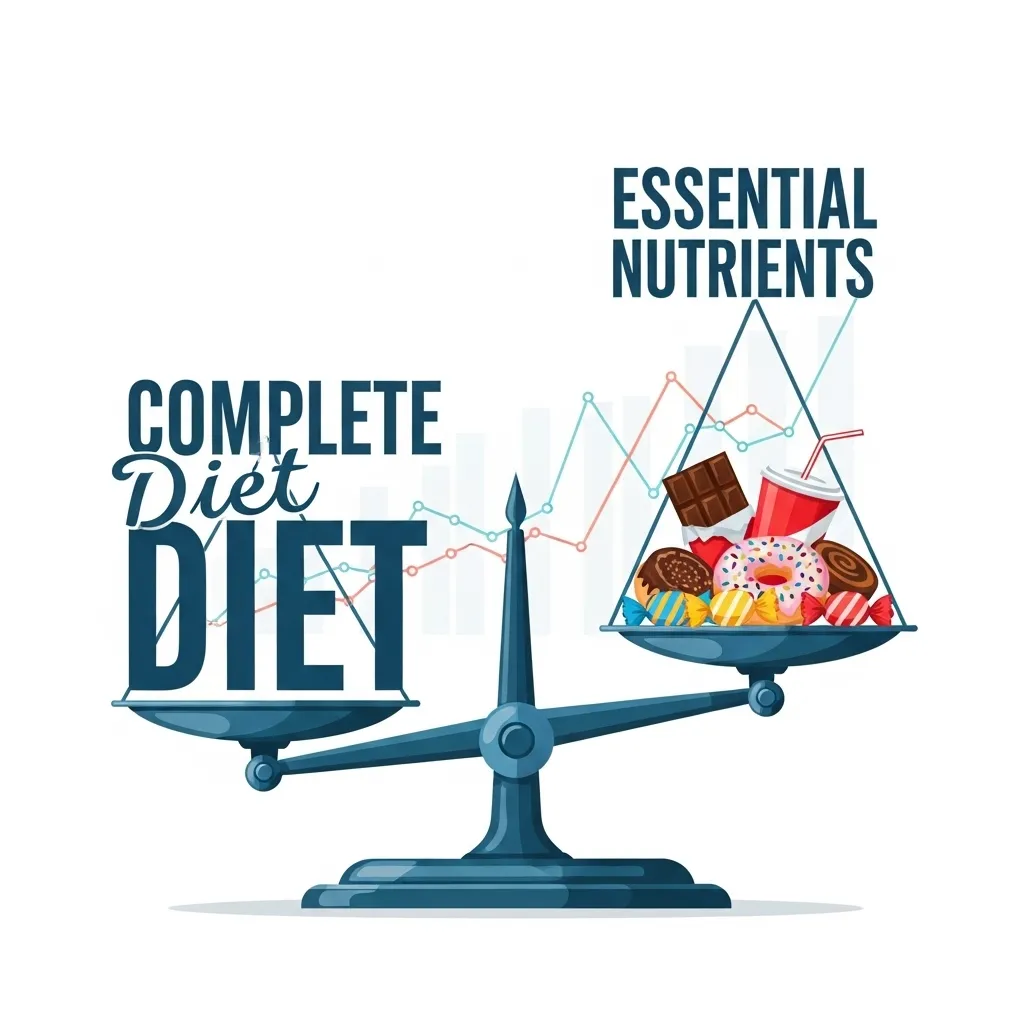
When you see “complete and balanced” on cat food labels, it refers to meeting the Association of American Feed Control Officials (AAFCO) nutrient profiles. These standards ensure that a diet provides all essential nutrients in proper proportions for a specific life stage. Think of it as a carefully calibrated recipe too much or too little of any ingredient throws off the entire dish.
Macronutrients: The Big Three That Matter
- Protein (30-45% of diet): Essential for muscle maintenance, organ function, and energy. Cats are obligate carnivores their bodies are designed to run on protein.
- Fat (15-20%): Provides concentrated energy, supports skin and coat health, and aids in nutrient absorption.
- Carbohydrates (Minimal requirement): Unlike humans, cats have no biological need for carbs. Many commercial treats are surprisingly high in carbs and fillers.
Micronutrients: The Unsung Heroes
Taurine, arginine, calcium, phosphorus, vitamins A, D, E these micronutrients must exist in precise ratios. Too much calcium interferes with phosphorus absorption. Too little taurine causes heart and eye problems. When treats displace regular food, they disrupt these delicate balances.
Expert Insight: “A common misconception is that ‘a little won’t hurt.’ But with nutrients like calcium and phosphorus, the ratio matters more than the absolute amount. Even small amounts of imbalanced treats can disrupt this critical balance over time,” explains veterinary nutritionist Dr. Sarah Chen.
The Calorie Conundrum: When “Just a Few” Adds Up
Understanding Feline Caloric Needs
An average 10-pound indoor cat needs approximately 200-250 calories daily. That’s not much when you consider:
- One commercial dental treat: 8-12 calories
- One teaspoon of plain chicken: 15 calories
- One piece of fish-shaped treat: 2-3 calories
- One dollop of cat yogurt: 20 calories
If you give five dental treats (50 calories), you’ve just consumed 20-25% of your cat’s daily calorie budget. Do this twice daily, and treats become half their nutrition almost always with inadequate protein and essential nutrients.
The Silent Weight Gain
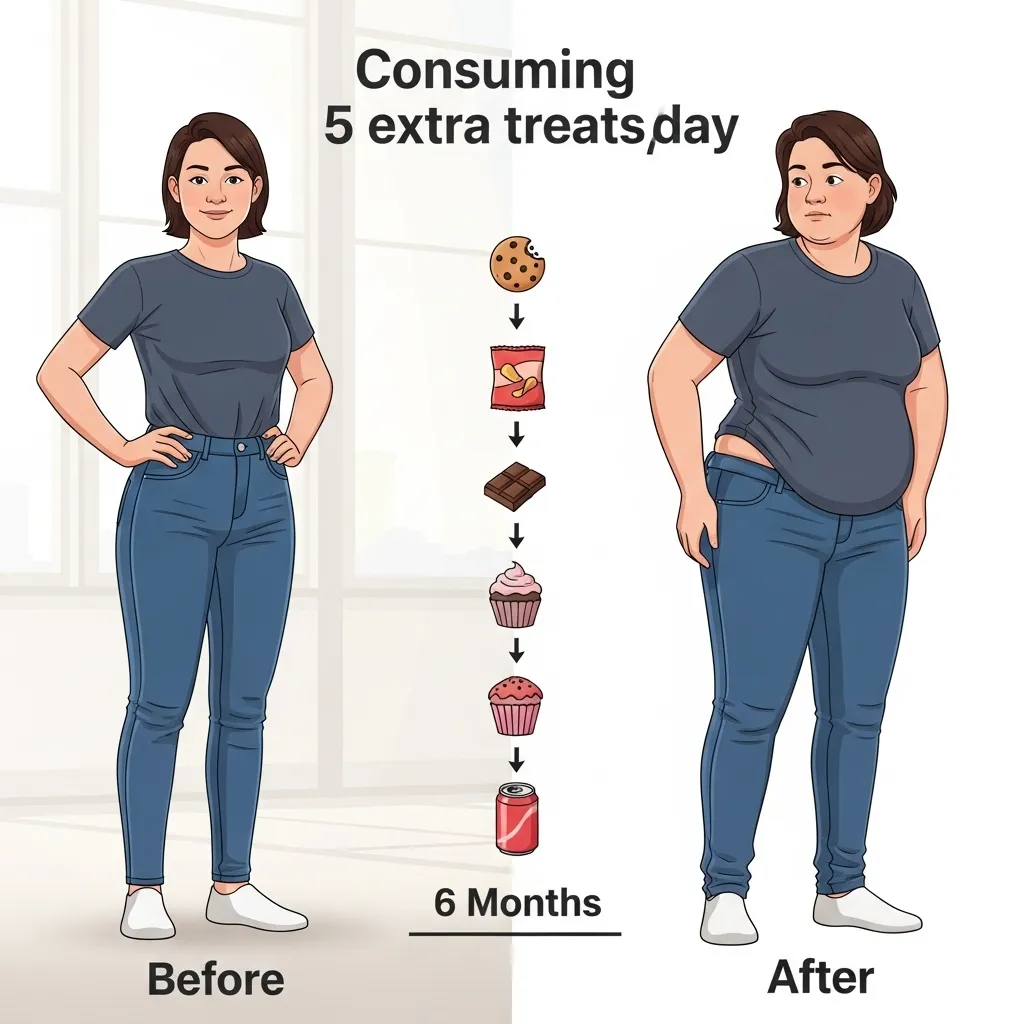
Cats gain weight insidiously just 10 extra calories per day leads to a one-pound gain per year. Since most owners don’t weigh their cats monthly, the change happens gradually, often blamed on “slowing metabolism” rather than treat habits.
Real-Life Example: Oliver’s Story
Oliver, a 7-year-old domestic shorthair, gained two pounds in 18 months. His owner swore she hadn’t changed his diet. A food diary revealed the culprit: new neighbors who gave Oliver treats whenever he visited, plus dental treats from his owner. The extra 45 daily calories seemingly insignificant created the entire weight gain.
The Quality Spectrum: Not All Treats Are Created Equal
Decoding Treat Labels: What to Look For and Avoid
High-Quality Indicators:
- Named protein source as first ingredient (e.g., “salmon,” “chicken liver”)
- Limited ingredients (5-7 ideal)
- Appropriate moisture content (for dental health)
- Added nutritional benefits (like vitamins or omega-3s)
Red Flags:
- “Meat by-products” as primary ingredient
- Artificial colors, flavors, or preservatives (BHA, BHT, ethoxyquin)
- Excessive carbohydrates (corn, wheat, soy high on ingredient list)
- Sugar, caramel, or molasses (cats can’t taste sweetness these are for human appeal)
The Functional Treat Category
Some treats serve purposes beyond pleasure:
- Dental treats: Reduce tartar through mechanical action
- Hairball control treats: Contain fibers or lubricants
- Joint health treats: Include glucosamine and chondroitin
- Calming treats: Incorporate ingredients like L-tryptophan
Important Caveat: These aren’t replacements for proper dental care, grooming, veterinary joint supplements, or behavioral training. They’re supplemental at best. Discover more about specialized cat nutrition in our guide to cat food for specific health conditions.
The Behavioral Dimension: How Treats Shape Cat Behavior
Positive Reinforcement vs. Bribery
There’s a critical distinction:
- Positive reinforcement: Treat given immediately after desired behavior, strengthening that behavior
- Bribery: Treat shown before behavior, teaching cats to only comply when treats are visible
Pro Strategy: For training, use tiny, low-calorie treats (even a piece of kibble from their daily allowance). Keep sessions short 2-3 minutes maximum. Learn advanced training techniques in our article on how to teach your cat to fetch.
The Demanding Cat Phenomenon
When treats become predictable (“every time I meow by the cabinet”) or excessive, cats learn to demand them. This can escalate to incessant meowing, pawing, or even aggression. The solution isn’t elimination but randomization sometimes treat, sometimes praise, sometimes play.
Emotional Feeding: The Human Side of the Equation
We project our emotions onto our cats: “She looks sad, I’ll give her a treat,” or “I feel guilty for working late.” Recognizing these patterns is the first step toward more mindful treat-giving.
Life Stage Considerations: One Size Doesn’t Fit All
Kittens: Building Healthy Habits
Kittens have higher calorie needs but smaller stomachs. Treats should be:
- Extra small (to prevent choking)
- Highly digestible
- Nutrient-dense (supplementing their rapid growth needs)
- Limited to 5% of daily calories
Adult Cats: Maintenance Mode
The classic “less is more” applies. Focus on quality over quantity. Consider interactive treat puzzles that provide mental stimulation. Learn about keeping your cat entertained without overfeeding in our guide to enrichment for indoor cats.
Senior Cats: Special Considerations
- Dental issues: Soft treats may be necessary
- Reduced kidney function: Lower phosphorus treats preferred
- Decreased activity: Fewer calories needed overall
- Medical conditions: May require prescription treats
Crucial Note: Senior cats with chronic conditions like kidney disease or diabetes need specially formulated treats. Never give regular treats to a cat on a therapeutic diet without veterinary approval.
The Health Impact: When Treats Become Problematic
Direct Nutritional Deficiencies
When treats displace balanced food, cats miss essential nutrients. Common deficiencies from treat-heavy diets include:
- Taurine: Leading to dilated cardiomyopathy and vision loss
- Vitamin A: Causing skin issues and poor night vision
- Essential fatty acids: Resulting in dull coat and skin inflammation
Obesity and Its Cascade Effect
Excess weight isn’t just cosmetic; it’s the gateway to:
- Diabetes mellitus (highly correlated with obesity in cats)
- Arthritis and mobility issues
- Hepatic lipidosis (fatty liver disease)
- Urinary tract diseases
- Reduced life expectancy
Our comprehensive guide to cat obesity explores prevention and management strategies.
Digestive Disruption
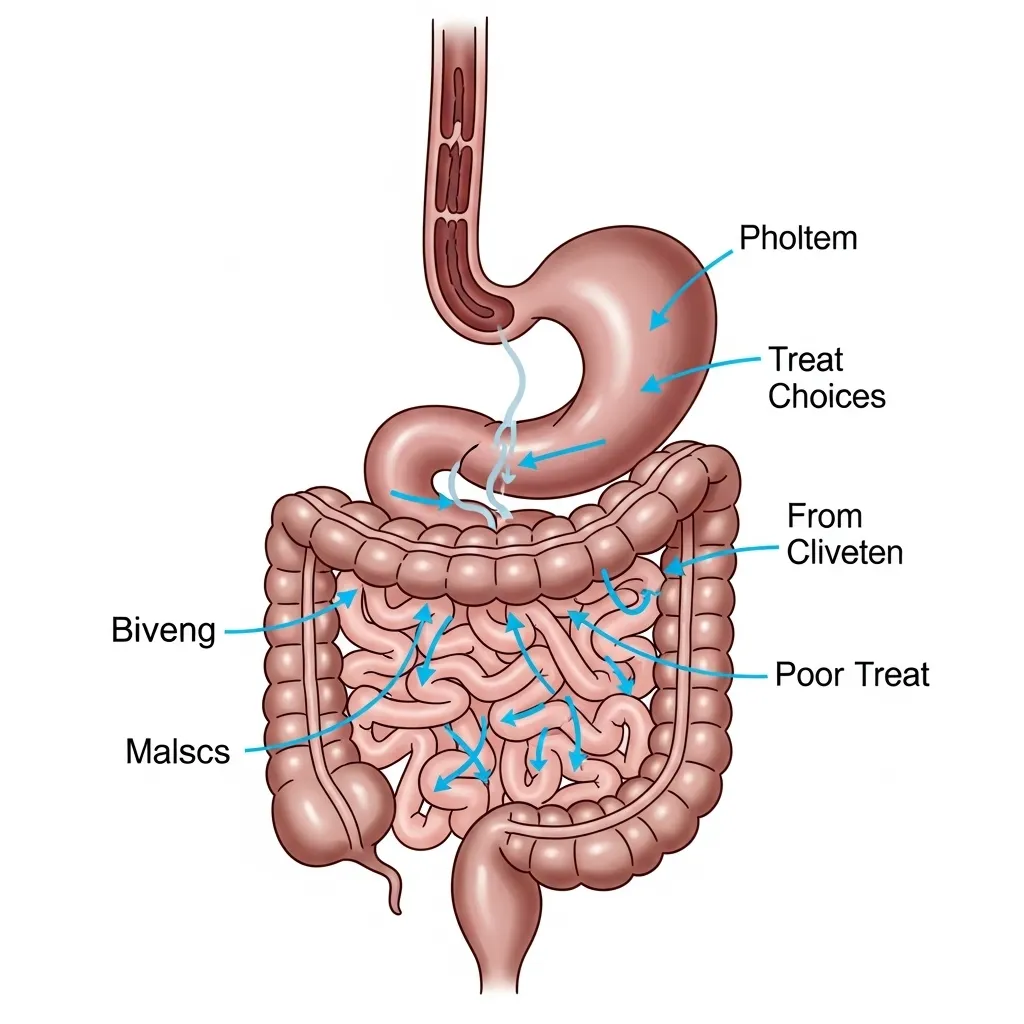
Sudden treat introductions or high-fat treats can cause:
- Pancreatitis (inflammation of the pancreas)
- Inflammatory bowel disease flare-ups
- Diarrhea or constipation
Dental Deception
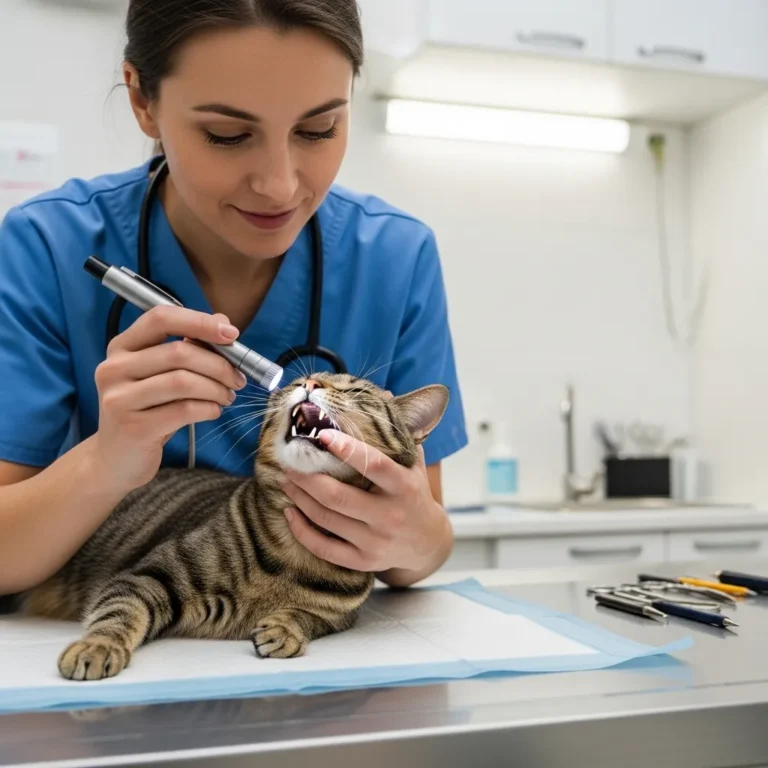
Many owners believe crunchy treats clean teeth. While some dental treats have proven efficacy (look for VOHC approval), most regular crunchy treats simply break apart without providing cleaning action. Worse, some sticky treats actually promote tartar buildup. True dental health comes from brushing, dental diets, and professional cleanings.
The Strategic Approach: Creating a Healthy Treat Plan
The 10% Rule Reimagined
Instead of thinking “10% of calories,” think “10% of feeding interactions.” If you feed your cat twice daily, that’s 14 meals weekly. Treats should comprise 1-2 of those “meal equivalents” in nutritional consideration.
Timing Matters: Integrating Treats into the Daily Routine
- Training sessions: Use smallest pieces possible
- Medication administration: Hide pills in special treats only used for this purpose
- Environmental enrichment: Scatter treats for foraging
- Relationship building: Hand-feed occasionally to build trust
Quality Control: Homemade vs. Commercial
Homemade Treat Advantages:
- Complete ingredient control
- No preservatives or additives
- Can tailor to specific preferences or needs
Simple Recipe: Bake thin slices of chicken breast at 250°F until dry and chewy. Store in refrigerator for up to one week.
Commercial Treat Advantages:
- Convenience
- Consistent nutrition (if high-quality)
- Special formulations (dental, hairball, etc.)
The Portion Control Toolkit
- Kitchen scale: Weigh treats for accuracy
- Weekly treat jar: Portion out the week’s treats on Sunday
- Treat diary: Track what, when, and why for one week to identify patterns
Special Scenarios: Navigating Tricky Situations
Multi-Cat Households
When cats have different dietary needs:
- Feed treats separately in different rooms
- Use individualized treat types (prescription for one, regular for another)
- Monitor each cat’s intake carefully
Learn strategies for peaceful coexistence in our guide to multi-cat households.
The “Treat-Resistant” Cat
Some cats show little interest in commercial treats. Try:
- Different textures (freeze-dried, pate, crunchy)
- Temperature variations (slightly warmed)
- Novel proteins (duck, rabbit, venison)
- Interactive toys that dispense treats
Medical Conditions Requiring Modification
- Diabetes: Time treats with insulin administration, choose low-carb options
- Kidney disease: Low-phosphorus, high-quality protein treats
- Food allergies: Single-protein-source treats
- Urinary issues: Treats that promote hydration
Always consult your veterinarian before introducing new treats to cats with medical conditions.
Alternative Rewards: Beyond Edible Treats
The Five Love Languages of Cats
- Playtime: 5 minutes with a feather wand
- Grooming: Gentle brushing session
- Verbal praise: Soothing tone, their name
- Physical affection: Chin scratches, cheek rubs
- Environmental enrichment: New box, window perch, cat grass

Creating a Reward Hierarchy
Not all rewards are equal for all cats. Identify what motivates your cat most, from “mildly pleasant” to “would do anything for this.” Use higher-value rewards for more challenging behaviors.
Frequently Asked Questions
Q: How many treats per day is safe for my cat?
A: This depends entirely on the treat’s calorie content and your cat’s size, age, and activity level. Generally, treats should not exceed 10% of total daily calories. For an average cat, this typically means 2-4 small treats daily.
Q: Are human foods safe as treats?
A: Some are (plain cooked chicken, fish, egg), but many are dangerous (onions, garlic, chocolate, grapes). Always research before sharing human food. When in doubt, don’t give it.
Q: My cat begs constantly for treats. How do I stop this behavior?
A: First, ensure you’re not reinforcing the begging by giving in. Implement scheduled treat times rather than responding to begging. Offer alternative rewards like play. The behavior should diminish when it consistently fails to produce treats.
Q: Are freeze-dried treats healthier than regular treats?
A: Often yes, as they typically contain fewer additives and higher protein content. However, they’re also calorie-dense, so portion control remains crucial.
Q: Can treats cause allergies in cats?
A: Yes, especially those with multiple protein sources or additives. Signs include itching, digestive upset, or ear inflammation. If suspected, eliminate all treats, then reintroduce single-protein options one at a time.
Q: How do I choose the best treats for my cat’s age?
A: Kittens need small, soft treats; adults benefit from dental or functional treats; seniors often require softer, lower-phosphorus options. Always consider your cat’s specific health status.
Conclusion: The Balanced Path Forward
Navigating how treats affect a cat’s overall nutritional balance isn’t about deprivation it’s about mindfulness. It’s recognizing that each tiny morsel carries weight beyond its size, influencing everything from waistline to wellbeing. The goal isn’t to eliminate treats but to elevate them from mindless habit to strategic tool.
The most profound realization for many cat owners is this: The best “treat” you can give your cat isn’t found in a bag. It’s a consistent, balanced diet that supports their health for years. It’s the engagement of play, the comfort of grooming, the security of routine. When edible treats are used thoughtfully within this context, they become what they were always meant to be: occasional delights that enhance an already nourishing life together.
Start today by auditing your treat habits. Weigh, measure, read labels. Notice not just what you give, but why and when. That awareness alone will transform your approach. And remember your cat’s health is a marathon, not a sprint. Small, consistent adjustments create lasting wellbeing.
Explore more expert guidance on feline nutrition, behavior, and care in our comprehensive cat health and wellness library.
About Cat Bloom Haven: We combine veterinary science with practical wisdom to help cat owners make informed decisions. Our content is reviewed by veterinary professionals but is not a substitute for personalized veterinary advice. Always consult your veterinarian about your cat’s specific dietary needs and health concerns.