The Truth About Homemade Diats for Cats: A Complete Guide for Health-Conscious Owners
Key Takeaways: What Every Cat Owner Must Know First
Before you chop that first carrot or measure that chicken breast, understand these critical points:
- Homemade cat diets require precise nutritional balancing that most pet owners underestimate
- 95% of homemade recipes found online are dangerously incomplete according to veterinary nutritionists
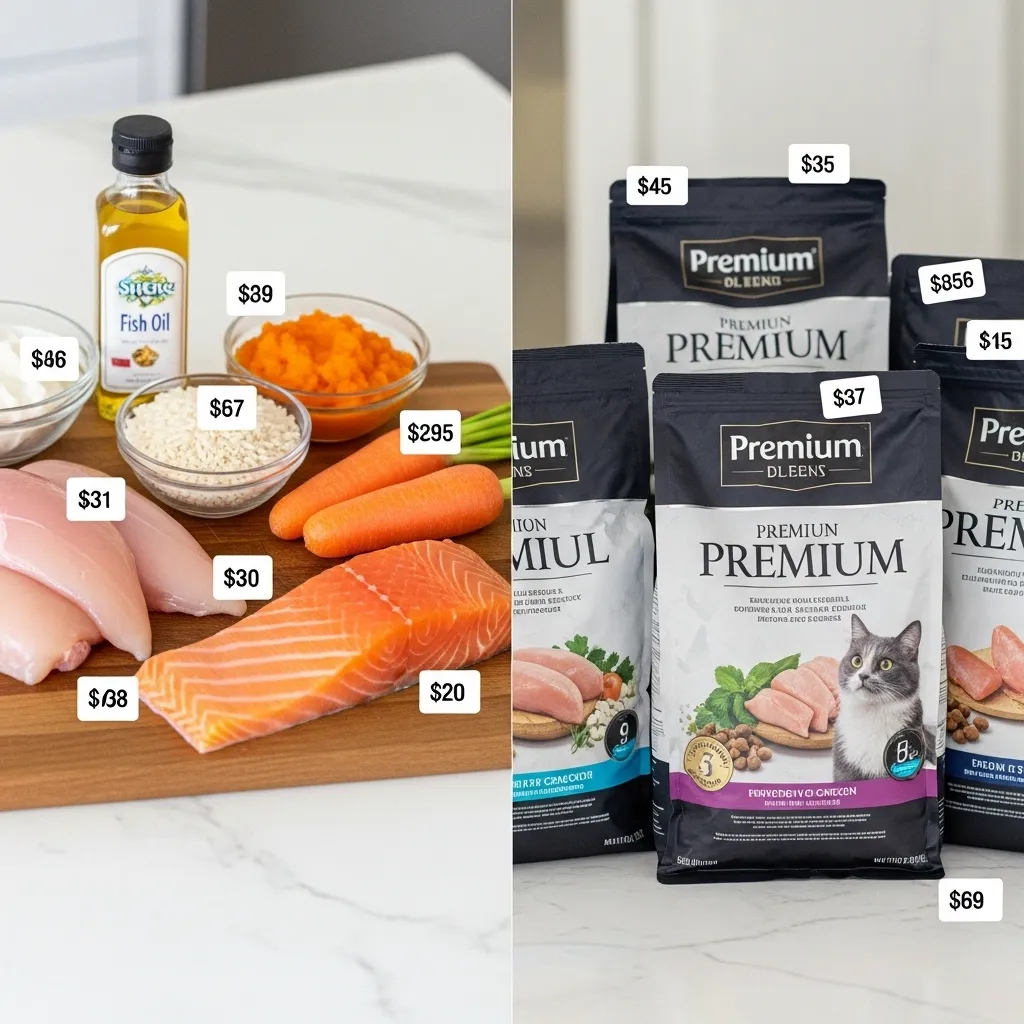
- The cost of proper supplementation often exceeds premium commercial cat food
- Time commitment averages 5-7 hours weekly for preparation and cleanup
- Regular veterinary bloodwork becomes essential, adding to long-term costs
- Certain health conditions make homemade diets particularly risky or beneficial
Now, let’s explore why this topic generates such passionate debate and how to make truly informed decisions about your cat’s nutrition.
Introduction: The Allure and Reality of Home-Prepared Meals
The image is compelling: you, in your kitchen, carefully preparing fresh, wholesome meals for your beloved feline. No mysterious by-products, no preservatives, just pure ingredients you can see and name. In an age of increasing food transparency and personalized nutrition, the idea of homemade diets for cats has grown from niche practice to mainstream consideration.
But here’s the truth about homemade diets for cats that many well-meaning websites won’t tell you: what looks like the ultimate act of love can become a slow-moving health crisis without proper knowledge. I’ve consulted with veterinary nutritionists, analyzed laboratory data, and seen both the remarkable successes and heartbreaking failures of homemade feeding approaches.
This comprehensive guide won’t just list risks and benefits. It will provide you with the framework to make truly informed decisions, understand what commercial food labels really mean, and recognize when homemade might be appropriate and when it’s decidedly not. Whether you’re curious, committed, or cautiously exploring options, you’ll find science-backed insights here, not just opinions.
Why Cat Nutrition Is Unlike Any Other Pet’s
The Obligate Carnivore Reality
Cats are obligate carnivores. This term gets thrown around frequently, but its implications are profound. Unlike dogs or humans who can derive nutrients from various sources, cats have evolved to depend on nutrients found primarily in animal tissue.
Their metabolism has unique features:
- They cannot synthesize taurine from other amino acids
- They require preformed Vitamin A (retinol), not beta-carotene
- They need arachidonic acid from animal fats
- They utilize protein for energy, not just tissue repair
This biological reality explains why simply feeding your cat cooked chicken breast or fish fillets leads to severe deficiencies within months. The muscle meat we typically eat lacks the full spectrum of nutrients cats obtain from consuming entire prey in the wild organs, bones, and specific tissues.
The Delicate Balance: More Than Just Ingredients
Proper feline nutrition involves balancing over 40 essential nutrients in precise ratios. The relationship between these nutrients matters as much as their presence. For example:
- Calcium to phosphorus ratio must be approximately 1.2:1
- Excessive zinc can interfere with copper absorption
- Vitamin D must be present but easily becomes toxic in slightly elevated amounts
Commercial cat foods undergo feeding trials and laboratory analysis to ensure these balances. Even the most carefully planned homemade diet lacks this validation without professional formulation and testing.
The Hidden Dangers of Popular Online Recipes
Why “Natural” Doesn’t Equal “Complete”
A troubling trend has emerged: well-meaning pet owners sharing homemade recipes online without nutritional validation. Research published in the Journal of the American Veterinary Medical Association analyzed 114 homemade recipes from books and websites. The findings were alarming:
- 94% were deficient in at least one essential nutrient
- 83% had multiple deficiencies
- Common shortages included choline, calcium, zinc, and several B vitamins
- Several recipes contained toxic excesses of Vitamin D or other nutrients
The most dangerous recipes weren’t the obviously unbalanced ones, but those that appeared comprehensive to the untrained eye. They included variety, fresh ingredients, and supplements just in wrong proportions or forms.
Case Study: The Grain-Free Fallacy Applied to Cats
The grain-free trend that impacted dog nutrition has parallels in cat feeding. Many homemade recipes eliminate grains entirely, often replacing them with legumes or starchy vegetables. While cats have no nutritional requirement for grains, these substitutions can create other issues:
- Plant-based proteins lack complete amino acid profiles for cats
- Excessive carbohydrates can strain feline pancreatic function
- Some alternative carbohydrates interfere with taurine absorption
The truth about homemade diets for cats is that removing ingredients requires understanding what nutrients those ingredients provided and how to replace them appropriately.
The Legitimate Benefits: When Homemade Shines
Medical Conditions That May Benefit
Under veterinary supervision, homemade diets can be therapeutic for specific conditions:
- Food allergies and intolerances: When a cat reacts to multiple commercial ingredients, a carefully formulated elimination diet using novel protein and carbohydrate sources can identify triggers and provide relief.
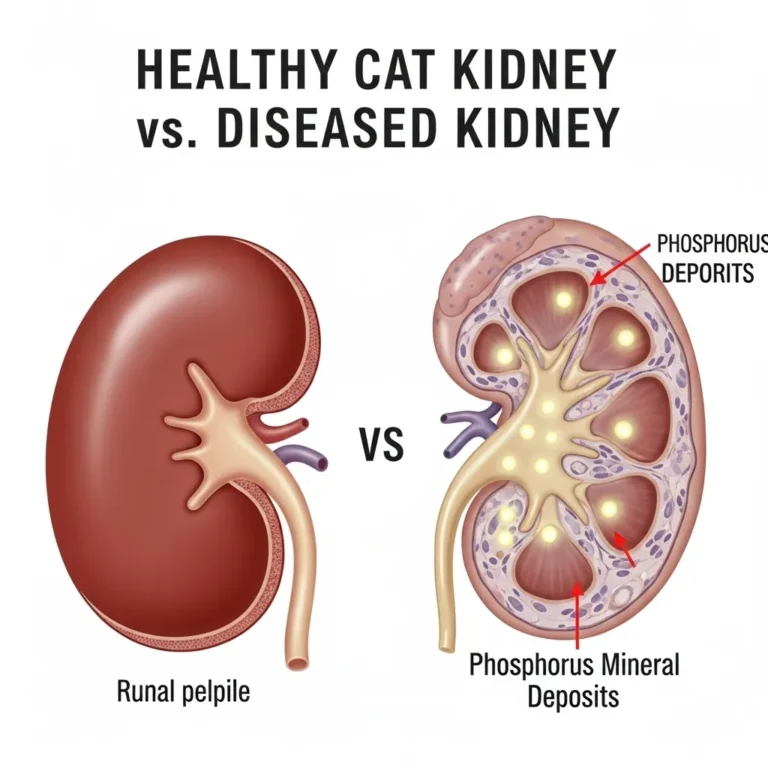
- Chronic kidney disease: Reduced phosphorus, controlled protein quality, and increased hydration can be precisely managed with homemade food, potentially slowing disease progression.
- Diabetes mellitus: The exact carbohydrate content and type can be optimized to improve glycemic control.
- Inflammatory bowel disease: Novel ingredients and specific fiber types can be tailored to individual tolerance.
In these cases, the truth about homemade diets for cats is that they become medical interventions, requiring formulation by a veterinary nutritionist and regular monitoring.
Quality Control and Ingredient Transparency
When properly formulated, homemade diets offer:
- Knowledge of every ingredient’s source
- Absence of preservatives, artificial colors, or flavors
- Control over food safety practices
- Freshness without extended storage
For owners dealing with commercial food recalls or specific sourcing concerns, this control provides legitimate peace of mind.
The Essential Components of a Balanced Homemade Cat Diet
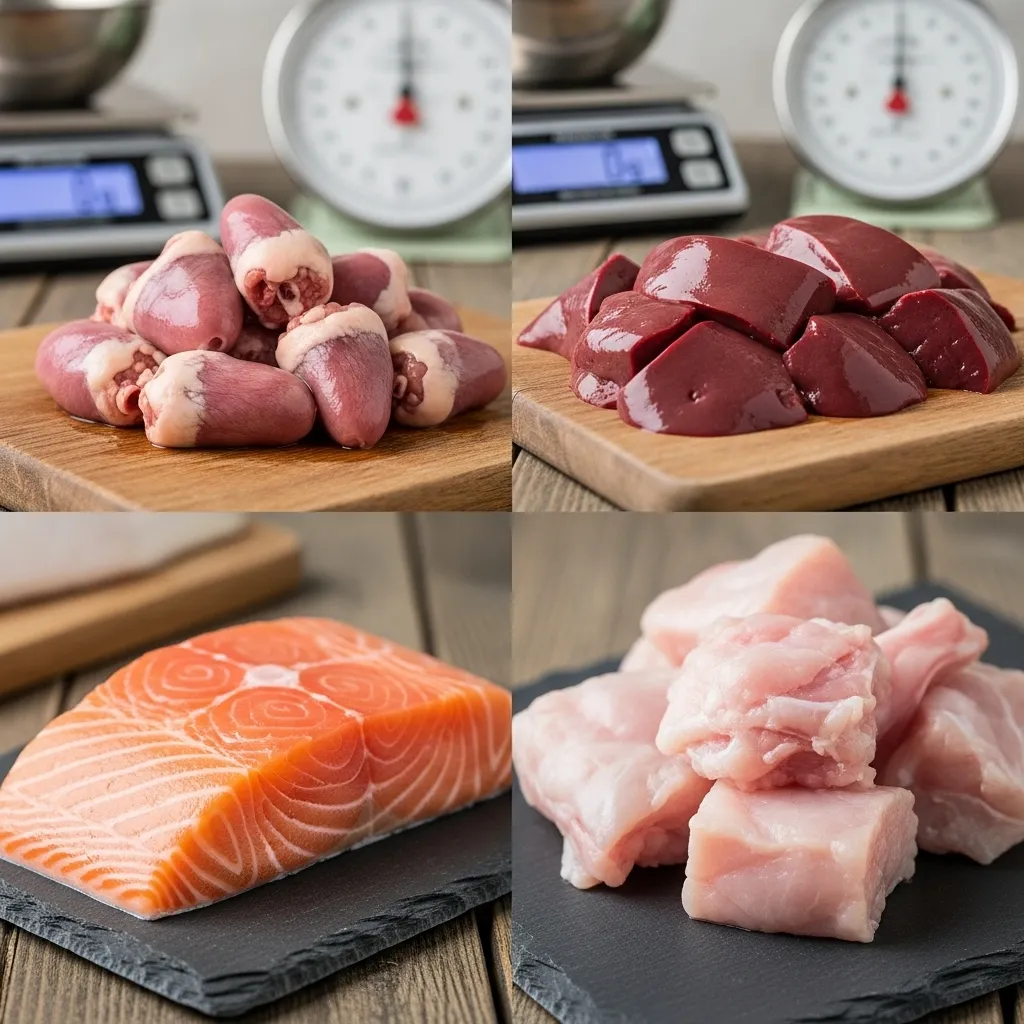
Protein: The Foundation and Its Complexities
Protein sources must provide:
- Taurine: Found in heart, dark poultry meat, and certain fish
- Arginine: Critical for ammonia removal; abundant in animal tissues
- Methionine and cysteine: For coat health and metabolic functions
A common misconception is that more protein is always better. The truth about homemade diets for cats is that protein quality and amino acid balance matter more than crude percentage.
Fats: Beyond Just Energy
Essential fatty acids in proper balance:
- Animal fats: Provide arachidonic acid (not found in plant oils)
- Omega-3 to Omega-6 ratio: Ideally between 1:2 and 1:5
- Specific sources: Chicken fat, fish oil, or supplements to achieve balance
Micronutrients: The Devil in the Details
The supplement regimen for a balanced homemade diet typically includes:
- Calcium source (ground eggshell, bone meal, or supplement)
- Vitamin B complex
- Vitamin E as an antioxidant
- Trace minerals (zinc, copper, manganese, iodine)
Each supplement must be pharmaceutical grade and precisely measured. Human supplements often contain inappropriate forms or fillers.
The Practical Realities: Time, Cost, and Commitment
Weekly Time Investment
Based on owner surveys and veterinary nutritionist recommendations:
- Planning and shopping: 1-2 hours weekly
- Preparation and cooking: 2-3 hours per batch
- Supplement measuring and mixing: 30-45 minutes
- Cleaning and sanitizing: 1-2 hours
- Record keeping: 15-30 minutes daily
Total: 5-7 hours weekly for a single cat
Financial Breakdown
Contrary to popular belief, properly formulated homemade diets often cost more than premium commercial foods:
Monthly costs for a 10-pound cat:
- Meat/organ meats: $40-$80
- Supplements: $15-$30
- Vegetables/fiber sources: $5-$10
- Veterinary formulation consultation: $100-$300 (initial), $50-$150 (annual review)
- Quarterly bloodwork: $150-$250
Total startup and monthly costs typically range from $120-$400 monthly, compared to $30-$100 for premium commercial diets.
Step-by-Step: How to Safely Transition to Homemade (If Appropriate)
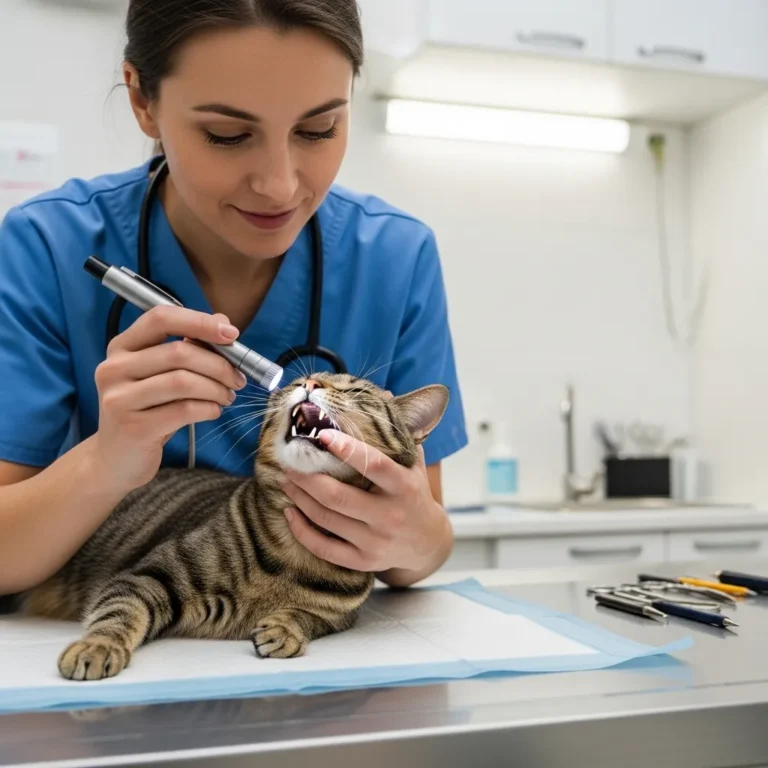
Step 1: Veterinary Consultation and Baseline Testing
Before changing anything:
- Complete physical examination
- Baseline bloodwork (CBC, chemistry, thyroid)
- Urinalysis
- Discussion of your cat’s specific needs and your capabilities
Step 2: Professional Formulation
Options for obtaining a balanced recipe:
- Veterinary nutritionist consultation: The gold standard (find one at acvn.org)
- University-based formulation services: Several veterinary schools offer this
- Reputable software: BalanceIT or Pet Diet Designer with veterinary oversight
Step 3: The Gradual Transition
Over 2-3 weeks:
- Days 1-3: 25% new food, 75% current food
- Days 4-7: 50% each
- Days 8-14: 75% new, 25% current
- Day 15+: 100% new diet
Monitor stool consistency, energy levels, and appetite throughout.
Common Mistakes and How to Avoid Them
1. The “All Meat” Fallacy
Mistake: Believing cats need only muscle meat.
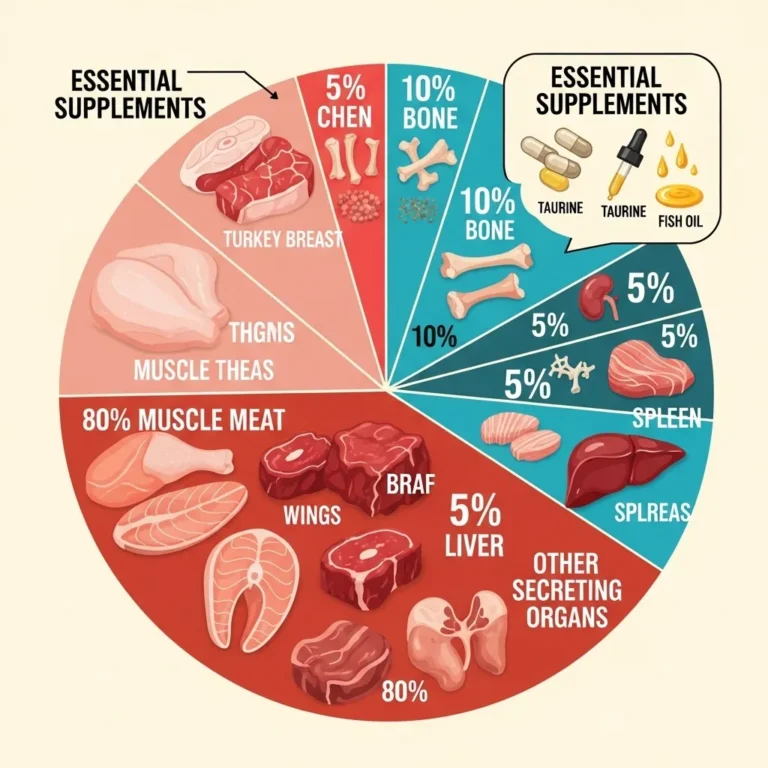
Solution: Include organ meats (10-15% of total), bones or calcium supplement, and specific supplements.
2. Inconsistent Supplementation
Mistake: Eyeballing measurements or skipping supplements when busy.
Solution: Pre-measure supplements weekly, use precise scales, maintain preparation logs.
3. Assuming Human Food Safety Applies
Mistake: Applying human cooking standards to cat food.
Solution: Understand that cats are more susceptible to certain pathogens (like salmonella) but also sensitive to some cooking methods that destroy nutrients.
4. Negoring Regular Monitoring
Mistake: Assuming no news is good news.
Solution: Schedule veterinary checkups every 6 months with bloodwork, keep detailed health records, watch for subtle changes.
When to Absolutely Avoid Homemade Diets
Life Stages with Special Requirements
- Kittens: Growing animals have less margin for error
- Pregnant/nursing queens: Demanding nutritional needs
- Senior cats with multiple conditions: Complex interactions between nutrients and medications
Owner Limitations That Increase Risk
- Inconsistent schedule preventing regular feeding
- Budget constraints limiting proper ingredients/supplements
- Unwillingness to commit to ongoing veterinary monitoring
- Inability to recognize subtle signs of nutritional imbalance
The Middle Path: Hybrid Approaches and Alternatives
Supplementing Commercial Diets
Safer alternatives to full homemade feeding:
- Adding fresh, cooked meat as a topper (10% or less of total calories)
- Using bone broth for hydration and palatability
- Incorporating specific supplements under veterinary guidance for identified deficiencies
Commercial Options That Address Common Concerns
Modern commercial alternatives include:
- Limited ingredient diets: For allergy management
- Prescription therapeutic diets: Formulated for specific conditions
- Gently cooked/fresh commercial diets: Professional formulation with convenience
- Freeze-dried raw: When properly supplemented and handled
Explore our detailed guide on how to read cat food labels to better evaluate commercial options.
FAQ: Answering Your Most Pressing Questions
Is homemade cat food cheaper than commercial?
Typically, no. When properly formulated with quality ingredients and necessary supplements, homemade diets usually cost 1.5-3 times more than premium commercial foods. The truth about homemade diets for cats includes recognizing both visible and hidden costs.
Can I just follow a recipe from a cat nutrition book?
Only if the recipe comes from a board-certified veterinary nutritionist and has been updated within the last 2-3 years. Nutritional science evolves, and individual cats have unique needs. Always have any recipe reviewed by your veterinarian.
How do I know if my homemade diet is working?
Regular veterinary monitoring is essential. Look for:
- Consistent energy levels and appetite
- Normal stool quality
- Healthy coat condition
- Maintained muscle mass
- Normal bloodwork values every 6-12 months
What are the first signs of nutritional imbalance?
Subtle early signs include:
- Changes in coat quality (dullness, excessive shedding)
- Increased or decreased appetite
- Lethargy or behavioral changes
- Minor digestive issues
More serious deficiencies manifest as:
- Vision problems (taurine deficiency)
- Neurological issues (thiamine deficiency)
- Bone fractures or dental problems (calcium/phosphorus imbalance)
Can I feed my cat a vegetarian homemade diet?
Absolutely not. Cats are obligate carnivores and cannot thrive on plant-based diets. Attempting vegetarian feeding causes severe health consequences and is considered unethical by veterinary nutritionists.
How often should I vary the protein sources?
Rotation can help prevent development of sensitivities, but changes must be nutritionally balanced. A good approach is 2-3 different protein sources rotated every 1-2 months, with careful formulation for each.
Conclusion: Making Your Informed Decision
The truth about homemade diets for cats is neither simple condemnation nor blanket endorsement. It’s a complex equation involving your cat’s specific health status, your resources and commitment, and access to professional guidance.
For most cat owners, high-quality commercial foods selected with knowledge and care provide the safest, most convenient nutrition. For those with cats facing specific health challenges or with particular concerns about commercial ingredients, properly formulated homemade diets under veterinary supervision can be beneficial.
Whatever path you choose, let these principles guide you:
- Nutrition is the foundation of health, not an area for experimentation
- Professional guidance isn’t optional it’s essential
- Regular monitoring matters as much as the food itself
- Your cat’s individual needs trump any feeding philosophy
The deepest truth about homemade diets for cats is this: the best diet isn’t about what feels most loving to us, but what provides complete, balanced nutrition for our feline companions throughout their lives.
Ready to explore more balanced approaches to feline nutrition? Discover more tips in our comprehensive guide to cat nutrition through different life stages or learn about common cat food ingredients and their purposes.
Explore more expert cat care and behavior guides on Cat Bloom Haven. Whether you’re navigating nutrition questions, behavior challenges, or simply seeking to deepen your bond with your feline friend, our library of veterinarian-reviewed articles provides evidence-based guidance for every stage of your cat’s life.