Senior Cat Nutrition: The Complete Guide to Feeding Your Aging Feline Friend
A cat’s nutritional needs can change by up to 50% as they enter their senior years, yet most owners continue feeding the same diet without realizing the potential consequences.
As your cat gracefully ages past their seventh birthday officially entering their senior years their nutritional requirements undergo a profound transformation. While they may still chase that elusive sunbeam with kitten-like enthusiasm, their body processes food differently.
Weight management becomes trickier, digestion less efficient, and their immune system requires stronger nutritional support. The same diet that kept them thriving in their prime may now be contributing to health issues you haven’t even noticed yet. This comprehensive guide will walk you through every nutritional consideration for your senior cat, transforming your approach from feeding to nourishing.
The Critical Shift: Why Senior Cats Need Different Nutrition
Cats experience physiological changes as they age that directly impact their nutritional requirements. Their metabolism slows by approximately 20-30%, meaning they burn fewer calories even at rest. At the same time, their ability to digest and absorb nutrients, particularly protein and fat, becomes less efficient. This creates a paradoxical situation where they need fewer calories but more of certain specific nutrients to support aging organs and maintain muscle mass.
What exactly qualifies as “senior”? While cats are generally considered senior around 7-10 years old, individual aging varies considerably. A lean, active 12-year-old cat might be in better physiological shape than an overweight 8-year-old. Rather than focusing strictly on chronological age, observe your cat for signs of nutritional need: unexplained weight loss or gain, changes in coat quality, alterations in eating habits, or decreased activity levels. These are more meaningful indicators than the calendar alone.
Key Nutrients for Senior Cat Health: Beyond Basic Feeding
High-Quality Protein: Preserving Vital Muscle Mass
Contrary to outdated thinking, senior cats require more protein, not less. While kidney concerns have historically prompted protein restriction, modern veterinary science recognizes that aging cats lose the ability to efficiently process protein. They need higher-quality, easily digestible protein sources to maintain muscle mass and support organ function. Look for foods where named animal proteins (chicken, salmon, turkey) appear first in the ingredient list, with animal-based proteins ideally comprising at least 30-40% of the diet. High-quality protein helps combat sarcopenia age-related muscle wasting which can severely impact mobility and quality of life.
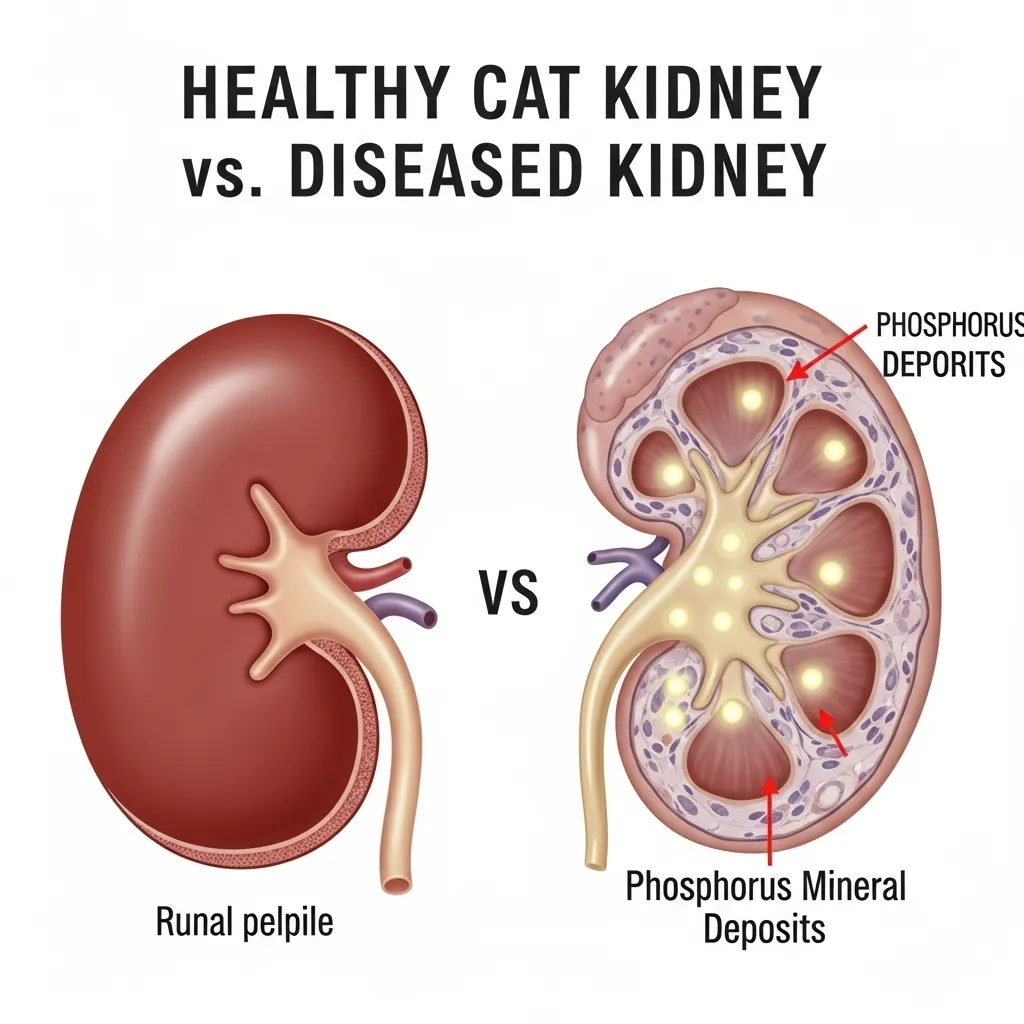
Controlled Phosphorus: Protecting Kidney Function
One in three senior cats develops kidney issues. While protein restriction is no longer recommended, phosphorus moderation is crucial for kidney health. Excess phosphorus can accelerate kidney damage in cats with compromised renal function. Senior-specific foods typically contain controlled phosphorus levels between 0.3-0.6% on a dry matter basis. If your cat has diagnosed kidney disease, your veterinarian may recommend a therapeutic renal diet with even lower phosphorus content.
Joint Support Nutrients: Maintaining Mobility
Almost 90% of cats over age 12 show radiographic signs of arthritis. Nutritional support can make a tangible difference in their comfort and mobility. Look for foods containing glucosamine, chondroitin, and omega-3 fatty acids (particularly EPA and DHA from fish oil). These nutrients help maintain cartilage, reduce inflammation, and support joint fluid health. Some premium senior foods also include green-lipped mussel extract or methylsulfonylmethane (MSM) for additional joint support. Combined with environmental modifications like ramps and orthopedic beds, these nutrients can help your senior cat remain active and pain-free.
Enhanced Fiber: Supporting Digestive Health
Senior cats often experience constipation due to decreased intestinal motility and reduced water intake. Foods with moderate, mixed fiber sources both soluble (like beet pulp, psyllium) and insoluble (like cellulose) can promote regular bowel movements and support a healthy gut microbiome. Prebiotics (FOS, MOS) and probiotics further aid digestive health by nourishing beneficial gut bacteria. However, fiber content should be balanced too much can interfere with nutrient absorption, which is already compromised in older cats.
Special Considerations: Addressing Common Senior Health Issues Through Diet
Weight Management: The Delicate Balance
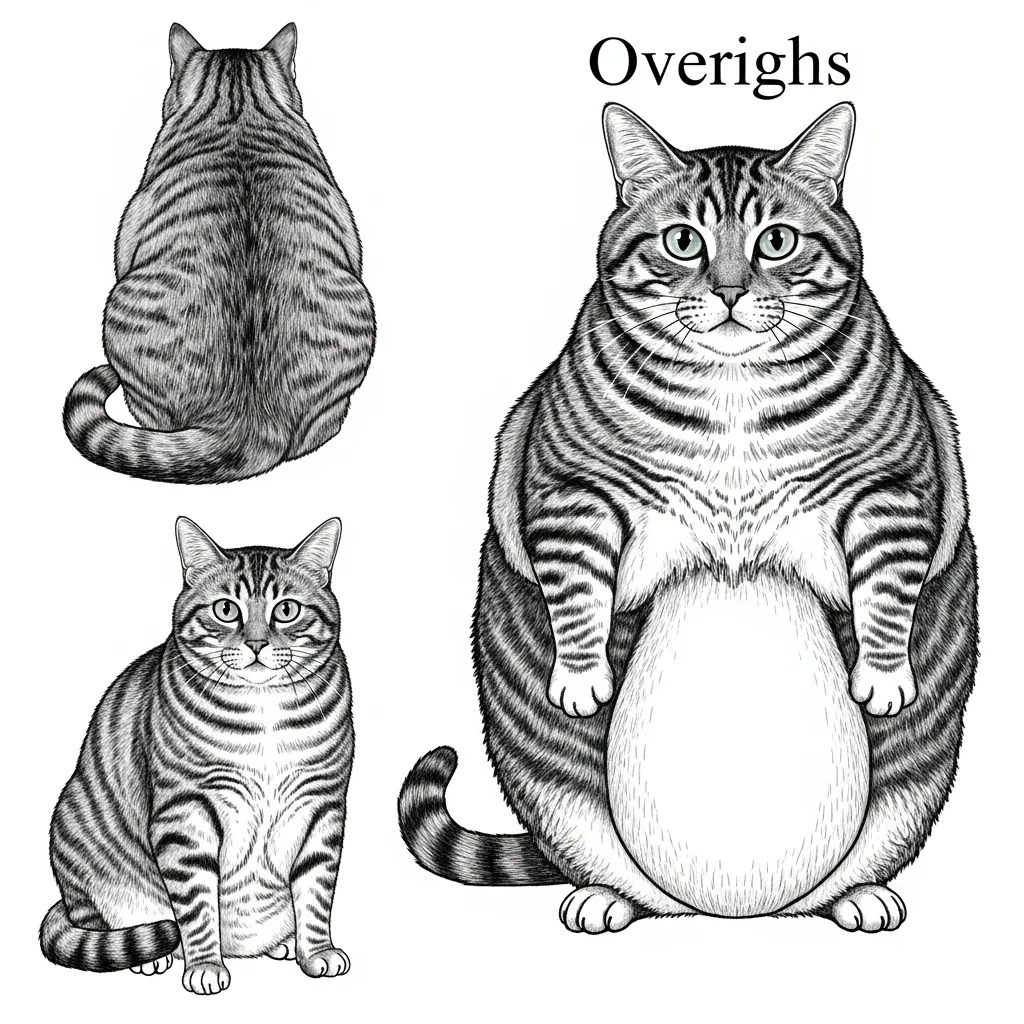
Senior cats face weight challenges in both directions. Some become less active and gain weight, increasing strain on joints and risk of diabetes. Others lose weight due to reduced nutrient absorption or underlying health conditions. Monitor your cat’s body condition monthly using a body condition score chart. Ideal senior cats should maintain a lean body condition (score of 4-5 on a 9-point scale) to reduce stress on joints and organs.
For overweight seniors:
- Measure portions precisely rather than free-feeding
- Consider a weight management formula with L-carnitine to support fat metabolism
- Increase gentle activity through interactive play
For underweight seniors:
- Offer more frequent, smaller meals
- Consider appetite-stimulating foods or warming food to enhance aroma
- Consult your veterinarian to rule out medical causes like hyperthyroidism or dental issues
Dental Health: When Chewing Becomes Challenging
Dental disease affects over 85% of cats over age 3, and problems only increase with age. Senior cats with painful teeth, missing teeth, or sensitive gums may avoid eating altogether. Adapt food texture to their dental needs:
- Dental-specific dry foods with larger, more porous kibbles designed to clean teeth
- Softer dry foods or moistened kibble for cats with tooth sensitivity
- Pâté-style wet foods that require minimal chewing
- Broths or gravies for cats who need maximum palatability with minimal chewing
Regardless of food choice, regular veterinary dental checkups remain essential. Explore our detailed guide on cat dental care for more comprehensive strategies.
Hydration Support: The Critical Role of Water
Dehydration becomes increasingly dangerous for senior cats as their kidneys become less efficient at conserving water. Chronic mild dehydration can contribute to constipation and exacerbate kidney issues. Strategies to increase water intake include:
- Feeding wet food exclusively or as a major portion of the diet (wet food is approximately 75-80% water)
- Adding warm water or low-sodium broth to dry or wet food
- Providing multiple water stations throughout the home with fresh, clean water daily
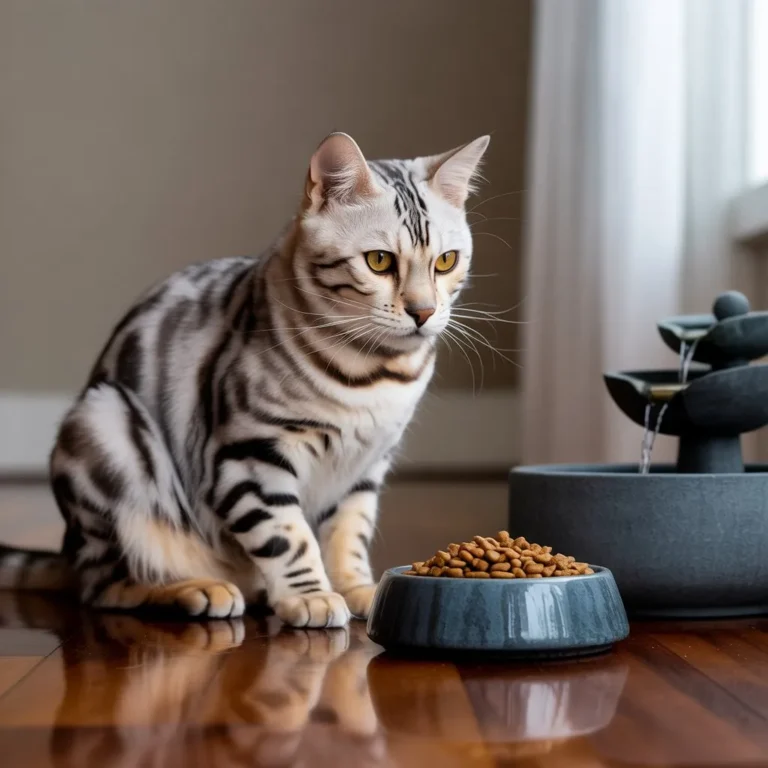
- Considering a cat water fountain, as many cats prefer moving water
Monitor hydration by checking skin elasticity (the skin tent test) and observing urine output in the litter box.
Practical Feeding Strategies: Making the Transition
Choosing the Right Food: Wet vs. Dry Considerations
The wet versus dry food debate takes on special significance for seniors:
Wet food advantages:
- Higher moisture content supports hydration
- Typically more palatable for cats with diminished senses
- Often easier to eat for cats with dental issues
- Usually higher in protein and lower in carbohydrates
Dry food advantages:
- More convenient for precise portion control
- Can help maintain dental health with specially designed kibbles
- Generally more cost-effective
Most veterinary nutritionists recommend a combination approach, with wet food comprising at least 50% of the diet. Look for foods specifically formulated for senior or mature cats, as these are designed with their unique nutritional profiles in mind.
Transitioning to Senior Food: A Gradual Process
When switching to a senior formula, implement a slow transition over 7-10 days:
- Days 1-3: 75% old food, 25% new food
- Days 4-6: 50% old food, 50% new food
- Days 7-9: 25% old food, 75% new food
- Day 10: 100% new food
Monitor for digestive upset or appetite changes throughout the process. If your cat resists the new food, try warming it slightly or adding a small amount of low-sodium tuna water to enhance aroma.
Feeding Frequency and Environment
Senior cats often benefit from smaller, more frequent meals (3-4 times daily) rather than one or two large meals. This approach:
- Reduces the burden on the digestive system at any one time
- Helps maintain stable energy levels throughout the day
- Can increase overall calorie intake in cats with reduced appetite
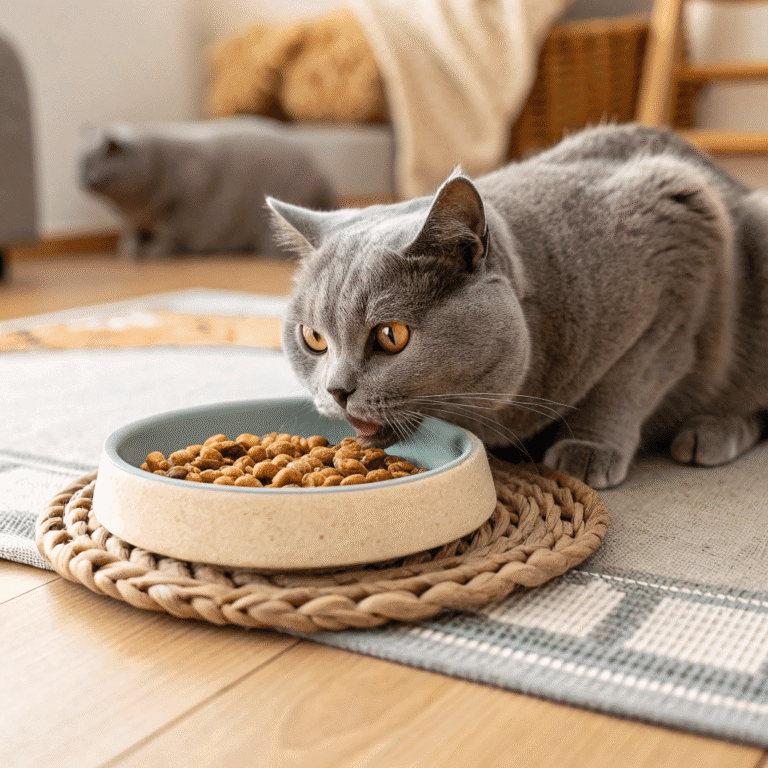
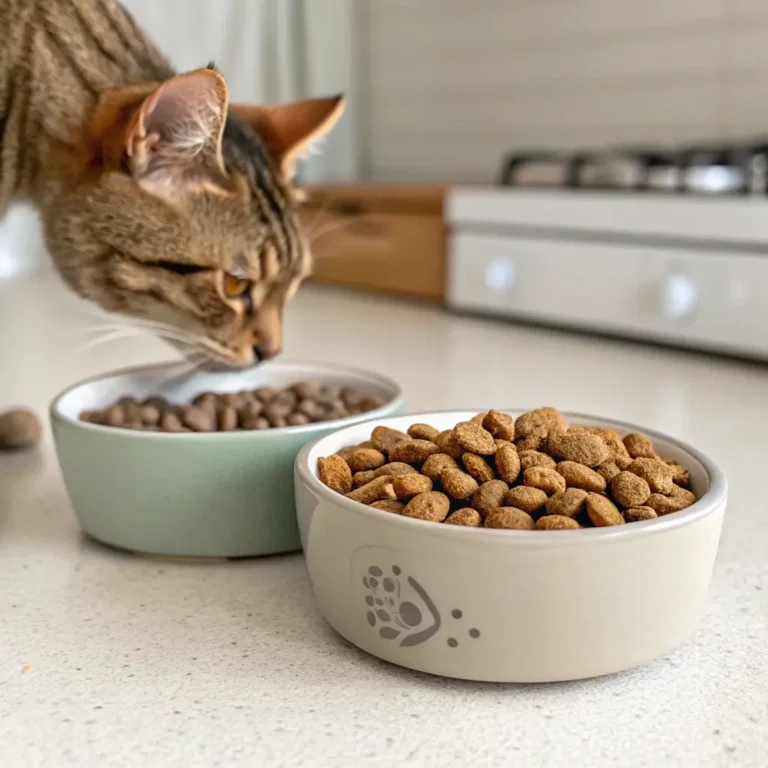
Create a stress-free feeding environment with comfortable, accessible bowls placed in quiet areas. Elevated bowls can help cats with arthritis or neck stiffness. For households with multiple cats, ensure senior cats can eat undisturbed consider separate rooms or supervised meal times if younger cats are stealing food.
Monitoring and Veterinary Partnership: The Essential Components
Regular Checkups: More Important Than Ever
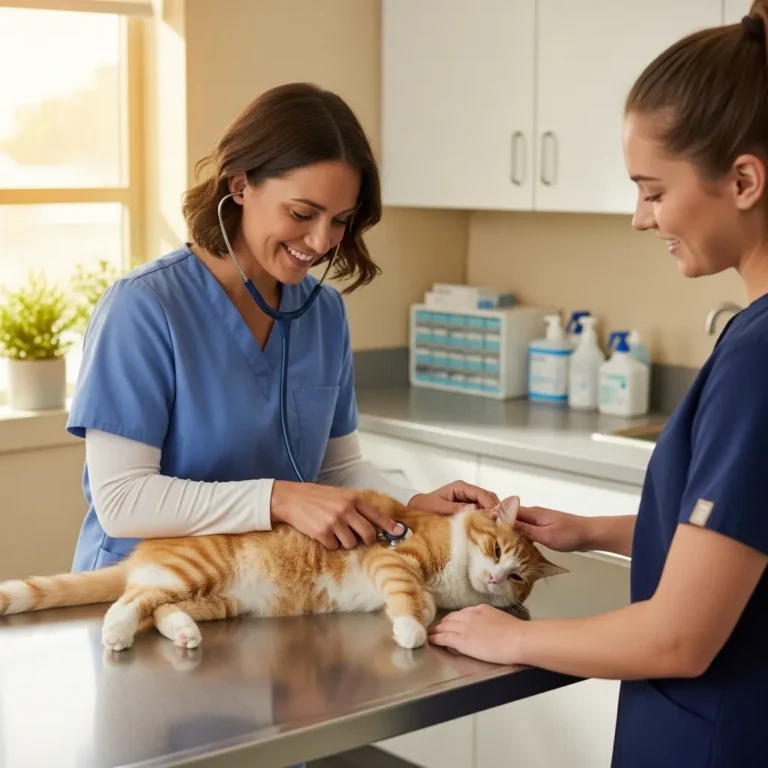
Senior cats should visit the veterinarian at least twice yearly for comprehensive exams, including:
- Weight and body condition assessment
- Blood work to monitor organ function
- Urinalysis to check kidney health and hydration status
- Dental evaluation
- Discussion of any behavioral or physical changes
These visits provide the information needed to tailor nutrition to your cat’s specific health status. A cat with early kidney changes will have different nutritional needs than one with arthritis as their primary concern.
Reading Your Cat’s Signals: When to Adjust
Become adept at recognizing signs that your current nutrition plan may need adjustment:
Consult your veterinarian if you notice:
- Unexplained weight loss or gain of more than 10% of body weight
- Changes in water consumption or urination habits
- Decreased appetite or interest in food
- Vomiting, diarrhea, or constipation
- Changes in coat quality or excessive shedding
- Decreased activity or difficulty moving
- Bad breath or changes in chewing habits
These signs may indicate that your cat’s nutritional needs have changed or that an underlying health issue requires attention.
Frequently Asked Questions
At what age should I switch my cat to senior food?
Most cats benefit from transitioning to a senior formula between 7-10 years old. However, the decision should be based on your individual cat’s health status rather than age alone. Consult with your veterinarian, who can assess your cat’s body condition, organ function, and overall health to determine the right time for dietary change.
How much should I feed my senior cat?
There’s no universal amount feeding should be based on your cat’s ideal weight, activity level, and the specific calorie content of their food. Start with the feeding guidelines on the food packaging, then adjust based on monthly body condition assessments. Most senior cats require 20-30% fewer calories than they did in their prime adult years, but individual needs vary widely.
Are supplements necessary for senior cats?
If you’re feeding a complete and balanced senior-specific food, additional supplements are usually unnecessary and could potentially create nutrient imbalances. However, some cats with specific conditions may benefit from targeted supplements like omega-3 fatty acids for arthritis or probiotics for digestive issues. Always consult your veterinarian before adding any supplements to your cat’s diet.
My senior cat has stopped eating dry food. What should I do?
First, have your veterinarian perform a dental exam to rule out painful dental issues. If teeth are healthy, your cat may prefer wet food’s stronger aroma and easier texture. You can try moistening dry food with warm water or low-sodium broth, or transition to a high-quality wet senior formula. Gradual transitions are key sudden changes can cause digestive upset.
Can I make homemade food for my senior cat?
While homemade diets allow complete control over ingredients, they’re challenging to formulate correctly for senior cats’ specific nutritional needs. If you choose this route, work with a veterinary nutritionist to create a balanced recipe tailored to your cat’s health status. Improperly balanced homemade diets can cause serious nutritional deficiencies or excesses, particularly in senior cats with compromised organ function.
Nourishing your senior cat is one of the most meaningful ways to support their quality of life during their golden years. By understanding their changing nutritional needs and partnering with your veterinarian, you can help your feline companion age with grace, comfort, and vitality. Remember that every cat ages uniquely what works for one may need adjustment for another. Stay observant, be willing to adapt, and celebrate each day you have with your wise feline friend.
For more insights into feline health at every life stage, explore our comprehensive cat health care resources. Your journey toward optimal senior cat nutrition is just one aspect of providing the thoughtful, informed care that helps our beloved cats thrive through all their years.