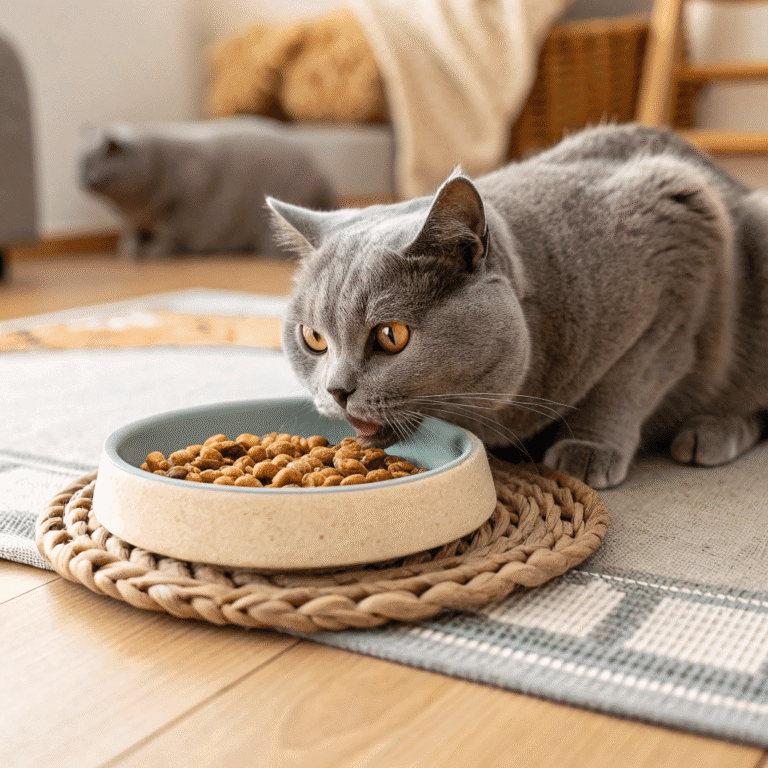
How Diet Influences Digestive Health in Cats: The Complete Guide to Optimizing Your Cat’s Gut Wellness
Key Takeaways:
- Diet directly impacts every aspect of feline digestive function, from nutrient absorption to microbiome balance
- The right protein sources, moisture content, and fiber levels can prevent common digestive issues
- Life stage, health conditions, and individual sensitivities require tailored nutritional approaches
- Transitioning foods properly and understanding ingredient labels are crucial for maintaining digestive stability
- Warning signs like vomiting, diarrhea, or constipation often originate from dietary mismatches
Introduction: The Direct Link Between What Your Cat Eats and How They Feel
Imagine your cat’s digestive system as a sophisticated processing plant what goes in determines everything that comes out, from energy levels to coat quality to overall vitality. How diet influences digestive health in cats isn’t just an academic question; it’s the foundation of daily wellbeing for our feline companions. From the enthusiastic kitten chasing toys to the dignified senior enjoying sunbeams, every life stage relies on optimal digestion fueled by appropriate nutrition.
This comprehensive guide moves beyond basic feeding advice to explore the intricate relationship between feline nutrition and gastrointestinal function. Whether you’re troubleshooting sensitive stomach issues or simply seeking to optimize your cat’s diet, understanding this connection empowers you to make informed decisions that support long-term health.
The Feline Digestive System: Understanding Your Cat’s Unique Biology
Cats are obligate carnivores, meaning their digestive systems evolved specifically to process animal-based proteins. Unlike omnivores, cats have shorter digestive tracts optimized for quick protein breakdown rather than lengthy carbohydrate fermentation. This biological reality shapes everything from their enzyme production to their microbiome composition.
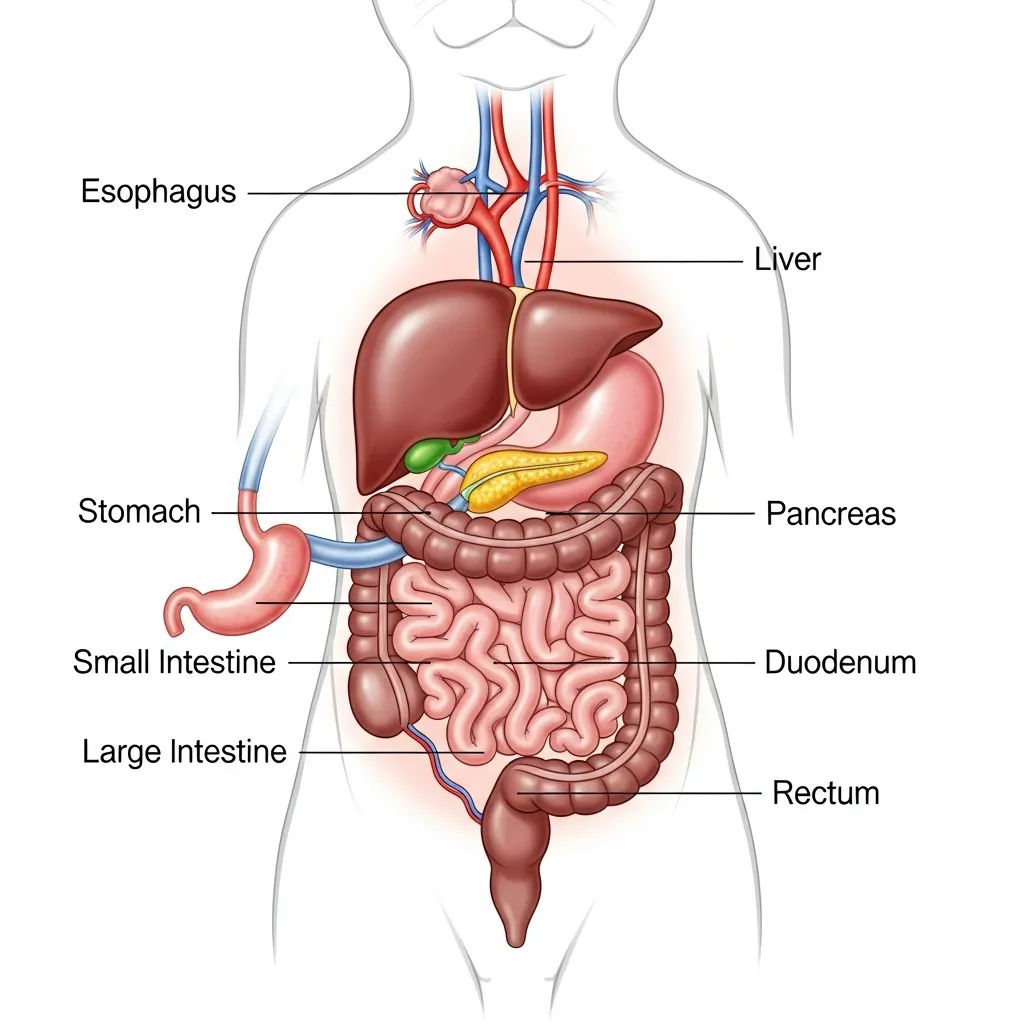
The journey begins in the mouth, where cats have limited salivary amylase (the enzyme that starts carbohydrate digestion). Food moves quickly to the stomach, which maintains a highly acidic environment (pH 1-2) perfect for breaking down proteins and killing potential pathogens. From there, nutrients pass to the small intestine for absorption, with the pancreas and liver providing crucial digestive enzymes and bile. What remains reaches the large intestine, where water reabsorption occurs and the gut microbiome completes its work.
This specialized system explains why dietary composition matters profoundly. Plant-based ingredients require different processing than animal tissues, potentially straining a system designed for meat consumption. Understanding this baseline helps explain why certain dietary choices lead to digestive harmony or distress.
Macronutrients and Digestive Function: Protein, Fat, and Carbohydrates
The Primacy of Quality Protein
Protein isn’t just for muscle maintenance it’s essential for digestive enzyme production, intestinal lining repair, and immune function within the gut. High-quality, highly digestible animal proteins (typically 90%+ digestible) place minimal stress on the digestive system while providing essential amino acids. Lower-quality proteins or inappropriate plant proteins may be only 70-80% digestible, leaving more undigested material to ferment in the colon, potentially causing gas, discomfort, and irregular stools.
Research indicates that cats utilize animal-based proteins more efficiently than plant-based alternatives. The amino acid profile of meat matches feline requirements more closely, supporting everything from gut lining integrity to neurotransmitter production (many of which originate in the digestive tract).
Fat: Energy Density and Nutrient Absorption
Dietary fats serve multiple digestive functions beyond calorie provision. They enable absorption of fat-soluble vitamins (A, D, E, K), contribute to cell membrane health throughout the gastrointestinal tract, and can influence stool consistency. However, excessive fat particularly low-quality fats can overwhelm pancreatic enzyme production and lead to steatorrhea (fatty, greasy stools).
The source matters significantly. Animal-sourced fats generally align better with feline digestion than some vegetable oils. Omega-3 fatty acids from fish oil have demonstrated anti-inflammatory effects that may benefit cats with inflammatory bowel disease.
Carbohydrates: The Controversial Component
While cats have no nutritional requirement for carbohydrates, most commercial diets include them for various reasons. The digestive impact depends heavily on type, processing, and quantity. Highly digestible cooked carbohydrates like white rice may be used temporarily during digestive upset, while excessive complex carbohydrates can promote bacterial overgrowth in the small intestine or lead to osmotic diarrhea.
The glycemic index of carbohydrates also influences digestive health. Rapidly digested carbs can cause blood sugar spikes and subsequent crashes that may affect gastrointestinal motility. Learn more about feline nutritional needs in our comprehensive guide to cat food nutrition.
The Critical Role of Moisture in Feline Digestion
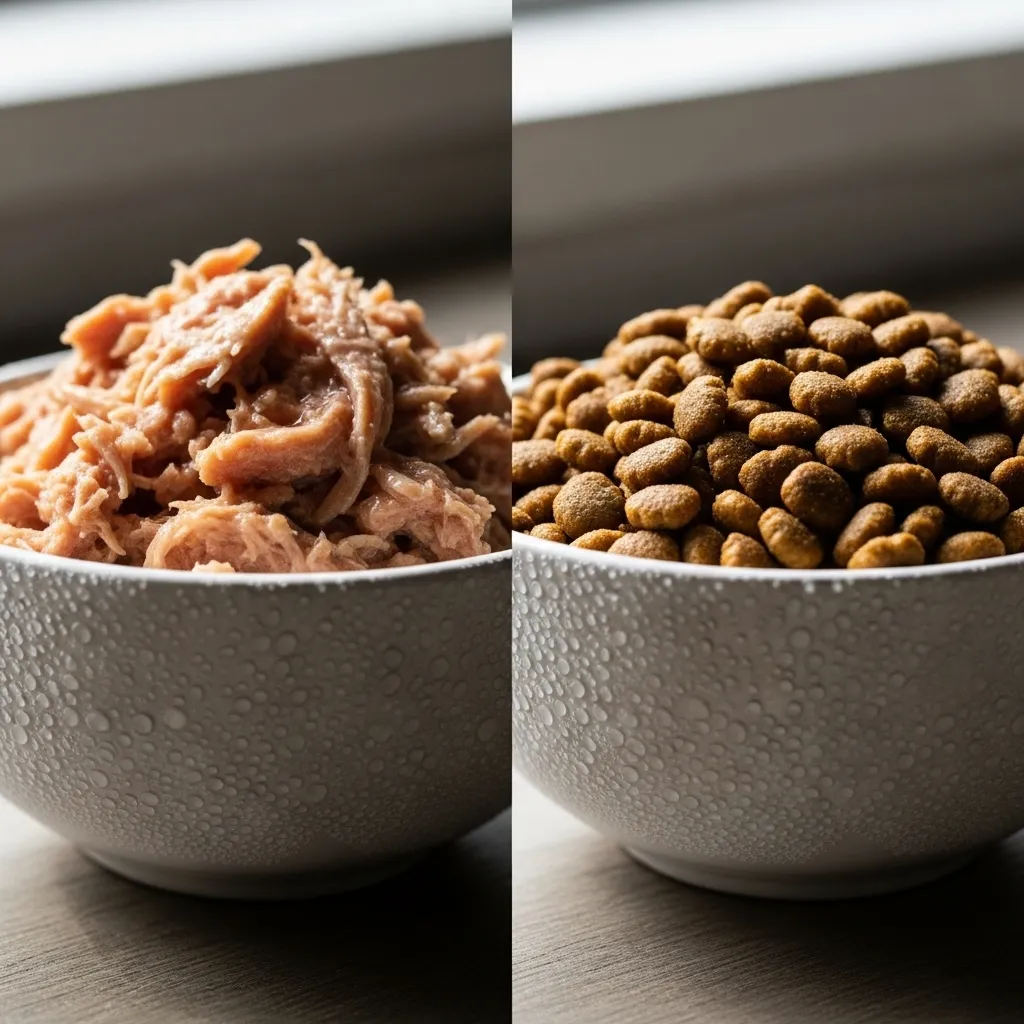
Cats evolved obtaining most of their water from prey (approximately 70-75% moisture content). Dry foods typically contain only 6-10% moisture, creating a significant hydration deficit that affects every aspect of digestion.
Adequate water intake:
- Maintains proper viscosity of digestive secretions
- Prevents constipation by keeping stool hydrated
- Supports kidney function, which works closely with digestive health
- Helps dissolve and transport nutrients
Chronic low-grade dehydration from dry-food-only diets contributes to numerous digestive issues, including chronic constipation and reduced gastrointestinal motility. Many cats don’t compensate by drinking enough water, as their thirst drive is relatively weak. This makes dietary moisture perhaps the most overlooked factor in how diet influences digestive health in cats.
Discover practical strategies for increasing your cat’s water intake in our guide to cat hydration.
Fiber: The Digestive Regulator
Dietary fiber plays a nuanced role in feline digestion, acting differently depending on type and quantity:
Soluble Fiber (found in pumpkin, psyllium, some fruits)
- Dissolves in water to form a gel-like substance
- Can help regulate stool consistency firming loose stools or softening hard ones
- Serves as a prebiotic, feeding beneficial gut bacteria
- May help manage hairball formation
Insoluble Fiber (found in cellulose, many vegetable hulls)
- Adds bulk to stool
- Accelerates transit time through the colon
- Can help with hairball passage
- In excess, may reduce nutrient absorption
Most commercial cat foods contain moderate fiber levels (1-5%), but individual needs vary significantly. Cats with chronic diarrhea often benefit from increased soluble fiber, while constipated cats may need more insoluble fiber or increased overall moisture rather than just fiber.
The key is balance and appropriate sourcing. Some cats digest certain fiber sources better than others, and sudden increases can cause gas and bloating. For cats with specific digestive concerns, explore our article on what to feed a cat with diarrhea for targeted recommendations.
Common Digestive Issues and Their Dietary Connections
Chronic Vomiting and Regurgitation
While occasional hairballs are normal, frequent vomiting signals a problem. Dietary causes include:
- Food intolerances or allergies (often to specific proteins)
- Eating too quickly (common with dry food)
- Poor-quality ingredients that are difficult to digest
- Inappropriate food temperature (straight from refrigerator)
Solutions include switching to novel protein sources, using puzzle feeders to slow eating, ensuring food is room temperature, and considering smaller, more frequent meals. For persistent issues, our article on cat throwing up after eating offers deeper investigation.
Diarrhea and Loose Stools
Dietary culprits for diarrhea include:
- Sudden food changes
- High carbohydrate content
- Foodborne pathogens
- Specific ingredient intolerances
- Excessive fat content
The BRAT diet (Bland, Readily-digestible, Appetizing, Temporary) for cats might include a single novel protein with a highly digestible carbohydrate like white rice or pumpkin for short-term management. Probiotics can help restore microbial balance after diarrhea episodes.
Constipation and Megacolon
Inadequate moisture intake is the primary dietary contributor to constipation. Other factors include:
- Excessive bone content in homemade or raw diets
- Too much insoluble fiber without adequate water
- Hair accumulation without sufficient lubricating fibers
Increasing dietary moisture is often the most effective intervention. Pumpkin puree (not pie filling) provides both soluble fiber and moisture. For chronic cases, our guide on helping a constipated cat provides step-by-step solutions.
Inflammatory Bowel Disease (IBD)
While the exact cause of IBD remains unclear, diet plays a crucial management role. Common approaches include:
- Limited ingredient diets with novel proteins
- Hydrolyzed protein diets (proteins broken down too small to trigger immune response)
- Diets with anti-inflammatory ingredients like omega-3s
- Elimination diets to identify triggers
Dietary management of IBD requires veterinary guidance but often significantly reduces medication needs and improves quality of life.
Life Stage Nutritional Considerations for Digestive Health
Kittens: Building a Healthy Foundation
Kitten digestive systems are developing enzyme production and microbiome diversity. They require:
- Highly digestible proteins for growth
- Appropriate calorie density (kittens need more calories per pound than adults)
- DHA for neurological and digestive nerve development
- Smaller, more frequent meals (3-4 daily)
Rapid growth makes kittens particularly vulnerable to dietary imbalances. Learn proper feeding techniques in our guide on how to raise a kitten.
Adults: Maintaining Optimal Function
Adult cats benefit from consistency and quality. Key considerations include:
- Maintaining ideal body weight (obesity stresses all systems, including digestion)
- Consistent feeding schedules support regular elimination patterns
- Monitoring for developing food sensitivities
- Regular dental care (oral health affects chewing and initial digestion)
Seniors: Adapting to Changing Needs
Aging brings digestive changes including:
- Reduced digestive enzyme production
- Decreased intestinal motility
- Increased risk of constipation
- Possible decreased nutrient absorption
Senior diets often feature:
- Increased digestibility
- Moderate protein restriction in cats with kidney issues
- Added probiotics or prebiotics
- Increased moisture content
- Sometimes reduced phosphorus
For comprehensive senior care, explore our senior cat care guide.
Special Dietary Considerations: Health Conditions and Sensitivities
Food Allergies vs. Intolerances
True food allergies (immune-mediated) typically cause skin issues alongside digestive symptoms, while intolerances (non-immune) cause purely digestive upset. Common feline allergens include beef, dairy, fish, and chicken ironically, the most common ingredients in cat foods due to heavy exposure.
Diagnosis requires an elimination diet using novel or hydrolyzed proteins for 8-12 weeks, followed by careful rechallenge. This process is detailed in our article on cat allergies.
Kidney Disease
Compromised kidney function affects digestive health through:
- Increased stomach acidity (from reduced urea excretion)
- Constipation risk (from dehydration and medication side effects)
- Nausea and reduced appetite
Renal diets typically feature:
- Reduced phosphorus
- High-quality, limited protein
- Added omega-3s
- Increased B vitamins
- Often enhanced palatability
Diabetes
Diabetic cats benefit from:
- High-protein, low-carbohydrate diets
- Consistent meal timing aligning with insulin administration
- Fiber to moderate glucose absorption
- Controlled calorie intake for weight management
Our feline diabetes guide provides comprehensive management strategies.
Hyperthyroidism
This common condition increases metabolism, requiring:
- Increased calories
- Highly digestible nutrients
- Sometimes restricted iodine (in prescription diets)
- Frequent small meals
The Microbiome: Your Cat’s Internal Ecosystem
The feline gut microbiome contains trillions of bacteria, fungi, and other microorganisms that profoundly influence digestion, immunity, and even behavior. Diet shapes this ecosystem daily.
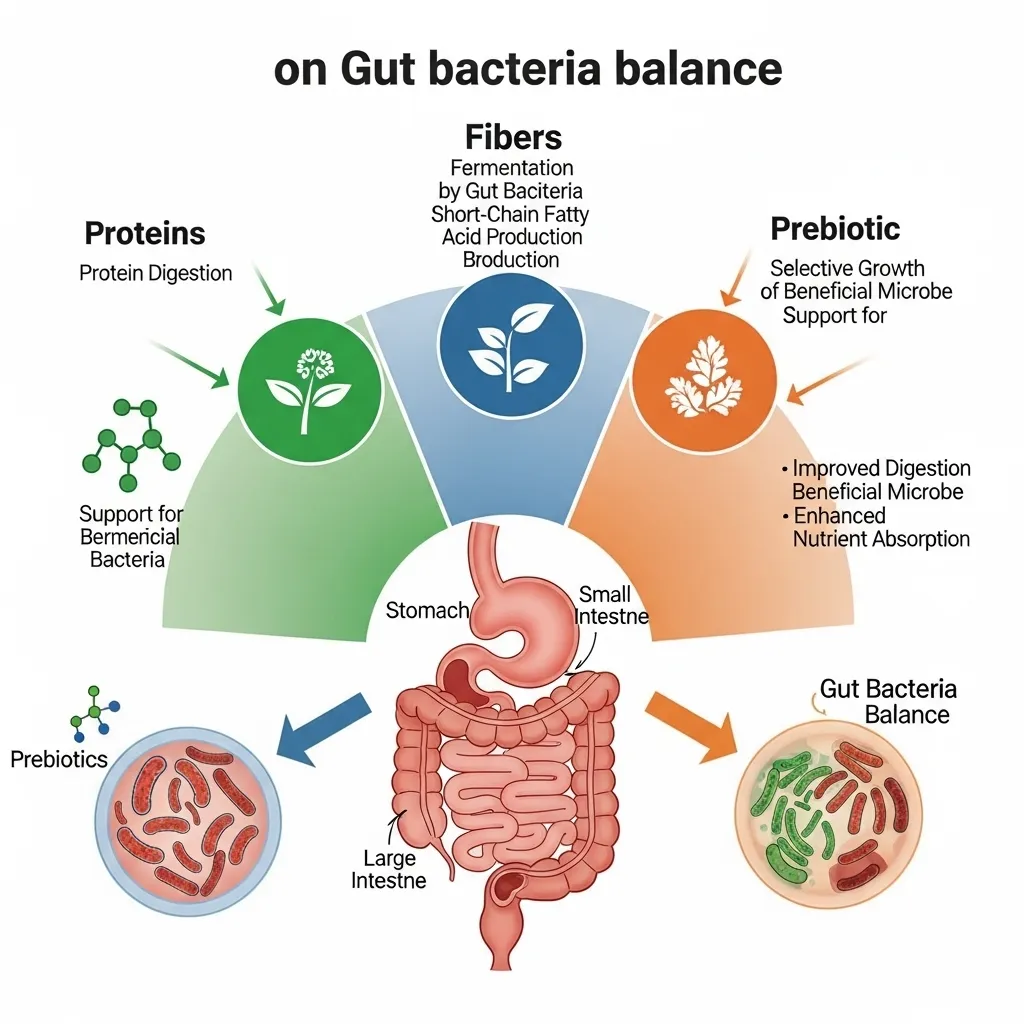
Key dietary influences on the microbiome:
- Prebiotics: Non-digestible fibers that feed beneficial bacteria (found in chicory root, pumpkin, some grains)
- Probiotics: Live beneficial bacteria (often added to foods or given as supplements)
- Protein sources: Different proteins favor different bacterial populations
- Antibiotics and medications: Can significantly disrupt microbial balance
A diverse, balanced microbiome supports:
- Efficient nutrient extraction from food
- Vitamin production (especially B vitamins and vitamin K)
- Immune system regulation
- Protection against pathogenic bacteria
- Healthy stool formation
Signs of microbiome imbalance include chronic soft stools, excessive gas, and food sensitivities. Dietary correction often focuses on consistent, high-quality nutrition with appropriate fiber and possibly probiotic supplementation.
Reading Cat Food Labels: What Actually Matters for Digestion
Beyond marketing claims, several label elements provide genuine insight into digestive impact:
Ingredient List Order: Ingredients appear by weight before processing. However, this can be misleading “chicken” contains about 70% water, while “chicken meal” is concentrated protein. A food listing “chicken” first may actually contain less protein than one listing “chicken meal” second after a grain.
Guaranteed Analysis: Provides minimums and maximums but not exact amounts. More revealing is the dry matter basis calculation, especially for comparing wet and dry foods.
Carbohydrate Content: Rarely listed but can be estimated: 100% – (% protein + % fat + % fiber + % moisture + % ash). High carbohydrate content (>20% dry matter) may indicate poor digestibility for some cats.
Specific Protein Sources: Named proteins (“chicken,” “salmon”) are preferable to vague terms (“meat,” “poultry”). By-products aren’t inherently bad (they include nutritious organ meats) but quality varies.
Additives: Look for probiotics, prebiotics, digestive enzymes, or omega-3s if addressing specific issues. Avoid unnecessary artificial colors, flavors, or preservatives.
Learn to decode labels effectively in our guide to reading cat food labels.
Transitioning Foods: Avoiding Digestive Upset
Sudden diet changes disrupt the delicate balance of digestive enzymes and gut bacteria. A proper transition spans 7-10 days:
Days 1-3: 75% old food, 25% new food
Days 4-6: 50% old food, 50% new food
Days 7-9: 25% old food, 75% new food
Day 10: 100% new food
For particularly sensitive cats, extend to 14 days or add a digestive enzyme supplement during transition. Monitor stool consistency, appetite, and energy levels throughout. If significant digestive upset occurs, slow the transition further or reconsider the food choice.
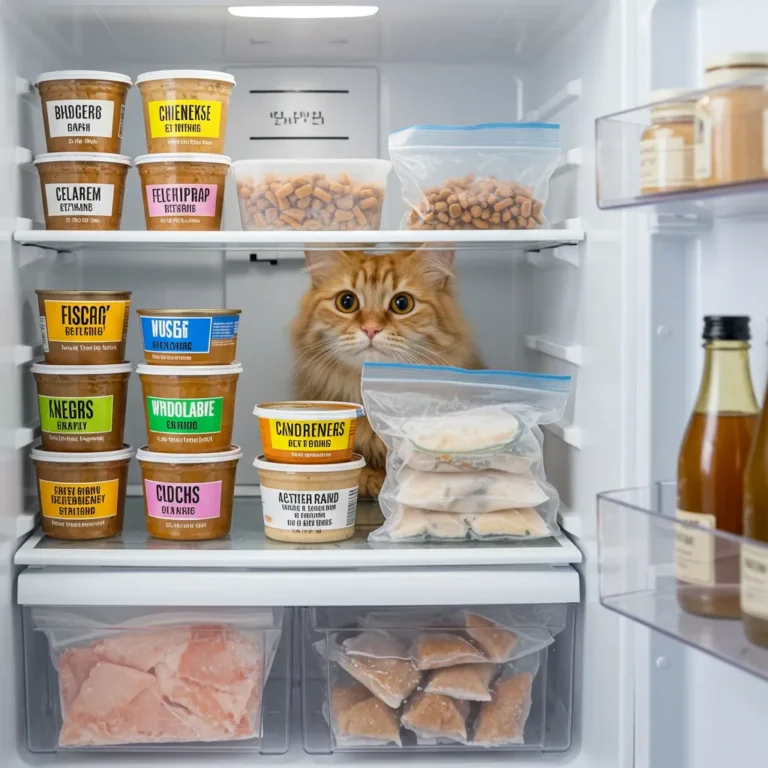
Homemade and Raw Diets: Digestive Benefits and Risks
Some caregivers choose homemade or raw diets seeking digestive benefits, but these require careful formulation:
Potential Benefits:
- High moisture content (especially raw)
- Control over ingredient quality
- Exclusion of problematic additives
- Highly digestible when properly prepared
Significant Risks:
- Nutritional imbalances causing long-term issues
- Bacterial contamination (Salmonella, E. coli)
- Bone fragments causing constipation or obstruction
- Excessive fat content if not properly formulated
If considering alternative diets, consult a veterinary nutritionist and review our article on homemade cat food for balanced perspectives.
Frequently Asked Questions About Diet and Feline Digestion
Q: How can I tell if my cat’s food is causing digestive problems?
A: Common signs include chronic soft stools, excessive gas, frequent vomiting, constipation, or noticeable discomfort around mealtimes. Food-related issues typically improve within 2-4 weeks of an appropriate diet change.
Q: Are grain-free diets better for digestion?
A: Not necessarily. True grain allergies are rare in cats. Some grain-free diets replace grains with other carbohydrates like potatoes or legumes, which may be less digestible. Focus on overall quality and your individual cat’s response rather than marketing claims.
Q: How often should I feed my cat for optimal digestion?
A: Most adult cats do well with 2-3 meals daily. Consistent timing helps regulate digestive rhythms. Cats with specific conditions like diabetes or hyperthyroidism may benefit from more frequent, smaller meals.
Q: Can probiotics help my cat’s digestion?
A: Yes, particularly after antibiotic use, during diet transitions, or for cats with chronic soft stools. Choose species-specific probiotics and introduce gradually. Effects may take 2-4 weeks to notice.
Q: Why does my cat vomit after eating dry food but not wet?
A: This could indicate eating too quickly (common with kibble), inadequate chewing, or difficulty digesting the carbohydrate content in dry food. Puzzle feeders or moistening kibble with water may help, but switching to wet food often resolves the issue.
Q: How does diet affect hairballs?
A: Diets with adequate moisture and appropriate fiber help move hair through the digestive tract naturally. Some cats benefit from specific hairball formulas with added lubricating fibers. Regular grooming reduces hair ingestion.
Conclusion: Nourishing the Whole Cat Through Thoughtful Nutrition
Understanding how diet influences digestive health in cats transforms feeding from routine chore to powerful wellness tool. Each meal either supports or challenges your cat’s intricate digestive system, with effects rippling outward to energy, immunity, coat quality, and longevity.
The most effective approach combines species-appropriate principles with individual observation. What works perfectly for one cat may not suit another, even within the same household. Pay attention to stool consistency, energy patterns, coat quality, and overall demeanor these are your best indicators of dietary success.
Remember that dietary changes should be gradual, and persistent digestive issues warrant veterinary investigation to rule out underlying conditions. With patience and attention, you can identify the nutritional approach that helps your cat thrive at every life stage.
Ready to optimize your cat’s nutrition? Explore our complete library of cat care guides, from choosing the best wet cat food to managing specific health conditions with targeted nutrition. At Cat Bloom Haven, we’re committed to helping you make informed decisions that support your cat’s lifelong health and happiness.
Explore more expert cat care and behavior guides on Cat Bloom Haven.