The Silent Crisis: How to Spot the Warning Signs Your Cat Is Not Getting the Right Nutrition
The most insidious health threats to your cat aren’t always dramatic. They don’t always announce themselves with a trip to the emergency vet. Instead, they unfold slowly, subtly, in the daily rhythms of your cat’s life in the quality of their coat, the gleam in their eyes, their energy for play, and even their litter box habits. Nutrition is the absolute bedrock of feline health, and a dietary mismatch can quietly undermine your cat’s vitality from the inside out. This guide will teach you to decode the subtle and not-so-subtle signs your cat is not getting the right nutrition, empowering you to intervene before minor issues become major health crises.
Key Takeaways
Understanding the signs your cat is not getting the right nutrition is critical for proactive care. Key indicators often include:
- A dull, greasy, or thinning coat and excessive shedding.
- Lethargy, low energy, or a noticeable disinterest in play.
- Digestive distress: chronic soft stools, constipation, or frequent vomiting.
- Unusual weight changes either unexplained gain or loss.
- Behavioral shifts like increased vocalization, food obsession, or finickiness.
- Poor dental health and persistently bad breath.
- A weakened immune system leading to frequent minor illnesses.
Early recognition of these signs allows for timely dietary adjustments, preventing long-term damage to kidneys, urinary tract, and overall metabolic health.
The Foundation: Why Cat Nutrition Is Non-Negotiable
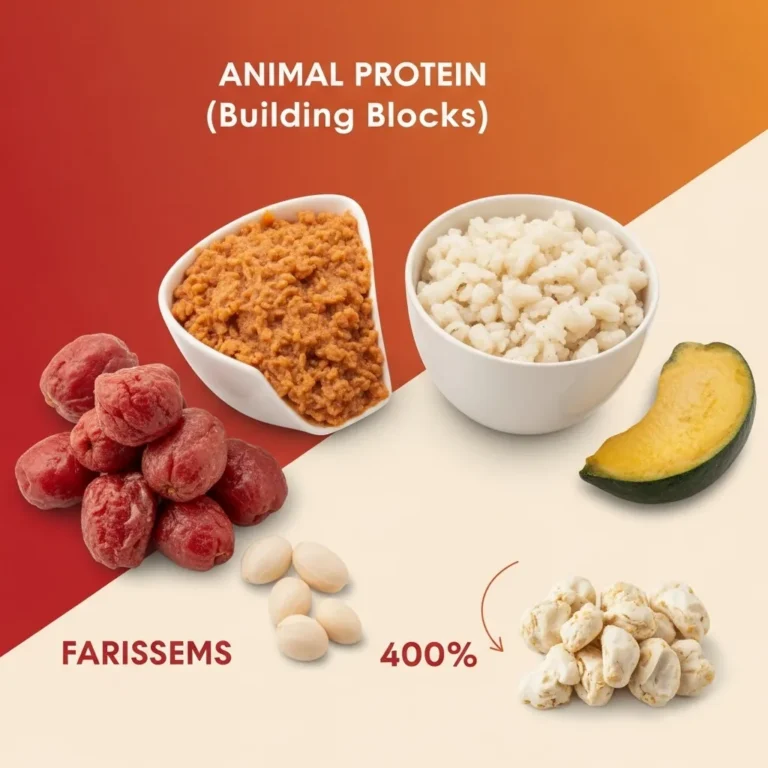
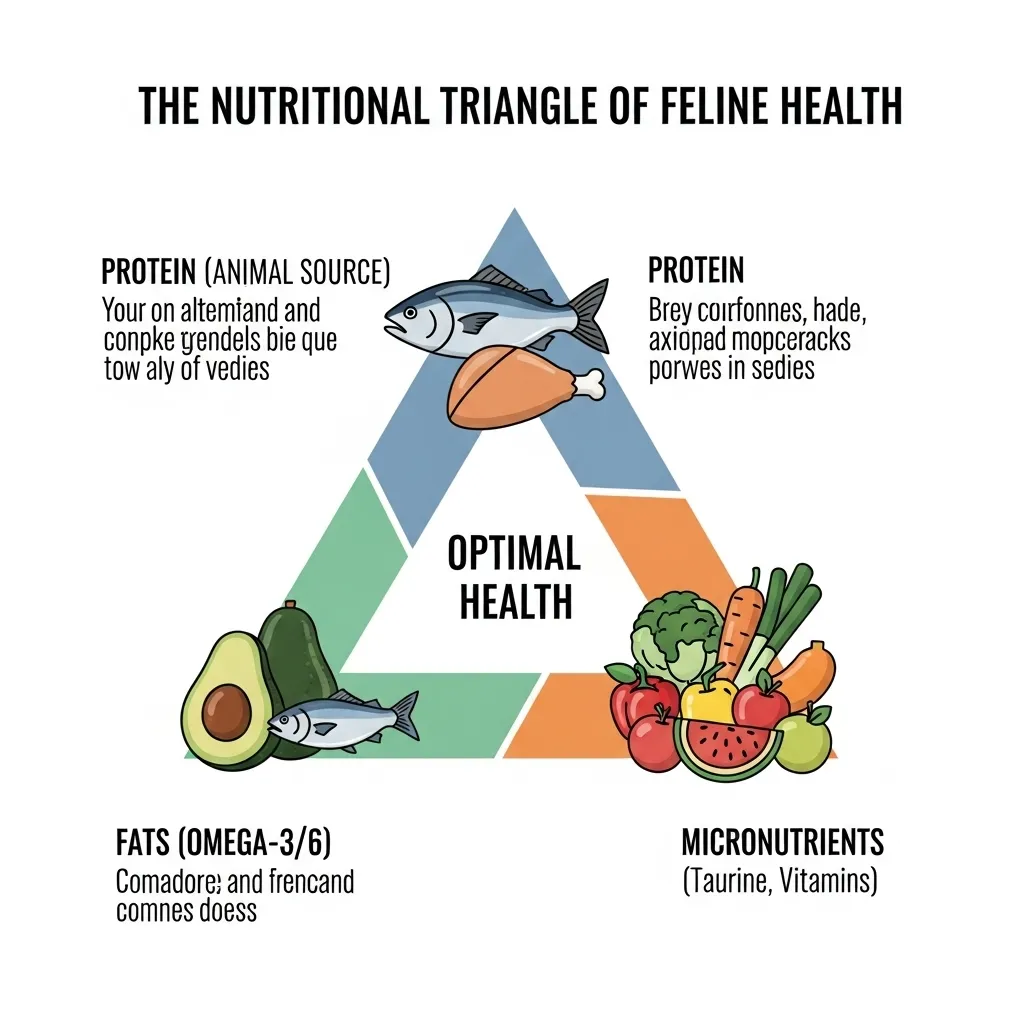
Cats are obligate carnivores. This isn’t a preference; it’s a biological imperative. Their systems are engineered to derive essential nutrients like taurine, arachidonic acid, pre-formed vitamin A, and specific proteins primarily from animal tissue. A diet lacking in these components doesn’t just lead to subpar health; it can lead to organ failure and death. Unlike humans or dogs, cats have a limited ability to synthesize these critical compounds from plant sources. When we feed them diets formulated for convenience or cost over species-appropriateness, we inadvertently create a cascade of deficiencies. For a deep dive into what constitutes a balanced diet, explore our guide on how to ensure your cat’s diet is nutritionally balanced.
Decoding the Physical Signs Your Cat Is Not Getting the Right Nutrition
1. Coat and Skin: The Most Visible Report Card
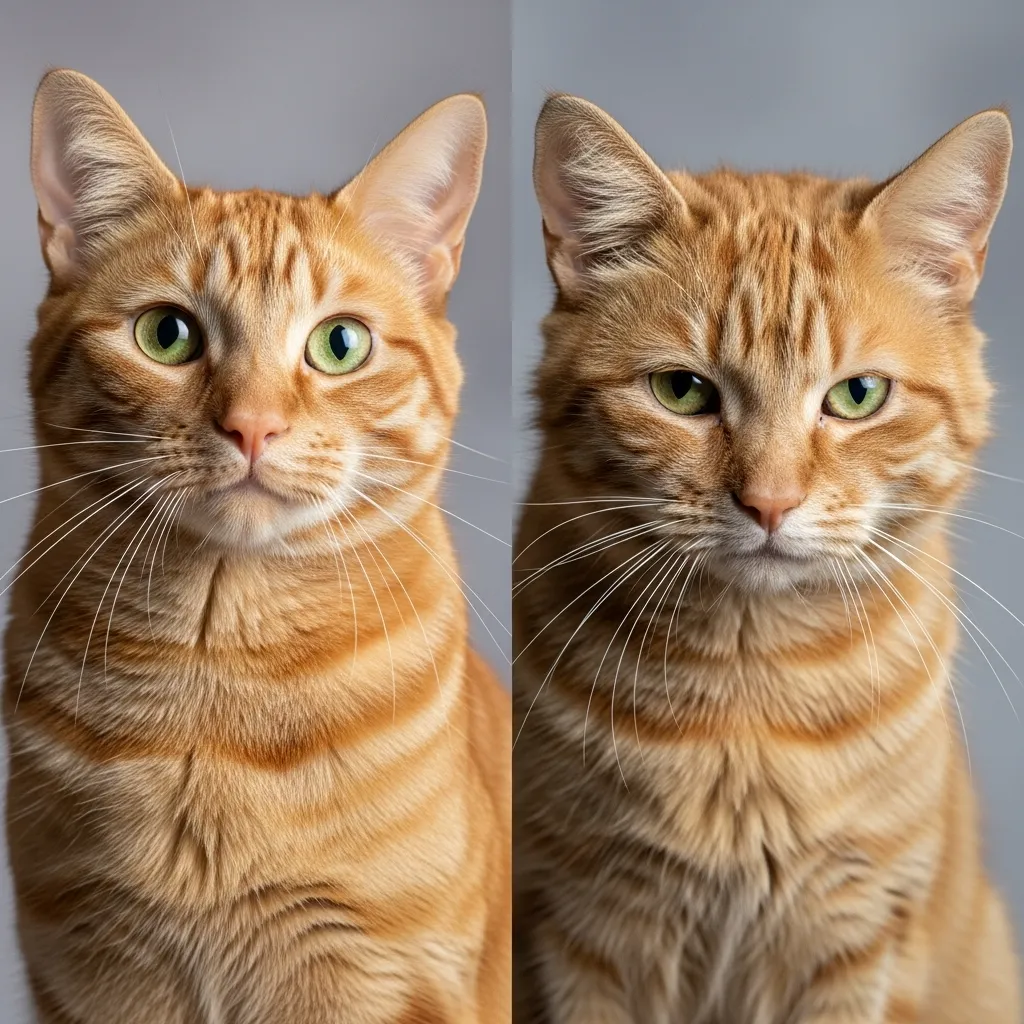
A cat’s coat is a direct reflection of internal health. The right nutrients build strong hair follicles and support the skin’s natural oil production.
- The Warning Signs: A coat that’s lost its luster, feels dry, brittle, or greasy to the touch. Excessive shedding, dandruff (more than a few flakes), or thinning patches are red flags. You might notice more hair than usual on your clothes or furniture. The skin may be flaky or irritated.
- The Nutritional Link: These symptoms often point to deficiencies in essential fatty acids (like Omega-3 and Omega-6), high-quality bioavailable protein, or certain vitamins (like B vitamins and Vitamin E). Protein provides the amino acid building blocks for hair, while fats keep the skin supple and the coat shiny. Discover foods that promote a healthy, shiny coat.
2. Energy and Activity Level: The Fuel Gauge
Cats are often stereotyped as lazy, but a healthy cat should have regular bursts of energy for play, exploration, and interaction.
- The Warning Signs: Pronounced lethargy. Your cat sleeps more than usual, seems uninterested in favorite toys, no longer greets you at the door, or abandons play sessions quickly. This isn’t typical “senior” slowing if it appears suddenly or in a younger cat.
- The Nutritional Link: Inadequate calories, poor-quality carbohydrates that cause energy spikes and crashes, or a lack of specific nutrients like Vitamin B12 or taurine can sabotage metabolic energy production. The cat’s body is simply not getting the right fuel. If your cat is also losing weight, this becomes even more urgent.
3. Weight Management: The Delicate Balance
Both sudden weight gain and unexplained weight loss are major signs your cat is not getting the right nutrition.
- Unexplained Weight Gain: This isn’t just about overfeeding. Low-quality, carb-heavy diets can cause insulin resistance and promote fat storage, even if portion sizes seem correct. It can be a precursor to feline diabetes.
- Unexplained Weight Loss: Perhaps the more alarming sign. If your cat is eating but losing weight, the body may not be absorbing nutrients properly (a digestive issue) or the food may be deficient in the dense calories and protein cats need. This demands immediate veterinary attention to rule out diseases, but diet is always a core part of the investigation. Learn more about healthy weight ranges for cats.
4. Digestive Health: The Gut Doesn’t Lie
Occasional upset is normal, but chronic digestive issues are a flashing neon sign.
- The Warning Signs: Frequent vomiting (more than once a week of hairballs aside), chronic soft stools or diarrhea, constipation, or visible discomfort when defecating. Excessive gas can also be a clue.
- The Nutritional Link: This can indicate food intolerances (e.g., to certain proteins or fillers like corn, wheat, or soy), poor digestibility of the protein source, lack of dietary fiber, or an imbalance of gut flora. The digestive tract is the gateway to nutrient absorption; if it’s inflamed, nothing else works right.
5. Dental Health and Bad Breath
While not solely caused by diet, nutrition plays a pivotal role.
- The Warning Signs: Persistently foul breath (beyond normal “cat food breath”), visibly tartar-covered teeth, reddened gums, or difficulty eating hard food.
- The Nutritional Link: Diets that are too soft don’t provide mechanical scraping action. More importantly, diets high in sugars and carbohydrates feed the bacteria in plaque, accelerating dental disease. Some specially formulated dental diets are designed to combat this. For home care, read our guide on how to clean your cat’s teeth at home.
The Behavioral and Subtle Clues
Cats communicate discomfort through behavior. Often, what we label as “finicky” or “weird” is a direct commentary on their food.
1. The “Finicky Eater” vs. The Food Critic
There’s a difference between a cat with a discerning palate and one who is rejecting inadequate food.
- The Warning Sign: Your cat approaches food with interest but sniffs and walks away. They may hunger-strike against a new food they don’t trust or consistently leave portions in the bowl. Conversely, they may become obsessively food-motivated, begging constantly, as if they’re never satiated.
- The Nutritional Link: Rejection can mean the food is unpalatable (low-quality palatants), causes stomach upset, or doesn’t meet an instinctive nutritional need. Constant hunger can mean the food is low in satisfying protein/fat, leading to poor satiety. Learn about why cats suddenly refuse food.
2. Water Consumption and Urinary Health
This is a critical and often overlooked area.
- The Warning Signs: Drinking excessively more or less water than usual. Changes in litter box habits: straining to urinate, crying in the box, urinating outside the box, or blood in urine.
- The Nutritional Link: Diets high in dry food (kibble) are inherently low in moisture, forcing cats to drink more and concentrating their urine, which can predispose them to crystals and urinary blockages. Diets with excessive minerals (like magnesium and phosphorus) can also contribute to crystal formation. Proper moisture content is vital; explore the benefits of wet cat food.
3. Immune Function and Overall Resilience
A poorly nourished cat has a weakened defense system.
- The Warning Signs: Seeming to catch every “bug,” slow healing of minor wounds or scratches, recurring skin infections, or general fragility.
- The Nutritional Link: Key nutrients like Vitamins A, C, E, zinc, and selenium are vital for a robust immune response. A chronic deficiency leaves a cat vulnerable.
Life Stage Nutrition: The Needs Change
A one-size-fits-all diet fails most cats. The signs your cat is not getting the right nutrition often appear when their life stage needs aren’t met.
- Kittens: Require diets very high in protein, fat, and calories for growth. Signs of deficiency include stunted growth, poor muscle development, and low energy.
- Adults: Need balanced maintenance diets. Signs of mismatch are those listed throughout this article: weight issues, poor coat, low energy.
- Seniors (7+ years): Often need more digestible protein to combat muscle loss, joint support nutrients, and adjusted calorie counts. Signs include unexpected weight loss in older cats, increased stiffness, and dental issues making eating painful.
Our comprehensive cat nutrition life stages guide breaks this down in detail.
What to Do: Your Action Plan
- Consult Your Veterinarian First: Rule out underlying medical conditions (e.g., hyperthyroidism, kidney disease, diabetes) that can mimic nutritional deficiencies. Bloodwork and a urinalysis are essential.
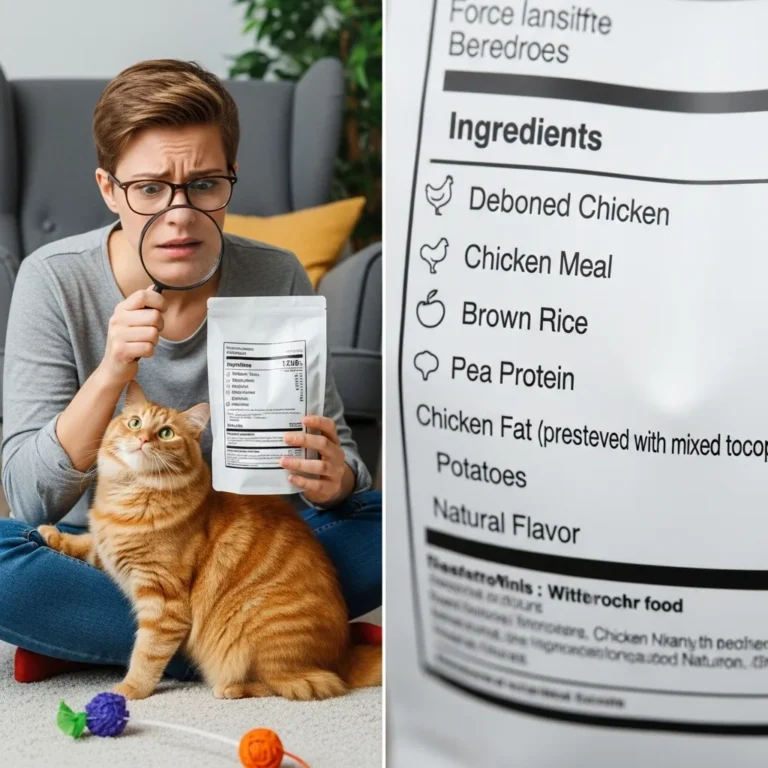
- Become a Label Detective: Learn how to read cat food labels. Look for a named animal protein (e.g., “chicken,” “salmon”) as the first ingredient, not vague terms like “meat by-products” or “animal digest.” Understand the role of taurine and ensure it’s listed.
- Consider a Diet Transition: If a change is needed, transition slowly over 7-10 days, mixing increasing amounts of the new food with the old to avoid digestive upset.
- Evaluate Protein and Moisture: Assess if your cat would benefit from a higher-protein, lower-carbohydrate diet, and strongly consider incorporating more moisture via wet food, broths, or water fountains.
- Monitor and Adjust: After a dietary change, give it 8-12 weeks to see full effects on coat and energy. Keep a simple log of weight, energy, coat quality, and litter box output.
FAQ: Quick Answers to Common Questions
Q: My cat’s coat is dull but she seems fine otherwise. Is this urgent?
A: It’s not an emergency, but it’s an important early warning sign. A dull coat often precedes other issues. It warrants a dietary evaluation and possibly a vet check to get ahead of any problems.
Q: Is dry food or wet food better for preventing nutritional issues?
A: Wet food is generally superior for hydration and is often higher in protein and lower in carbs. It can be crucial for urinary health. However, high-quality dry foods exist. The best choice depends on your cat’s specific needs; many experts recommend a combination. Compare the two in our wet vs. dry cat food nutrition guide.
Q: Can I just give my cat supplements if I see these signs?
A: No. Never supplement blindly. Oversupplementation can be dangerous. First, identify the specific deficiency through veterinary guidance and address it through a balanced diet. Supplements should only be used under direct veterinary supervision.
Q: How long after improving my cat’s diet will I see changes?
A: Digestive improvements can be seen within days. Energy levels may improve in 1-2 weeks. A full coat “bloom” and optimal skin health can take 2-3 months, as the new hair grows in.
Q: My cat is obese but always hungry. Could it be his food?
A: Absolutely. Low-quality, high-carb diets provide empty calories that don’t trigger satiety hormones effectively, leading to constant hunger and weight gain. Switching to a high-protein, high-moisture diet can help them feel fuller on fewer calories.
Conclusion: Empowerment Through Observation
Recognizing the signs your cat is not getting the right nutrition is one of the most profound acts of care you can provide. It moves you from being a passive feeder to an active health advocate. By learning to observe the subtle language of your cat’s coat, eyes, energy, and habits, you forge a deeper bond and ensure their diet is truly building a foundation for a long, vibrant, and healthy life. Your vigilance is their best defense.
Ready to take the next step? Explore our extensive library of expert-backed guides on cat food and nutrition, specific health conditions, and breed-specific dietary tips to create a personalized wellness plan for your unique feline companion. Your journey to optimal feline health starts at Cat Bloom Haven.