Portion Control for Cats: How Much Is Too Much?
The plaintive meow at 5 AM. The perfectly timed stare as you open the refrigerator. The calculated brush against your legs during dinner preparation. If you share your life with a cat, you know these behaviors intimately. They’re the daily negotiations in a complex, often confusing, relationship with a creature whose food motivations can seem boundless.
The question every caring cat owner eventually faces is simple yet critically important: Portion control for cats: how much is too much? Finding the answer is the difference between supporting a vibrant, healthy life and unintentionally contributing to a silent epidemic of feline obesity and its associated health crises.
This isn’t just about counting kibble. It’s about understanding the intricate biology of an obligate carnivore, interpreting silent signals of hunger versus habit, and crafting a feeding strategy that respects both instinct and modern domestic life. Misjudging portions even slightly over time can lead to weight gain that stresses joints, burdens organs, and shortens lifespans. Conversely, underfeeding can deprive your cat of essential nutrients, leading to malnutrition and a host of other issues.
In this comprehensive guide, we will move beyond generic feeding charts. We will equip you with the knowledge to become an expert in your own cat’s nutritional needs. You’ll learn how to calculate precise, personalized portions, decode your cat’s behavior, choose the right food, and implement feeding strategies that promote physical health and mental satisfaction. Let’s transform feeding from a guessing game into a cornerstone of preventative healthcare.
Key Takeaways:
- Feline obesity affects over 60% of domestic cats in some regions, making precise portion control a primary health intervention.
- The “right” portion is unique to each cat, determined by a precise formula based on ideal weight, life stage, activity level, and metabolism.
- Kibble is highly calorie-dense; even small volumetric overages can lead to significant weight gain. Always measure by weight, not volume.
- Scheduled, portion-controlled meals are superior to free-feeding for weight management, health monitoring, and bonding.
- Regular body condition scoring is more reliable than the number on the scale alone for tracking your cat’s health.
Why “Just a Little Extra” is a Big Problem: The Science of Feline Weight Gain
The path to an overweight cat is often paved with good intentions a few extra treats for being cute, topping off the bowl to show love, or misinterpreting vocal demands for food as true hunger. The metabolic reality for cats, however, makes them exceptionally efficient at turning those “little extras” into stored fat.
Cats are descended from desert-dwelling ancestors who consumed small, frequent meals (prey). Their metabolism is adapted to process high-protein, moderate-fat, and very low-carbohydrate meals. Modern commercial diets, especially dry kibble, can be high in carbohydrates. When a cat consumes more calories than it expends, regardless of the source, the excess is stored as fat.
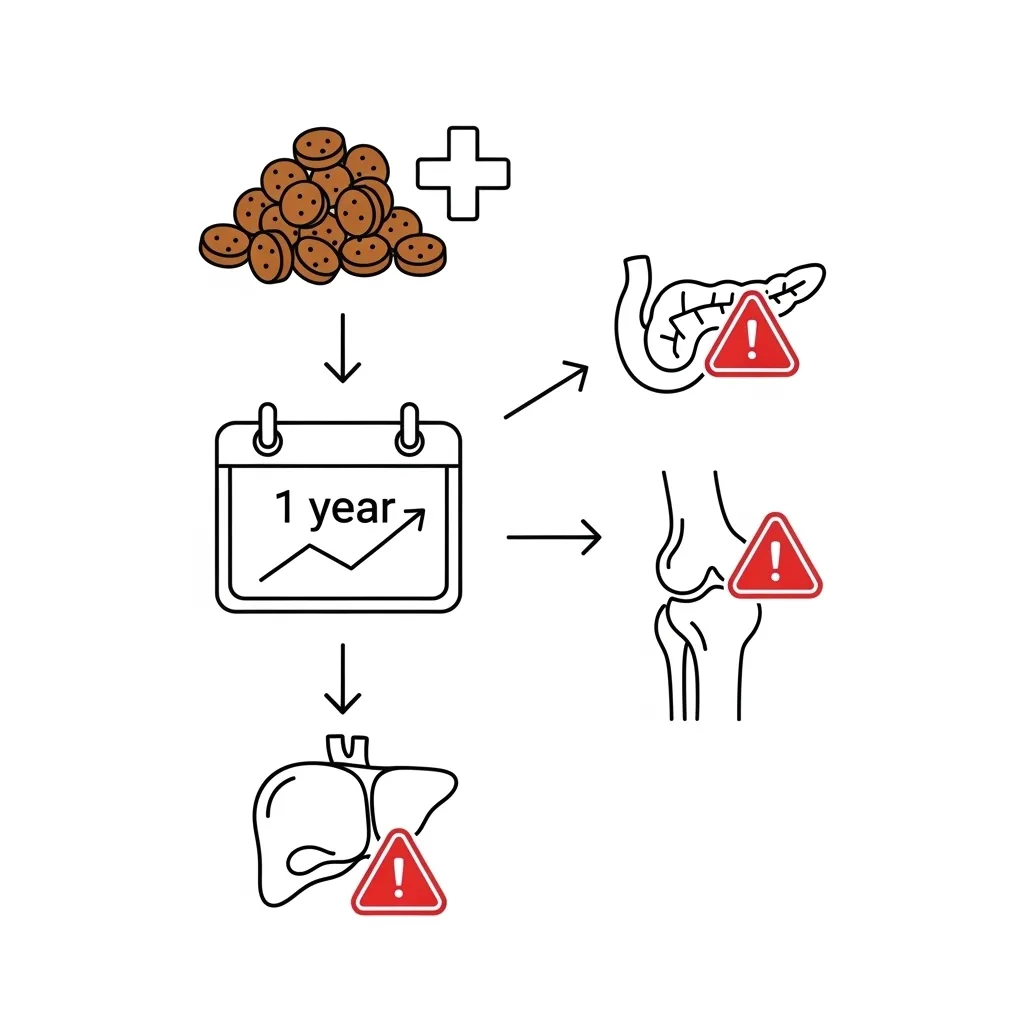
Unlike humans, a cat’s daily caloric needs are surprisingly modest. An average 10-pound indoor cat may only need 180-220 calories per day. An extra 10-20 calories daily the equivalent of just 5-10 extra pieces of standard kibble can lead to a pound of weight gain over a year. That’s a 10% increase in body weight for a 10-pound cat, pushing many into an overweight classification.
The health consequences are severe and multifaceted:
- Diabetes Mellitus: Obesity is the single greatest risk factor for Type 2 diabetes in cats, as excess fat causes insulin resistance.
- Osteoarthritis: Extra weight places immense strain on joints, accelerating cartilage wear and causing chronic pain.
- Hepatic Lipidosis (Fatty Liver Disease): When an overweight cat stops eating (even for a few days), the body mobilizes fat to the liver, which cats cannot efficiently process, leading to a potentially fatal liver failure.
- Urinary Tract Diseases: Overweight cats are more prone to feline lower urinary tract disease (FLUTD).
- Skin Problems: They cannot groom effectively, leading to matted fur, dandruff, and skin infections.
- Reduced Lifespan and Quality of Life: Studies consistently show that lean cats live longer, healthier, and more active lives.
Understanding this should reframe every feeding decision. Portion control is not deprivation; it is an essential act of love and longevity.
[Image Placement Suggestion: A simple, powerful infographic titled “The Domino Effect of 10 Extra Kibbles a Day.” It should visually show: 10 kibbles -> ~15 extra calories/day -> 1 lb gained/year -> increased risk icons for diabetes, arthritis, liver disease.]
- Image Prompt: A clean, minimalist vector infographic with icons. At the top, a small pile of 10 pieces of kibble with a “+” sign. An arrow points to a calendar showing one year, with a subtle upward trend line. Arrows then branch out to icons of a pancreas (diabetes), a joint (arthritis), and a liver, each with a caution symbol.
- Alt Text: Infographic showing how just 10 extra pieces of cat kibble per day can lead to one pound of weight gain per year and increase risks for diabetes, arthritis, and liver disease.
The Gold Standard Formula: Calculating Your Cat’s Perfect Portion
Forget the vague guidelines on the back of the bag. They are designed for a “generic” cat and often overestimate needs. To find your cat’s true maintenance calorie requirement, we use the Resting Energy Requirement (RER) and Daily Energy Requirement (DER) formulas, tools used by veterinary nutritionists.
Step 1: Determine Your Cat’s Ideal Weight
This is the most crucial step. Your feeding goal is not based on their current weight if they are overweight, but on what they should weigh. Your veterinarian is the best resource for this. You can also perform a Body Condition Score (BCS) at home:
- Ideal (BCS 5/9): Ribs are easily felt with a slight fat covering. Visible waist when viewed from above. Abdomen is tucked up when viewed from the side.
- Overweight (BCS 6-7/9): Ribs are difficult to feel under a thick fat layer. No visible waist. Abdomen is rounded.
- Obese (BCS 8-9/9): Ribs cannot be felt under a thick fat layer. Obvious abdominal fat pad. No waist.
If your cat is overweight, your vet can help set a safe target weight and monthly weight loss goals (typically 0.5-2% of body weight per week).
Step 2: Calculate Resting Energy Requirement (RER)
RER is the calories needed for basic physiological functions at rest. The formula for cats is:
RER (kcal/day) = (Ideal Weight in kg ^ 0.75) x 70
A simpler, accurate formula for typical cat weights is:
RER (kcal/day) = (Ideal Weight in kg x 30) + 70
Example for a cat with an ideal weight of 5 kg (11 lbs):
- RER = (5 x 30) + 70 = 150 + 70 = 220 kcal/day
Step 3: Apply a Life Stage & Lifestyle Factor (DER)
Multiply the RER by a factor to account for your cat’s individual needs:
- Neutered Adult Indoor Cat (Typical): RER x 1.2 (Low activity)
- Intact Adult Cat: RER x 1.4
- Active/Outdoor-Access Cat: RER x 1.6
- Weight Loss: RER x 0.8 (Always consult your vet before putting a cat on a diet)
- Kitten (0-4 months): RER x 2.5
- Kitten (4-12 months): RER x 2.0
- Senior Cat (11+ years): RER x 1.1 – 1.4 (depends on health)
Example for our neutered, indoor 5kg cat:
- DER = 220 kcal x 1.2 = 264 kcal/day
This 264 kcal is your starting point for daily calories. You will adjust up or down based on your cat’s weight trend over 2-4 weeks.
Step 4: Translate Calories into Food Amounts
Now, check the kcal/cup or kcal/can on your specific cat food label. Let’s assume your dry food is 350 kcal per cup.
- Daily Amount = 264 kcal / 350 kcal per cup = 0.75 cups per day.
Crucial: Use a digital kitchen scale to weigh this food. A “cup” can vary dramatically based on kibble size and shape. Weighing is the only accurate method. For our example, if 1 cup weighs 100 grams, you would feed 75 grams daily
Beyond the Math: The 5 Pillars of Practical Portion Control
The formula gives you a number, but successful implementation requires strategy. These pillars turn theory into sustainable practice.
1. Scheduled Meals vs. Free Feeding
Free-feeding (leaving food out all day) is the leading contributor to feline obesity. It removes all portion control, encourages grazing, and makes it impossible to monitor appetite (a key health indicator). Scheduled, portion-controlled meals are the gold standard. They allow you to:
- Control exact intake.
- Bond with your cat during feeding times.
- Immediately notice if your cat skips a meal (a red flag requiring a vet visit).
- Manage multi-cat households where one cat may dominate food.
Most adult cats thrive on two meals per day, 12 hours apart. Some may prefer three or four smaller meals, which can also help with energy levels and reduce begging.
2. The Wet Food Advantage
Incorporating wet food is one of the most powerful tools for portion control and overall health.
- Higher Water Content: Promotes hydration, crucial for urinary and kidney health. Discover more on feline hydration in our guide, Cat Hydration Guide.
- Lower Caloric Density: Cats can eat a larger, more satisfying volume for fewer calories.
- Higher Protein, Lower Carbohydrates: Aligns better with a cat’s natural dietary needs.
- For weight loss, replacing some or all dry food with a measured amount of wet food can help your cat feel fuller. Learn about choosing the right food in our resource on Best Wet Cat Food.
3. The Treat Trap
Treats should never exceed 10% of your cat’s daily caloric intake. For our 264 kcal cat, that’s just 26 calories. Many commercial treats are high in carbs and calories. Consider:
- Using a few pieces of their regular kibble as “treats.”
- Offering single-ingredient protein treats (freeze-dried chicken, etc.).
- Using non-food rewards like affection, play, or catnip. For cats obsessed with food, explore strategies in Cat Obsessed with Food.
4. Tools for Success
- Digital Kitchen Scale: Non-negotiable for accuracy.
- Measuring Cup (for verification): Use it, but always confirm with the scale.
- Automatic Feeders: Excellent for enforcing schedule and portion, especially for multi-cat homes with microchip-enabled feeders. They can also help with early morning cat wake-ups.
- Puzzle Feeders/Slow Feeders: Turn meal time into mental and physical exercise, slowing down fast eaters and providing enrichment.
5. Monitoring and Adjusting
Weigh your cat monthly on the same scale. Continue performing the Body Condition Score every 2-4 weeks. If weight is creeping up, reduce daily calories by 10-20 kcal. If weight loss is the goal and has stalled, consult your vet. Never make drastic changes.
Special Considerations: Life Stages and Health Conditions
Portion control is not one-size-fits-all. Key life stages demand adjustments.
Troubleshooting Common Portion Control Challenges
“My cat acts like it’s starving all the time!”
This is often behavioral, not physiological. Ensure your calculated portions are correct with your vet. Then, enrich their life:
- Increase Play: Schedule vigorous play sessions before meals to mimic the hunt-eat-groom-sleep cycle.
- Use Puzzle Feeders: Makes them work for their food, providing mental stimulation.
- Consider a High-Protein, High-Fiber Diet: Promotes satiety. Discuss with your vet.
- Rule Out Medical Causes: Parasites, diabetes, and hyperthyroidism can cause polyphagia (excessive hunger).
Multi-Cat Household Dynamics
This is a common hurdle. Strategies include:
- Scheduled, Separated Meals: Feed cats in separate rooms and pick up bowls after 20-30 minutes.
- Microchip/Automatic Feeders: Only open for the programmed cat’s microchip or RFID tag.
- Elevated Feeding Stations: For agile cats, away from a less-mobile cat.
- Close Monitoring: Ensure one cat isn’t bullying others away from their food and isn’t eating everyone’s portions, which can lead to obesity.
The Finicky Eater
If your cat refuses measured meals:
- Ensure Food Freshness: Store dry food in an airtight container.
- Warm Wet Food: Slightly warming wet food enhances aroma.
- Try Different Textures/Shapes.
- Stick to a Schedule: Don’t leave food down indefinitely or immediately offer alternatives. A healthy cat will not starve itself. If refusal lasts more than 24 hours, consult your vet.
Frequently Asked Questions (FAQ)
Q: How many times a day should I feed my cat?
A: Most adult cats do best with two scheduled, portion-controlled meals per day, approximately 12 hours apart. Some may prefer three smaller meals. Kittens require three to four meals daily.
Q: Can I just follow the feeding guide on the bag?
A: The bag guidelines are a starting point but often overestimate. They are for a generic, unneutered, active cat. Use the RER/DER formula for a personalized, accurate amount based on your cat’s ideal weight and lifestyle.
Q: My cat is overweight. How fast should they lose weight?
A: Safe, sustainable weight loss for cats is slow: 0.5-2% of body weight per week. Rapid weight loss can cause hepatic lipidosis. Always design a weight loss plan under veterinary supervision.
Q: Is dry or wet food better for portion control?
A: Wet food is often superior because it is less calorie-dense, so cats can eat a larger volume for fewer calories, promoting satiety. It also provides essential hydration. A combination is often ideal.
Q: How do I stop my cat from begging for food?
A: First, ensure portions are adequate. Then, completely ignore begging behavior. Do not give in with food or attention. Reward quiet, calm behavior with play or affection. Implement scheduled feeding so your cat learns food comes at specific times, not from begging.
Conclusion: Portion Control as an Act of Love
Mastering portion control for your cat is one of the most profound commitments you can make to their long-term wellbeing. It moves feeding from a passive, reactive task to an active, intentional component of preventative healthcare. It requires observation, a bit of math, and a commitment to consistency, but the rewards are immeasurable: a cat at a healthy weight is a cat with more energy, fewer aches, a reduced risk of devastating diseases, and a significantly brighter prospect for a long, vibrant life shared with you.
The journey starts with a honest assessment of your cat’s body condition, a conversation with your veterinarian, and the decision to pick up a measuring scoop and a kitchen scale. Listen to the science, not the pleading meows. By providing the right amount of the right food at the right times, you are not withholding—you are thoughtfully nourishing. You are answering the true question behind “Portion control for cats: how much is too much?” with confidence and care.
Explore more expert guides on feline nutrition, behavior, and holistic care to build the healthiest, happiest life for your cat at Cat Bloom Haven. Dive deeper into related topics like solving cat litter box problems, understanding why your cat sleeps so much, or creating the perfect cat feeding schedule.