The Hydration Revolution: Unlocking the Science of Why Some Cats Thrive on Wet Food Diets
Key Takeaways:
- Cats are obligate carnivores with a naturally low thirst drive, evolved to get most of their water from prey.
- Wet food diets can provide crucial hydration, supporting urinary tract health, kidney function, and digestion.
- The moisture content, protein quality, and carbohydrate levels in wet food align more closely with a cat’s biological needs.
- Transitioning to wet food requires patience and strategy, but the long-term health benefits can be transformative.
- Not all wet foods are created equal; understanding ingredients and nutritional balance is essential for optimal thriving.
Introduction: The Modern Cat’s Hydration Paradox
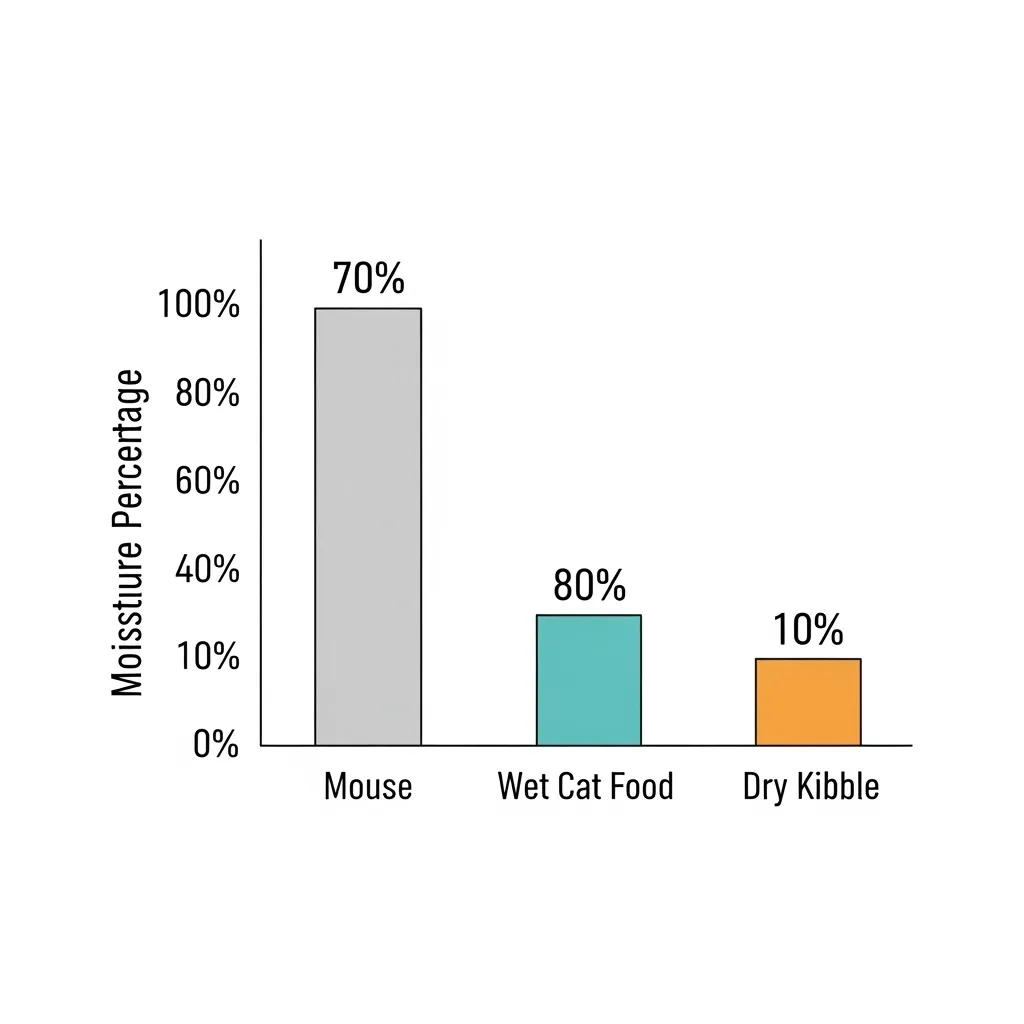
If you’ve ever watched your cat stare disdainfully at a full water bowl while delicately licking condensation from a window, you’ve witnessed a fundamental evolutionary mismatch. The domestic cat, Felis catus, carries the genetic blueprint of a desert-dwelling predator whose ancestors derived nearly 70% of their necessary water intake from freshly caught prey. Today’s indoor cat, presented with dry kibble and a ceramic bowl of still water, faces what veterinarians call the “hydration paradox” a biological system designed for moisture-rich food, living in an environment that often fails to provide it.
This article isn’t just another comparison of wet versus dry food. It’s a deep exploration into why some cats thrive on wet food diets in ways that go beyond basic nutrition. We’ll examine the physiological, behavioral, and long-term health reasons why a shift toward moisture-rich nutrition isn’t merely a preference, but for many felines, a pathway to vibrant health. From urinary tract protection to weight management and species-appropriate eating, the evidence supporting wet food diets is both scientific and compelling.
If you’ve wondered whether your cat’s occasional vomiting, chronic mild dehydration, or urinary issues could be diet-related, you’re asking the right questions. The solution might lie not in a prescription medication first, but in the can or pouch you open at mealtime.
The Biological Blueprint: Understanding the Feline as an Obligate Carnivore
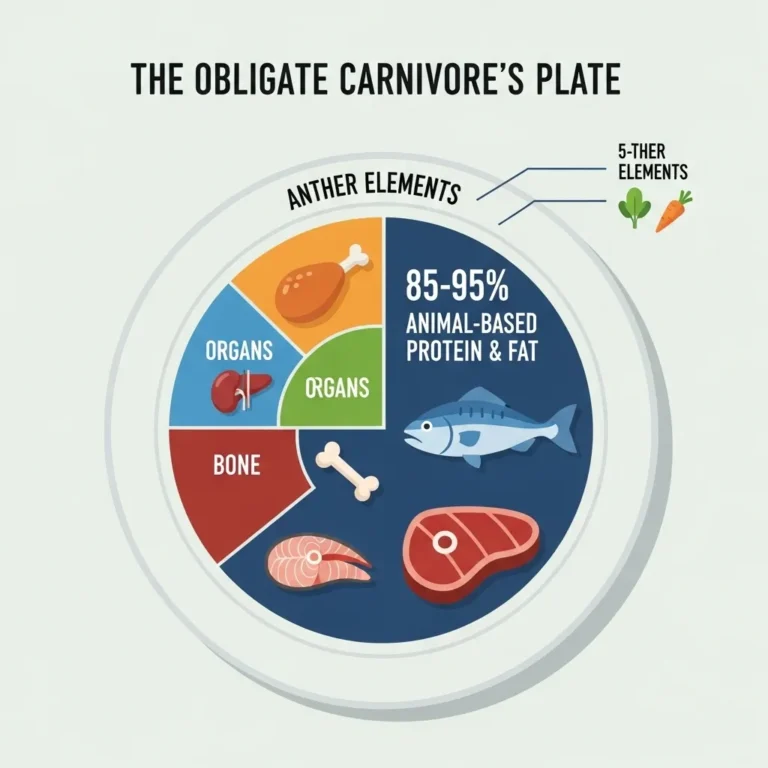
To comprehend why some cats thrive on wet food diets, we must first go back to their biological origins. Cats are obligate carnivores, meaning their digestive systems and metabolic pathways are specifically adapted to consume and process animal tissue. Unlike dogs or humans, cats have a limited ability to derive nutrients from plant matter. Their natural diet small rodents, birds, and insects is approximately 70-75% water.
The Low Thirst Drive Phenomenon
Cats evolved in arid environments where free-standing water was scarce. Their survival depended on extracting moisture from prey. Consequently, domestic cats have a relatively weak thirst drive. They simply don’t feel the urge to drink water with the same intensity as other mammals. When fed a dry diet (typically only 10% moisture), a cat would need to drink a significant volume of water separately to compensate a behavior their physiology doesn’t strongly encourage. This sets the stage for chronic, subclinical dehydration, a silent stressor on the body.
Protein Metabolism and the Taurine Imperative
Cats use protein for energy. They have a constant dietary requirement for certain amino acids, like taurine, which are found pre-formed only in animal tissue. Taurine is water-soluble and can be degraded during high-heat processing. The gentle cooking processes often used for wet food can help preserve these delicate, crucial nutrients. A taurine deficiency can lead to dire heart and eye conditions, which is why quality protein sources in bioavailable forms are non-negotiable.
The Multifaceted Benefits: How Wet Food Fuels Feline Thriving
The advantages of a wet food diet are interconnected, creating a positive feedback loop of health. It’s not just about adding water; it’s about aligning nutrition with physiology.
1. Optimal Hydration and Urinary Tract Health
This is the most significant and well-documented benefit. Increased water intake leads to more dilute urine. Dilute urine is less likely to form the crystals or stones that cause Feline Lower Urinary Tract Disease (FLUTD), a painful and common condition. For cats prone to urinary issues, whether idiopathic cystitis or crystal formation, a wet food diet can be therapeutic. The high moisture content also supports kidney function by promoting filtration and helping to flush toxins, which is particularly crucial for senior cat care as renal function naturally declines.
2. Weight Management and Satiety
Wet food is typically lower in carbohydrates and higher in protein than dry food. Carbohydrates are a source of dense calories that cats don’t efficiently utilize, potentially leading to weight gain. The high protein and moisture content of wet food promote a feeling of fullness (satiety) with fewer overall calories. The can or pouch also provides a controlled portion, reducing the temptation of free-feeding, which is a common culprit in cat obesity.
3. Digestive Ease and Nutrient Absorption
The moisture in wet food helps soften stools, which can prevent constipation a common issue, especially in older, less active cats. The high-quality animal proteins and fats in good wet foods are also more digestible for the feline gut. Furthermore, the texture and aroma can be particularly appealing to picky eaters or cats with dental issues that make chewing kibble painful, ensuring they still get essential nutrition.
If your cat has a sensitive stomach, our article on cat upset stomach food offers helpful guidance.
4. Dental Health: Addressing the Common Misconception
A prevalent myth is that dry food “cleans teeth.” The reality is that most cats don’t chew kibble long enough for any abrasive action; they often swallow it whole. Dental health is best supported by specific dental diets, treats, brushing, and veterinary cleanings. While some specialized dry foods are designed for dental care, generic kibble does not provide a dental benefit. Wet food does not cause dental disease; genetics, anatomy, and oral care habits are the primary factors.
Learn how to maintain your cat’s oral health with our guide on how to clean cat teeth at home.
Navigating the Transition: Practical Strategies for Success
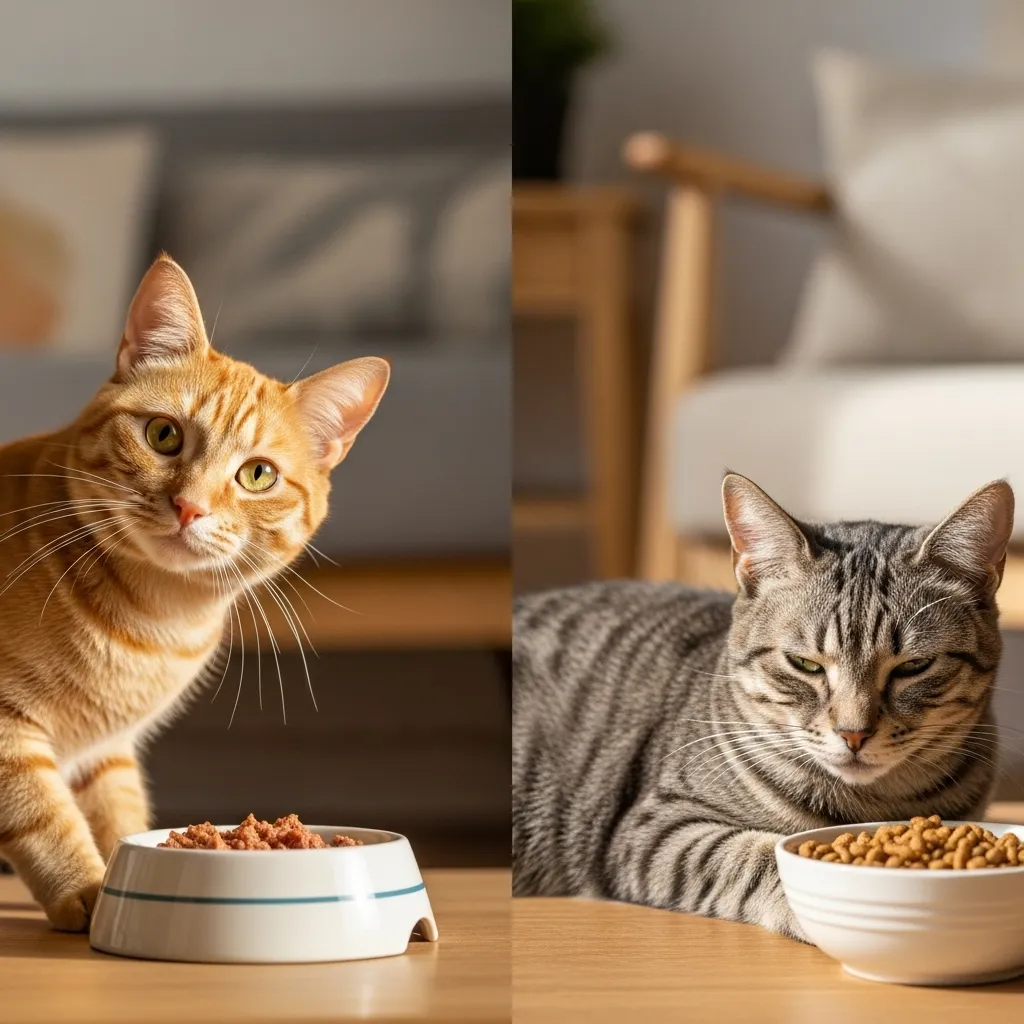
Switching a cat accustomed to dry food requires patience. Cats are creatures of habit and can be neophobic (wary of new things). An abrupt change can lead to a hunger strike or gastrointestinal upset.
The Gradual Mixing Method (Over 7-10 Days):
- Days 1-3: Mix 25% new wet food with 75% old dry food.
- Days 4-6: Shift to a 50/50 blend.
- Days 7-10: Serve 75% wet food with 25% dry.
- Day 11+: Offer 100% wet food.
Pro Tips for Stubborn Cases:
- Warm it Slightly: Warming the wet food to room temperature or slightly above (test on your wrist) enhances aroma.
- Topper Tactics: Use a “topper” of something irresistible, like a sprinkle of freeze-dried chicken or a bit of tuna juice (in moderation), on the wet food.
- Texture Trials: If your cat rejects pâté, try minced, shredded, or gravy-based varieties. Our guide on how to get your cat to eat wet food offers even more detailed strategies.
- Separate Resources: If you have multiple cats, ensure they have separate, peaceful feeding stations to reduce stress during the transition. Our article on stop cat eating other cats food can help manage multi-cat mealtimes.
Important: Always ensure fresh water is available in multiple locations, using clean, wide bowls (many cats dislike their whiskers touching the sides). Consider a cat water fountain, as some cats are attracted to moving water.
Choosing a Quality Wet Food: Beyond the Marketing
Not all wet foods will help your cat thrive. Reading the label is your most powerful tool.
What to Look For:
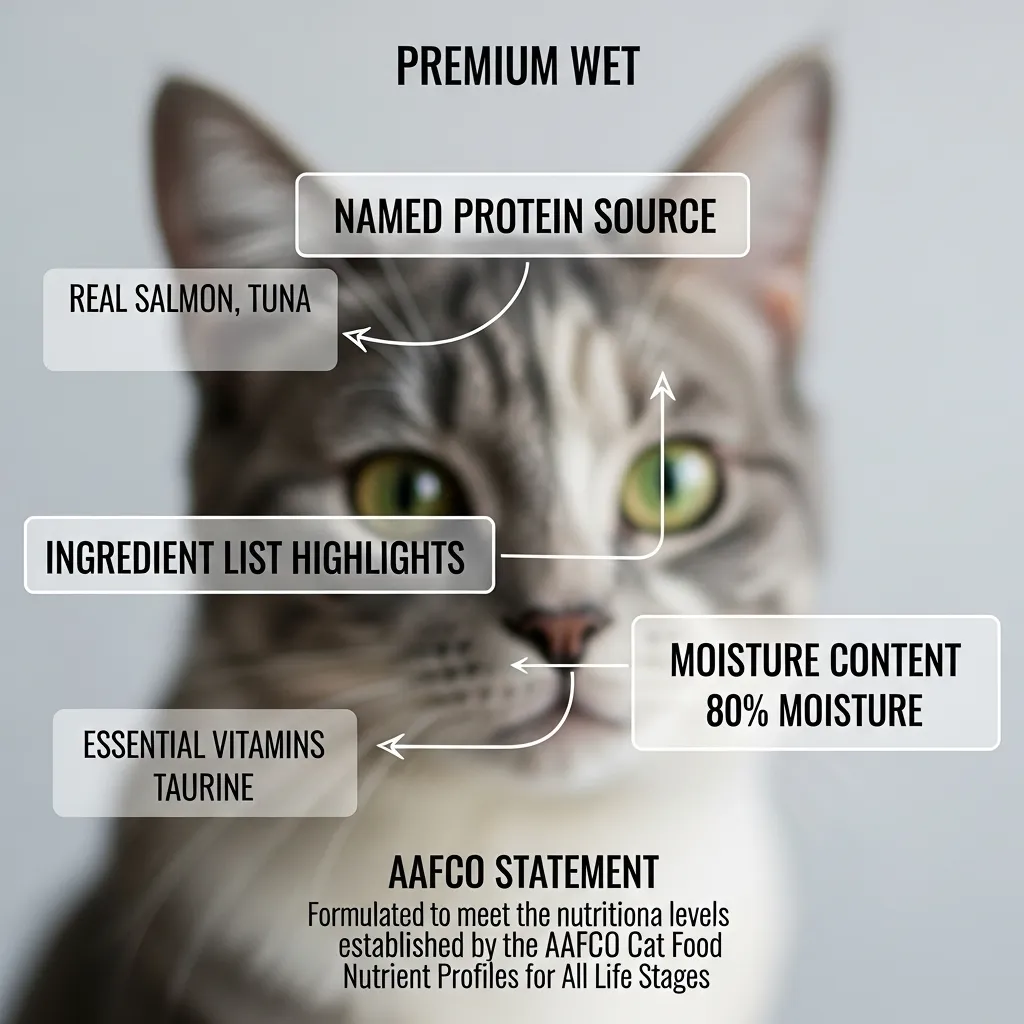
- Named Protein Source First: The first ingredient should be a specified meat, like “chicken,” “salmon,” or “beef,” not a vague term like “meat by-products” or “poultry.” While meat by-products in cat food can be nutritious, transparency is key.
- Moisture Content: Look for moisture levels around 78%, which is close to natural prey.
- Moderate Fat, Low Carb: Cats need fat for energy. Avoid foods with fillers like corn, wheat, or soy high on the ingredient list.
- Complete & Balanced: The label should state the food meets AAFCO (Association of American Feed Control Officials) guidelines for your cat’s life stage (e.g., “for adult maintenance,” “for all life stages”).
A Note on Special Needs: Cats with medical conditions like feline diabetes, cat kidney failure, or pancreatitis require veterinary-prescribed therapeutic diets. Never switch a clinically ill cat’s food without veterinary guidance.
Addressing Common Concerns and Myths
“Is wet food more expensive?”
While the per-can cost is higher, you may feed less by volume due to its lower calorie density. Consider the potential long-term savings on veterinary bills for urinary, kidney, or obesity-related issues. It’s an investment in preventive health.
“Can I leave wet food out all day?”
No. Unlike dry food, wet food spoils quickly at room temperature. Uneaten portions should be discarded after 20-30 minutes. This reinforces healthy meal routines. For busy schedules, timed feeders with ice packs can be used. Learn about automatic cat feeder options.
“My cat drinks plenty of water, so isn’t dry food okay?”
While some cats are good drinkers, it’s nearly impossible for them to compensate fully for the moisture deficit in dry food through drinking alone. The synergistic hydration from within the food itself is physiologically distinct and superior.
“Will wet food cause diarrhea?”
A sudden switch can, which is why a gradual transition is vital. A high-quality wet food suited to your cat’s digestive system should not cause diarrhea and may actually improve stool quality.
The Verdict: A Tailored Approach to Thriving
Why some cats thrive on wet food diets is ultimately a story of biological alignment. By providing hydration within their food, we honor their evolutionary design, supporting their kidneys, bladder, digestive system, and overall metabolic health. The shift from dry to wet can be one of the most impactful positive changes a cat owner can make.
However, the “best” diet is the one that your individual cat will consistently eat and that supports their specific health needs. Some cats may do well on a mixed feeding regimen. The goal is informed choice, not perfection.
Final Thought
Observe your cat. A cat thriving on an appropriate diet exhibits a bright energy, a healthy coat, consistent litter box habits, and a keen interest in mealtime. If your cat is experiencing cat not eating, cat vomiting, or cat peeing everywhere, dietary composition and hydration should be among your first considerations. Always partner with your veterinarian to make decisions tailored to your feline companion’s unique health profile.
FAQ: Quick, Snippet-Ready Answers
Q: What are the main benefits of wet food for cats?
A: The primary benefits are increased hydration (supporting urinary and kidney health), better weight management through higher protein/lower carbs, improved digestibility, and alignment with a cat’s natural carnivore physiology.
Q: How do I switch my cat from dry to wet food?
A: Transition gradually over 7-10 days by mixing increasing amounts of wet food with decreasing amounts of dry food. Warm the food slightly and try different textures if your cat is hesitant.
Q: Is dry food bad for cats?
A: Dry food isn’t inherently “bad,” but its low moisture content doesn’t match a cat’s low thirst drive, potentially leading to chronic dehydration. High-carbohydrate dry foods can also contribute to obesity and diabetes in prone individuals.
Q: Can I feed both wet and dry food?
A: Yes, a mixed feeding regimen is common. You can offer wet food at scheduled mealtimes and leave out a measured amount of dry food for grazing, or use dry food in puzzle toys for enrichment.
Q: How much wet food should I feed my cat?
A: Amounts vary by brand, calorie content, and your cat’s age, weight, and activity level. Always start with the feeding guidelines on the can and adjust based on your cat’s body condition, using our cat portion control guide. Consult your vet for personalized advice.
Ready to explore more about feline nutrition and behavior? Discover comprehensive, vet-backed guides on everything from cat food nutrition and solving cat litter box problems to understanding your cat’s unique cat personality on Cat Bloom Haven.