The Safe Switch: A Vet-Approved Guide to Transitioning Your Cat to a New Diet Without the Stress
Key Takeaways:
- A successful diet transition requires a minimum of 7–10 days, but some cats may need 2–4 weeks.
- The most common mistake is switching food too quickly, leading to digestive upset or food aversion.
- Always consult your veterinarian before changing your cat’s diet, especially for health-related reasons.
- Patience, consistency, and close observation are your most important tools.
- A proper transition supports long-term health, from a shinier coat to better urinary and digestive health.
Changing your cat’s food can feel like navigating a diplomatic crisis with a tiny, furry, and incredibly stubborn ambassador. One wrong move a new scent, a different kibble shape and you’re met with a suspicious stare, a disdainful sniff, or worse, a hunger strike. Yet, there are many valid reasons for transitioning your cat to a new diet safely: age, health concerns like kidney disease or allergies, weight management, or simply finding a higher quality food.
The process isn’t just about mixing bowls; it’s about understanding feline biology and psychology. Cats are creatures of habit and neophobes wary of new things. Their digestive systems are sensitive, and a sudden change can disrupt the delicate balance of gut flora, leading to vomiting, diarrhea, or constipation. More than just a physical process, it’s a behavioral one that requires trust and patience.
This comprehensive guide draws on veterinary science and feline behavior expertise to give you a step-by-step framework. We’ll move beyond basic mixing ratios to explore the why behind the how, ensuring your cat not only accepts their new food but thrives on it.
Why a Safe Transition is Non-Negotiable for Cat Health
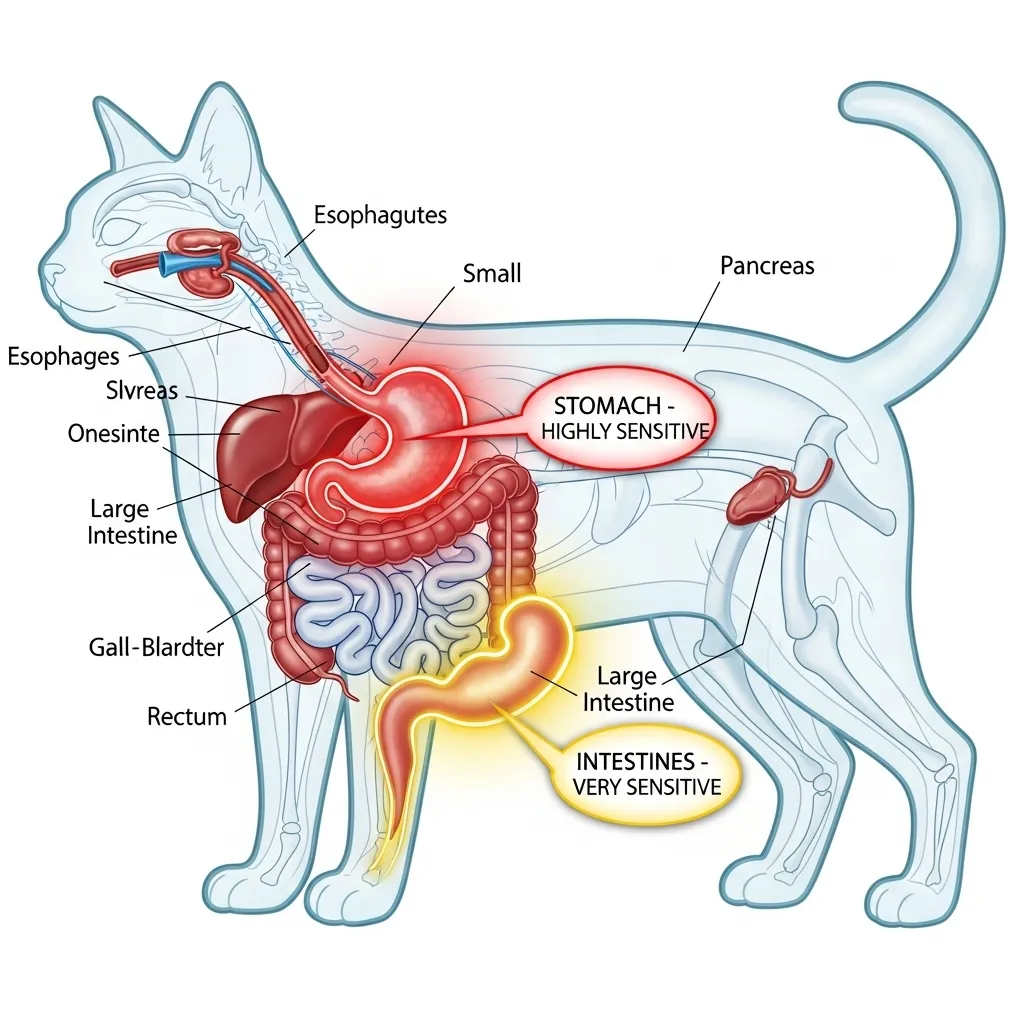
The feline digestive tract is a highly tuned system. Unlike some omnivores, cats have a shorter gastrointestinal tract designed for processing meat. The enzymes and microbial population (the gut microbiome) in their system are specialized for their usual diet. A sudden dietary shift is like changing the entire fuel and engine specifications of a car mid-drive it causes a breakdown.
The Risks of Switching Cat Food Too Fast:
- Gastrointestinal Upset: The most immediate risk. Symptoms include:
- Vomiting
- Diarrhea or soft stools
- Loss of appetite
- Constipation
- Gas and abdominal discomfort
- Food Aversion: If a cat associates a new food with feeling nauseous (even if the nausea was from switching too fast), they may develop a long-lasting aversion to that food, brand, or even flavor.
- Nutritional Imbalance: If the transition leads to refusal to eat, cats are at risk of hepatic lipidosis, a serious liver condition that can occur when an overweight cat stops eating for even a short period.
- Stress and Anxiety: For cats, consistency equals security. A sudden change in a core routine like feeding can elevate stress, potentially triggering behavioral issues or stress-induced cystitis.
A methodical transition allows the digestive system to adapt, the microbiome to adjust, and the cat to become accustomed to the new food’s taste, smell, and texture at their own pace. It’s the cornerstone of preventive care.
The Golden Rule: Always Consult Your Veterinarian First
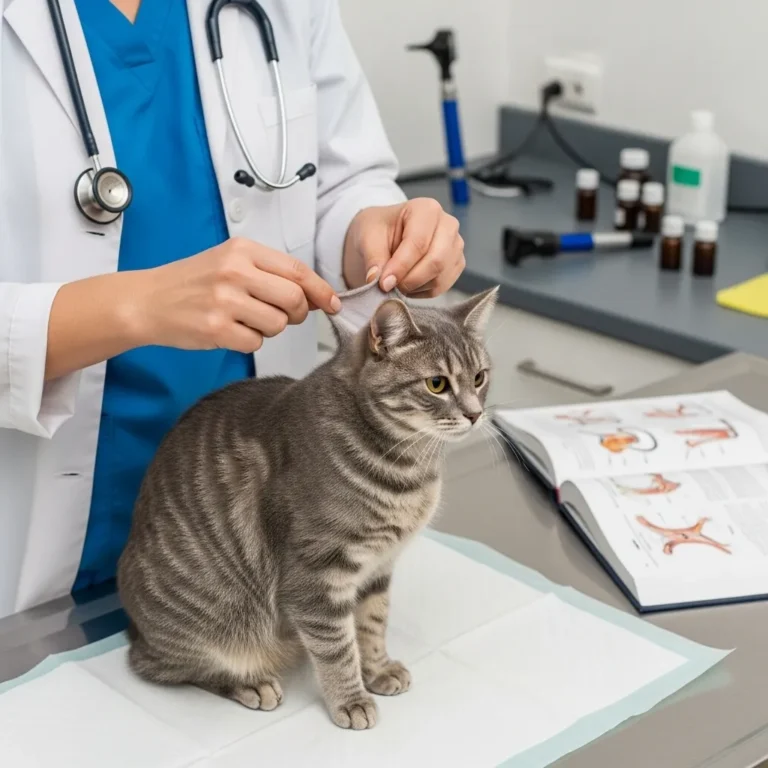
Before you purchase a single can or bag, schedule a conversation with your vet. This is the most critical step in transitioning your cat to a new diet safely.
Your vet will help you:
- Identify the Why: Confirm if a diet change is medically necessary (e.g., for diagnosed kidney disease, diabetes, food allergies, or obesity).
- Choose the What: Recommend specific therapeutic diets (like urinary health or hydrolyzed protein) or guide you toward high-quality commercial foods based on your cat’s life stage, activity level, and health status. For insights into life-stage nutrition, our guide on cat nutrition for life stages provides a helpful overview.
- Rule Out Underlying Issues: Ensure that symptoms you’re trying to address (like poor coat condition or inconsistent litter box habits) aren’t signs of a deeper medical problem requiring treatment beyond a diet change.
This partnership ensures the transition supports a specific health goal, rather than being a shot in the dark.
Pre-Transition Prep: Setting the Stage for Success
Success is 90% preparation. Before Day 1 of mixing foods, complete these steps:
- Decode the Current Diet: Note the brand, protein source (chicken, fish, etc.), format (dry kibble, wet pate, chunks in gravy), and feeding schedule. This is your baseline.
- Select the New Food Wisely: If not a prescribed therapeutic diet, choose a high-quality food with a named animal protein as the first ingredient. Decide if you’re switching protein sources, formats, or both. A change in just one variable (e.g., from chicken dry food to chicken wet food) is often easier than changing both (e.g., from chicken dry food to fish wet food).
- Gather Your Tools: You’ll need separate measuring cups for old and new food to avoid cross-scenting, clean bowls (shallow, wide dishes are best for cat whiskers), and possibly puzzle feeders for enrichment.
- Establish a Baseline: Note your cat’s current weight, energy level, coat quality, and litter box output. This helps you track the new diet’s impact.
The Standard 7–10 Day Transition Plan (And When to Go Slower)
This is the foundational method. The core principle is to gradually increase the proportion of new food while decreasing the old.
- Days 1–2: 75% old food / 25% new food
- Days 3–4: 50% old food / 50% new food
- Days 5–6: 25% old food / 75% new food
- Day 7+: 100% new food
Feed smaller, more frequent meals during this period (e.g., 3-4 times a day) rather than one or two large meals to keep the digestive system steadily engaged and to prevent hunger-induced aversion.

Signs You Need a Slower, More Cautious Transition (The 14–28 Day Plan):
Some cats are more sensitive. If you observe any of the following, stretch the plan over 2, 3, or even 4 weeks:
- A history of digestive sensitivity.
- Extreme neophobia (fear of anything new).
- You’re switching to a radically different formula (e.g., high-carb dry to high-protein wet, or introducing a novel protein like rabbit).
- Your cat is a senior or has a chronic health condition.
- Minor digestive upset occurs during the standard plan.
For a slower transition, spend 4-5 days at each mixing stage (75/25, 50/50, 25/75) before moving on. The goal is no digestive upset.
Advanced Strategies for Finicky, Senior, or Multi-Cat Households
The standard plan doesn’t work for every feline. Here’s how to adapt.
For the “Suspicious Food Critic” (The Finicky Eater):
- The Topper Method: Use the new food strictly as a “topper” or side dish, placed in a separate small dish next to the familiar meal. Let them investigate it on their own terms for several days.
- Scent Swapping: Place a few kibbles or a teaspoon of wet new food in a bowl near their feeding area (not in their bowl) for a couple of days before starting the mix, so the scent becomes familiar.
- Warm It Up: For wet food, gently warming it to room temperature or slightly above (never hot) enhances aroma, making it more appealing.
- Add Broth: A small amount of low-sodium, onion-free chicken or beef broth (or the liquid from a tuna can packed in water) can entice them. Use sparingly.
For Senior Cats:
Senior cats may have diminished senses of smell and taste, dental issues, or slower metabolisms. Transitioning your cat to a new diet safely here is paramount.
- Go Exceptionally Slow: A 3–4 week plan is standard.
- Consider Texture: If switching to wet food, ensure the texture (pate, shreds) is easy for them to chew and swallow. You can mash pate with water or broth for a gruel-like consistency.
- Monitor Hydration Closely: Diet changes can affect water intake. Ensure fresh water is always available. Our guide on cat hydration offers tips to encourage drinking.
- Weigh Them Weekly: Senior cats can lose weight quickly. Regular checks ensure the new diet is meeting their caloric needs.
For Multi-Cat Households:
This adds a layer of complexity, especially if only one cat needs a new diet.
- Separate Feeding: This is the most reliable method. Feed cats in separate rooms with closed doors for 20-30 minutes, then pick up bowls.
- Microchip-Activated Feeders: An investment that pays off, these feeders open only for the designated cat’s microchip or collar tag, allowing for precise dietary management.
- Supervised Meals: If separation isn’t possible, supervise closely and position yourself to gently block the cat who shouldn’t have access to the other’s food.
Critical Monitoring: What to Watch For During and After the Transition
Your role is that of a careful observer. Keep a simple log.
Positive Signs (Green Lights):
- Consistent, normal appetite.
- Firm, well-formed stools.
- Normal energy levels and playful behavior.
- A gradual improvement in target areas (e.g., less itching, more manageable weight).
Warning Signs (Red Flags – Contact Your Vet):
- Complete refusal to eat for more than 24 hours.
- Persistent vomiting or diarrhea beyond 48 hours.
- Lethargy, hiding, or significant behavioral changes.
- Signs of pain (crying when using the litter box, abdominal tenderness).
- Constipation (straining with no production).
Even after a successful transition, continue to monitor long-term health indicators. Learn more about early warning signs of cat health issues to stay proactive.
Troubleshooting Common Transition Problems
Problem: My cat picks out and only eats the old food.
Solution: Mix the foods more thoroughly. For wet food, blend them together. For kibble, ensure the new and old are similar in size and shape if possible, or use a palatable wet food to coat both kibbles.
Problem: Soft stools or diarrhea appear midway.
Solution: Immediately step back to the previous ratio that caused no issues (e.g., from 50/50 back to 75/25) and stay there for 3-5 more days before attempting to move forward again. You can also ask your vet about adding a probiotic powder designed for cats to support gut health.
Problem: My cat turns their nose up at the new food entirely.
Solution: Pause. Go back to 100% old food for a few days to reset. Then, restart the transition using a more gradual “topper” method or try a different protein or texture within the same brand. The issue may be flavor or texture, not the brand itself.
The End Goal: Recognizing a Successful Transition
A successful transition isn’t just about an empty bowl. It’s about holistic well-being. Weeks after the switch, you should observe:
- A healthy, sustained appetite.
- Optimal body condition (you can feel but not see their ribs).
- A soft, shiny coat and reduced shedding.
- Consistent, normal litter box output.
- Good energy and a content demeanor.
Remember, transitioning your cat to a new diet safely is one of the most impactful acts of care you can provide. It lays the nutritional foundation for a long, healthy, and vibrant life.
FAQ: Transitioning Your Cat to a New Diet Safely
Q: How long does it take to transition a cat to new food?
A: A minimum of 7-10 days is standard, but many cats do better with a 2-4 week transition, especially if they are senior, have a sensitive stomach, or are particularly wary of change.
Q: Can I mix wet and dry cat food during a transition?
A: Absolutely. It’s a common and effective method. You can mix wet food into dry, or offer them separately as part of the ratio plan. Ensure the total daily caloric intake is appropriate.
Q: What do I do if my cat gets diarrhea from new food?
A: Revert to a higher proportion of the old food immediately (e.g., go back to 75% old/25% new). Maintain that ratio until stools normalize for at least 2 days, then proceed more slowly. Consult your vet if diarrhea is severe or persists.
Q: Is it okay to transition a cat to a grain-free diet?
A: You can, but always for a specific reason and under veterinary guidance. Grain-free is not inherently better for all cats. The focus should be on high-quality animal protein and overall nutritional balance. Discuss the latest research with your vet.
Q: How do I switch my cat’s food if they are extremely picky?
A: Use extreme patience. Employ the “topper method” for a week, then begin minimal mixing. Entice with food toppers like bone broth or a tiny amount of freeze-dried meat. Consistency and refusing to give in immediately to demands for the old food are key.
Conclusion
Transitioning your cat to a new diet safely is a deliberate act of love a commitment to their long-term health and comfort. It requires more than a simple food swap; it demands an understanding of feline instincts, a watchful eye, and an abundance of patience. By following this vet-informed, behaviorally-conscious approach, you move from a potential power struggle to a collaborative journey toward wellness. The reward is a thriving cat, confident in your care and nourished by a diet that supports every purr, pounce, and peaceful nap.
Ready for more expert guidance? Explore our comprehensive library of cat care articles, from solving cat litter box problems to choosing the best beds for your feline friend, only at Cat Bloom Haven.