The Silent Threat: Unpacking the Lifelong Impact of Overfeeding on Your Cat’s Health
There’s a quiet, well-intentioned act unfolding in millions of homes: the extra scoop of kibble, the “just one more” treat, the bowl that’s never empty. It feels like love, like comfort, like generosity. But beneath this daily ritual lies a slow-moving crisis with profound consequences for our feline companions. The impact of overfeeding on long-term cat health is not merely about a few extra pounds; it is a cascading series of physiological insults that can stealthily steal years from your cat’s life and diminish their vitality.
This comprehensive guide moves beyond the simplistic “feed less” advice to explore the why and how the metabolic machinery that breaks down, the joints that strain, and the silent suffering that often goes unnoticed until it’s too late. By understanding the full scope of this impact, you gain the power to make informed, compassionate choices that foster resilience and longevity in your cat.
Key Takeaways: What You Need to Know Now
- Obesity is a Disease, Not a Condition: Excess fat is biologically active, producing hormones and causing inflammation that leads to diabetes, arthritis, and liver disease.
- The Domino Effect is Real: Overfeeding initiates a chain reaction. Weight gain leads to inactivity, which worsens gain and stresses joints, while also impacting metabolic and urinary health.
- Cats Hide Chronic Pain: A cat’s natural instinct is to conceal discomfort. Lethargy or reluctance to jump may be signs of osteoarthritis, not just “slowing down.”
- Portion Control is Non-Negotiable: Free-feeding is the primary driver of overfeeding. Measured, scheduled meals are the cornerstone of weight management.
- Quality and Quantity Both Matter: A calorie-dense, low-quality diet necessitates tiny, unsatisfying portions. A high-protein, moisture-rich diet supports lean mass and satiety.
- Long-Term Health is Built Daily: The cumulative impact of consistent, appropriate nutrition from kittenhood through the senior years cannot be overstated.
Beyond the Scale: How Excess Calories Rewire Feline Biology
To understand the true impact of overfeeding on long-term cat health, we must look inside. A cat’s body is a finely tuned obligate carnivore system. Chronic overnutrition throws this system into disarray.
The Adipose Organ: Fat is Not Inert
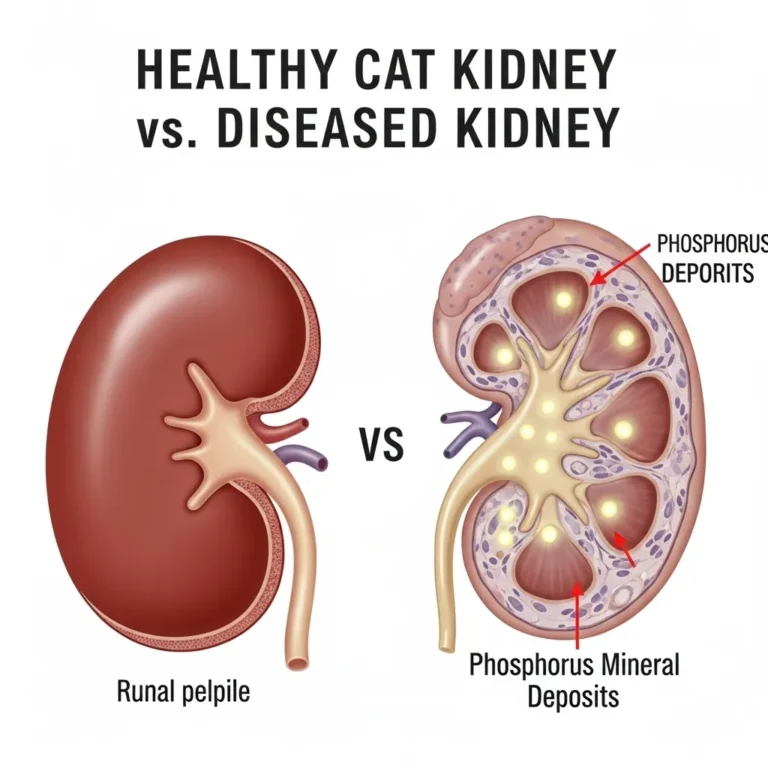
Body fat, or adipose tissue, is not just storage. It’s an endocrine organ. In an overweight cat, this organ goes into overdrive, secreting pro-inflammatory cytokines and hormones like leptin. This state of chronic, low-grade inflammation is a primary driver of insulin resistance. The cells become deaf to insulin’s signal, forcing the pancreas to work harder. This is the direct pathway to Feline Diabetes Mellitus, a complex and demanding disease to manage.
The Hepatic Lipidosis Trap: A Unique Feline Danger
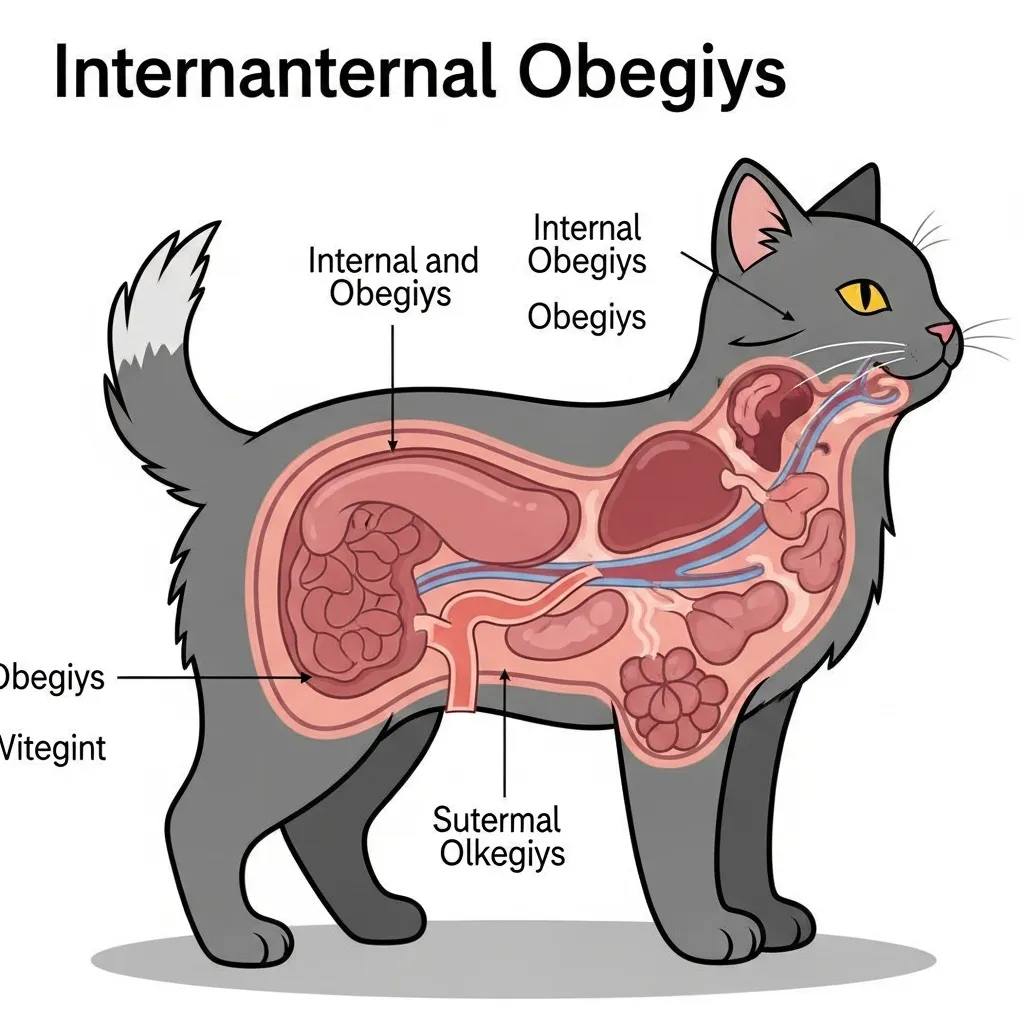
A cat’s liver is exceptionally prone to a condition called hepatic lipidosis, or fatty liver disease. When an overweight cat stops eating even for just 24-48 hours due to stress, illness, or an owner’s attempt to crash-diet the body mobilizes fat stores to the liver for processing. The feline liver is inefficient at exporting this fat, causing it to become engorged and fail. This creates a vicious cycle: the cat feels nauseous, eats less, and more fat floods the liver. It’s a life-threatening emergency that underscores why sudden calorie restriction is dangerous and prevention through maintained healthy weight is critical.
The Strain from Within: Musculoskeletal Breakdown
Every extra pound on a cat exerts approximately four pounds of extra pressure on their joints. This relentless load accelerates the wear and tear of cartilage, leading to osteoarthritis. Unlike a dog who may limp, a cat’s primary symptom is reduced activity. They may stop jumping to their favorite perch, have difficulty using the litter box with high sides, or become irritable when touched. This pain further reduces their willingness to move, creating a feedback loop of gain and pain. Discover more about supporting your cat’s mobility in our guide on cat exercise needs.
The Domino Effect: Interconnected Health Consequences
The impact of overfeeding is rarely isolated. It sets off a chain of interrelated health issues.
The Urinary System Under Pressure
Obesity is a significant risk factor for Feline Lower Urinary Tract Disease (FLUTD) and cystitis. Overweight cats are often less active and may drink less water, leading to more concentrated urine. They may also groom less effectively, and the discomfort of moving can make them reluctant to use the litter box regularly, allowing crystals more time to form. The link between weight, inactivity, and urinary health is profound. For strategies on promoting hydration, a key preventative measure, see our cat hydration guide.
The Metabolic Syndrome Triad
In cats, a disturbing triad often appears together: obesity, diabetes, and hypertension (high blood pressure). This is sometimes termed “feline metabolic syndrome.” Hypertension can silently damage the eyes, leading to retinal detachment and blindness, and strain the heart and kidneys. Managing this syndrome requires a holistic approach centered on sustained, safe weight loss.
Compromised Immunity and Increased Surgical Risk
Chronic inflammation from excess fat can dampen immune response. Furthermore, anesthetizing an overweight cat is riskier. Drug dosing is less precise, fat can impede visualization during surgery, and recovery is often slower due to respiratory compromise and decreased mobility.
The Psychology of the Bowl: Why We Overfeed and How to Stop
Understanding the emotional and practical drivers is key to change.
Decoding “Food Love” and Begging Behavior
We project our relationship with food onto our pets. Offering treats becomes a primary language of affection. Meanwhile, cats are master manipulators. A meow or paw bat is often reinforced by food, creating a learned begging cycle. It’s crucial to separate affection from feeding. Bond through play, grooming, or training instead. Learn to interpret other requests in our article on what is my cat thinking.
The Free-Feeding Fallacy
The bowl that is never empty is the single greatest contributor to overfeeding. It removes all portion control, encourages grazing, and makes monitoring appetite a key health indicator impossible. It also fails to satisfy a cat’s natural hunt-eat-groom-sleep cycle.
The Strategic Shift to Scheduled Meals
Transition to measured, scheduled meals. For most adults, this is twice daily.
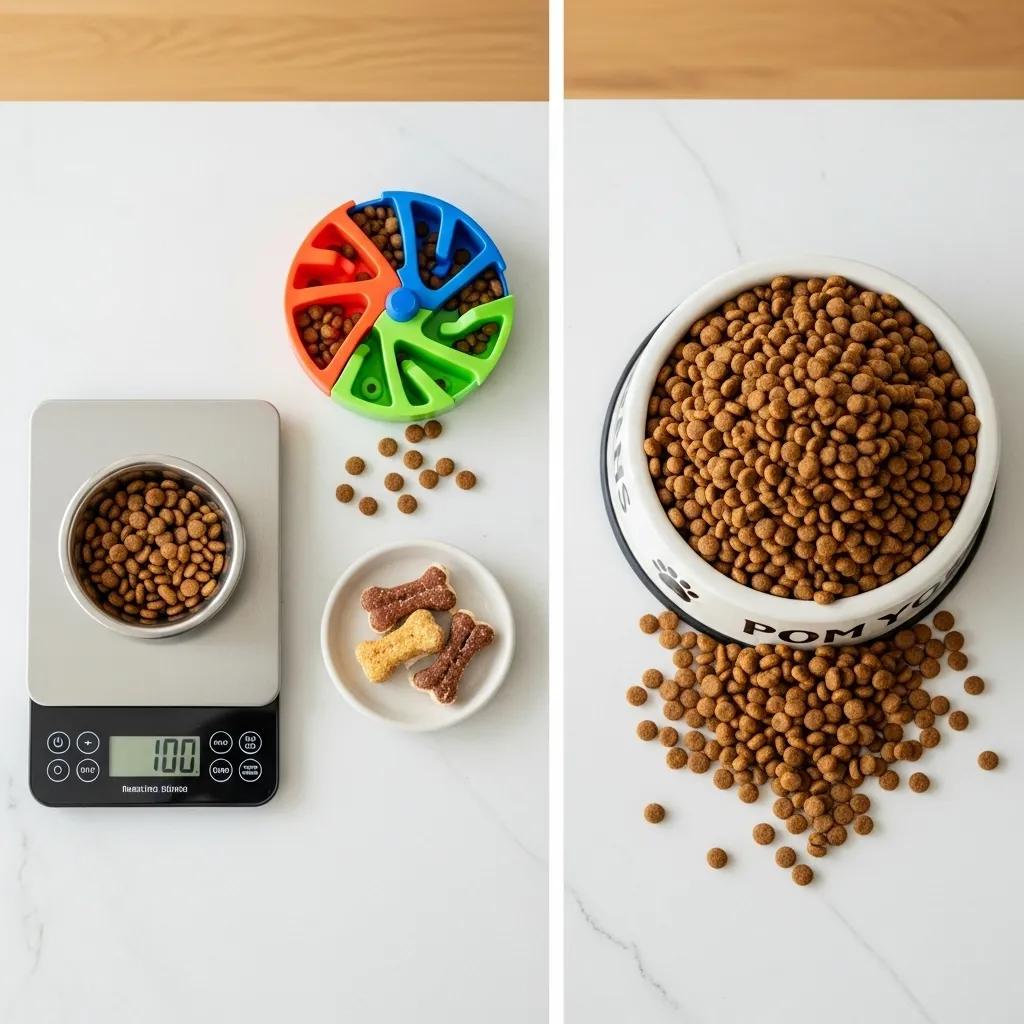
- Determine Daily Calories: Consult your vet for your cat’s ideal weight and Resting Energy Requirements (RER). Do not use the bag’s guideline, which is often for intact, active cats.
- Invest in a Kitchen Scale: Weighing food is infinitely more accurate than using a cup.
- Use Puzzle Feeders: Slow down eating and engage their brain. A simple DIY option is to place kibble in a muffin tin covered with tennis balls.
- Re-evaluate Treats: Treats should not exceed 10% of daily calories. Use part of their daily kibble allowance as “treats” during training or play.
Building a Framework for Lifelong Health: A Practical Guide
Kittenhood: Setting the Metabolic Blueprint
Kittens need frequent meals of high-quality, calorie-dense food to grow. However, overfeeding during this stage can program their metabolism for fat storage and increase the number of fat cells they carry for life. Follow your breeder or vet’s guidelines, monitor body condition, and encourage active play. Learn more about this foundational stage in our guide on how to raise a kitten.
The Adult Maintenance Phase: Consistency is Key
This is the long stretch where habits solidify. Annual vet check-ups with body condition scoring (aiming for a 4-5 on a 9-point scale) are essential. Adjust food amounts based on activity level (indoor vs. outdoor access) and neuter status, as spaying/neutering can reduce calorie needs by up to 30%.
The Senior and Geriatric Shift
Metabolism slows, muscle mass naturally declines (sarcopenia), and energy needs may decrease. However, the goal shifts from weight loss to maintaining lean muscle mass. This often requires a diet higher in high-quality, easily digestible protein, even if overall calories are slightly reduced. Regular, gentle exercise is vital. For comprehensive care strategies, explore our senior cat care resources.
Choosing the Right Fuel: The Diet Quality Equation
You cannot outrun a poor diet with portion control alone. A cat fed a low-quality, carbohydrate-heavy diet will feel hungry on their calorie allowance. Prioritize:
- High Animal-Based Protein: Supports lean muscle.
- Appropriate Moisture Content: Wet food aids hydration and satiety. Read our analysis of wet vs. dry cat food nutrition.
- Low Carbohydrate Density: Mimics a natural feline diet and helps regulate blood sugar.
Frequently Asked Questions (FAQ)
Q: How do I know if my cat is overweight?
A: Use the hands-on test. You should easily feel their ribs with a slight fat covering (like the back of your hand). From above, you should see a visible waist behind the ribs. From the side, the abdomen should tuck up. A hanging “apron” belly is a sign of excess fat.
Q: My cat seems hungry all the time on a diet. What can I do?
A: This is common. Increase satiety by switching to a high-protein, high-moisture wet food diet. Use puzzle feeders to make meals last longer. Ensure you are feeding the correct amount for their target weight, not current weight, under veterinary guidance.
Q: Is it safe to put my cat on a “crash diet”?
A: Absolutely not. Rapid weight loss in cats can cause hepatic lipidosis (fatty liver disease), a fatal condition. Safe weight loss is gradual, at a rate of about 1-2% of body weight per week, monitored by a vet.
Q: Are some cat breeds more prone to weight gain?
A: Yes. Mixed-breed domestic cats are very prone, as are certain breeds like the British Shorthair and the Ragdoll. However, any cat can become overweight without proper management. Understand your breed’s needs; for instance, see our Ragdoll cat weight guide.
Q: How does overfeeding affect a cat’s lifespan?
A: Studies consistently show that cats maintained at an ideal body condition live significantly longer, with a median lifespan increase of up to 2 years, and experience fewer chronic diseases, granting them a higher quality of life throughout their years.
A Conclusion Rooted in Compassionate Care
The impact of overfeeding on long-term cat health is a narrative of unintended consequences, where love expressed through food can morph into a burden carried by the cat in the form of aching joints, a struggling pancreas, and a overtaxed liver. But this narrative can be rewritten. By shifting our perspective from feeders to stewards of health, we embrace a deeper form of care.
It is not about deprivation, but about empowerment providing the precise fuel and framework for your cat to thrive. It is the daily commitment to measured meals, engaged play, and mindful observation that builds a foundation for resilience. This journey is the true expression of love: a dedication to ensuring their years are not just numerous, but vibrant, comfortable, and full of the joyful leaps and purrs that define a cat’s essence.
Ready to build a tailored wellness plan for your unique feline friend? Explore our library of expert guides on feline nutrition, behavior, and breed-specific care at Cat Bloom Haven.