Foods Cats Love That Are Surprisingly Unsafe
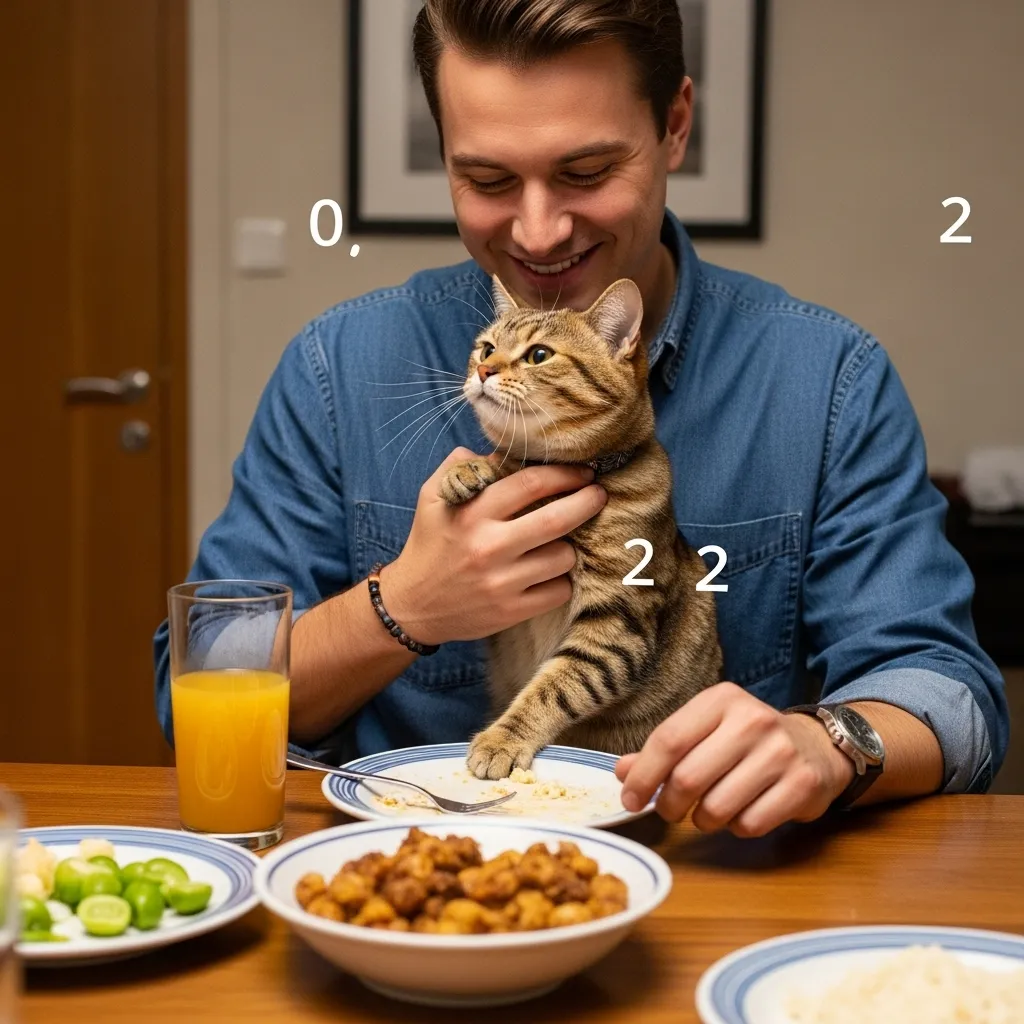
Your cat stares at you with those big eyes while you’re eating dinner. They meow softly, paw at your leg, or jump on the table. It’s hard to resist giving them a bite. Many owners do, thinking it’s a harmless treat. But some foods cats love can cause serious harm.
These common human foods attract cats with their smell or taste. Yet they hide risks like toxicity or digestive issues. Knowing which ones to avoid helps keep your feline friend healthy.
This guide covers the most surprising unsafe foods cats crave. You’ll learn why they’re dangerous, signs of trouble, and better options. Armed with this, you can say no confidently and offer safe alternatives instead.
Key Takeaways
- Tuna draws cats in but risks mercury buildup and nutritional gaps if overfed.
- Dairy like milk often causes upset in adult cats due to lactose issues.
- Foods with onions or garlic damage red blood cells, even in small amounts.
- Chocolate speeds up the heart and can lead to seizures.
- Grapes and raisins threaten kidney failure, though cats show it less often.
- Always choose cat-specific treats over table scraps for safety.
Why Cats Crave Certain Human Foods
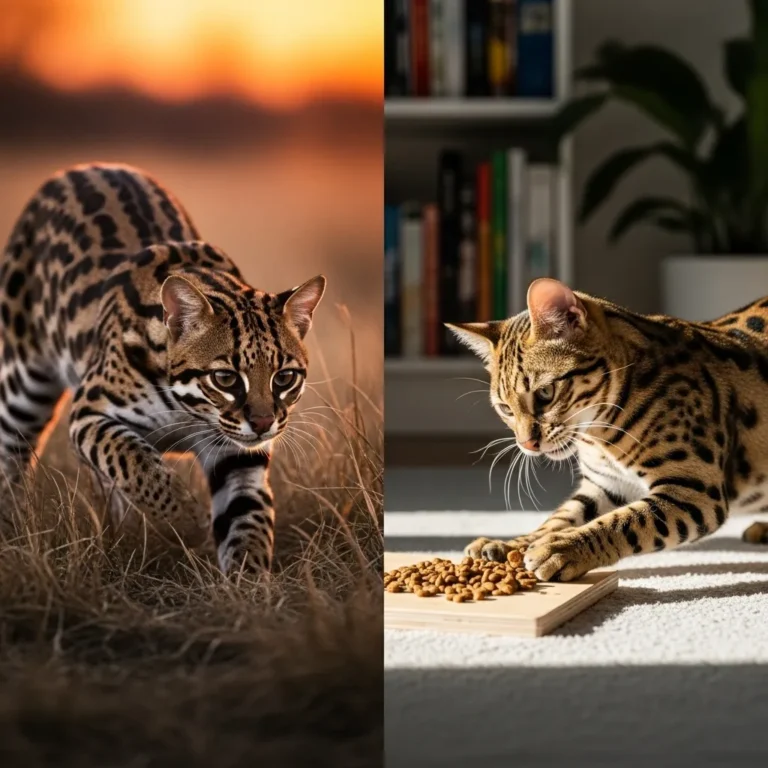
Cats evolved as obligate carnivores. They need meat-based diets rich in protein and specific nutrients like taurine. Strong smells from fish, meat, or dairy trigger their hunting instincts.
Umami flavors, found in tuna or cooked meats, appeal strongly to their taste receptors. Texture matters too; creamy dairy or flaky fish feels satisfying.
But human foods often lack balance. They may contain toxins cats can’t process well. A small taste might seem fine, but repeated exposure builds problems.
Explore more in our detailed guide on cat food nutrition.
Top Foods Cats Love That Are Surprisingly Unsafe
Here are the biggest offenders. Many cats beg for these, but vets see issues from them regularly.
1. Tuna (Especially Canned for Humans)
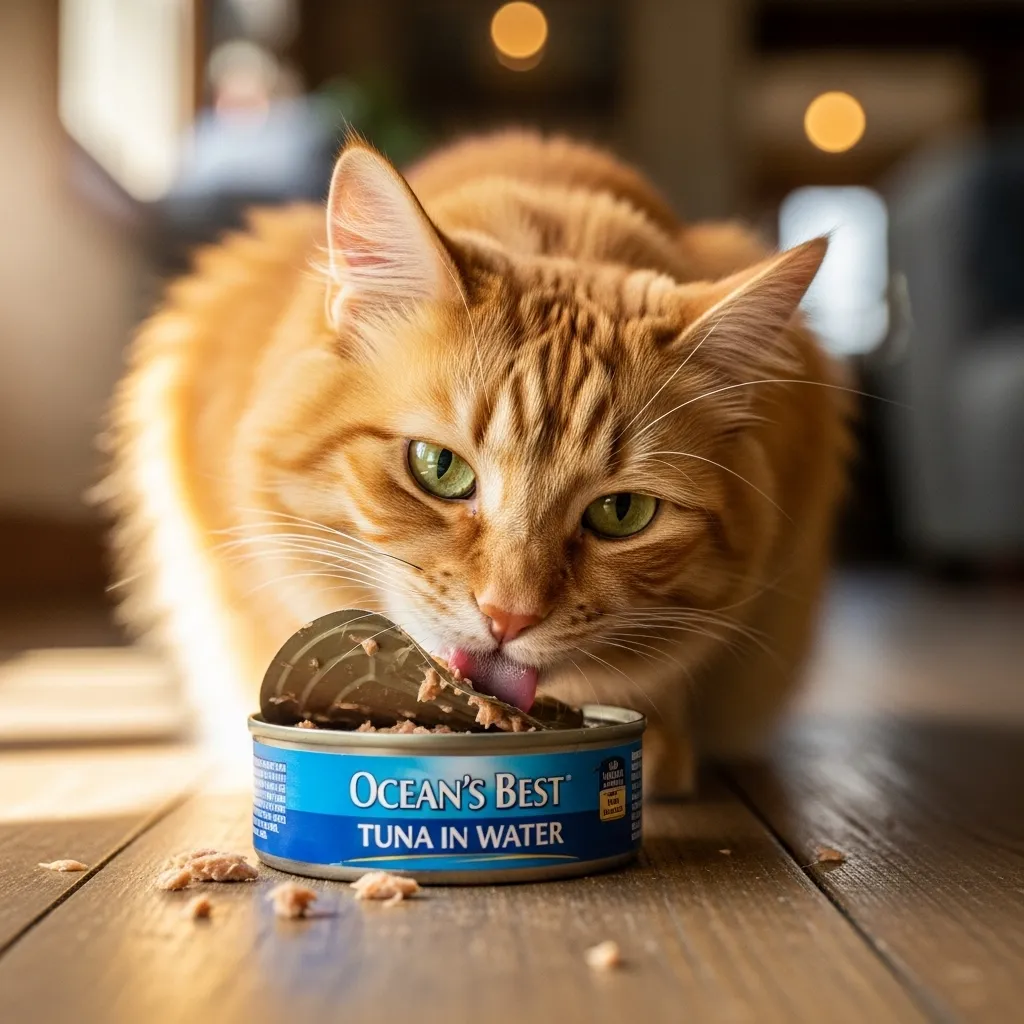
Cats go wild for tuna’s fishy scent. The combination of umami compounds like histidine makes it irresistible.
But human-grade canned tuna packs high mercury levels, especially in larger fish. Over time, this leads to poisoning with symptoms like tremors or vision loss.
It also lacks key nutrients like vitamin E, risking deficiencies if it becomes a staple. Thiaminase in raw or some canned versions destroys thiamine, causing neurological issues.
Signs of trouble: Loss of appetite, uncoordinated movement, seizures.
Safe limit: Occasional small flakes from water-packed, low-mercury tuna as a rare treat.
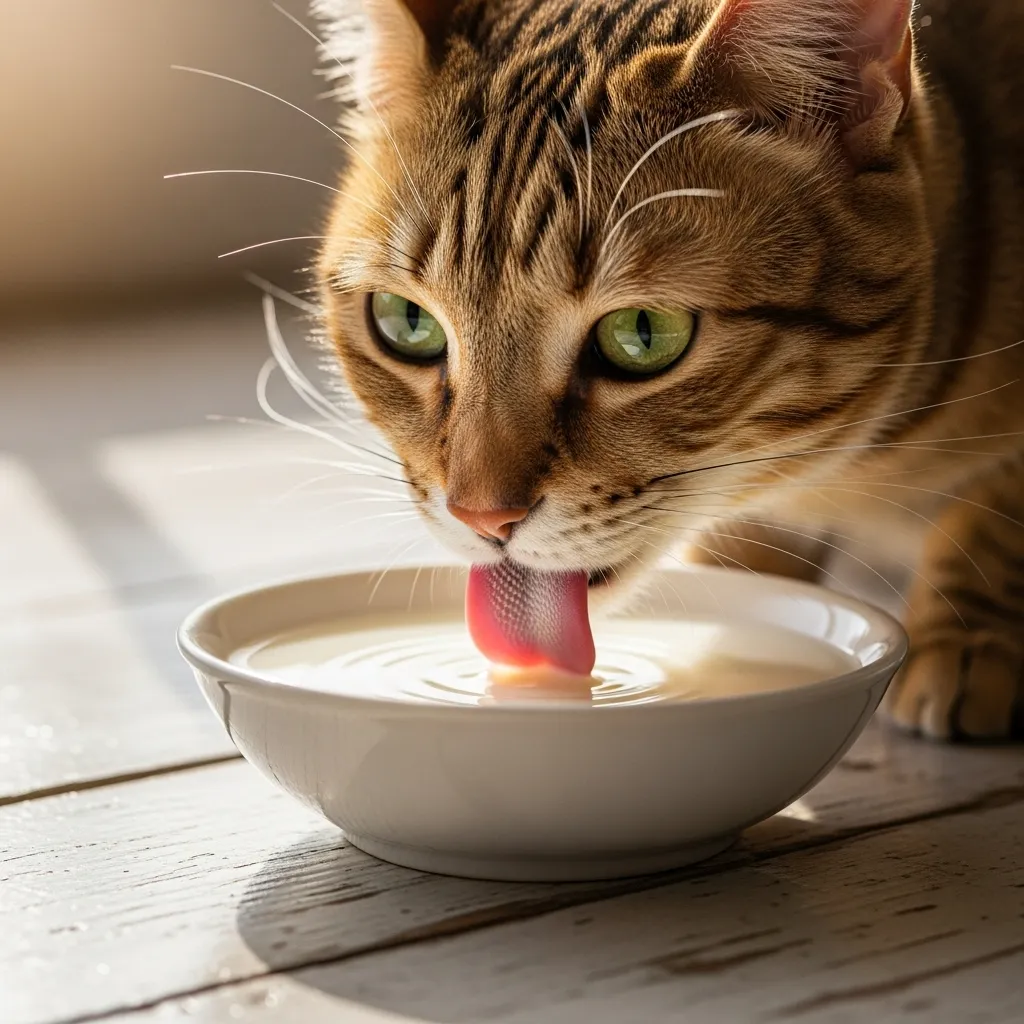
2. Milk and Dairy Products
Kittens drink mother’s milk fine, but most adults lose lactase enzyme. Cow’s milk causes diarrhea, vomiting, or bloating.
Creamy textures and fats draw cats in, reinforcing the stereotype.
Cheese or yogurt in tiny amounts might tolerate better if low-lactose, but risks remain.
Signs of trouble: Loose stools, gas, abdominal pain.
Better choice: Lactose-free cat milk or plain water
3. Onions, Garlic, Chives, and Leeks
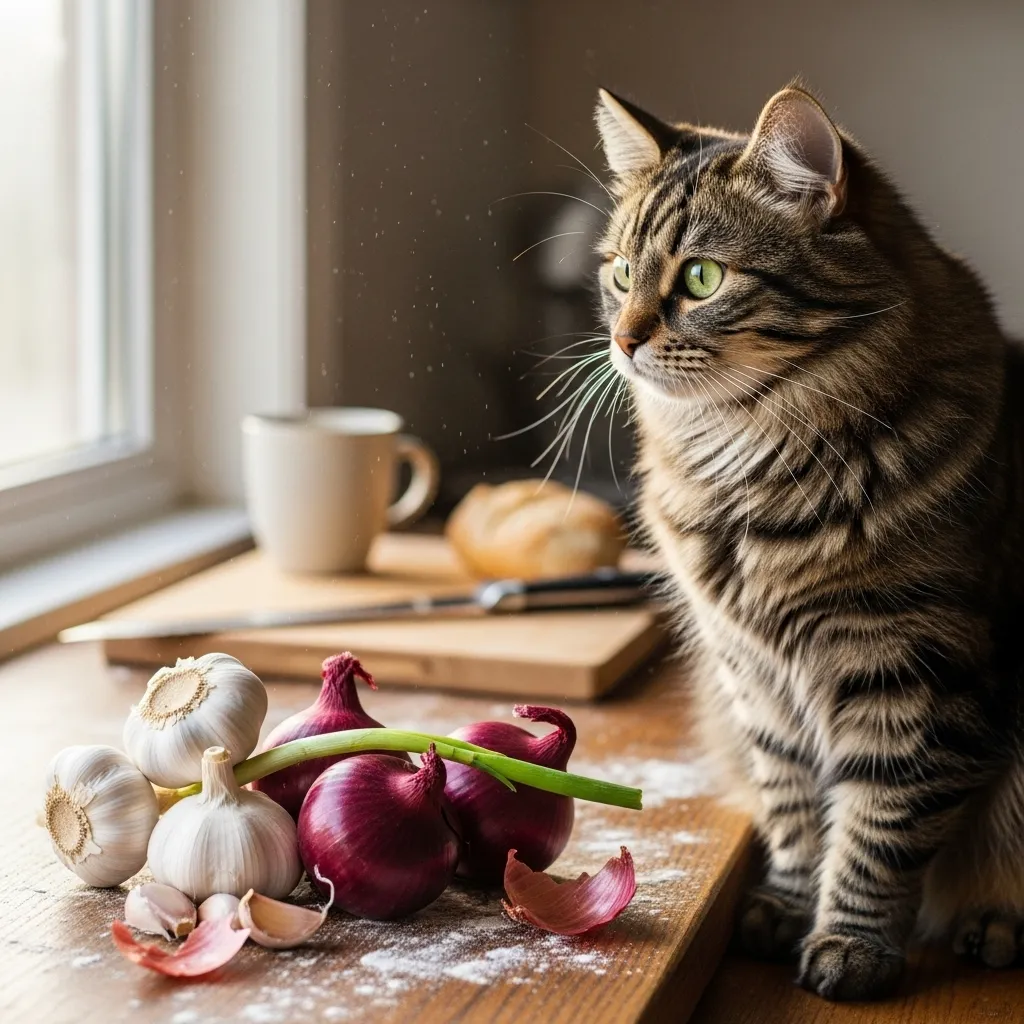
These allium family members hide in many dishes like soups or seasoned meats. Cats sniff out the savory aroma.
They contain compounds that break down red blood cells, causing hemolytic anemia. Garlic proves more potent than onions.
Even powdered forms in baby food or stocks pose danger.
Signs of trouble: Pale gums, weakness, dark urine, rapid breathing.
Safe limit: None. Avoid completely.
4. Chocolate
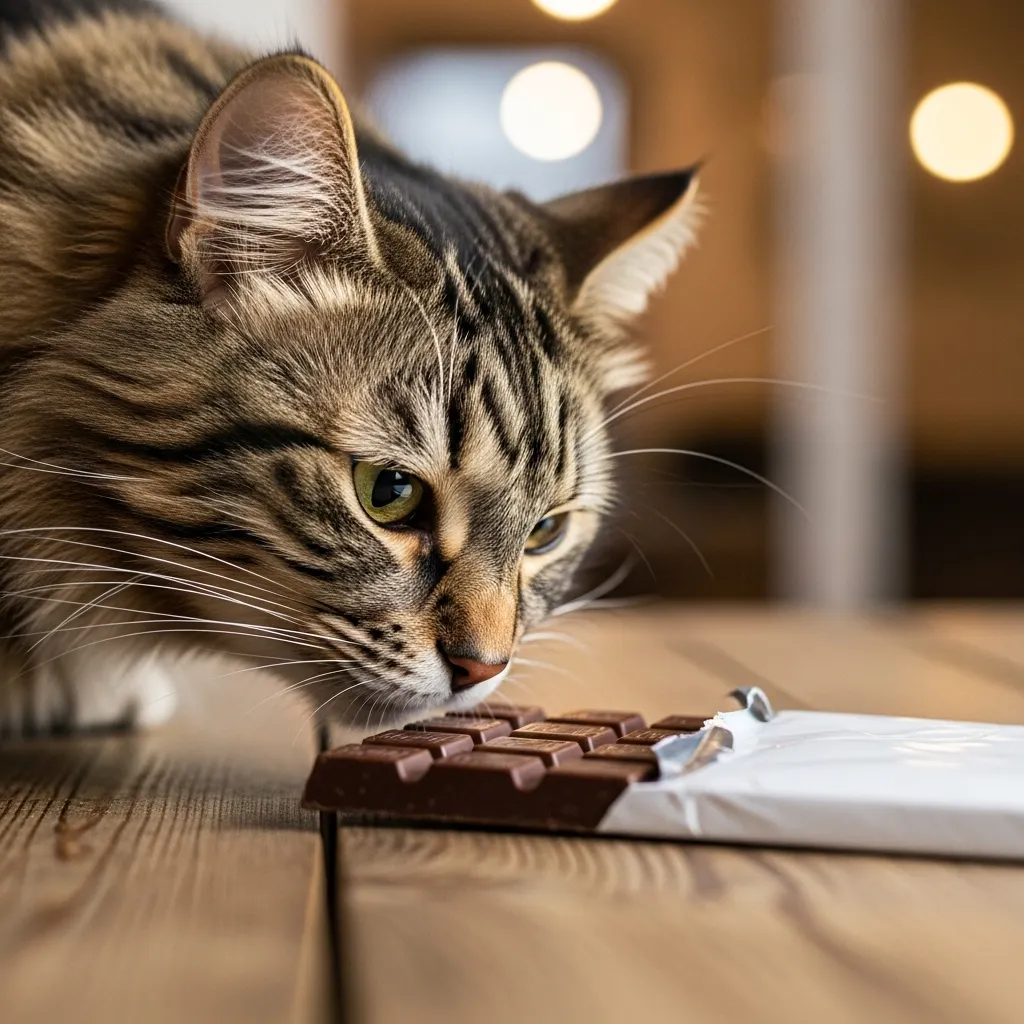
Cats rarely seek chocolate alone, but baked goods or cocoa powder attract some.
Theobromine and caffeine stimulate the heart and nervous system excessively.
Dark chocolate hits harder than milk varieties.
Signs of trouble: Vomiting, hyperactivity, tremors, seizures.
Safe limit: Zero.
5. Grapes and Raisins
Less common for cats to crave, but some nibble them in trail mix or baked goods.
The exact toxin remains unknown, but it causes acute kidney failure.
Even small amounts prove risky.
Signs of trouble: Vomiting, lethargy, reduced urine output.
Safe limit: None.
6. Raw Meat, Eggs, or Fish
Raw diets gain popularity, but risks include bacteria like salmonella or E. coli.
Raw eggs contain avidin, blocking biotin absorption. Raw fish has thiaminase issues.
Signs of trouble: Food poisoning symptoms like vomiting or diarrhea.
Better choice: Cooked, plain versions in moderation.
7. Liver in Excess
Cats enjoy organ meats, but too much liver overloads vitamin A.
This leads to bone problems or deformities over time.
Signs of trouble: Stiff joints, weight loss.
Safe limit: Small portions occasionally.
8. Alcohol and Caffeine
Cats might lap up spills. Even tiny amounts depress the central nervous system.
Signs of trouble: Unsteadiness, coma in severe cases.
Safe limit: None.
Signs Your Cat Has Eaten Something Toxic
Act fast if exposure happens. Common symptoms include:
- Vomiting or diarrhea
- Lethargy or weakness
- Excessive drooling
- Tremors or seizures
- Pale or yellow gums
- Rapid breathing or heart rate
Contact your vet or poison control immediately. ASPCA hotline: (888) 426-4435. Pet Poison Helpline: (855) 764-7661.
Early treatment often succeeds.
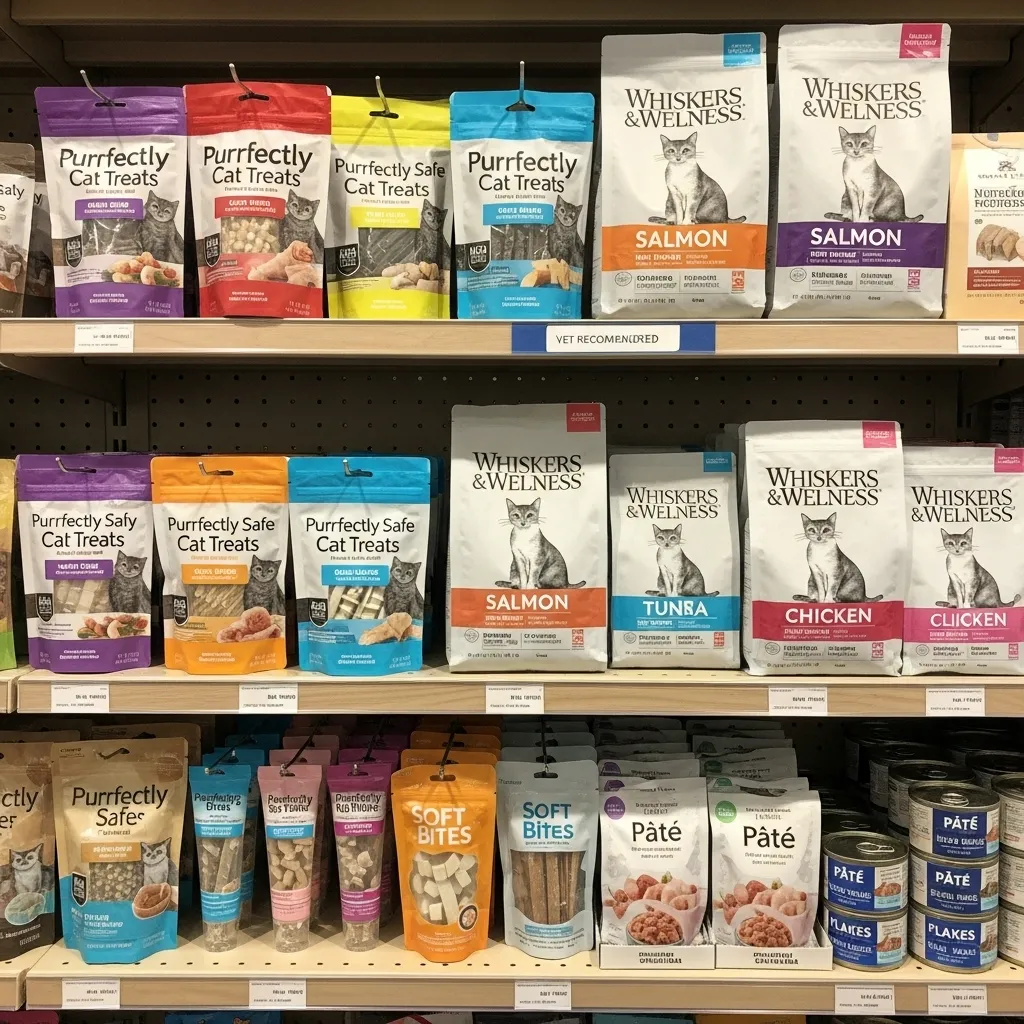
Safe Alternatives Cats Will Love
Redirect cravings to healthy options.
- Plain cooked chicken or turkey (boneless, unseasoned)
- Commercial cat treats with real meat
- Freeze-dried meat treats
- Small pieces of cooked salmon (low-mercury)
- Cat-specific tuna-flavored treats (balanced formula)
These satisfy without risks.
Discover more tips in our guide to best wet cat food.
How to Prevent Accidental Ingestion
- Store food securely in cabinets or high shelves.
- Avoid leaving plates unattended.
- Use covered trash bins.
- Educate family on no table scraps.
- Provide engaging toys or puzzle feeders for distraction.
Check out ways to stop cats scratching furniture for more behavior tips.
Frequently Asked Questions
Can cats eat tuna occasionally?
Yes, in very small amounts from water-packed cans. Limit to once a week max to avoid mercury.
Is cheese safe for cats?
Small bits of low-lactose hard cheese might work for some, but many get upset. Skip it generally.
Why do cats love milk if it’s bad for them?
Kittens associate it with comfort. Adults often can’t digest it well.
What human foods are completely safe for cats?
Plain cooked lean meats like chicken. Always unseasoned and boneless.
My cat ate something toxic. What now?
Call vet or poison control right away. Don’t wait for symptoms.
For more on cat health care, visit our resources.
Conclusion
Sharing food bonds you with your cat, but safety comes first. Many foods cats love that are surprisingly unsafe lurk in kitchens.
Stick to balanced cat food and vet-approved treats. Your cat stays healthy, happy, and by your side longer.
Explore more expert cat care and behavior guides on Cat Bloom Haven, like our cat training behavior section or breed-specific advice such as Bengal cat guide.