The Unbreakable Link Between Nutrition and Dental Health in Cats: A Complete Guide to a Healthier Smile
Your cat’s dental health is a mirror reflecting their overall well-being, and the food they eat paints the picture. Far too many cat owners discover that persistent bad breath, reluctant chewing, or that dreaded vet diagnosis of periodontal disease didn’t appear out of nowhere. They were silently cultivated by daily dietary choices. The painful truth is that by the age of three, over 70% of cats show signs of dental disease, a statistic deeply intertwined with nutrition.
This isn’t about blame; it’s about empowerment. Understanding the link between nutrition and dental health in cats is the first step toward preventing pain, expensive procedures, and systemic illness. This comprehensive guide will move beyond simple brushing tips to explore how every bite of food can either defend against or contribute to dental disease, offering you a practical, evidence-based roadmap to safeguarding your cat’s smile for life.
Key Takeaways: Nutrition & Feline Dental Health at a Glance
- Diet is Directly Linked to Plaque & Tartar: The texture, composition, and moisture content of your cat’s food significantly influence the rate of plaque accumulation, the primary cause of gingivitis and periodontal disease.
- Macronutrients Matter: High-quality animal protein supports oral tissue repair, while excessive carbohydrates (especially sugars and starches) can fuel harmful oral bacteria.
- Key Micronutrients are Non-Negotiable: Vitamins (like A, C, D), minerals (calcium, phosphorus in the correct ratio), and antioxidants play critical roles in maintaining strong teeth, healthy gums, and a robust immune response in the mouth.
- Hydration is a Dental Secret Weapon: A moisture-rich diet promotes saliva production, nature’s best oral cleanser, which helps wash away food particles and bacteria.
- Nutrition Can Be Therapeutic: Veterinary Dental Health Diets (VOHC-approved) are clinically proven to reduce plaque and tartar through specific kibble size, texture, and fiber matrices.
- Prevention is Always Better Than Cure: A proactive, layered approach combining species-appropriate nutrition, dental treats/toys, and regular vet check-ups is vastly more effective and less costly than treating advanced dental disease.
Understanding the Feline Mouth: More Than Just Teeth
To grasp the profound link between nutrition and dental health in cats, we must first appreciate the unique biology of the feline oral cavity. Cats are obligate carnivores, evolutionarily designed for a prey-based diet. Their teeth are built for shearing and tearing muscle meat, not for grinding grains or carbohydrates. Their jaws move primarily in an up-and-down shearing motion. Their saliva lacks specific digestive enzymes found in omnivores, which also changes the oral bacterial environment.
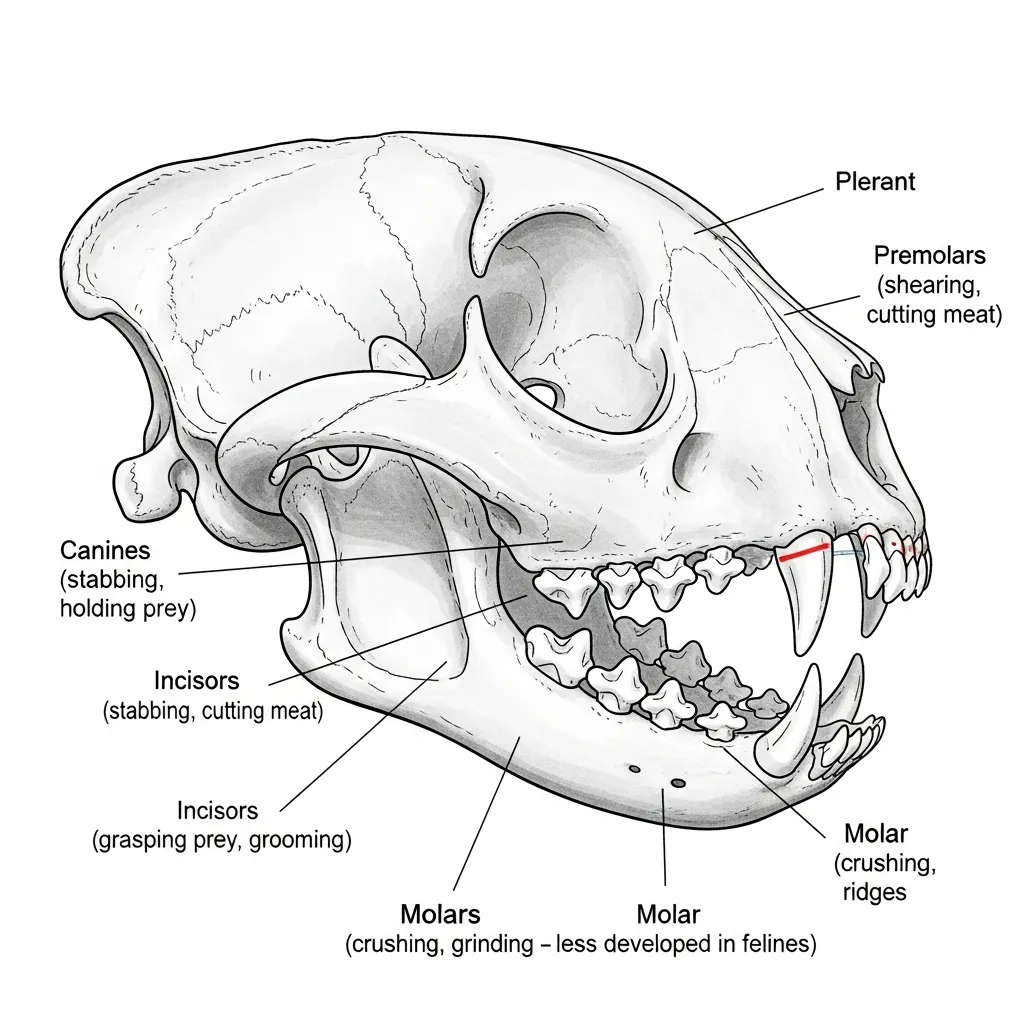
When we feed a diet misaligned with this biology often high in processed carbohydrates and low in moisture we create an oral environment ripe for disease. The process typically follows a predictable, destructive path:
- Plaque Formation: Within hours of eating, a sticky biofilm of bacteria (plaque) forms on the teeth.
- Mineralization: If plaque isn’t removed within about 24-72 hours, minerals in saliva harden it into tartar (calculus), a rough cement-like substance that irritates the gums.
- Gingivitis: The gums become inflamed red, swollen, and prone to bleeding. This is reversible with professional care.
- Periodontitis: If untreated, inflammation destroys the deeper structures supporting the tooth: the periodontal ligament and bone. This is irreversible and leads to pain, tooth loss, and bacteria entering the bloodstream.
This cascade is where nutrition intervenes at every single step.
Deconstructing the Diet: How Food Components Directly Impact Teeth & Gums
1. The Texture & Mechanical Action of Food
This is the most visible aspect of the link between nutrition and dental health in cats.
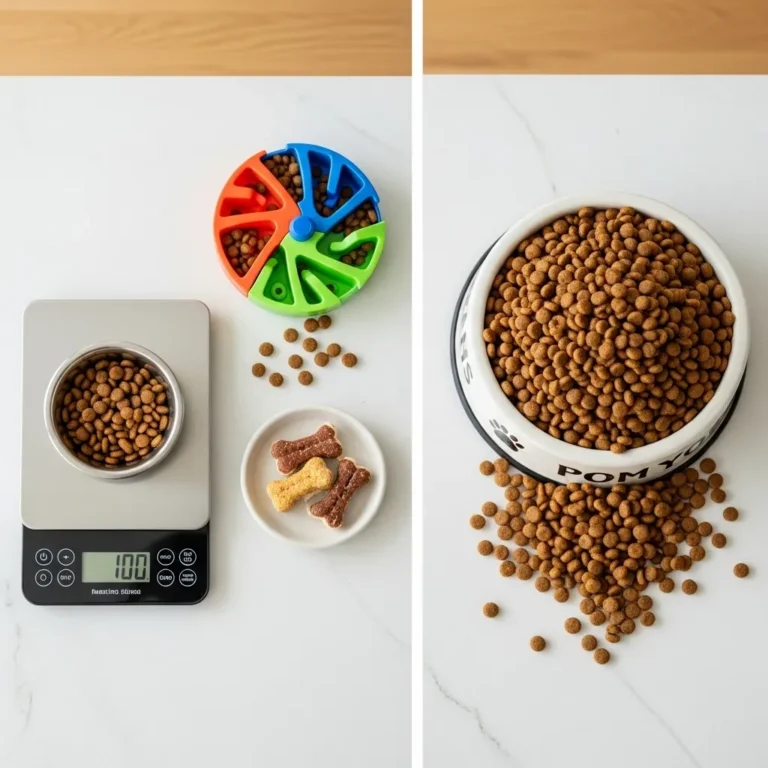
- Dry Food (Kibble): The Myth of “Dental Cleaning.” The common belief that kibble cleans teeth is largely a misconception. Most kibble shatters on contact with the sharp tips of a cat’s teeth, providing little to no abrasive scrubbing action on the crucial gumline where plaque accumulates. However, not all kibble is equal. Veterinary Oral Health Council (VOHC) approved dental diets are engineered differently. They are often larger, have a specific fibrous matrix or porosity that makes the kibble penetrate the tooth surface before breaking, providing a plaque-scrubbing effect. Explore our detailed guide on choosing cat food for more on deciphering labels.
- Wet Food (Canned/Pouched): The Hydration Hero. Wet food offers no mechanical cleaning but provides a crucial advantage: moisture. A hydrated cat produces more saliva, which helps rinse away food particles. Its soft texture is also vital for cats with already painful mouths, allowing them to eat without discomfort. Discover more tips in our best wet cat food review.
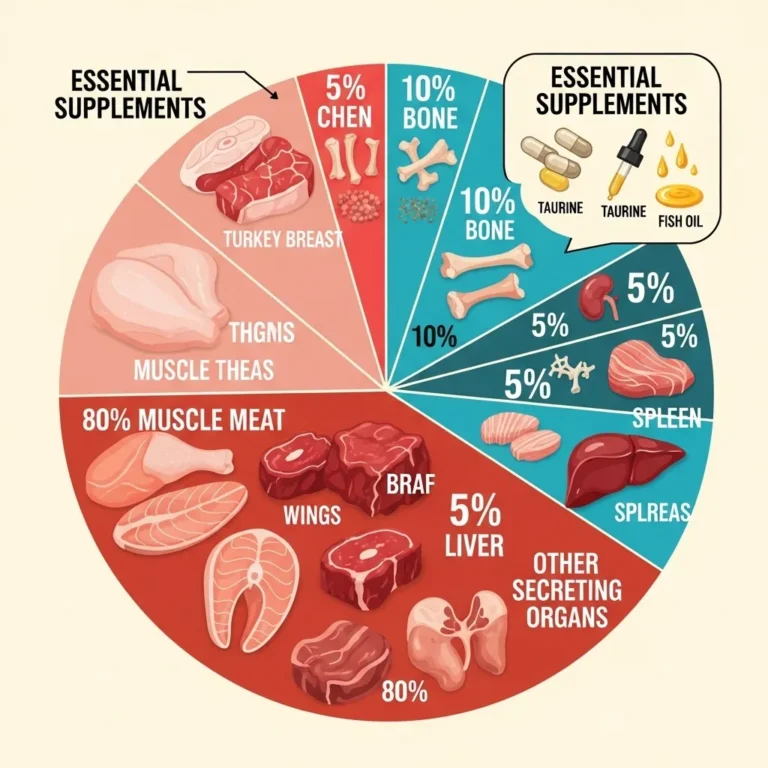
- Raw or Whole Prey Models: The Natural Abrasive. Chewing on raw meaty bones, connective tissue, and cartilage can provide significant mechanical cleaning. This action flexes the jaw, massages gums, and can scrape plaque off teeth. Crucial Note: This approach carries risks (bacterial contamination, tooth fractures) and must be undertaken with veterinary guidance and knowledge of safe practices.
2. Macronutrients: Protein, Carbs, and Fats
- High-Quality Animal Protein: Essential for maintaining and repairing the soft tissues of the gums and the mucosal lining of the mouth. Diets deficient in bioavailable protein can impair healing and immune function in the oral cavity.
- Carbohydrates & Sugars: This is a critical piece of the puzzle. Cats have no nutritional requirement for carbohydrates. High-starch diets (found in many low-quality kibbles) break down into sugars in the mouth, which are a primary fuel source for plaque-forming bacteria like Streptococcus and Porphyromonas. Reducing unnecessary dietary carbs directly starves these harmful bacteria.
- Fats & Fatty Acids: Omega-3 fatty acids (EPA/DHA) have potent anti-inflammatory properties. They can help modulate the inflammatory response in the gums, potentially slowing the progression of gingivitis.
3. Micronutrients: The Vital Vitamins and Minerals
A deficiency or imbalance in key micronutrients can weaken oral defenses.
- Calcium & Phosphorus: These must be present in a balanced ratio (typically ~1.2:1) for healthy tooth mineralization and jawbone density. An imbalance can lead to weakened teeth and bone resorption.
- Vitamin D: Essential for the proper absorption and regulation of calcium and phosphorus. Learn more about essential nutrients in taurine for cats.
- Vitamin A: Crucial for maintaining the integrity of epithelial tissues, including the gums. Deficiency can lead to gum overgrowth and impaired healing.
- Vitamin C: While cats synthesize their own vitamin C, its role as an antioxidant is vital for gum health and collagen synthesis. In times of illness or stress, supplementation (under vet guidance) may be considered.
- Antioxidants (Vitamins E, etc.): Help combat oxidative stress in the inflamed gum tissues, supporting the body’s natural healing processes.
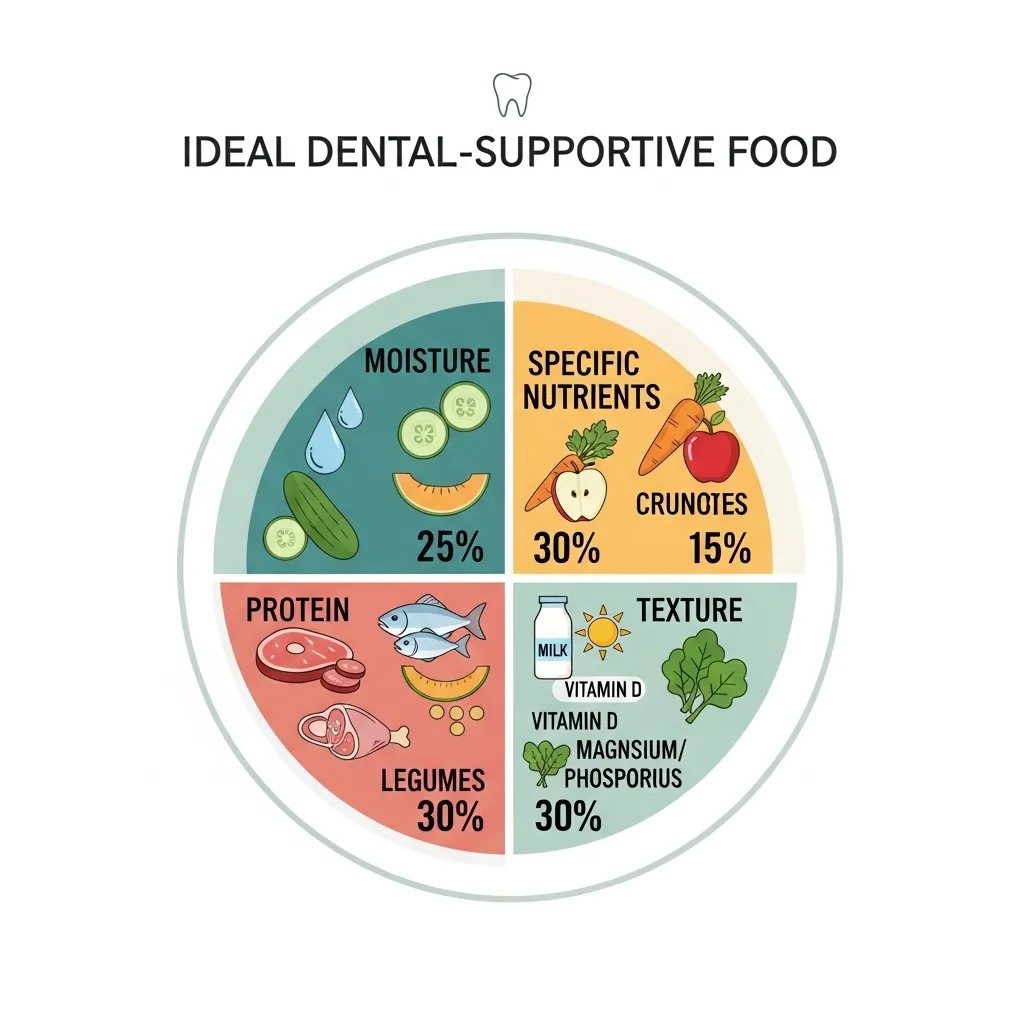
Building a Dental-Healthy Diet: Practical Strategies for Every Owner
You don’t need a degree in feline nutrition to make a difference. Here is a layered approach, from foundational choices to advanced strategies.
Foundation: Choosing the Right Base Diet
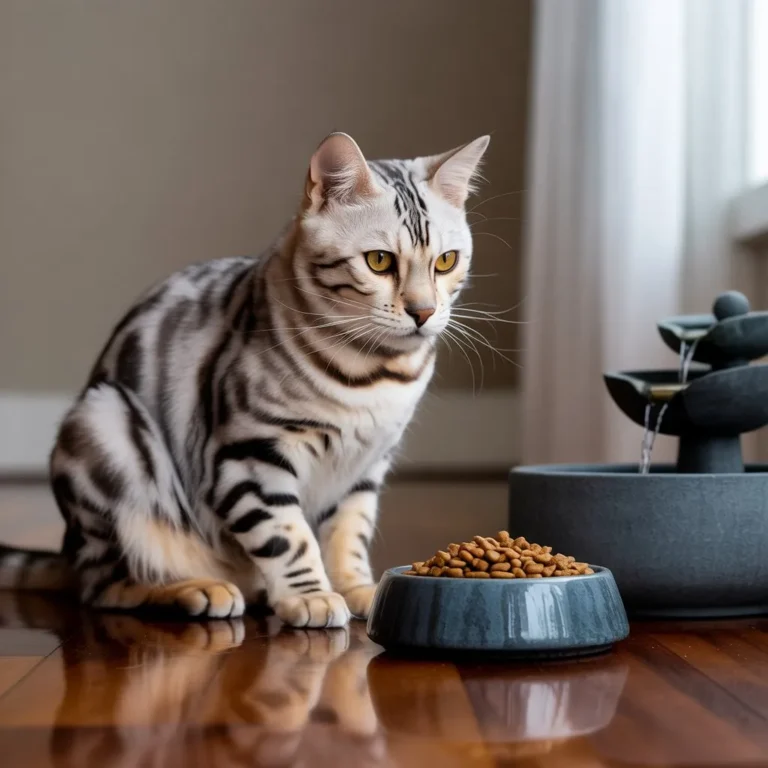
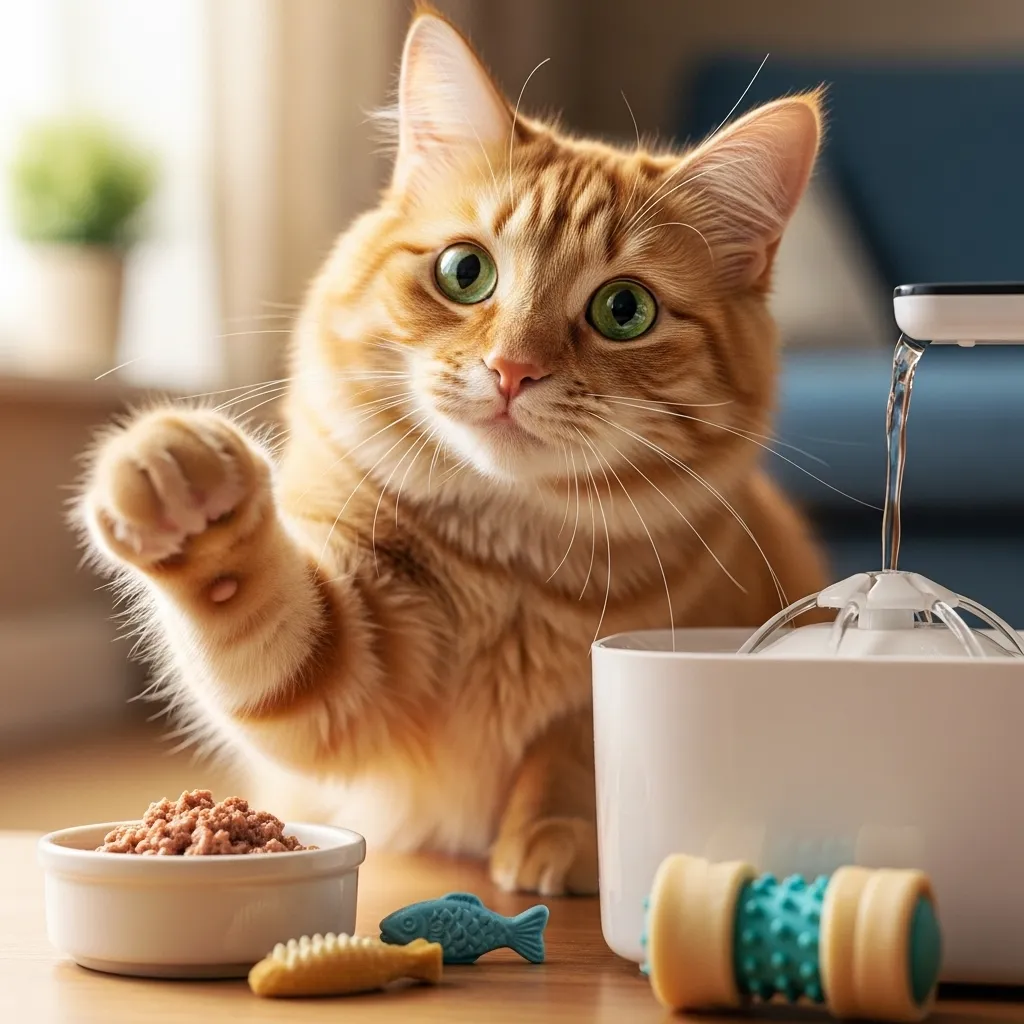
- Prioritize Moisture: Aim for a diet with high moisture content, either through wet food or by adding water/broth to dry food. This supports overall health and saliva production.
- Maximize Animal Protein, Minimize Carbs: Select foods where named animal proteins (chicken, turkey, fish) are the first ingredients, and carbohydrate fillers (corn, wheat, soy, potato) are minimal.
- Look for the VOHC Seal: If using dry food as part of the diet, consider incorporating a VOHC-accepted “Dental Health” diet. These are the only products with independent clinical proof of efficacy.
Enhancement: Functional Additions & Practices
- Dental Treats & Chews: Use VOHC-accepted dental treats. They are formulated to be chewy or textured to provide a cleaning effect. Remember, these are treats and should make up no more than 10% of daily calories.
- Dental Toys: Rubber or dental-specific chew toys can encourage gum massage and mild plaque removal through play.
- Water Additives: Some veterinary water additives contain plaque-fighting enzymes like lactoperoxidase. Their efficacy varies, and some cats detect the taste, but they can be a helpful adjunct for resistant cats.
- Oral Hygiene Supplements: Seaweed-derived additives (like Ascophyllum nodosum) can help prevent plaque mineralization. Probiotics specifically for oral health may help balance oral flora.
Special Considerations: Life Stages & Conditions
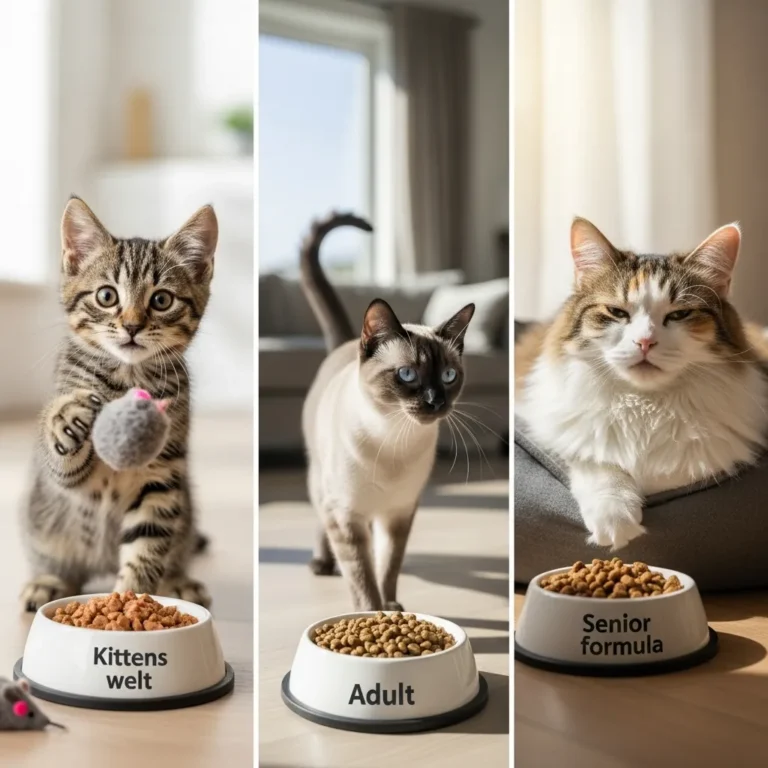
- Kittens: Proper nutrition supports the development of strong adult teeth. Discover more in our kitten to adult cat transition guide.
- Senior Cats: They are at highest risk for dental disease and may have decreased kidney function, making moisture even more critical. They may also need softer food. Explore our senior cat care resources.
- Cats with Existing Dental Disease: Pain management is paramount. A soft, pâté-style wet food or a veterinary hydrolyzed/special recovery diet is often necessary before and after dental procedures. Learn more in cat gum disease diet.
- Cats with Systemic Illness: Conditions like Chronic Kidney Disease (CKD) or Feline Immunodeficiency Virus (FIV) can exacerbate oral inflammation. Their nutrition must be carefully managed in partnership with a vet. Read our cat kidney failure guide for related insights.
The Veterinarian’s Role: Professional Care & Nutritional Counseling
No nutritional strategy replaces professional veterinary dental care. A yearly oral exam is essential. Your vet can:
- Identify early signs of disease you might miss.
- Perform professional dental cleanings under anesthesia (the only way to remove subgingival tartar).
- Diagnose painful conditions like tooth resorption (FORL).
- Prescribe therapeutic dental diets for specific cases.
- Guide you on safe raw feeding or supplement use.
Finding the right partner is key. Learn more in finding the best vet for your cat.
Frequently Asked Questions (FAQ)
Q: Can dry food alone keep my cat’s teeth clean?
A: Generally, no. Most conventional dry kibble provides minimal mechanical cleaning. While some veterinary dental diets are effective, a multi-modal approach including moisture and other dental care is superior for most cats.
Q: My cat has bad breath. Does this mean they need a dental diet?
A: Persistent bad breath (halitosis) is often the first sign of gingivitis or periodontal disease. Schedule a vet exam first to diagnose the cause. A dental diet can be a crucial part of the treatment and prevention plan, but it may need to be combined with a professional cleaning.
Q: Are dental treats or water additives enough?
A: They are helpful adjuncts, not substitutes, for a good base diet and veterinary care. Think of them as helpful tools in a broader toolkit, not standalone solutions.
Q: What’s the single most important thing I can feed for my cat’s dental health?
A: There is no single magic food. The most impactful step is choosing a high-moisture, high-protein, low-carbohydrate diet as the foundation, and then layering on proven strategies like VOHC dental products and vet check-ups.
Q: Is a raw diet better for cat teeth?
A: It can be, due to the mechanical action of chewing. However, it carries significant risks (bacterial infection, nutritional imbalance, tooth fracture) and must be done under strict guidance. Not all raw diets are equal; ground raw meat offers no cleaning benefit.
Conclusion: A Lifetime of Healthy Smiles Starts in the Bowl
The link between nutrition and dental health in cats is neither a mystery nor a minor detail; it is a fundamental pillar of preventive care. By viewing your cat’s food not just as fuel but as daily medicine for their mouth, you take proactive control. Shift the focus from reacting to painful, advanced disease to building a daily diet that actively resists plaque, supports gum integrity, and leverages feline biology.
Start with moisture and quality protein, incorporate validated dental tools, and partner with your veterinarian. The reward is a cat free from hidden oral pain, with a healthier body and a brighter smile a testament to the profound power of informed, intentional nutrition.
Your journey to becoming an expert in your cat’s well-being continues. Explore more expert cat care, behavior, and nutrition guides on Cat Bloom Haven.