The Life-Giving Elixir: Why Hydration and Diet Are Critical for Your Cat’s Health
Key Takeaways:
- Cats have a naturally low thirst drive, making proactive hydration strategies essential.
- Proper water intake is directly linked to preventing fatal conditions like kidney disease and urinary blockages.
- Wet food provides crucial moisture, while dry kibble alone cannot meet a cat’s hydration needs.
- Water quality, bowl placement, and environmental factors significantly impact how much your cat drinks.
- Dehydration in cats is often subtle; recognizing early signs can save your cat’s life.
Introduction: The Silent Crisis of Feline Dehydration
Imagine this: your cat, seemingly healthy and content, is slowly moving toward a health crisis you cannot see. The culprit isn’t a virus or an injury, but something far more fundamental a chronic, subtle lack of water. While we carefully consider our cats’ nutrition, vaccinations, and playtime, hydration and diet often remain overlooked pillars of feline wellness. The truth is stark: water intake is critical for cats, not merely important. Their unique physiology, descended from desert-dwelling ancestors, makes them notoriously poor drinkers. This biological quirk, combined with common feeding practices, sets the stage for preventable suffering.
This isn’t about forcing water down your cat’s throat. It’s about understanding that hydration and diet are two inseparable strands of the same lifeline. What your cat eats directly determines how much water they need and how readily they consume it. A cat on a dry-food-only diet is in a constant, often losing, battle against dehydration. The consequences urinary tract diseases, chronic kidney failure, and systemic decline are among the top reasons cats visit veterinarians.
In this comprehensive guide, we will move beyond the simple advice of “make sure your cat drinks water.” We will dissect the profound connection between what goes into your cat’s bowl and what happens inside their body. You will learn not just the “why,” but the “how” actionable, vet-backed strategies to transform your cat’s hydration and diet into a powerful foundation for a longer, healthier life. This is the knowledge that bridges the gap between surviving and truly thriving.
Understanding the Feline Thirst Drive: Why Cats Are “Bad” Drinkers
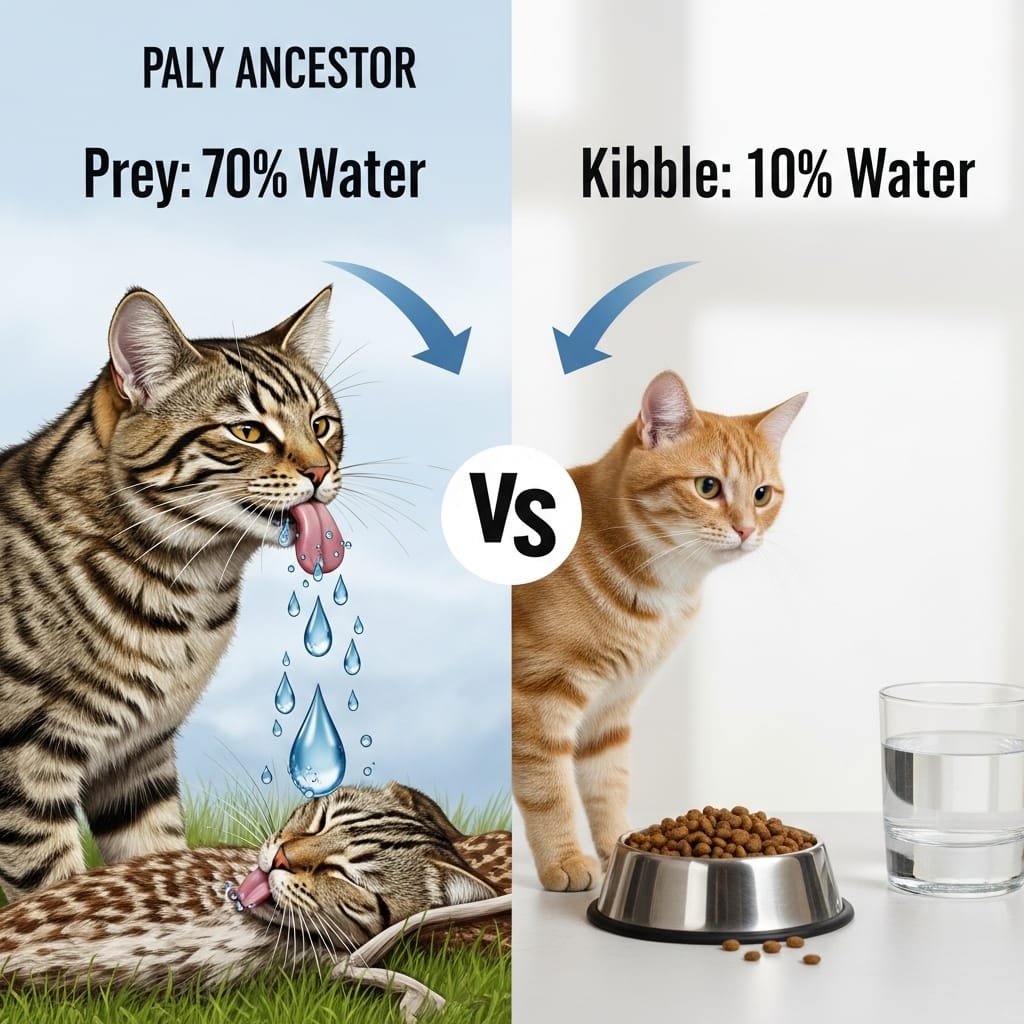
To solve the hydration puzzle, we must first understand the peculiar feline engineer. Domestic cats (Felis catus) evolved from ancestors in arid regions of the Middle East. These wild cats derived most of their necessary moisture from the bodily fluids of their prey small rodents and birds, which are approximately 70-75% water. This evolutionary history hardwired them with a low thirst drive. Their bodies became exceptionally efficient at conserving water, producing highly concentrated urine. Essentially, they are designed to get water from their food, not a standing water source.
The modern domestic cat faces a profound mismatch. We offer them biologically inappropriate diets—dry kibble that is only about 10% moisture and expect their ancient physiology to compensate by drinking copiously from a bowl. Many cannot or will not. This is the core of the crisis: we are feeding a desert-adapted animal food as dry as crackers and wondering why water intake is critical yet insufficient.
This low thirst drive isn’t a behavioral flaw; it’s a biological reality. It means waiting for your cat to visibly drink large amounts is a waiting game you will likely lose. Proactive management of their hydration and diet is not optional; it is the essential work of a responsible caregiver, aligning their environment with their health needs.
The Physiology of Hydration: What Water Actually Does in Your Cat’s Body
Water is the uncelebrated workhorse of your cat’s body. It’s not just a liquid; it’s a transport system, a temperature regulator, a lubricant, and a chemical medium. When we say water intake is critical for cats, we are referring to these vital, life-sustaining functions:
- Kidney Function and Waste Filtration: The kidneys are the body’s primary filtration plant. Adequate water flow is essential to dilute metabolic waste products (like urea and creatinine) and flush them safely into urine. Chronic low hydration forces the kidneys to work overtime with concentrated toxins, a primary pathway to irreversible kidney damage and disease, a leading killer of older cats.
- Urinary Tract Health: This is where the hydration and diet link becomes dramatically clear. Concentrated urine is a recipe for urinary crystals (like struvite or calcium oxalate). These crystals can irritate the bladder lining, causing painful cystitis, or clump together to form life-threatening urethral blockages, especially in males. Ample water intake produces dilute urine, helping to prevent crystal formation and flush out irritants. For more on urinary health, explore our detailed guide on cat urinary health.
- Digestion and Nutrient Absorption: Water is crucial for gastrointestinal motility and the enzymatic breakdown of food. It helps prevent constipation and the formation of dry, hard stools, which can be a particular issue for cats.
- Circulation and Temperature Regulation: Blood is largely water. Proper hydration ensures efficient delivery of oxygen and nutrients to every cell. Cats also use minimal sweating (only through paw pads) and rely on panting and seeking cool surfaces to regulate heat; both processes require adequate fluid reserves.
- Cognitive and Joint Health: Every cell, including those in the brain and the cushioning cartilage in joints, requires hydration to function optimally.
When the body is even mildly dehydrated, it begins a triage process, pulling water from non-vital areas (like the colon, leading to constipation) to protect vital organs. This state of low-grade crisis, if sustained, becomes the breeding ground for chronic disease.
The Diet-Hydration Nexus: You Can’t Talk About One Without the Other
This is the most critical section for any cat owner to grasp. Hydration and diet are a single conversation. The type of food you choose is the single biggest lever you can pull to influence your cat’s water intake.
The Shortcomings of Dry Food (Kibble)
Dry cat food is convenient, cost-effective, and can support dental health through abrasion. However, from a hydration standpoint, it presents a significant challenge:
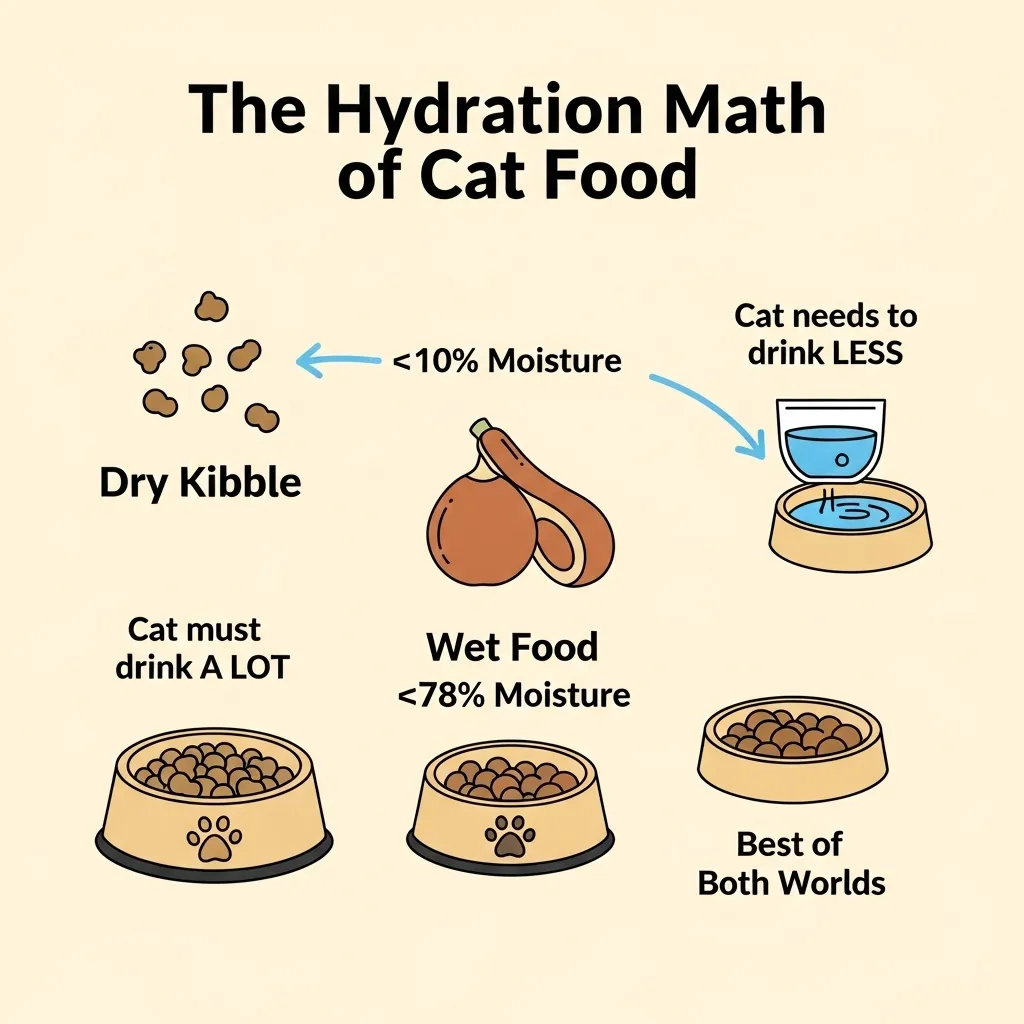
- Moisture Content: Typically only 6-10%.
- The Math Problem: A cat eating only dry food must drink approximately one ounce of water for every ounce of kibble consumed just to break even a task their low thirst drive is ill-equipped to handle. They often live in a state of subclinical dehydration.
- High Carbohydrate Content: Many kibbles are high in carbohydrates, which are not a natural part of a feline diet and can contribute to obesity and diabetes, further complicating health.
The Superior Hydration of Wet Food (Canned, Pouches, Raw)
Wet food is the cornerstone of a hydration-focused diet.
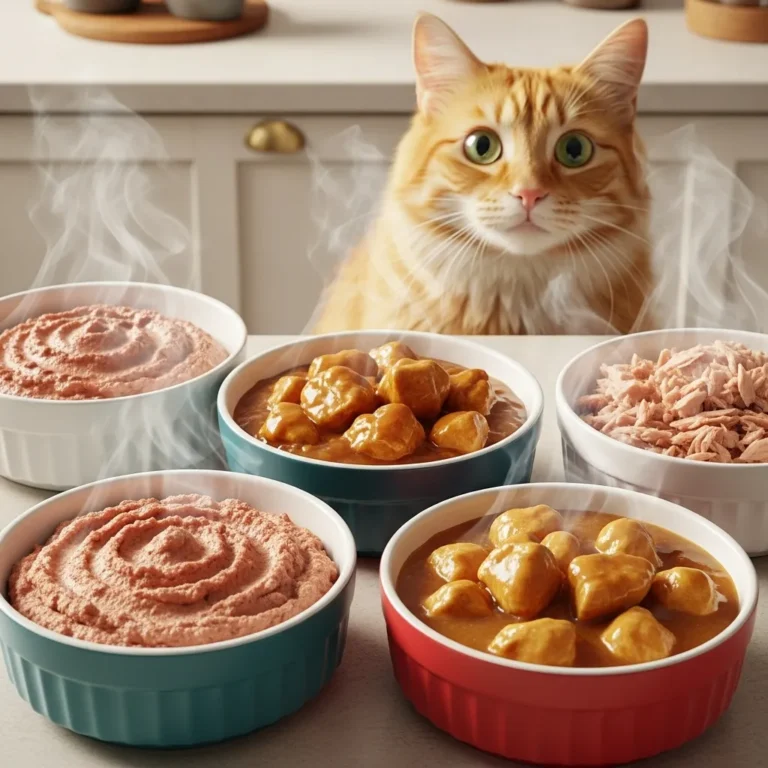
- Moisture Content: Ranges from 70-85%, closely mimicking the moisture content of natural prey.
- Biological Alignment: It allows cats to consume water in the manner their physiology expects—through their food. A cat on a wet food diet may get nearly double its total daily water intake from the food alone compared to a kibble-fed cat drinking from a bowl.
- Other Benefits: It’s often higher in protein, lower in carbohydrates, and more palatable.
The Practical Strategy: A Combined Approach
For many owners, a 100% wet food diet isn’t feasible due to cost or a cat’s preference. The goal is improvement, not perfection.
- Priority: Incorporate any amount of wet food into the daily routine. Even one meal a day makes a substantial difference.
- Hydration Boosts: Add water, low-sodium broth (onion/garlic-free), or the water from tuna canned in water (in moderation) to both wet and dry food to create a gravy.
- Transitioning: For cats addicted to kibble, transition slowly. Start by adding a small teaspoon of wet food as a topper, gradually increasing the ratio over weeks. Discover more tips in our related article on how to get your cat to eat wet food.
How Much Water Does My Cat Actually Need? Breaking Down the Numbers
The standard veterinary guideline is that a cat requires approximately 3.5-4.5 ounces of water per 5 pounds of body weight per day. For a 10-pound cat, that’s about 7-9 ounces daily.
Crucially, this includes all sources: water in food + water drunk.
Let’s illustrate with two 10-pound cats:
- Cat A (Dry Diet): Eats 1 cup of kibble (~4oz). This provides only about 0.4 oz of water. To meet the daily 8-oz total need, Cat A must voluntarily drink over 7.5 ounces from a bowl.
- Cat B (Wet Diet): Eats one 5.5oz can of wet food. This provides about 4.5 oz of water. Cat B only needs to drink 3-4 ounces from a bowl to meet the same need.
The difference is not marginal; it’s transformative. Cat B’s physiology is supported. Cat A’s is under constant, silent stress. Monitoring your cat’s water intake involves observing both food consumption and bowl drinking. A sudden increase in drinking (polydipsia) can be a red flag for diabetes or kidney disease and warrants a vet visit. Learn about other subtle signs in our guide to early warning signs of cat health issues.
Beyond the Bowl: Innovative Strategies to Increase Water Intake
If your cat is a reluctant drinker, you must be a creative hydrator. Here are proven strategies:
- The Fountain Effect: Cats are instinctively attracted to moving water, which they perceive as fresher and safer. A circulating pet fountain can increase water intake by 50% or more. Choose ceramic or stainless-steel fountains, as they resist bacterial slime better than plastic.
- Bowl Logistics:
- Material: Use wide, shallow bowls (like a pasta bowl) to avoid whisker fatigue. Ceramic or glass is preferable.
- Placement: Keep water bowls far away from food bowls and litter boxes. Cats instinctively avoid contaminating their water source. Place multiple bowls in quiet, safe locations around the house.
- Freshness: Change water at least once daily, washing the bowl with soap to prevent biofilm.
- Dietary “Hacks”:
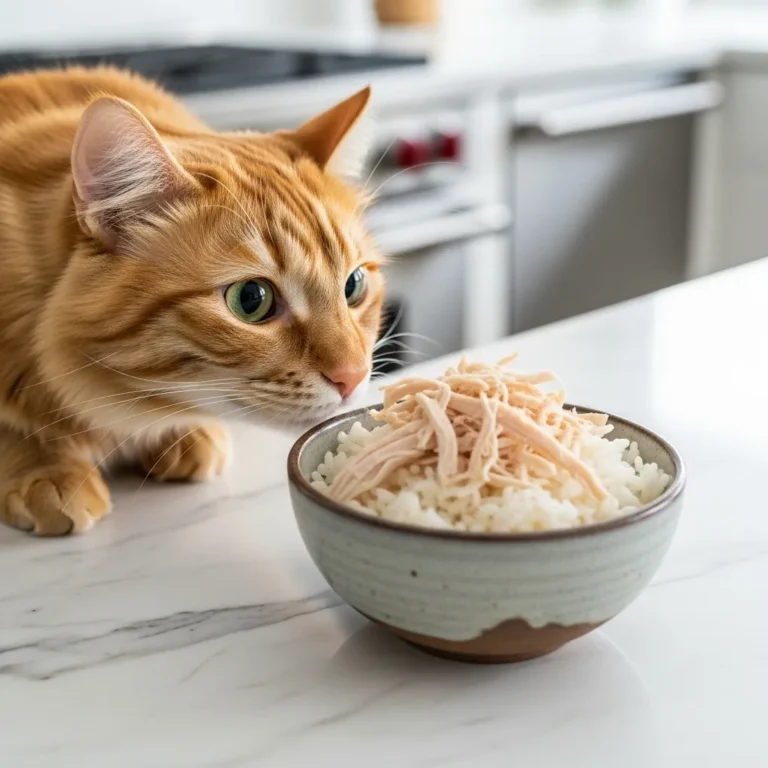
- Broth: Offer commercial cat broth or homemade (boiled chicken or fish, no salt, onions, or garlic).
- Ice Cube Fun: Add a couple of ice cubes made from tuna water or broth to the water bowl.
- Wet Food “Soup”: Always add extra warm water to wet food to create an appealing, hydrating gruel.
- Tap Variety: Some cats prefer cool water, some room temperature. Some are sensitive to chlorine; offering filtered water can help.
Recognizing Dehydration: The Signs Every Cat Owner Must Know
Cats are masters of hiding illness. Dehydration signs can be subtle. Perform this simple “Skin Tent” test occasionally: Gently pinch the skin over the shoulder blades and lift. In a well-hydrated cat, the skin should snap back immediately. If it retracts slowly (forming a “tent”), your cat is dehydrated and needs veterinary attention.
Other signs include:
- Lethargy or depression
- Loss of appetite
- Dry, sticky gums (gums should be slick; press a finger on them the white spot should return to pink within 1-2 seconds, the capillary refill time).
- Sunken eyes
- Elevated heart rate
- Constipation or very dry, hard stools
- Decreased urine output (fewer clumps in the litter box)
If you suspect dehydration, do not simply force water. A severely dehydrated cat needs subcutaneous or intravenous fluids administered by a vet. For guidance on syringe-feeding water to a sick cat, see our resource on how to hydrate a cat with a syringe.
Special Considerations: Hydration Needs Through Life and Health
- Kittens: Very active and growing, but often adapt well to wet food. Ensure they always have access to fresh water as they learn.
- Senior Cats: Kidney function naturally declines with age. Senior cats have a dramatically increased need for accessible, palatable water and a moisture-rich diet. Their sense of thirst may diminish further. Learn more about senior cat care.
- Cats with Health Conditions:
- Kidney Disease: Managing hydration and diet is the cornerstone of treatment. A prescription renal diet (often wet) and constant encouragement to drink are vital.
- Urinary Conditions: A wet food diet is frequently prescribed to produce dilute urine. Discover our cat hydration guide for more specifics.
- Hyperthyroidism: Increases metabolism and often leads to increased water loss.
- Diabetes: Can cause excessive thirst and urination; consistent hydration is key.
- Breeds: Long-haired breeds or breeds prone to specific conditions (like Persians to kidney disease) may need extra attention to their hydration strategies.
FAQ: Answering Your Top Questions on Feline Hydration and Diet
Q: My cat never seems to drink water. Is that okay if he eats wet food?
A: It can be. If your cat is on a high-moisture wet food diet, he may be meeting most of his needs through food. However, some additional drinking is still ideal. Monitor his overall hydration using the skin tent test and ensure he has the opportunity to drink fresh water.
Q: Is tap water safe for cats?
A: In most municipalities, yes. However, if your water is heavily chlorinated or has a strong odor, it may deter your cat. Many cats prefer filtered or bottled water. Avoid distilled water exclusively, as it lacks minerals.
Q: Can I give my cat milk instead of water?
A: No. Most adult cats are lactose intolerant. Cow’s milk can cause digestive upset, diarrhea, and does not replace water. It is not part of a healthy feline diet.
Q: How can I tell if my cat is drinking enough?
A: The best at-home method is to monitor input and output. Note how much wet food (and its water content) you provide and observe water bowl levels. Crucially, monitor the litter box. You should see regularly sized urine clumps. Many small clumps or one giant clump can indicate a problem. Learn about cat litter box problems for more insights.
Q: My cat only likes dry food. What can I do?
A: Transition slowly. Use hydration toppers (broth, water) on the kibble. Consider a high-quality dry food with lower carbohydrates. Invest in a water fountain. The goal is incremental improvement in total water intake.
Conclusion: A Commitment to Conscious Care
The journey to optimal feline health is paved with intentional choices. Understanding that hydration and diet are the inseparable, critical foundations of that health is the first and most important step. Water intake is critical for cats not as an afterthought, but as a daily priority that directly influences their vitality, longevity, and quality of life.
Move away from the passive bowl of kibble and the solitary water dish. Embrace a proactive approach: incorporate moisture-rich foods, create inviting drinking stations, and become an astute observer of your cat’s habits. This isn’t about inducing anxiety; it’s about empowering yourself with knowledge. By aligning your care with the biological needs of your feline companion, you transform from a passive owner to an active guardian of their well-being.
Start today. Add a spoonful of water to their next meal. Wash and refill their water bowl with fresh water. Consider that first can of wet food. These small, consistent actions weave a tapestry of health, ensuring your cat thrives, hydrated and nourished, for all their nine lives.
Explore more expert guides on cat nutrition, behavior, and holistic care to build the healthiest life for your feline friend on Cat Bloom Haven. Dive deeper into specific dietary needs with our cat food nutrition section or learn about breed-specific care, such as our Ragdoll cat care guide.