What to Feed a Cat with Gum Disease: The Ultimate Nutritional Guide for Feline Oral Health
Watching your cat wince in pain while eating, noticing the faint trace of blood in their water bowl, or catching a whiff of unusually bad breath these are the heart-wrenching signs of feline gum disease. If your cat has been diagnosed with gingivitis or the more severe periodontal disease, you know the struggle is real. The food they eat can either be a source of agony or a powerful part of the healing process. This comprehensive guide is your roadmap to navigating the complex world of cat food for gum disease, transforming mealtime from a challenge into a proactive strategy for restoring your cat’s oral health and overall well-being.
In this article, you will discover:
- The critical connection between diet and feline oral health.
- How to decipher pet food labels and find the best food for cats with dental problems.
- The science behind dental diets and the importance of the VOHC seal.
- Practical feeding strategies and nutrient profiles that fight plaque and inflammation.
- Answers to the wet vs. dry food debate and the role of dental treats and supplements.
Key Takeaways: Your Action Plan at a Glance
For those who need immediate answers, here are the core principles for feeding a cat with gum disease:
- Veterinary Consultation is Non-Negotiable: Always work with your vet to diagnose the stage of gum disease and create a tailored treatment and dietary plan. Severe cases may require professional dental cleaning first.
- Texture Matters: While dental dry food is often recommended for its mechanical scraping action, soft food for cats with bad teeth is essential for those in pain. A combination approach is sometimes best.
- Seek the VOHC Seal: The Veterinary Oral Health Council (VOHC) seal of approval is your best guarantee that a food or treat has been proven to reduce plaque and tartar.
- Target Key Nutrients: Look for diets rich in Omega-3 fatty acids (to reduce inflammation), high-quality protein, and essential amino acids like Taurine.
- Consistency is Key: A consistent cat feeding strategy for dental issues, which may include specific foods, treats, and supplements, is crucial for long-term management.
Understanding the Enemy: What is Feline Gum Disease?
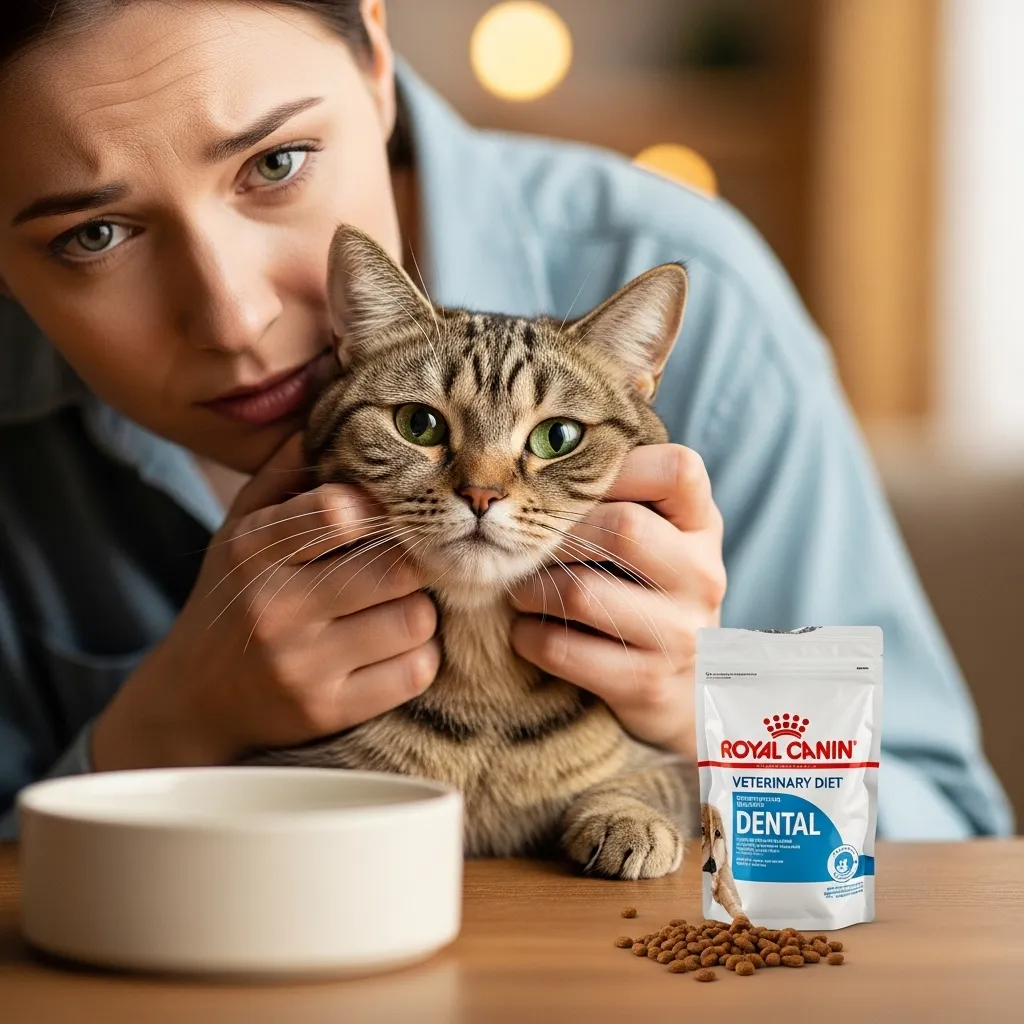
Before we dive into nutrition, it’s vital to understand what we’re fighting. Periodontal disease in cats is a progressive inflammation and infection of the tissues surrounding the teeth. It begins when bacteria in the mouth form a sticky film called plaque. If not removed, plaque hardens into tartar (calculus), which irritates the gums, leading to:
- Gingivitis: The earliest, reversible stage characterized by red, swollen, and bleeding gums.
- Periodontitis: If untreated, the inflammation destroys the bone and ligaments that hold the teeth in place, leading to tooth loss. This stage is not reversible and can have systemic effects on the heart, liver, and kidneys.
The right feline oral health diet is a frontline defense against this process.
Building the Perfect Plate: Key Nutrients for Gum Health
A targeted nutrition for cats with gum disease focuses on specific nutrients that support the immune system and combat inflammation.
1. Omega-3 Fatty Acids: The Inflammation Fighters
EPA and DHA, found in fish oil, are powerful anti-inflammatories. Studies have shown they can significantly reduce the severity of gingivitis by modulating the body’s inflammatory response. Look for foods containing fish oil or supplement under your vet’s guidance.
2. Taurine and High-Quality Protein: The Building Blocks
Taurine for gum health is critical. This essential amino acid, which cats cannot produce on their own, is vital for immune function and tissue repair. A diet rich in high-quality, animal-based protein ensures your cat gets adequate taurine to support healing gum tissues.
3. Antioxidants (Vitamins C & E): The Cellular Protectors
While cats produce their own Vitamin C, additional antioxidants from a balanced diet help neutralize free radicals produced during inflammation, supporting overall cellular health.
4. The Right Carbohydrates
Contrary to some trends, some specific carbohydrates in dental dry food are formulated to create a fibrous structure that scrubs the tooth surface during chewing. However, high-starch, low-quality carbs can contribute to plaque formation.

Choosing the Right Food: Texture, Type, and Trusted Seals
The “best” food depends heavily on your cat’s individual pain level and the stage of their disease.
The VOHC Seal of Approval: Your Gold Standard
The Veterinary Oral Health Council (VOHC) is an independent organization that reviews scientific evidence to award its seal to products that meet pre-set standards for reducing plaque and tartar. When you see the VOHC-approved cat food seal, you know it’s clinically proven to work. Keep an eye out for the VOHC seal cat food list 2025 for the most current recommendations.
Wet Food vs. Dry Food for Dental Health: The Great Debate
This is a complex issue with valid points on both sides.
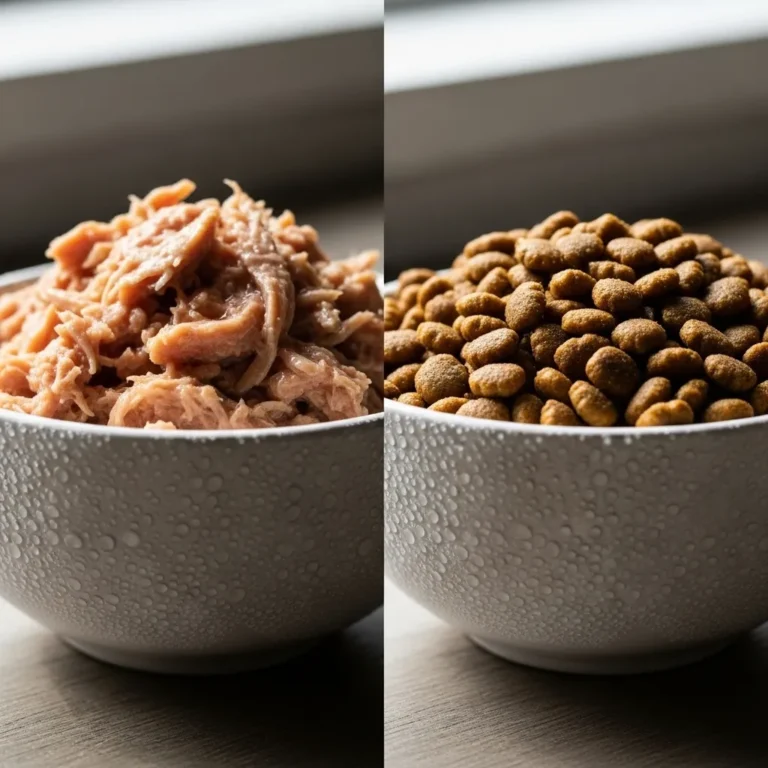
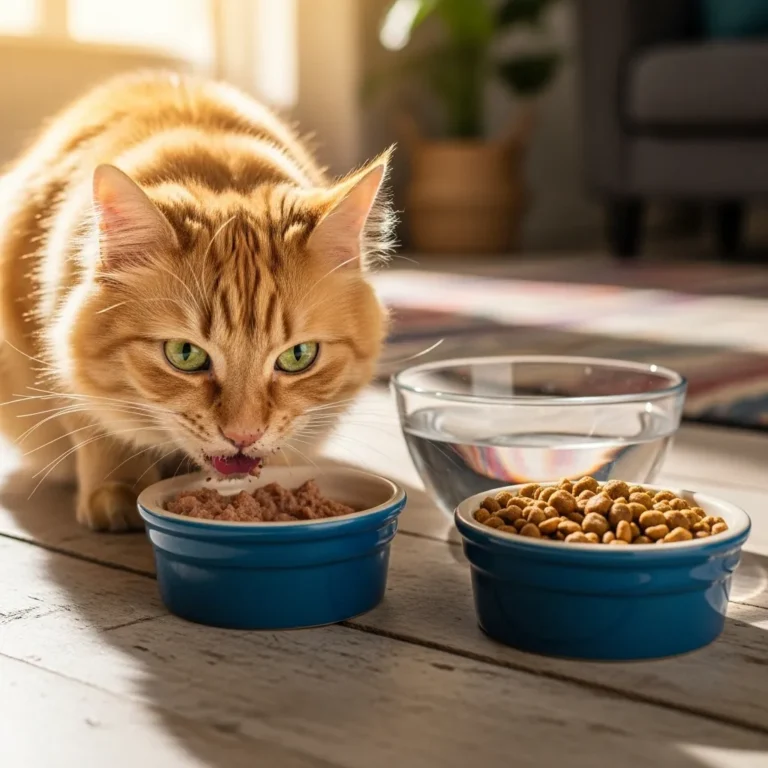
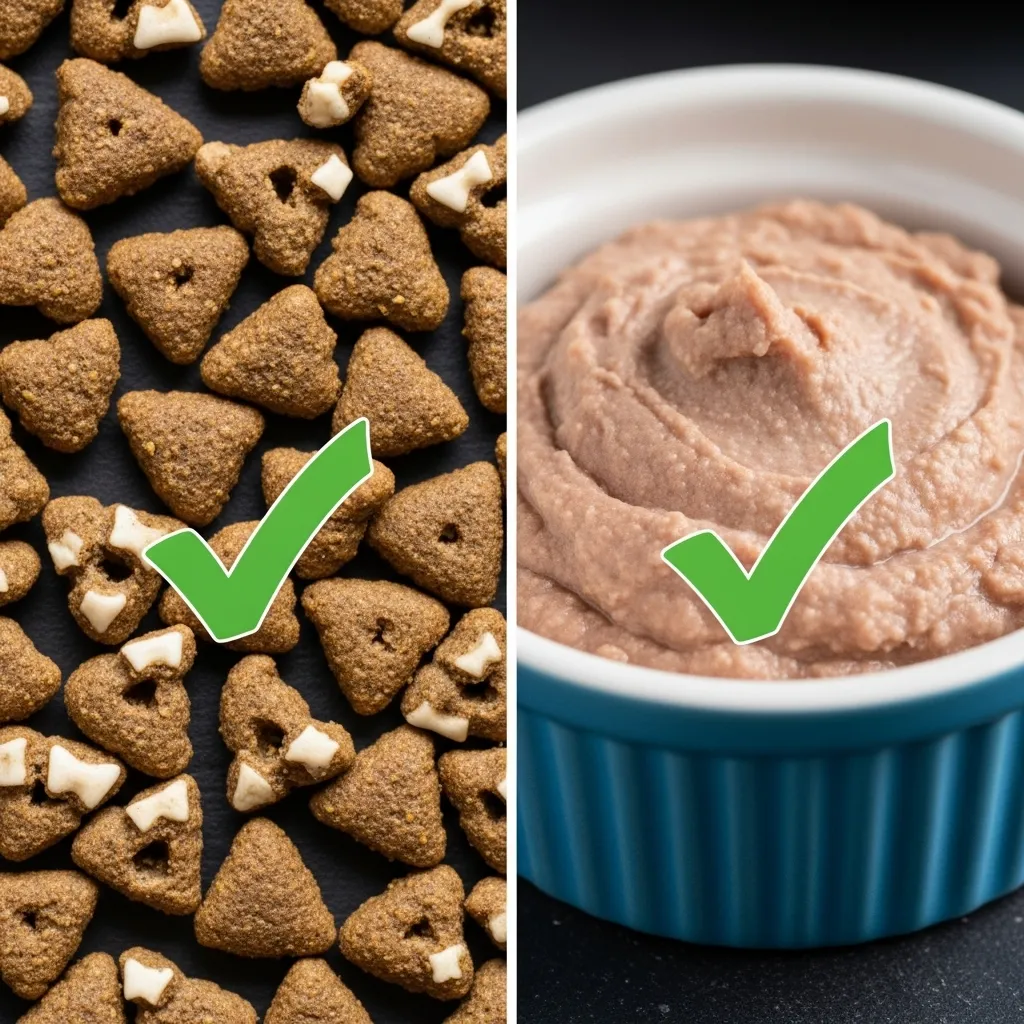
- The Case for Dental Dry Food: Specially formulated dental dry food for cats is often larger and has a unique texture designed to resist immediate shattering. This forces the cat to chew through it, providing a mechanical scraping action that helps reduce plaque and tartar. These are often prescription diets.
- The Case for Wet Food: For cats with significant pain, missing teeth, or severe inflammation, soft food for cats with bad teeth is a necessity, not a choice. It allows them to eat without pain, ensuring they get the calories and nutrition they need. Pate-style wet food is often easiest for them to lap up. Our guide on the best wet cat food can help you choose a high-quality option.
The Verdict: For a cat with mild gingivitis and no pain, a VOHC-approved dental dry food can be excellent. For a cat in pain, a high-quality wet food is essential until the inflammation is under control. A combination, where the main meal is wet food supplemented with dental treats for cleaning, is a common and effective strategy.
Exploring Alternative Diets
- Homemade Cat Food for Gum Disease: This requires extreme caution. While you can control the ingredients, formulating a nutritionally complete and balanced diet that specifically targets dental health is very difficult and should only be done under the guidance of a veterinary nutritionist.
- Raw Diet and Cat Dental Health: This is a highly controversial topic with high engagement. Proponents argue that raw, meaty bones provide a natural cleaning action. However, veterinarians often warn of risks like bacterial contamination (e.g., Salmonella, E. coli), parasites, and the potential for tooth fractures. The consensus is that the risks often outweigh the potential benefits.
A Practical Feeding Strategy for Cats with Dental Issues
Knowing what to feed is only half the battle. Here’s how to implement a successful cat feeding strategy for dental issues.
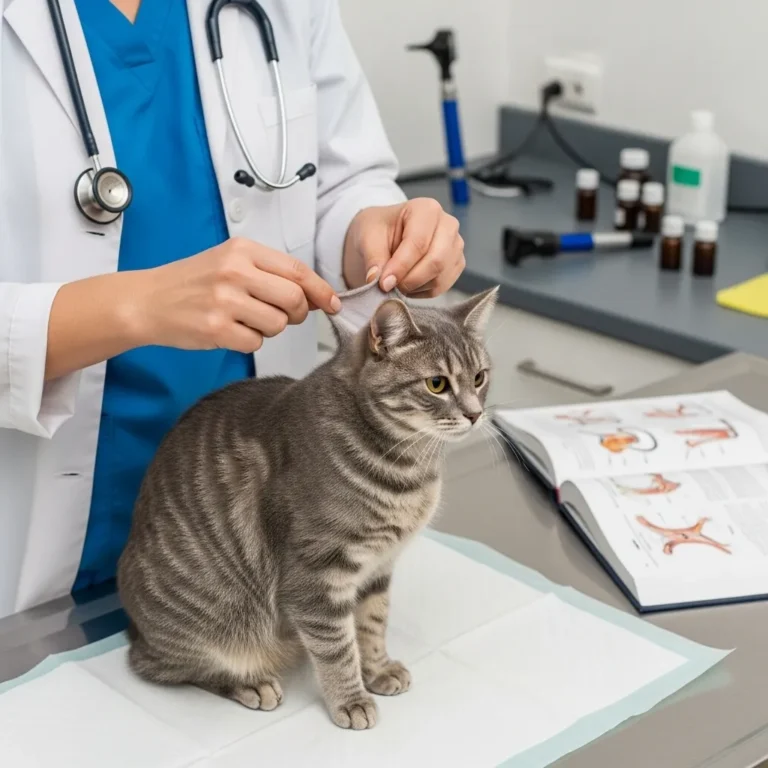
- Start with a Veterinary Assessment: Your vet can perform a full oral exam, possibly including X-rays, to determine the true extent of the disease. Severe tartar buildup will require a professional dental cleaning before any diet can be fully effective.
- Transition Foods Gradually: If switching to a new cat dental health food, mix it with the old food over 7-10 days to avoid stomach upset.
- Incorporate Dental Treats and Supplements: Use VOHC-approved dental treats and consider water additives or probiotic supplements for cat gums that promote a healthy oral microbiome. Enzymatic cat treats for plaque removal use enzymes to break down plaque biochemically.
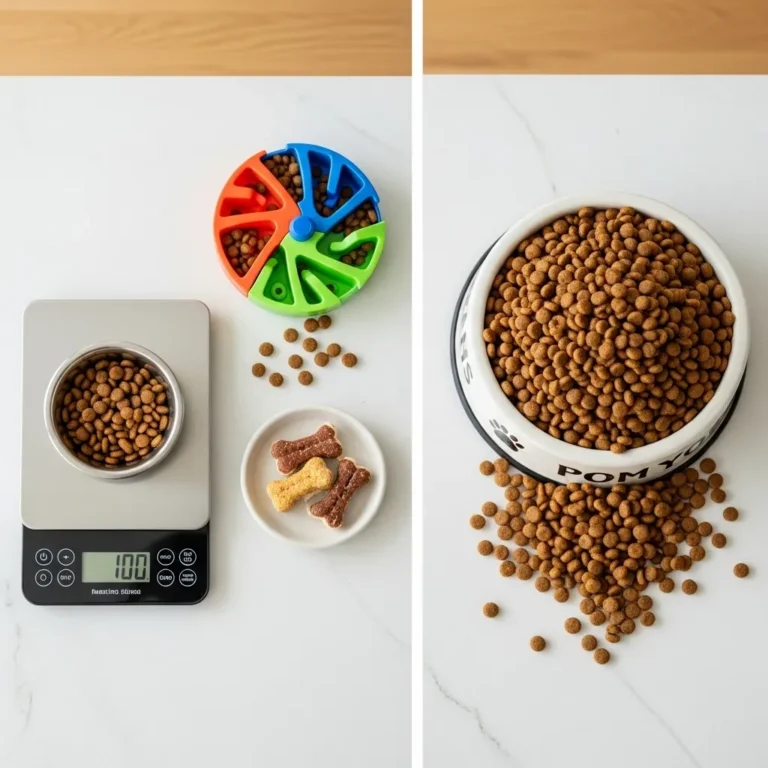
- Establish a Routine: Consistent mealtimes reduce stress and allow you to monitor your cat’s appetite, which is a key indicator of their comfort level.
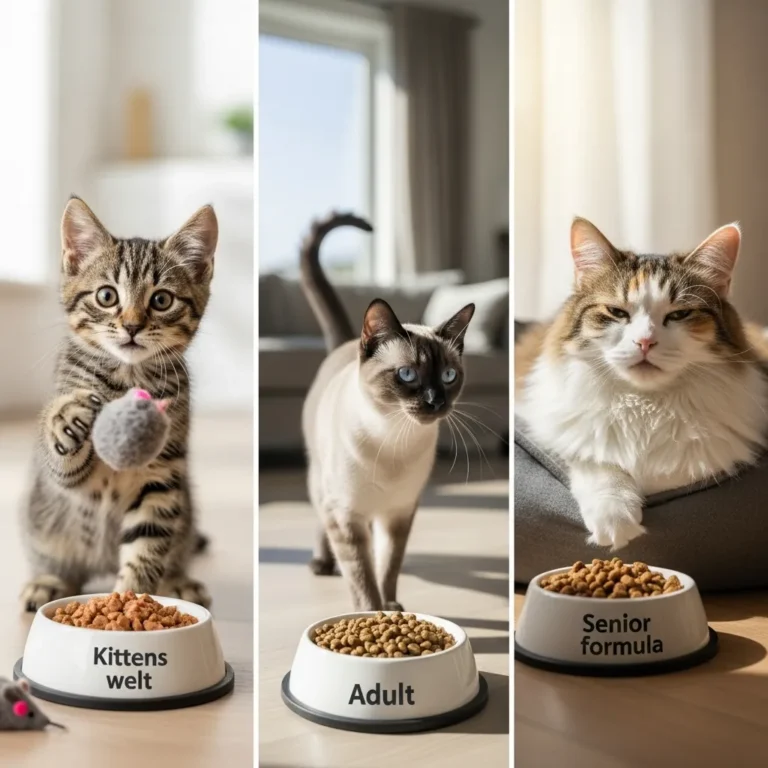
For senior cats who are more prone to dental issues, our guide on the best diet for senior cats with dental issues offers additional breed-specific insights.
Beyond Food: Holistic Feline Dental Care
A truly holistic feline dental care routine involves more than just diet.
- Regular Brushing: The gold standard for cat oral hygiene. Use a cat-specific toothpaste and a soft-bristled brush.
- Professional Cleanings: Essential for removing tartar below the gumline.
- Oral Health Chews and Toys: Provide safe toys designed to massage gums and clean teeth.
- Monitor Closely: Regularly lift your cat’s lips to check for red gums, broken teeth, or any unusual growths. Learn more about what to look for in our article on black spots on cat gums.
Frequently Asked Questions (FAQ)
What is the single best food for a cat with gum disease?
There is no single “best” food, as it depends on the cat. However, the most reliable choices are prescription dental diets that carry the VOHC seal. These are scientifically formulated to manage plaque and tartar while providing complete nutrition.
My cat has severe gingivitis and won’t eat dry food. What can I do?
Your priority is to get calories into your cat without causing pain. Feed a high-quality, palatable wet food (pate is often best) and immediately consult your vet. They may prescribe pain medication or antibiotics to reduce inflammation, making your cat more comfortable. You can then focus on dental care diet options like water additives or gels.
Are dental treats enough to manage my cat’s gum disease?
No. While dental treats are a valuable tool for dental plaque control in cats, they are a supplement, not a replacement for a proper dental diet, veterinary care, and, ideally, tooth brushing. They work best as part of a comprehensive oral health plan.
Can I just add supplements to my cat’s current food?
Supplements like Omega-3 and cat oral health can be a great supportive measure, but they cannot counteract the effects of a poor-quality diet or the physical buildup of plaque and tartar. They should be used as part of a broader strategy, not as a standalone solution.
Is gum disease in cats reversible?
The early stage, gingivitis, is reversible with a professional dental cleaning and consistent follow-up care at home. The advanced stage, periodontitis, is not reversible, as it involves the loss of bone and connective tissue. However, its progression can be halted and managed with aggressive treatment and a dedicated feline oral health diet.
Conclusion: A Healthy Mouth for a Happier Cat
Managing your cat’s gum disease through diet is a powerful act of love. By understanding the role of specific nutrients, choosing foods with proven efficacy like those with the VOHC seal, and implementing a consistent, multi-faceted care plan, you can alleviate your cat’s pain and significantly improve their quality of life. Remember, the journey to better oral health is a partnership with your veterinarian.
Ready to take the next step in your cat’s wellness journey? Explore more expert guides on everything from feline dental care to specific breed needs and cat health care on Cat Bloom Haven.