Wet vs Dry Cat Food: Which Is Better According to Vets?
Every cat owner faces this question at some point. You stand in the pet food aisle, staring at shelves of cans and bags, wondering what truly keeps your cat healthy and happy long-term. The debate over wet vs dry cat food never ends, but veterinarians agree on one thing: no single type wins for every cat. The best choice depends on your cat’s age, health, lifestyle, and preferences.
In this guide, we’ll break down what vets say about wet and dry cat food. We’ll look at nutrition, hydration, weight management, dental health, and common issues like urinary problems or kidney disease. By the end, you’ll understand the pros and cons clearly and know how to decide or combine both for your cat.
Key Takeaways: What Vets Want You to Know Up Front
- Neither wet nor dry food is universally “better.” Many vets recommend a mix for balanced benefits.
- Wet food excels at hydration, which helps prevent urinary crystals, kidney strain, and constipation.
- Dry food offers convenience, potential dental benefits (with special formulas), and lower cost.
- Both can provide complete nutrition if high-quality and AAFCO-approved.
- Always consult your vet, especially for kittens, seniors, or cats with health conditions.
- Focus on portion control obesity affects over 60% of cats in the U.S.
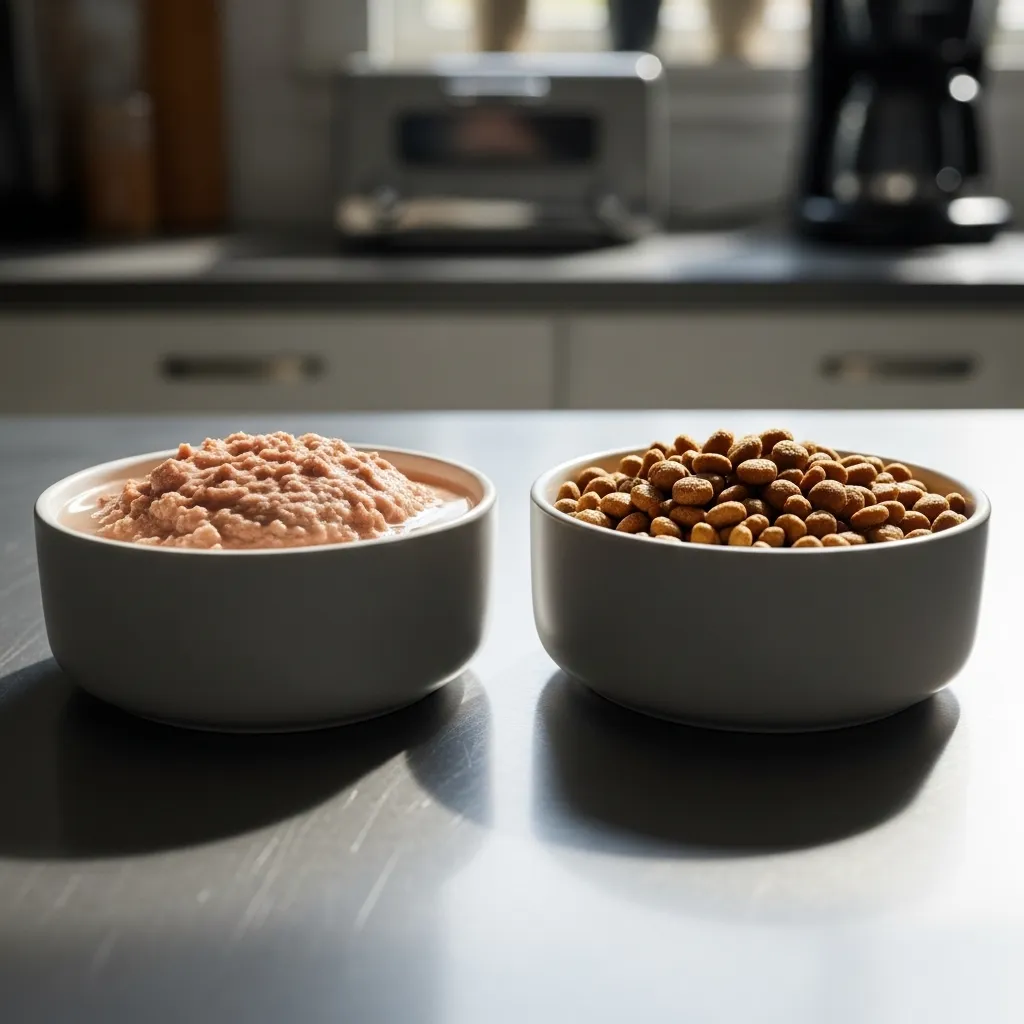
Understanding the Basics: How Wet and Dry Cat Food Differ
Cats are obligate carnivores. They need animal-based protein, moderate fat, and minimal carbohydrates. Both wet and dry foods can meet these needs, but processing and ingredients create key differences.
Moisture Content: The Biggest Divide
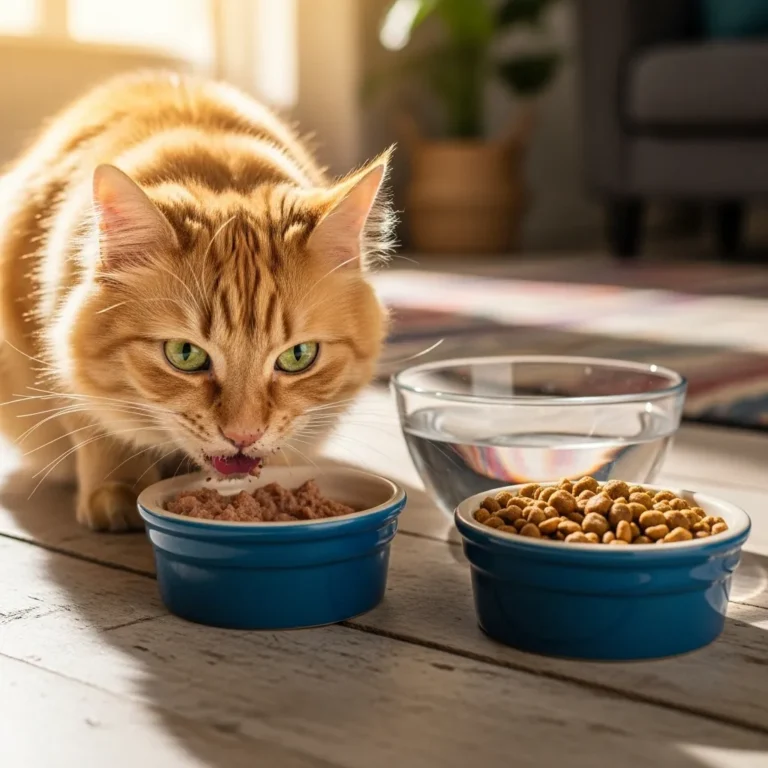
Wet food contains 70-85% moisture, mimicking the water in prey (around 70-80%). Dry food has only 6-10% moisture.
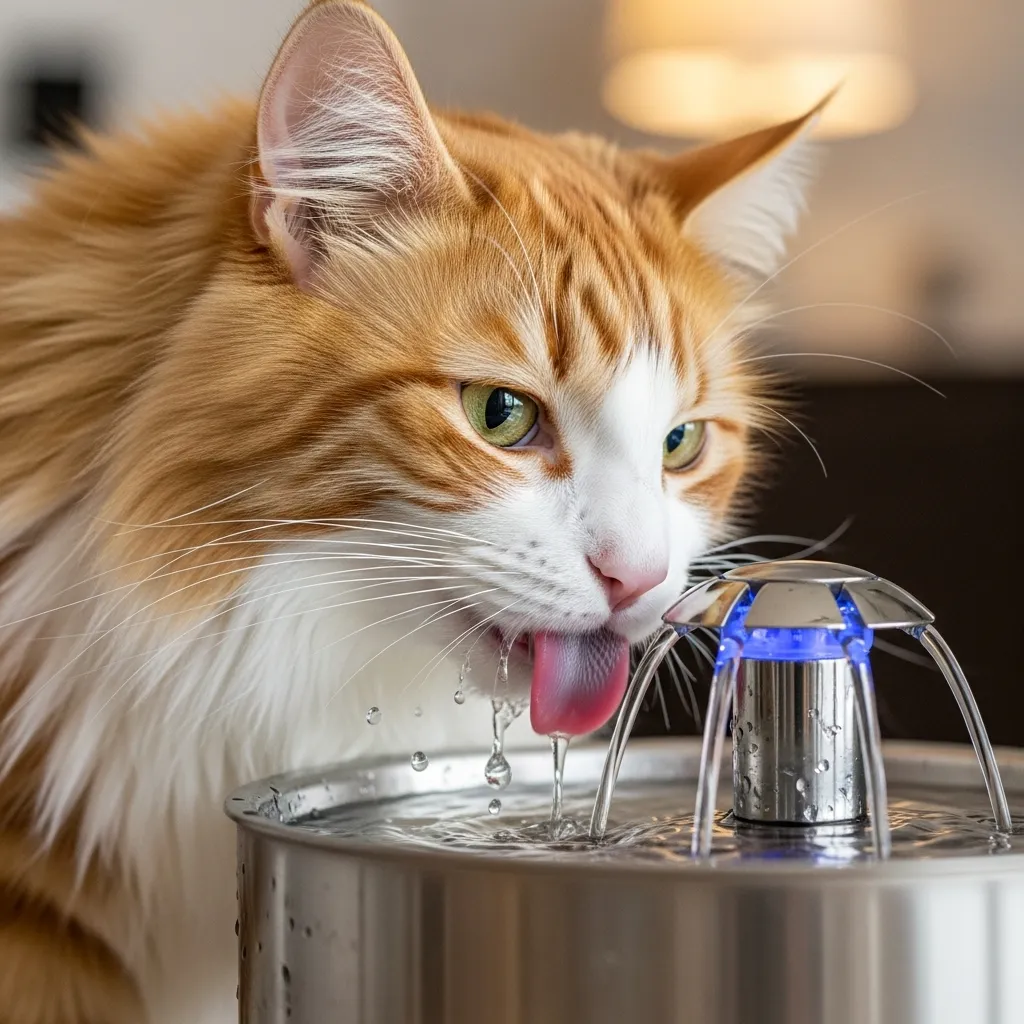
This matters because cats evolved in desert environments with a low thirst drive. They often don’t drink enough from bowls alone. Low hydration leads to concentrated urine, raising risks for crystals, blockages (especially in males), and chronic kidney disease common in older cats.
Vets from sources like Cornell University and International Cat Care emphasize that wet food supports natural hydration without relying on drinking habits.
Nutritional Breakdown: Protein, Carbs, and Calories
- Protein: Wet food often has higher bioavailable animal protein (10-20% on label, but higher on dry-matter basis). Dry food shows 28-40% protein but includes more plant sources.
- Carbohydrates: Dry food typically has more carbs (from grains for kibble structure), which cats process less efficiently. High carbs link to obesity and diabetes risks.
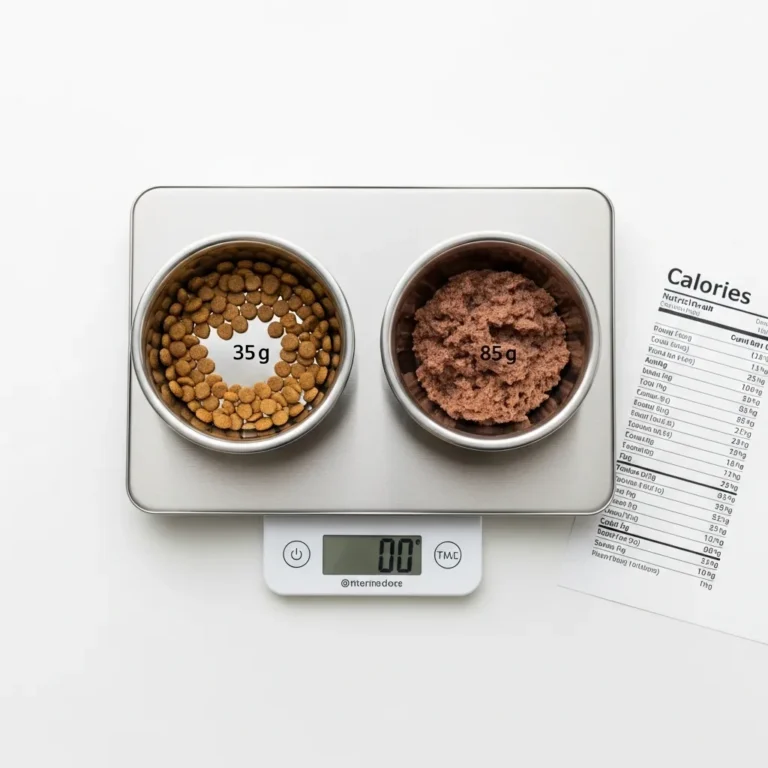
- Calories: Dry food is denser (3-4 kcal/g vs. 0.8-1.5 kcal/g in wet). Cats feel full from less volume on wet food, aiding weight control.
Vets note that quality varies widely. Look for named meat sources first and avoid fillers.
Pros and Cons at a Glance
| Aspect | Wet Food Pros | Wet Food Cons | Dry Food Pros | Dry Food Cons |
|---|---|---|---|---|
| Hydration | Excellent (70-85% moisture) | None major | Low (needs extra water) | Risk of chronic low hydration |
| Weight Management | Lower calorie density, higher satiety | More expensive | Convenient portions | Easy to overeat, higher carbs |
| Dental Health | Softer, easier on teeth | May build tartar faster | Crunch may scrape plaque (limited) | No proven cleaning without VOHC diets |
| Convenience | Strong aroma, appealing to picky cats | Spoils quickly, needs refrigeration | Long shelf life, free-feeding possible | Less aromatic |
| Cost | Higher per serving | – | More affordable | – |
What Veterinarians Say: Insights from Experts
Major organizations like the American Association of Feline Practitioners (AAFP), AVMA, and universities (Cornell, Texas A&M) avoid declaring a winner. They stress individualized plans.
Dr. Audrey Cook from Texas A&M notes quality matters more than format. Reputable brands ensure balance in both.
Many vets lean toward wet or mixed feeding for hydration. Sites like catinfo.org (veterinary-run) and International Cat Care highlight wet food’s role in preventing urinary and kidney issues.
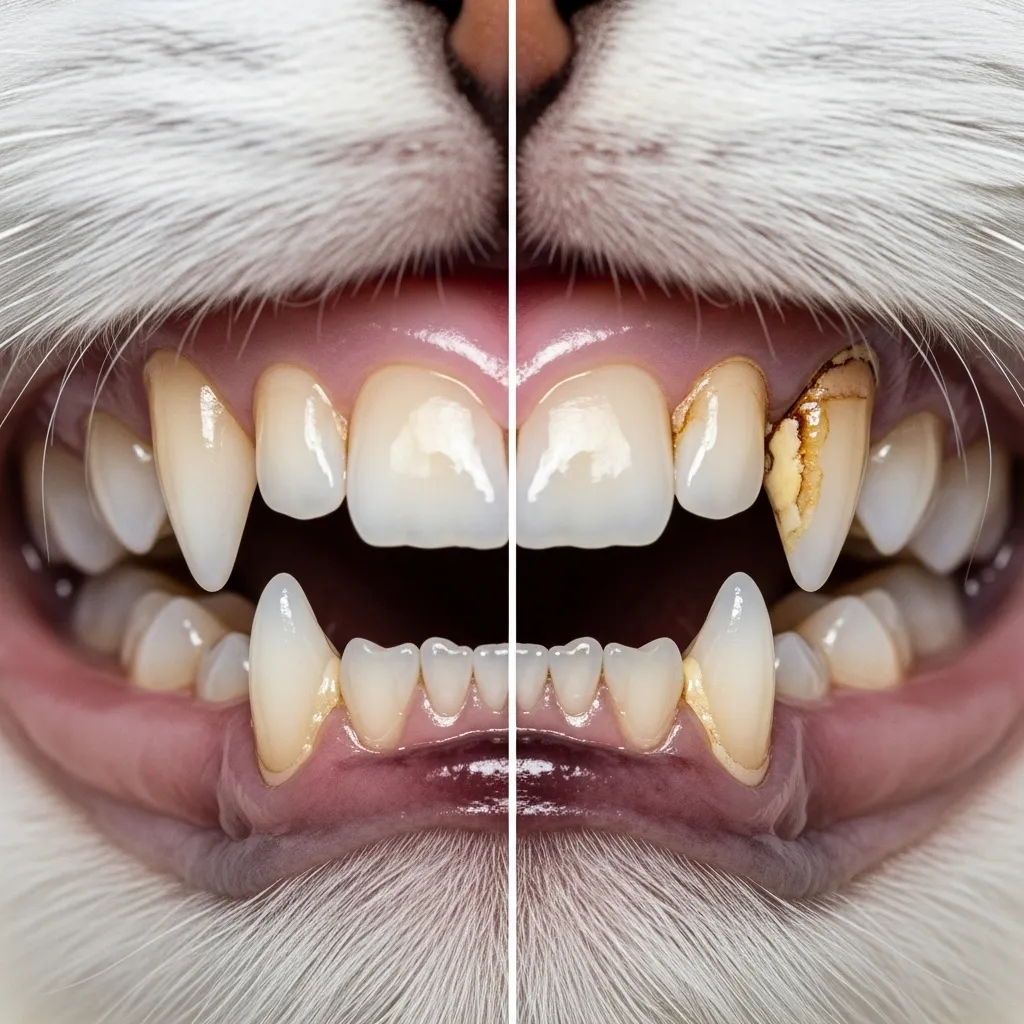
For dental health, the Veterinary Oral Health Council (VOHC) approves specific dry diets for plaque reduction. Regular dry kibble offers minimal benefit brushing or dental treats work better.
Special Considerations: Life Stages and Health Conditions
Kittens
Growing kittens need calorie-dense, easy-to-digest food. Wet food’s soft texture and high moisture support rapid growth and hydration. Many vets start with wet, introducing dry for texture variety.
Senior Cats
Seniors often face kidney concerns, dental loss, and lower activity. Wet food aids hydration and is gentler on teeth. Lower-calorie wet options help manage weight without hunger.
Obesity
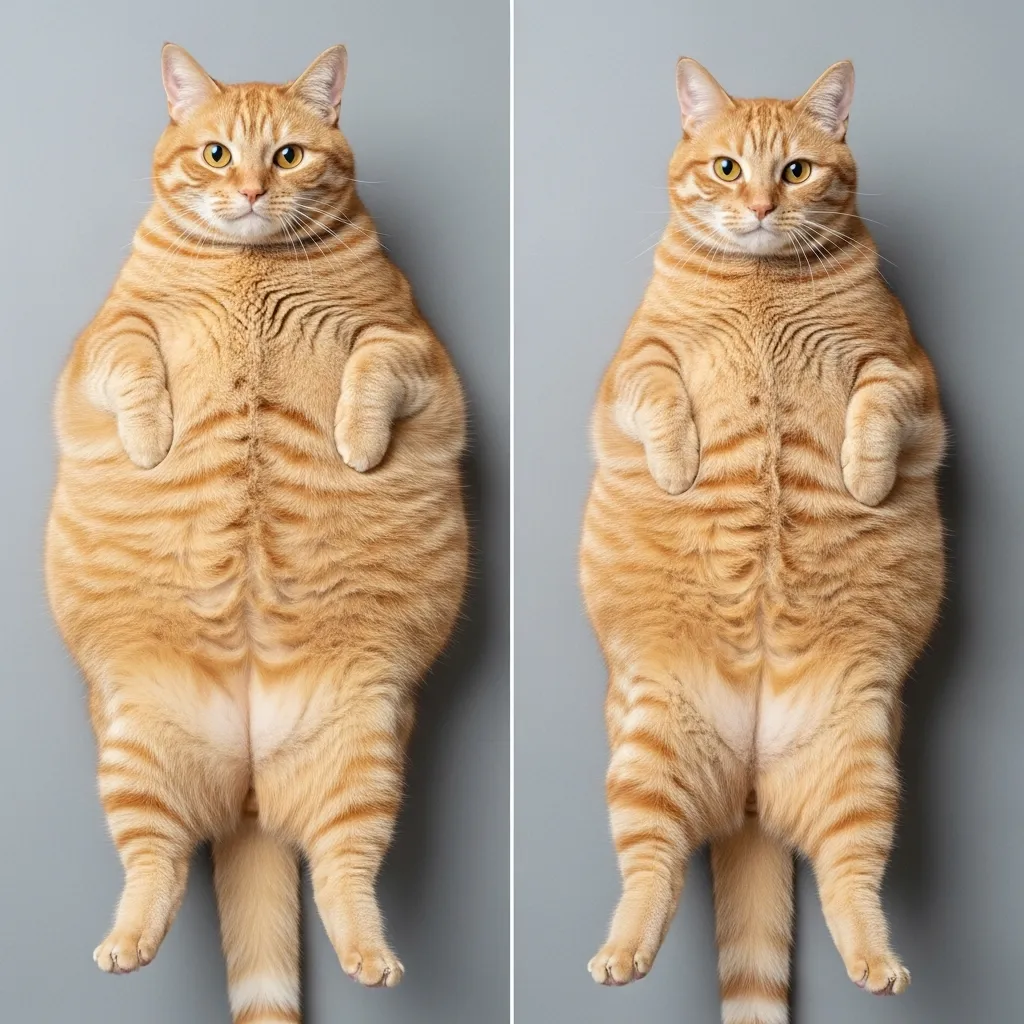
Over 60% of cats are overweight. Wet food’s volume helps cats feel full on fewer calories. Vets often switch obese cats to mostly wet for loss.
Urinary Tract and Kidney Issues
Hydration is critical. Wet food dilutes urine, reducing crystal risk. Vets frequently prescribe or recommend wet for FLUTD, stones, or early CKD.
Diabetes
Low-carb diets help. Wet food usually has fewer carbs, aiding blood sugar control.
Dental Disease
Soft wet food suits cats with sore mouths. For prevention, use VOHC-approved dry or add dental treats.
Mixing Wet and Dry: The Best of Both Worlds?
Many vets endorse mixed feeding. Try 50-75% wet for hydration and protein, plus dry for convenience or dental crunch. Adjust portions by calories to avoid overfeeding.
Tips for success:
- Transition slowly over 7-10 days.
- Use puzzle feeders with dry for enrichment.
- Monitor weight and urine output.
How to Choose and Transition Foods
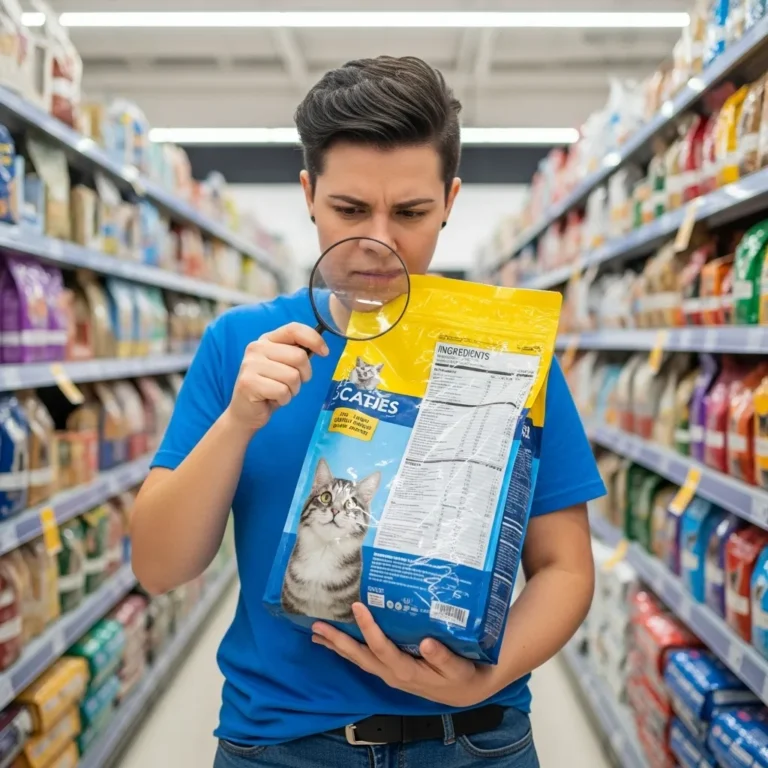
- Check labels: AAFCO “complete and balanced” for life stage.
- Prioritize meat-first ingredients.
- Calculate needs: Use vet tools or guidelines (e.g., 20-33 kcal per pound ideal weight).
- Introduce new food gradually to prevent upset.
Frequently Asked Questions
Is wet food better for hydration?
Yes. Its high moisture mimics prey and reduces urinary/kidney risks, per vets at Cornell and International Cat Care.
Does dry food clean teeth better?
Not significantly, unless VOHC-approved. Regular dry offers little plaque reduction.
Can I feed only dry food?
Yes, if your cat drinks well and stays healthy. Monitor hydration and consult your vet.
Which is better for weight loss?
Wet food often, due to lower density and higher protein satiety.
What about kittens or seniors?
Wet is gentler and more hydrating; many vets prefer it primarily for these stages.
Is mixing safe?
Absolutely and often ideal. Adjust calories accordingly.
How much should I feed?
Depends on age, weight, and activity. Your vet can calculate precisely.
Explore more expert cat care and behavior guides on Cat Bloom Haven, like our article on choosing cat food or best wet cat food options.
Discover tips in our cat health care guide or learn about cat hydration guide.
For breed-specific advice, check our Bengal cat guide or Maine Coon cat page.
Your cat’s diet shapes their health for years. Talk to your veterinarian they know your cat best. With the right approach, whether wet, dry, or mixed, you’ll keep your feline thriving.