Why Some Cats Are Extremely Food-Motivated
If you’ve ever had a cat who stares intently at their empty bowl, meows relentlessly during meal prep, or tries to sneak bites from your plate, you know the struggle. Some cats seem driven by an endless hunger, turning every moment near food into a performance. This behavior is common, but why some cats are extremely food-motivated while others remain indifferent varies widely.
In this guide, we’ll explore the reasons behind this trait, from natural instincts to potential health concerns. You’ll learn how to spot normal enthusiasm versus something more serious, and get practical tips to manage it effectively. Whether your cat is a vocal beggar or a counter surfer, understanding the causes helps create a happier home for both of you.
Key Takeaways
- Not all excessive hunger signals a problem; many cats are simply wired to prioritize food due to breed, personality, or past experiences.
- Medical issues like hyperthyroidism or diabetes can increase appetite suddenly, especially in older cats.
- Behavioral factors, such as boredom or learned habits, often play a big role in food obsession.
- Management strategies like puzzle feeders and scheduled meals can reduce begging without restricting calories.
- Always consult a vet if appetite changes abruptly or comes with weight loss, vomiting, or other symptoms.
Understanding Normal vs. Excessive Food Motivation in Cats
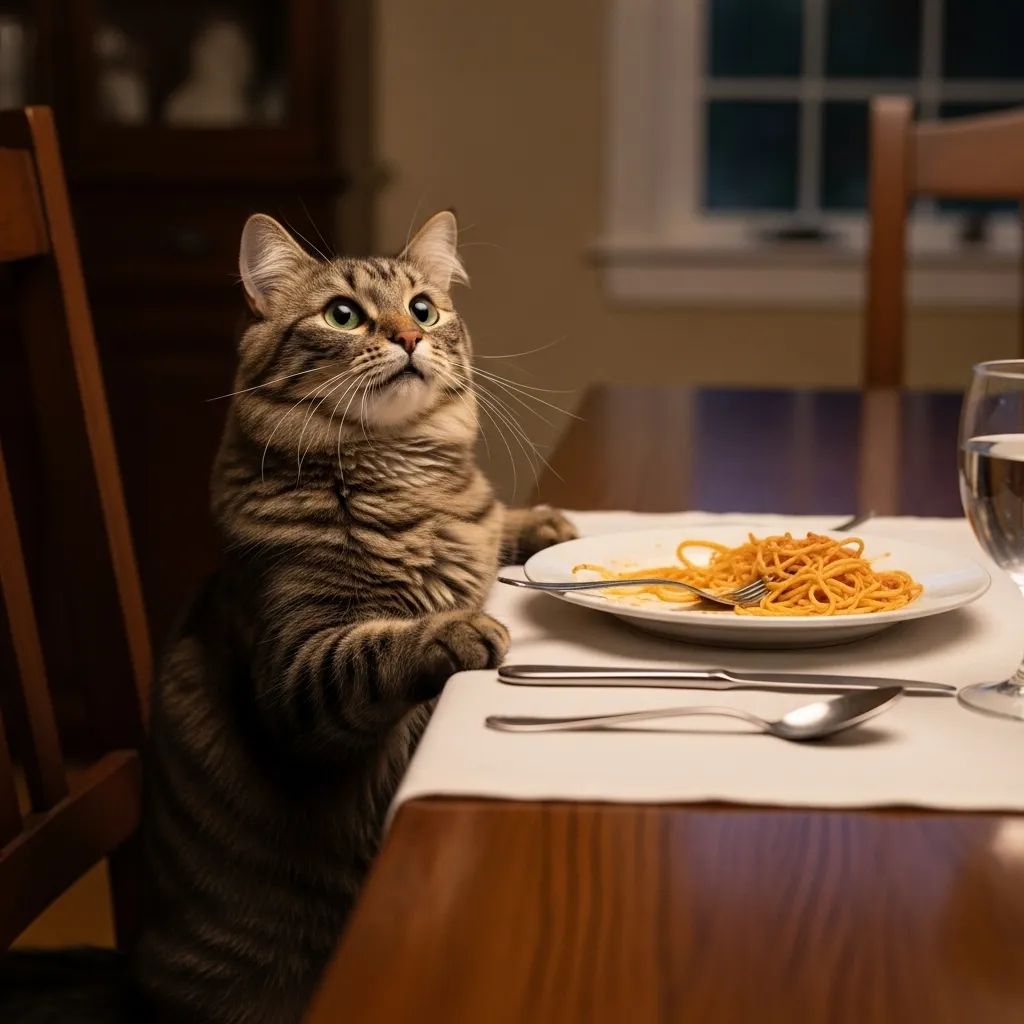
Cats evolved as opportunistic hunters, eating small meals multiple times a day. This instinct makes food a strong motivator for many. Some cats self-regulate well, grazing calmly, while others act as if every meal could be their last.
Extremely food-motivated cats often show these signs:
- Persistent meowing or following you to the kitchen.
- Attempting to steal food from counters or plates.
- Eating quickly and immediately begging for more.
- Showing impatience or even mild aggression around feeding time.
These behaviors are normal in moderation. Problems arise when they disrupt daily life or lead to overeating and weight gain.
Common Reasons Why Some Cats Are Extremely Food-Motivated
Several factors explain why certain cats fixate on food more than others.
1. Breed and Genetics Play a Role
Certain breeds have higher energy levels and faster metabolisms, leading to bigger appetites.
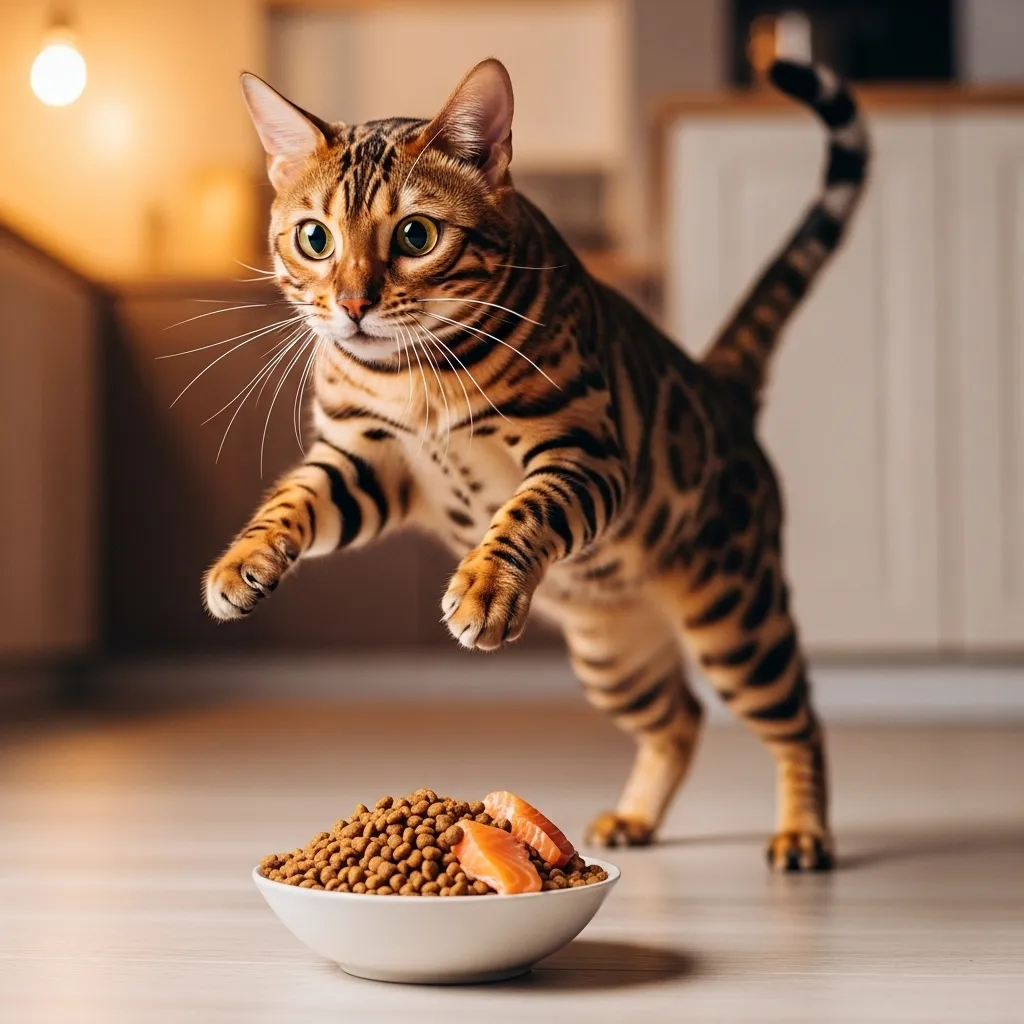
- Bengals: Known for their wild ancestry and athletic build, Bengals often display strong food drive. Their playful, energetic personality means they burn calories quickly and seek rewards through eating. Explore more in our detailed Bengal cat guide.
- Siamese: Vocal and demanding, Siamese cats frequently use meows to request food. Their lean bodies and high activity contribute to frequent hunger signals. Check out our Siamese cat breed overview for personality insights.
- Other active breeds like Abyssinians or Maine Coons can also lean toward food motivation due to their size and playfulness.
Not every cat in these breeds will obsess over food, but genetics set the stage
2. Behavioral and Environmental Factors
Many food-obsessed cats learn habits from their surroundings.
- Boredom or Lack of Stimulation: Indoor cats without enough play may turn to food for entertainment. Scheduled interactive sessions help redirect this energy.
- Learned Begging: If meowing or counter-surfing once earned extra treats, the behavior reinforces itself. Consistency in ignoring demands breaks the cycle.
- Past Experiences: Rescue cats who faced food scarcity might hoard or beg out of instinct, even in abundance.
- Competition in Multi-Cat Homes: One cat stealing from others can heighten food guarding or urgency.
3. Dietary Influences
The type and timing of food matter.
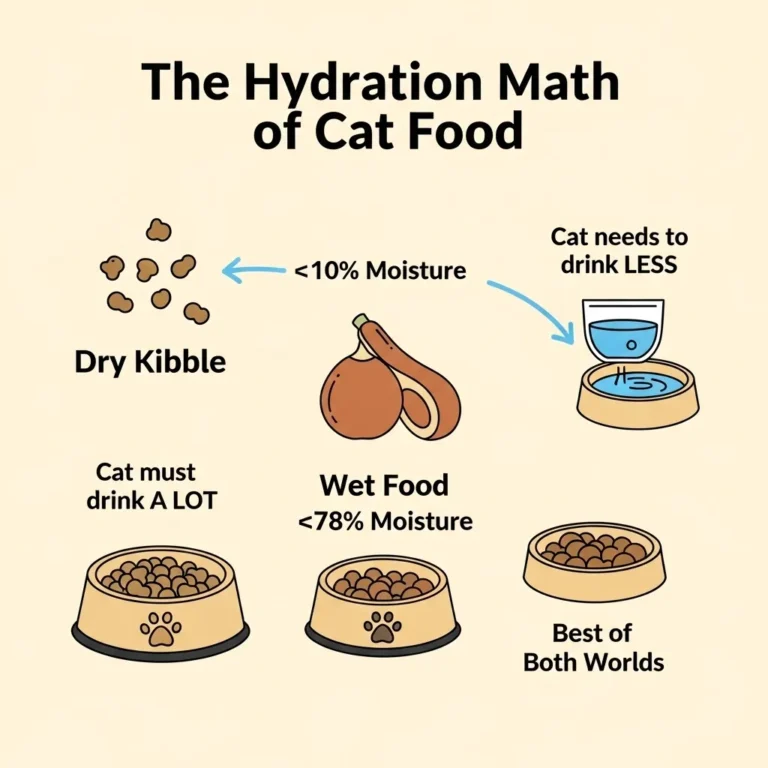
- Low-quality or carb-heavy kibble may not satisfy as well as protein-rich wet food.
- Free-feeding reduces hunger signals, while scheduled meals build anticipation.
- Rapid eating from excitement or competition leads to quick emptiness feelings.
Switching to higher-protein options often helps. Discover tips in our guide on choosing cat food.
4. Medical Causes That Increase Hunger
Sudden or intense changes warrant a vet visit, as conditions can drive polyphagia (excessive hunger).
| Condition | Common Signs | Why It Causes Hunger | Typical Age/Affected Cats |
|---|---|---|---|
| Hyperthyroidism | Weight loss despite eating more, vomiting, hyperactivity | Overproduces thyroid hormone, speeding metabolism | Older cats (10+) |
| Diabetes Mellitus | Increased thirst/urination, weight loss | Body can’t use glucose properly | Middle-aged to senior |
| Intestinal Parasites | Diarrhea, bloated belly, poor coat | Worms steal nutrients | Kittens, outdoor cats |
| Inflammatory Bowel Disease (IBD) | Chronic vomiting/diarrhea | Poor nutrient absorption | Any age |
| Exocrine Pancreatic Insufficiency | Greasy stools, weight loss | Lack of digestive enzymes | Rare, any age |
If your cat eats ravenously but loses weight, seek prompt care. Early treatment improves outcomes.
How to Manage an Extremely Food-Motivated Cat
Good news: Most cases improve with smart changes.
Establish a Consistent Feeding Routine
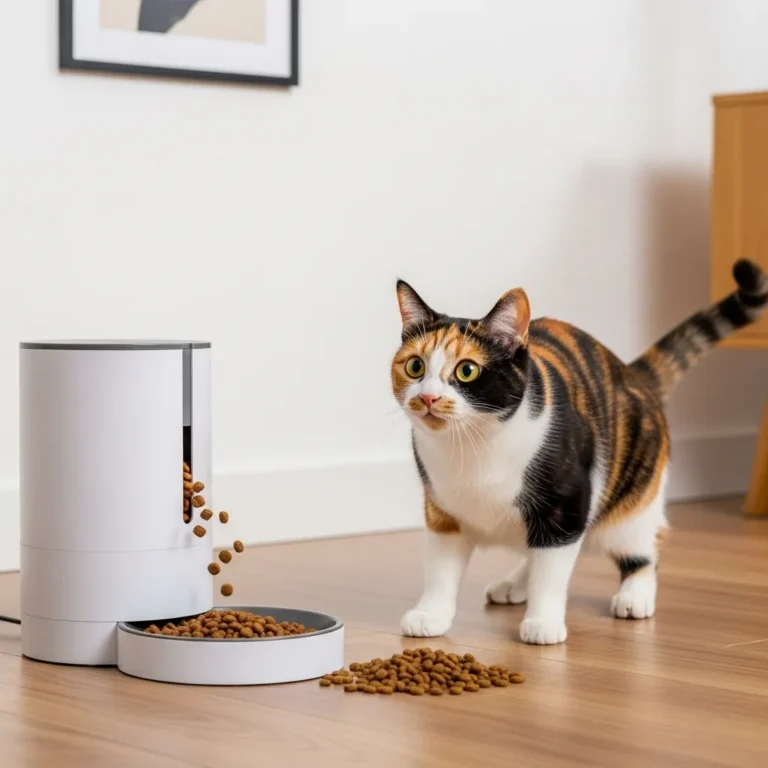
- Feed 3-4 smaller meals daily instead of free-feeding.
- Use automatic feeders to remove human association with food.
Incorporate Enrichment and Puzzle Feeders
Puzzle feeders turn eating into a game, slowing intake and engaging the hunting instinct,
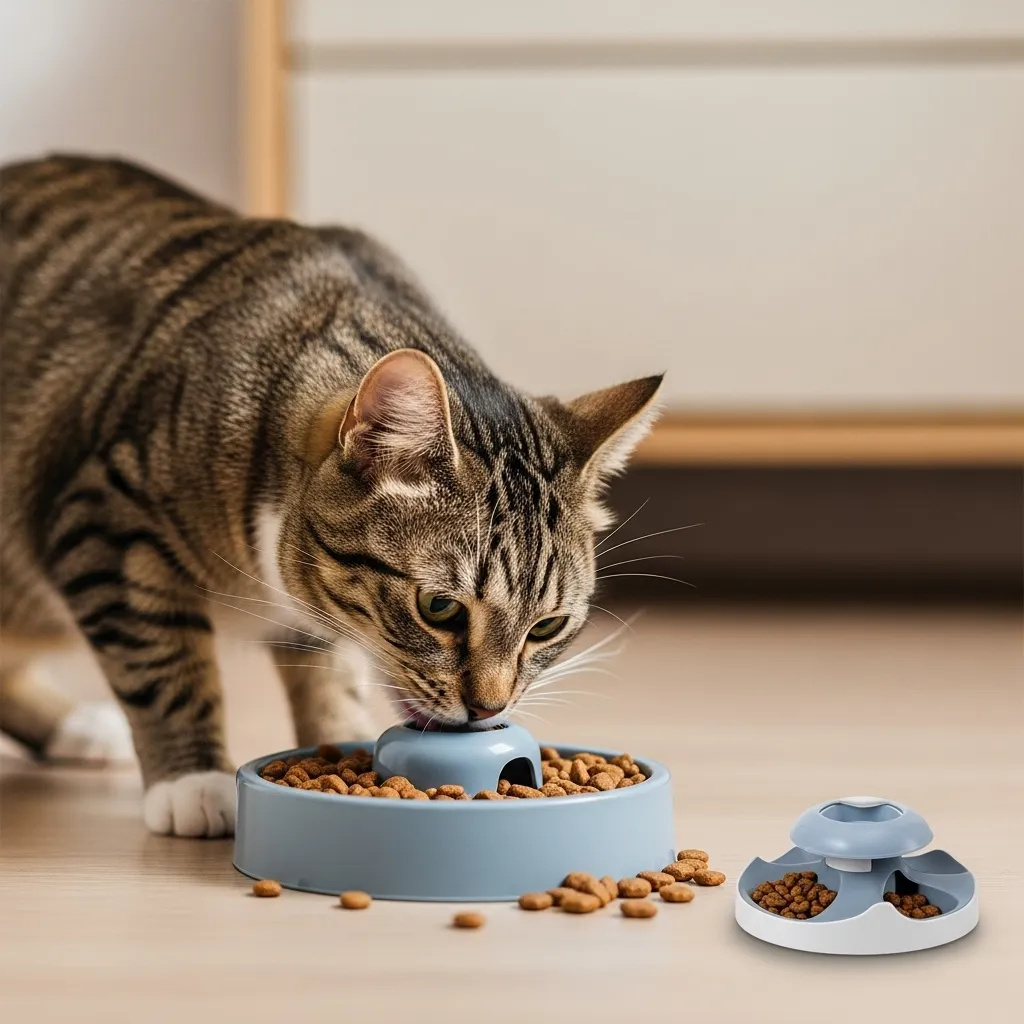
This reduces boredom and prevents gobbling.
Provide Alternative Outlets
- Daily play sessions with wand toys or laser pointers burn energy.
- Vertical spaces like cat trees encourage exploration.
- Rotate toys to maintain interest.
Monitor Weight and Adjust Portions
Weigh food precisely and track body condition. For overweight cats, vet-recommended diets help without triggering more begging.
When to Ignore vs. Reward
Never feed in response to demanding meows. Reward calm behavior around food instead.
For severe cases, like aggression, consult a behaviorist.
Real Owner Stories: Living with Food-Motivated Cats
Many owners share similar experiences. One Bengal owner noted their cat’s counter-surfing stopped after introducing puzzle feeders and evening play. A Siamese parent found automatic feeders ended 5 a.m. wake-up calls.
These anecdotes show that with patience, most food-driven cats become more manageable.
FAQ: Common Questions About Food-Motivated Cats
Is it normal for some cats to be more food-motivated than others?
Yes. Individual personality, breed, and early experiences vary appetites greatly.
When should I worry about my cat’s hunger?
Worry if it starts suddenly, pairs with weight loss, increased thirst, vomiting, or lethargy. See a vet to rule out issues like hyperthyroidism.
Can I train a food-motivated cat?
Absolutely. Their drive makes them excel at clicker training or tricks. Channel it positively.
Are certain breeds always food-obsessed?
No breed is guaranteed, but active ones like Bengals and Siamese often show stronger drives. Learn more in our cat breeds personalities guide.
How do I stop begging without starving my cat?
Use puzzle feeders, scheduled meals, and enrichment. Ignore demands consistently.
Could my cat’s food obsession be psychological?
Yes, stress or boredom can manifest as overeating. Environmental changes often help.
Final Thoughts
Some cats are extremely food-motivated simply because that’s their nature, shaped by instincts, genetics, and environment. In most cases, it’s manageable with routine, enrichment, and the right tools. However, never ignore sudden increases in appetite, as they can signal health needs.
By addressing the root causes, you can reduce frustration and strengthen your bond. Your cat will feel more satisfied, and you’ll enjoy calmer mealtimes.
Explore more expert cat care and behavior guides on Cat Bloom Haven, from breed-specific tips to nutrition advice. For feeding ideas, check our best wet cat food recommendations or cat food nutrition overview.