My Cat Ate Cheese: What Really Happens and How to Handle It Safely
Picture this: You’re slicing into a sharp cheddar for your sandwich, and in a flash of furry lightning, your cat leaps onto the counter and snatches a chunk. Before you can say “no!”, that cheese is gone swallowed whole with a smug tail flick. Sound familiar? If you’ve ever googled “my cat ate cheese” in a panic at 2 a.m., you’re not alone. Millions of cat parents face this exact moment every year.

But here’s the good news: Most cats survive a cheese heist just fine. The bad news? Dairy can trigger everything from mild tummy rumbles to full-blown digestive chaos, especially in lactose-intolerant felines (spoiler: that’s nearly all of them).
In this ultimate guide from Cat Bloom Haven, we’ll break down exactly what happens when your cat eats cheese, the hidden risks lurking in different varieties, immediate steps to take, and vet-approved alternatives that satisfy those cheesy cravings—without the fallout. By the end, you’ll know precisely what to do if your cat ate cheese, how to spot trouble, and how to prevent future fridge raids.
Key Takeaways
- 99% of adult cats are lactose intolerant—cheese can cause diarrhea, gas, or vomiting.
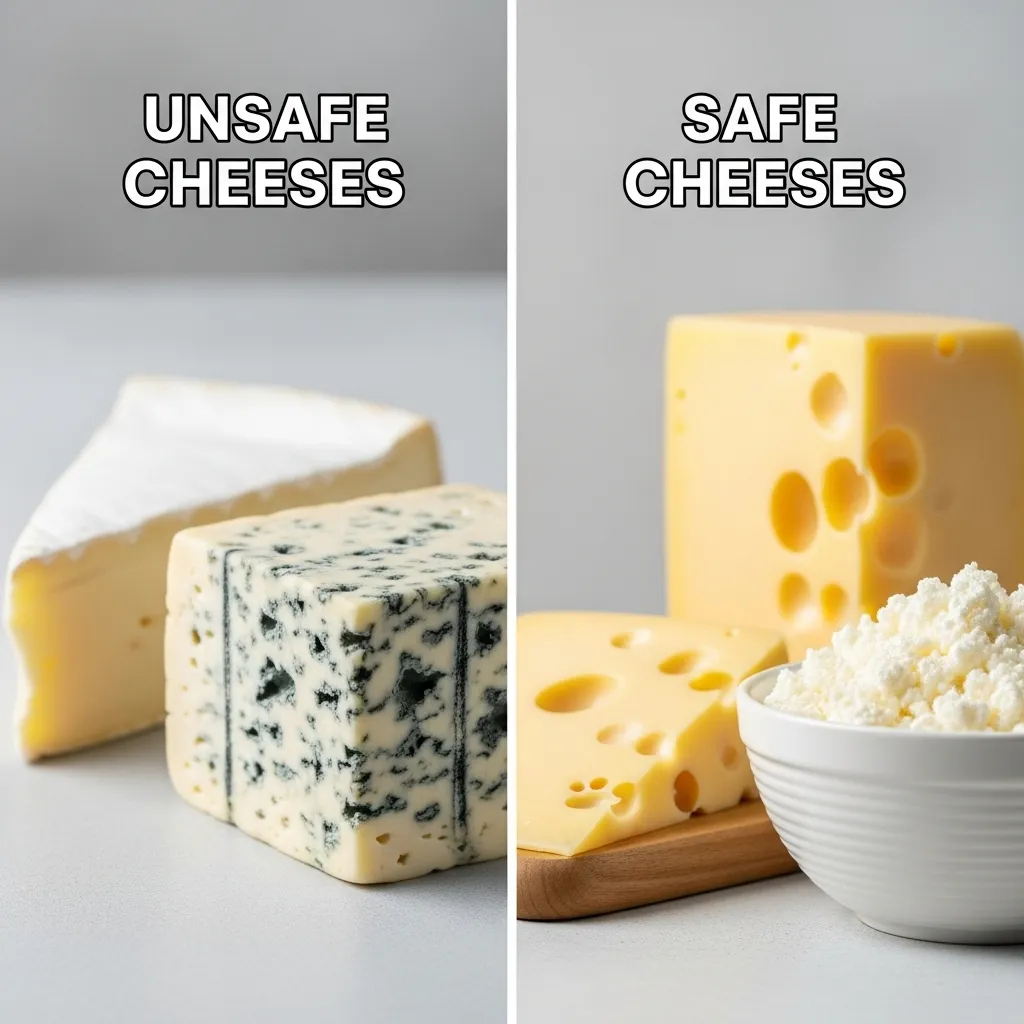
- Small amounts of low-lactose, unsalted cheese (like Swiss or cottage) are usually safe as rare treats.
- High-fat cheeses (cheddar, brie) pose obesity and pancreatitis risks.
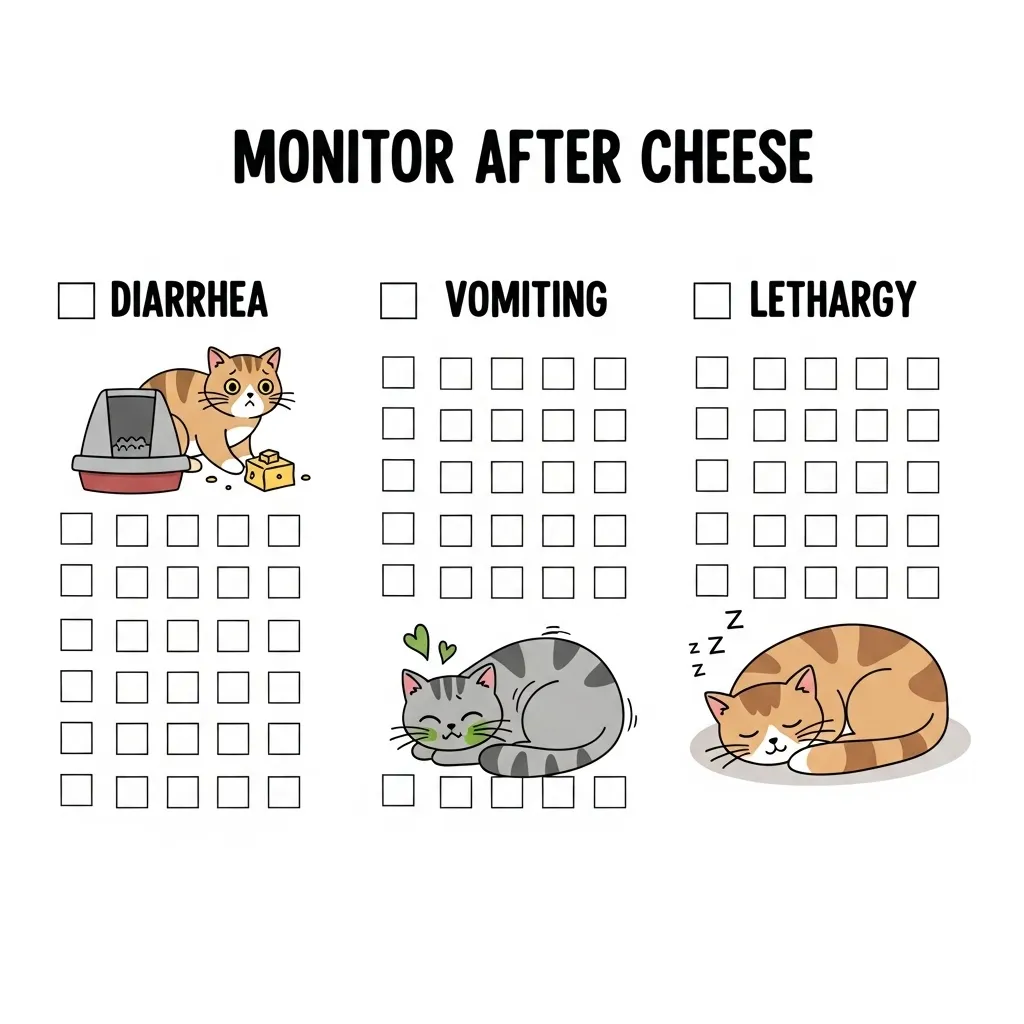
- Monitor for 24–48 hours after ingestion—watch for vomiting, diarrhea, or lethargy.
- Call your vet if symptoms persist beyond 12 hours or if your cat is a kitten, senior, or has health issues.
- Never use cheese as a regular treat—opt for cat-safe alternatives instead.
The Science Behind Cats and Cheese: Why Dairy Isn’t Feline-Friendly
Let’s start with a hard truth: Cats are not mini-humans. That viral image of a kitten lapping milk? Cute, but biologically inaccurate.
Lactose Intolerance in Cats: The Root of the Problem
When kittens nurse, they produce lactase, an enzyme that breaks down lactose (milk sugar). After weaning—typically around 8–12 weeks—lactase production plummets. By adulthood, over 90% of cats lack sufficient lactase, making dairy digestion difficult or impossible.
Expert Insight: “Cheese isn’t toxic, but it’s like feeding your cat a bowl of ice cream—tasty, but likely to cause regret,” says Dr. Emily Chen, DVM, feline nutrition specialist.
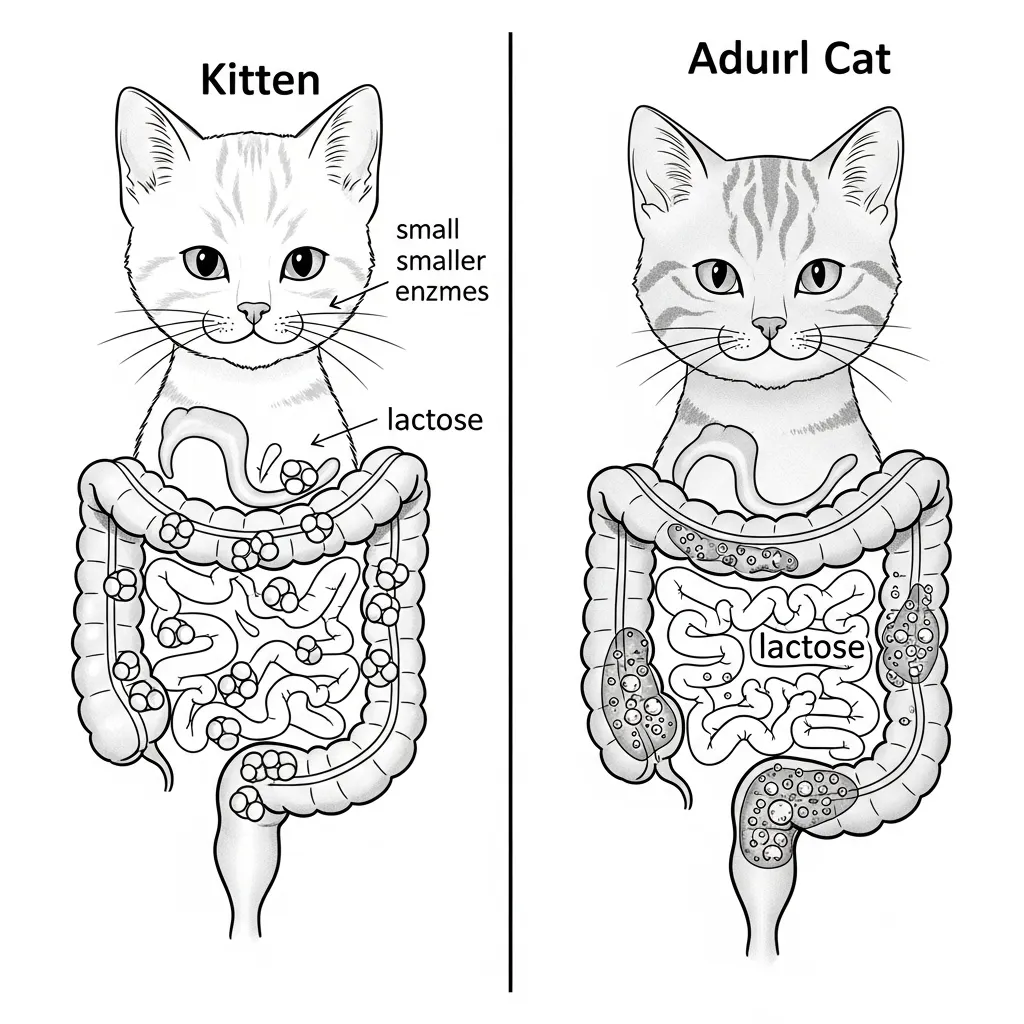
This is why cats and cheese often ends in digestive distress. The undigested lactose ferments in the gut, producing gas, bloating, and diarrhea.
Cheese vs. Milk: Is Cheese “Safer”?
Not really. While cheese has less lactose than milk due to fermentation, it’s still a dairy product. Here’s a breakdown:
| Cheese Type | Lactose (per oz) | Fat Content | Safe for Cats? |
|---|---|---|---|
| Cheddar | ~0.1g | High (9g) | Rarely, tiny amounts |
| Mozzarella | ~0.1–0.3g | Moderate | Occasionally |
| Cottage Cheese | ~0.7–1.1g | Low | Best low-lactose option |
| Cream Cheese | ~1.0g | High | Avoid |
| Blue Cheese | ~0.5g | High | Risk of mold toxicity |
Pro Tip: Hard, aged cheeses (Parmesan, Swiss) have the lowest lactose—but also the highest sodium and fat.
Can Cats Eat Cheese Safely? The Truth About “Cat-Safe” Dairy
Short answer: Rarely, and only in tiny amounts.
Long answer: It depends on three factors:
- Your cat’s tolerance (some cats handle small dairy doses better than others)
- The type of cheese (low-lactose, low-fat, unsalted = better)
- The amount (a lick vs. a chunk makes a huge difference)
Cat-Safe Cheese Options (If You Must)
| Cheese | Why It’s “Safer” | Max Treat Size |
|---|---|---|
| Swiss | Very low lactose, moderate fat | Pea-sized |
| Cottage Cheese | Low fat, higher lactose but creamy | 1/2 teaspoon |
| Goat Cheese | Naturally lower lactose | Tiny crumble |
Never feed:
- Flavored cheeses (garlic, onion, herbs = toxic)
- Processed cheese (American slices = high sodium)
- Moldy cheeses (Roquefort, Gorgonzola = dangerous)
My Cat Ate Cheese: What to Do Right Now (Step-by-Step)
Don’t panic. Follow this vet-backed protocol:
Step 1: Assess the Damage
- How much cheese? A lick? A cube? A whole slice?
- What kind? Check the label for lactose, fat, and sodium.
- When did it happen? Time matters for monitoring.
Step 2: Remove Access
- Secure all dairy immediately.
- Wipe counters—cats love lingering smells.
Step 3: Monitor for 24–48 Hours
Watch for these signs of dairy reaction in cats:
| Symptom | Onset Time | Severity |
|---|---|---|
| Soft stool / diarrhea | 6–12 hours | Mild–Moderate |
| Gas / bloating | 4–8 hours | Mild |
| Vomiting | 2–6 hours | Moderate |
| Lethargy | 12+ hours | Call vet |
| Abdominal pain | 6–24 hours | Call vet |
Real Story: “My Bengal, Luna, stole a chunk of brie. She had explosive diarrhea for 36 hours but recovered with bland food and probiotics.” – Sarah, Cat Bloom Haven reader
Step 4: Support Recovery
- Withhold food for 6–12 hours (water only).
- Offer bland diet: boiled chicken + plain rice (1:2 ratio).
- Add cat-safe probiotics (FortiFlora recommended).
Step 5: When to Call the Vet
Contact immediately if:
- Kitten under 6 months
- Senior cat (8+ years)
- Pre-existing conditions (IBD, pancreatitis, kidney disease)
- Symptoms last >12 hours
- Blood in stool/vomit
Health Risks of Cheese for Cats: Beyond the Tummy Ache
Cheese isn’t just about lactose. Here are the hidden dangers:
1. Obesity & Pancreatitis
- Cheese is calorie-dense: 100–120 calories per ounce.
- Regular treats = weight gain = joint issues, diabetes.
2. High Sodium
- Processed cheeses can have 300+ mg sodium per slice.
- Risk: hypertension, heart strain.
3. Allergies
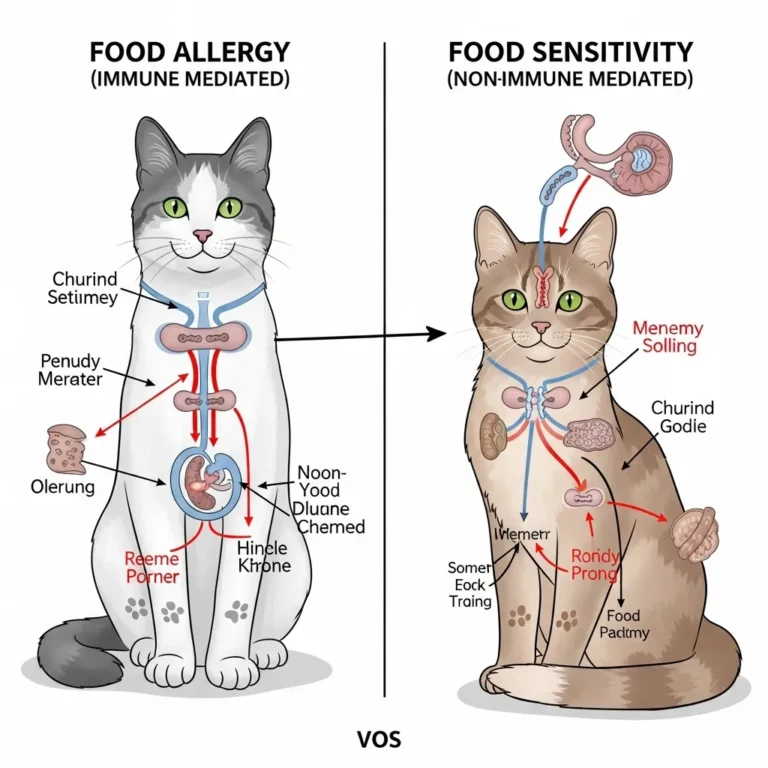
- Some cats are allergic to casein (milk protein).
- Symptoms: itching, ear infections, skin bumps.
Learn more in our cat allergies guide.
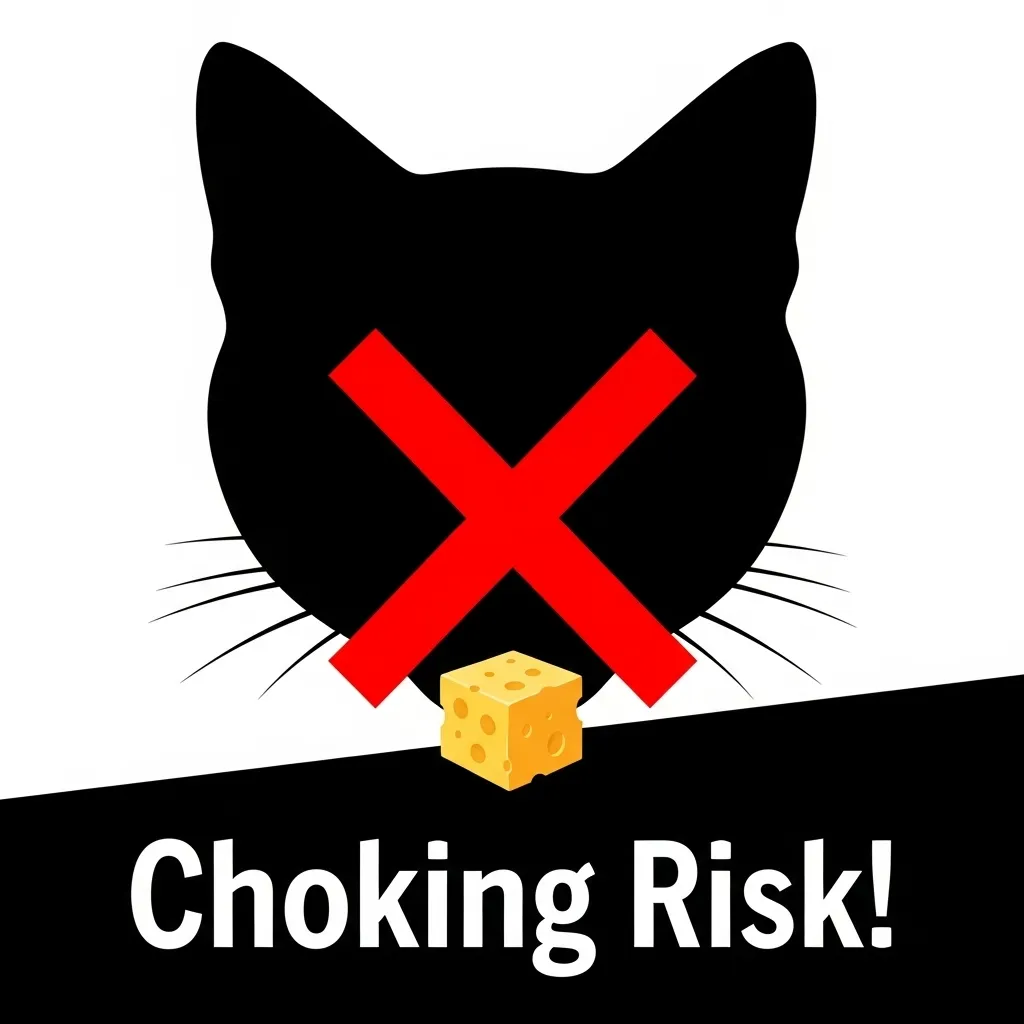
4. Choking Hazard
- Hard cheese cubes can lodge in the throat.
- Always crumble or grate.
Calories in Cheese for Cats: A Quick Math Breakdown
Let’s put it in perspective:
| Food Item | Calories (per 1 tsp) | % of Daily Intake (4 lb cat) |
|---|---|---|
| Cheddar | 20 | 10% |
| Tuna (in water) | 5 | 2.5% |
| Plain boiled chicken | 8 | 4% |
Bottom line: Cheese should be <5% of daily calories—that’s less than 1/4 teaspoon for most cats.
Cat Food Alternatives to Cheese (They’ll Love These)
Craving to spoil your cat? Try these vet-approved, cheese-like treats:
| Alternative | Texture/Flavor | Where to Buy |
|---|---|---|
| Freeze-dried chicken | Crunchy, savory | Petco, Chewy |
| Goat milk powder | Creamy, low-lactose | Amazon |
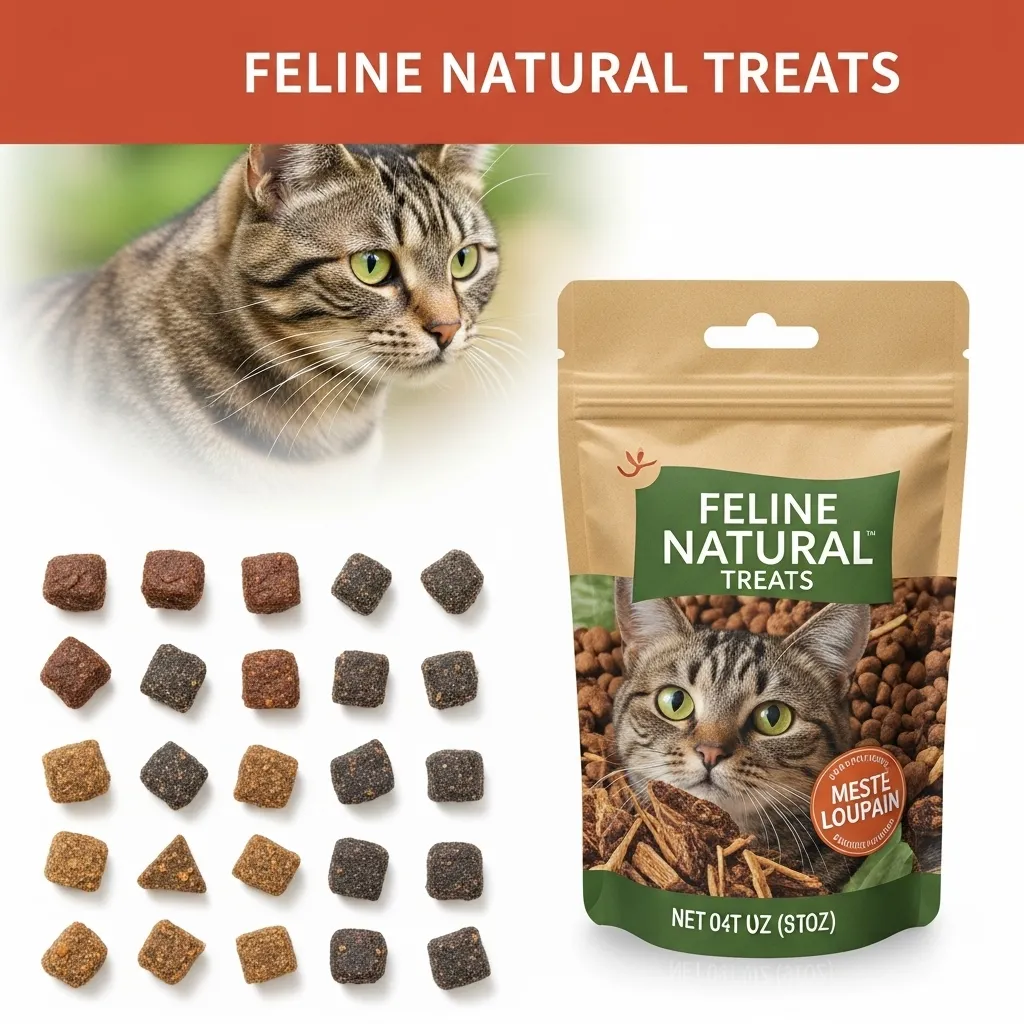
| Cat cheese treats (e.g., Feline Natural) | Cheesy flavor, safe | Specialty pet stores |
| Plain yogurt (goat) | Tangy, probiotic-rich | Grocery |
Bonus: Mix goat milk powder with water for a “cheesy” lickable treat.
Preventing Cheese Theft: Cat-Proof Your Kitchen
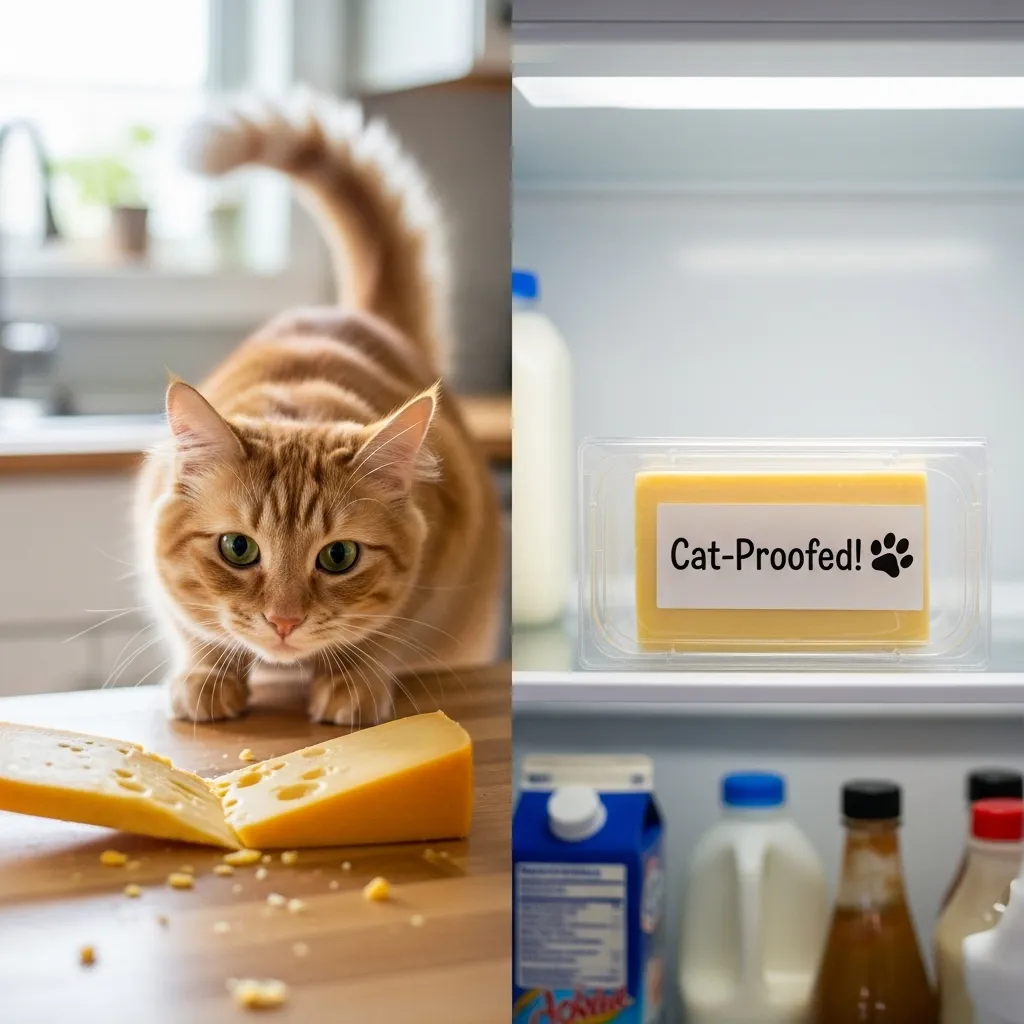
Cats are ninjas. Here’s how to outsmart them:
1. Store Smart
- Use airtight containers.
- Keep cheese in the back of the fridge.
2. Counter Surfing Deterrents
- Double-sided tape on edges (cats hate sticky paws).
- Motion-activated air canisters (SSSCAT).
3. Train the “Leave It” Command
- Reward with high-value treats (not cheese!).
Explore our cat training behavior guide for step-by-step methods.
Cats and Cheese Memes: Why We Can’t Stop Laughing
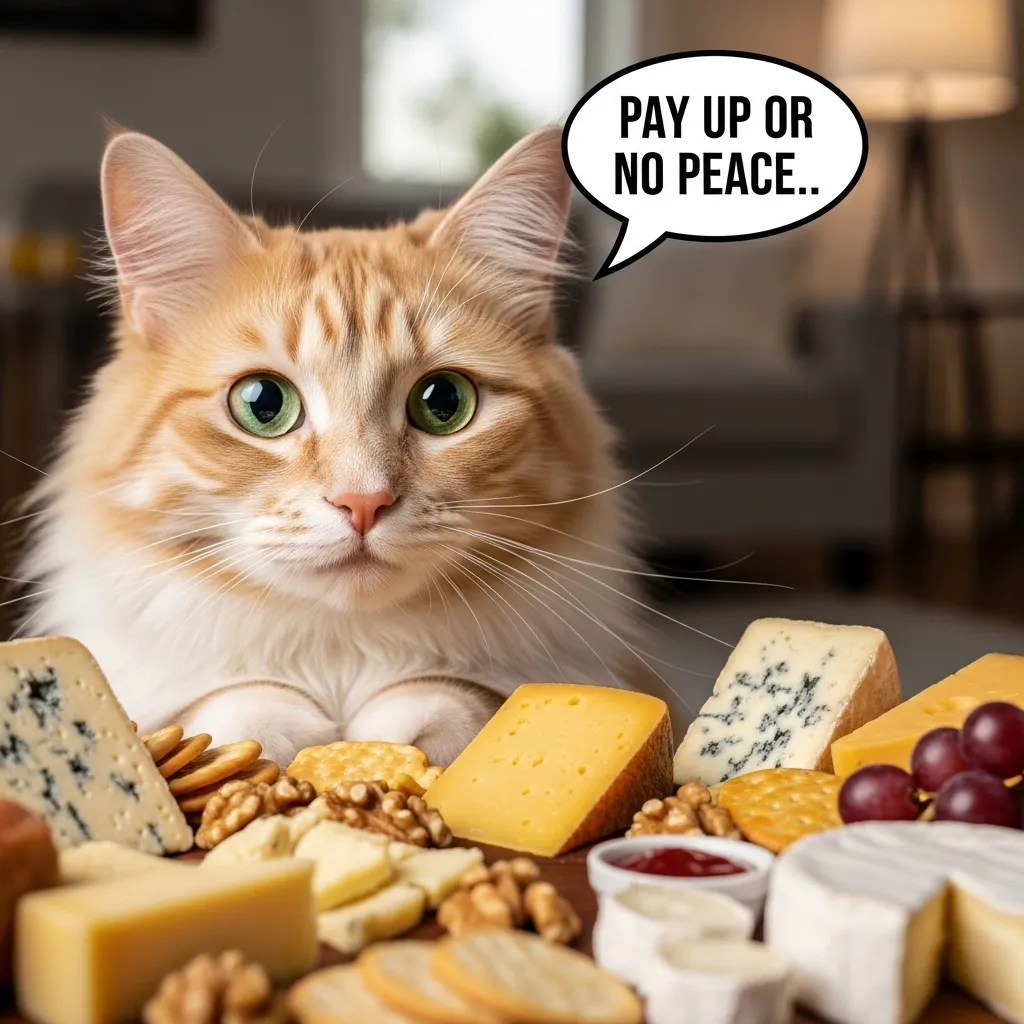
Let’s be honest cats eating cheese is comedy gold. From the infamous “Cheese Tax” cat to viral TikToks of felines face-planting into brie, the internet is obsessed.
But behind the laughs? A reminder: One funny video = one potential vet bill.
Check out our hilarious cat memes collection for safe giggles.
Funny Cat Cheese Videos: Top 3 Viral Moments
- “The Brie Heist” – A Ragdoll drags an entire wheel off the table.
- “Cheddar Stare-Down” – A Siamese hypnotizes its owner into sharing.
- “Cheese Tax Enforcement” – A tabby blocks the fridge door until paid.
(We don’t condone dairy—just the entertainment value.)
FAQ: Your Top Cheese + Cat Questions Answered
Can cats eat cheese?
Rarely, and only in tiny amounts of low-lactose, unsalted varieties. Most cats are lactose intolerant.
What should I do if my cat ate cheese?
Monitor for 24–48 hours. Watch for diarrhea, vomiting, or lethargy. Offer bland food and water.
Is cheese harmful to cats?
Not toxic, but high in fat, sodium, and lactose. Can cause digestive upset, obesity, or pancreatitis.
Can cats eat cheese with lower lactose?
Yes—hard cheeses like Swiss or Parmesan are safer. Limit to pea-sized portions.
What are signs of dairy reaction in cats?
Diarrhea, gas, vomiting, bloating, or lethargy within 12 hours.
When should I call the vet?
If symptoms last >12 hours, or if your cat is a kitten, senior, or has health issues.
How to prevent cats from eating cheese?
Store dairy securely, use deterrents, and train “leave it.”
Are there healthy alternatives to cheese for cats?
Yes—freeze-dried meat, goat milk, or cat-safe cheese treats.
Final Thoughts: Love Your Cat, Skip the Cheese
Your cat doesn’t need cheese to be happy. They need you—and a diet that keeps their gut, weight, and energy in check.
If your cat just pulled off a dairy heist, stay calm, monitor, and pivot to safer treats. One cheesy slip-up won’t ruin their health—but making it a habit will.
Ready for more expert cat care?
Explore our full library of breed guides, health tips, and behavior hacks at Cat Bloom Haven.
Your cat’s nine lives thank you. 🐾